- Published on
Camino De Santiago - Day 1
Time of Visit: September 30, 2022
I left the hostel at about 7 AM to walk a mile to the bus terminal. It was unseasonably cold - barely 40 degrees - the sun hadn’t yet risen, and the $10 jacket I had packed last-minute did little to guard me from the biting chill.
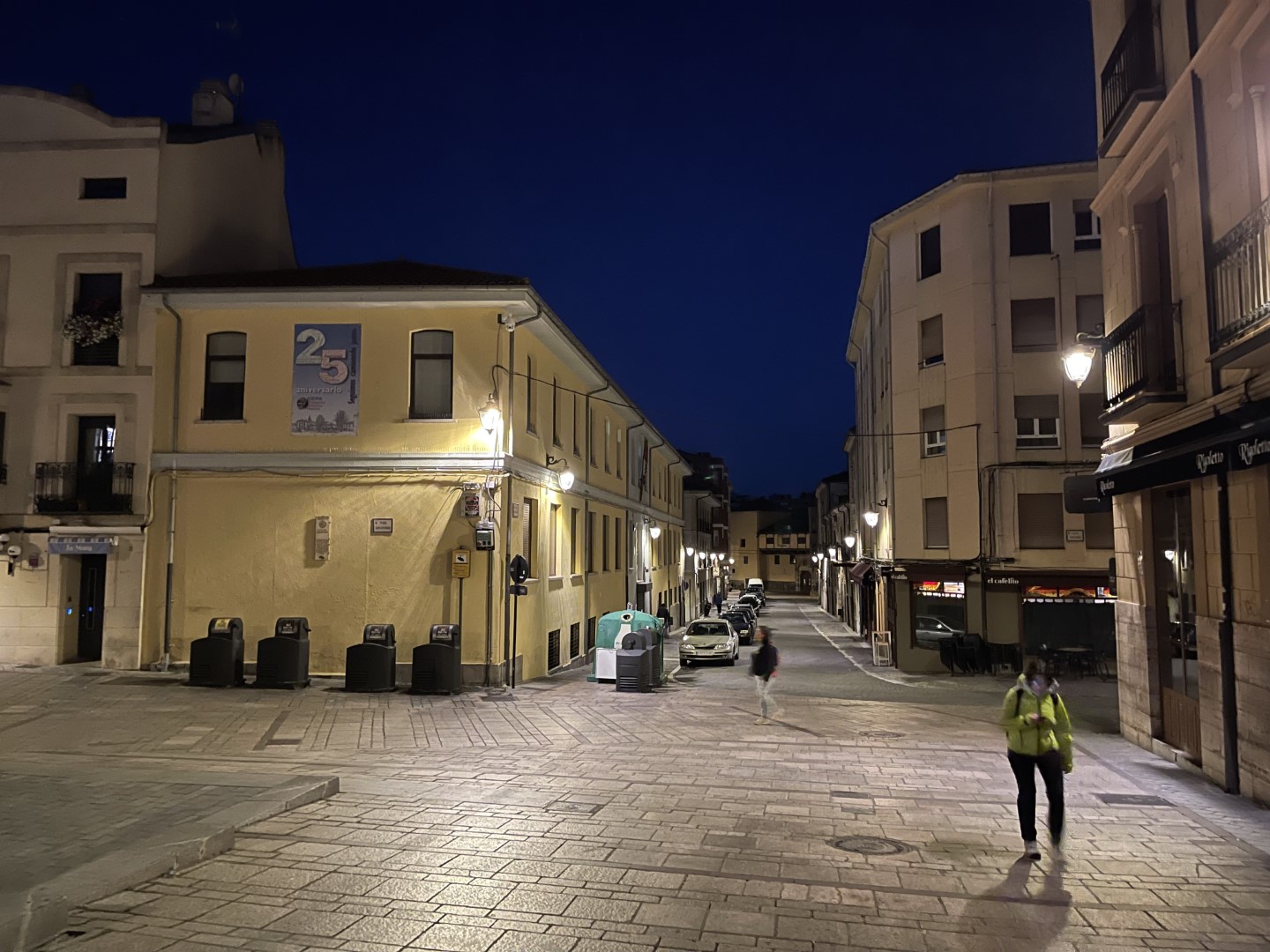
Pilgrims slipped out from the albergues and hotels scattered throughout the city center, joining paths on the westward road. Occasionally, the clamor of a van carrying beer and soda bumping over cobblestones would punctuate the still air, but silence would return as soon as it rounded the next corner. There seemed to be an unspoken agreement among the pilgrims that this early-morning darkness was sacred, not to be interrupted by small talk or phone conversation.
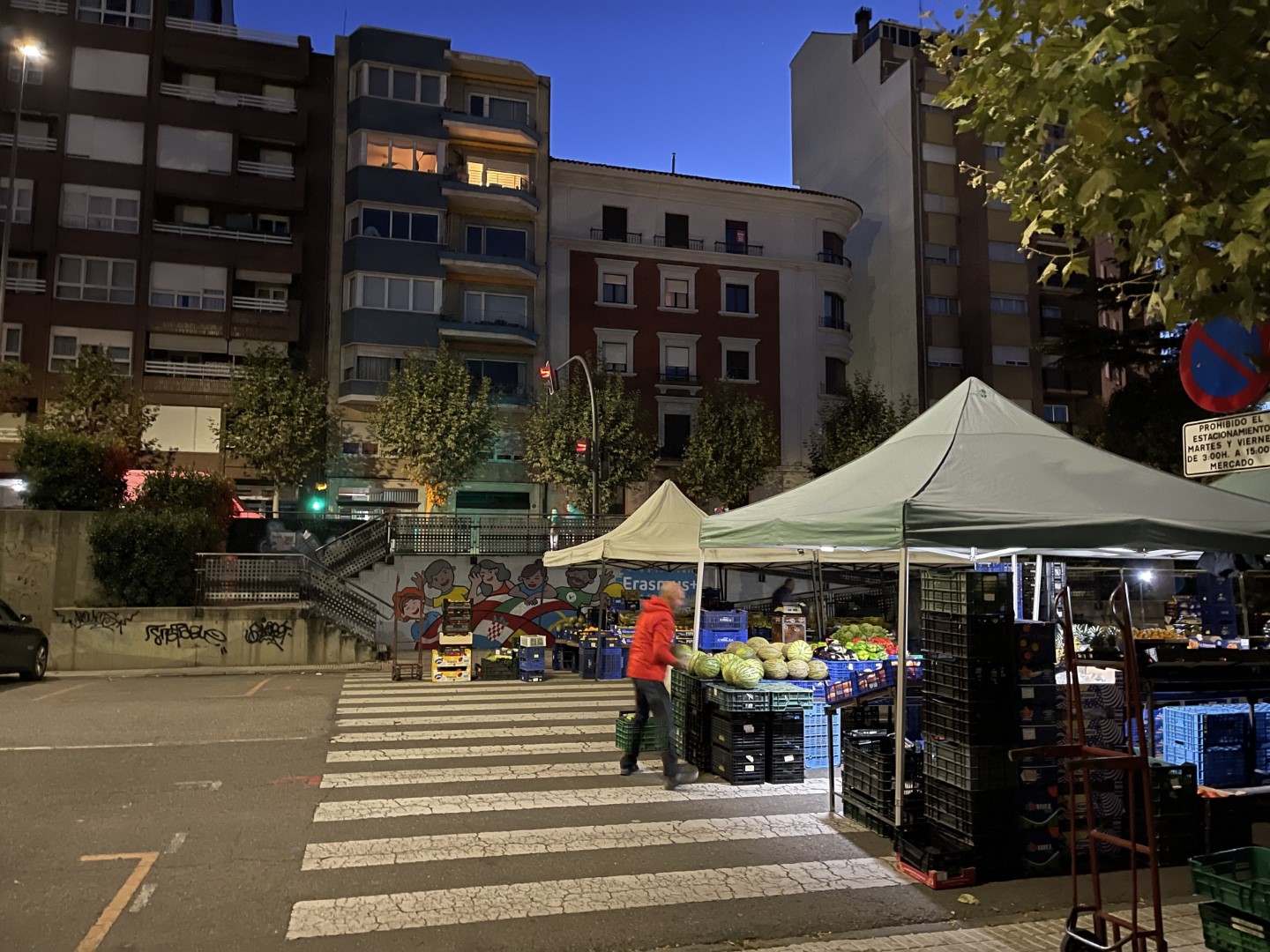
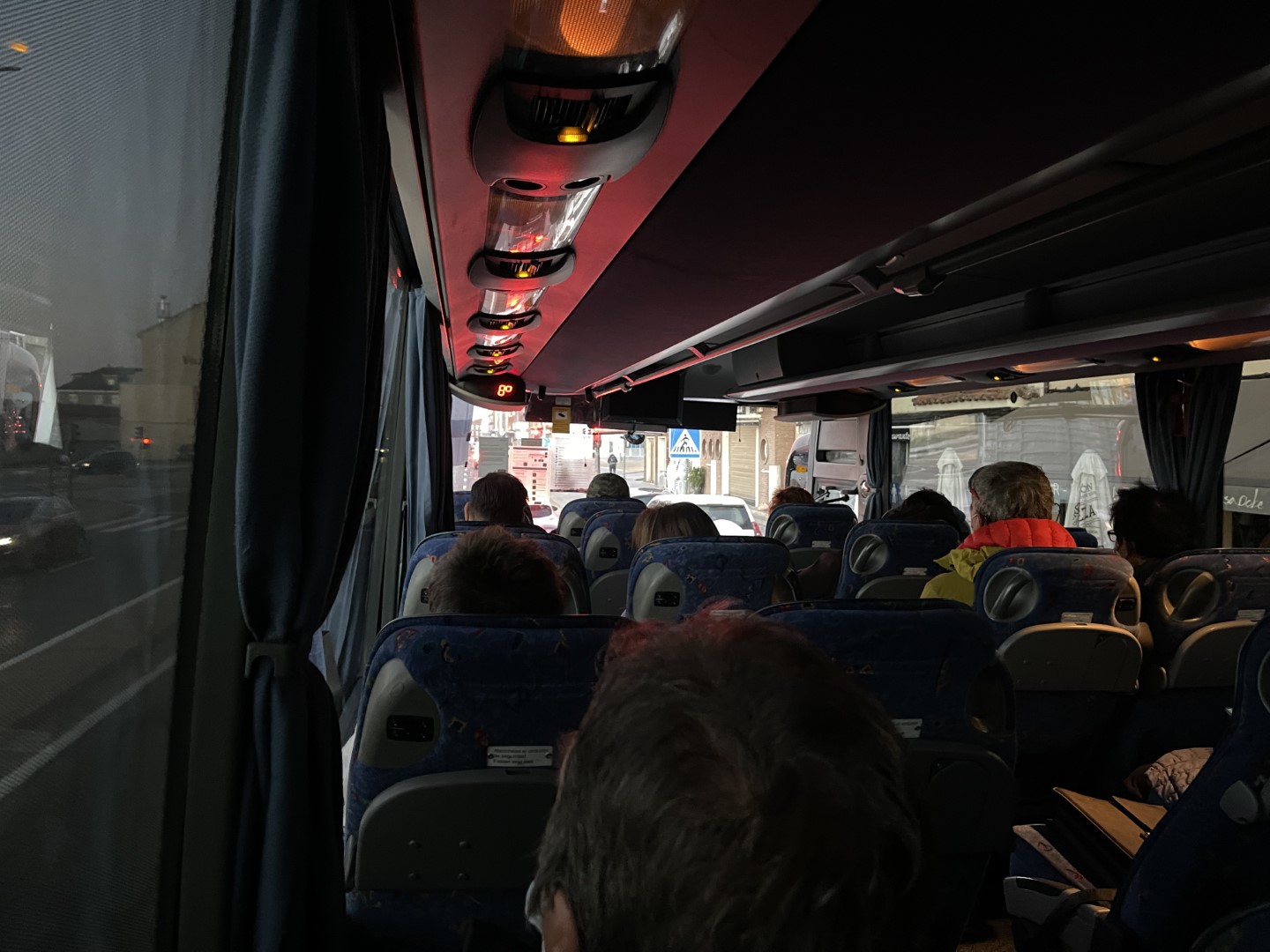
The agreement was broken at the bus terminal, where a throng of pilgrims crowded around poorly signposted buses and employees yelled in Spanish at pilgrims who clearly didn’t speak Spanish. I thanked the heavens that I knew Spanish, purchased a ticket, and made my way onto a bus which rumbled past the industrial wastelands west of León and dropped me off 30 minutes later at a town called Hospital de Orbigo, where I would begin my Camino.
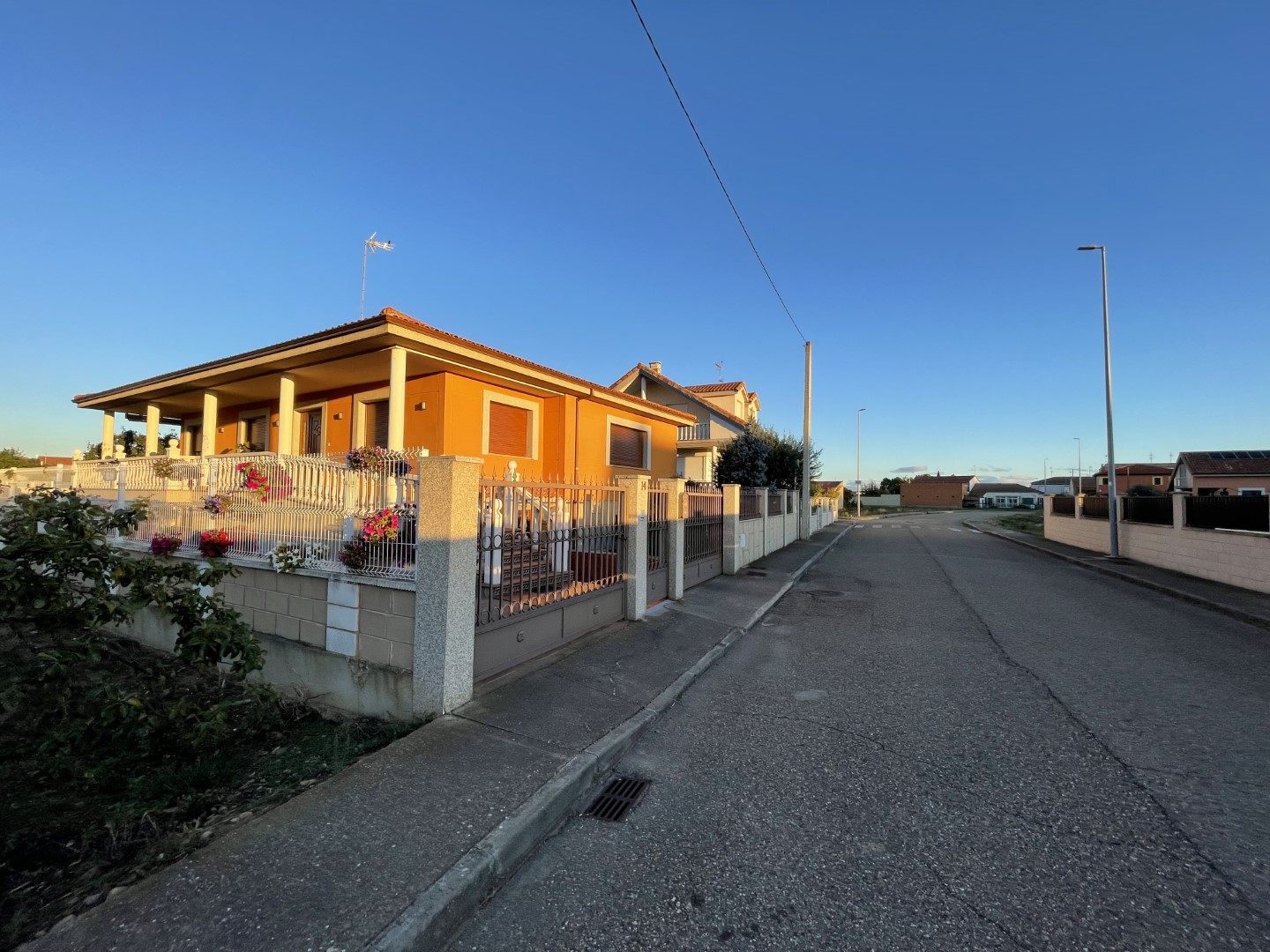
The sun, now well over the horizon, illuminated the desolate village and wheat fields that surrounded me. Prodded from behind by the warm light of dawn, I set off in pursuit of the long trail of bobbing backpacks before me.
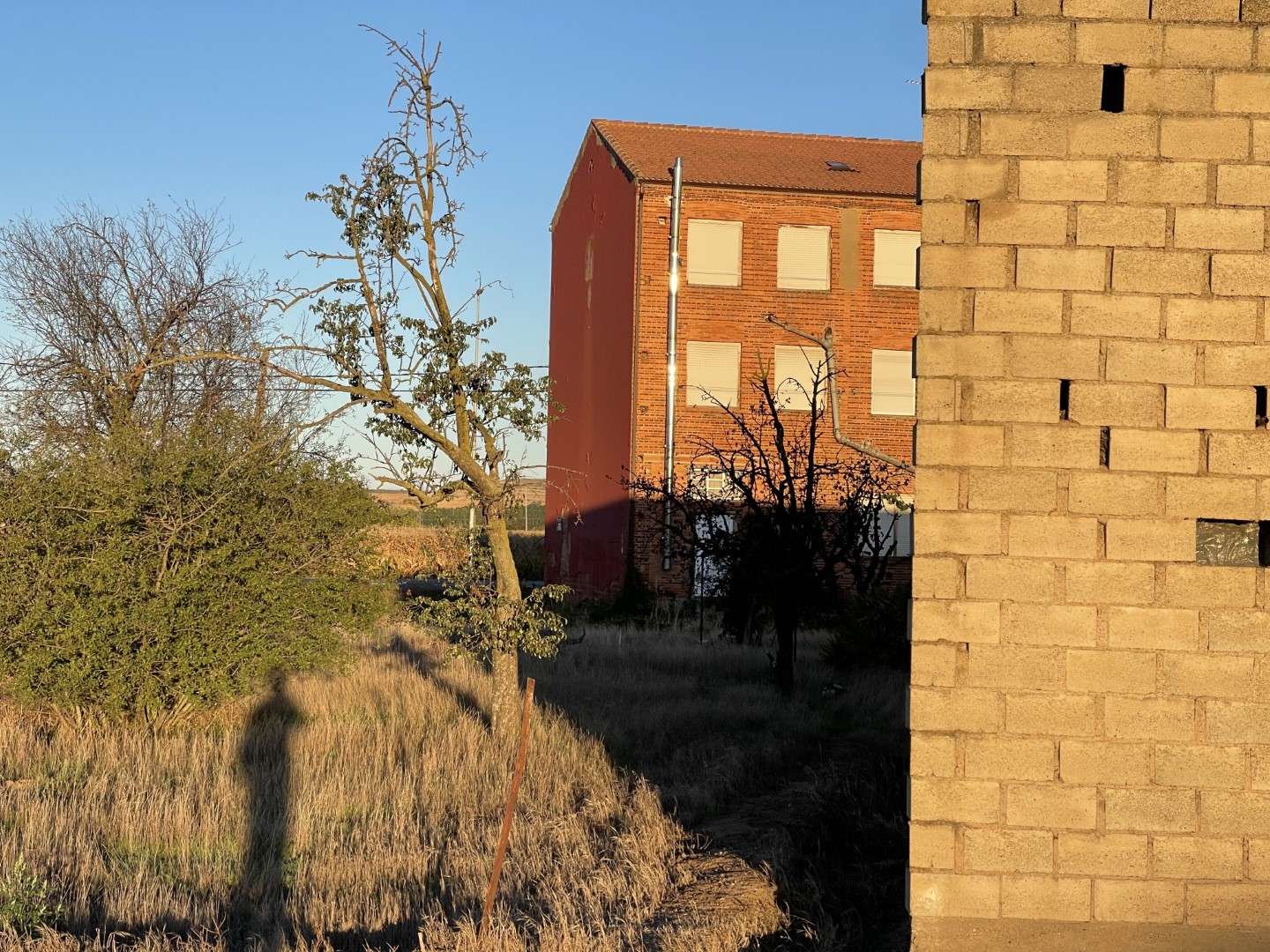
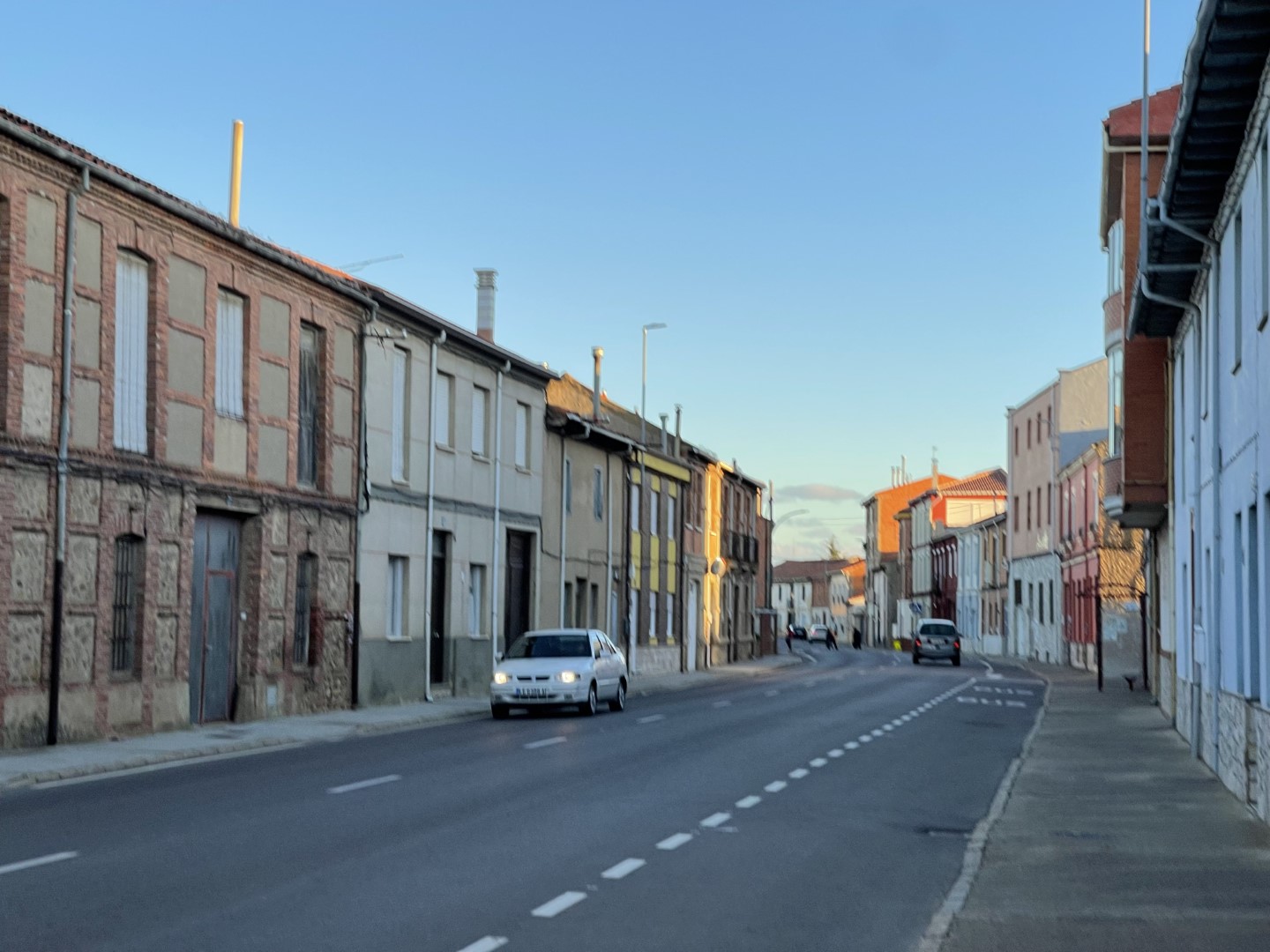
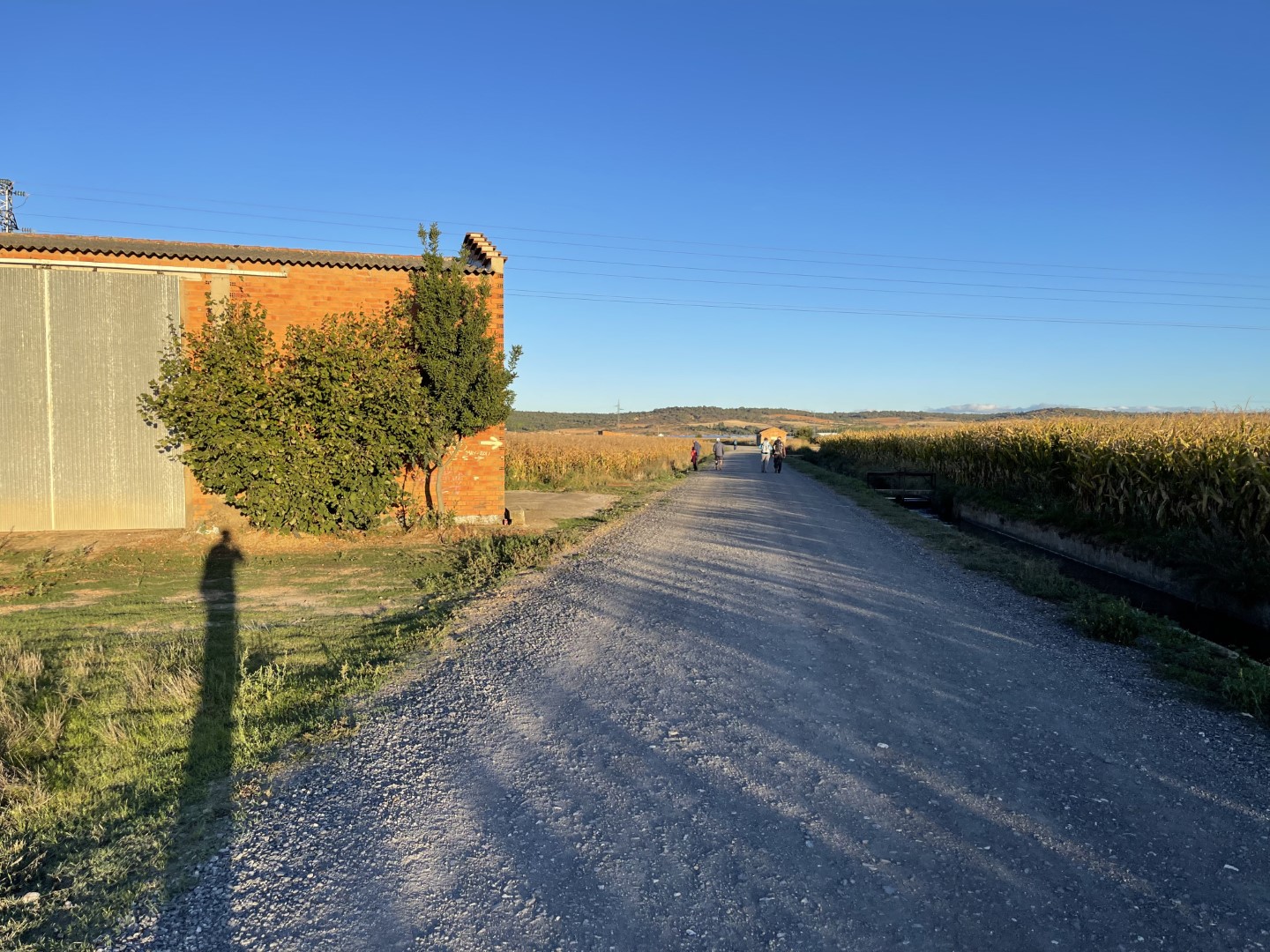
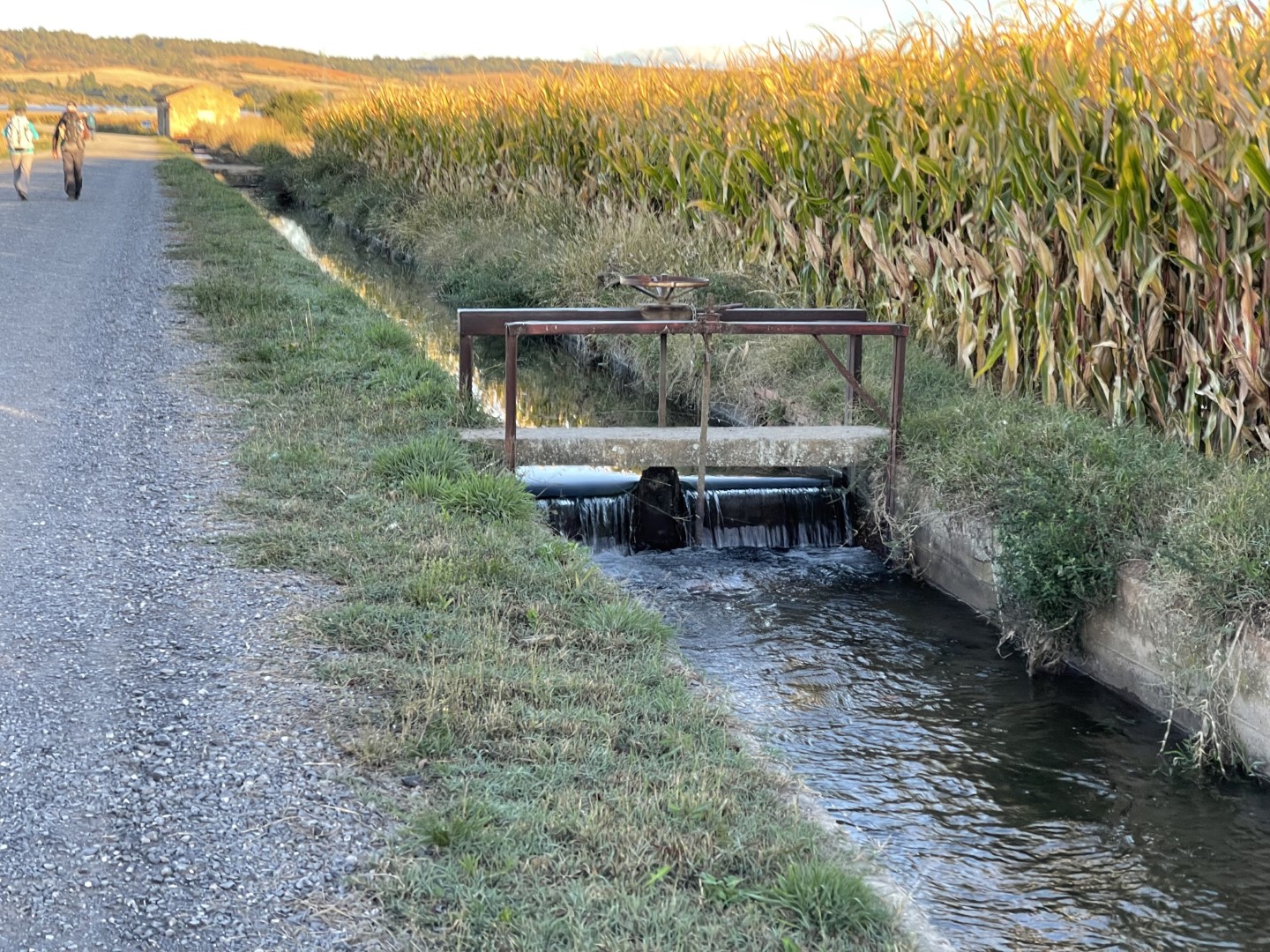
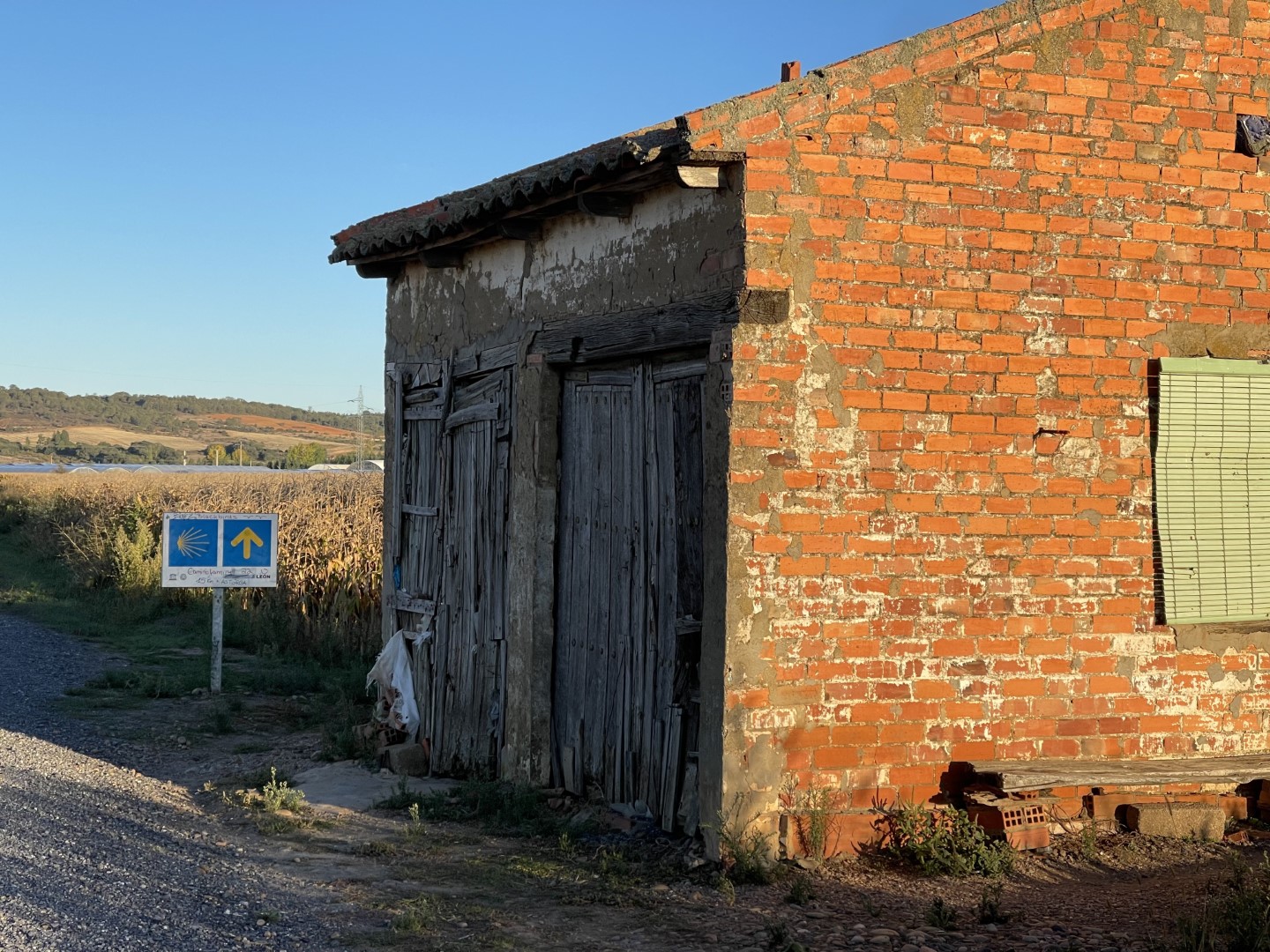
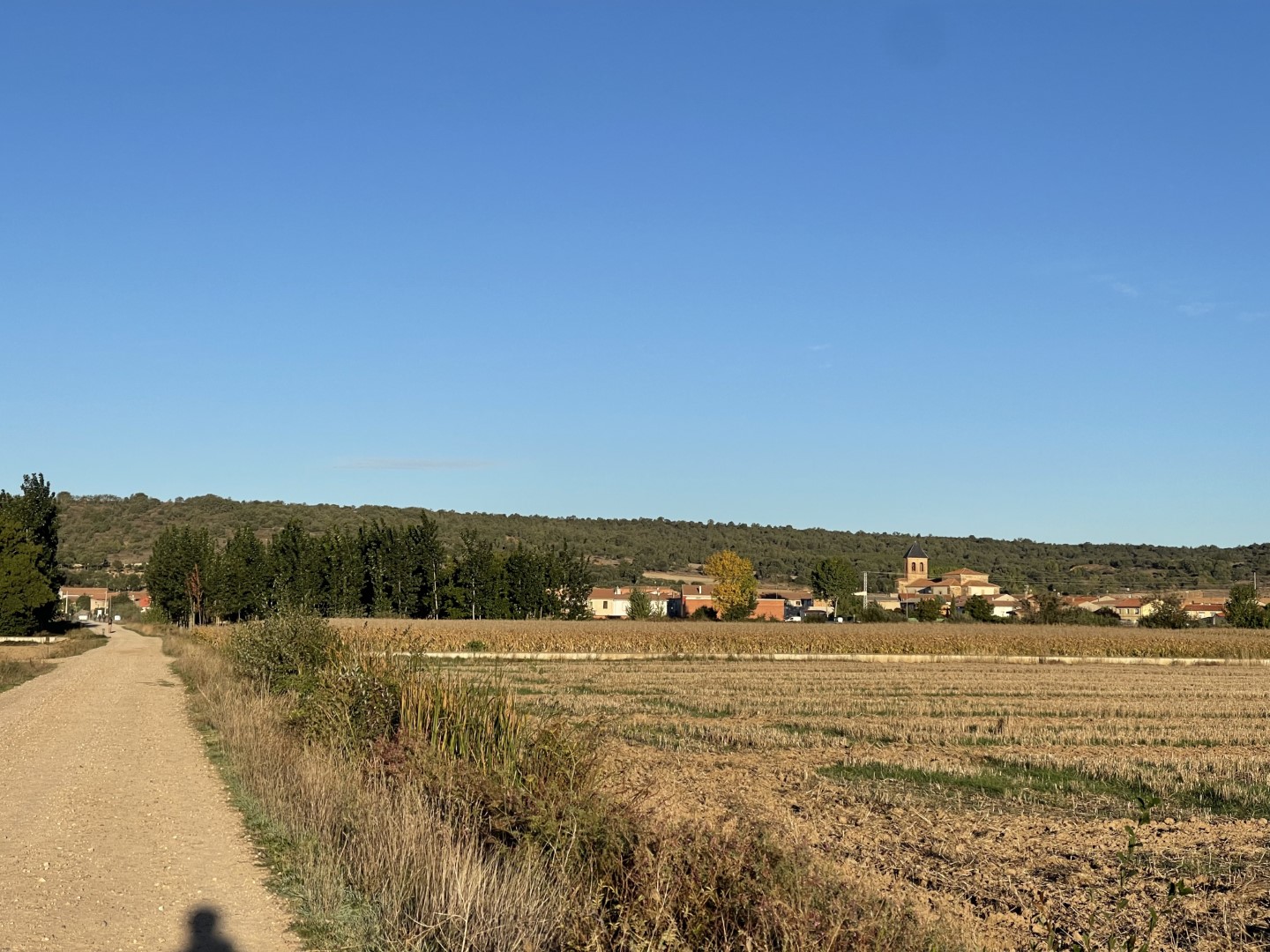
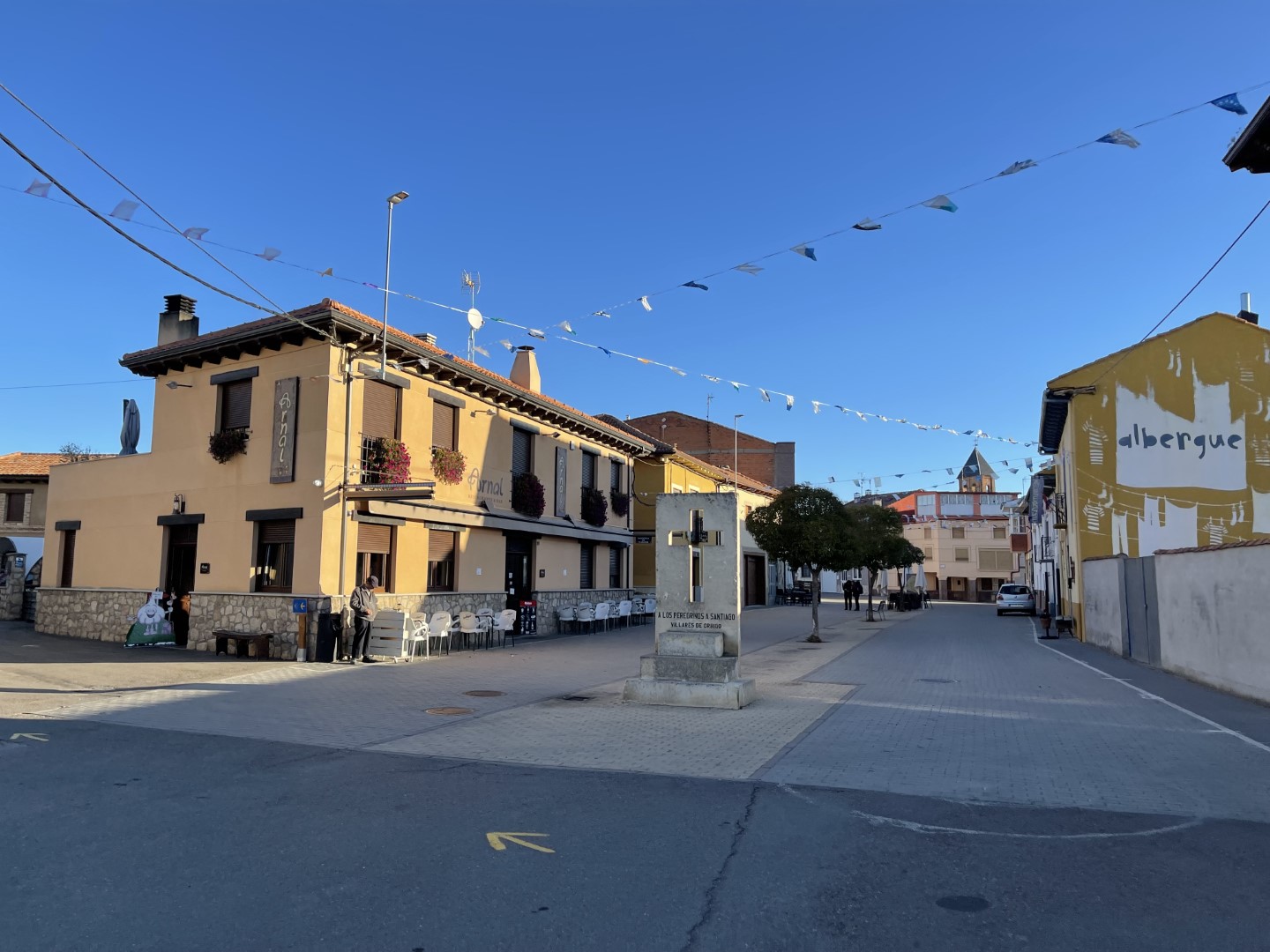
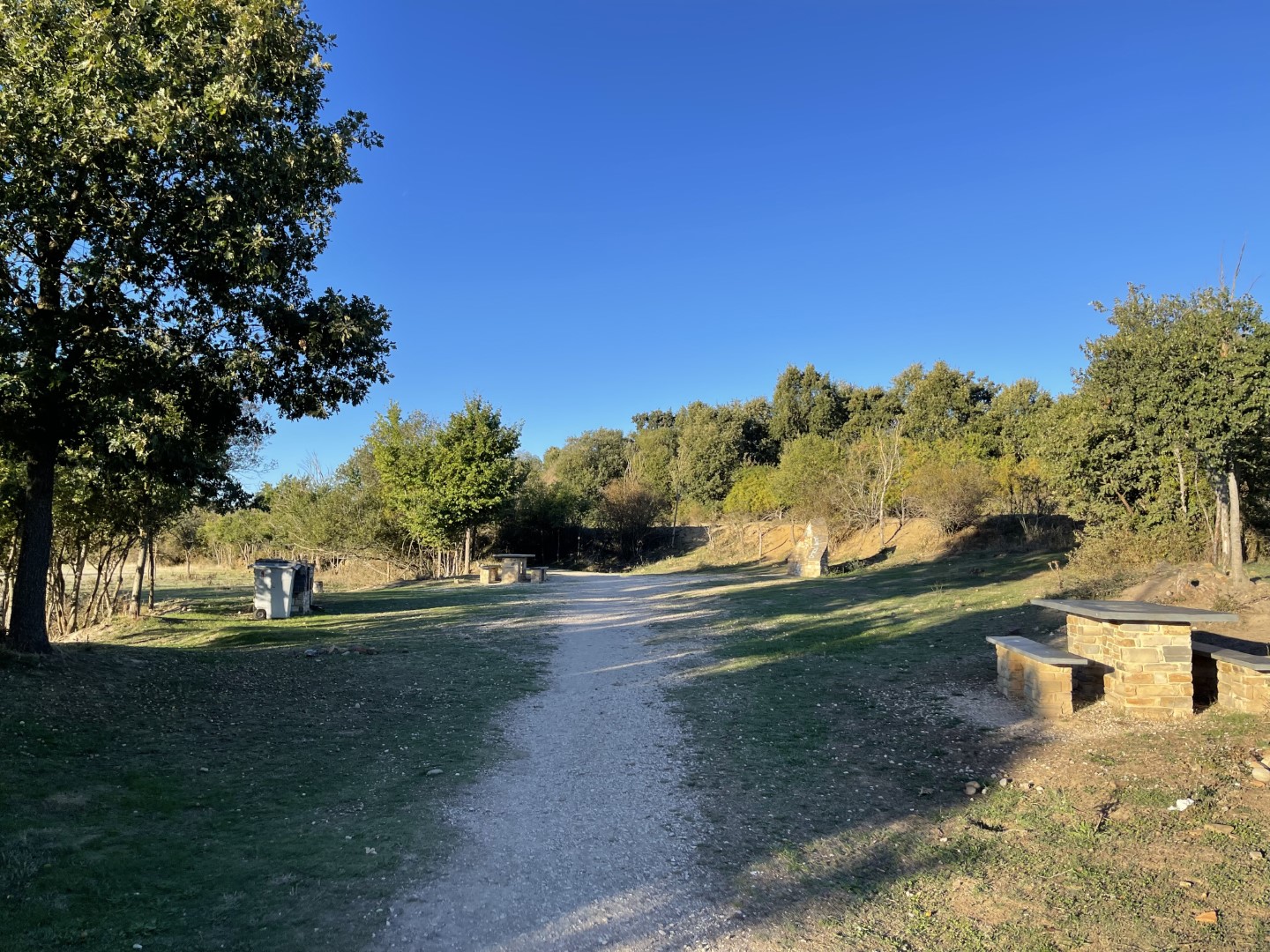
My initial excitement slowly gave way to fatigue and irritation as the sun intensified, temperature rose, and I plodded along a monotonous vista of wheat fields. I listened to some Todd Terje to pick up my spirits.
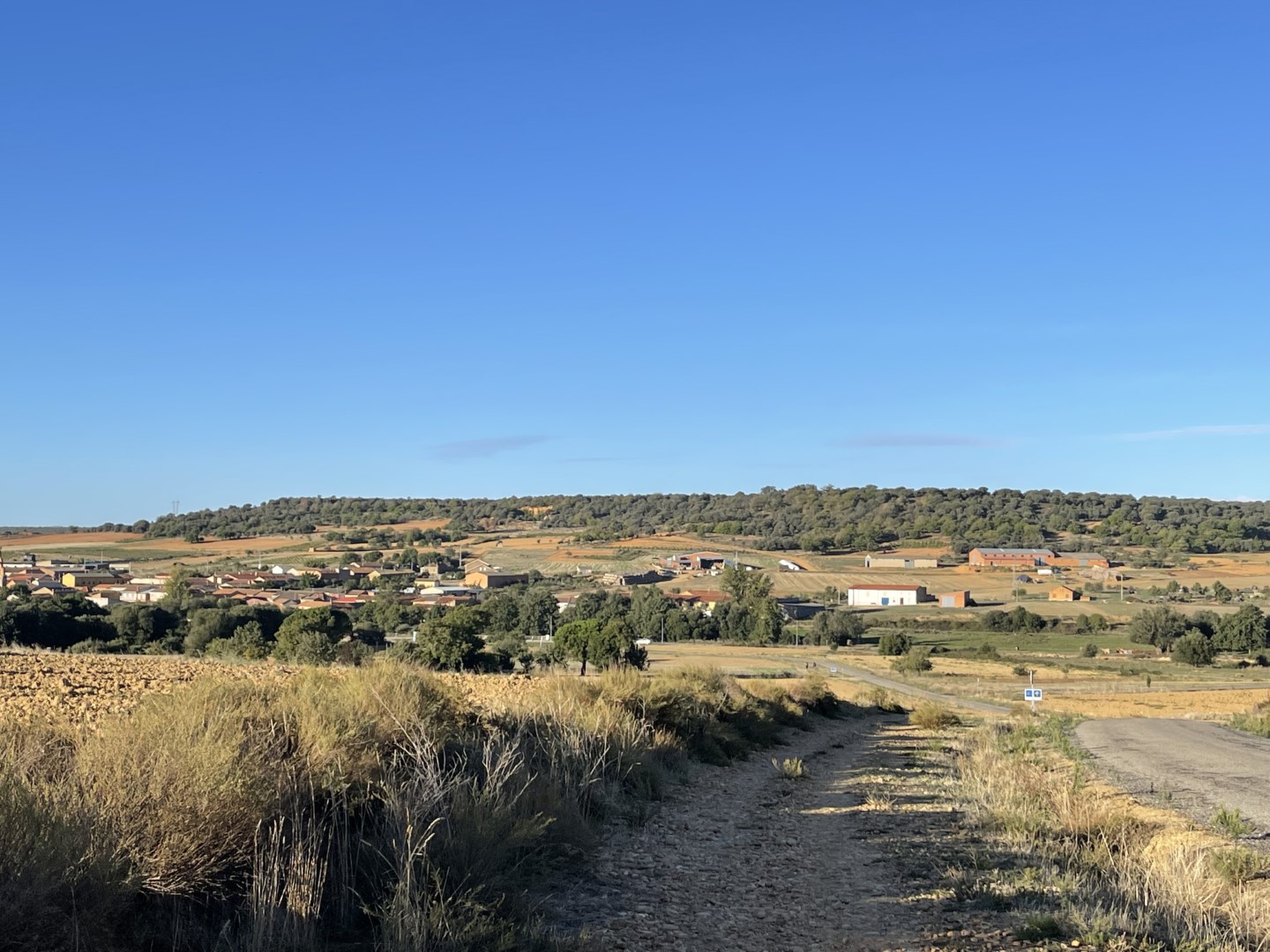
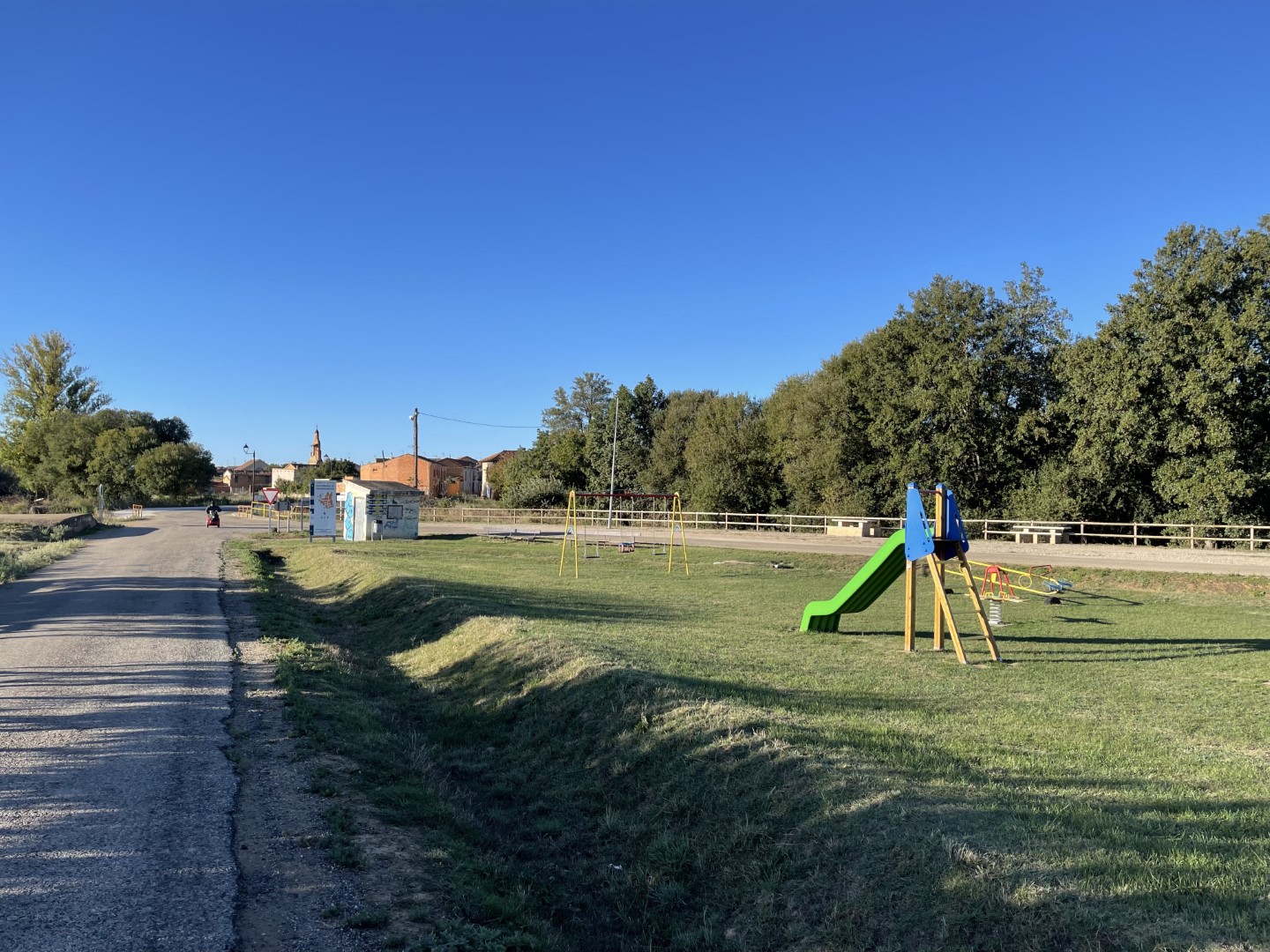
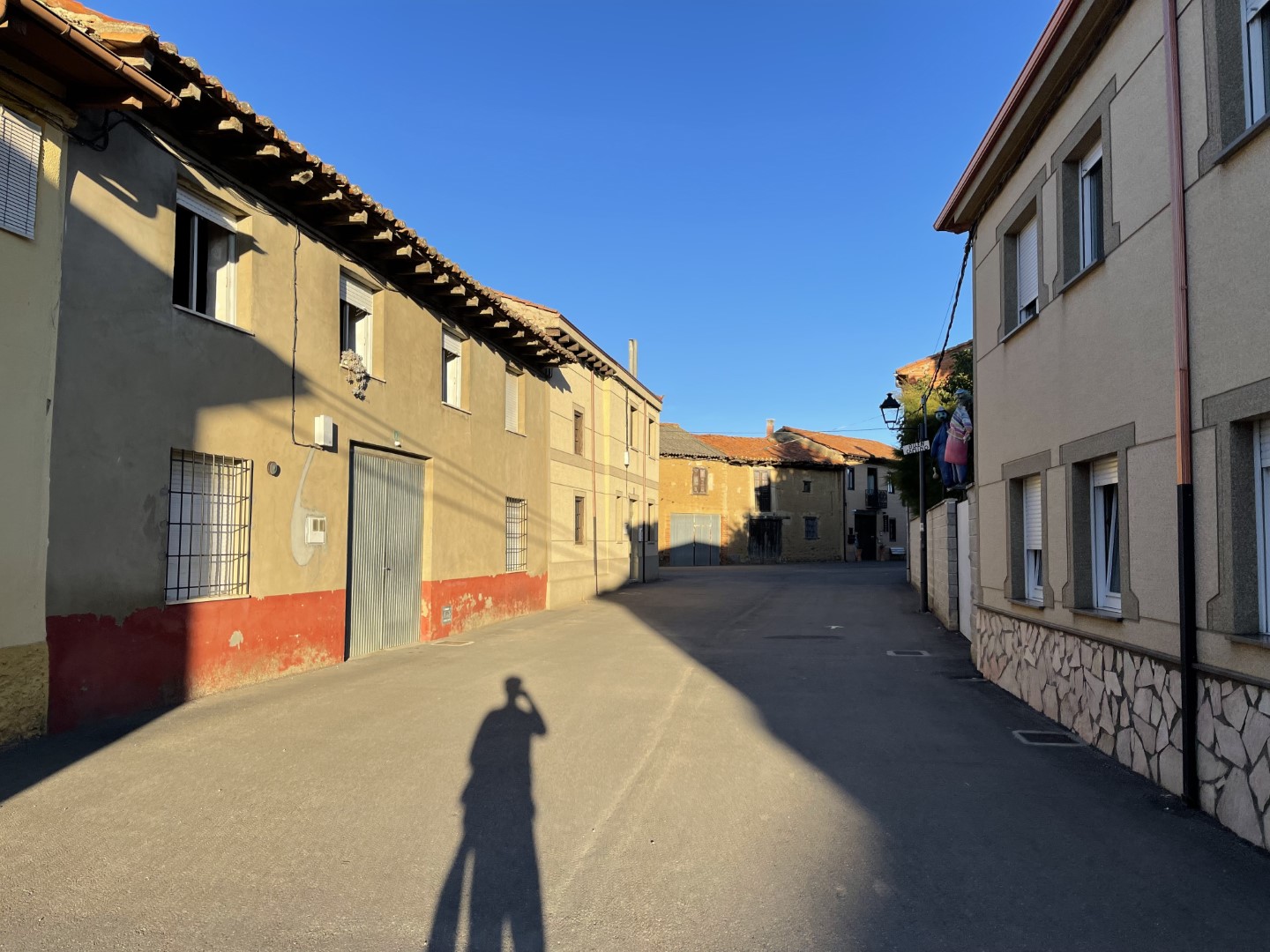
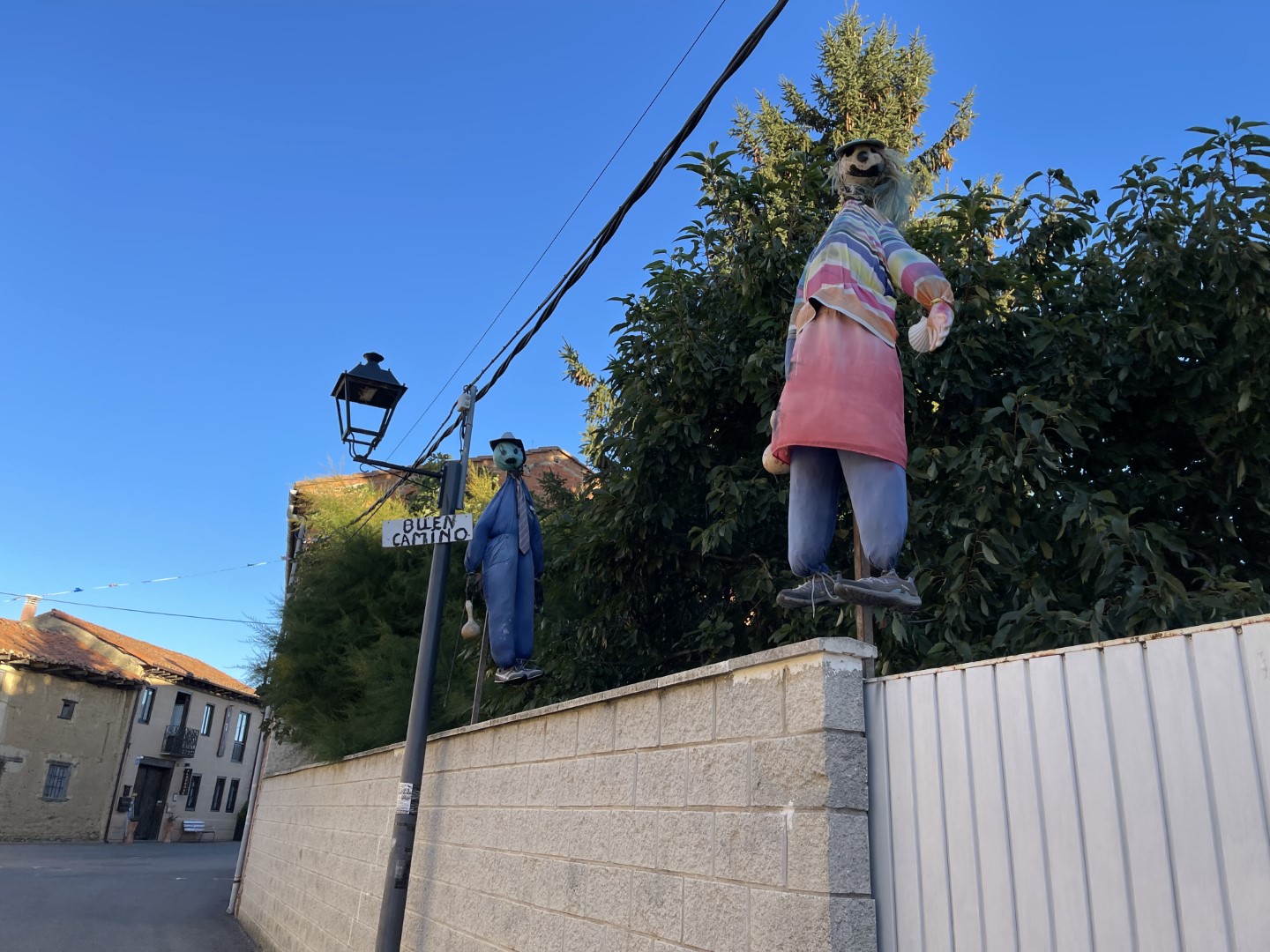
The four villages I passed through over the course of the day were absolutely immaculate in spite of the hundreds of pilgrims passing through every day. I guess the Camino selects for hippies/hiker-backpacker types who are less inclined to trash their surroundings.
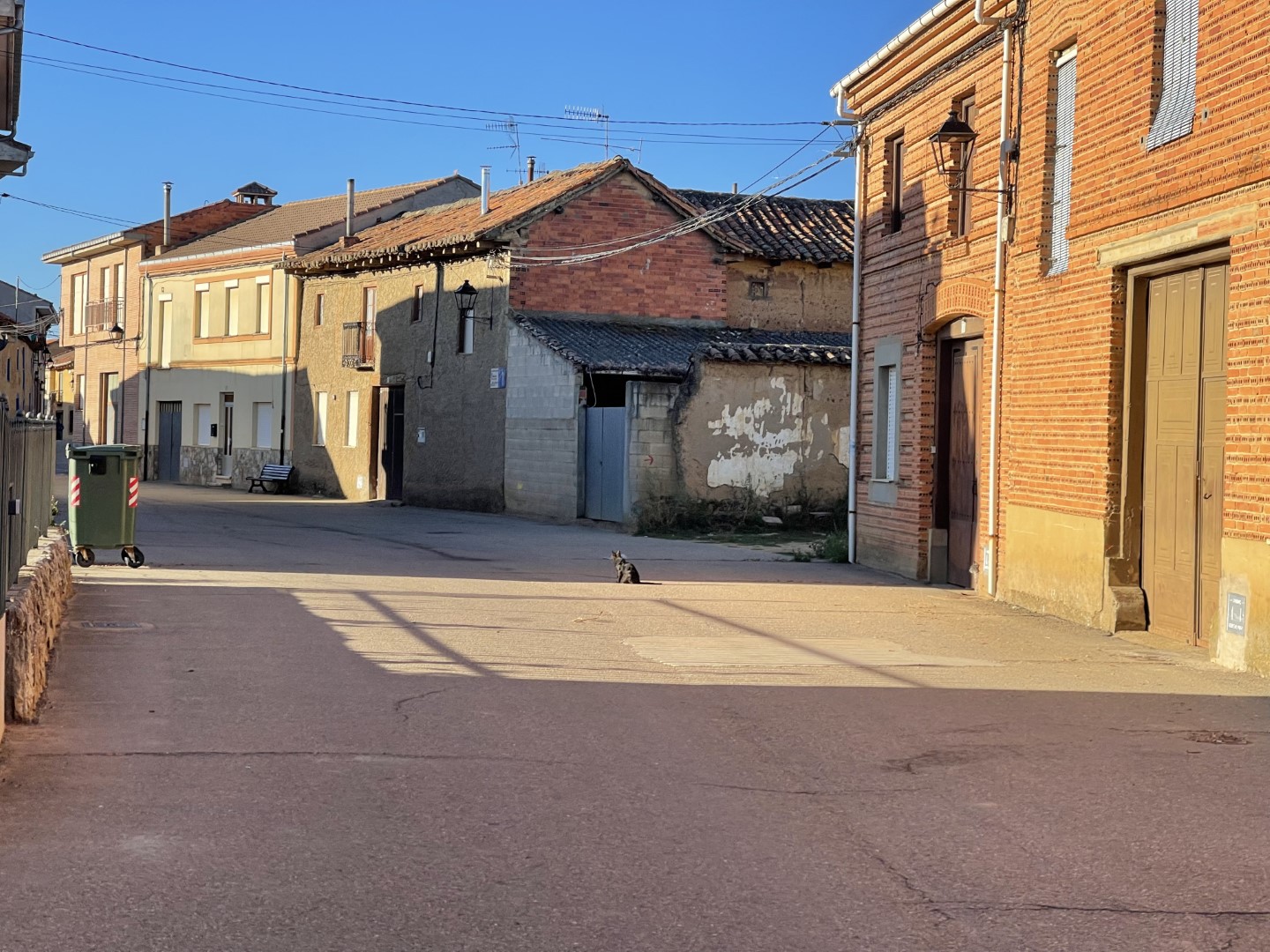
Sadly, these villages show almost no sign of life other than in the one or two albergues that double as coffee shops and restaurants. The majority of buildings are padlocked or boarded up and left to stand as a reminder of livelier days. Dusty for-sale signs wait for buyers who will never come. Occasionally an elderly patriarch will lean out of a second story window, waving at passerby.
To understand the severity of rural Spain's demographic plight in numbers, the province of Castile and León, where I was walking, had a birth rate of just 5.5 per 1000 inhabitants in 2021, compared to Japan's 7.1, USA's 12.0, and Nigeria's 36.4.
For every village on the Camino that survives on pilgrims' money, a hundred villages beside it will quietly fade into oblivion. There are already thousands of abandoned villages throughout rural Spain, and you can buy abandoned villages online starting at just $60,000.
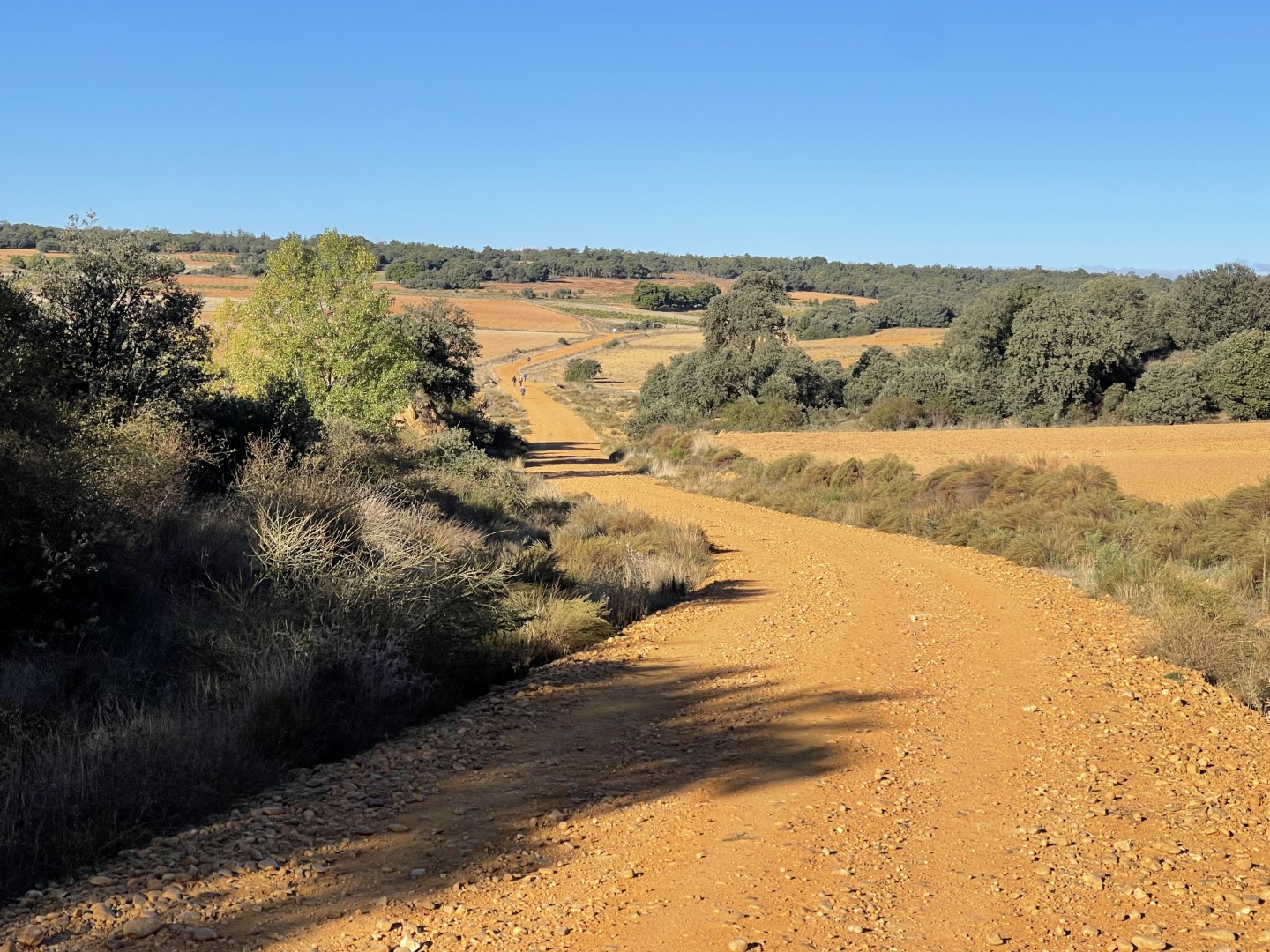
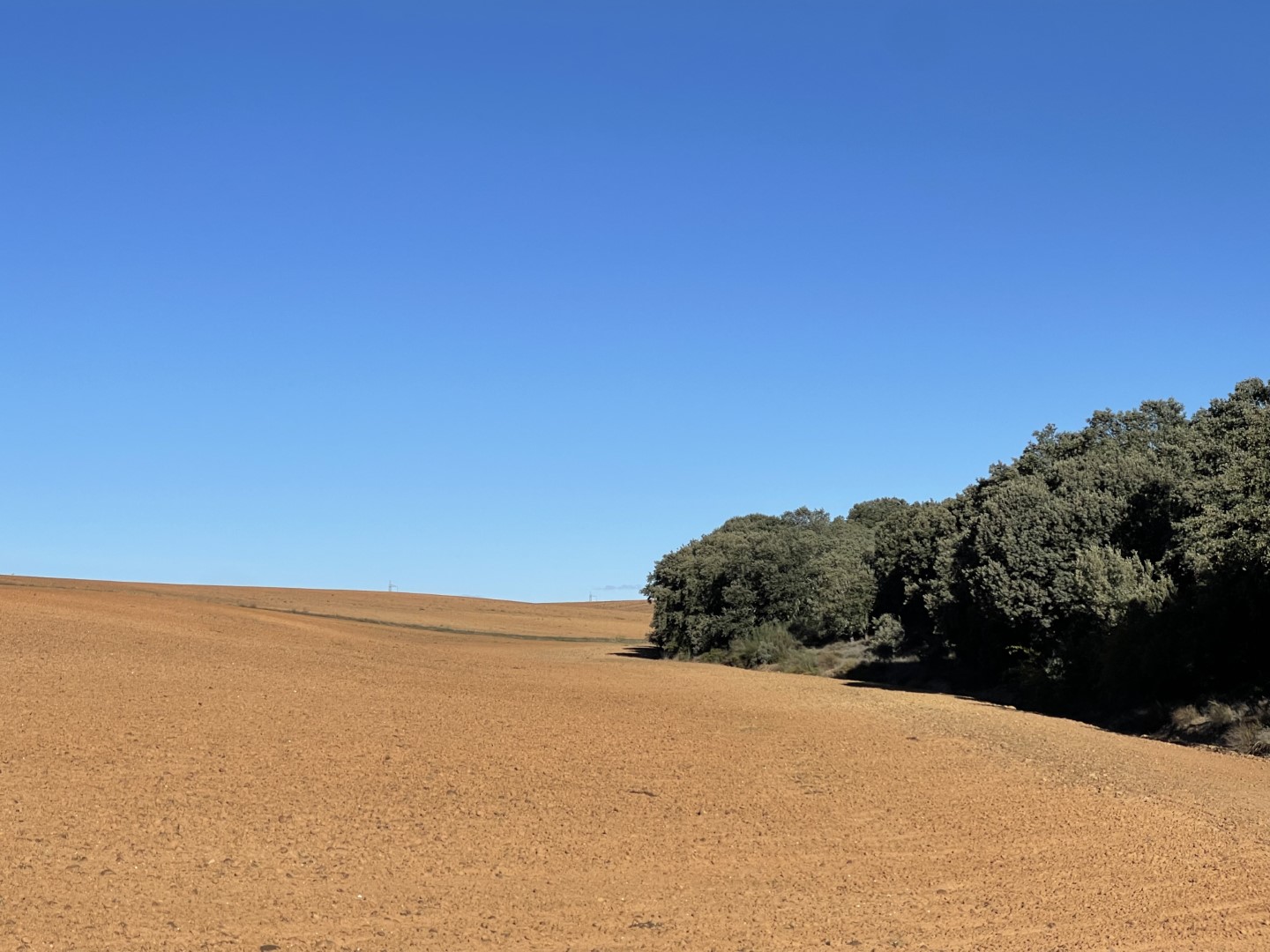
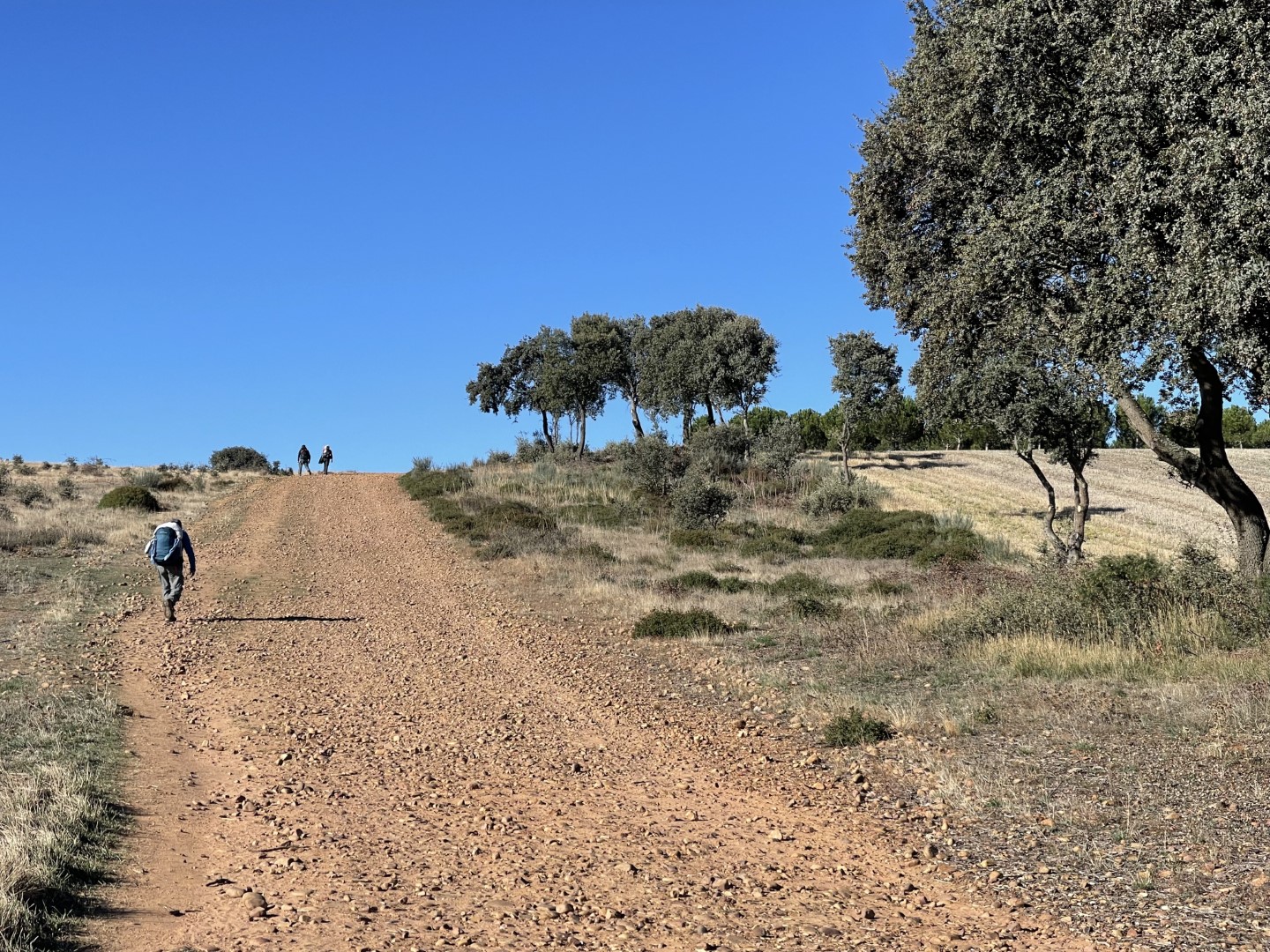
Shortly after noon, I climbed another hill and prepared myself for the fifteenth wheat field view of the day, when an oasis emerged from the sea of golden brown: a pilgrim rest stop operating entirely on donations that provided water, snacks, restrooms, and hammocks. I paused for some water and chatted with a Danish man who had began walking in March from Copenhagen and whose calves could have cut steel.
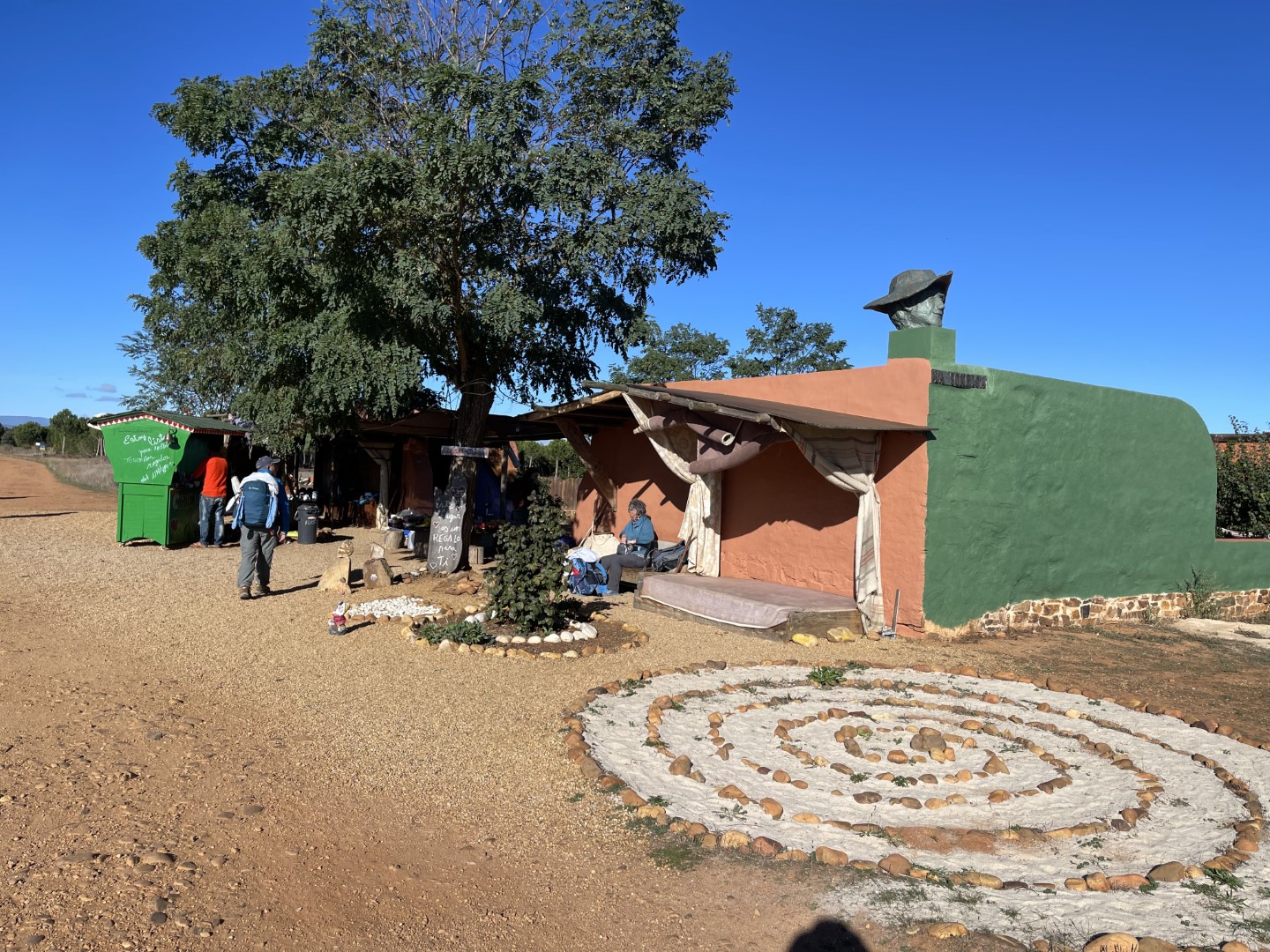
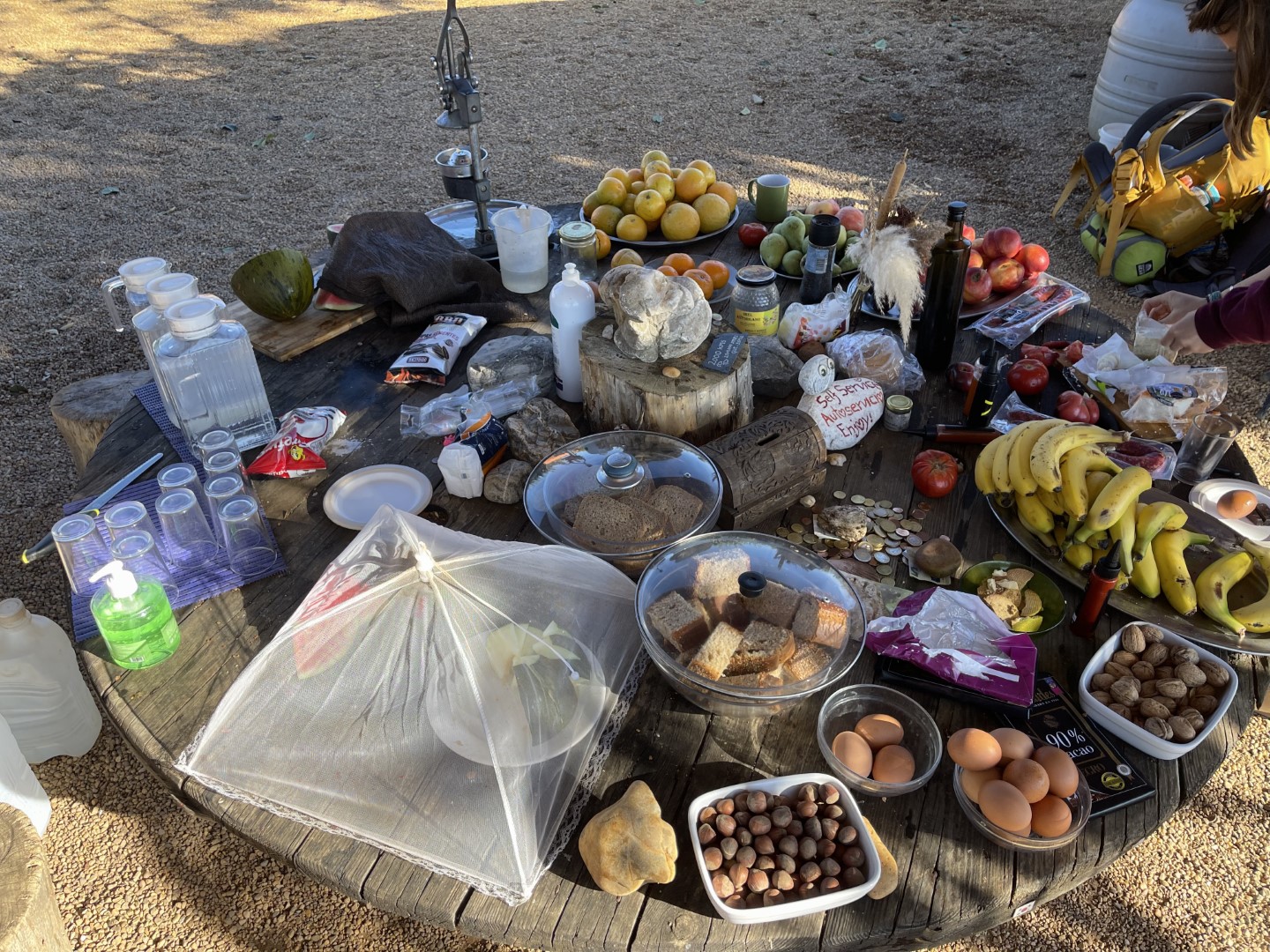
My legs were already quite tired by now, but fortunately it was almost all downhill to Astorga, my destination for the day.
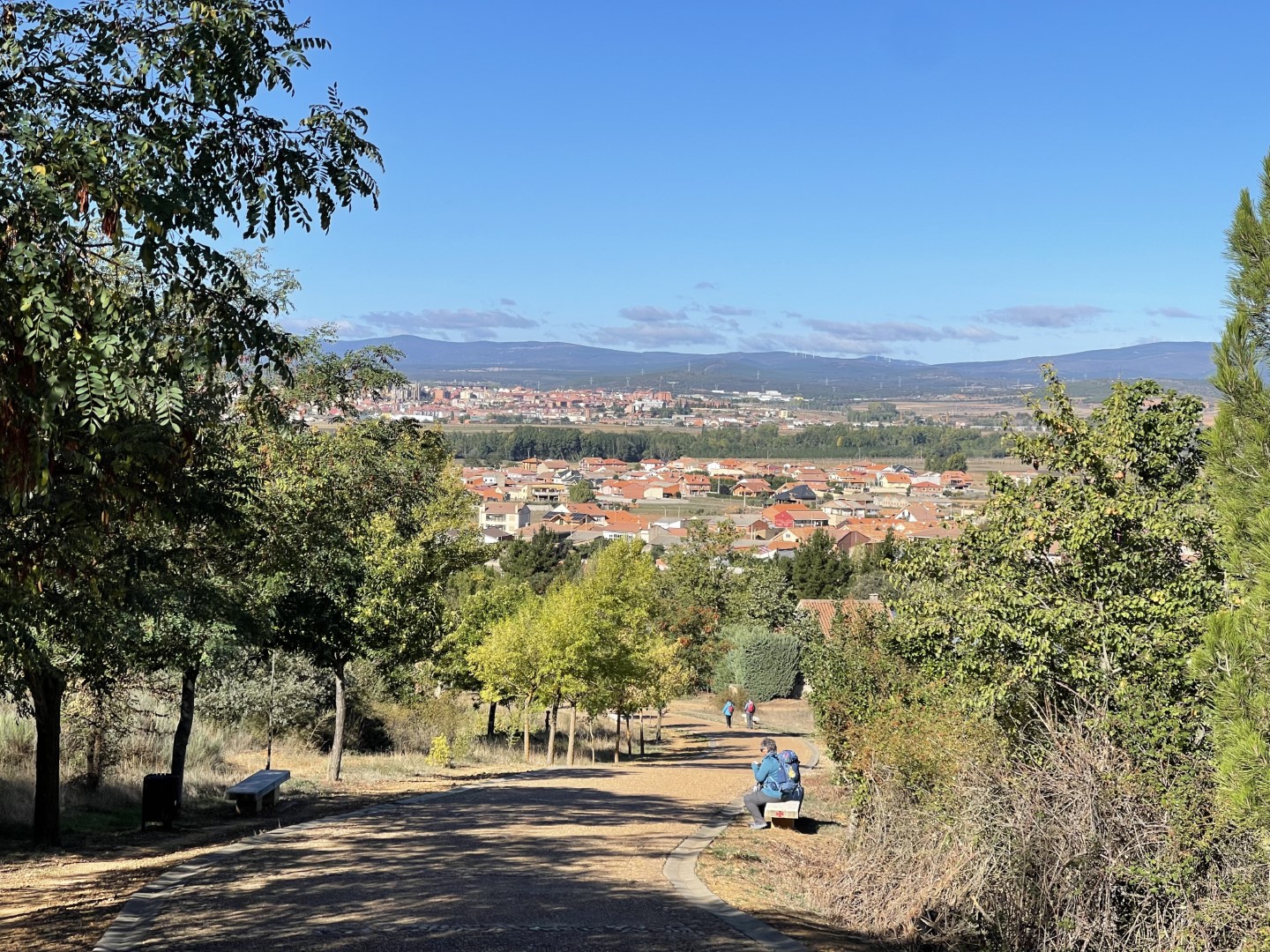
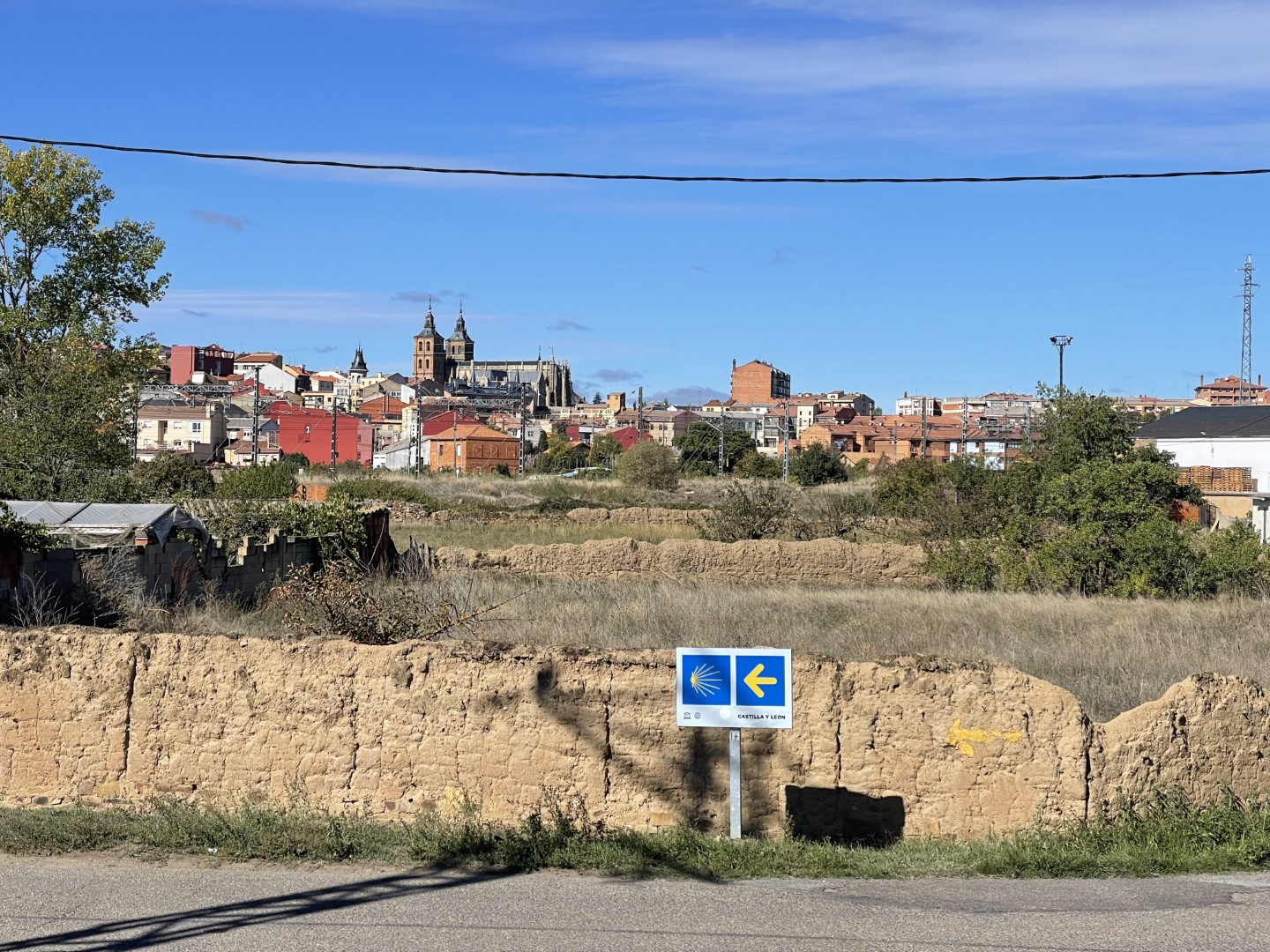
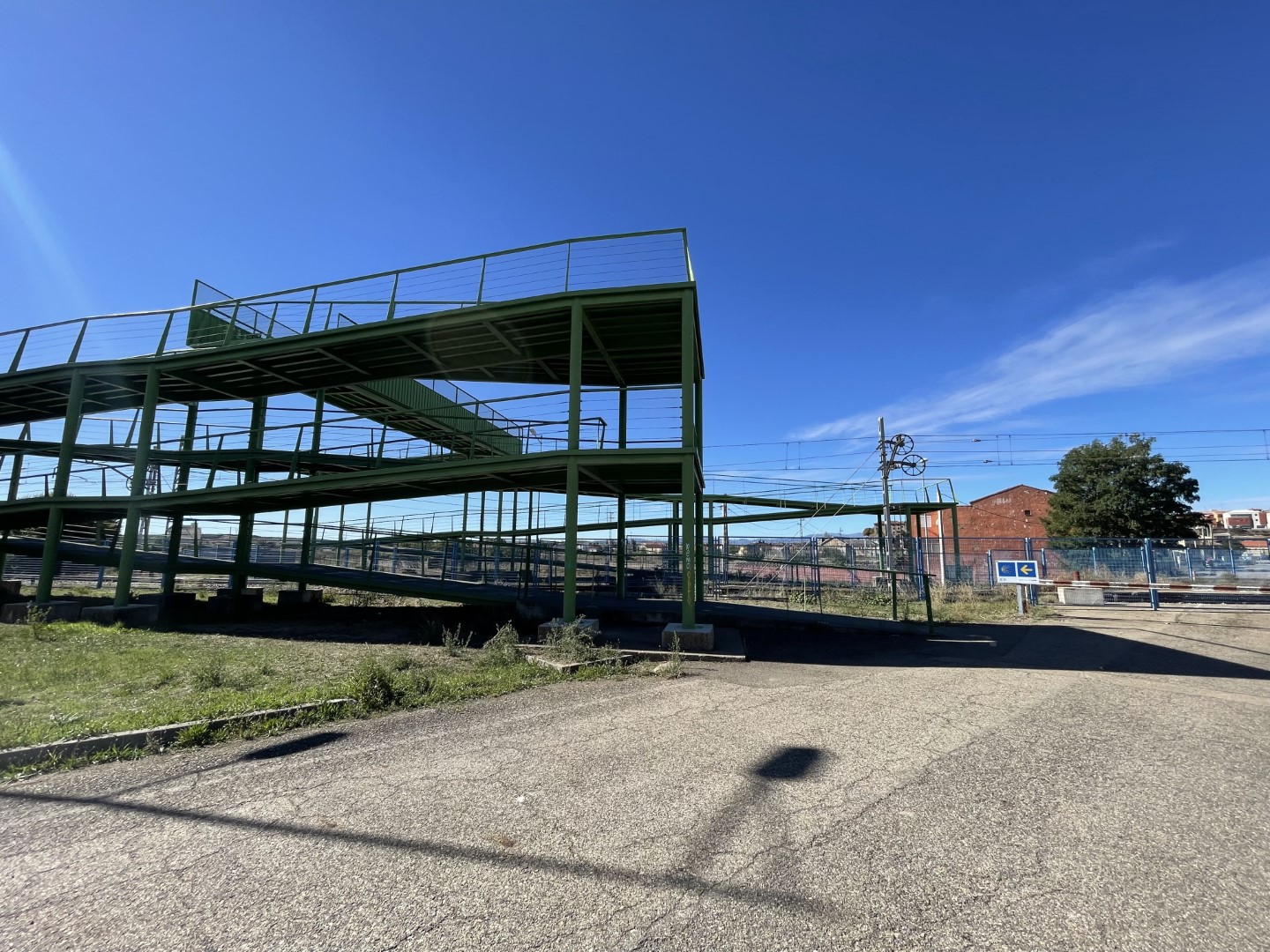
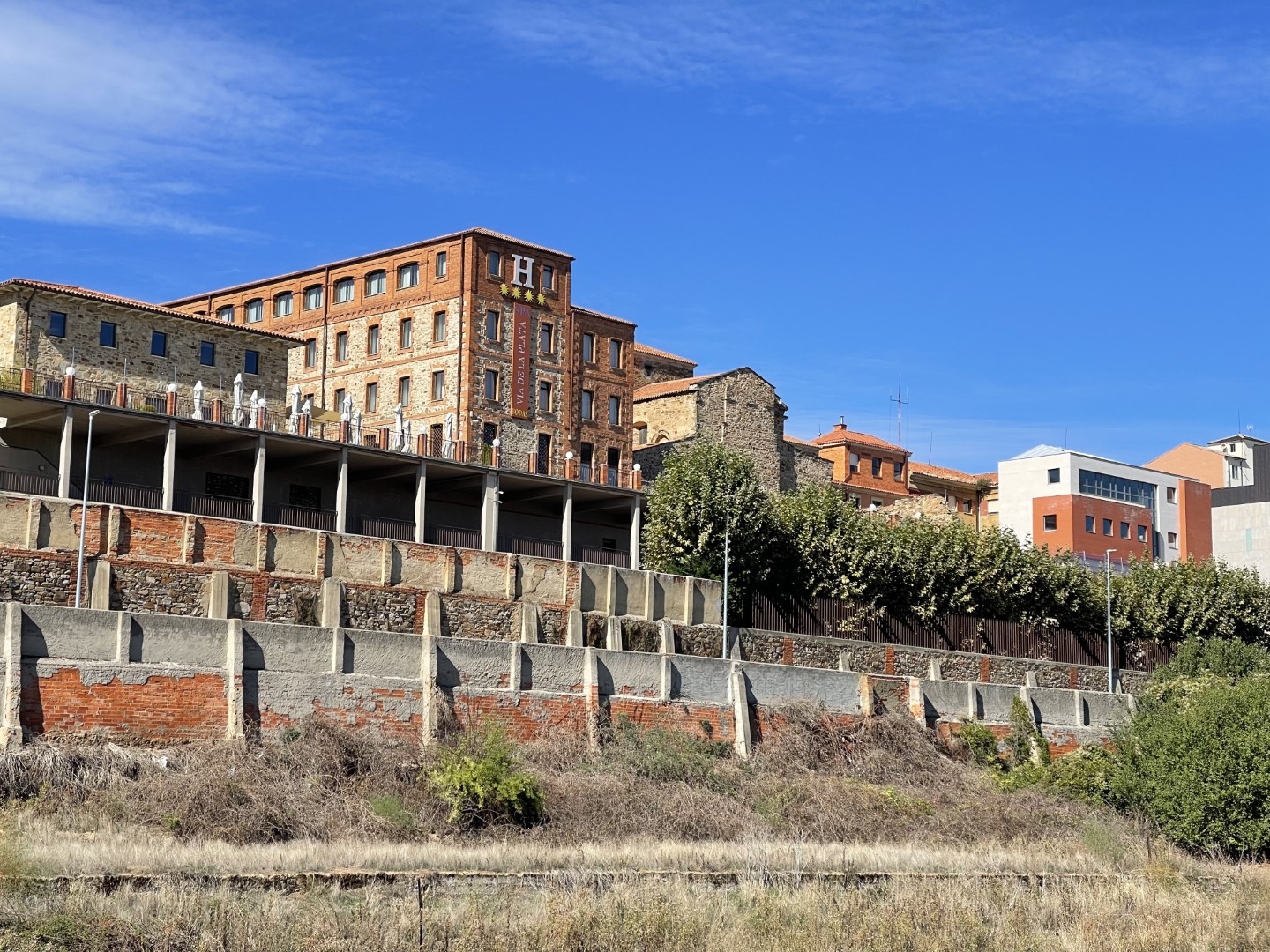
I arrived in Astorga shortly after noon. My legs felt like jelly after scaling the switchbacks into the city, which is perched on a hill, and I made a beeline for the closest open restaurant, only to find it completely empty except for two waitresses smoking outside. They were kind enough to call back the chef, who had gone out to pick up his laundry from the laundromat. It would be another hour and a half before Spaniards started trickling in for lunch.
I devoured my meal of bread, salty bean soup, and meatballs and fries and got drunk on the full bottle of wine provided with the 12€ set meal. My fatigue sublimated the bland Spanish cooking the same way alcohol elevates a Taco Bell Crunchwrap Supreme into haute cuisine.
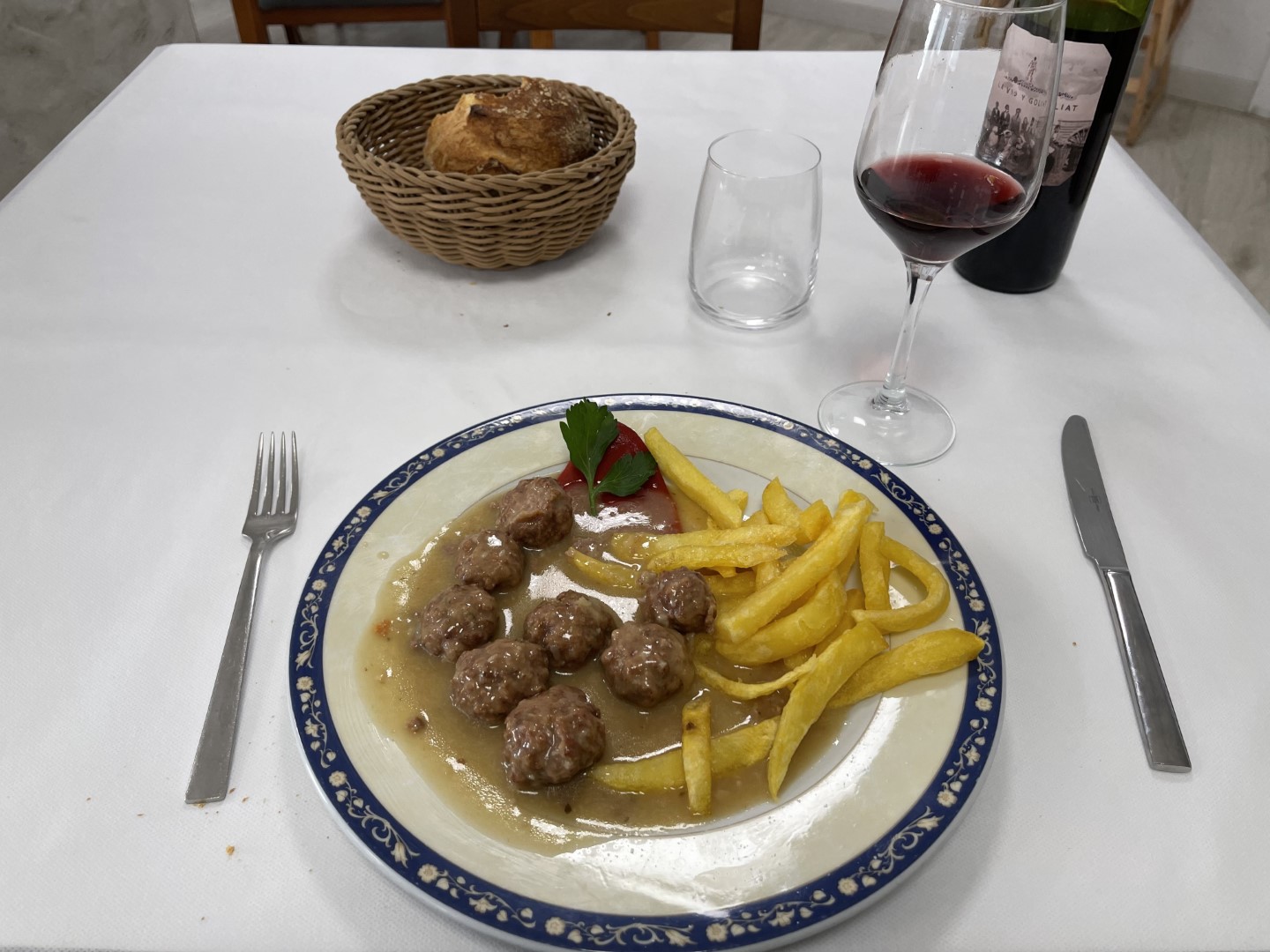
I felt self-conscious about my slovenly, sweat-stained T-shirt stinking up the dining room and the crumbs that scattered onto the tablecloth and floor with every bite of bread, but the Spanish are nothing like their northern neighbors and remained perfectly gracious in spite of my appearance. I guess they need tourists' money more than Parisians do.
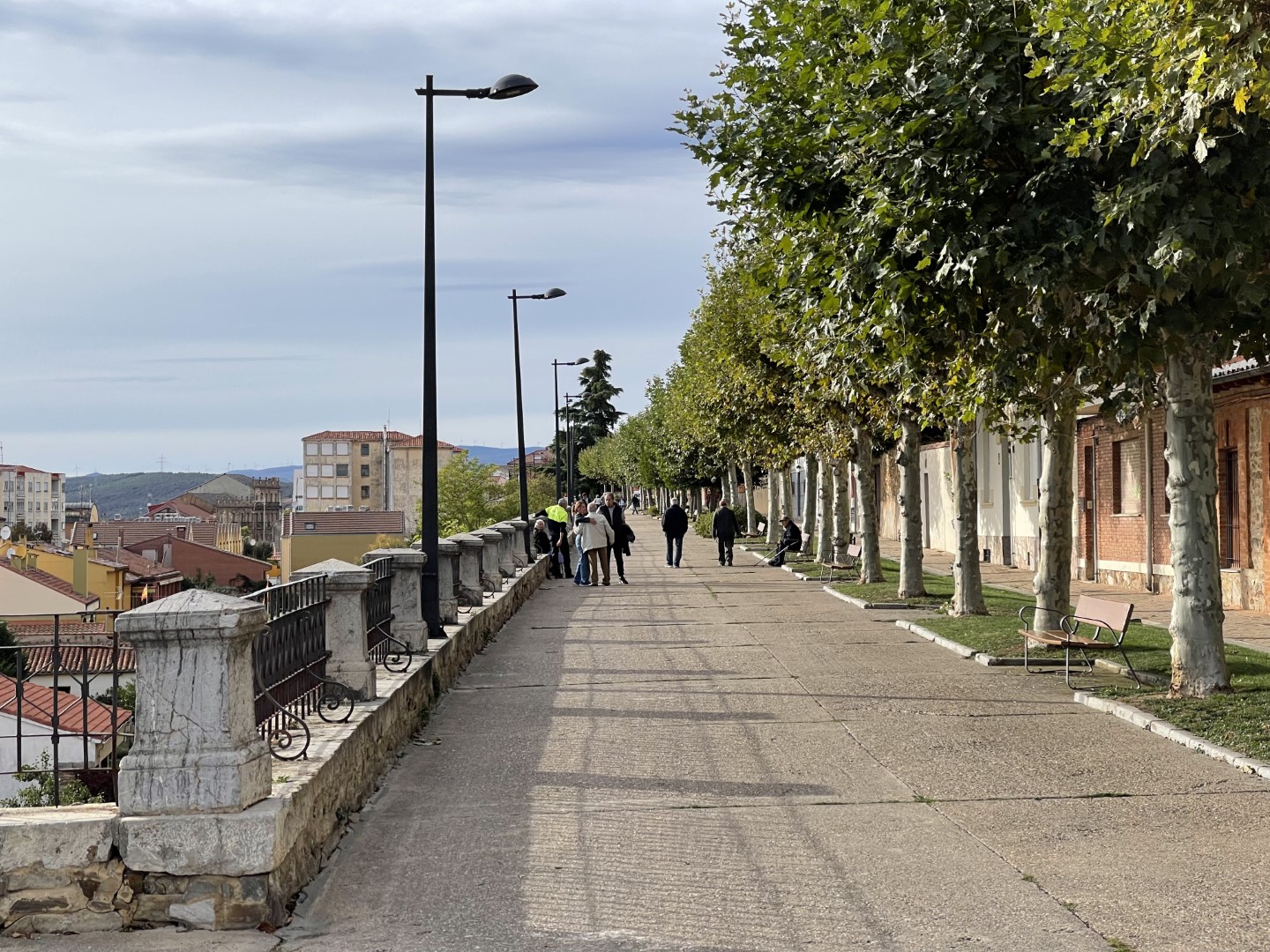
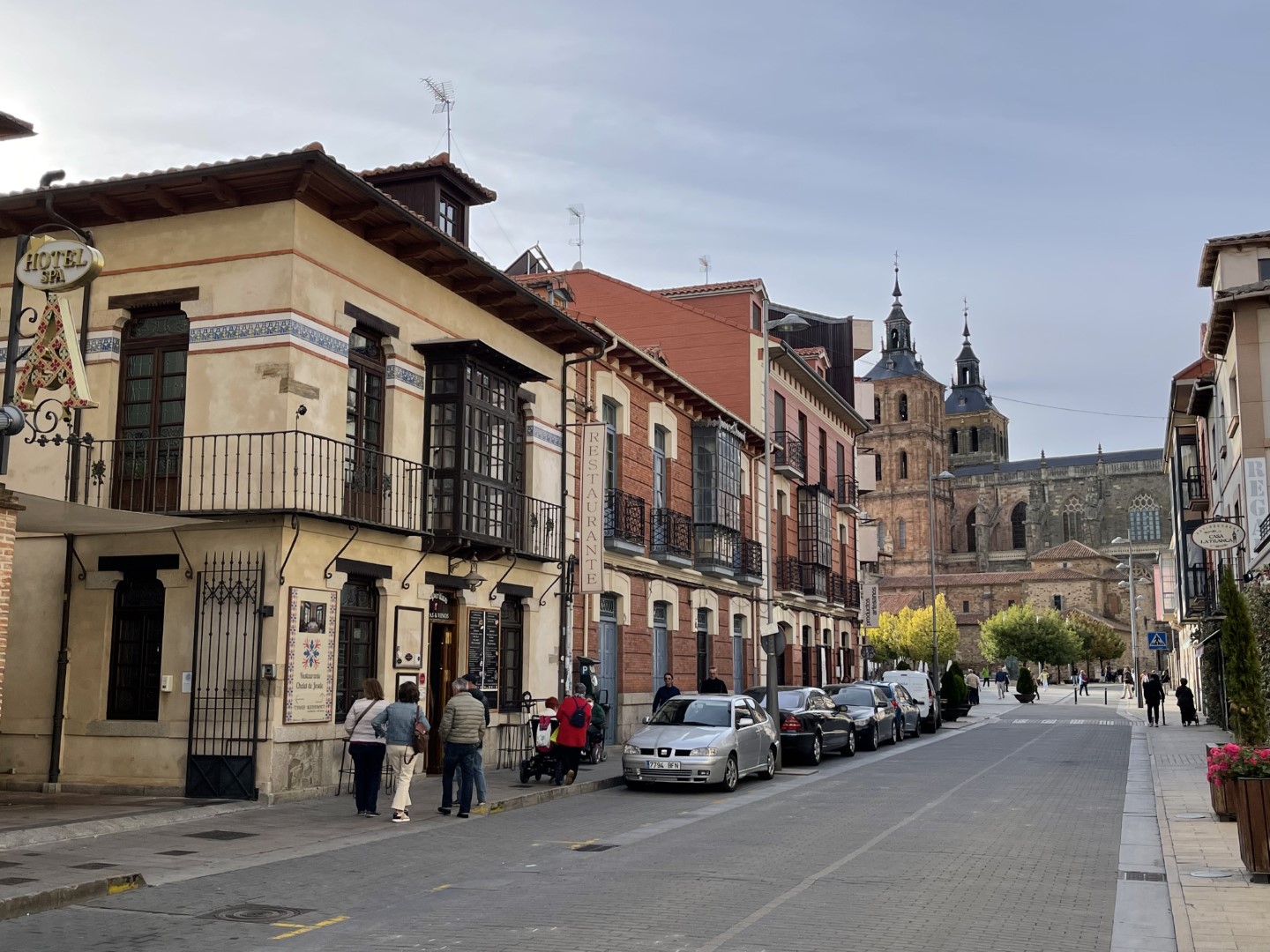
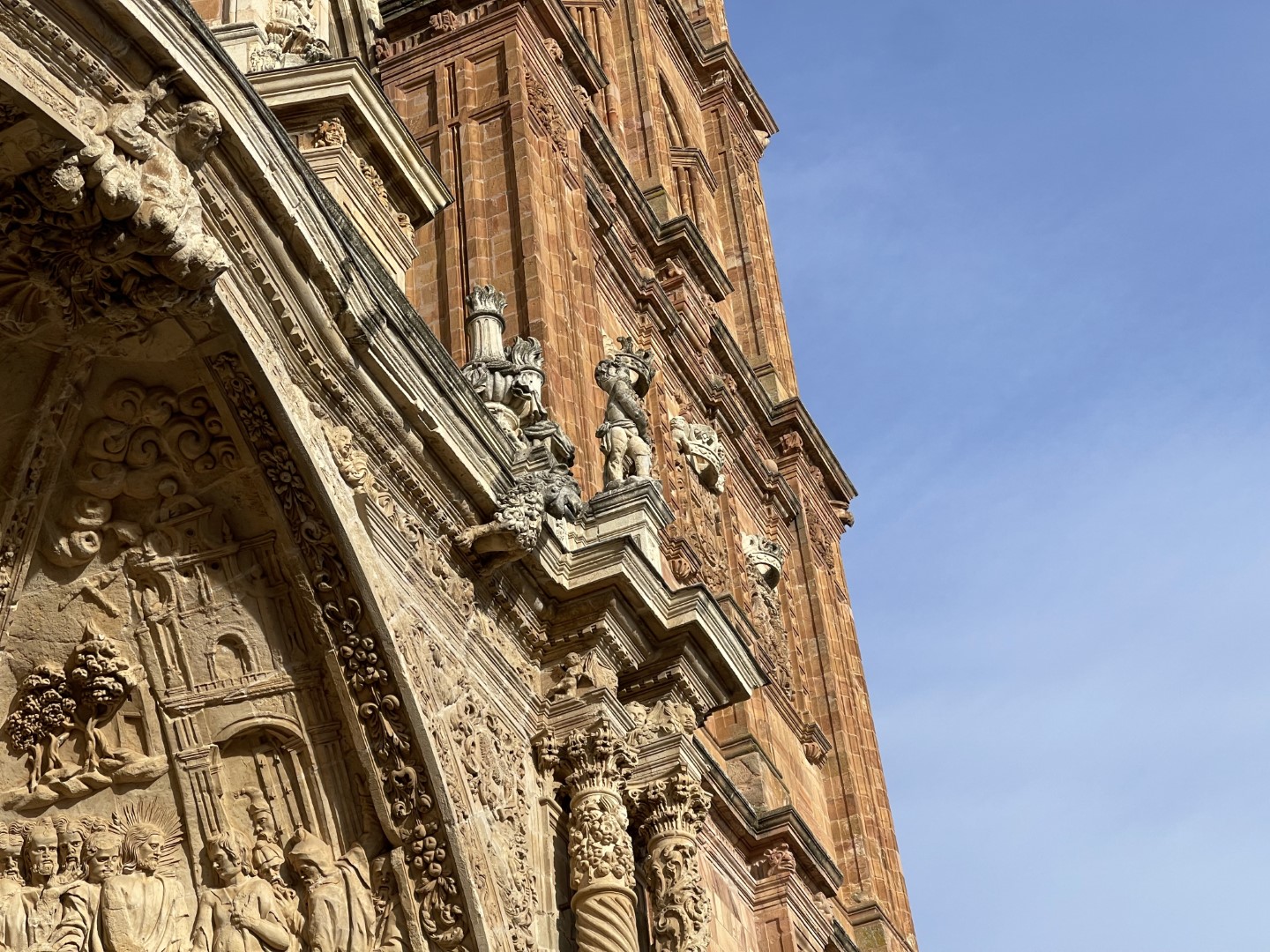
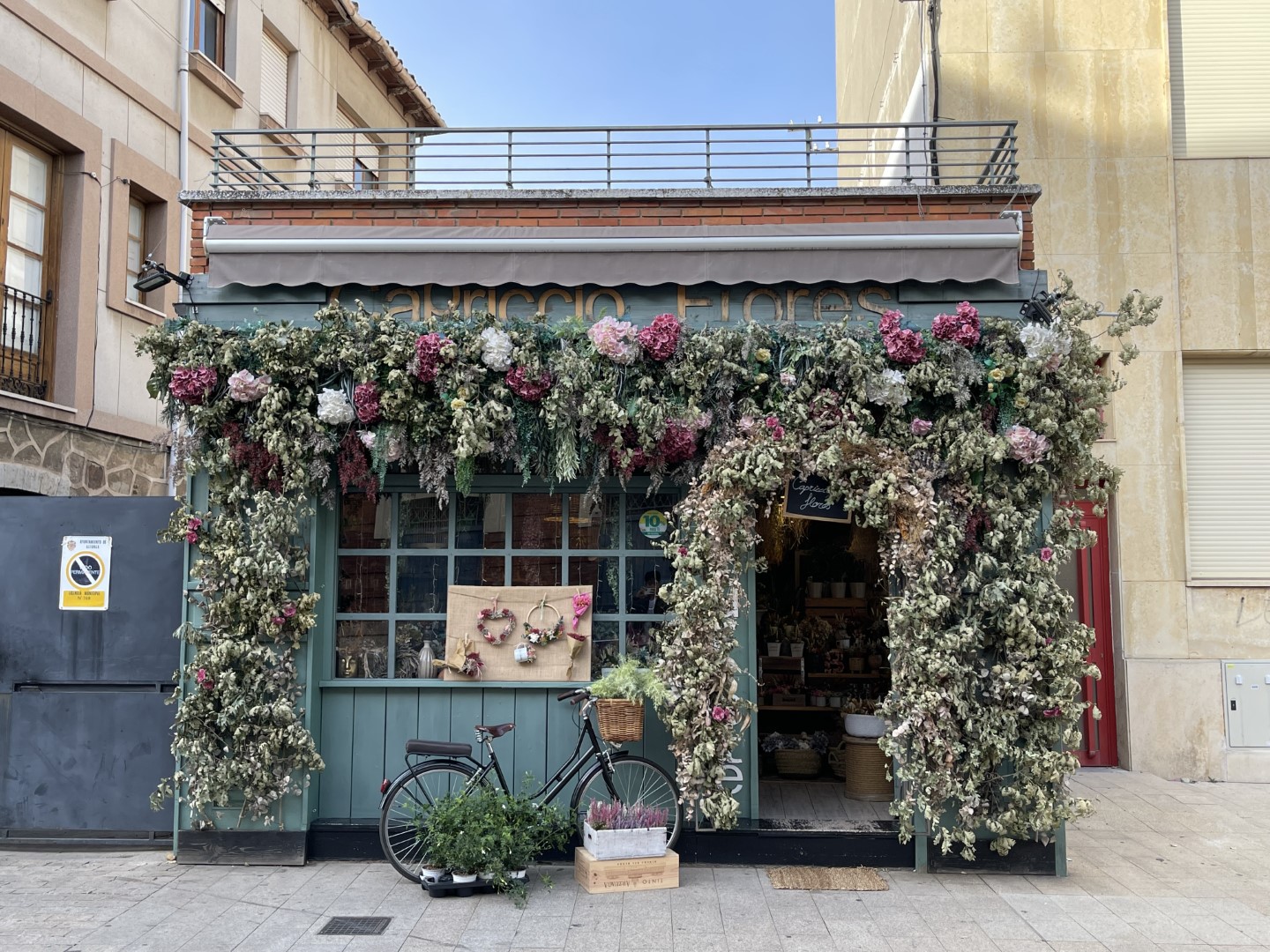
After lunch, I took a walk around the pretty city of Astorga, bought dinner because I was hungry again barely an hour later, and slept for eleven hours.
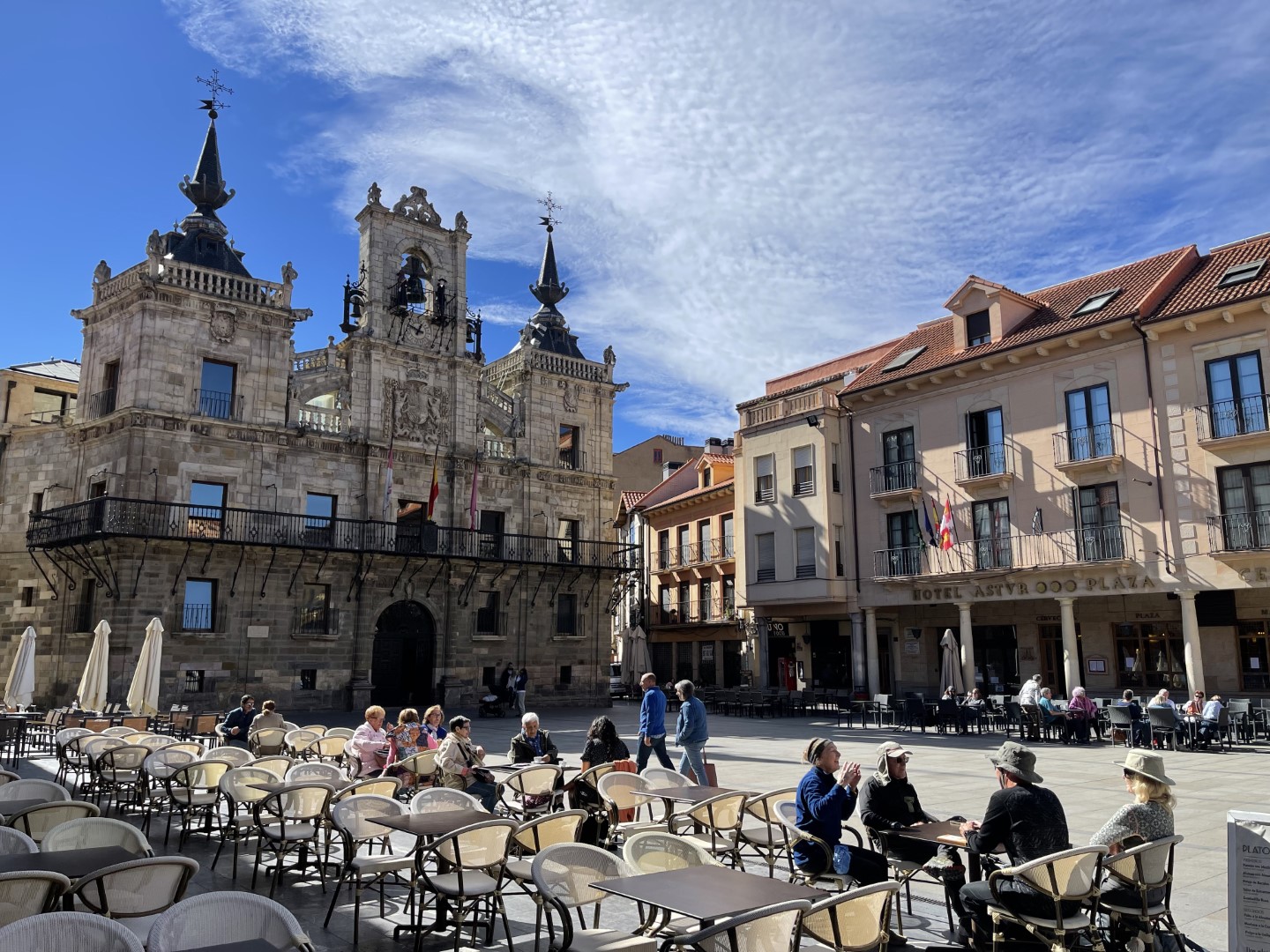
One down, eleven to go.
song of the day: Luis Miguel - Ahora Te Puedes Marchar