- Published on
Camino De Santiago - Day 2
Time of Visit: October 1, 2022
The great thing about staying in a hostel on the Camino is that you don’t need to worry about setting an alarm. In fact, they have all adopted an advanced three-prong strategy to ensure you won’t sleep at all.
- Every hostel has several old men strategically planted throughout the dorms. They will be the first to fall asleep, and their elephantine chorus of snores will syncopate with one another to ensure that the airwaves are never still.
- Before bed, all of your neighbors will carefully coordinate their alarms to go off at 15-minute intervals beginning at 6AM. In the morning, after each alarm, someone will shuffle around for 5-10 minutes before leaving, just in time for the next alarm to ring. This generates an enduring cacophony of plastic bag scrunching, zipping, and heavy footsteps for the next hour or two.
- Suppose you’re a deep sleeper, or tired enough to be unperturbed by all this. How will you wake up? Not to worry - the check out time for municipal hostels is 8AM. A hostel employee will wake you up if your lazy ass has the audacity to sleep in past sunrise.
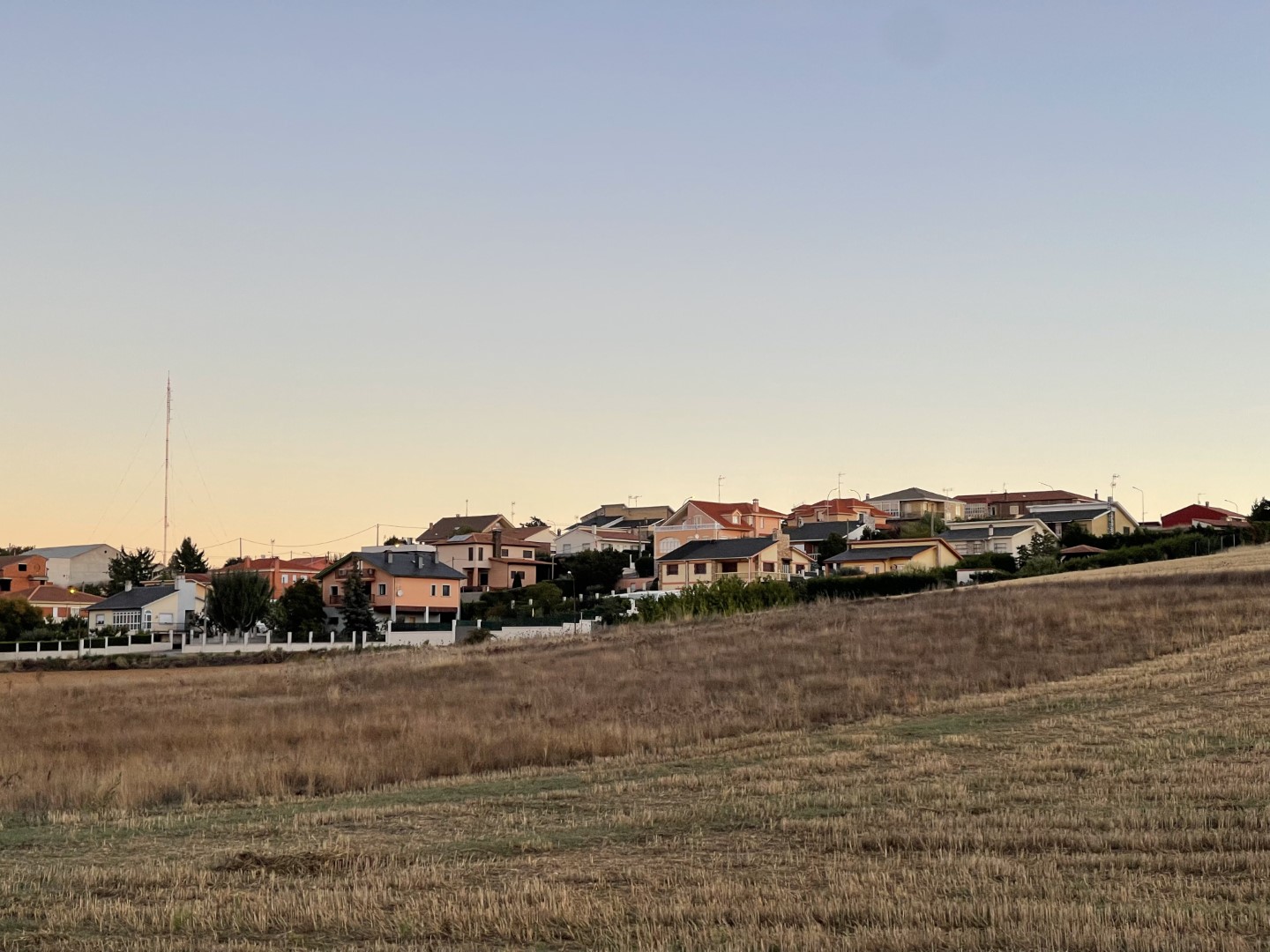
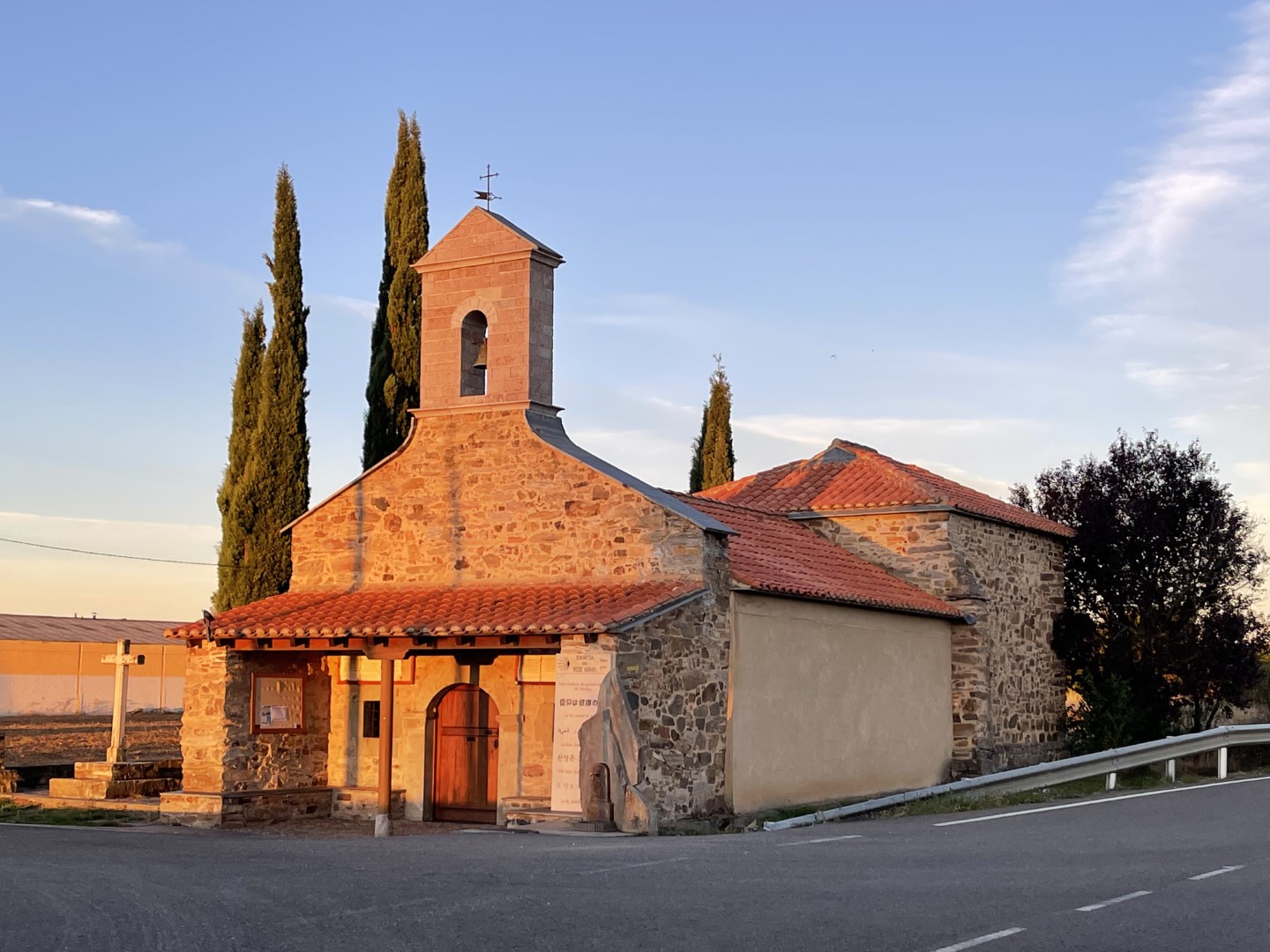
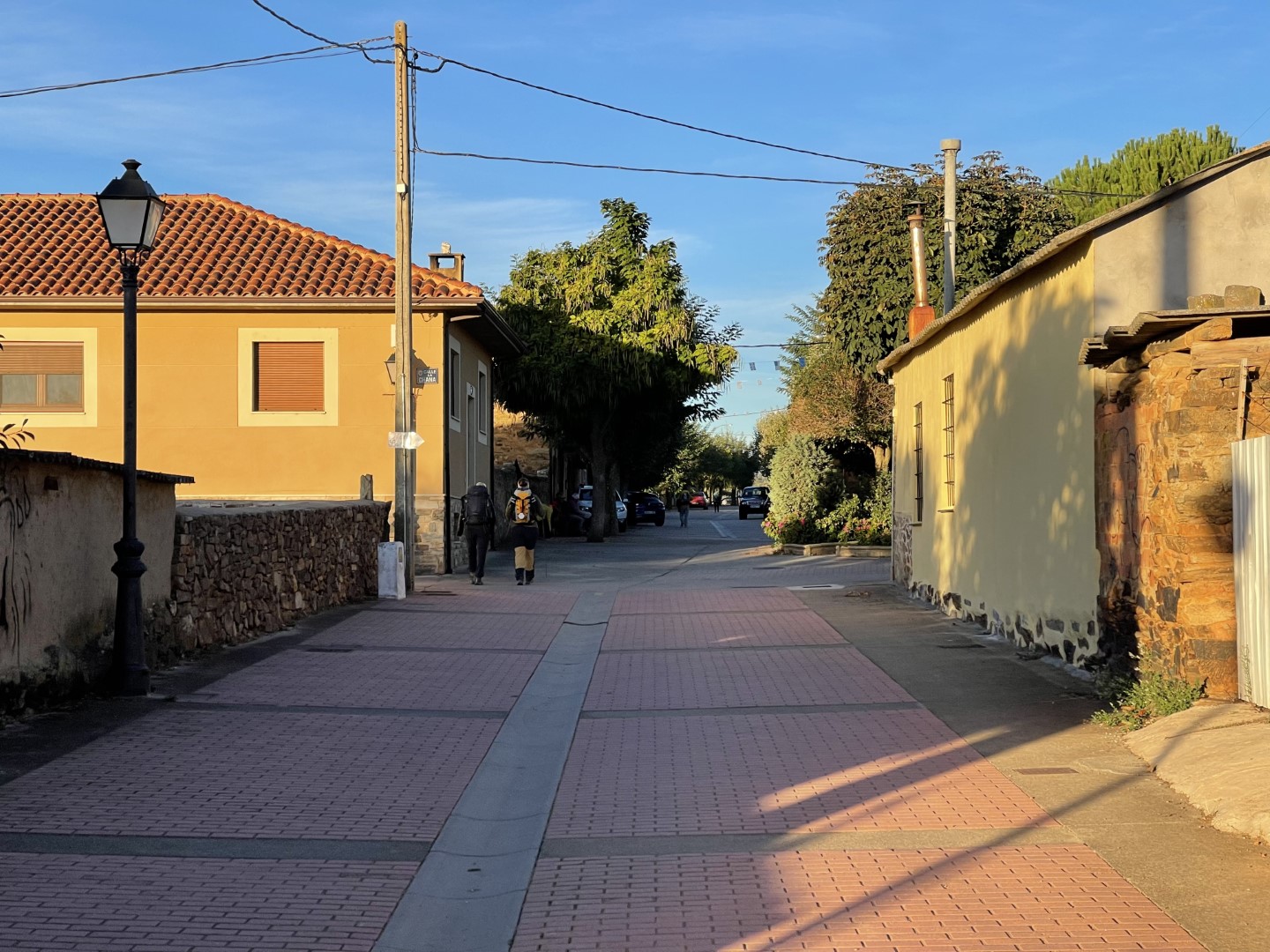
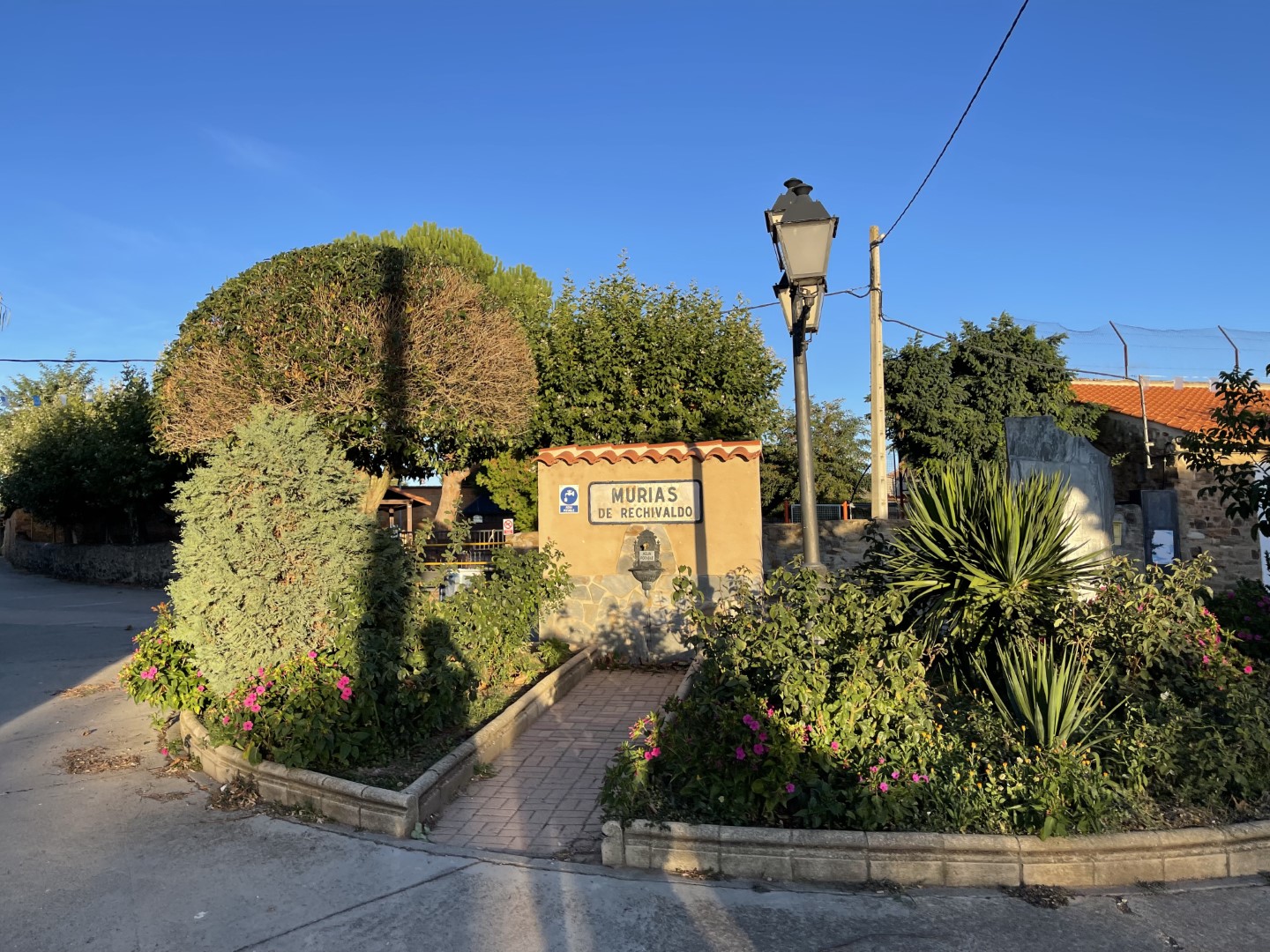
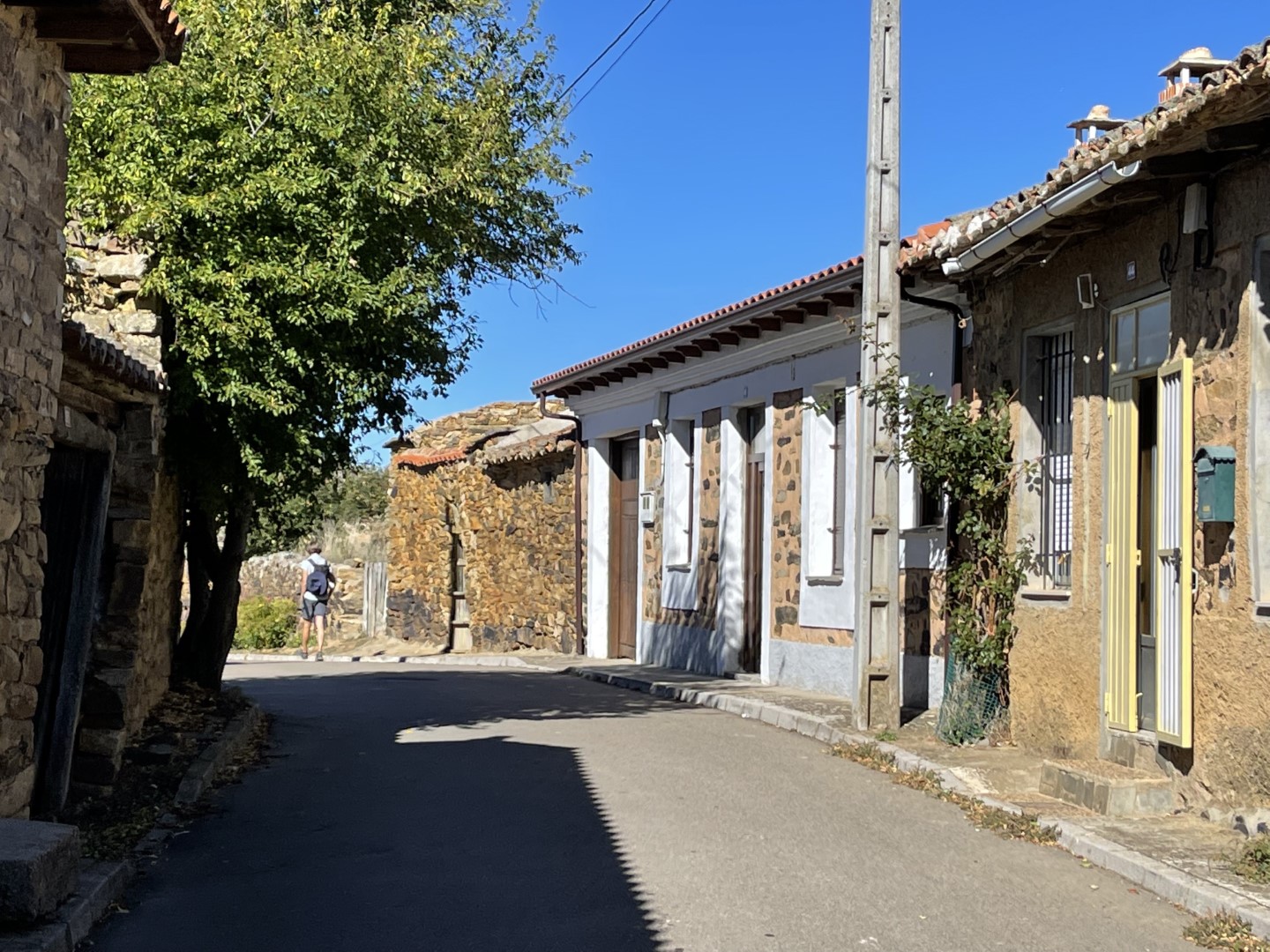
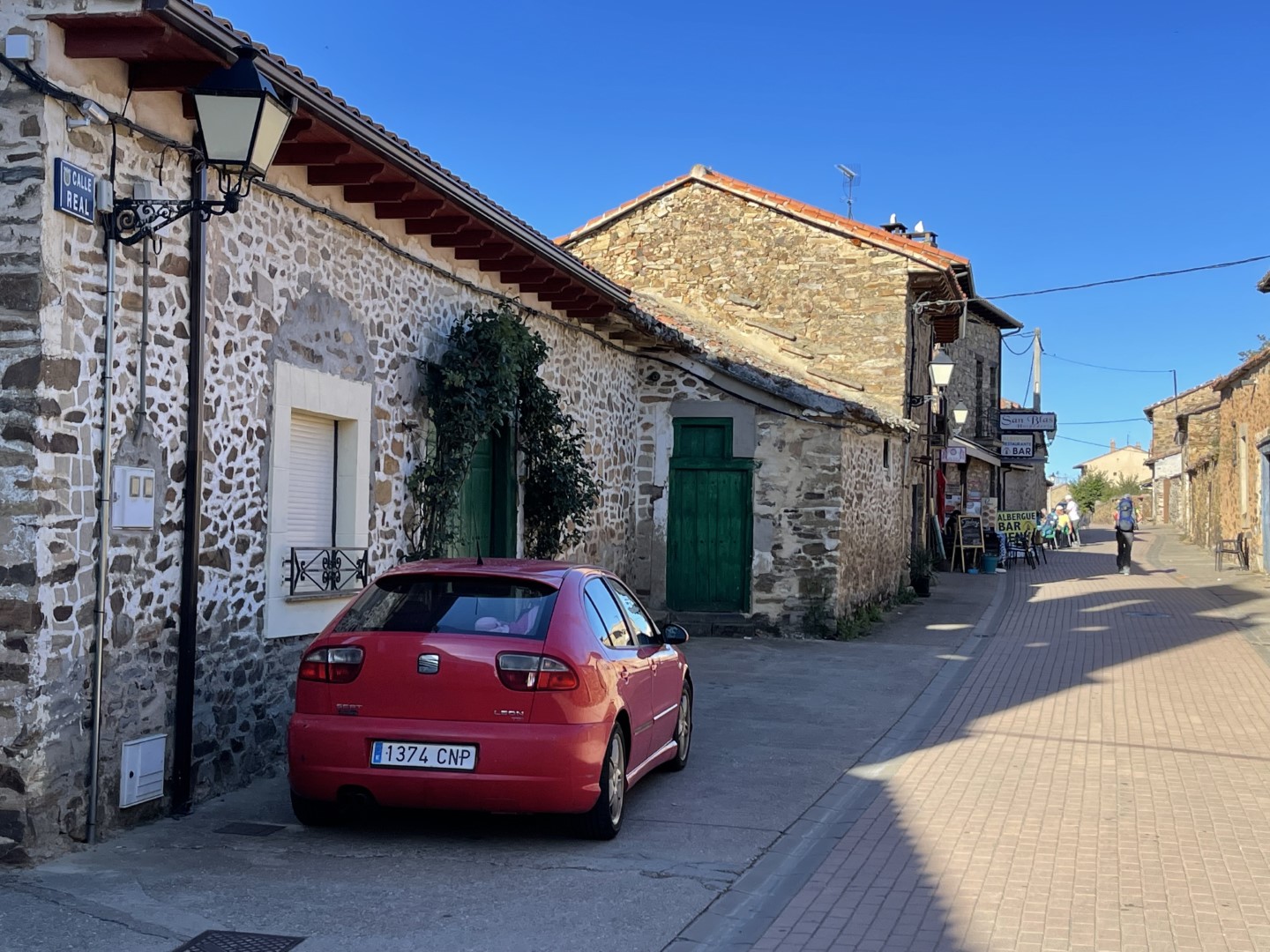
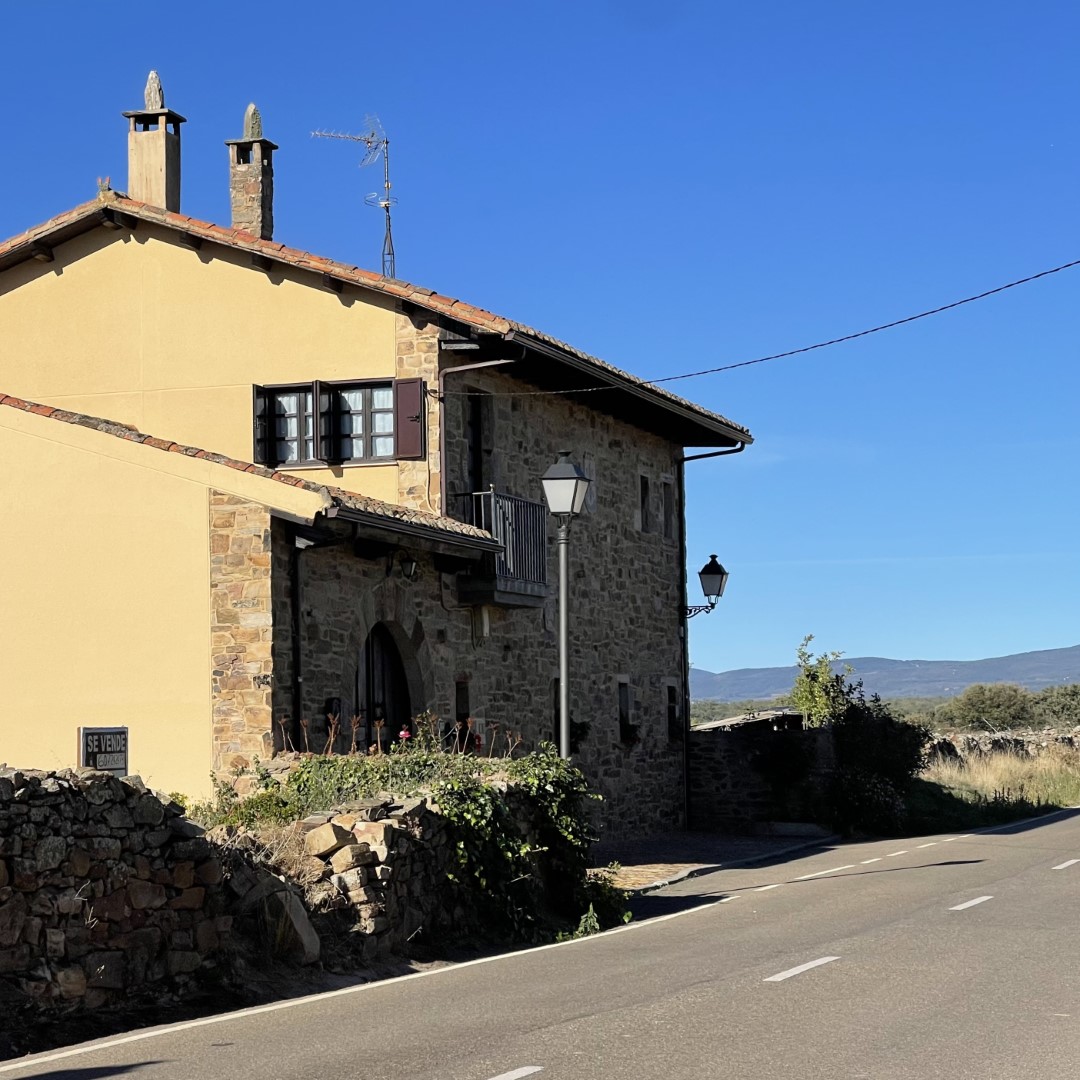
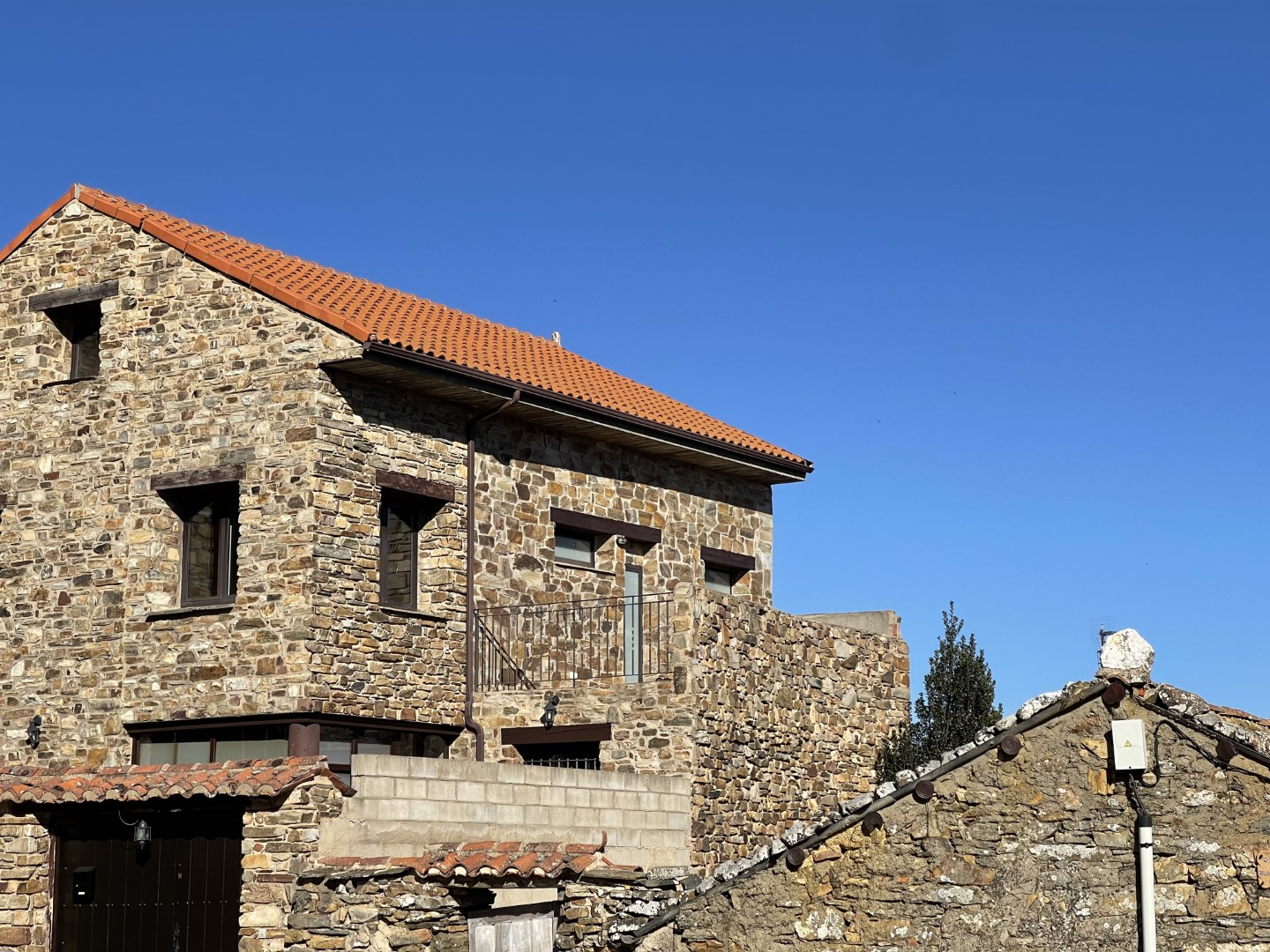
The first half of the day was a blur of one-road villages, where the local government did a beautiful job of renovating dilapidated buildings into modern dwellings with elegant stone facades.
I read a quote the other day by Austrian philosopher Ivan Illich:
Beyond a certain speed, motorized vehicles create remoteness which they alone can shrink. They create distances for all and shrink them for only a few.
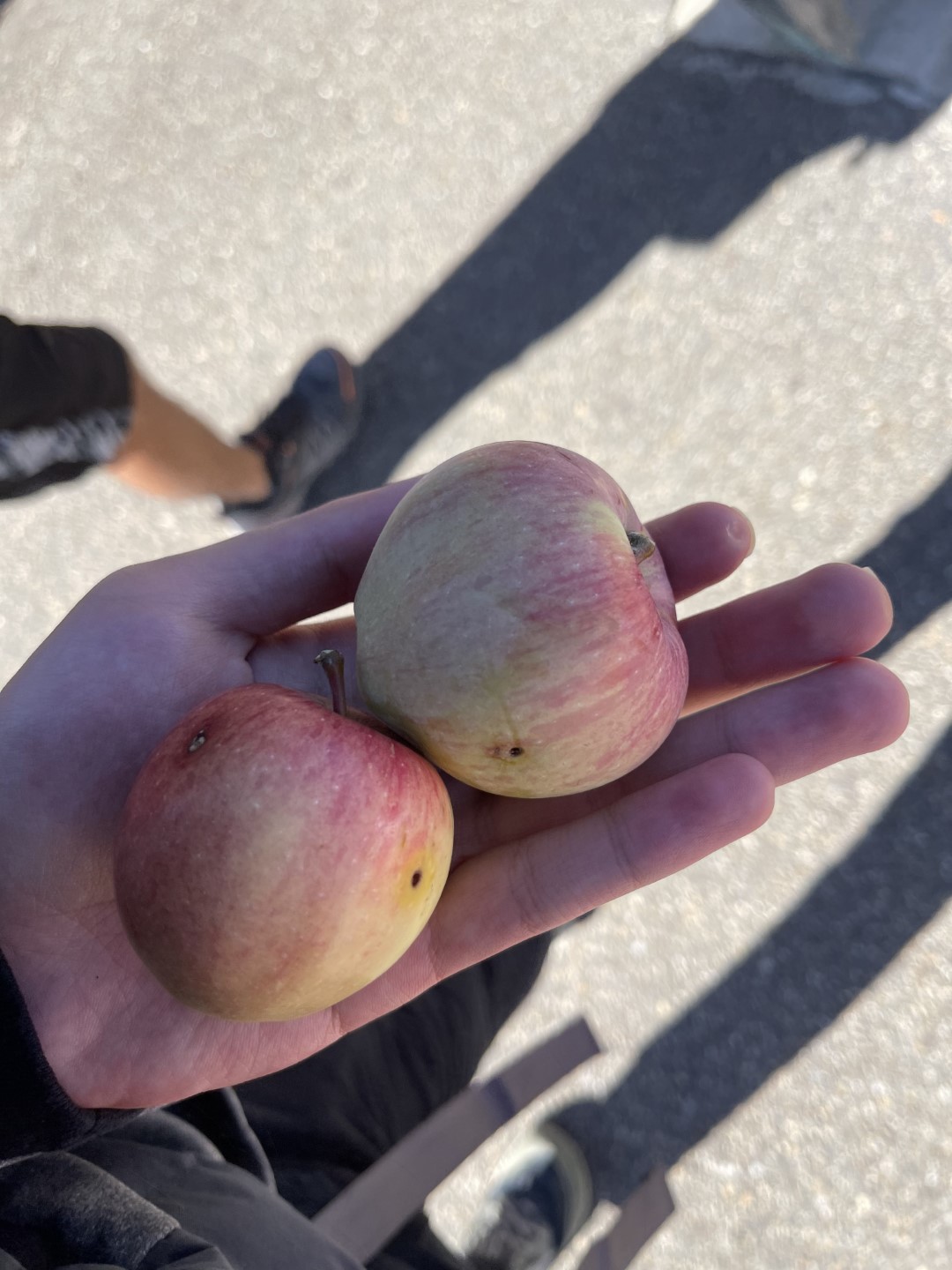
While the gas pedal had completely abstracted away the concept of distance in my day-to-day life, the Camino was forcing me to experience the world as-is. On the Camino, the next town is not "10 minutes away," but rather two hours on a dirt trail, a climb up a hill, a knee-shattering descent down said hill, half a liter of water, one apple, and a 5% chance of a foot blister. Traveling by foot requires many more resources per mile than traveling by car, which is why villages appear along the Camino every 1-2 miles - indeed, many were established solely to provide food, accommodation, and medicine to pilgrims. Imagine driving past thirty George Washington Memorial Rest Stops in the span of an hour.
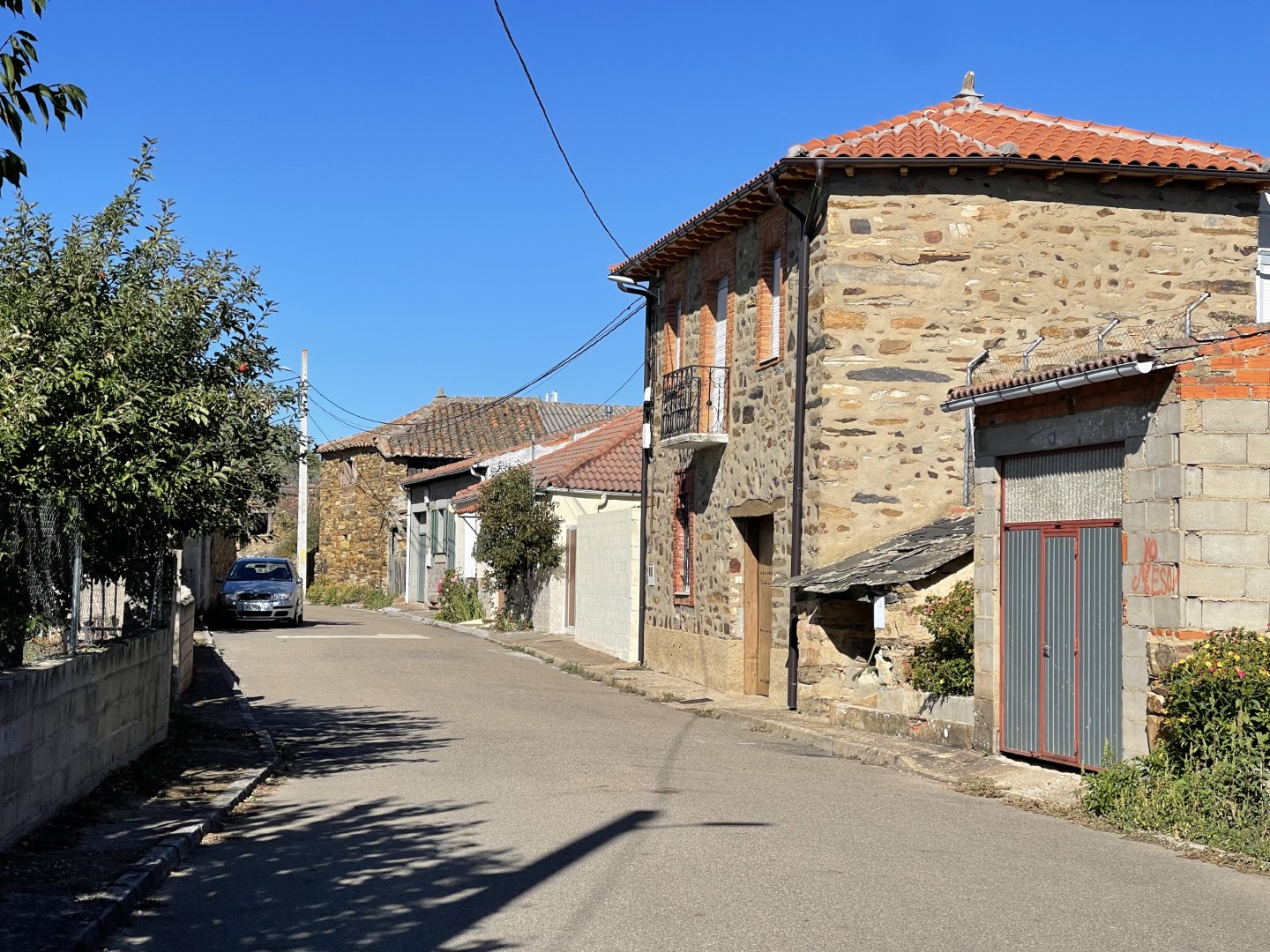
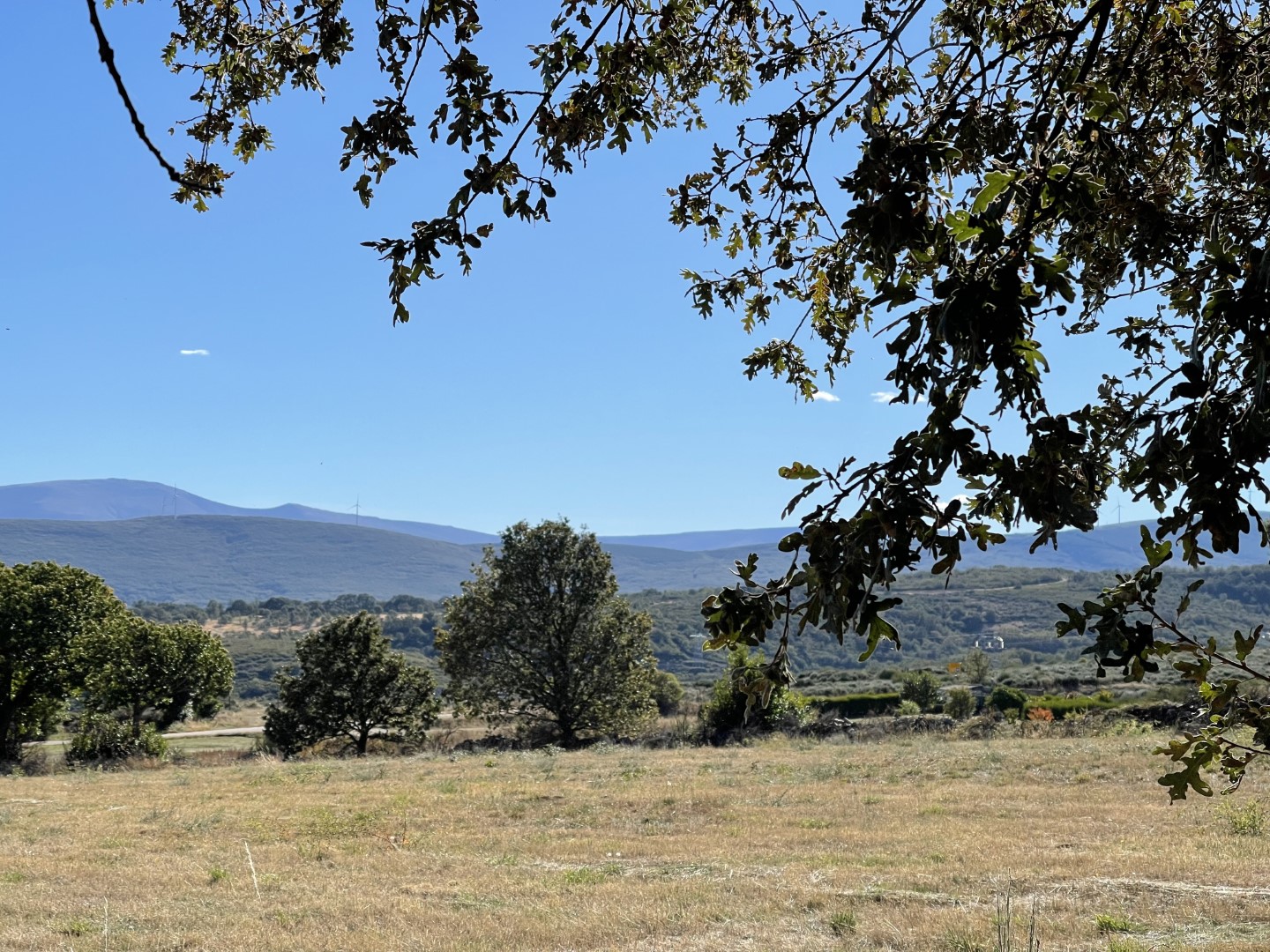
Most of the day was spent plodding along a flat earthen track under the hot sun next to shrubs and ferns withered by drought. Seed drills rumbled across the trail towards distant fields, which became increasingly sprase as I moved into the hills west of Astorga.
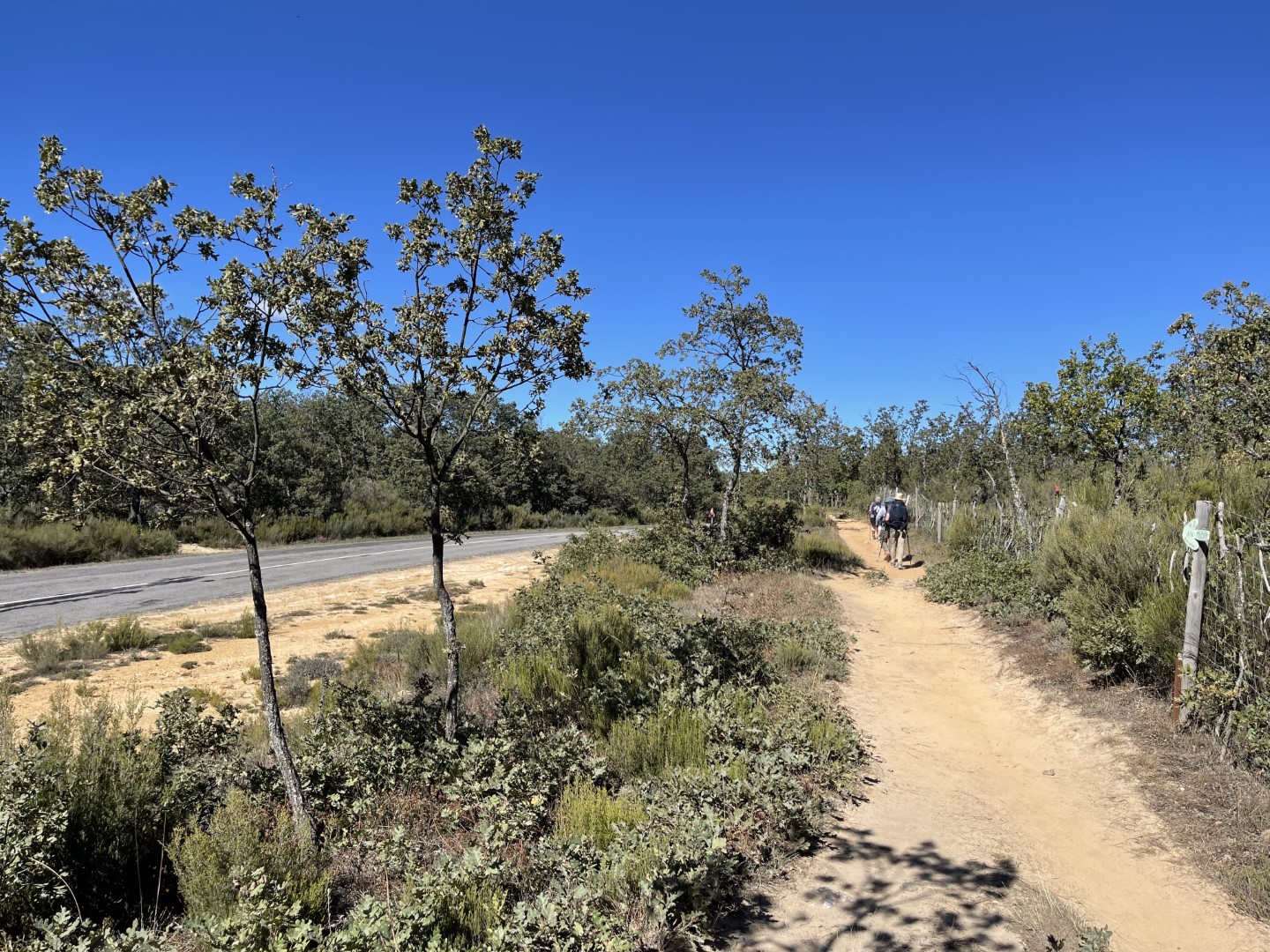
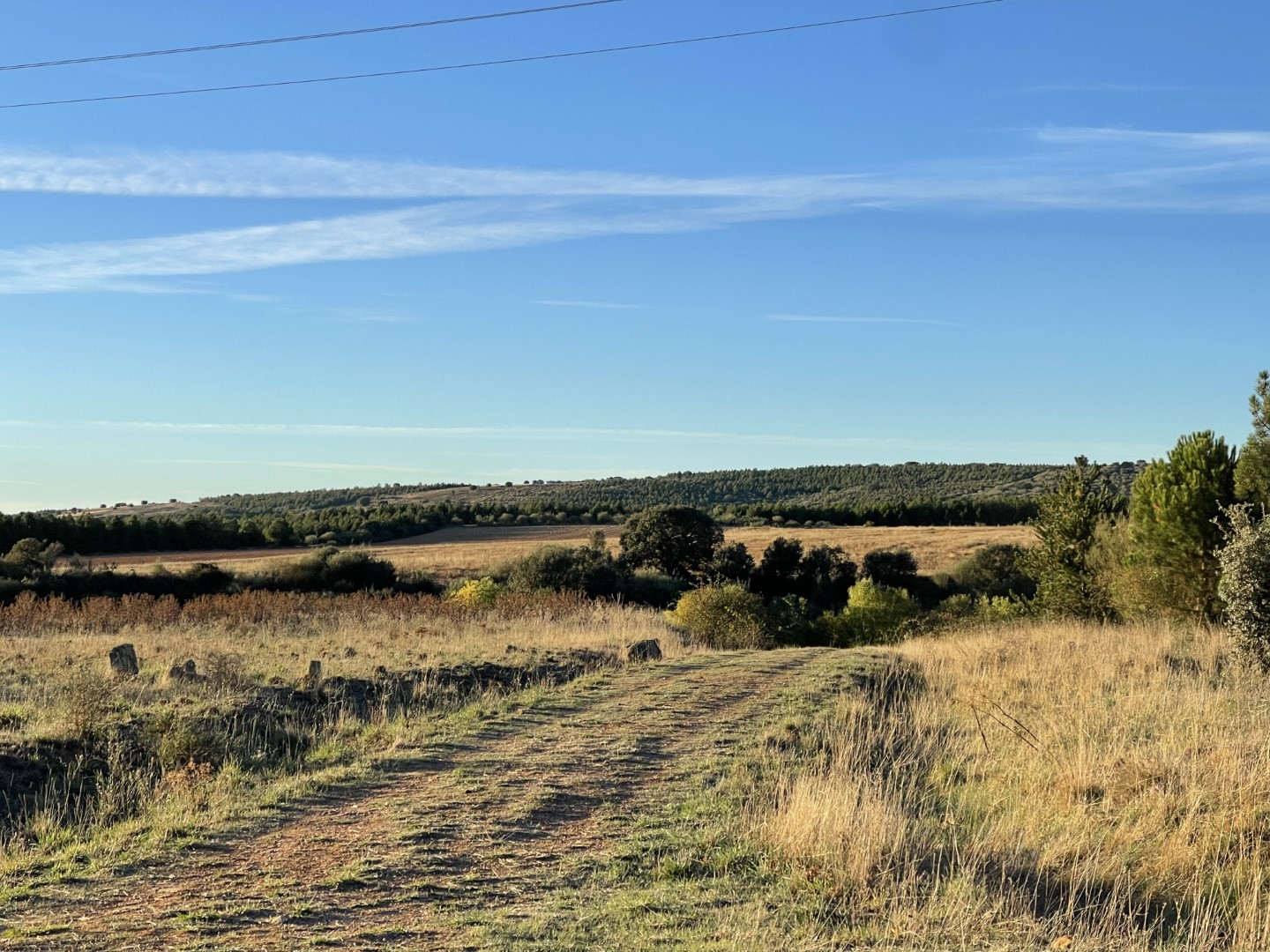
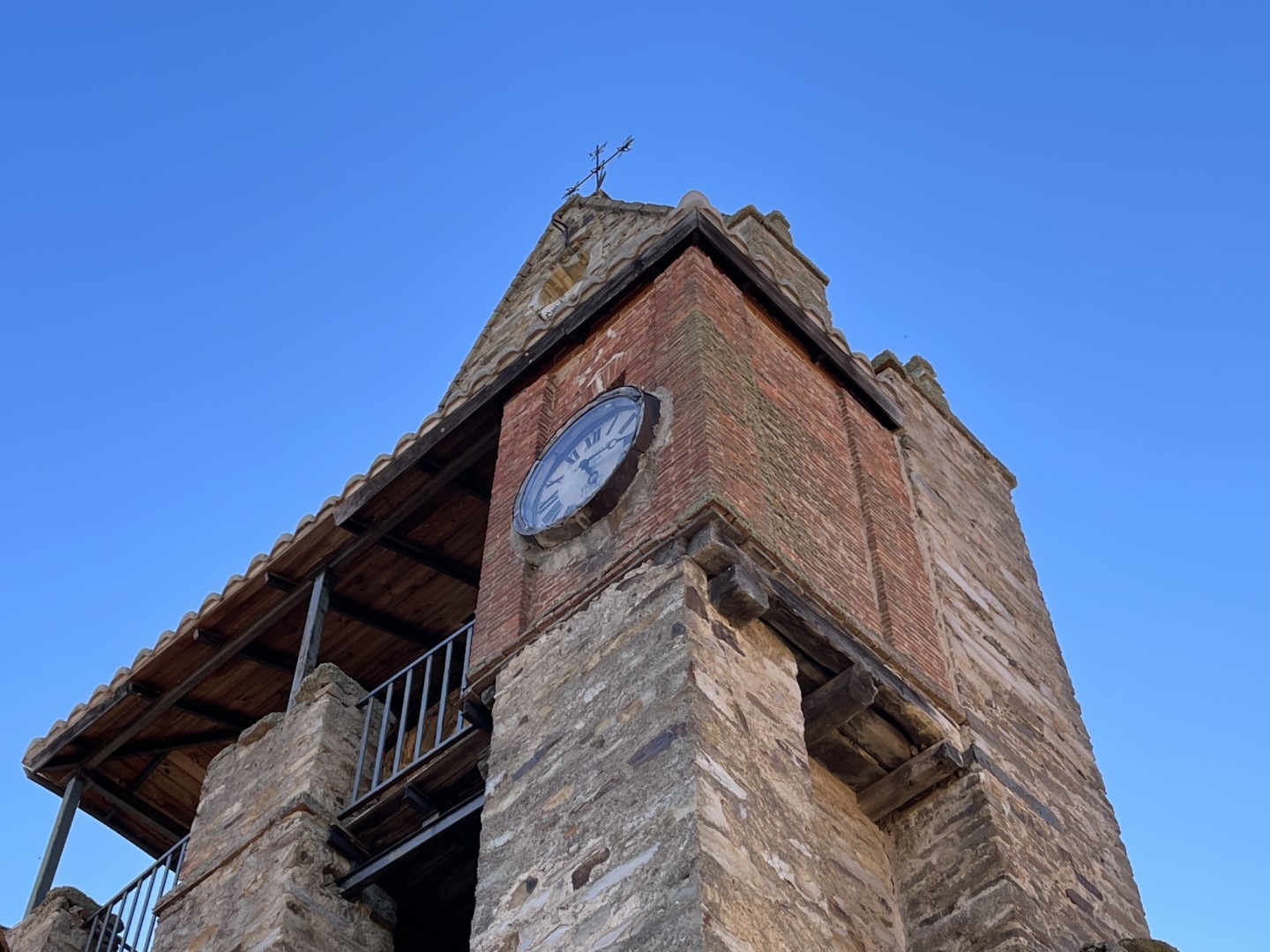
I settled down for the night in Rabanal del Camino, a village nestled among the stunted trees of the Astorgano foothills. The village consists of a decrepit church, several albergues, a rest area for pilgrims, and a tiny store run by a woman single-handedly carrying Spain’s mean life expectancy.
song of the day: Luna Li - What You're Thinking