- Published on
Camino De Santiago - Prelude
Time of Visit: September 28-29, 2022
Background: The Camino de Santiago can refer to any of several Catholic pilgrimage routes that end in the city of Santiago de Compostela in northwestern Spain, but typically refers to the well-trodden 800-km Camino Francés, which begins in the French Pyrenees and runs through northern Spain. In late September of 2022, I set out to walk the last 300 kilometers of this route.
I first heard about the Camino from my high school Spanish teacher, who had done it after college and constantly talked about how it changed her life. Four years later, I graduated from college and remembered her words, bought plane tickets, and touched down in Madrid on a cold Tuesday morning.
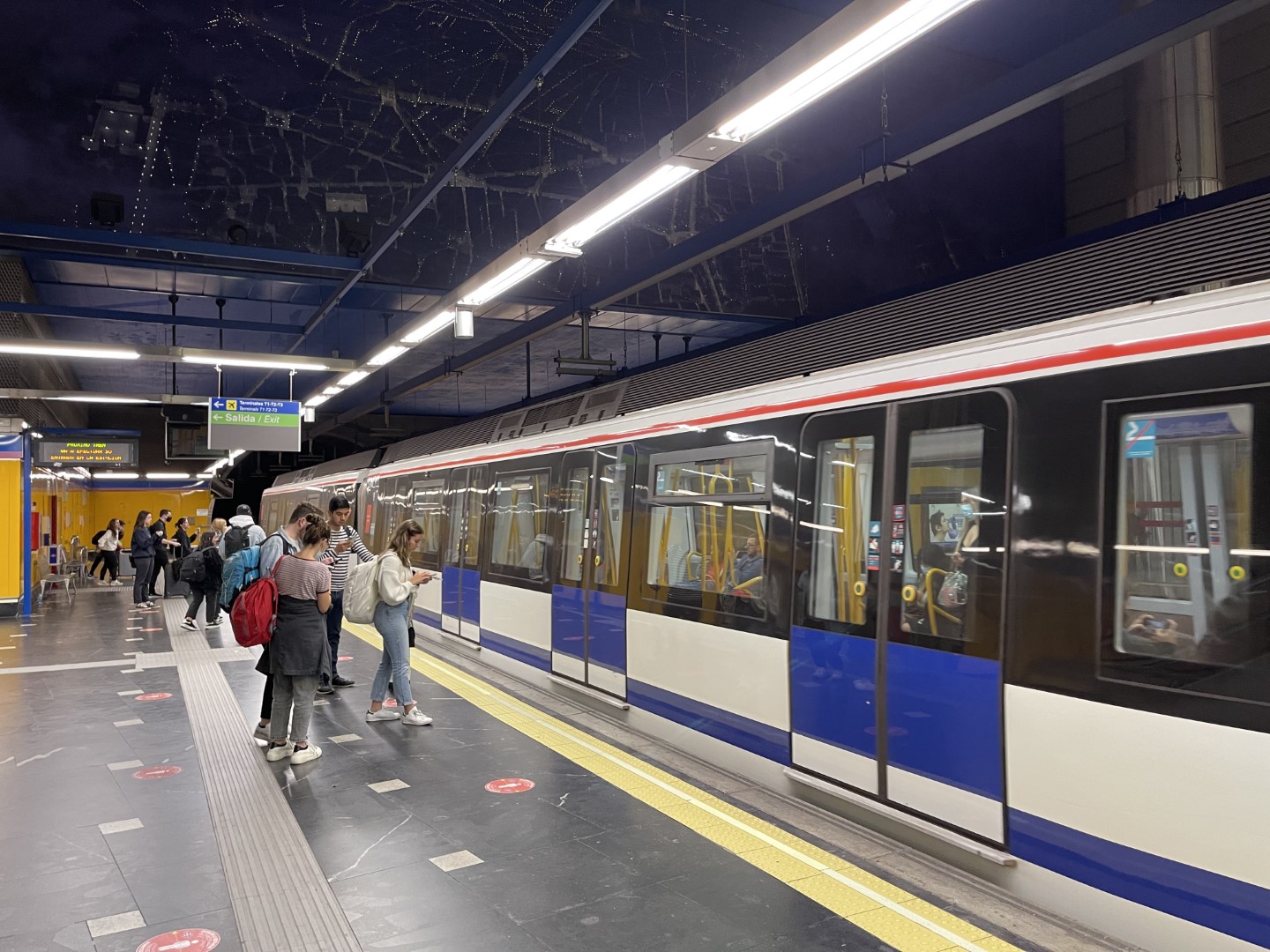
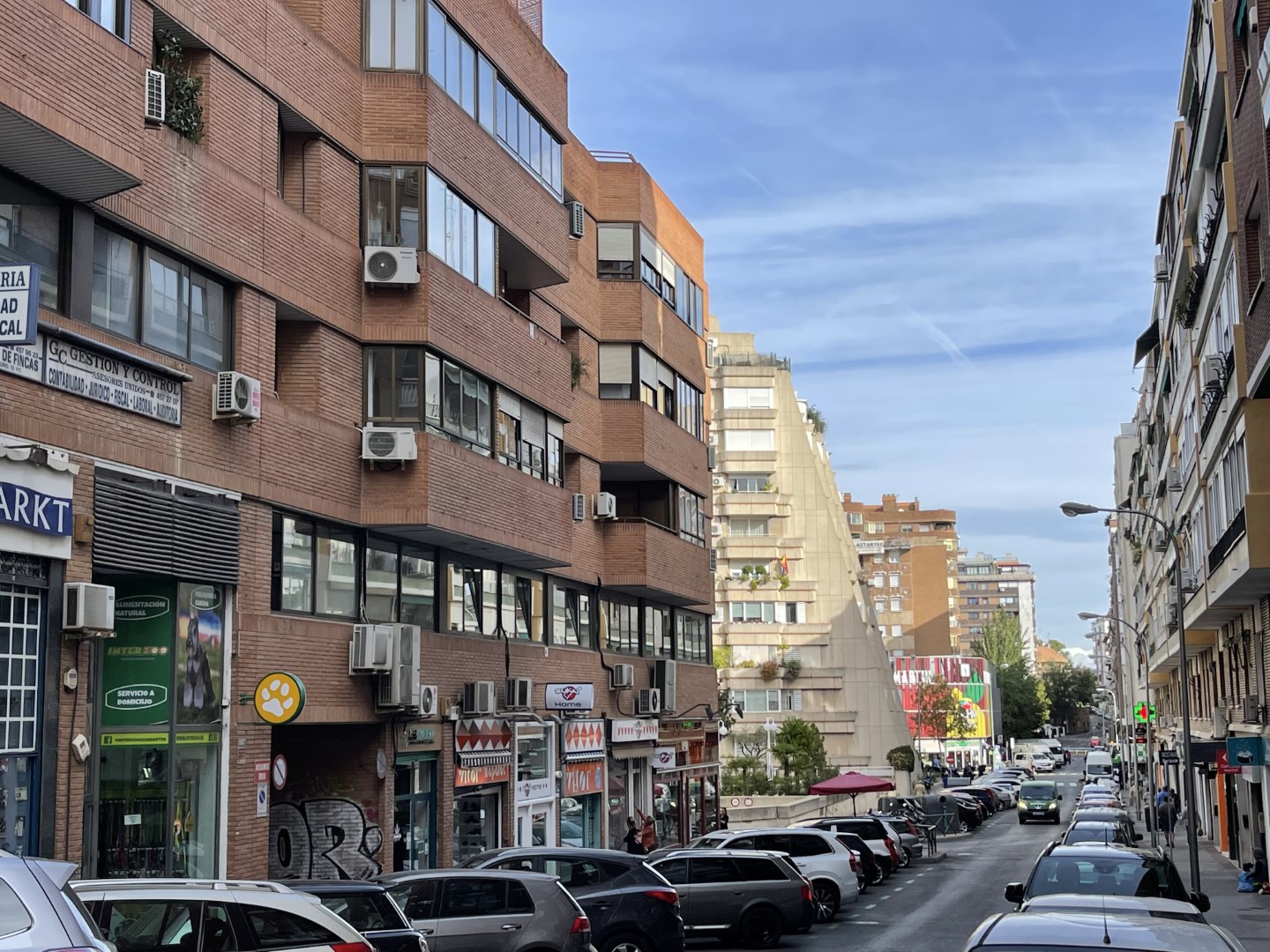
I had some time to kill before my train to León, where I would be starting the Camino, so I took the metro to Hispanoamerica, the neighborhood next to the train station. My subway car was modern, clean, quiet, and safe. I had begun to doubt that these adjectives could apply to subway systems after only having ridden BART, MTA, and SEPTA over the past three years, but Madrid’s Department of Transportation restored my faith in the public sector.
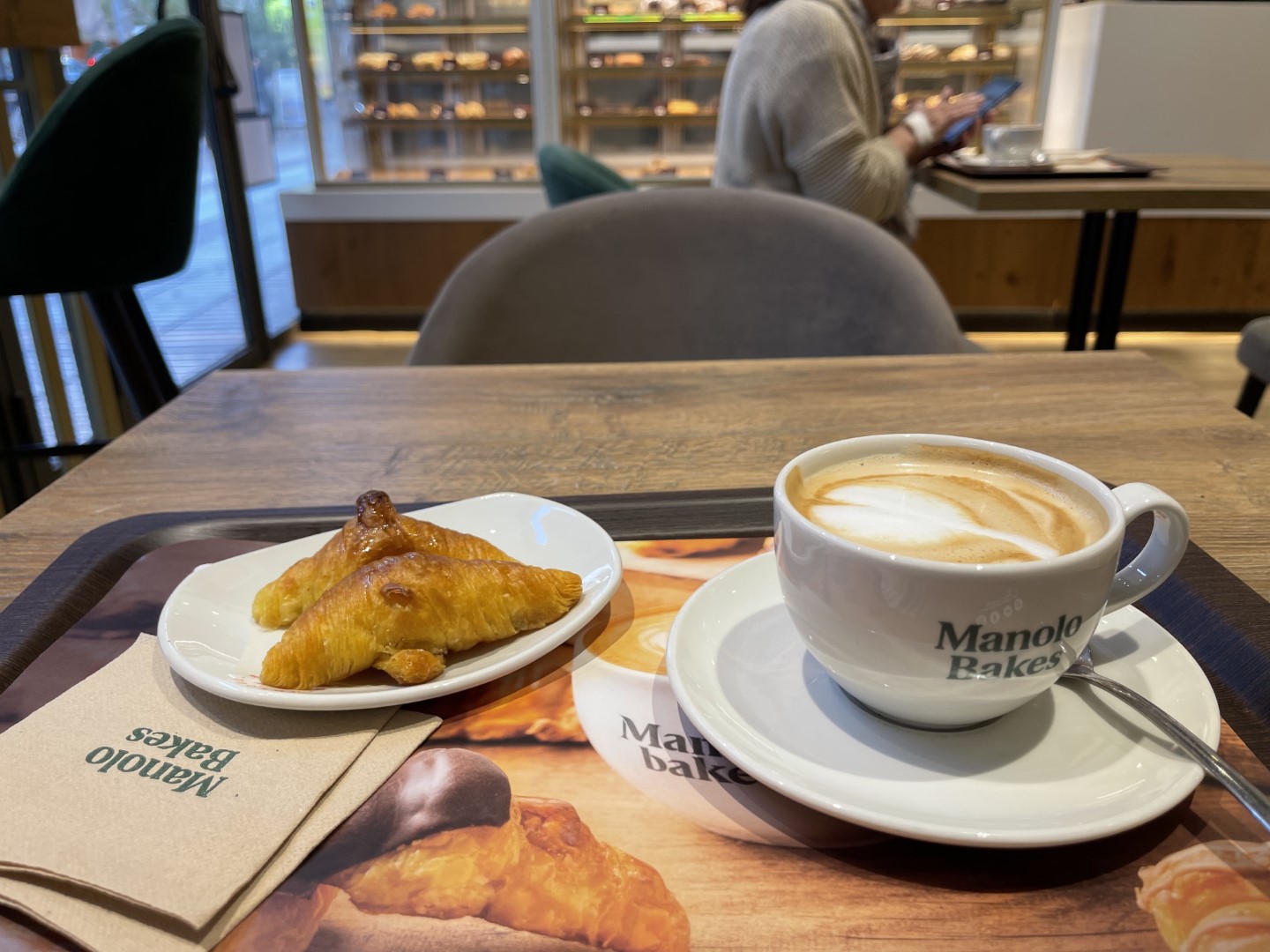
At a cafe right outside the metro station, I ordered two mini croissants and a latte for two euros, read for a while, picked up some supplies, and wandered the neighborhood.
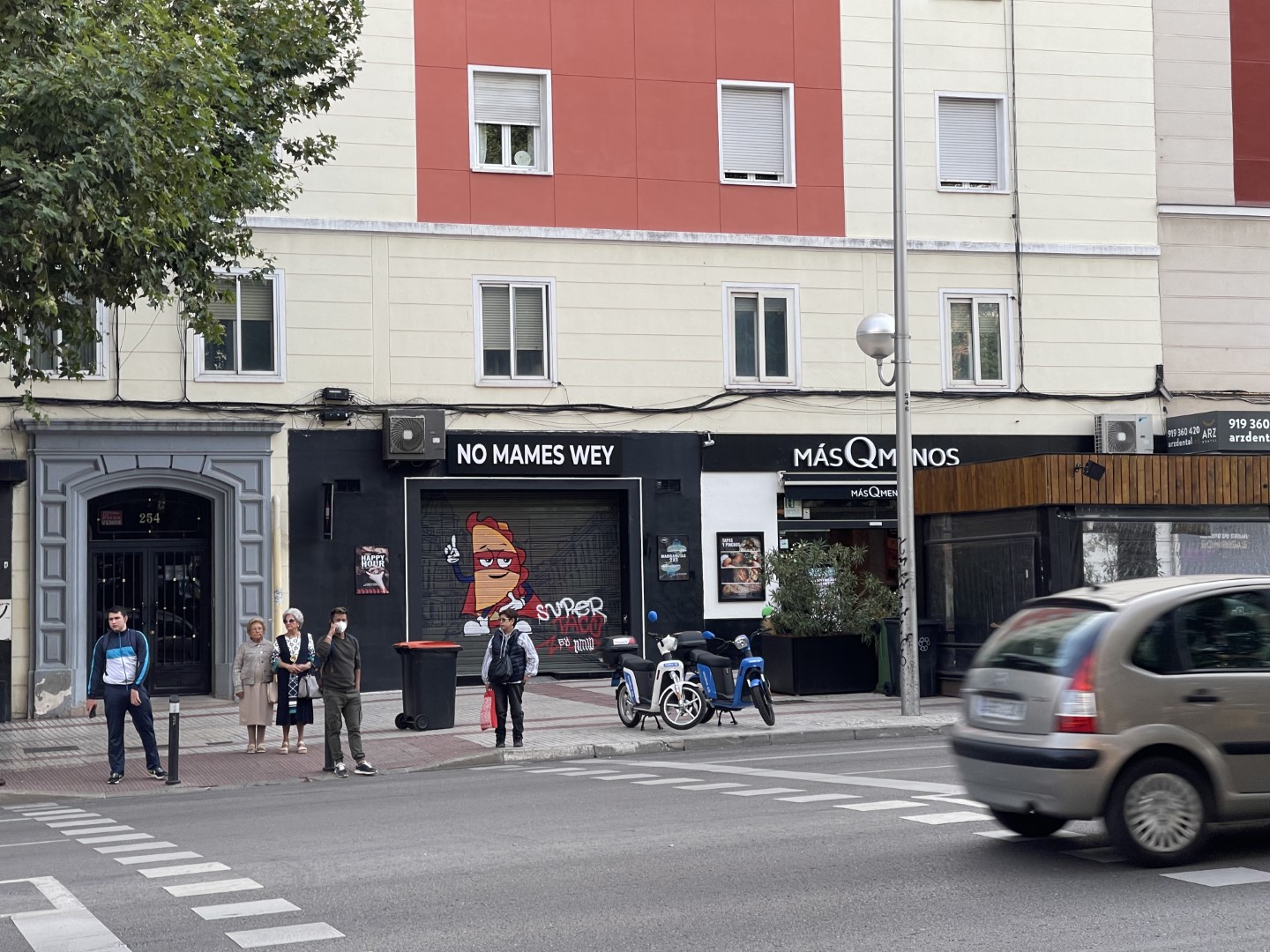
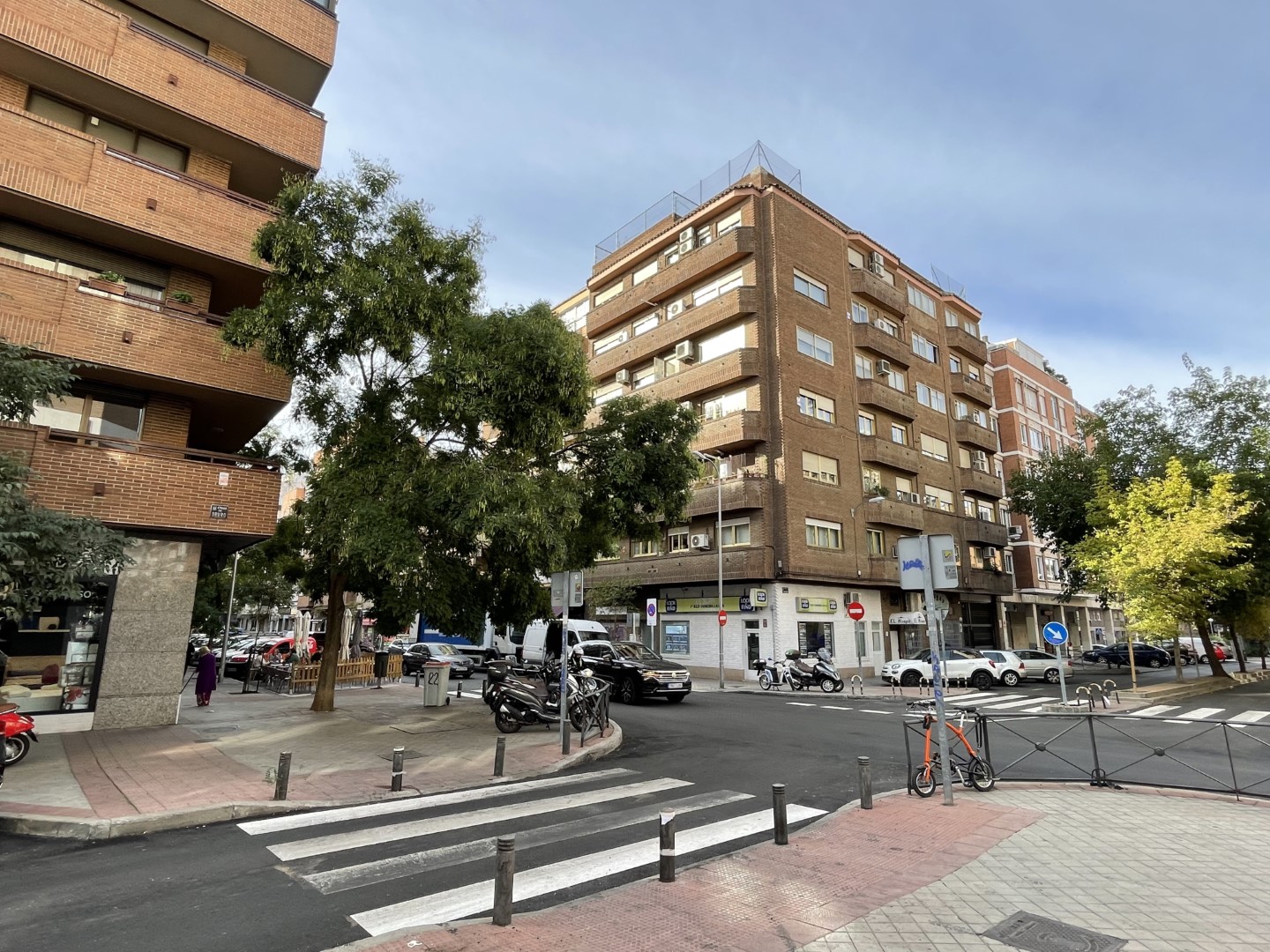
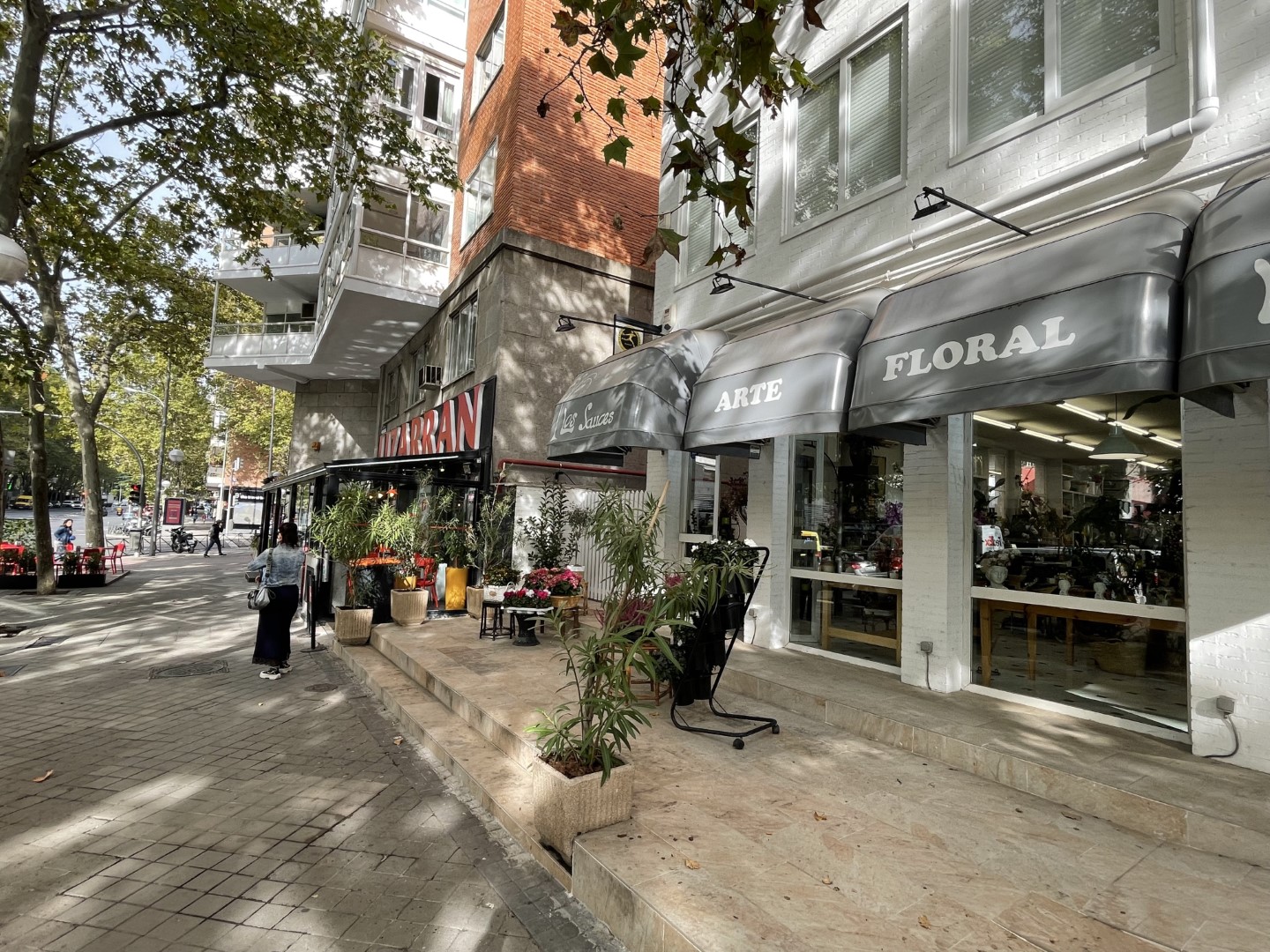
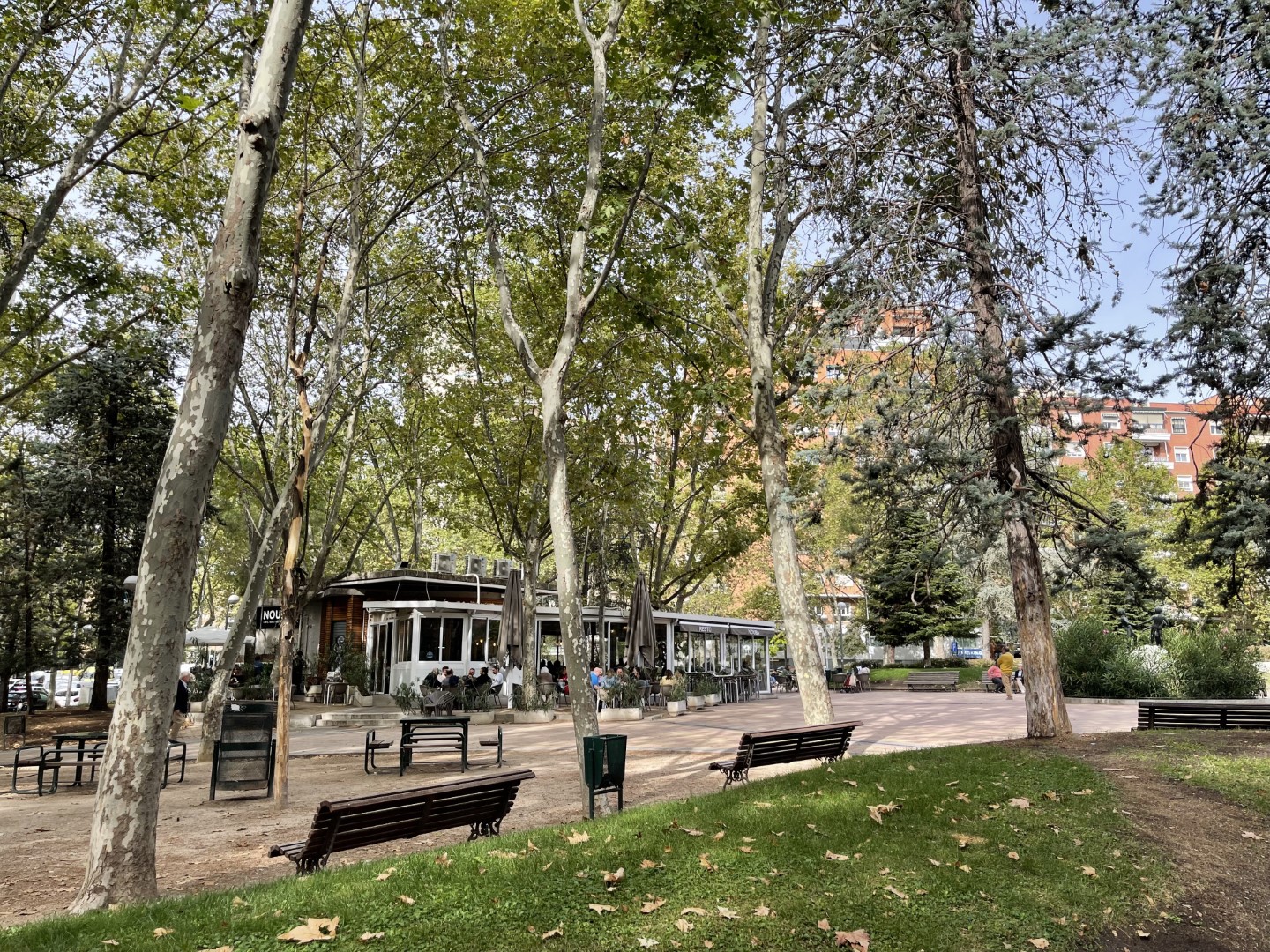
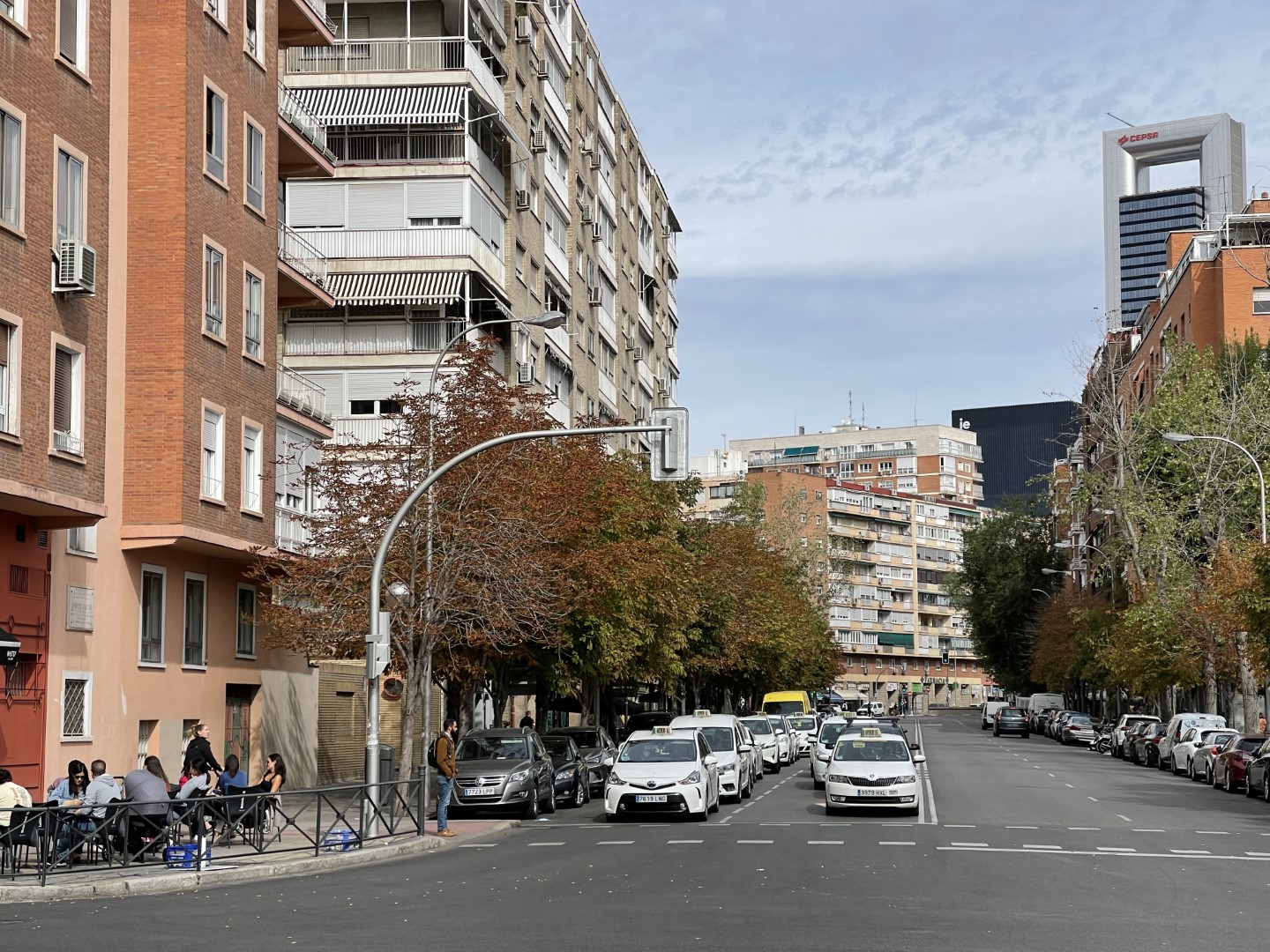
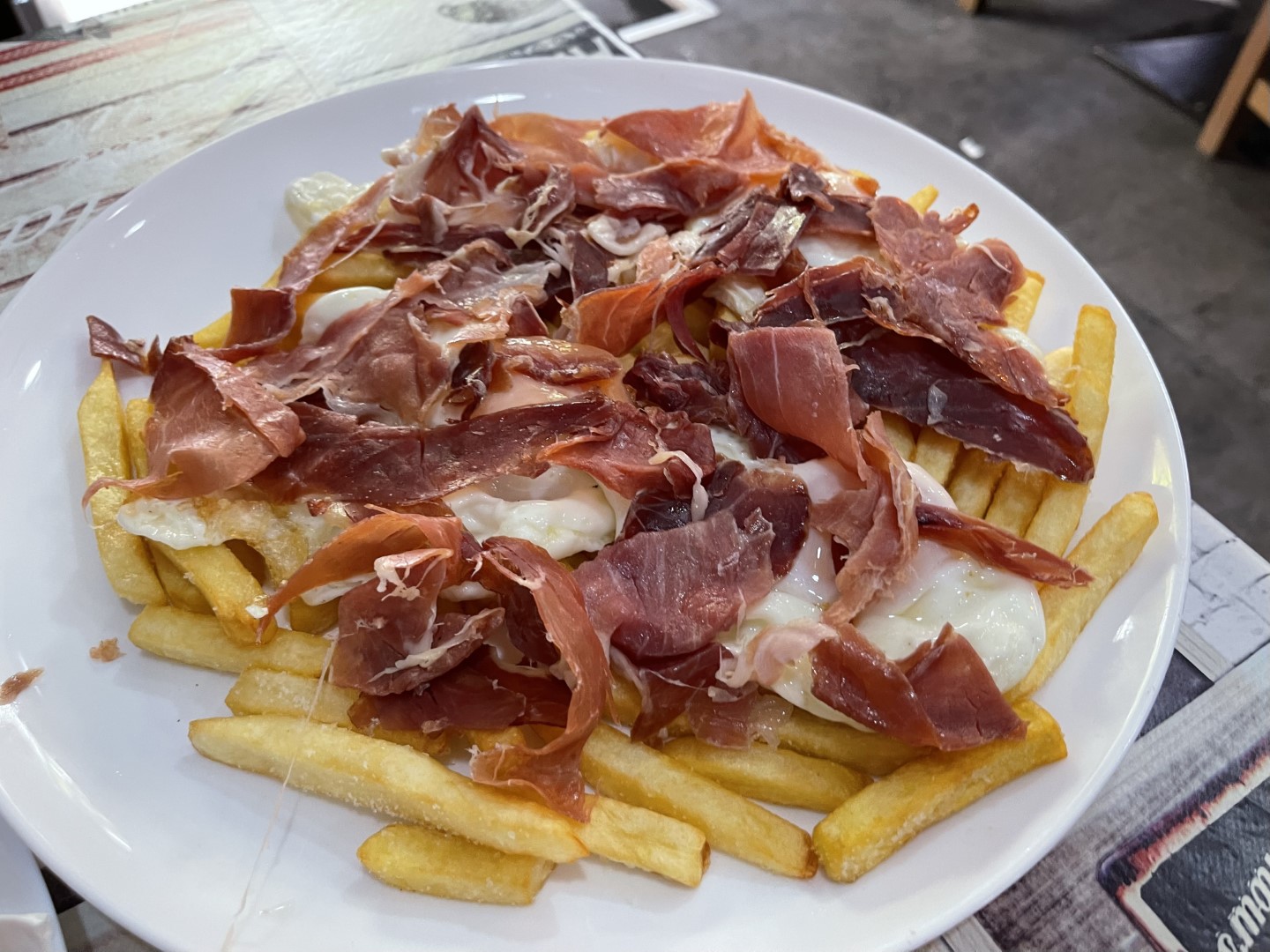
The two mini croissants didn't do much for me, so I was starving when noon rolled around. Unfortunately, no one in Spain eats lunch before 1:30, so I decided to eat a second breakfast at a traditional Madrid diner where all the staff were screaming at each other and the menu consisted of a bunch of things I didn’t (yet) recognize. I latched onto the two words I did recognize: huevos and jamón, and ordered what I thought was a ham omelette. Instead, I received five sunny-side-up fried eggs with shredded prosciutto on top, all over a bed of French fries (huevos estrellados). It was one of the greasiest meals I had ever seen and practically inedible even for an egg lover like me, but I ate all the protein out of pride and a need for calories.
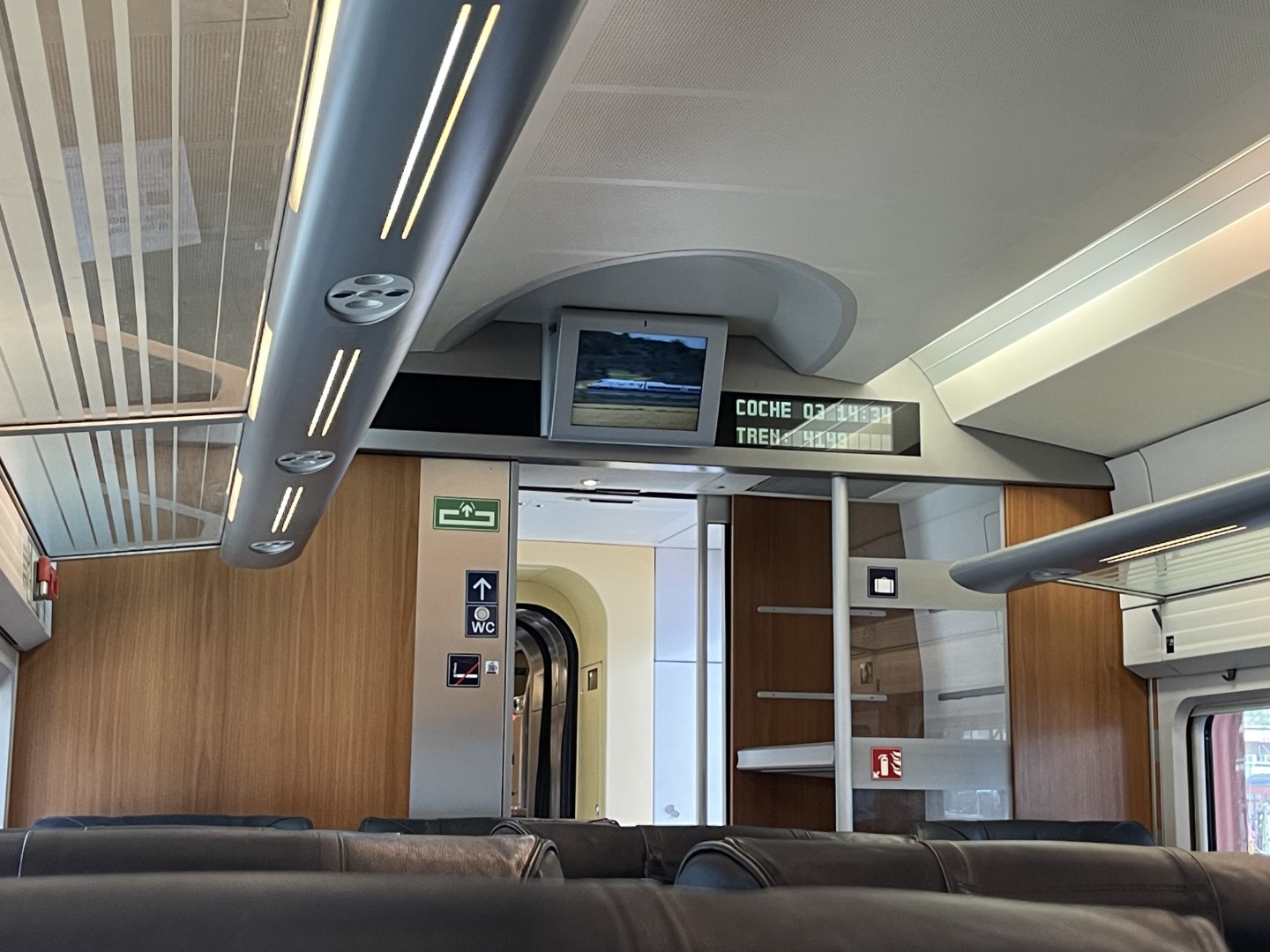
After my meal, I walked to the Chamartín train station and clutched my stomach for an hour to try and keep it all down before boarding my train. Fortunately, Spain's high-speed rail is world-class and the ride was buttery smooth. After gliding along for two hours at 300 km/h, I arrived at the northern city of León, where I would begin my Camino.
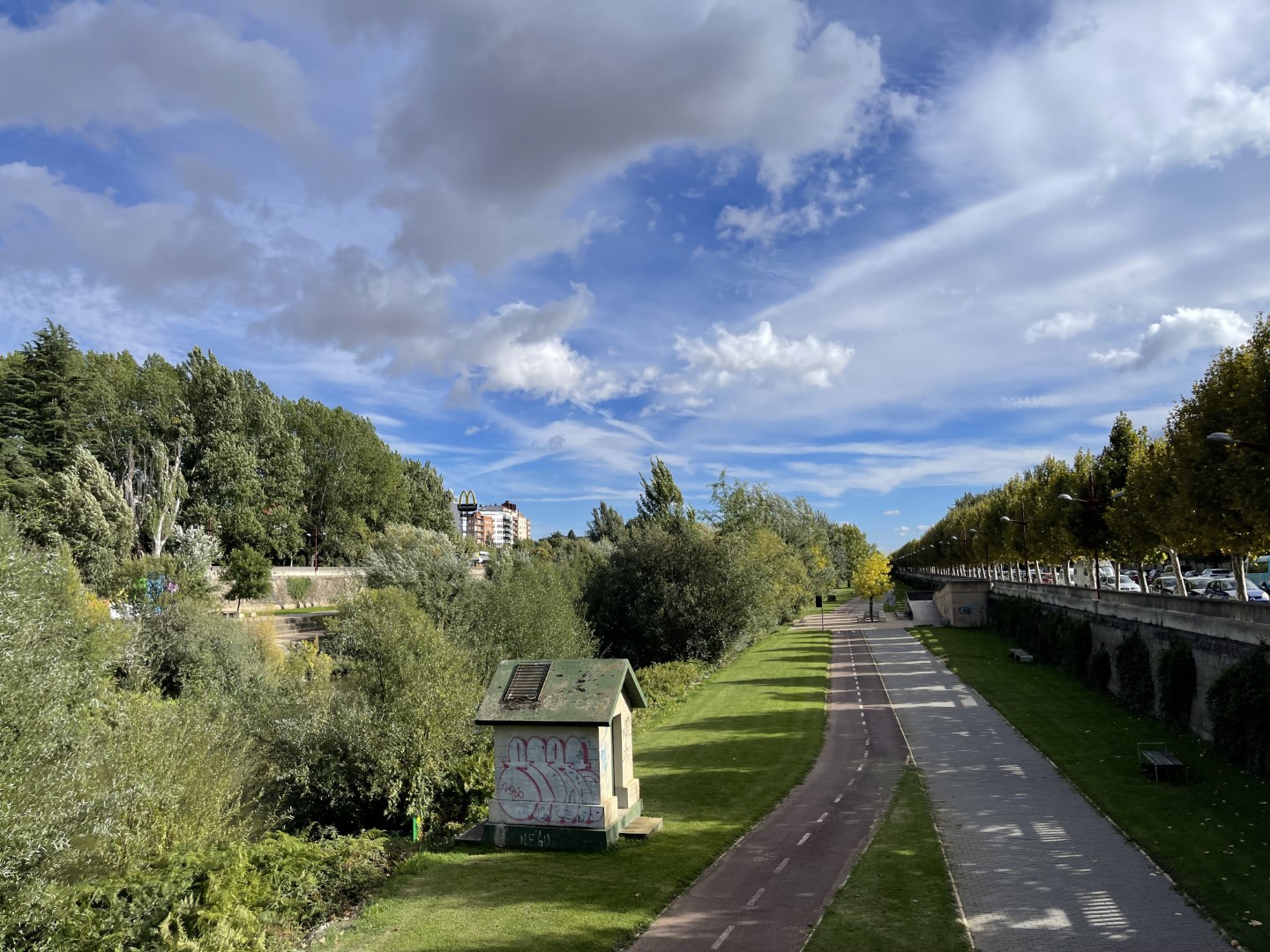
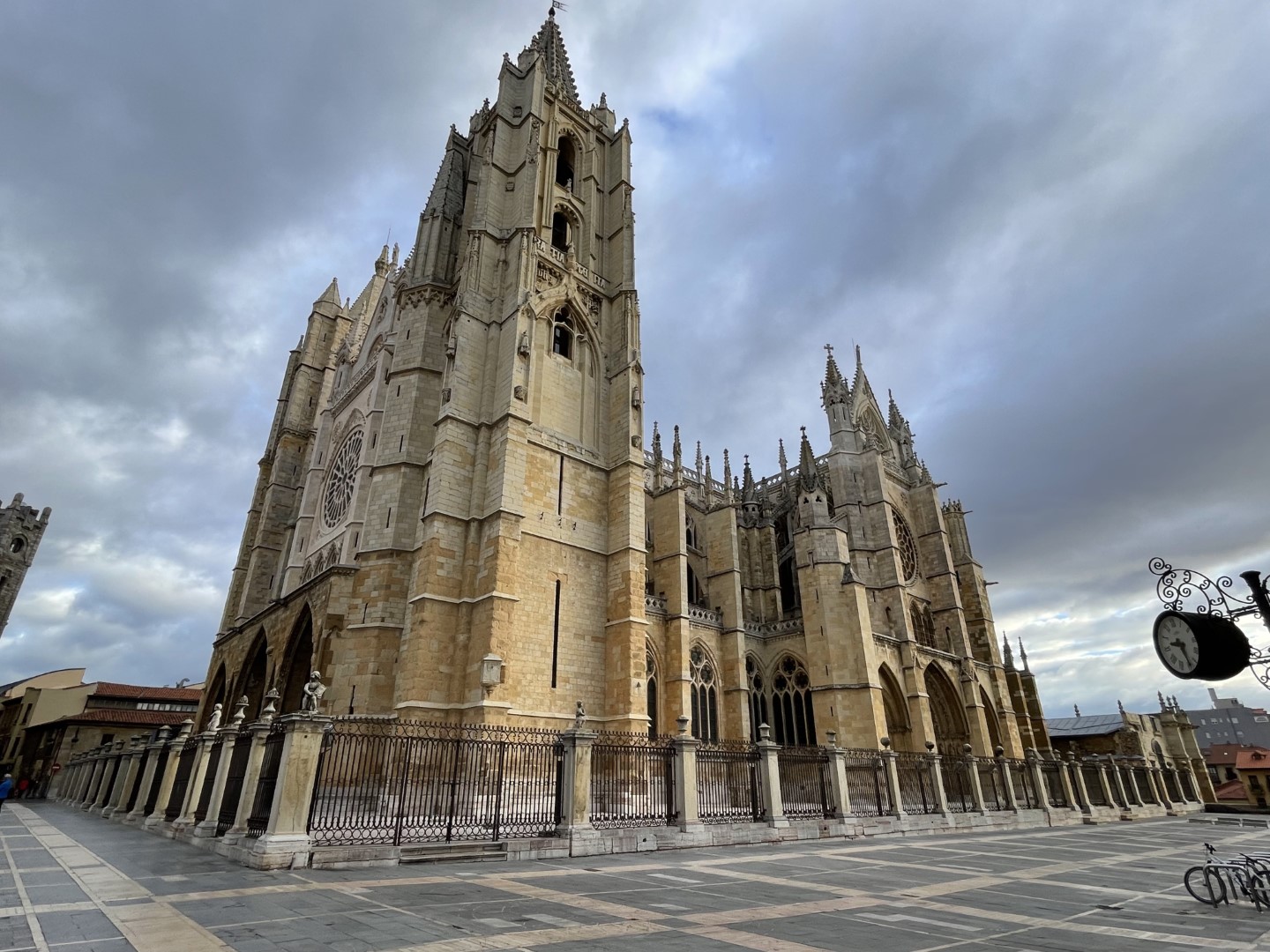
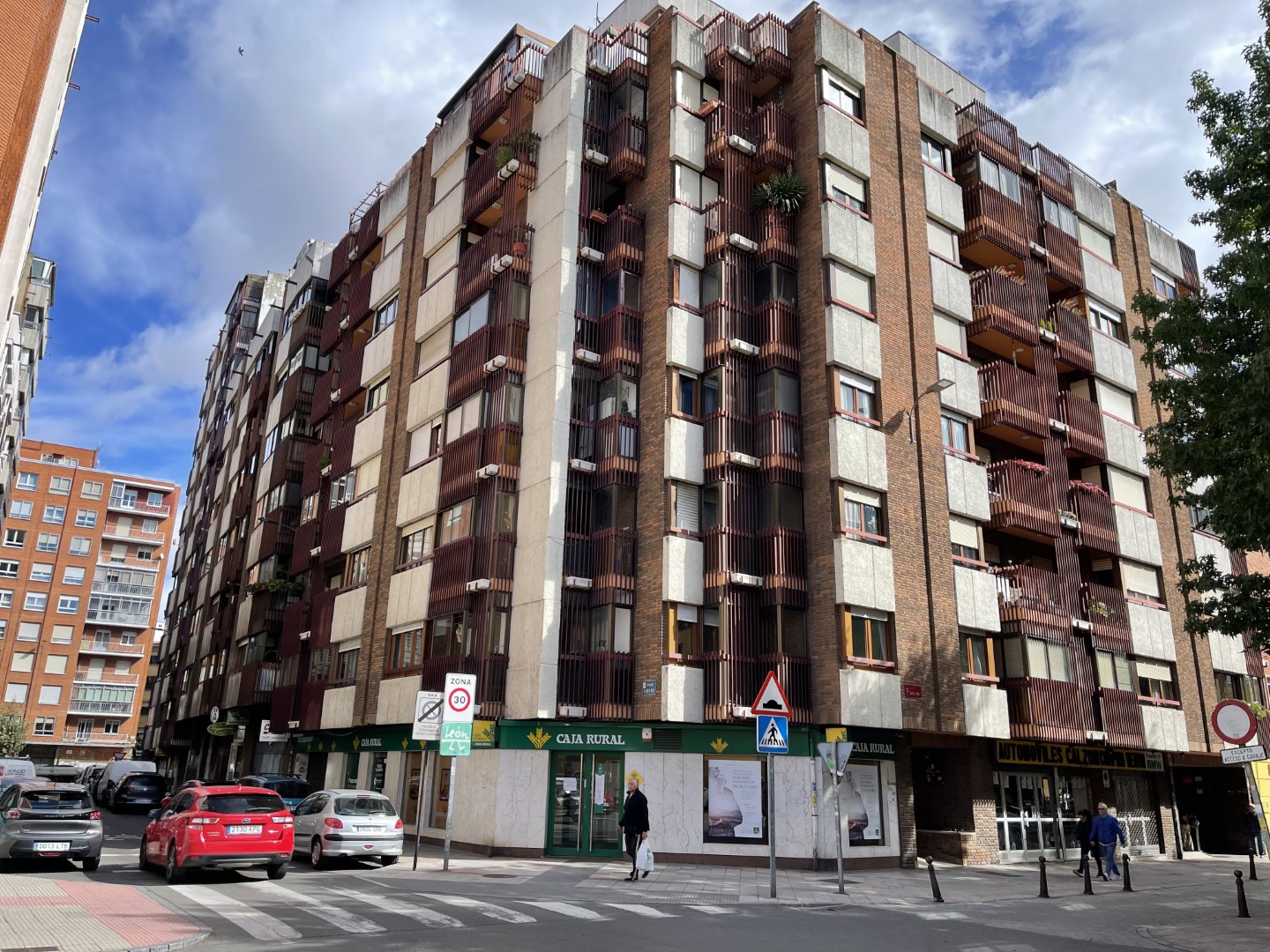
Like all Spanish cities, León is densely populated and supremely walkable. It's filled with an eclectic mix of beautiful Gothic and Romanesque architecture in its old city, which in turn is surrounded by massive ten-story Brutalist apartment buildings.
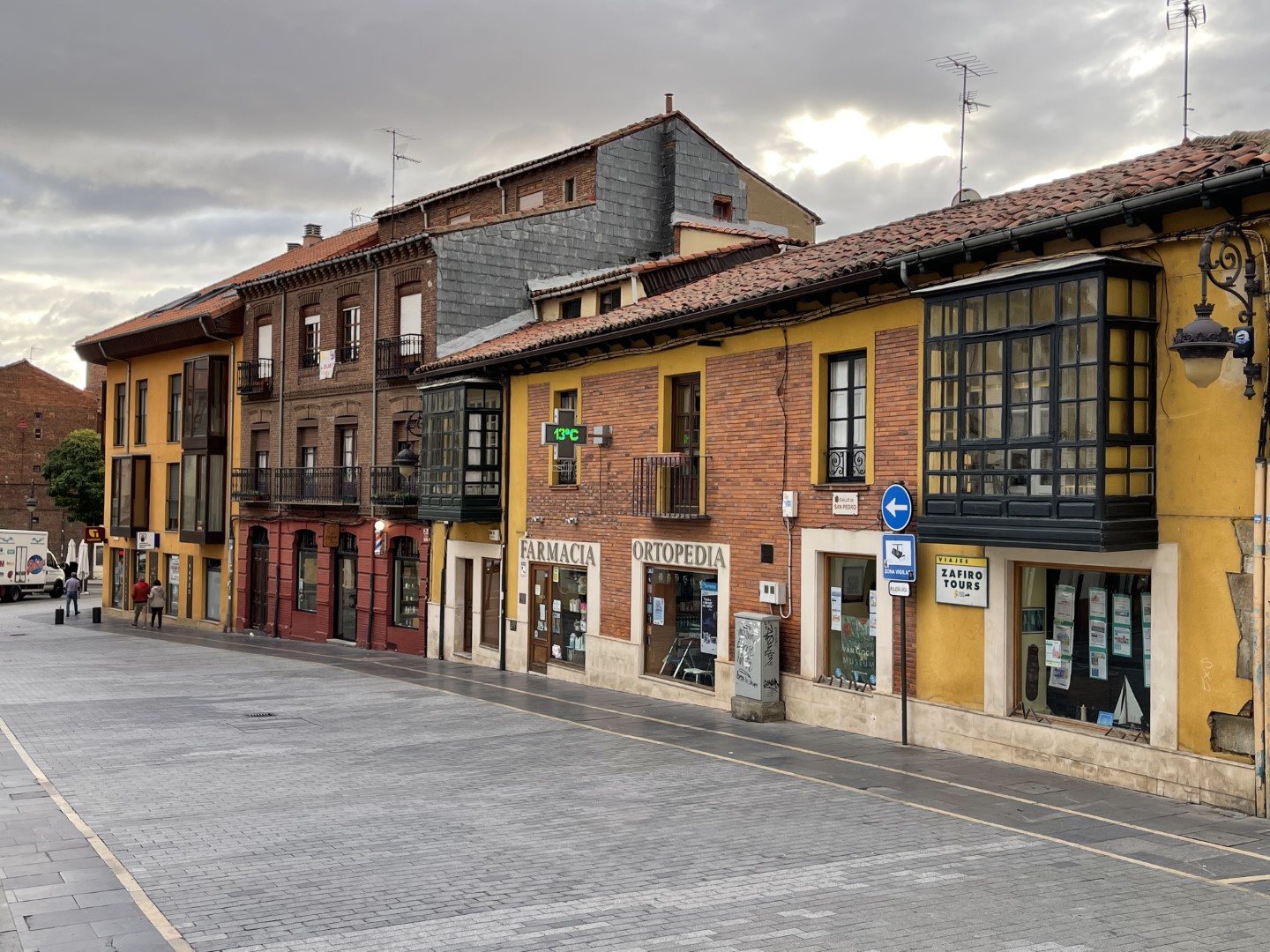
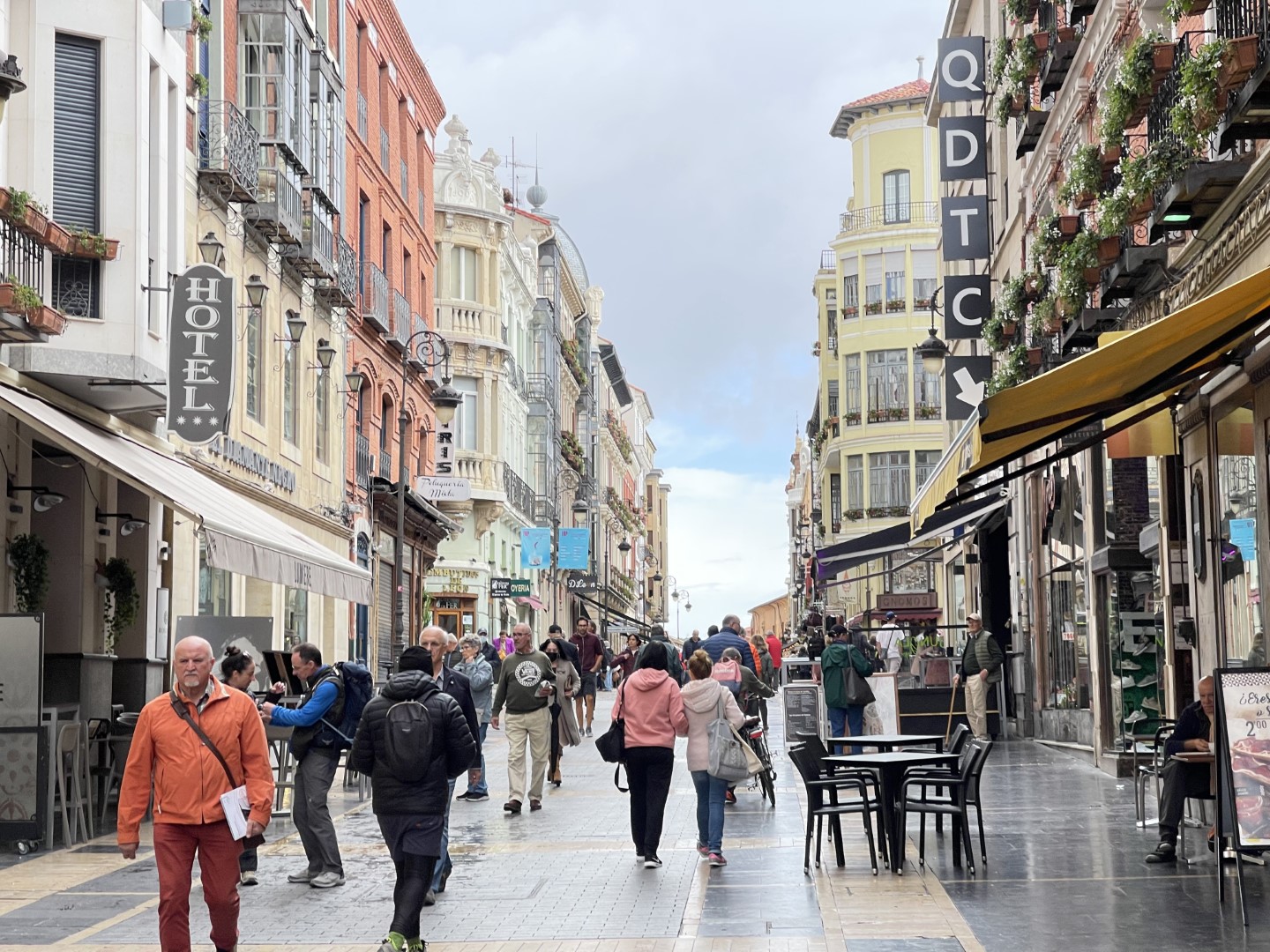
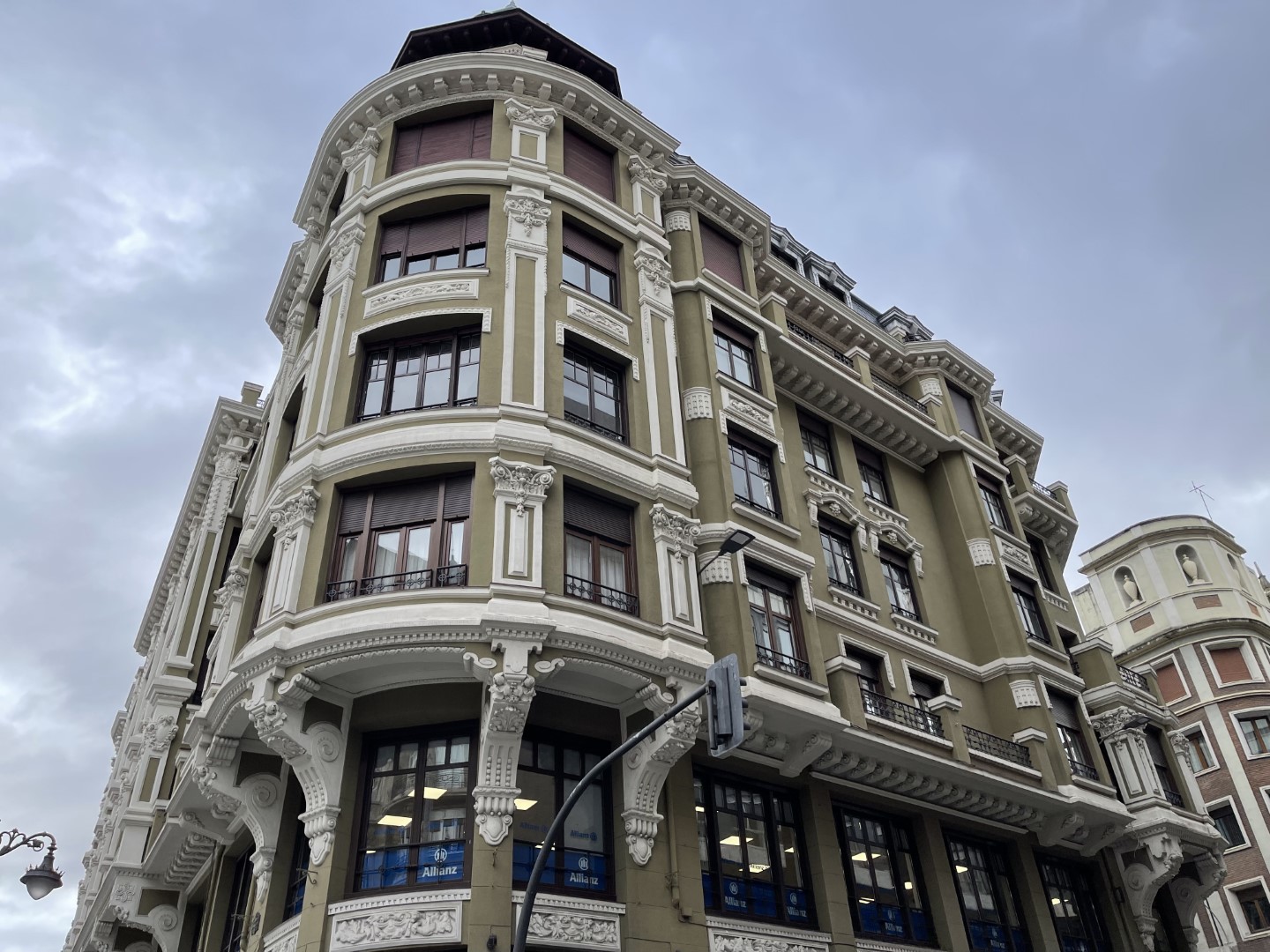
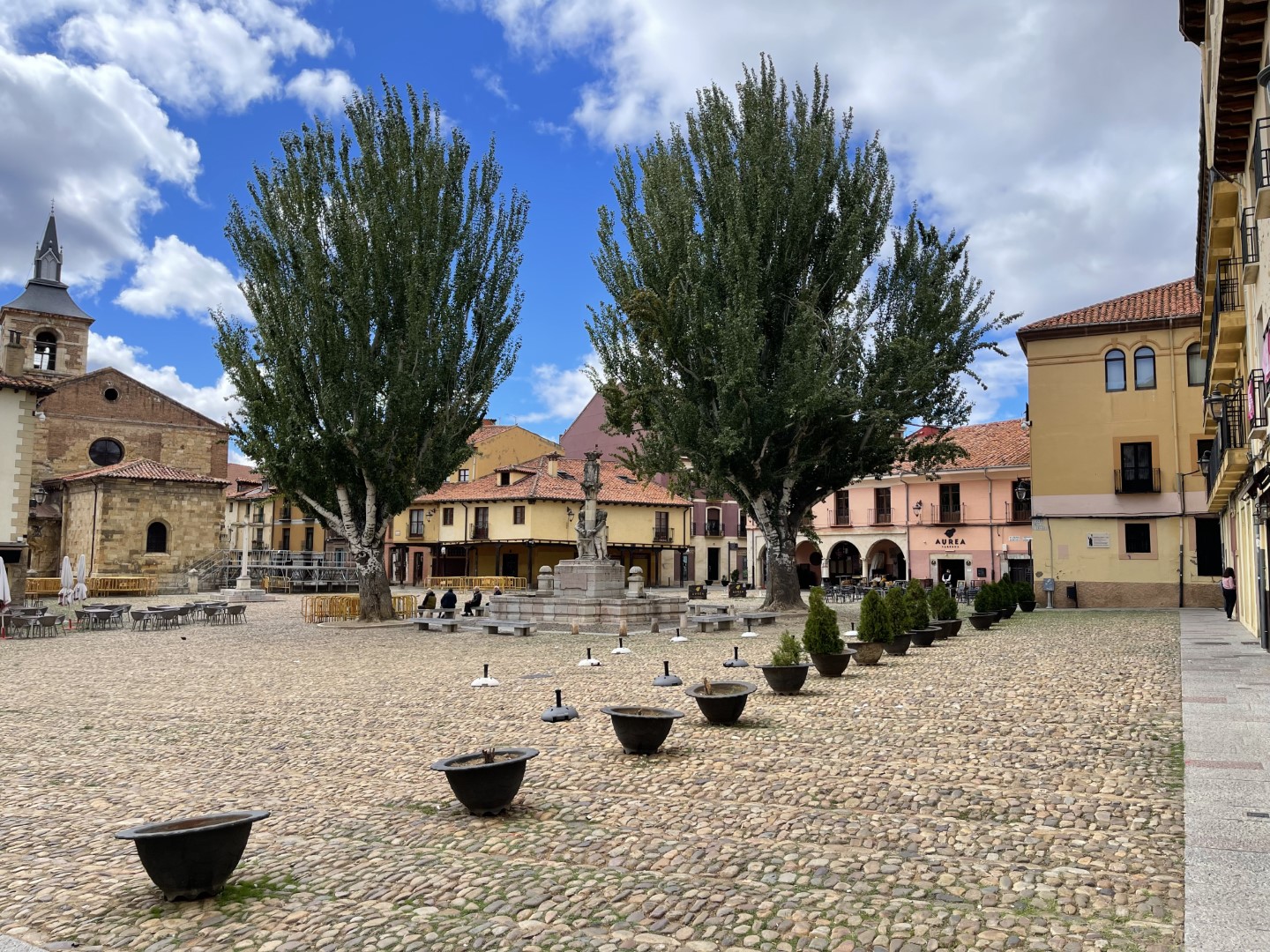
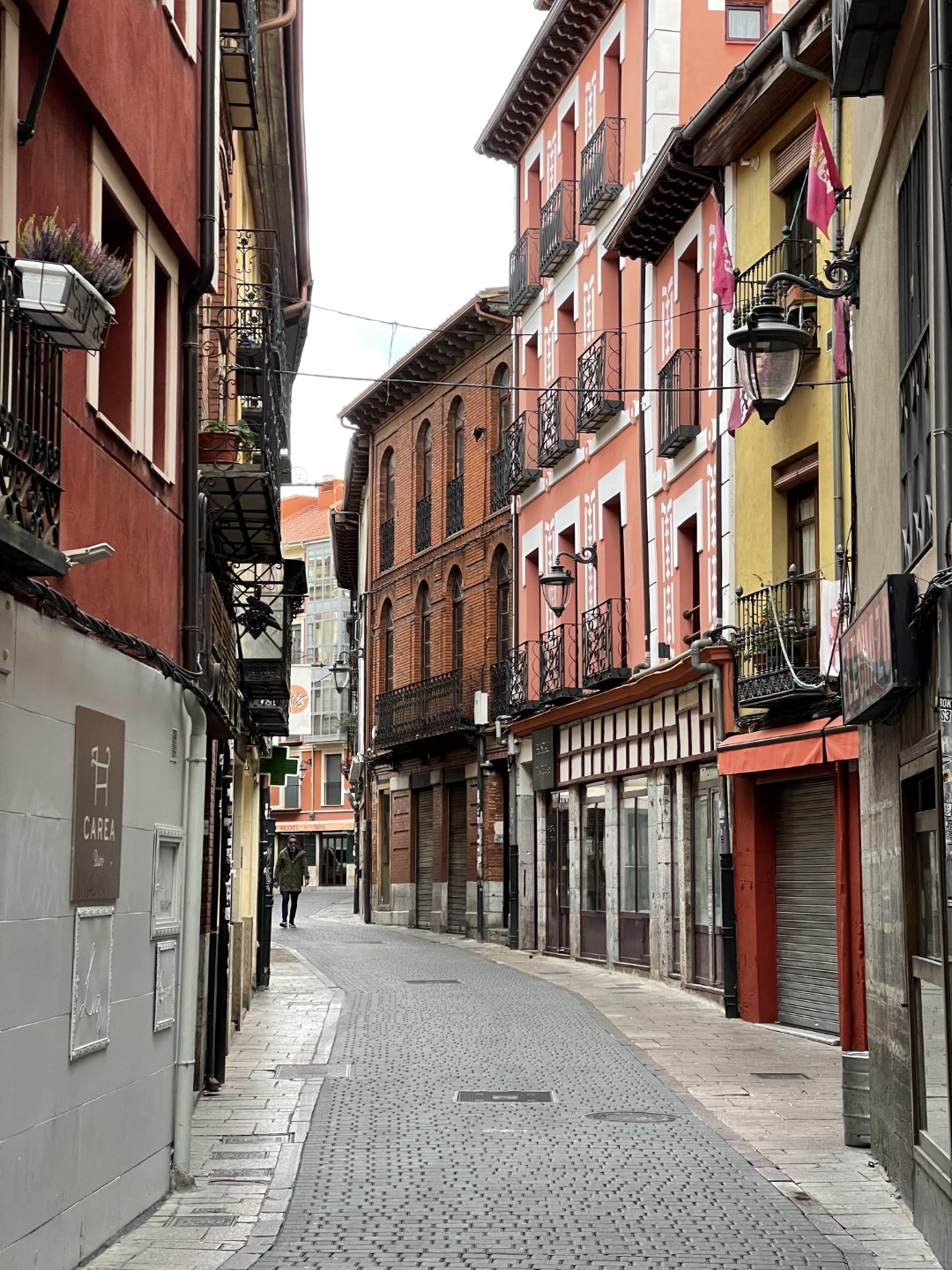
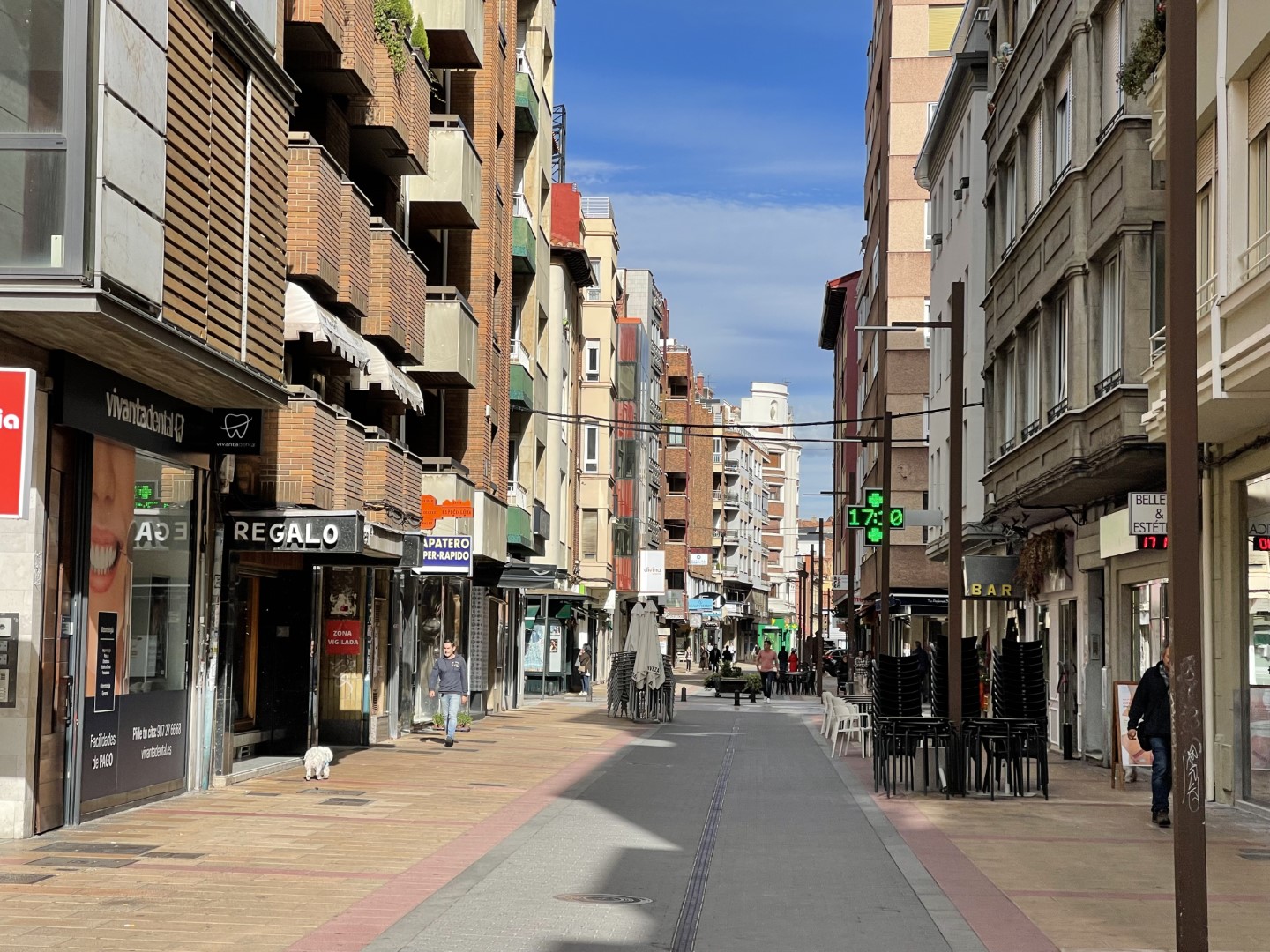
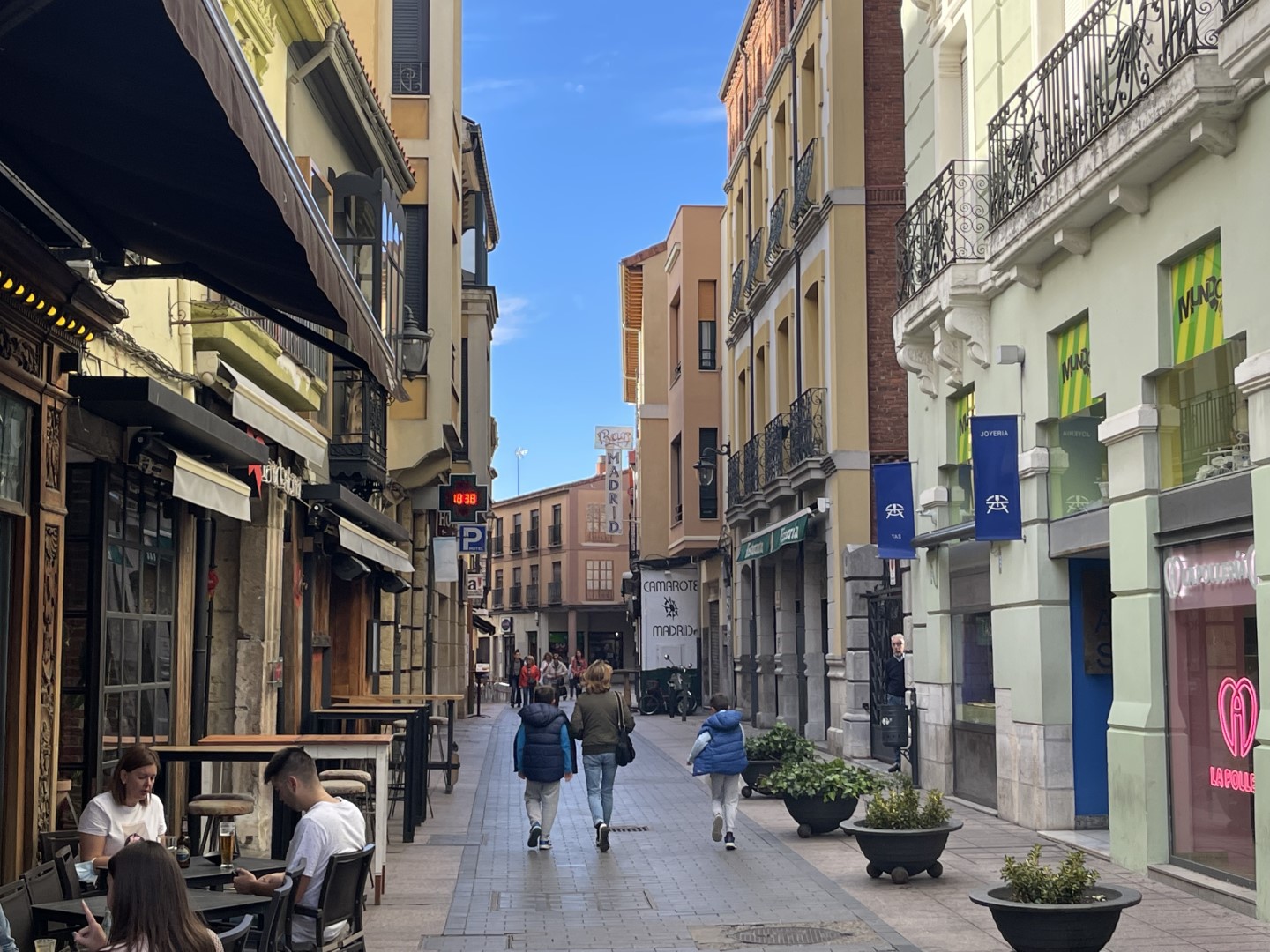
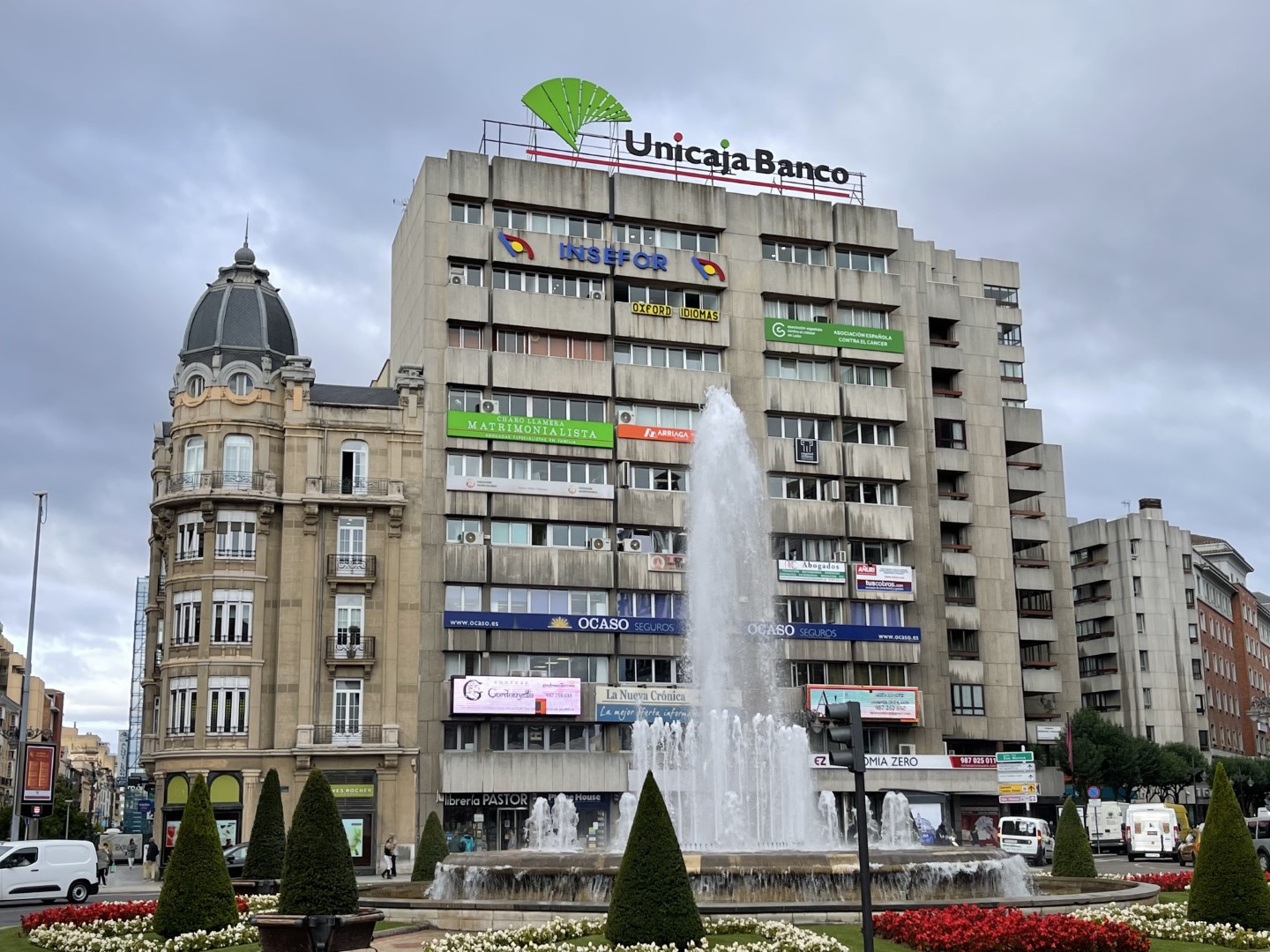
After hitting the main tourist attractions, I searched for a supermarket so that I could prepare dinner on my own terms. I expected to have to walk out of the touristy old city to find one, but to my amazement, there were multiple supermarkets within the relatively small old town. In any other European country, the old city would have become a "tourist ghetto," my coinage for a neighborhood that has become unlivable for local residents after small businesses are evicted in favor of hotels and restaurants that can pay higher rent with tourist dollars. But in Spain, supermarkets, bakeries, pharmacies, opticians, hardware stores, and cafes never seemed to be more than a ten minute walk away, even in the most touristy areas.
The next day, I decided to venture far from the old city and into the working class outskirts of town to get a better picture of the average Spaniard’s urban environment.
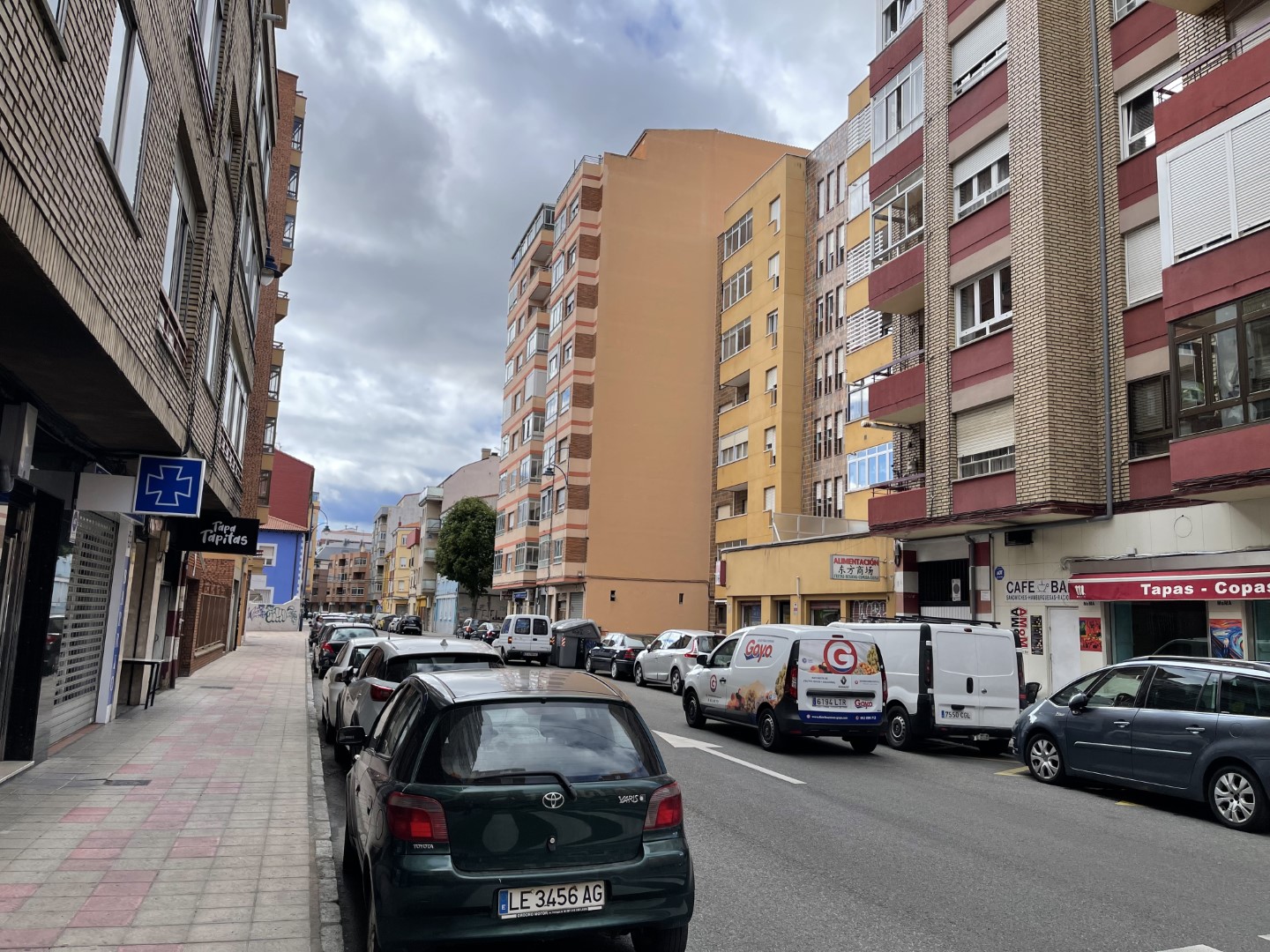
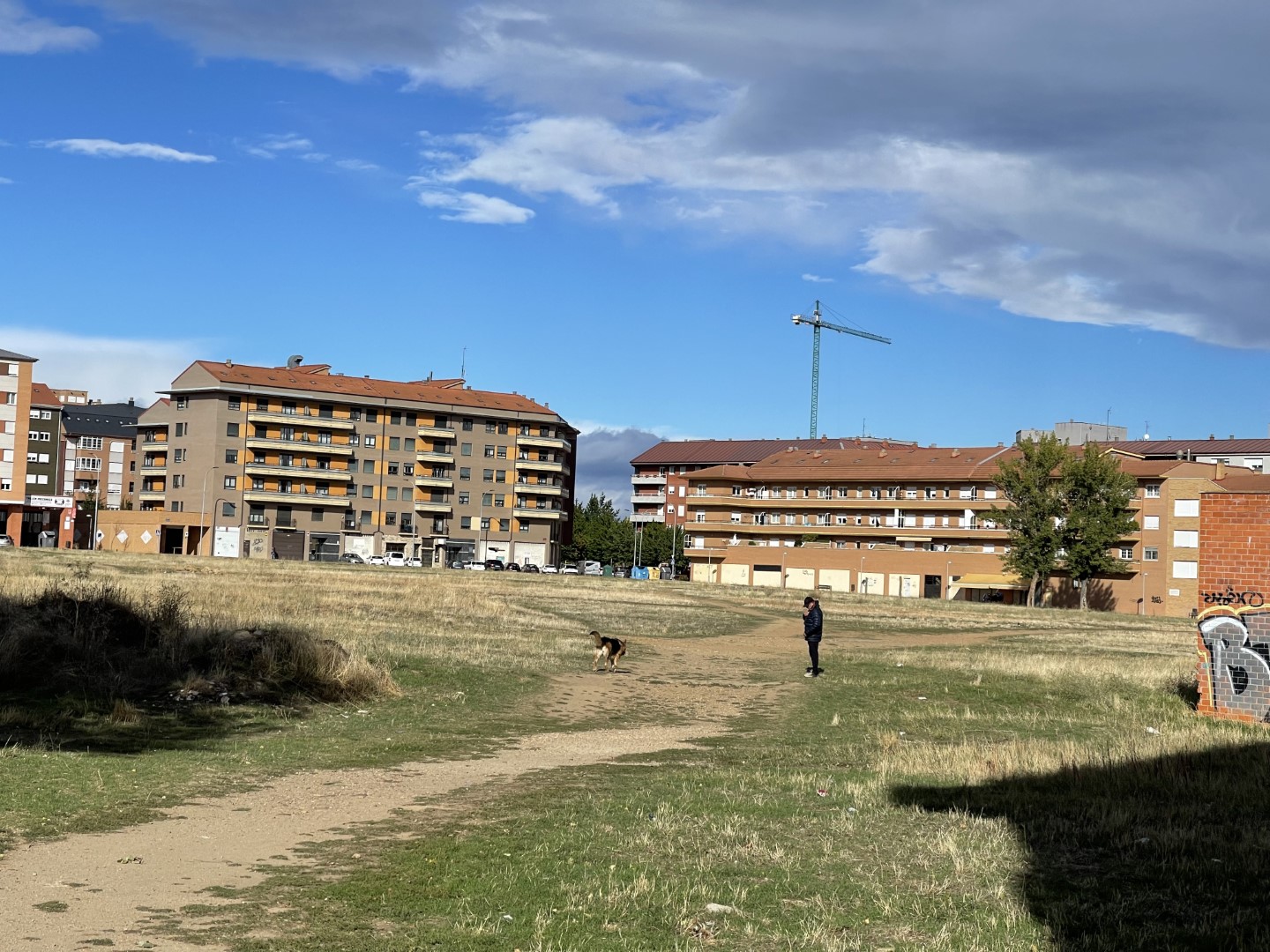
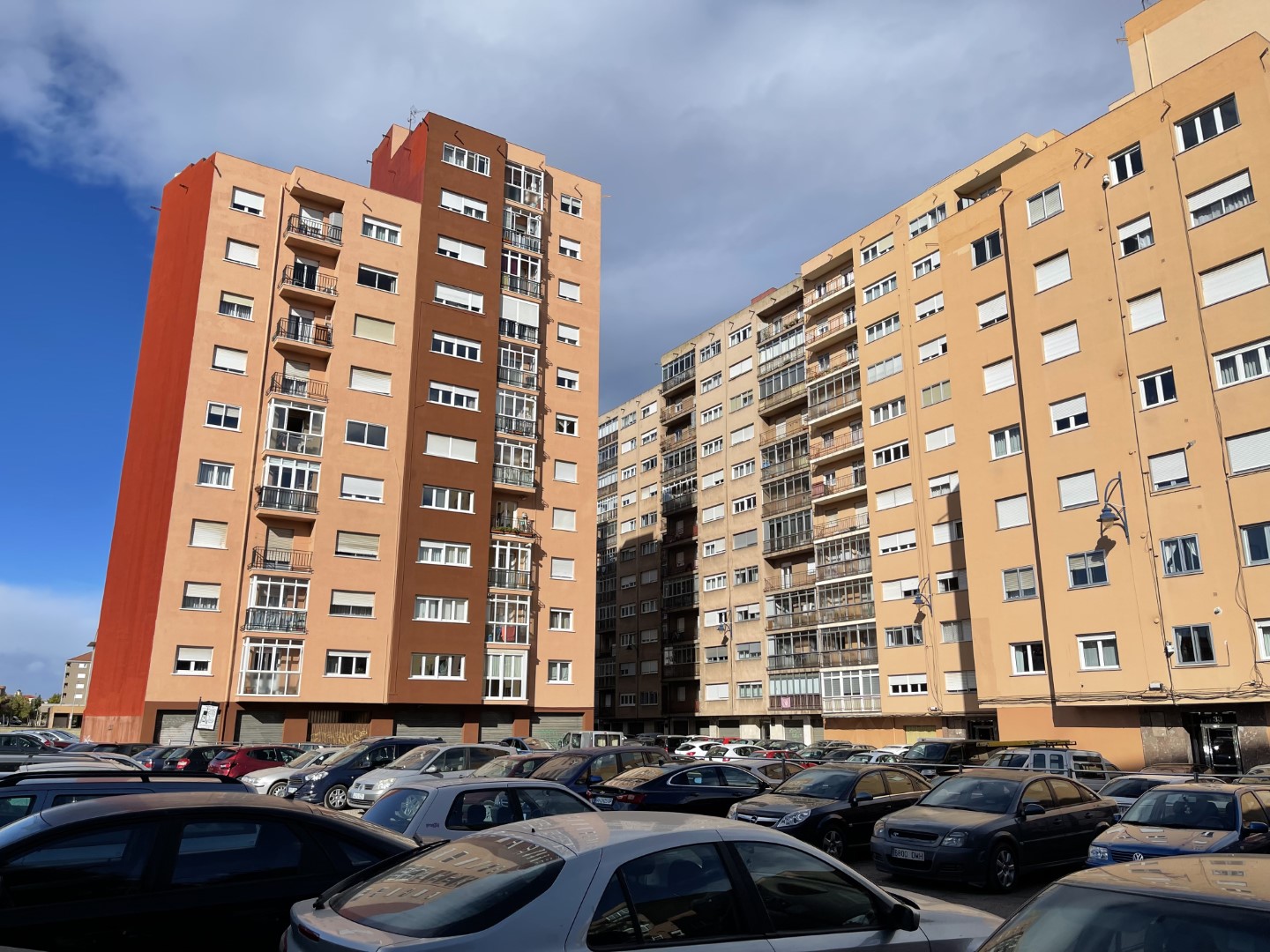
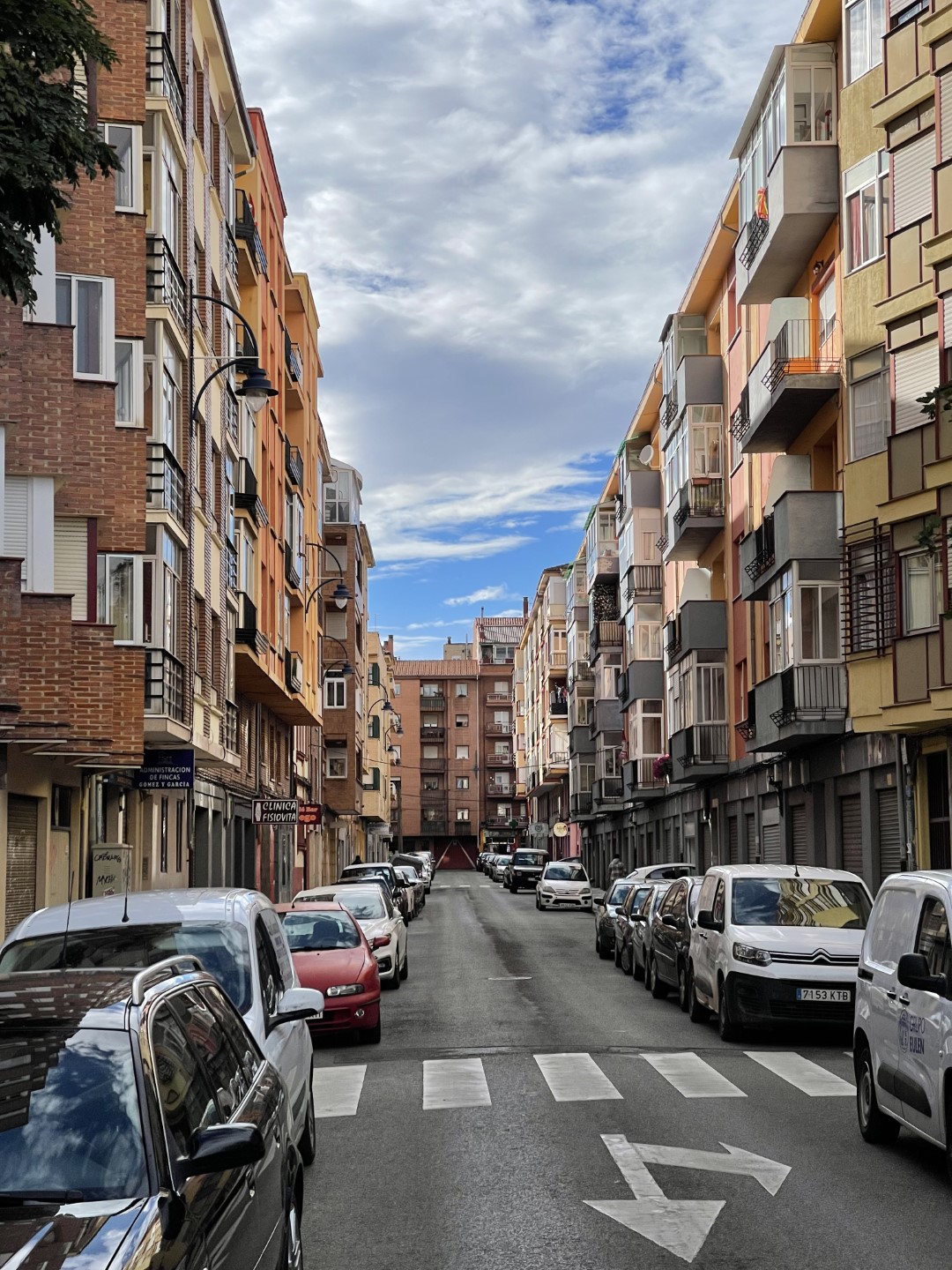
Incredibly, it seems that even lower-class Spaniards enjoy a walkable proximity to pretty much every single amenity necessary for everyday life. An economist I would meet later on told me that most of these neighborhood stores are mom-and-pop stores that survive on their rapport with the community, even as gleaming big box stores with better prices, better quality and better selection encroach on their customer base. Their continued existence is a miraculous testament to the power of community - a power so great it can slap aside the globalized offerings of the invisible hand.
While walking around the suburbs, a convenience store whose sign had Chinese characters piqued my interest.
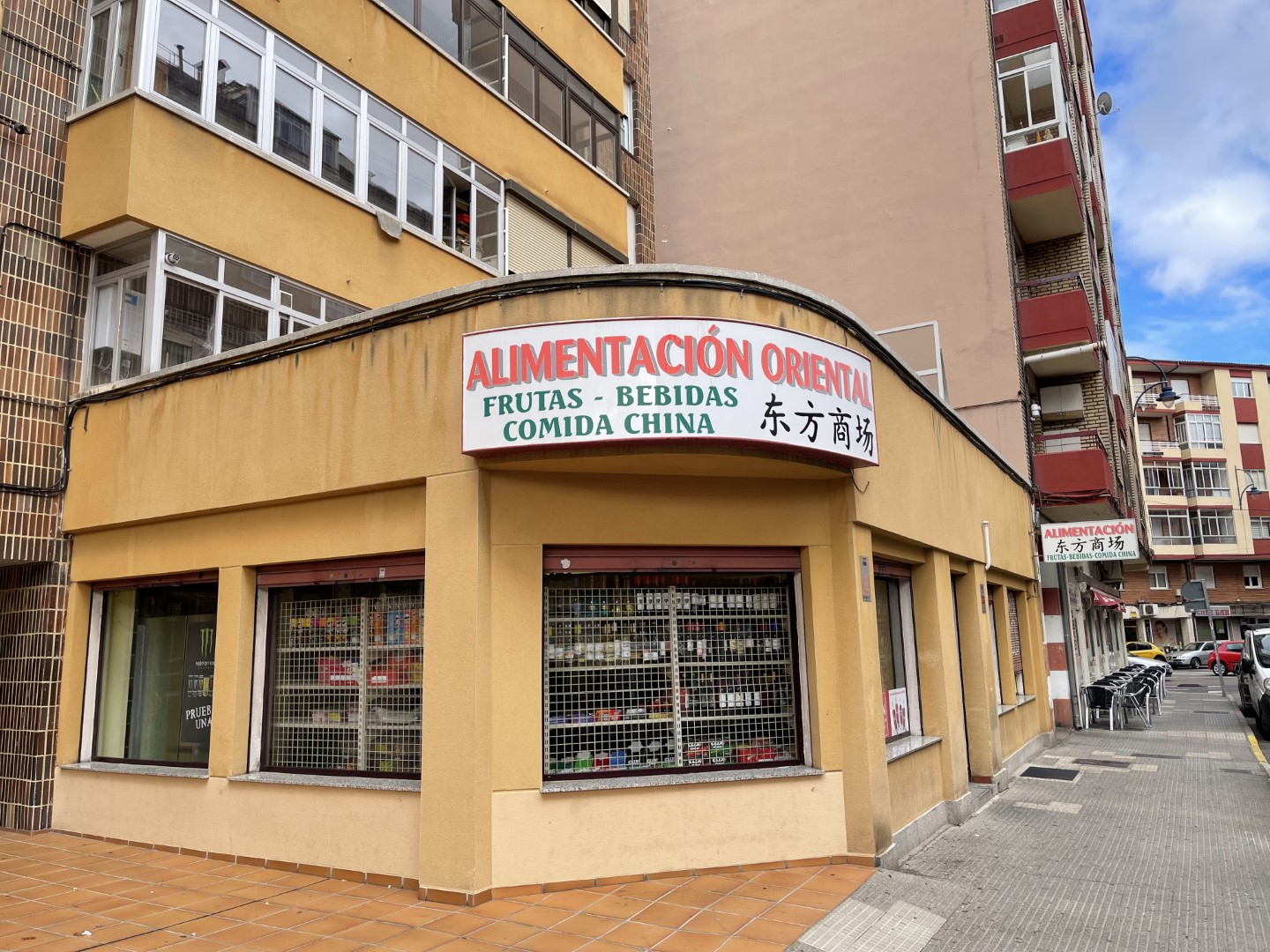
I opened the door. A chubby Chinese-looking kid, maybe 12 years old, sat hunched over a rusty monitor from the Bush administration, DMing someone on Discord. I went up to the register to buy a bottle of water and made small talk with the owner and his wife in Chinese. They had come here 20 years ago and had been received with a mix of curiosity and apprehension, but quickly integrated into the community selling homemade egg rolls from their store. The husband described the people in the neighborhood as warm, respectful, and loud.
"You’re walking the Camino, aren’t you?" the owner asked. I told him I was.
"And you're gonna live off Spanish food? Are you sure you don’t want to buy some instant ramen as well?" His face looked sympathetic, almost pitying.
I resisted his sweet-talk. "I’ve gotten used to Spanish food," I replied with a smile. I hadn’t, but I also hadn't flown across the Atlantic Ocean just to eat Maruchan. He furrowed his brows, skeptical of my claim. I guess the lie was too obvious.
I wandered unhurriedly back to my hostel, but the wind abruptly picked up and rain began to fall, and I ducked into a bookstore-cafe.
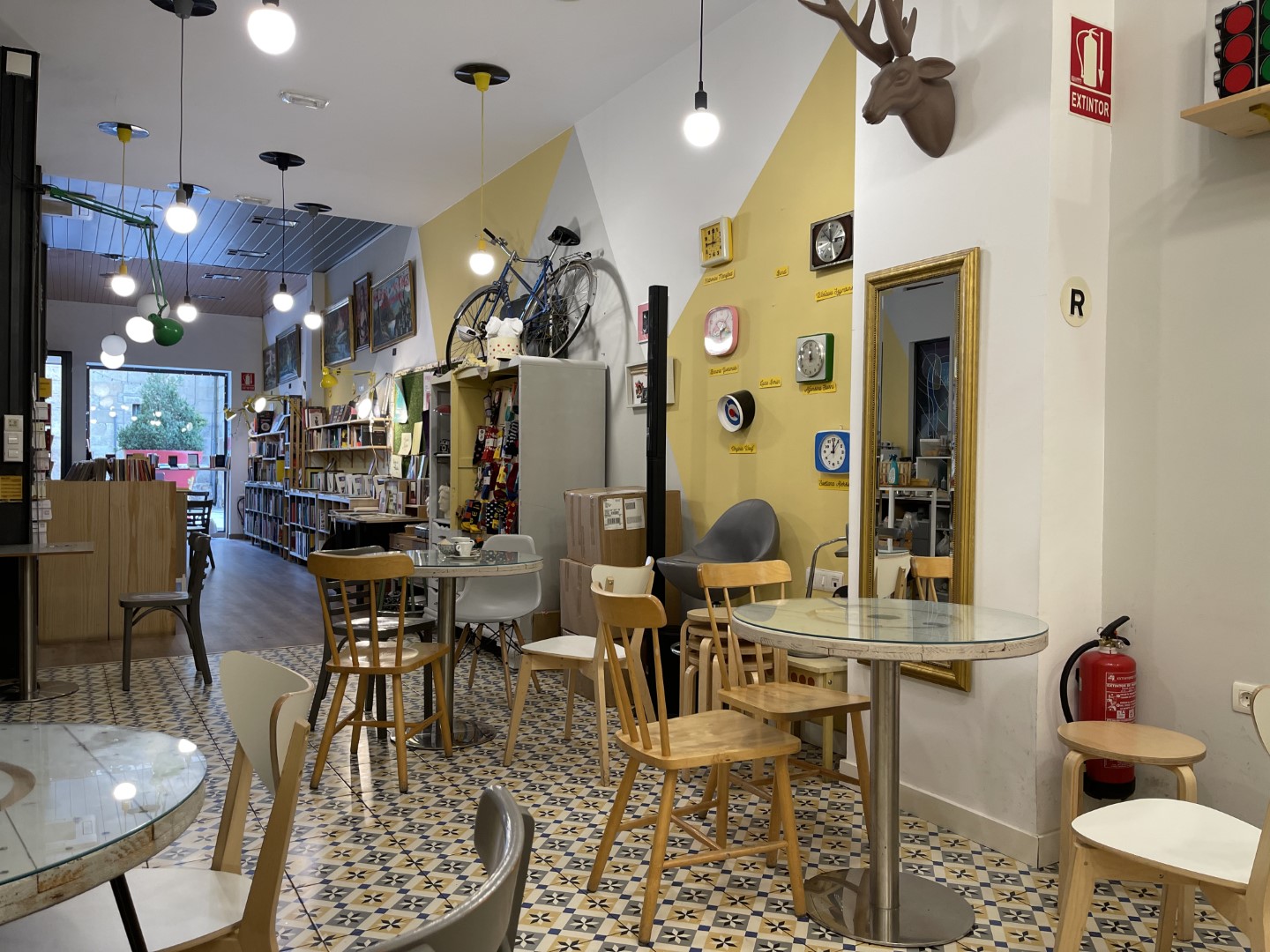
Although the bookstore was filled with Marxist literature, my orange juice was quite expensive by Spanish standards - 3.50€. I guess praxis was too bitter a pill to swallow. After an hour, the rain still hadn't let up, so I donned my $1 trash bag poncho, bought some bread and ham, and holed up in my hostel bed, counting down the hours to my first day of walking.