- Published on
Pontevedra, Spain
Tags
Time of Visit: October 13-14, 2022
After a day's rest in Santiago following the Camino, I decided to tour the rest of Galicia on my way down to Portugal. Pontevedra is the third-largest city in Galicia and is considered an exemplar for urban planning both inside and outside of Spain. Naturally, I had to see what all the fuss was about.
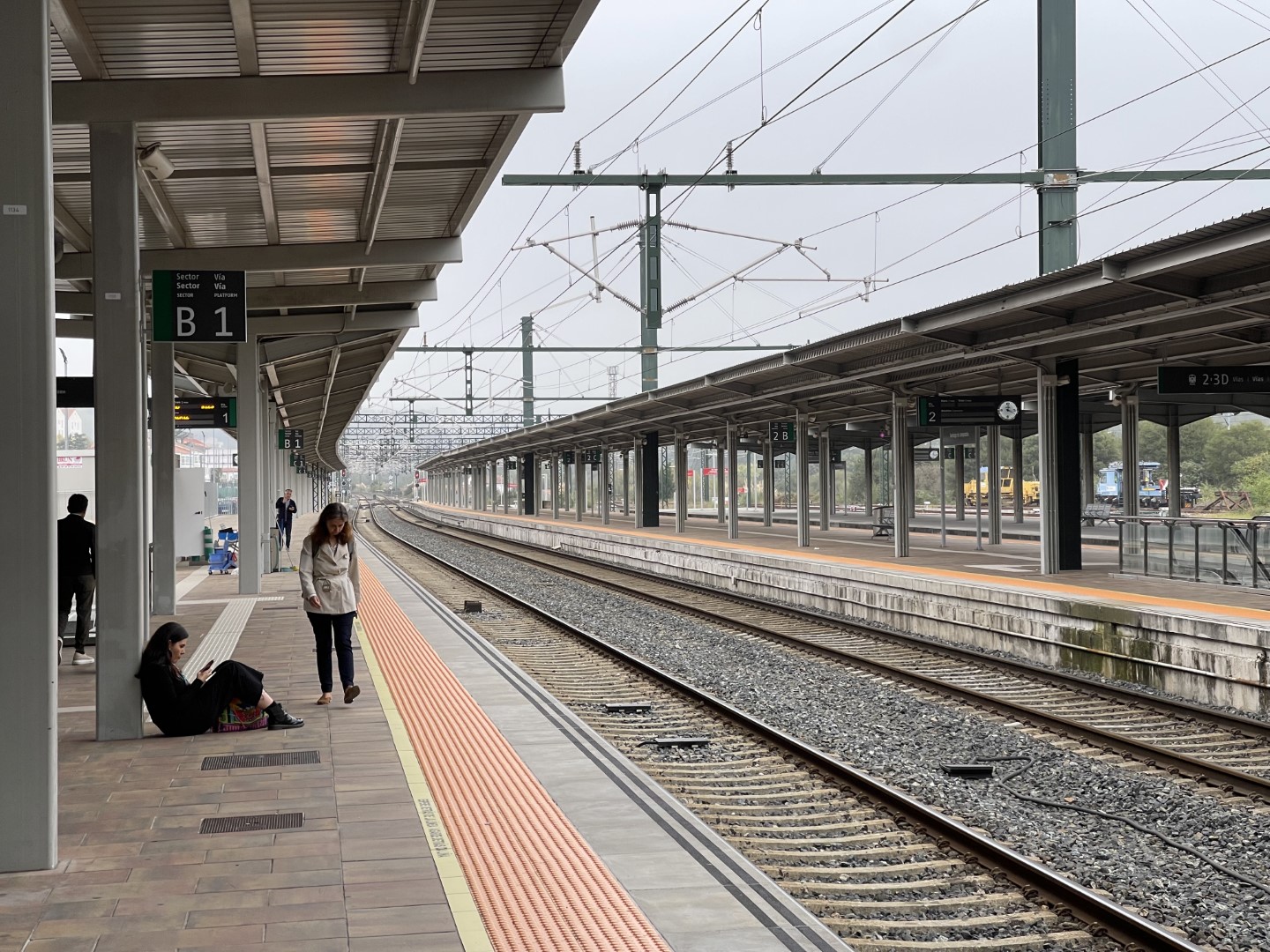
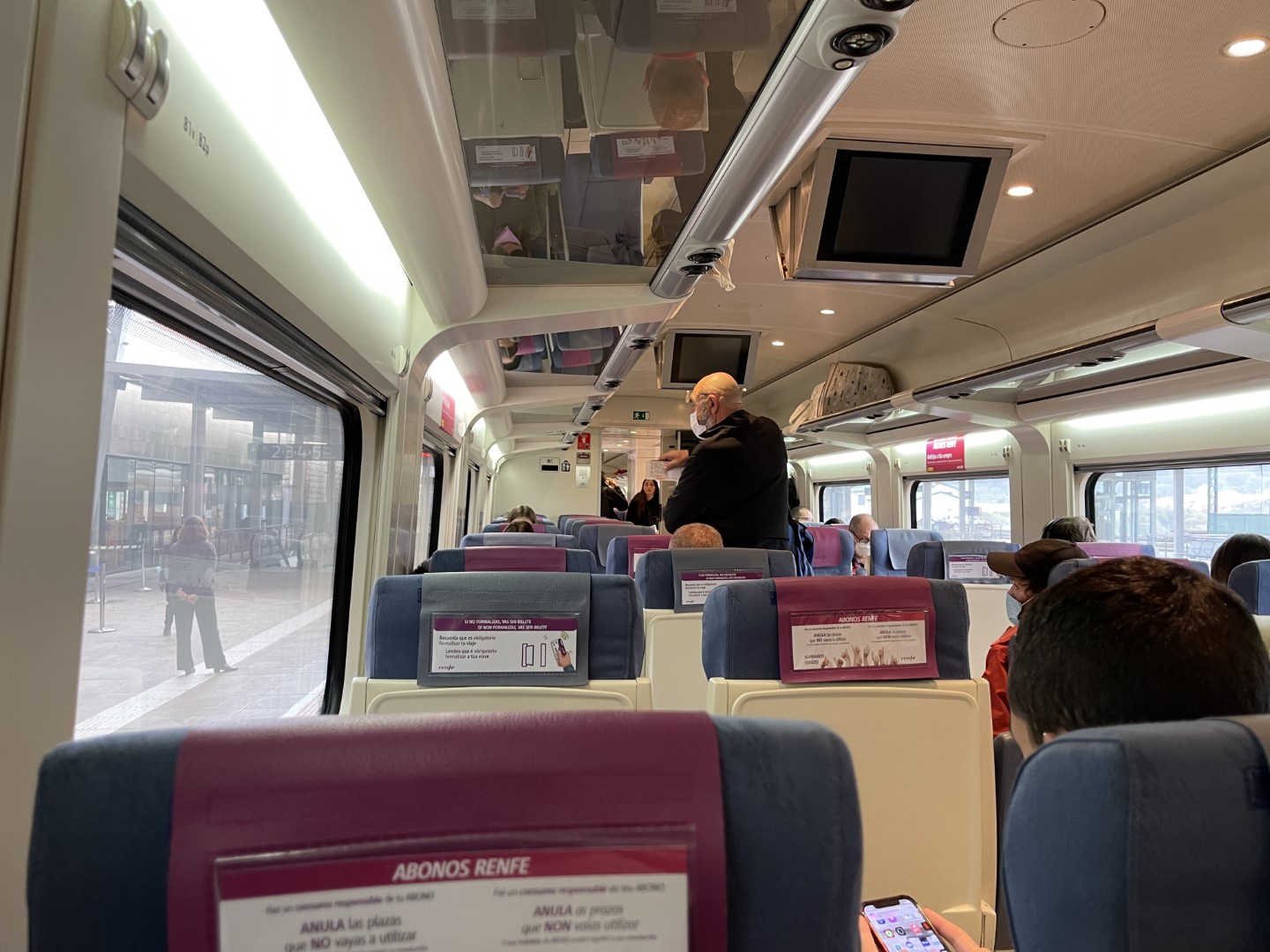
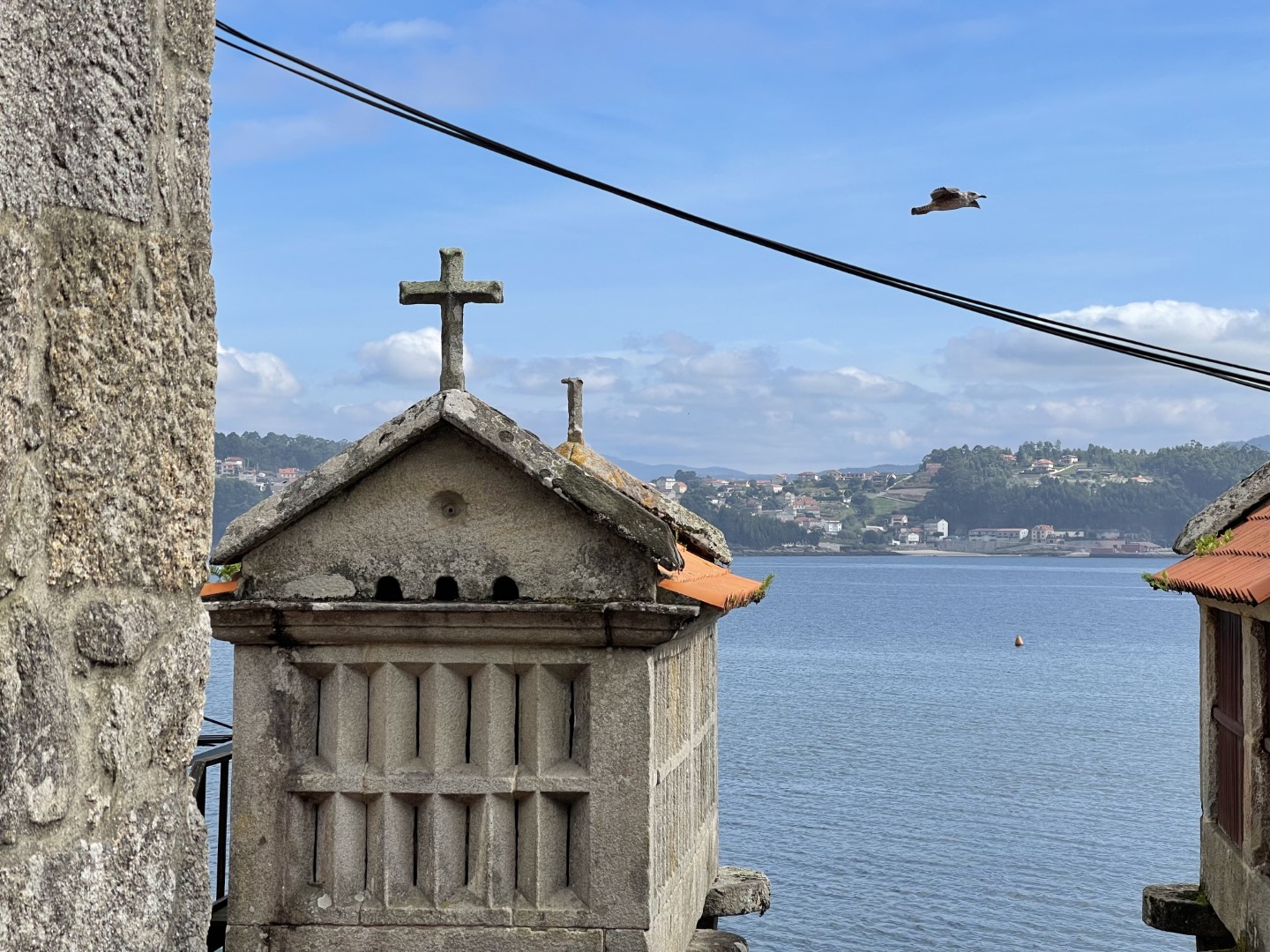
From Santiago de Compostela, it was a quick 40-minute, 7 euro ride to the Pontevedra station. The train was basic but clean and perfectly acceptable for a regional railway. It wasn't even noon by the time I arrived, so I decided to hop on a bus to the nearby seaside village of Combarro, which is known for its waterfront horreos.
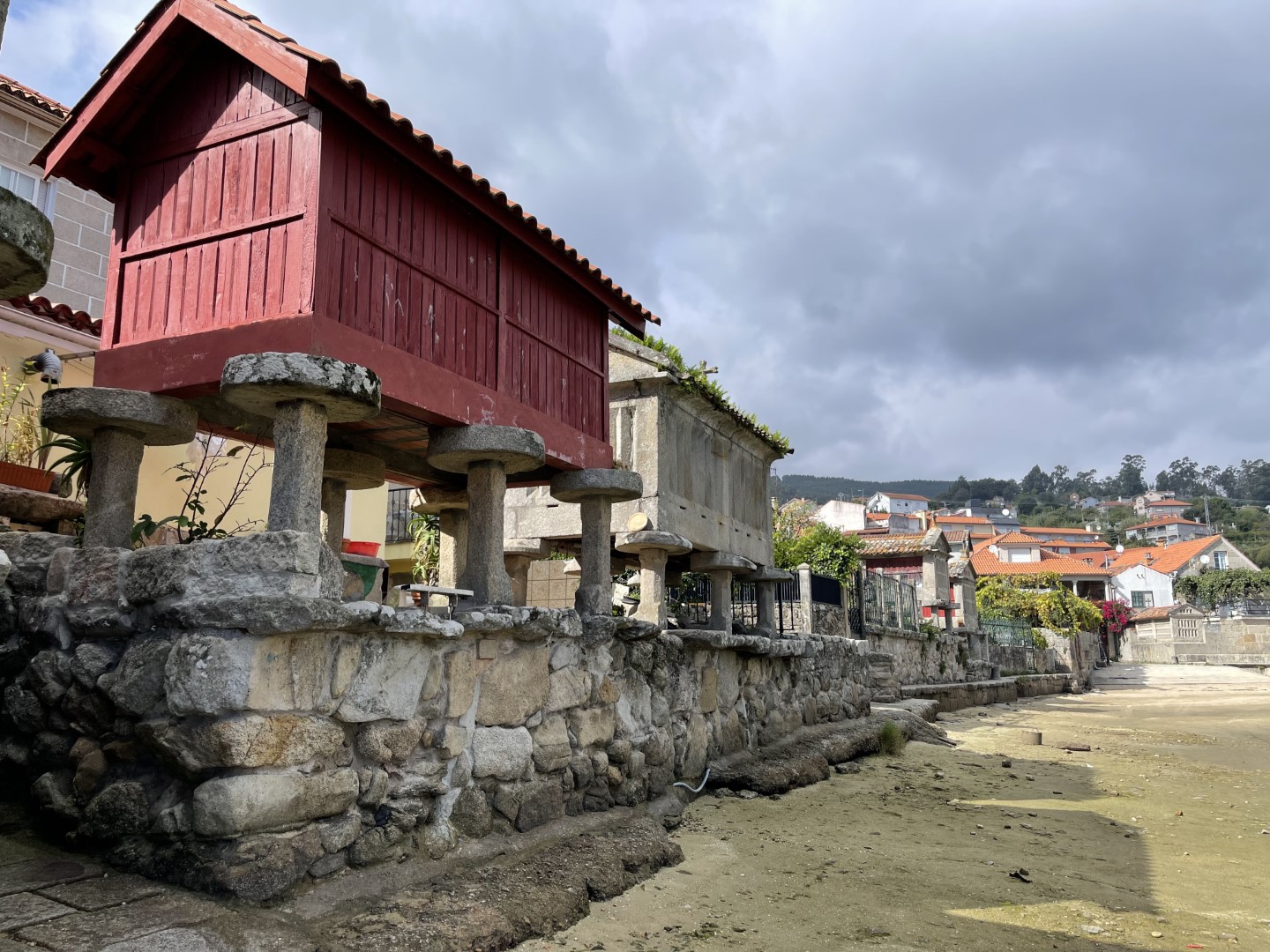
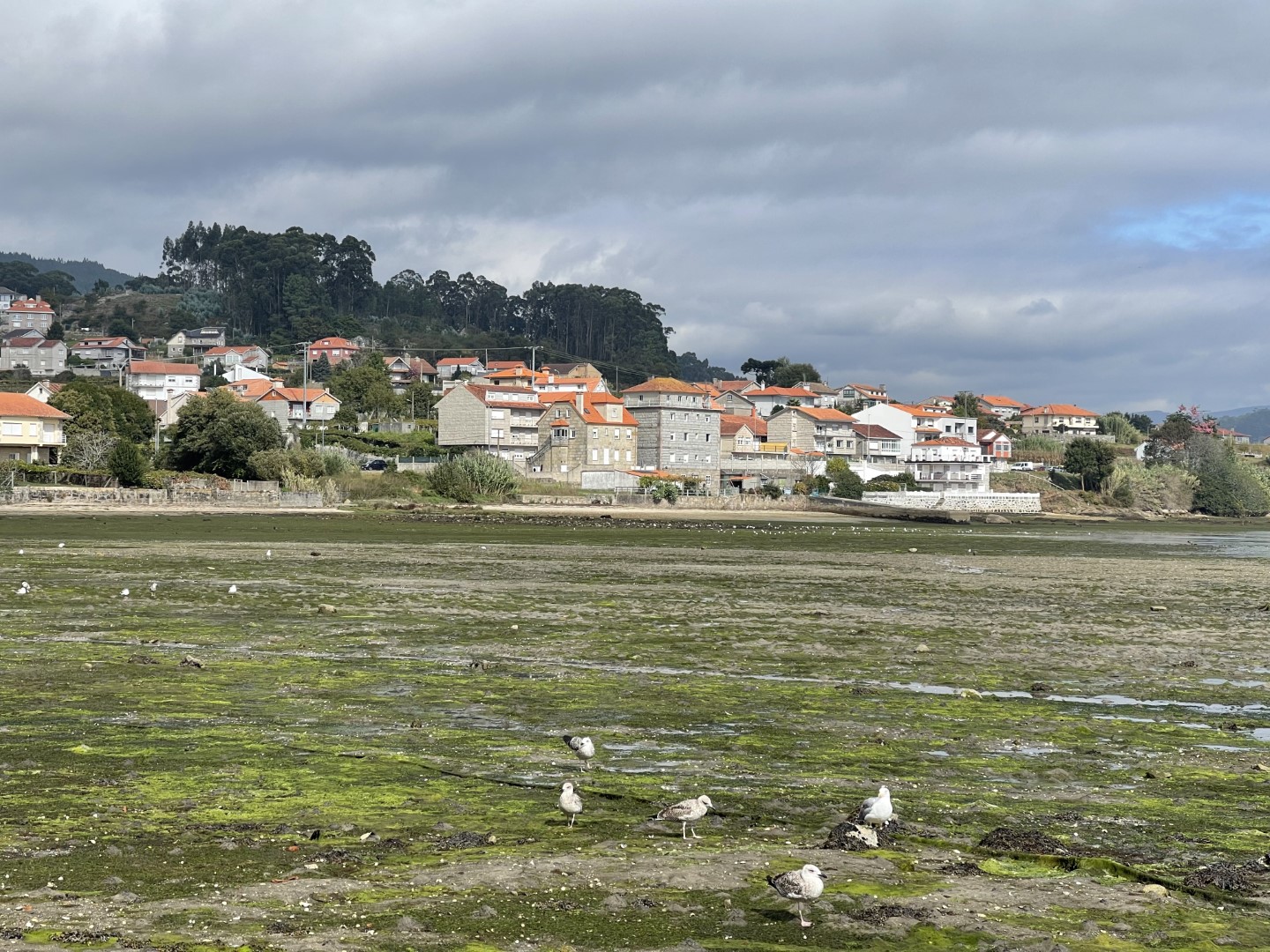
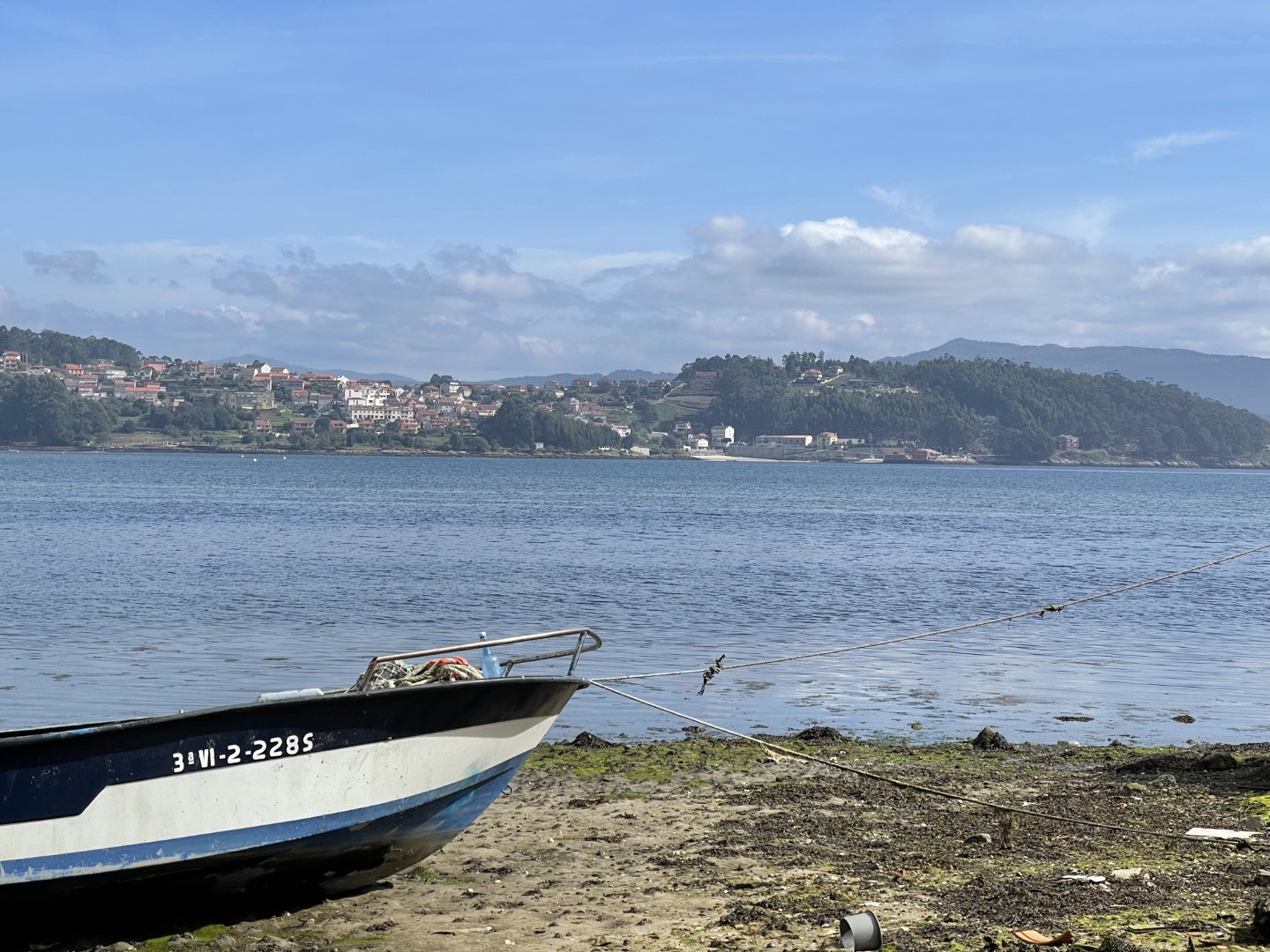
The town is one of a million fishing villages located along the estuarine inlets of western Galicia. It apparently receives a substantial number of domestic tourists, especially during the summer, but hardly any international tourists as far as I could tell - only one restaurant in town had its menu posted in English. Galicia in general seems to quite absent from international tourists' radar despite having all the ingredients for tourism: culture, infrastructure, food. In fact, not a single pilgrim I talked to mentioned visiting other cities in the region, but plenty intended on checking out Portugal.
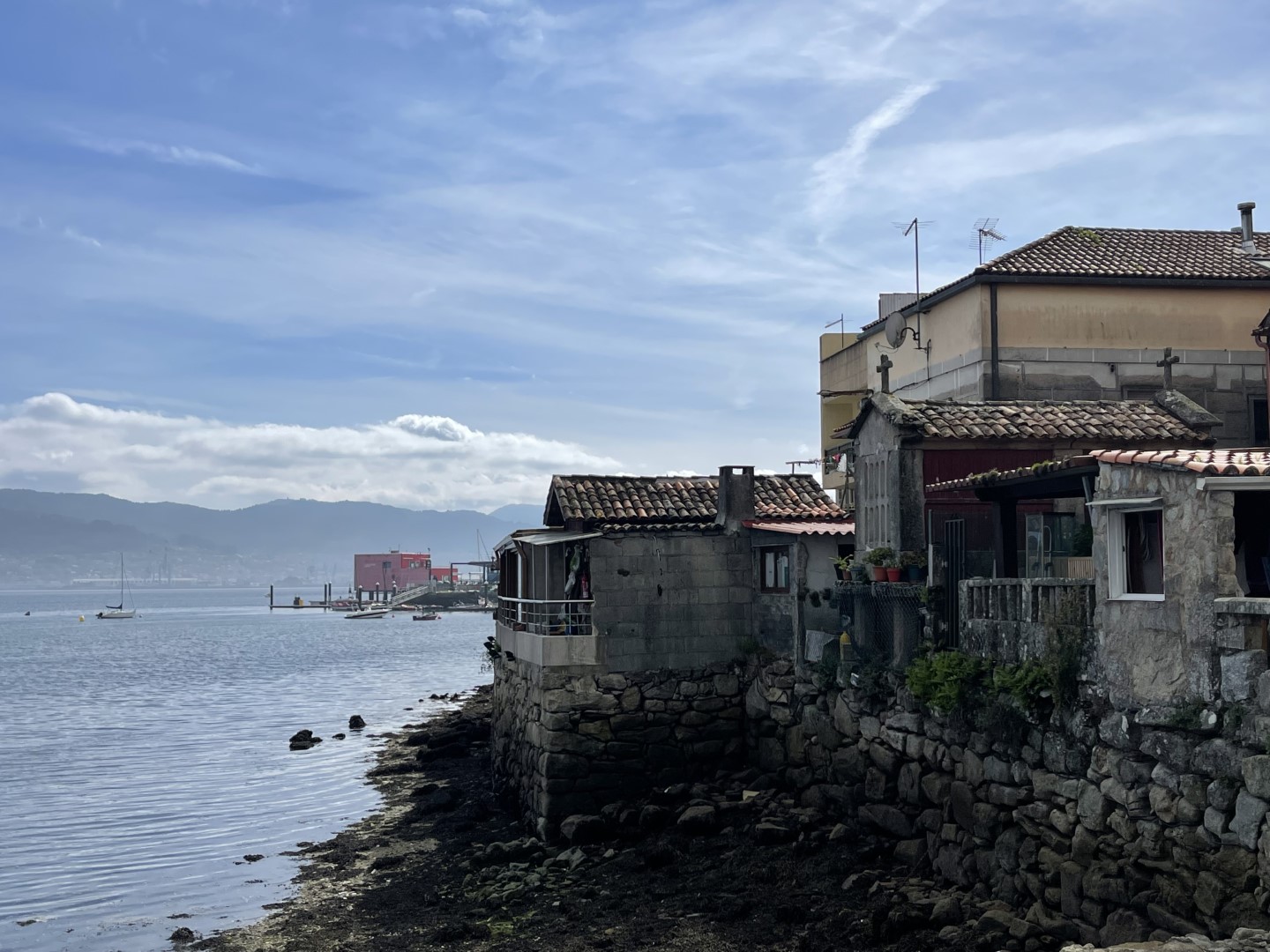
Most of the action in Combarro revolves around a single narrow street just behind the waterfront properties housing the horreos. There was, however, little action to speak of, because I had come on a cold Friday afternoon in October. A large portion of the restaurants and souvenir shops appeared to be closed for the season. In fact, the only sign of life in Combarro that afternoon was a few locals mingling in cafes and a single seafood restaurant that appeared to have monopolized Combarro's off-season restaurant market.
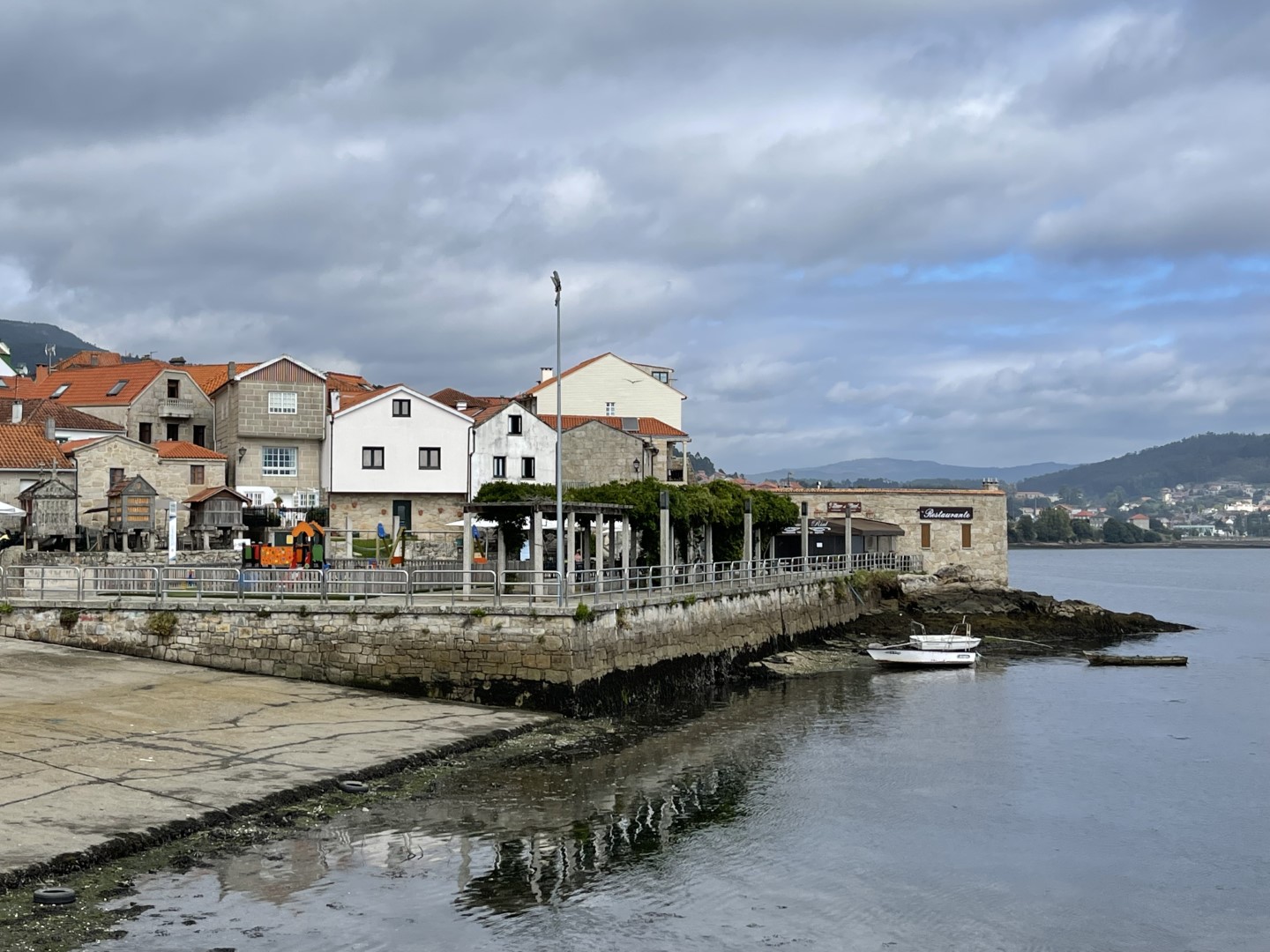
As in all Spanish towns, residents' basic needs are available within walking distance: a supermarket and pharmacy lie along the arterial road that runs through town and the rest of the peninsula.
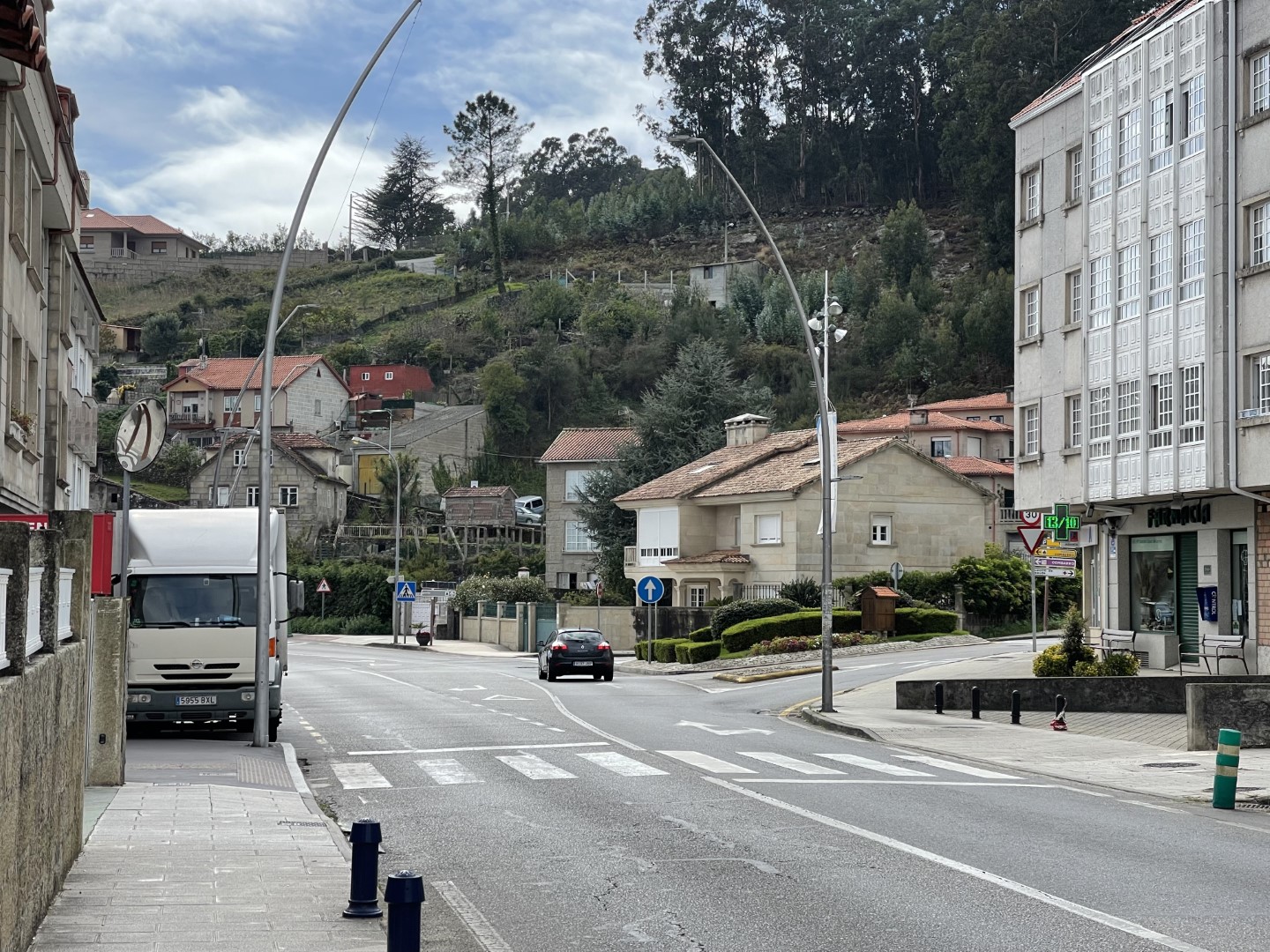
The village had barely taken half an hour to wander through, but there was nothing else to see, so I bought a package of jamón serrano from the supermarket for lunch and waited for the next bus back to Pontevedra. It showed up 45 minutes late. At least the fare was only 1.70 euros.
The bus dropped me off just outside the completely pedestrianized city center. Like Santiago, Pontevedra's architecture is distinguished by neat stone masonry and concrete that is tastefully disguised as neat stone masonry.
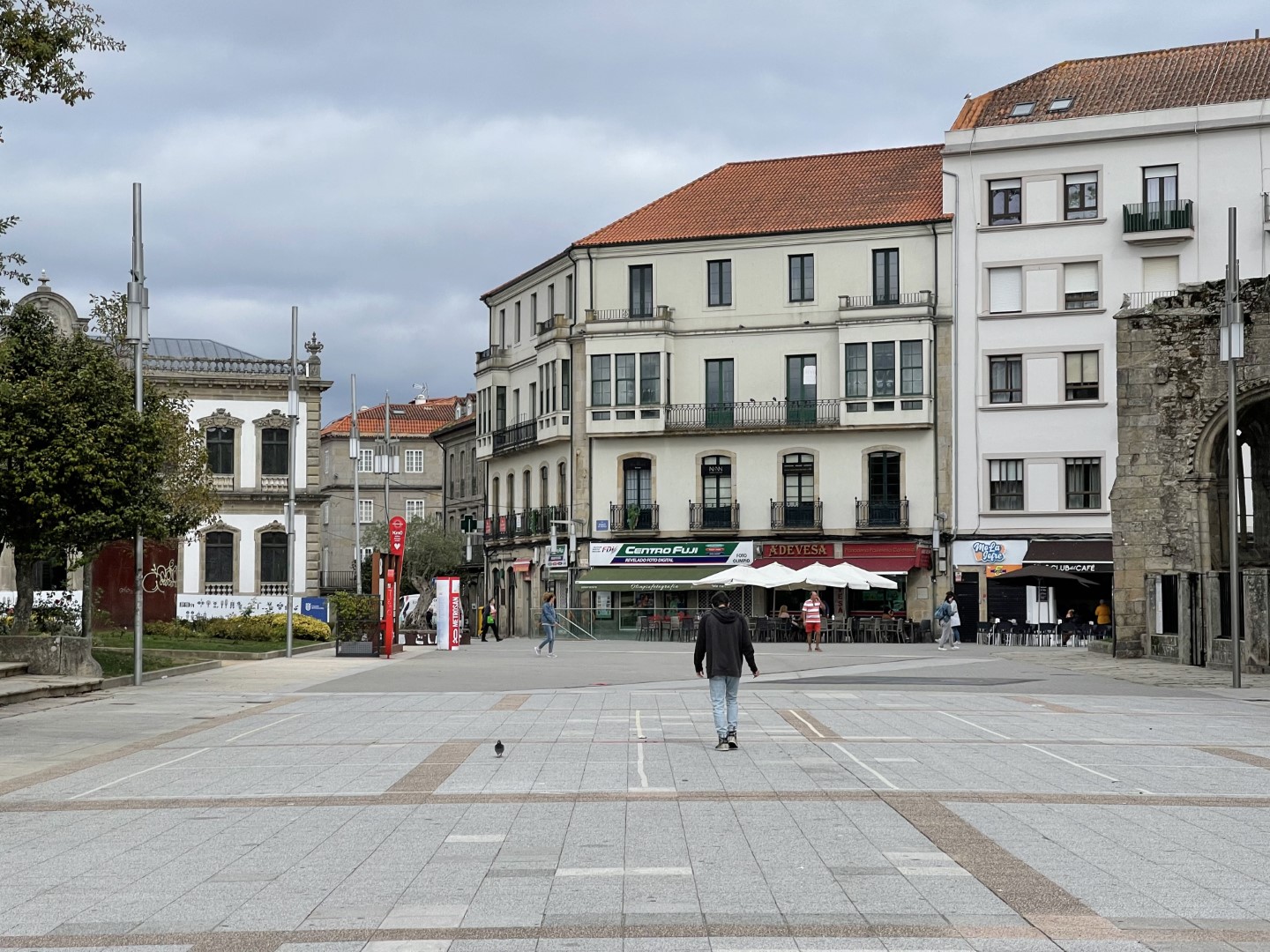
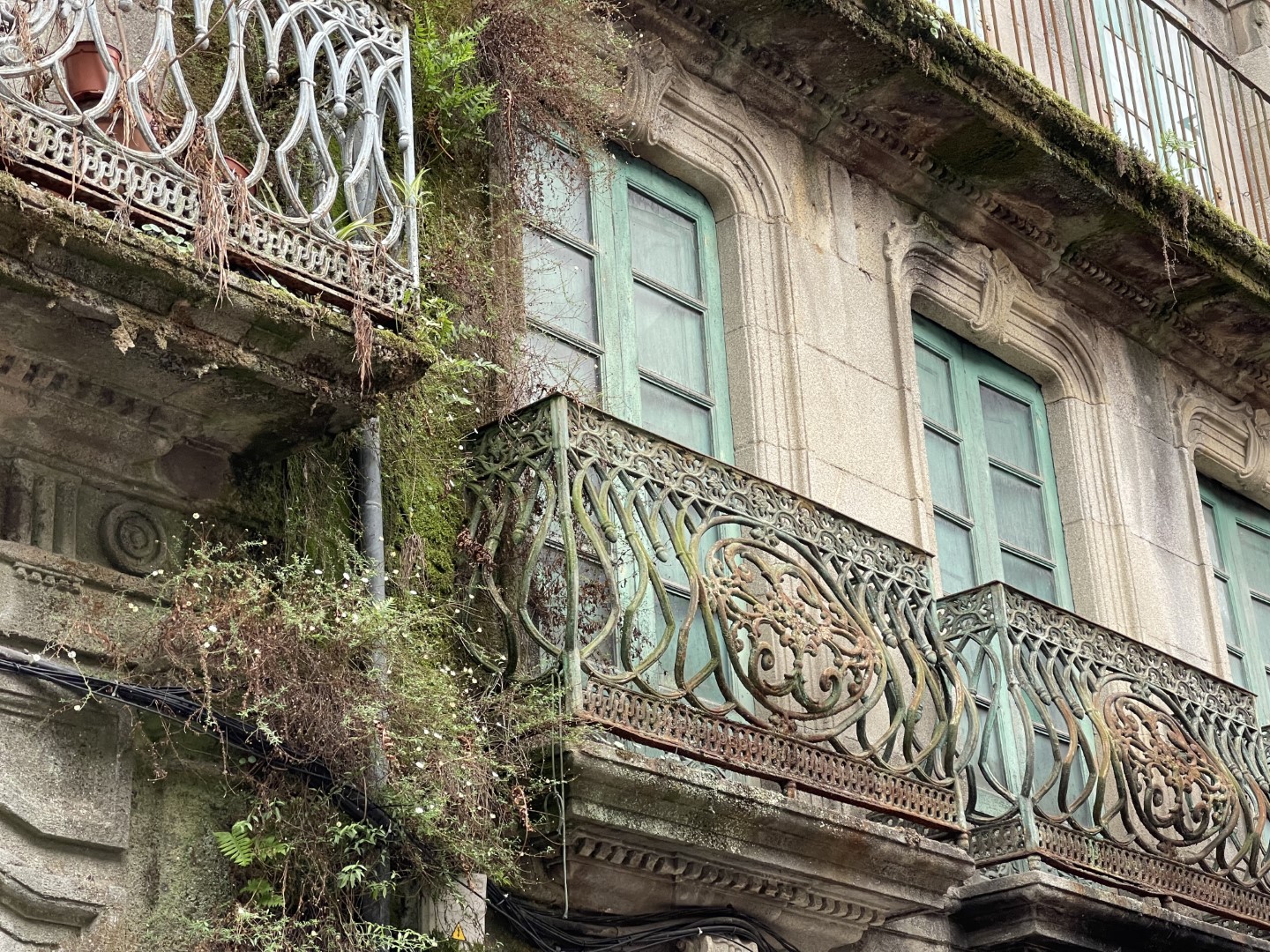
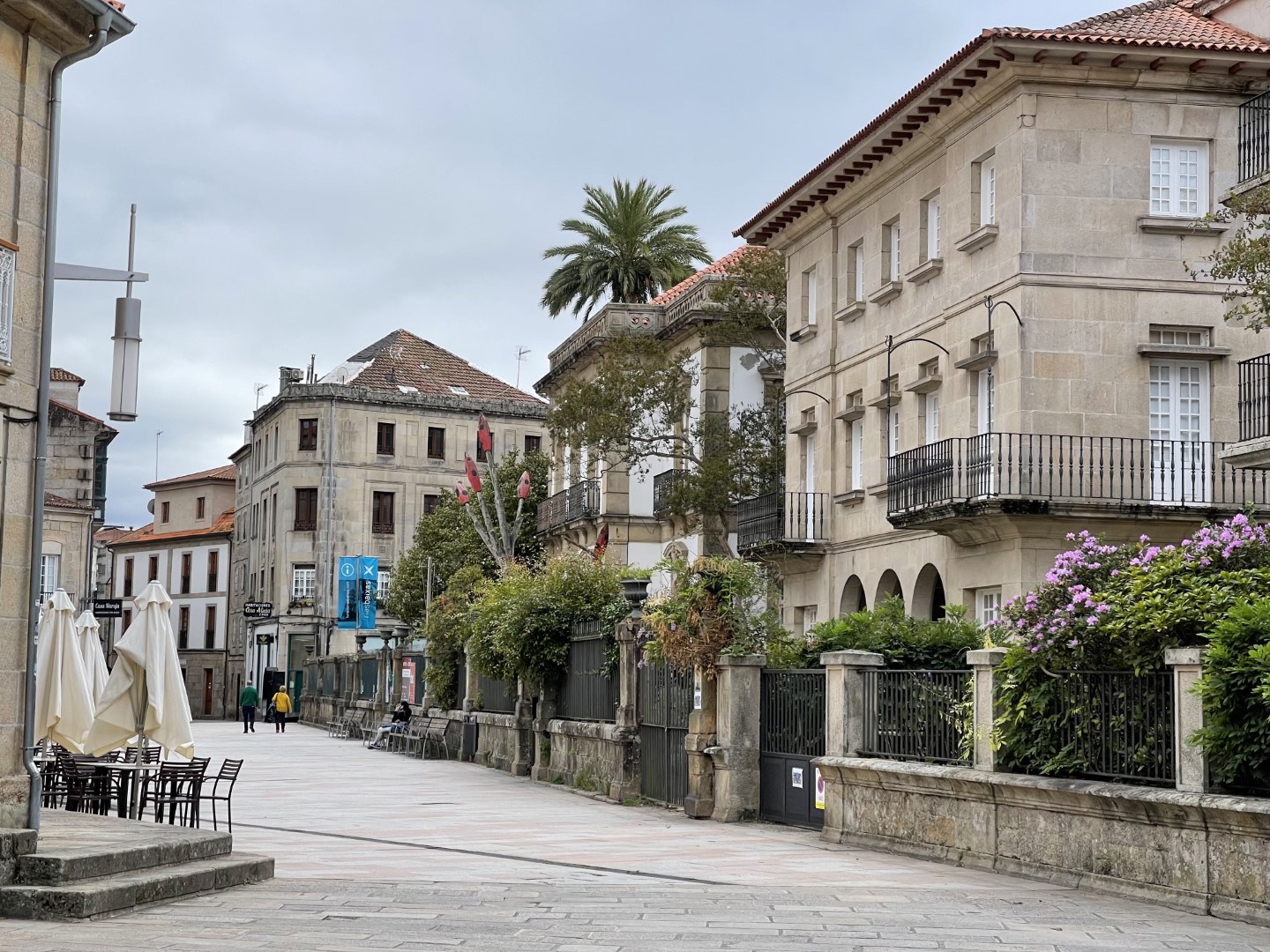
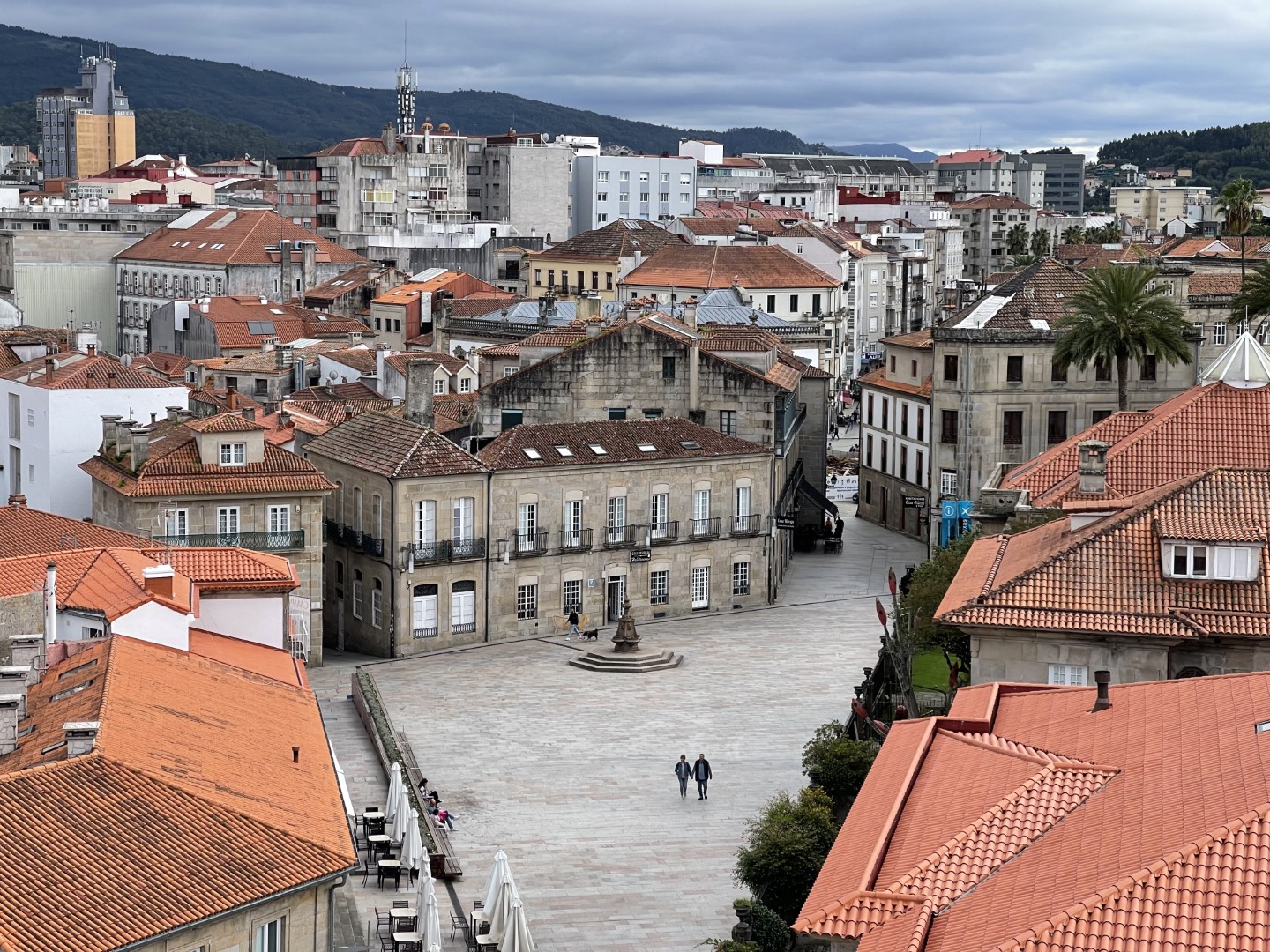
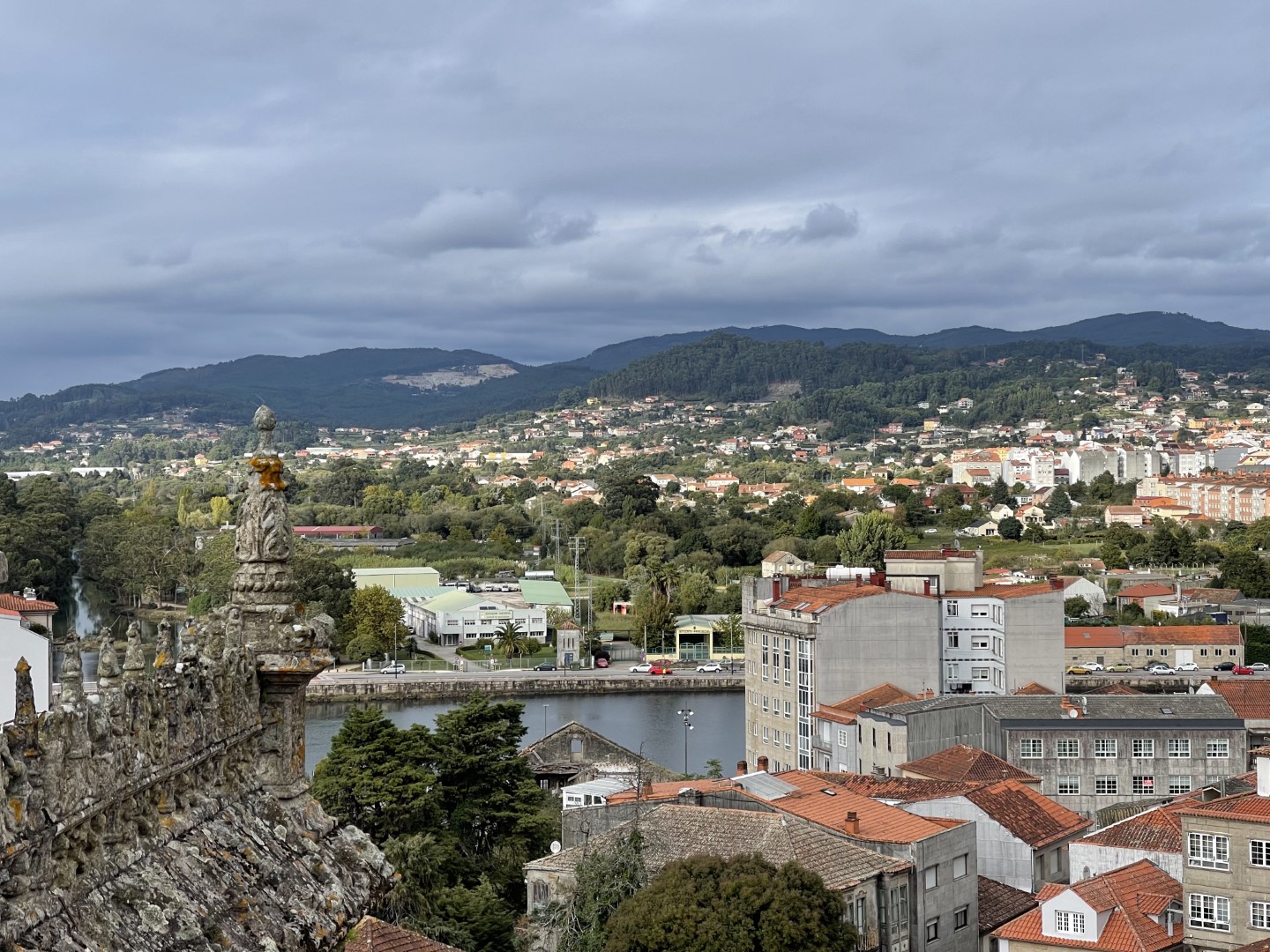
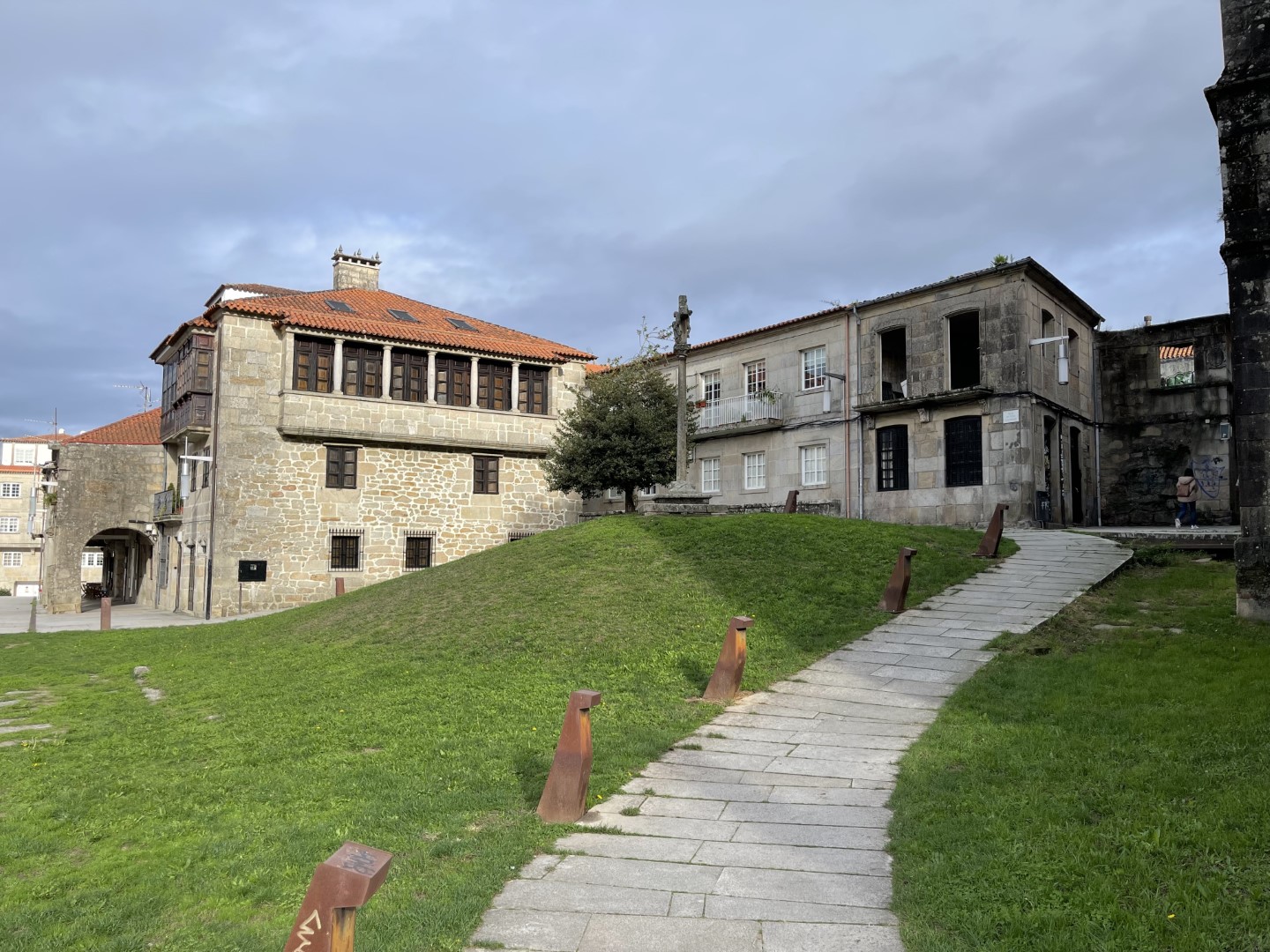
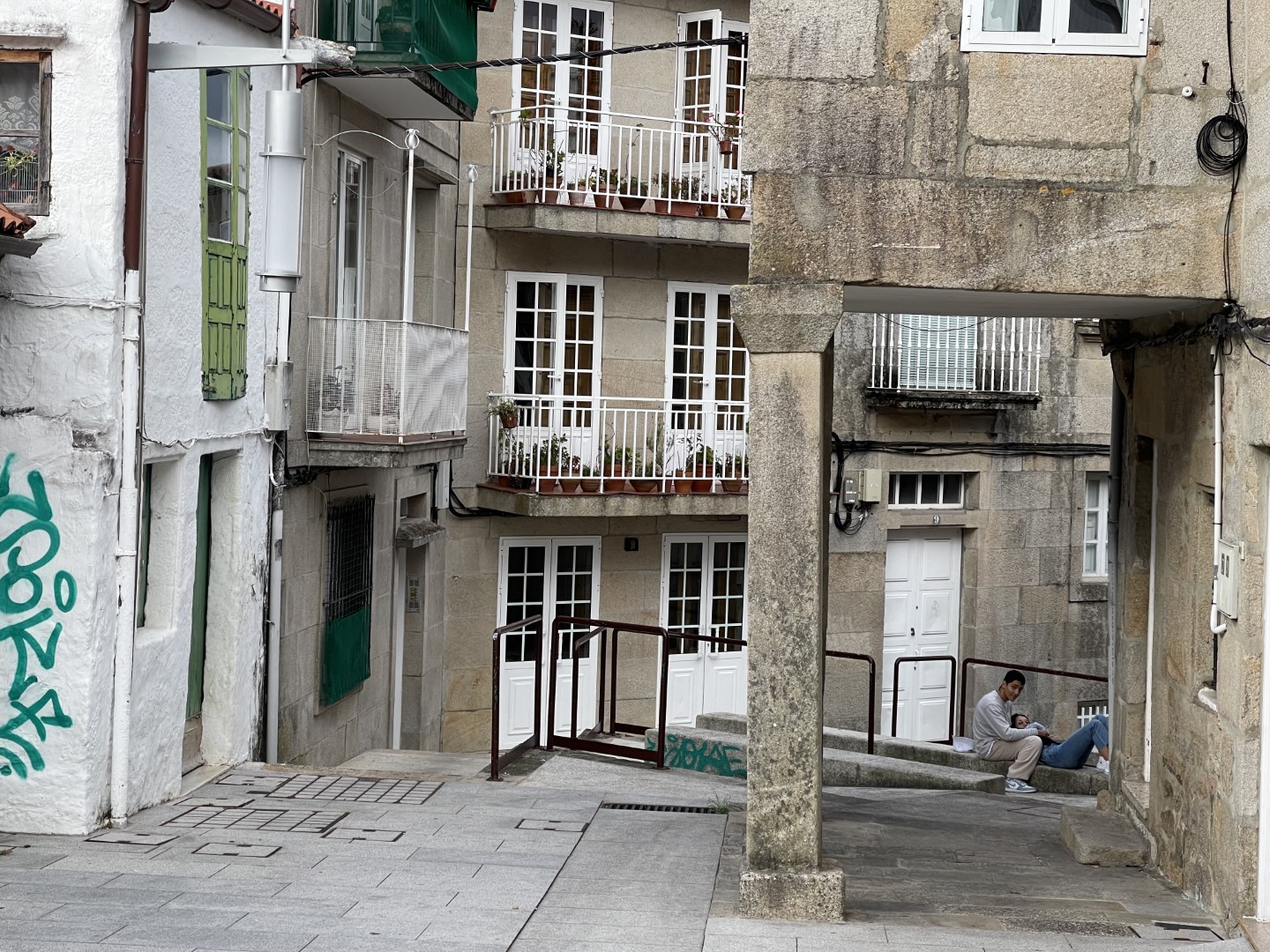
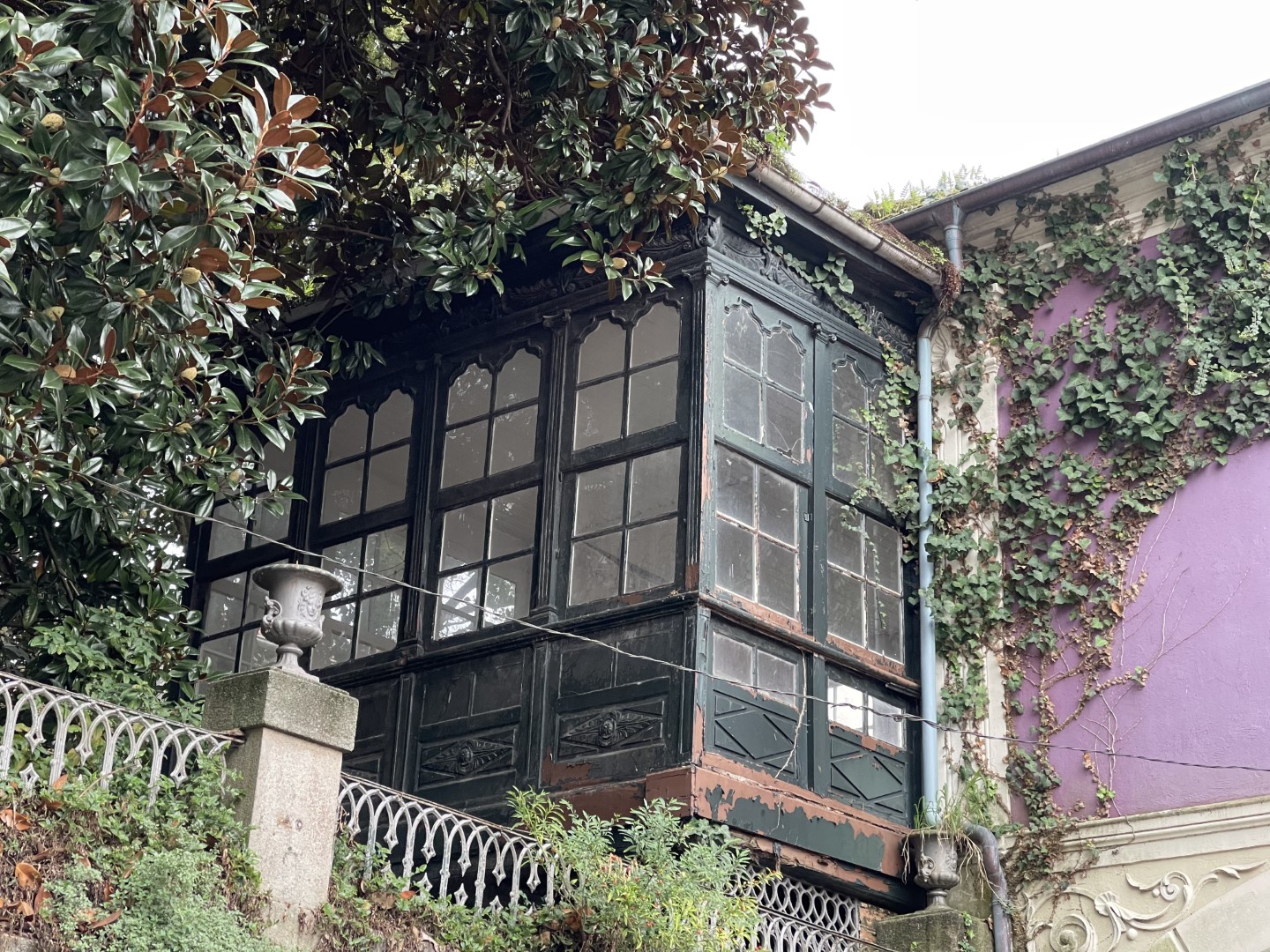
After an hour or two of walking through the old town, I decided to check out the provincial museum, which stuck out like a sore thumb (in a good way) with its angular glass faces.
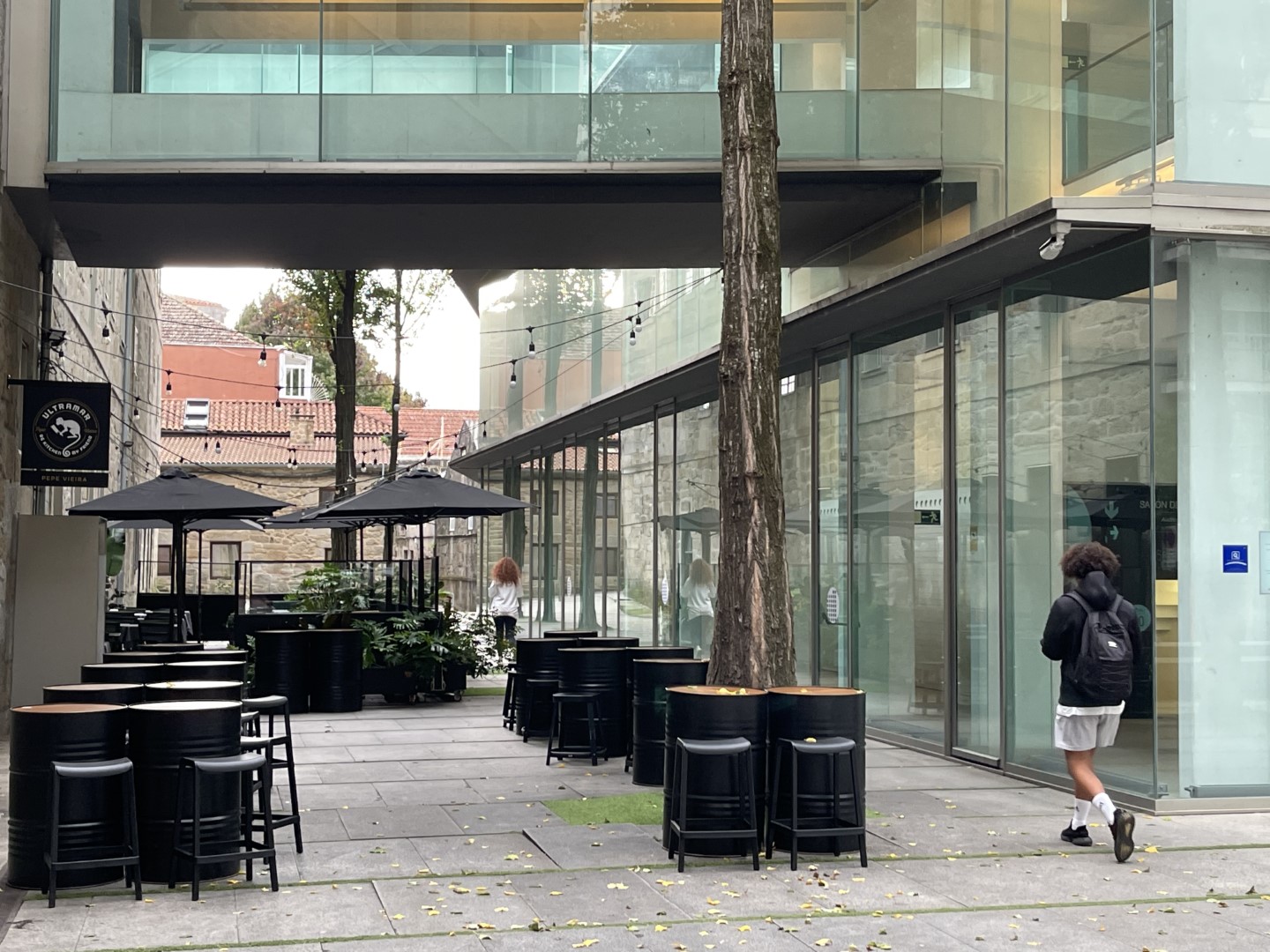
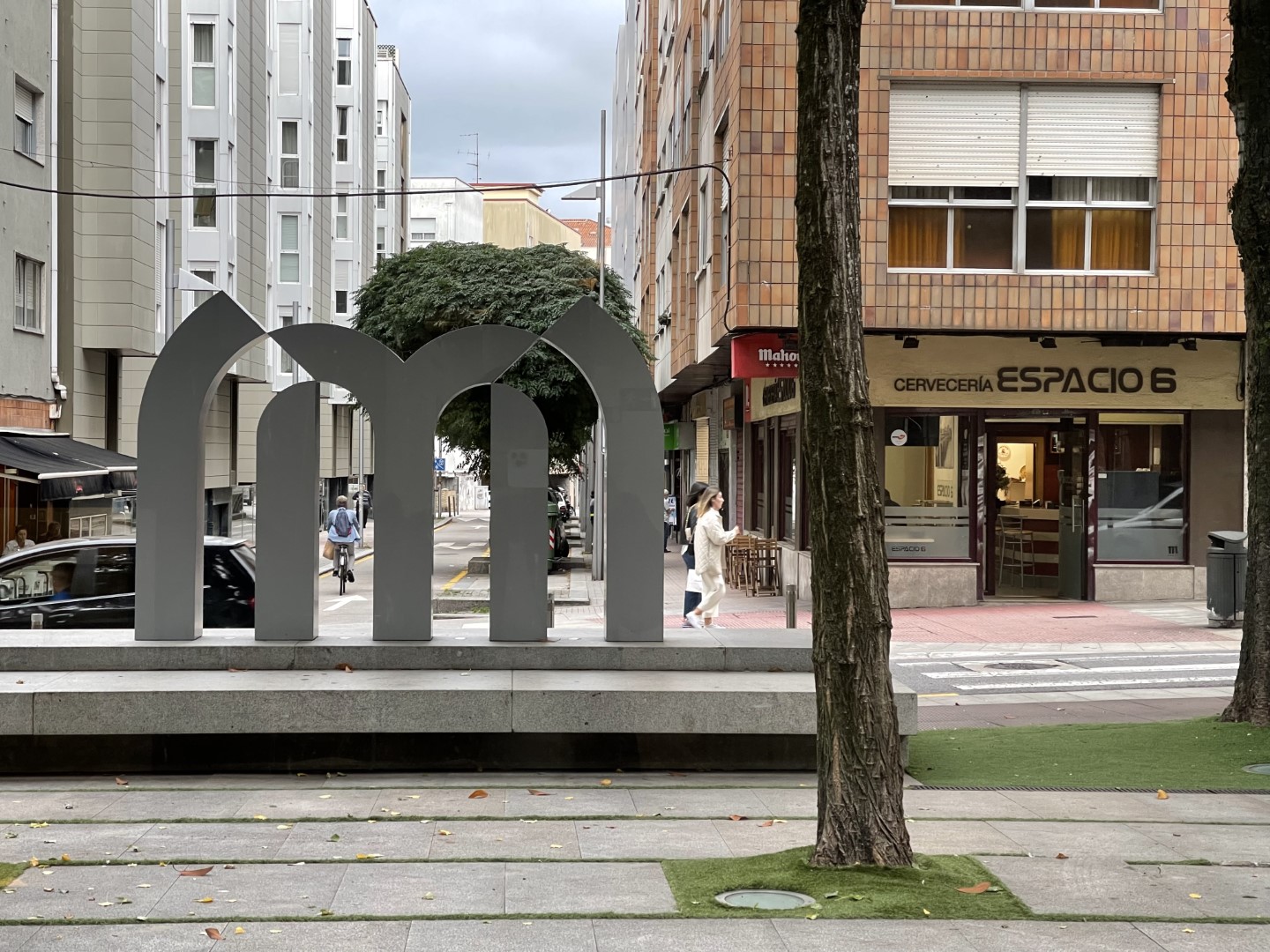
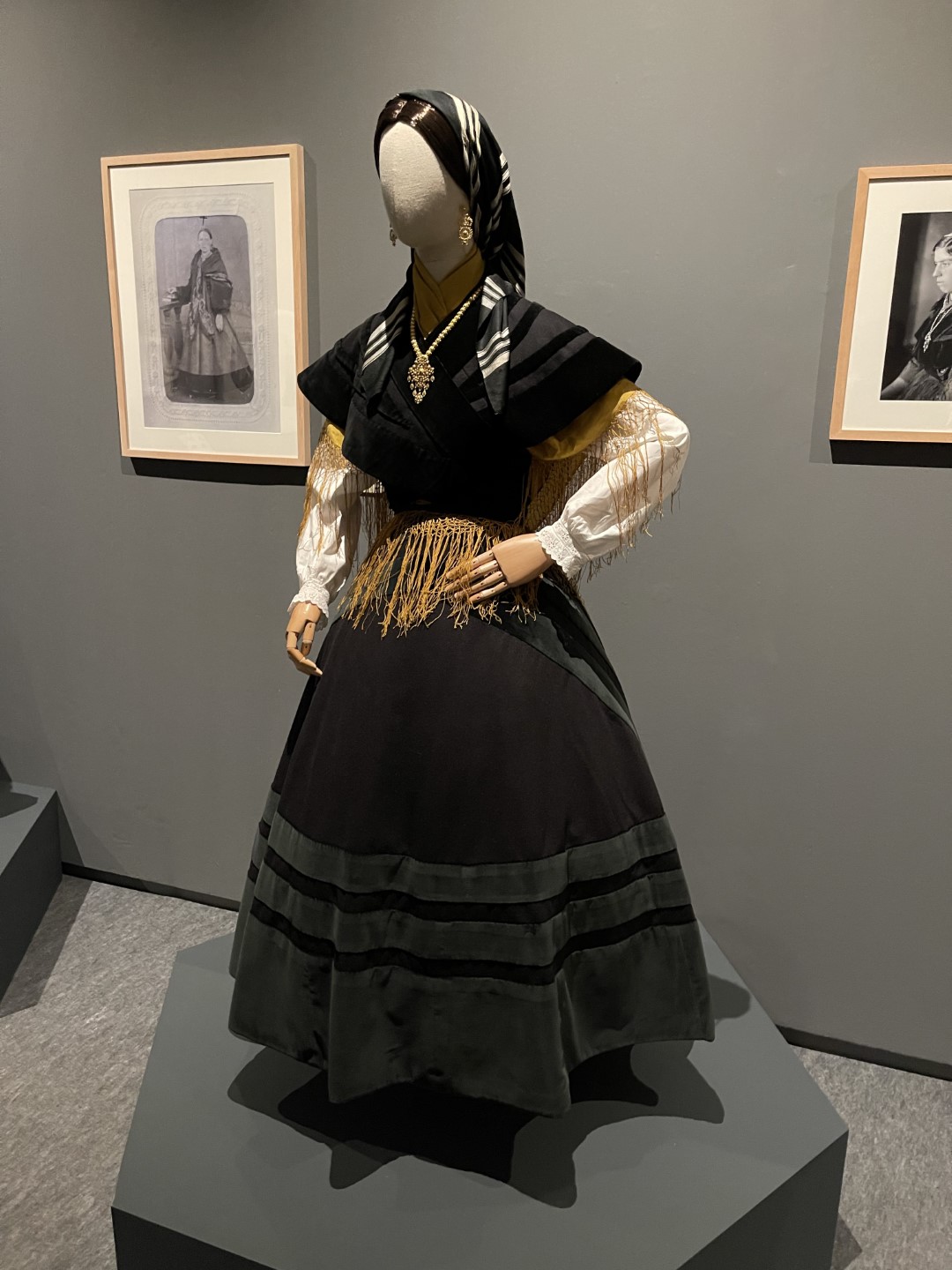

Just east of the museum is the newer part of town, which I can only describe as an urban planning dream. Its center of gravity is a huge, wide pedestrian boulevard with supermarkets, clothing stores, restaurants, cafes, and more.
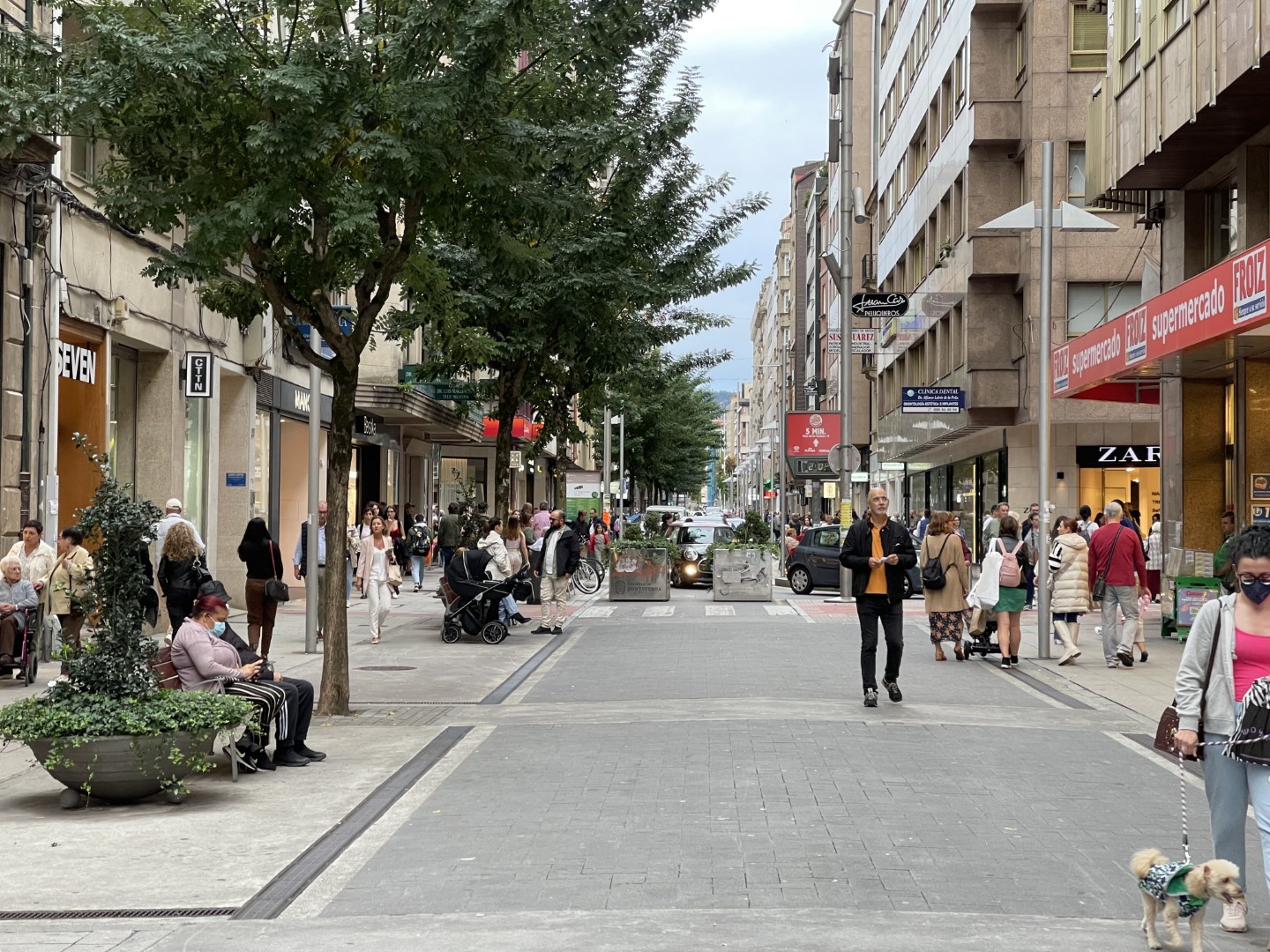
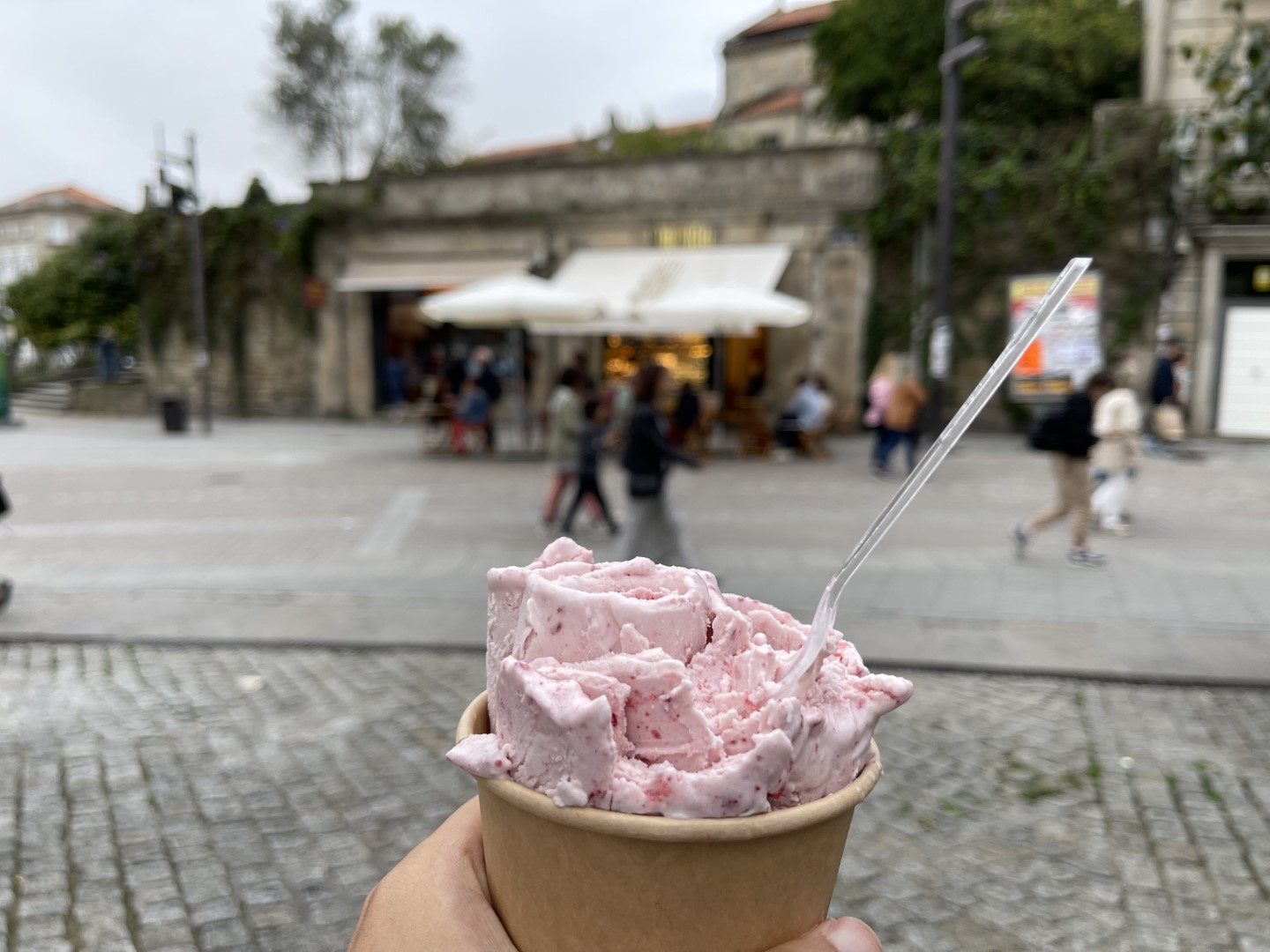
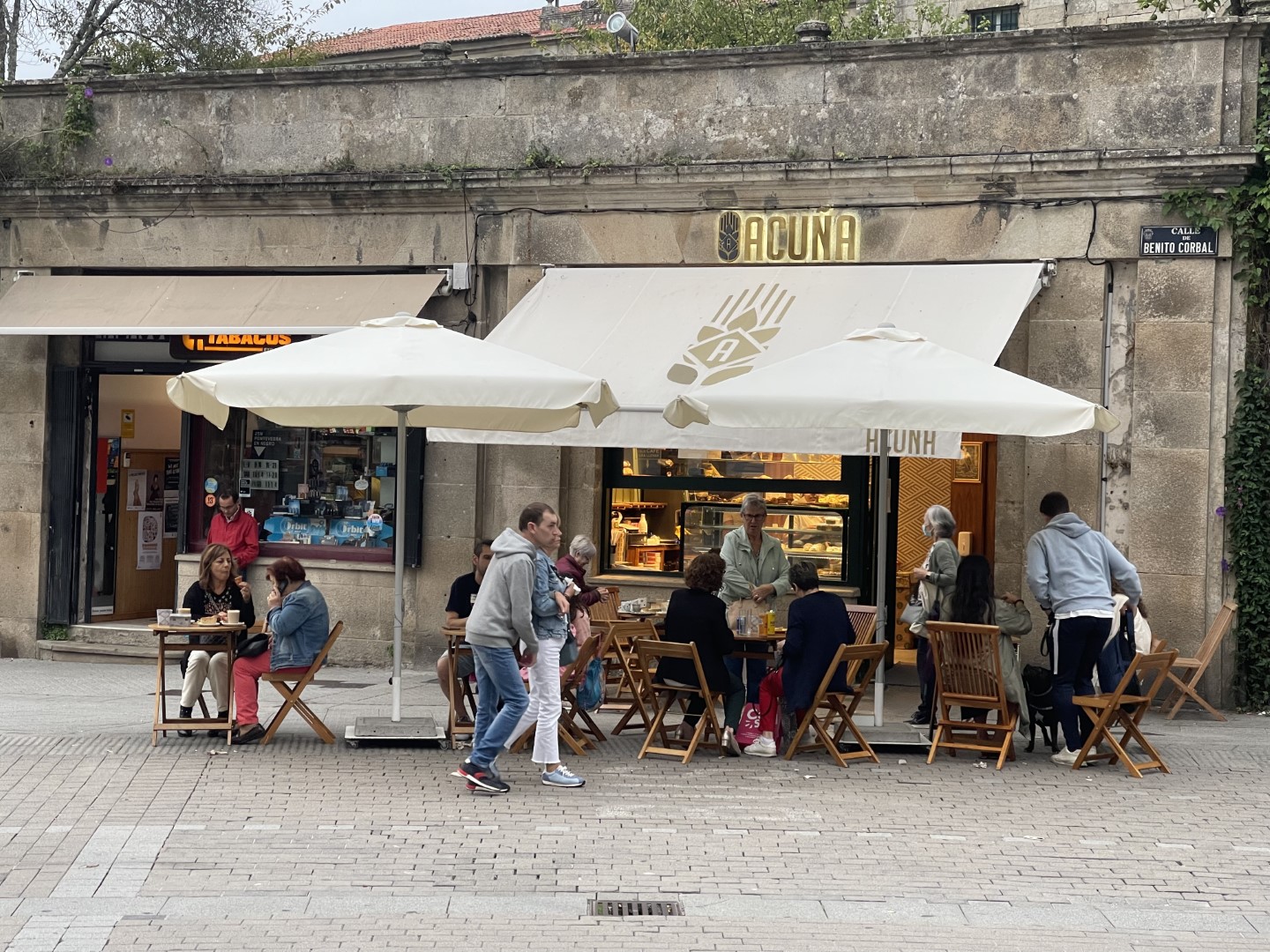
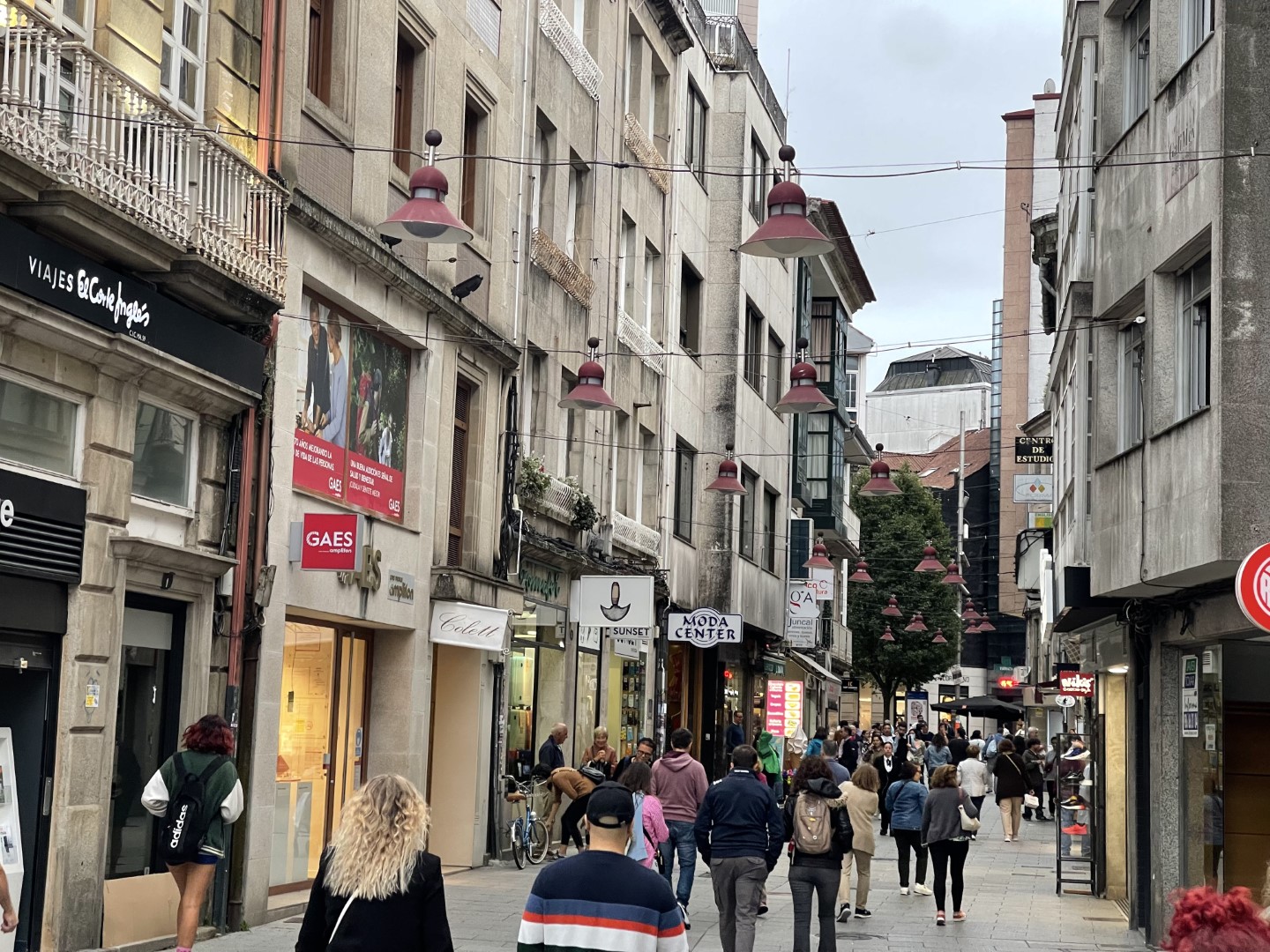
The amount of daily foot traffic in this city of 82,000 people is probably greater than that of all of Houston (pop. 2.2mil). Pontevedra feels like a safe, scaled-down, supremely livable metropolis. I couldn't help but feel a little jealous of all the kids who got to grow up here.
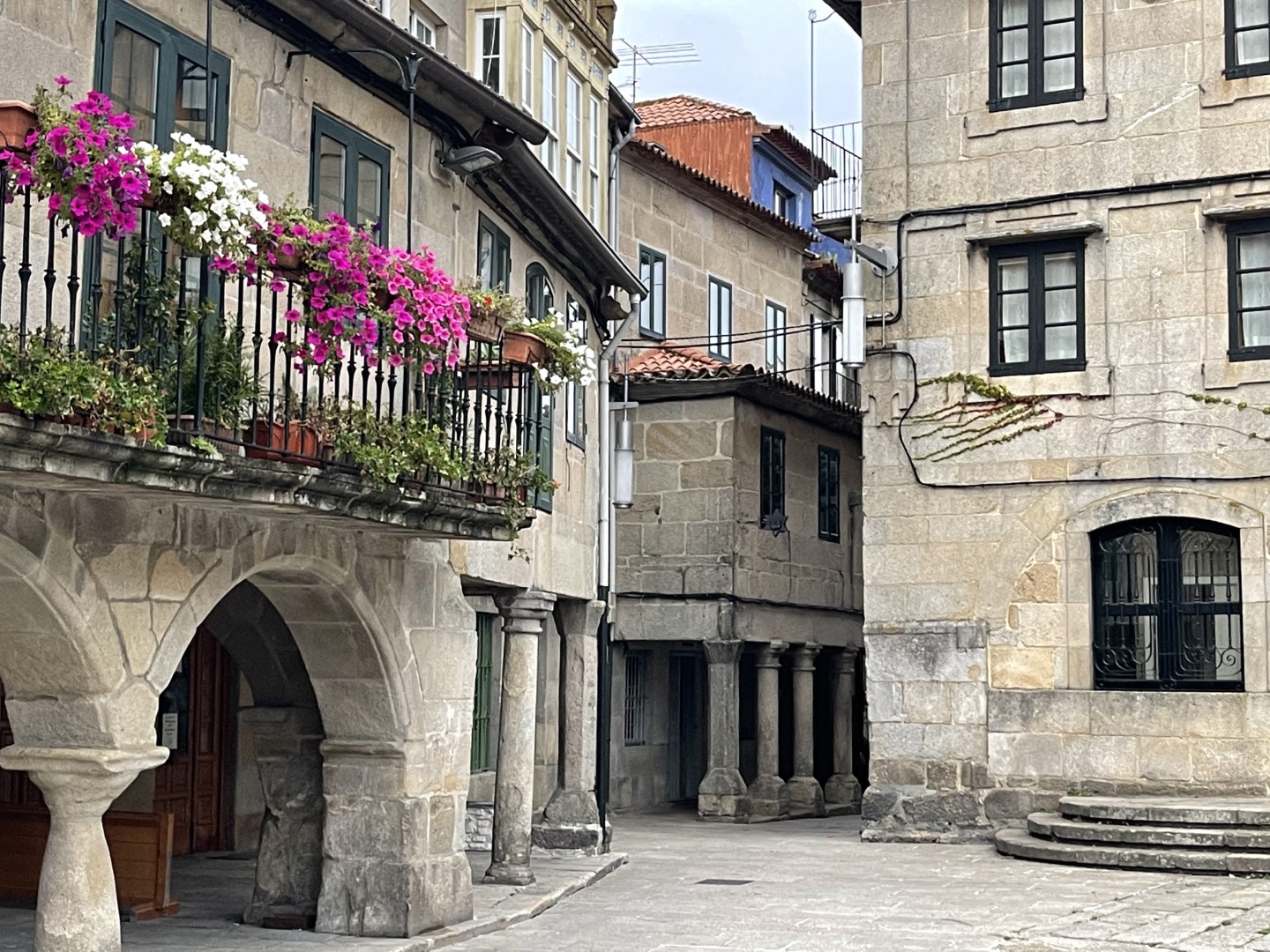
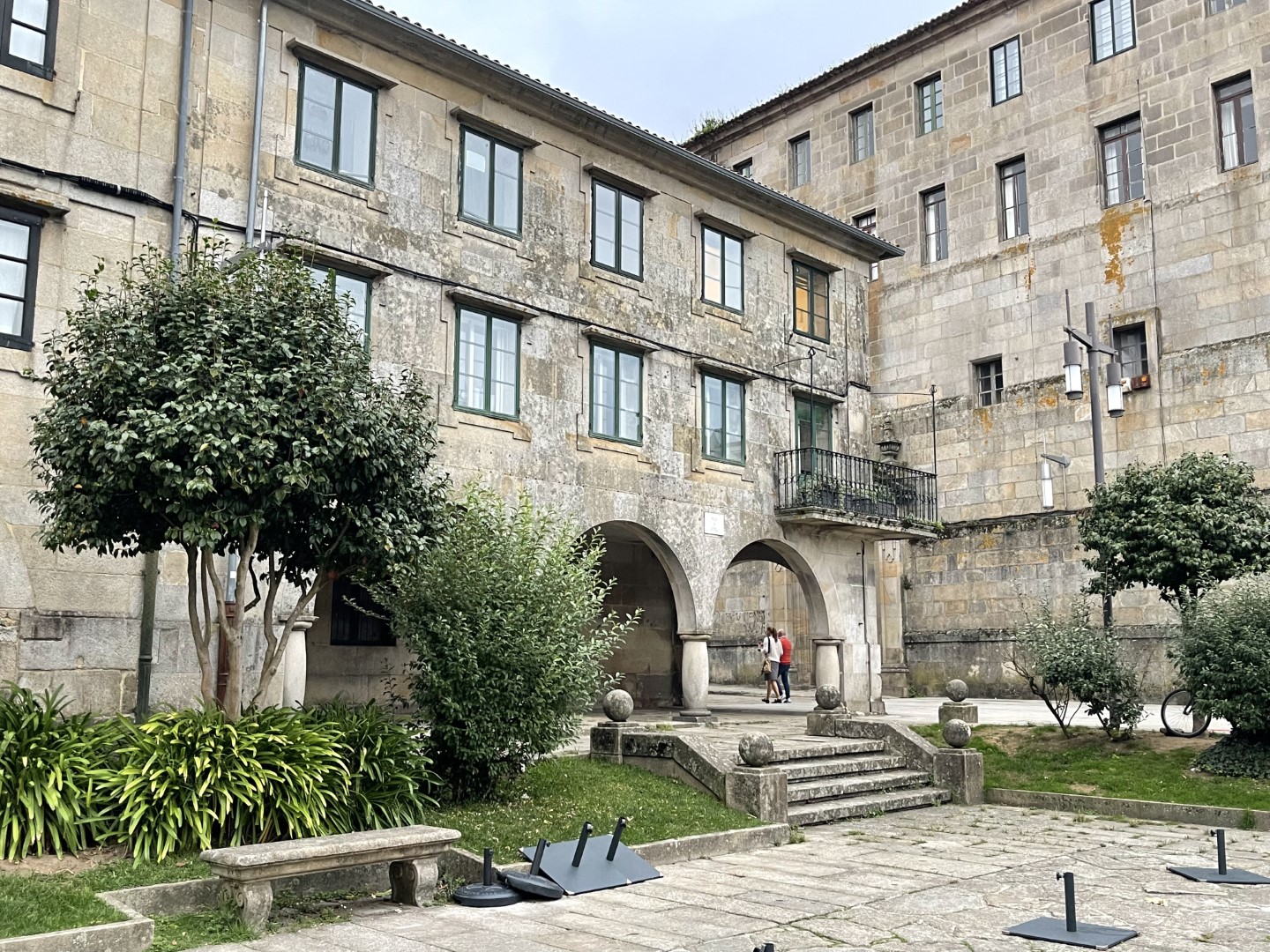
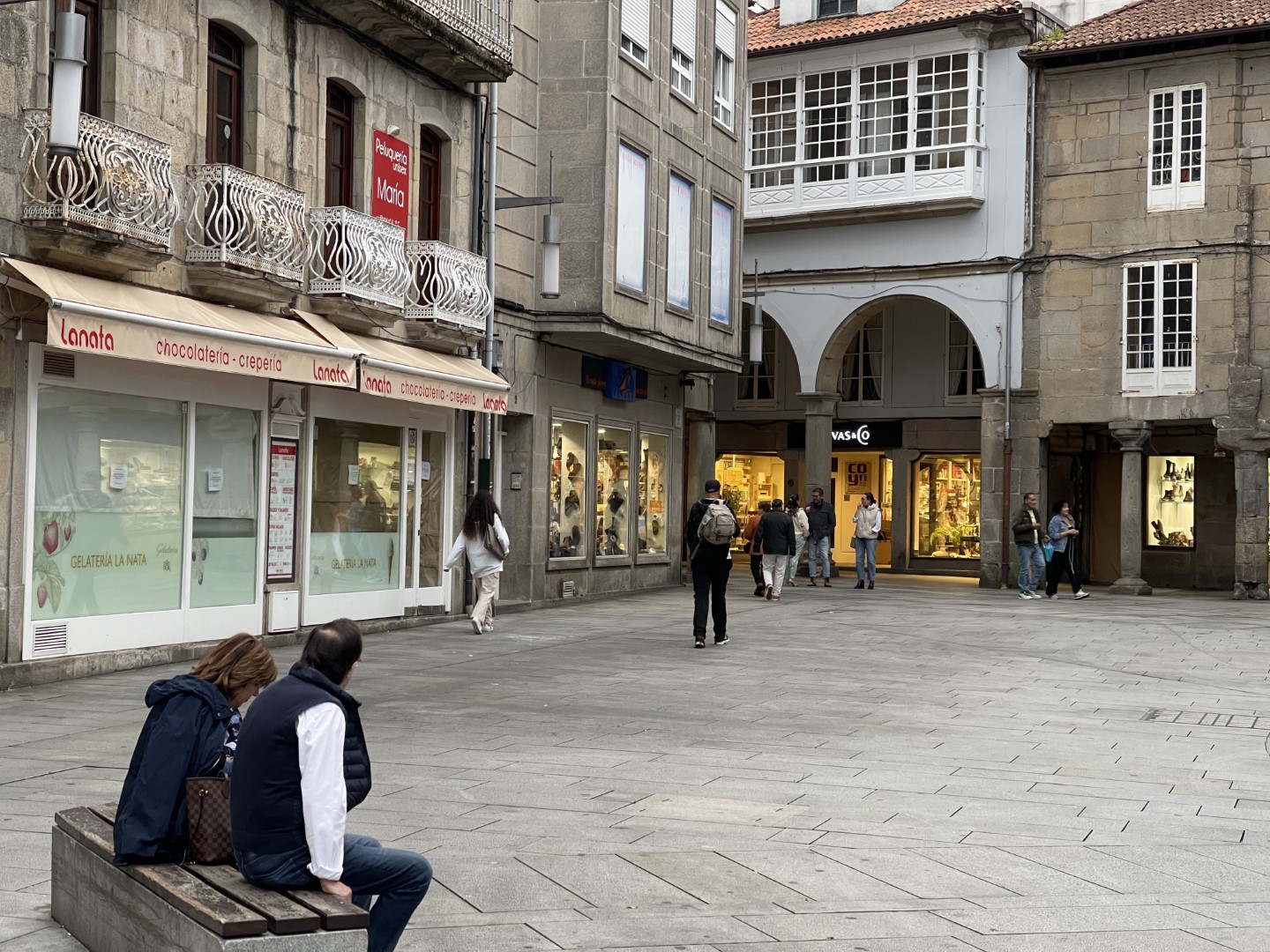
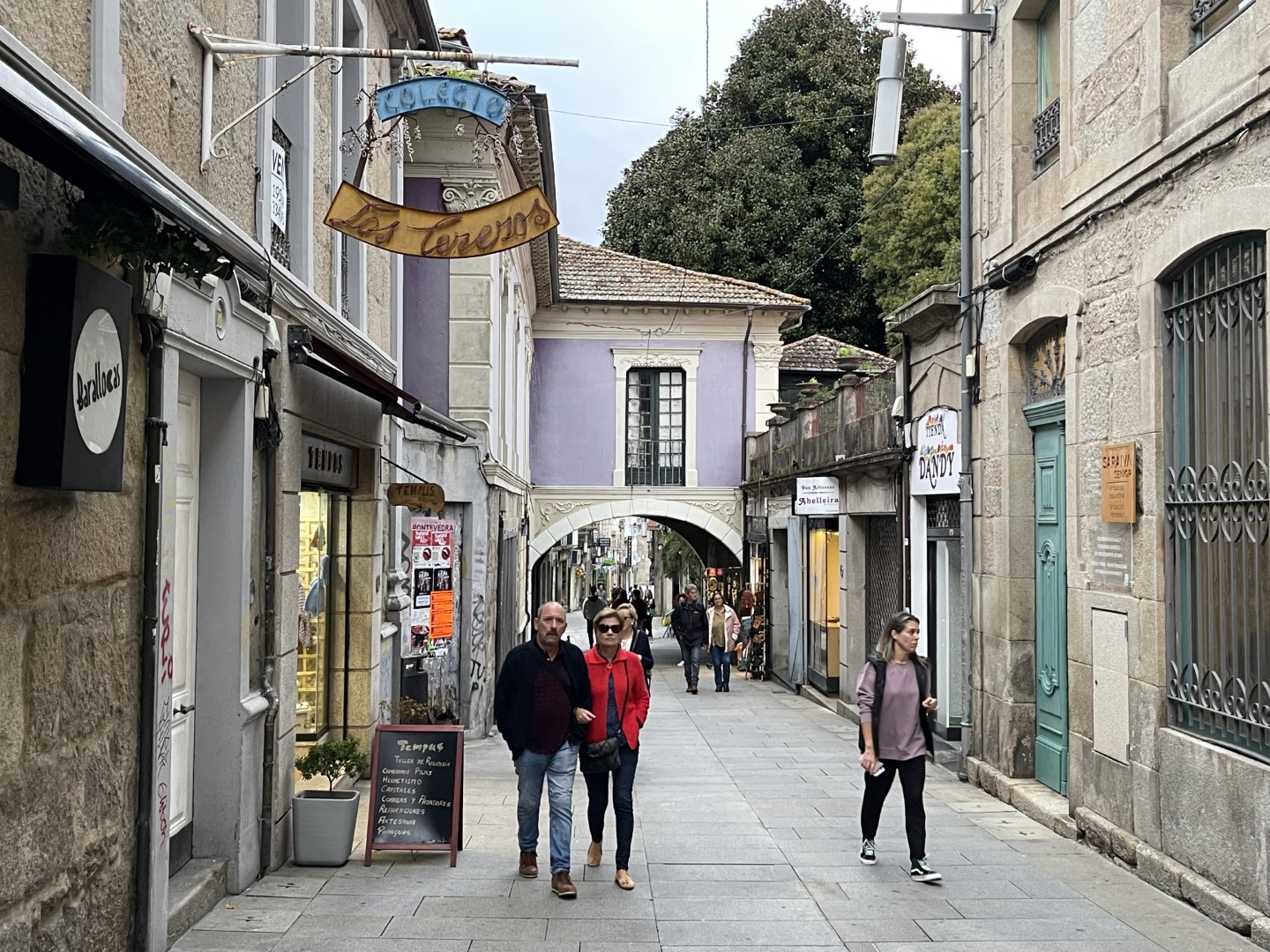
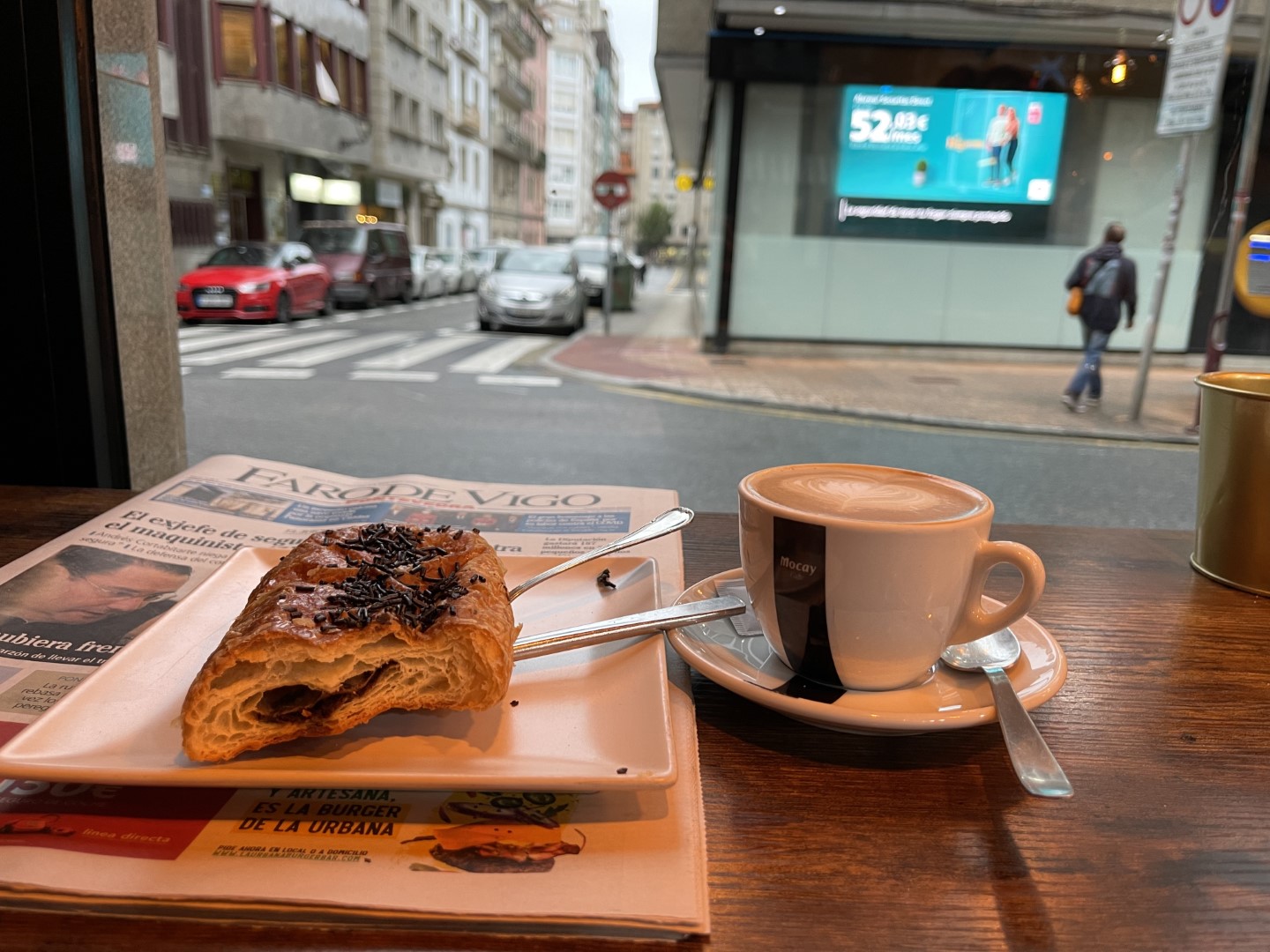
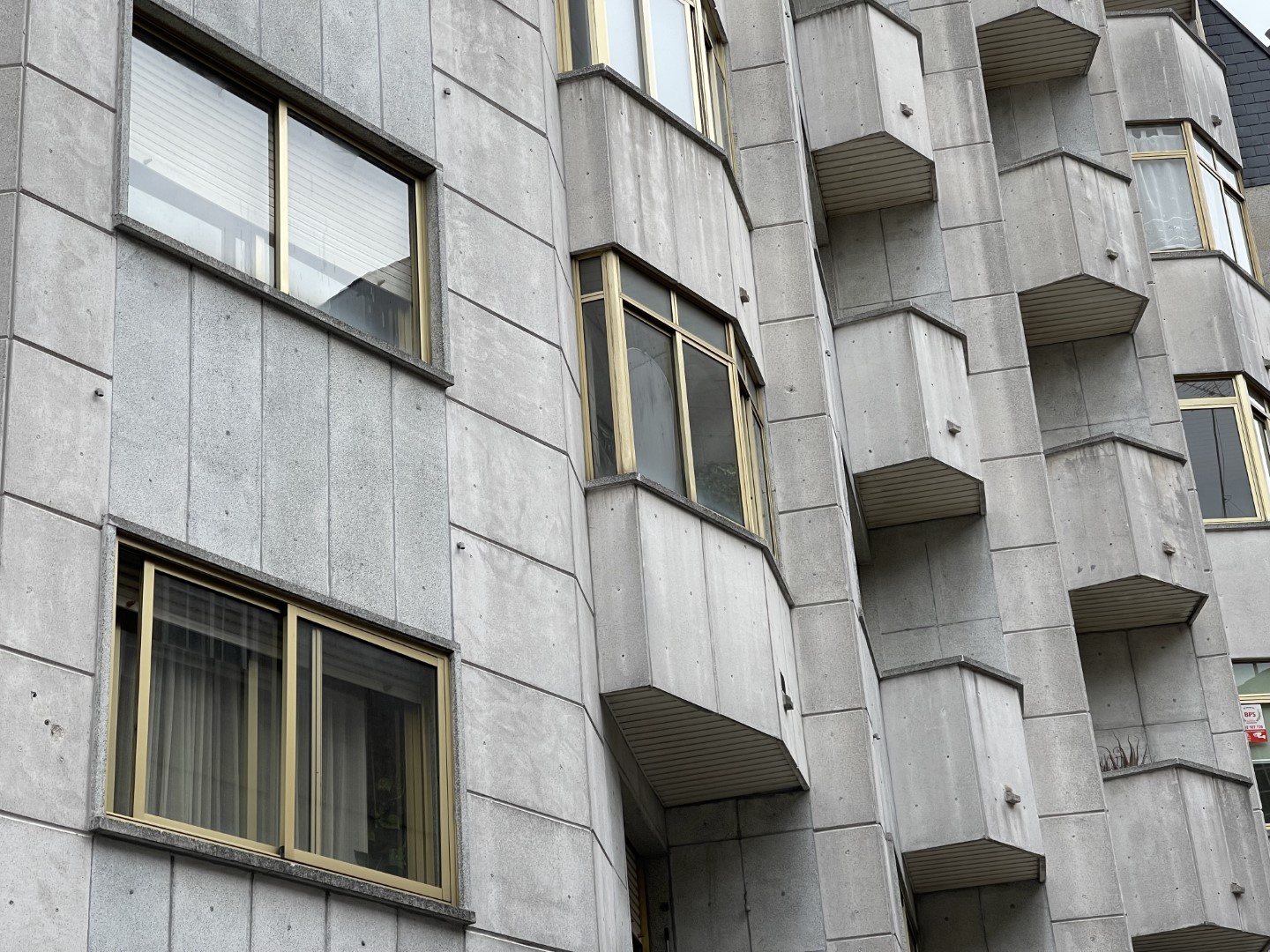
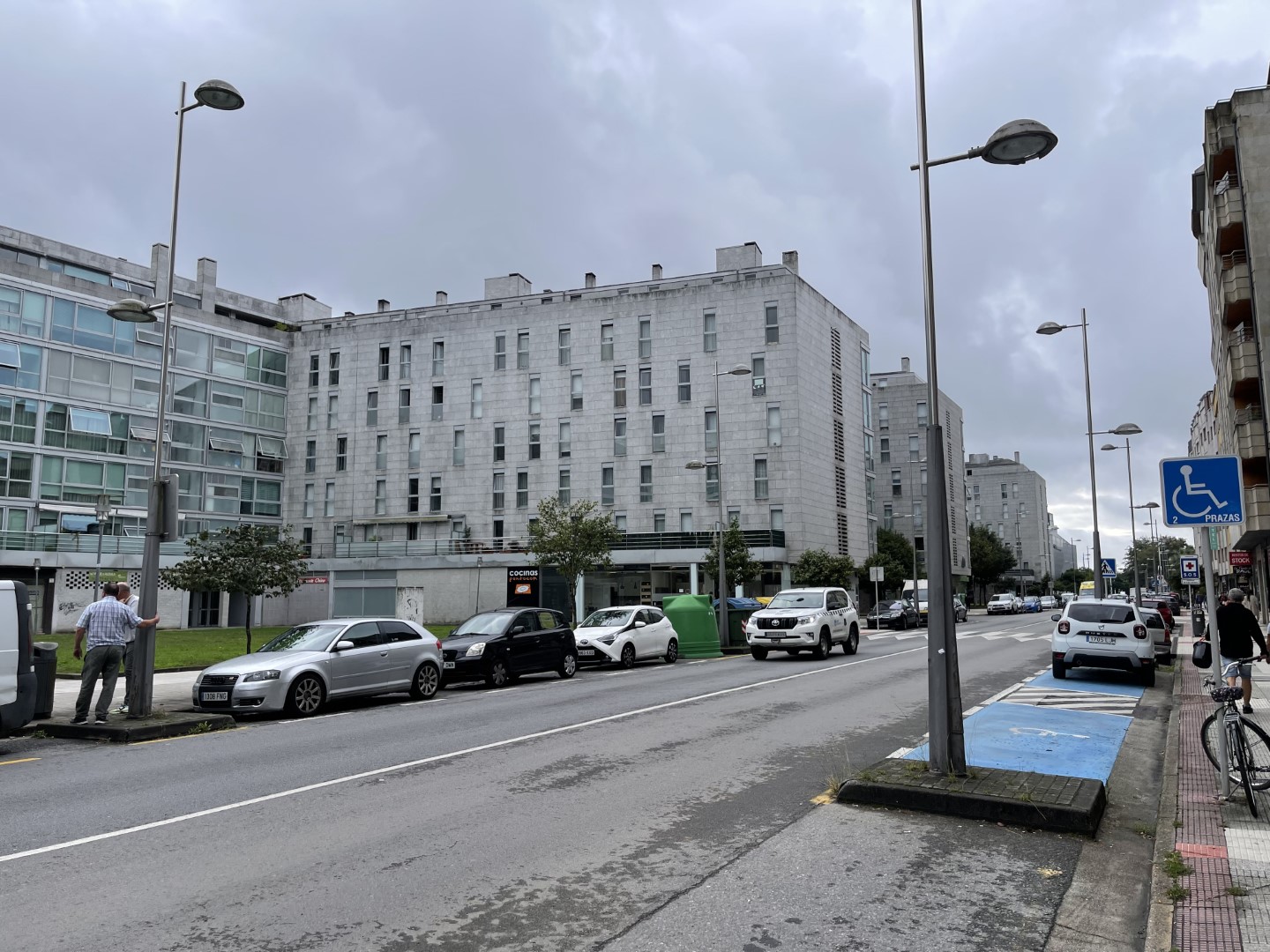
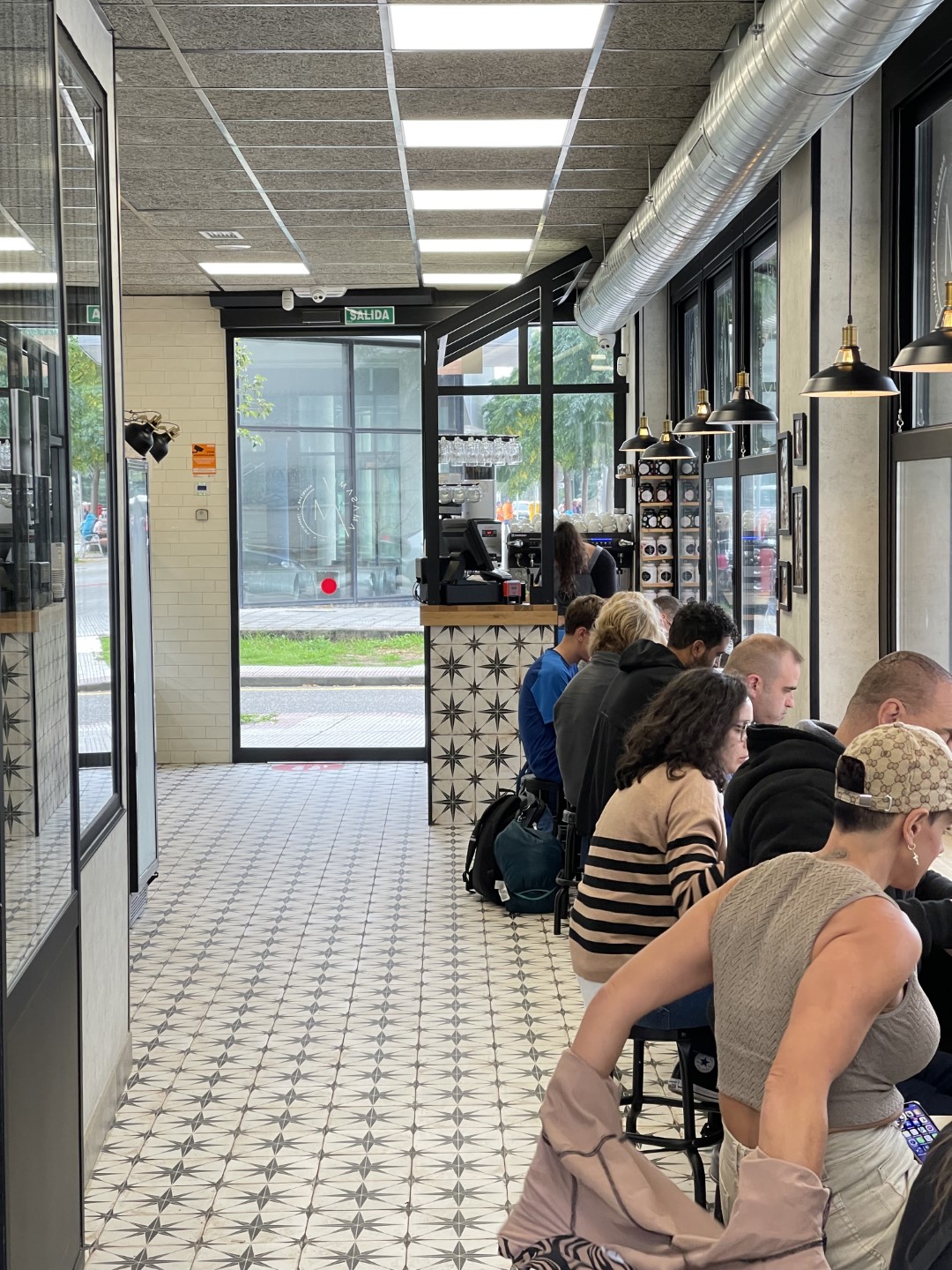
The next morning, I grabbed my usual coffee and croissant from a local cafe and headed towards the train station, passing through the ugly (but still supremely livable) outskirts of town.
We see us as we truly behave:
From every corner comes a distinctive offering.
The train comes bearing joy;
The sparks it strikes illuminate the table.
Destiny guides the water-pilot, and it is destiny.
For long we hadn't heard so much news, such noise.
The day was warm and pleasant.
"We see you in your hair,
Air resting around the tips of mountains.
John Ashberry, "Two Scenes"