- Published on
Porto, Portugal
Tags
Time of Visit: October 17-20, 2022
Porto is the second largest city in the country, and, perhaps unsurprisingly, a port city. After Tap Air Portugal added direct flights to Porto from six major airports across the eastern US, the city has exploded in popularity among Americans, being the shortest flight to Europe from the East Coast. The train station was more crowded than ever on a weekday in late October.
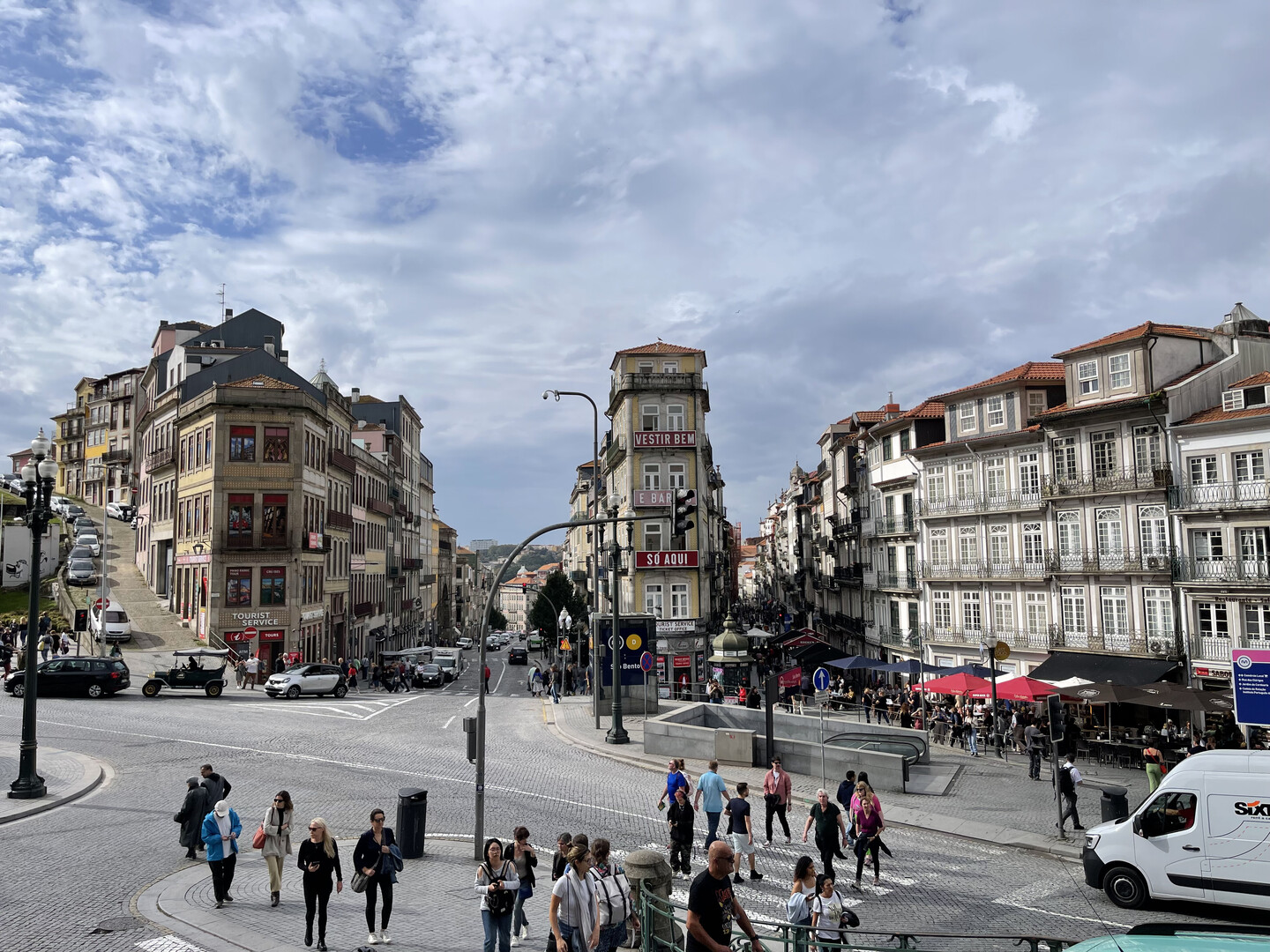
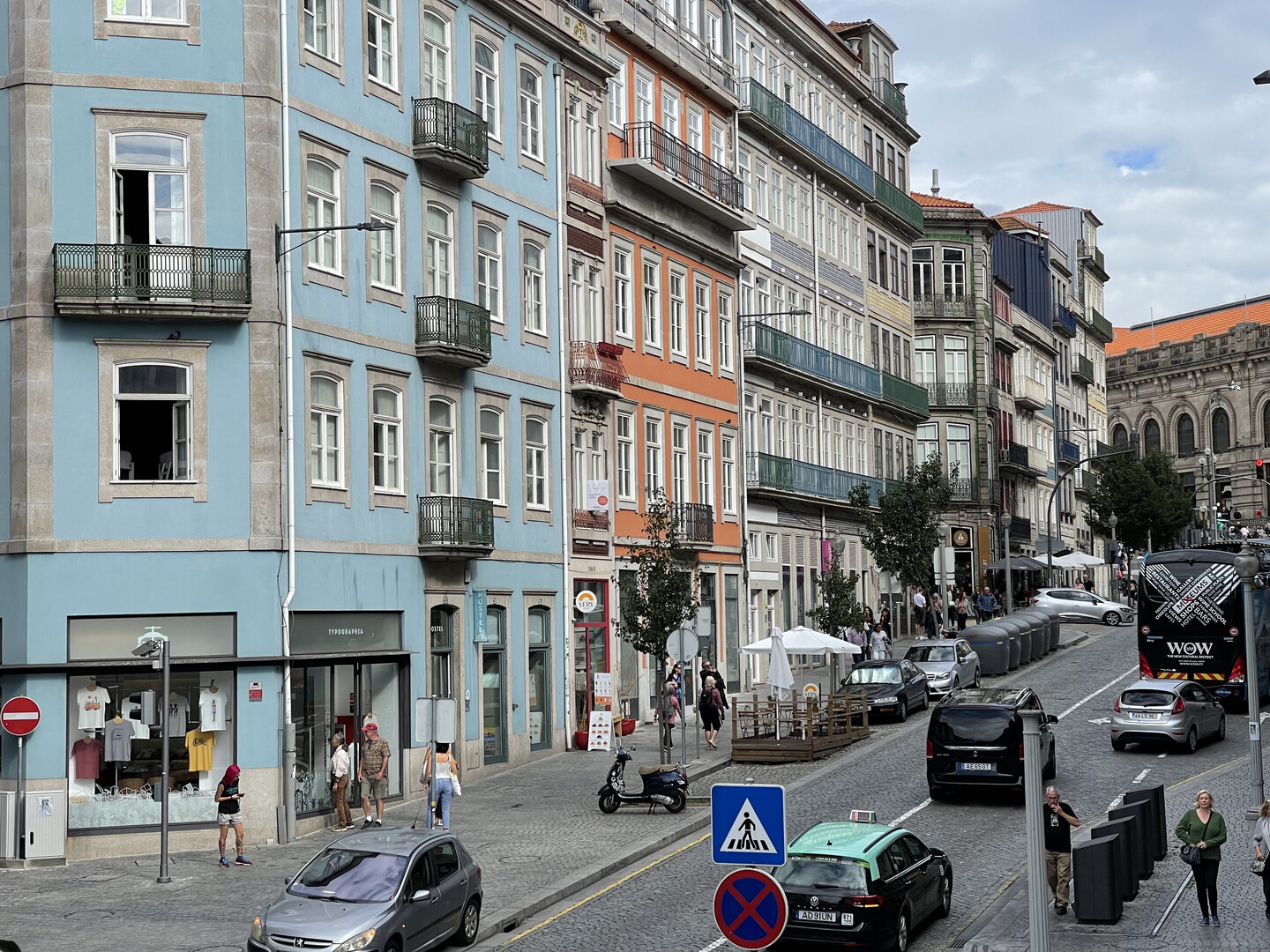
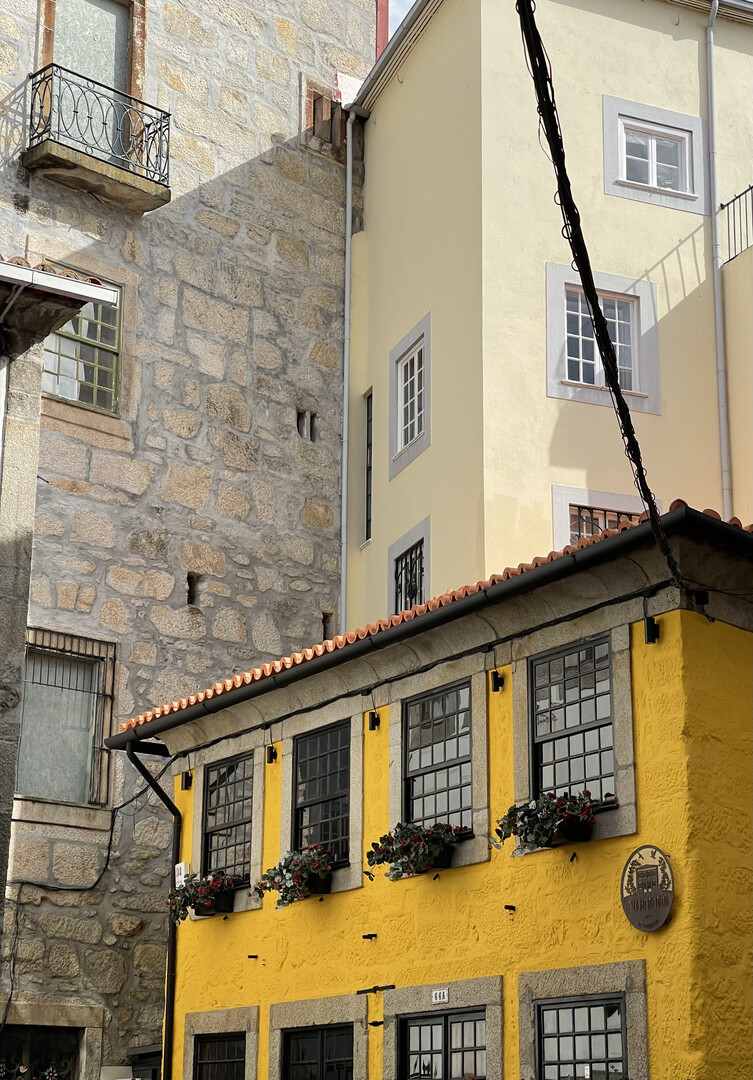
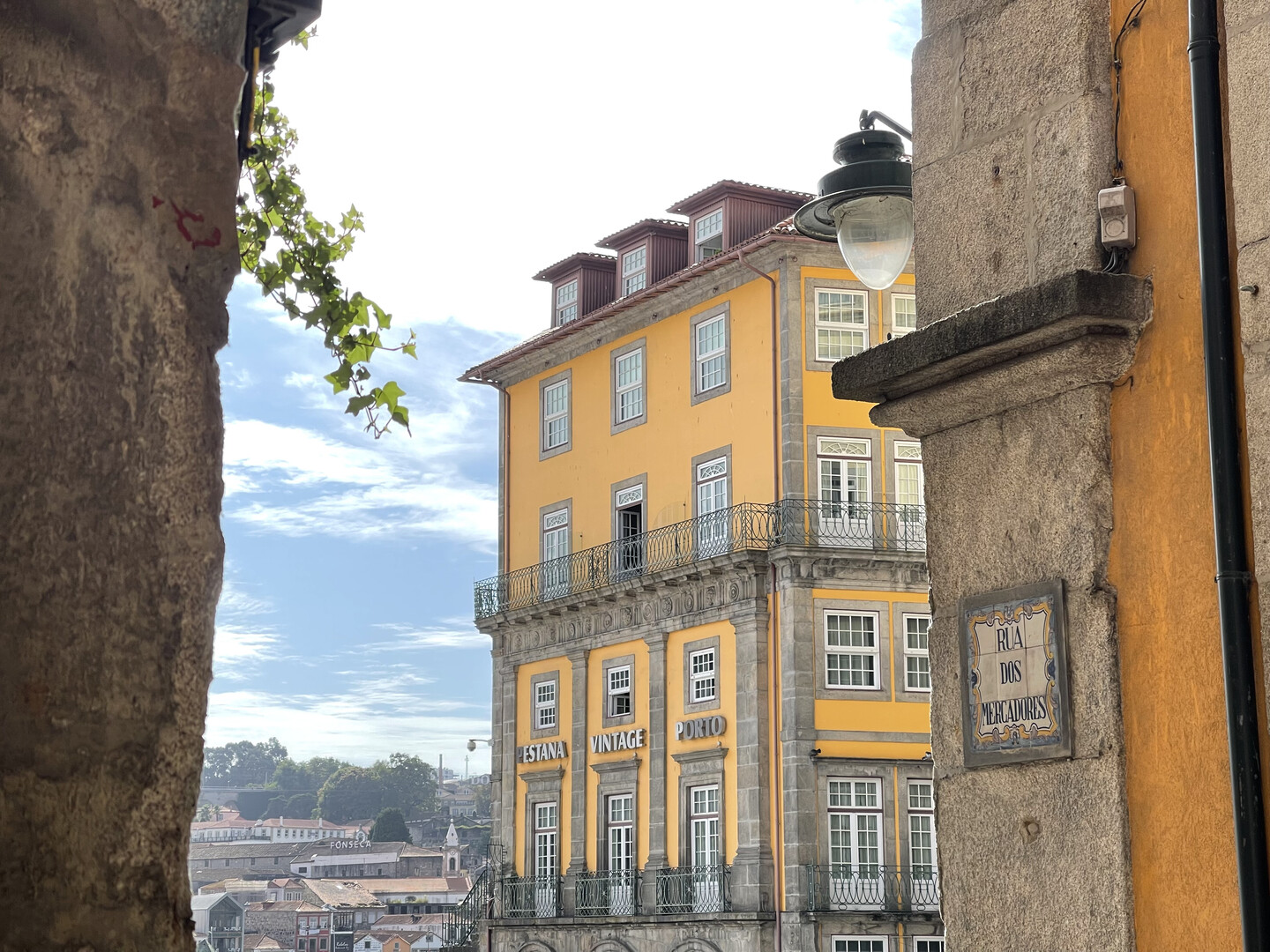
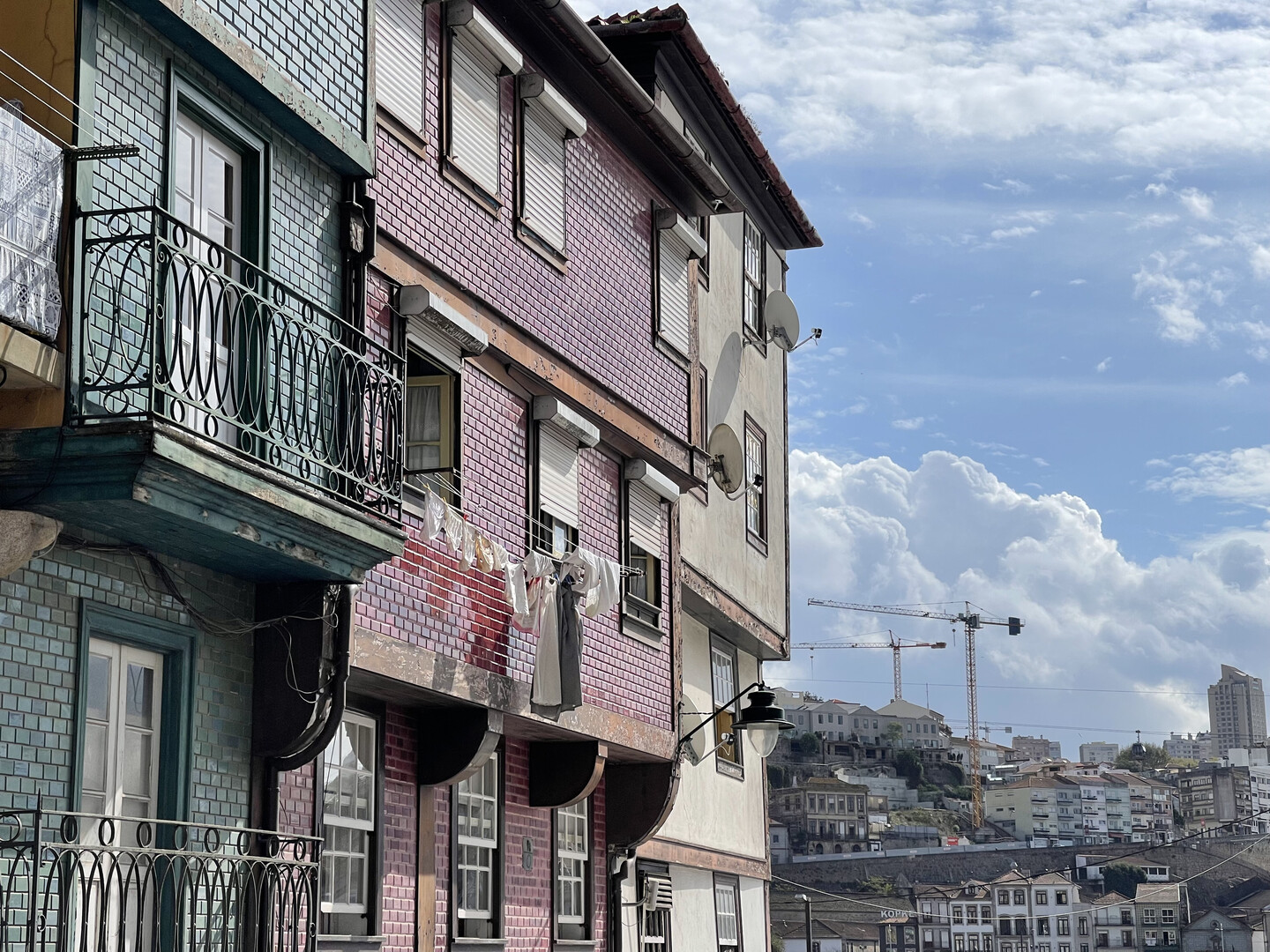
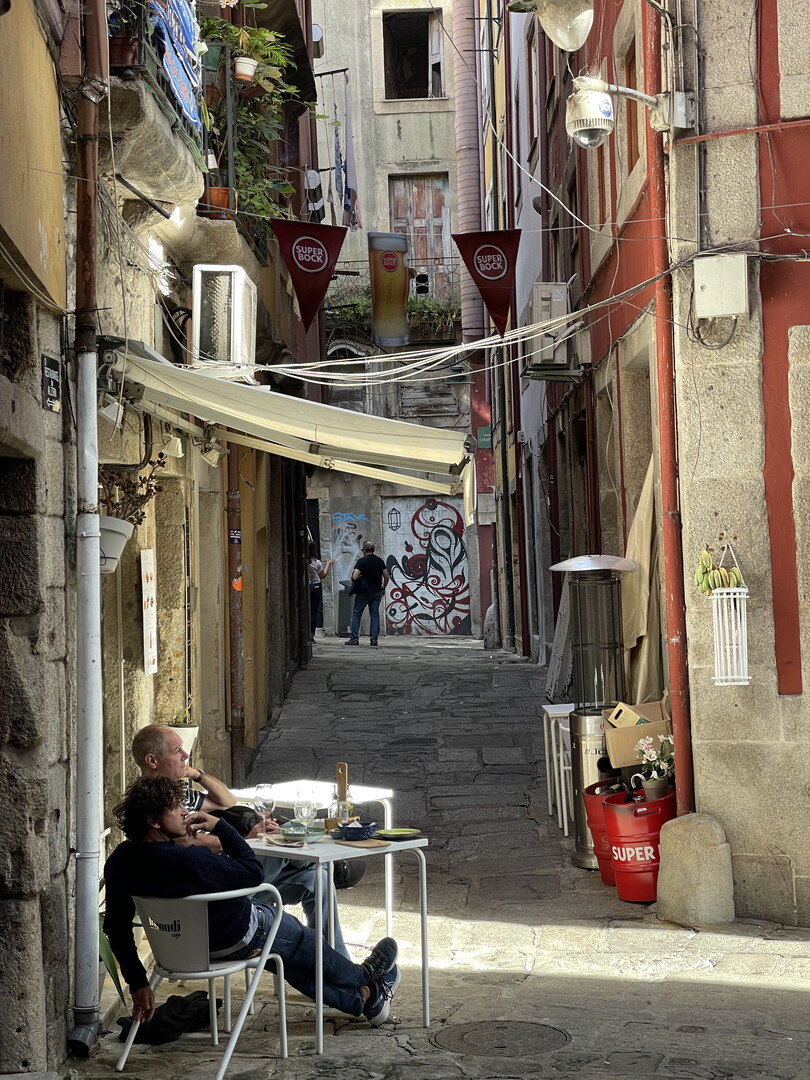
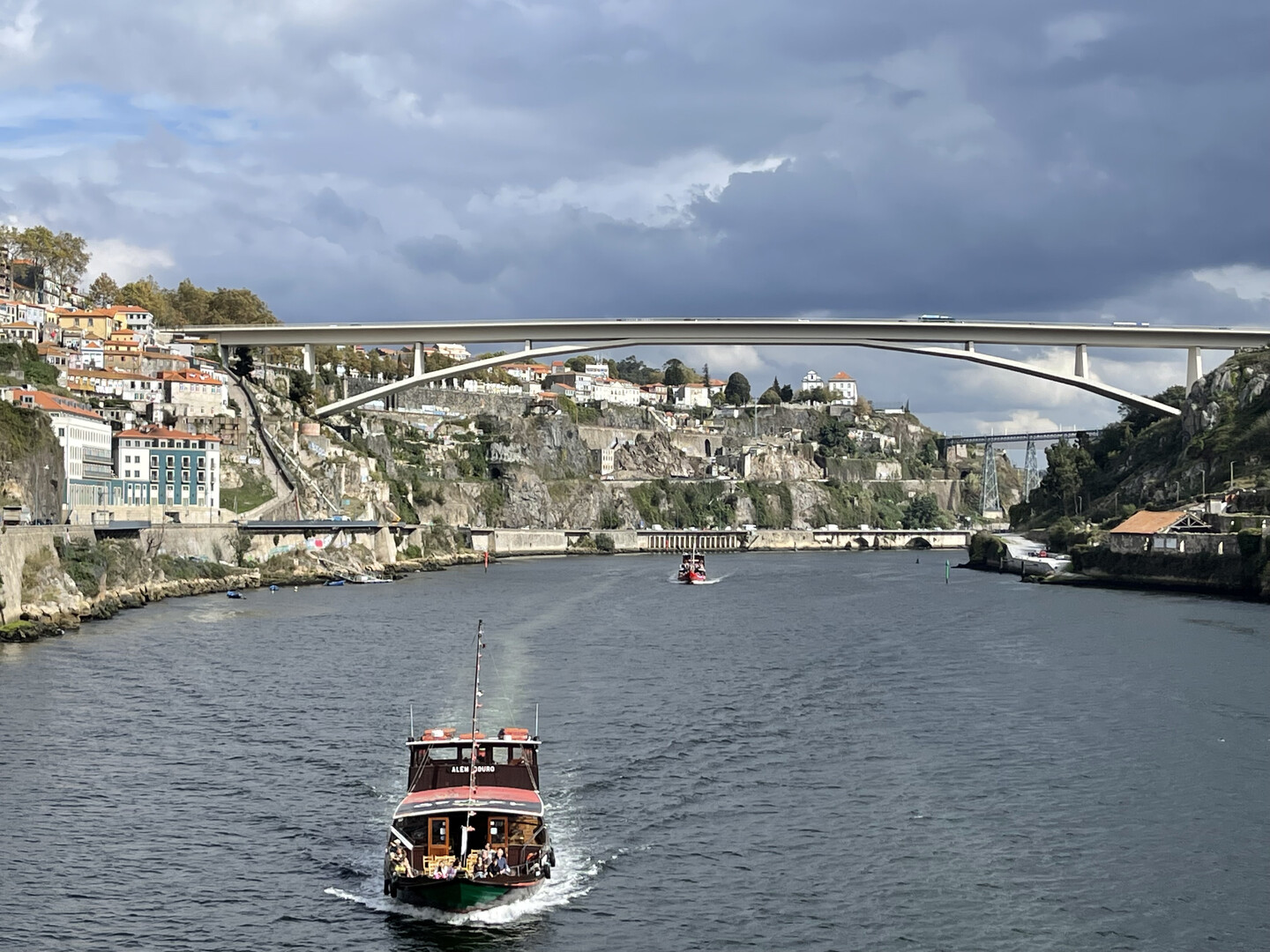
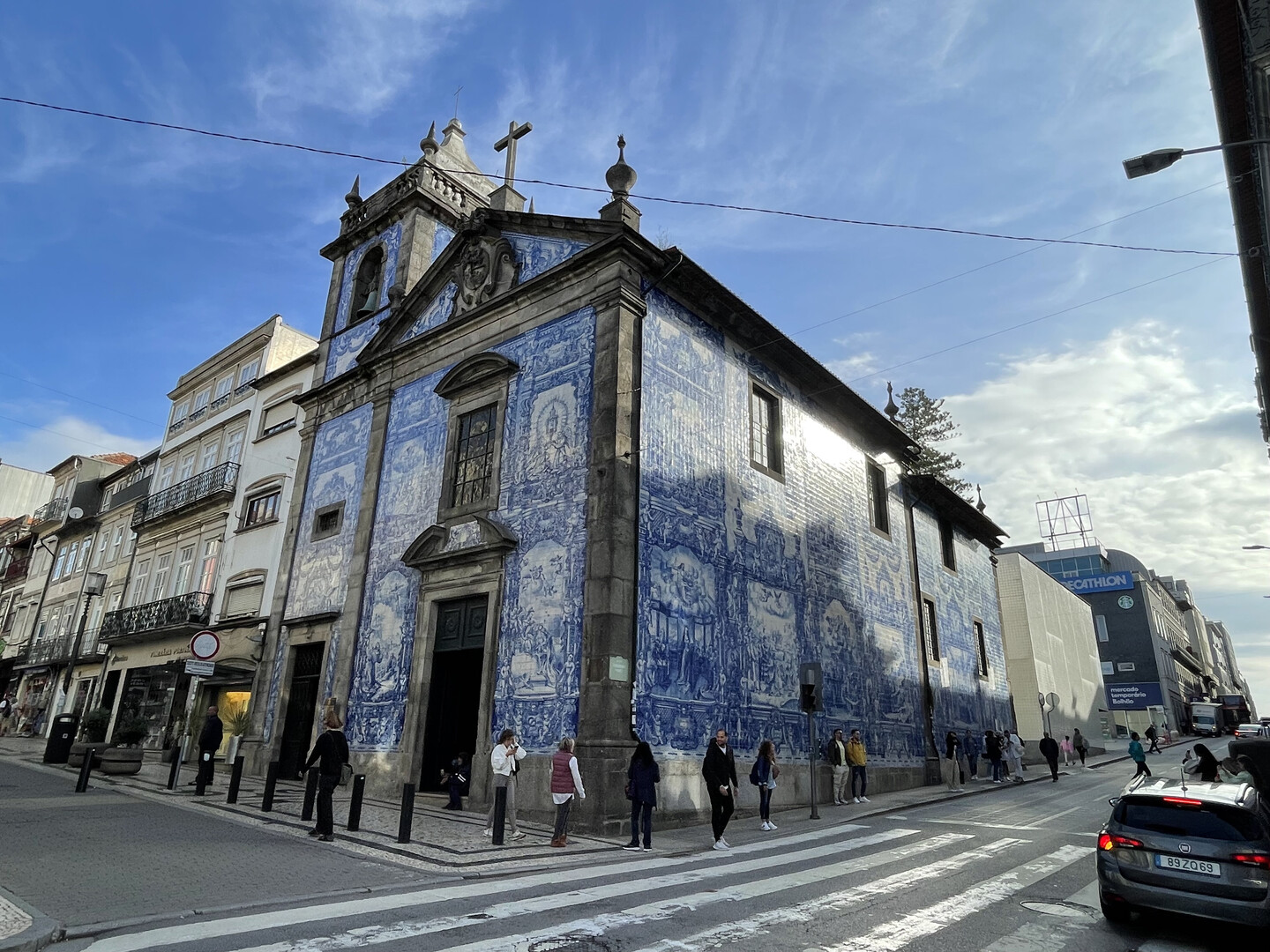
Most tourist activity revolves around a small, hilly portion of the old city and the promenade along both banks of the Douro River. The buildings in these areas are exceptionally well-restored.
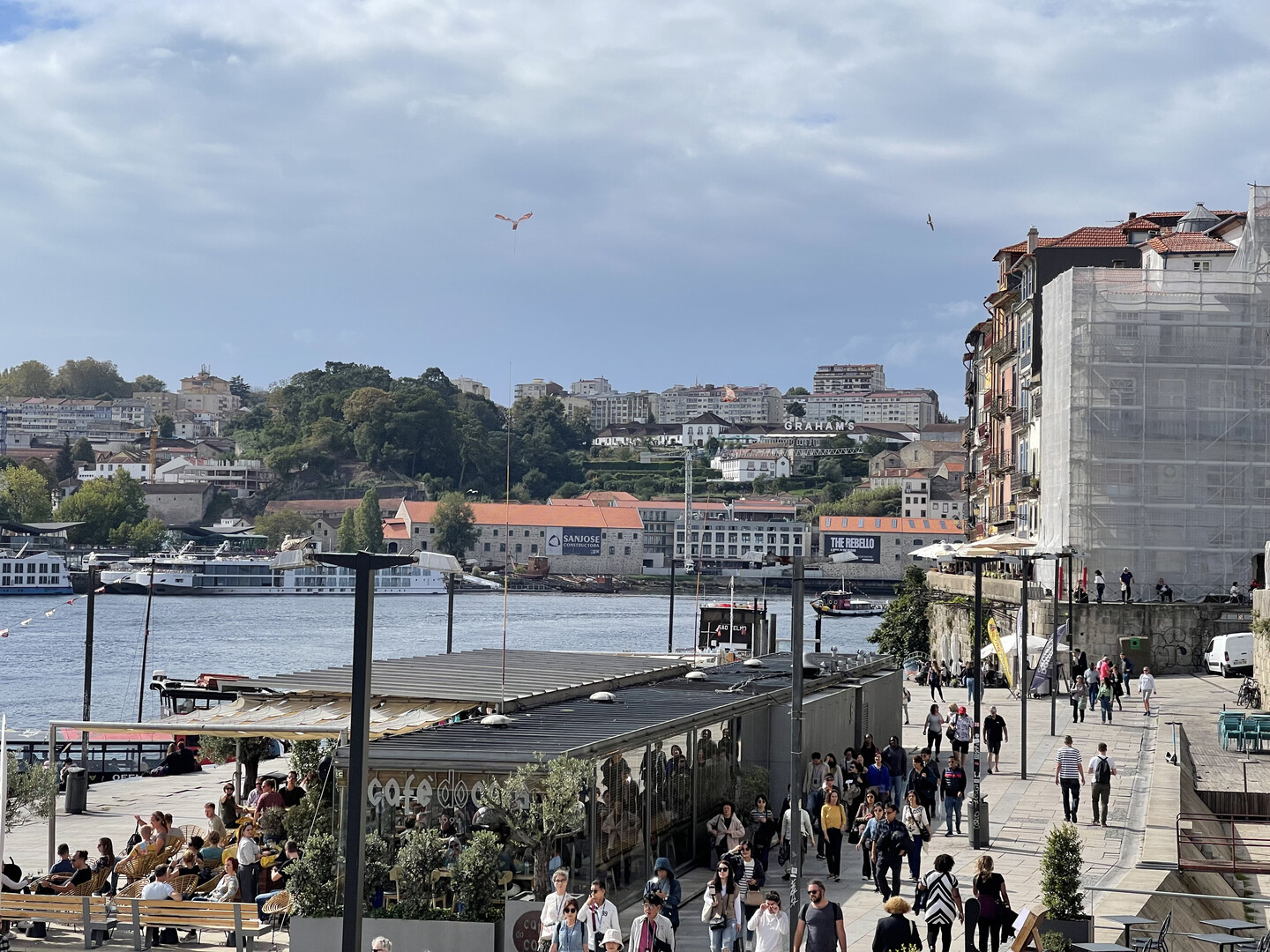
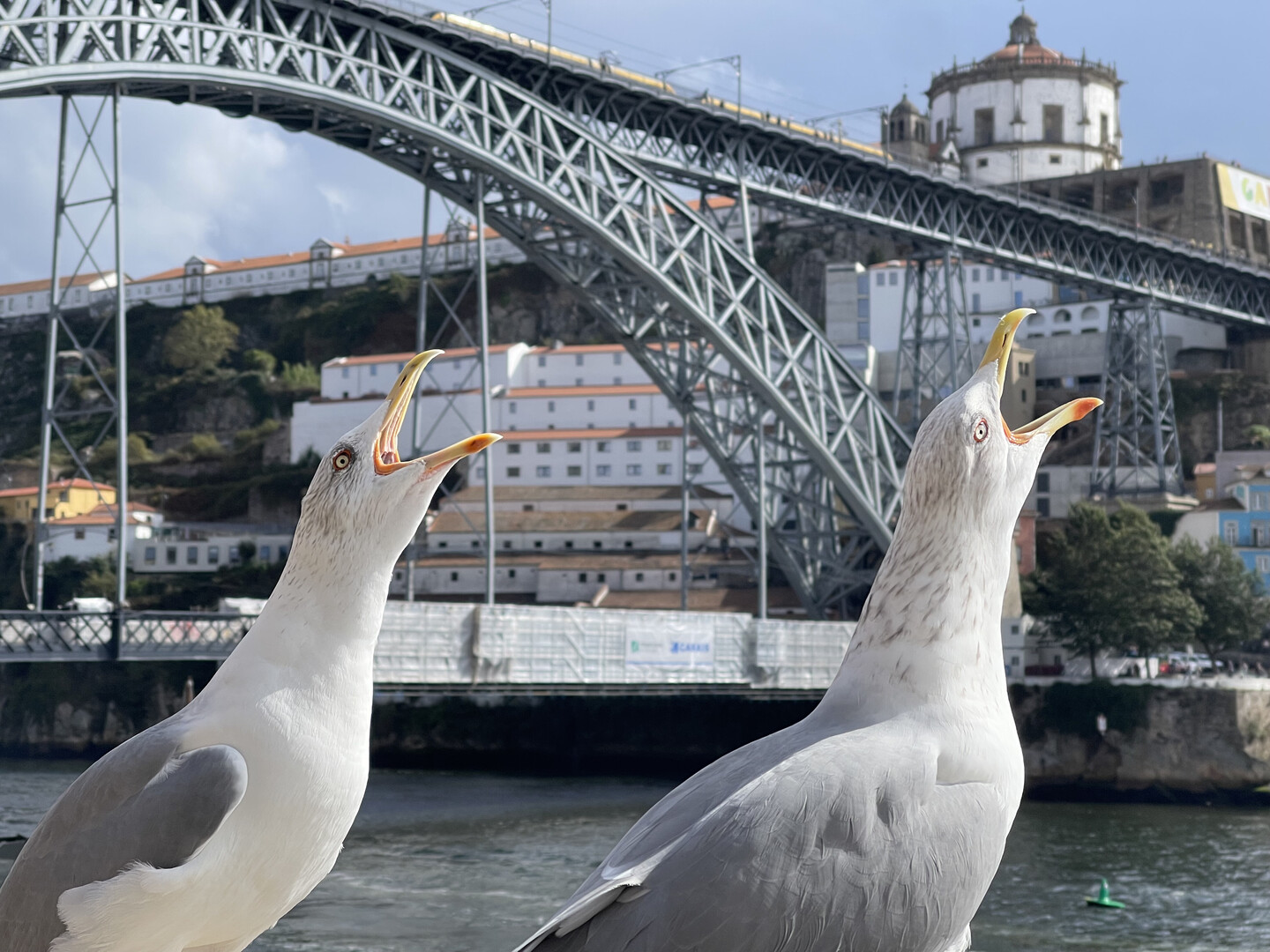
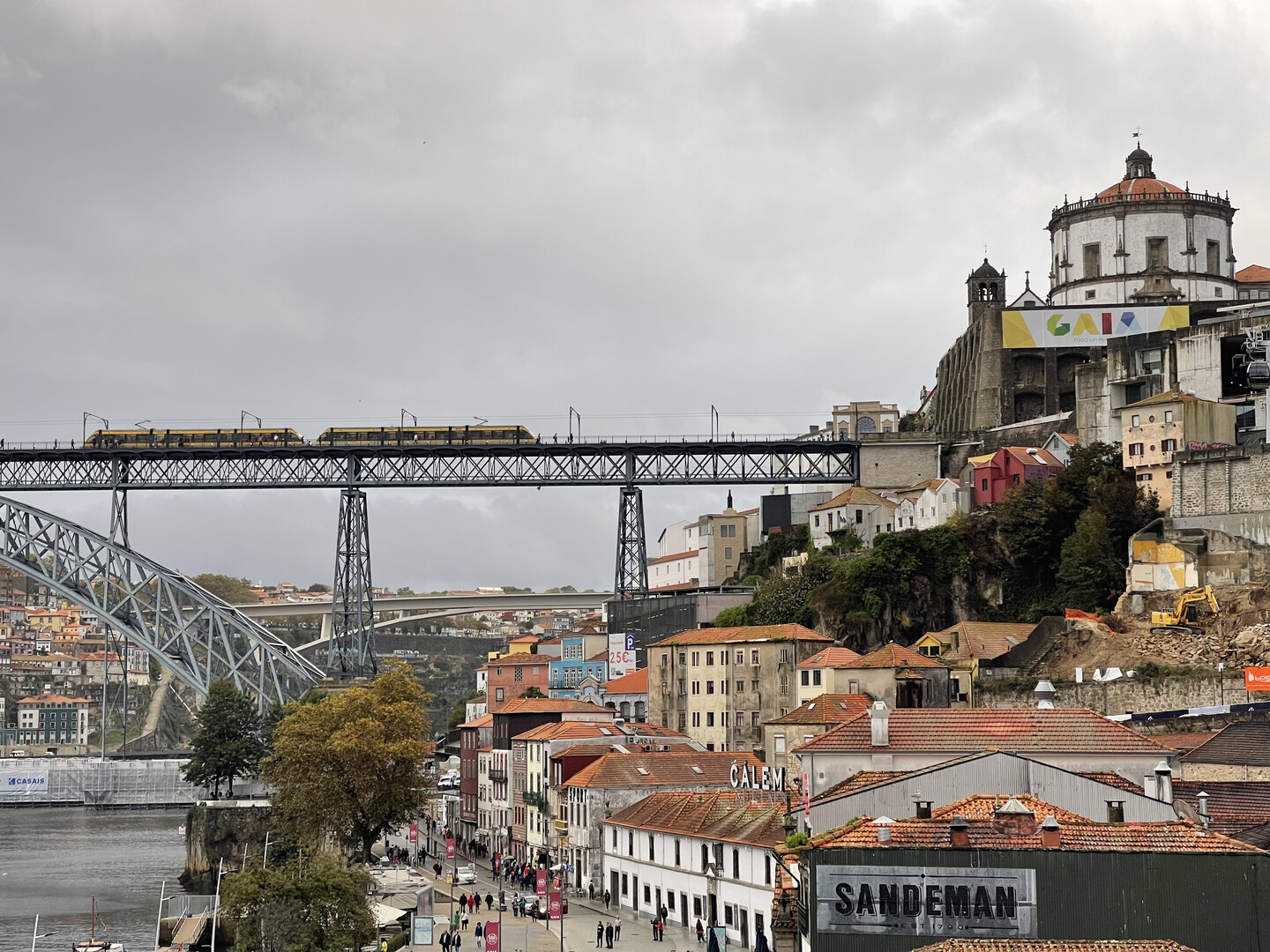
A long two-level arch bridge connects the banks of the Douro. The lower level connects the promenades, and the upper level doubles as a tramway and walkway.
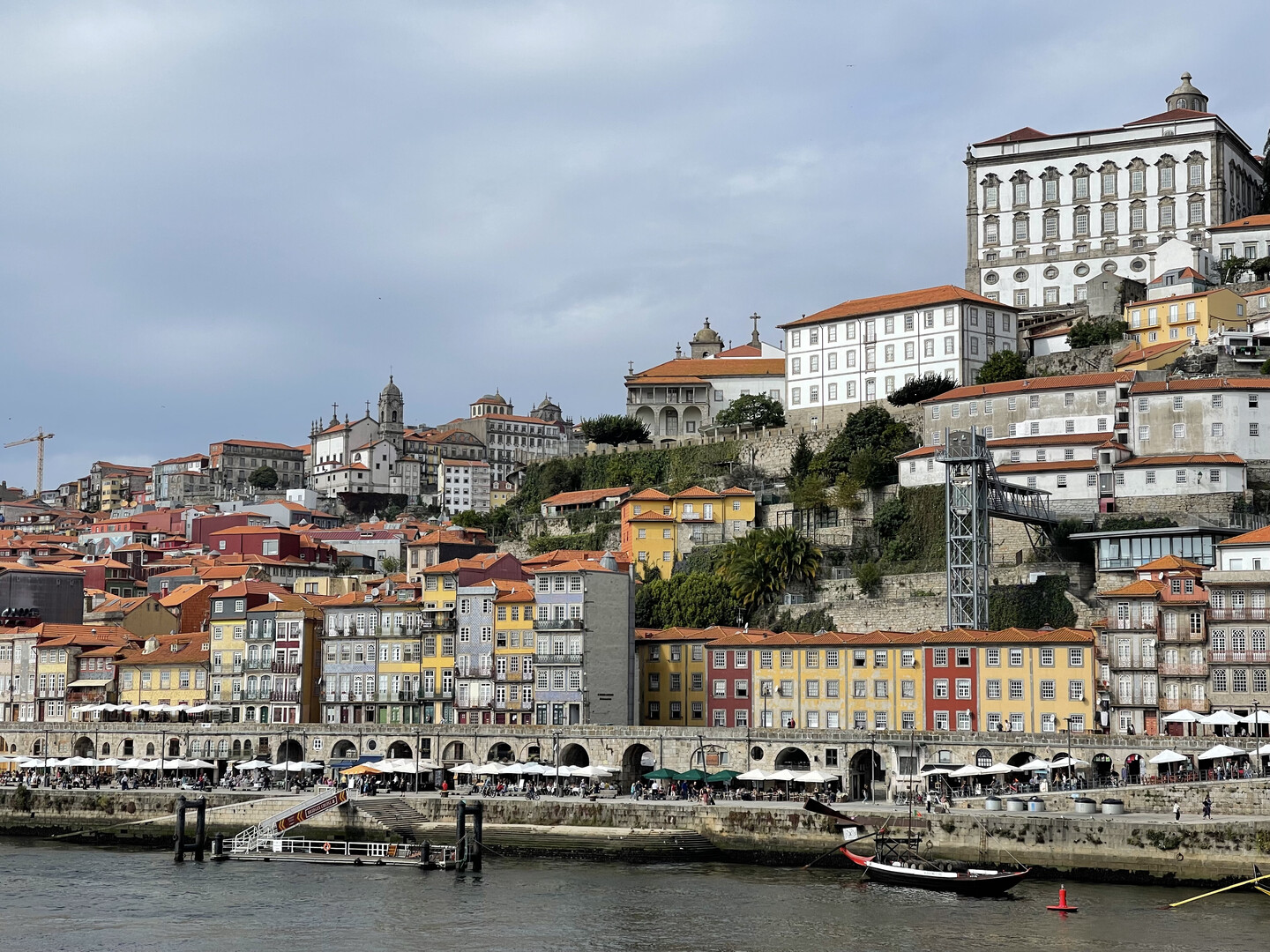
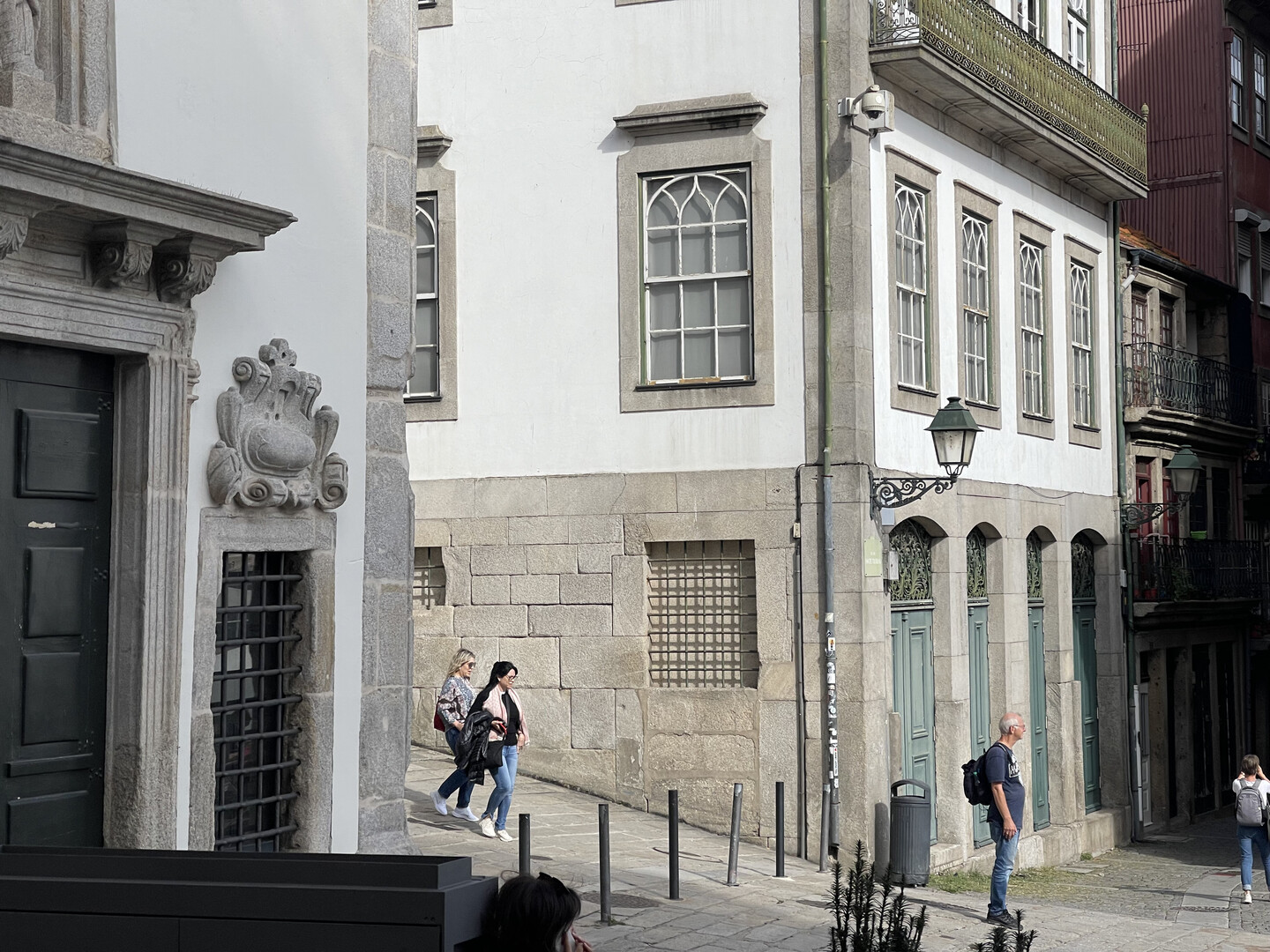
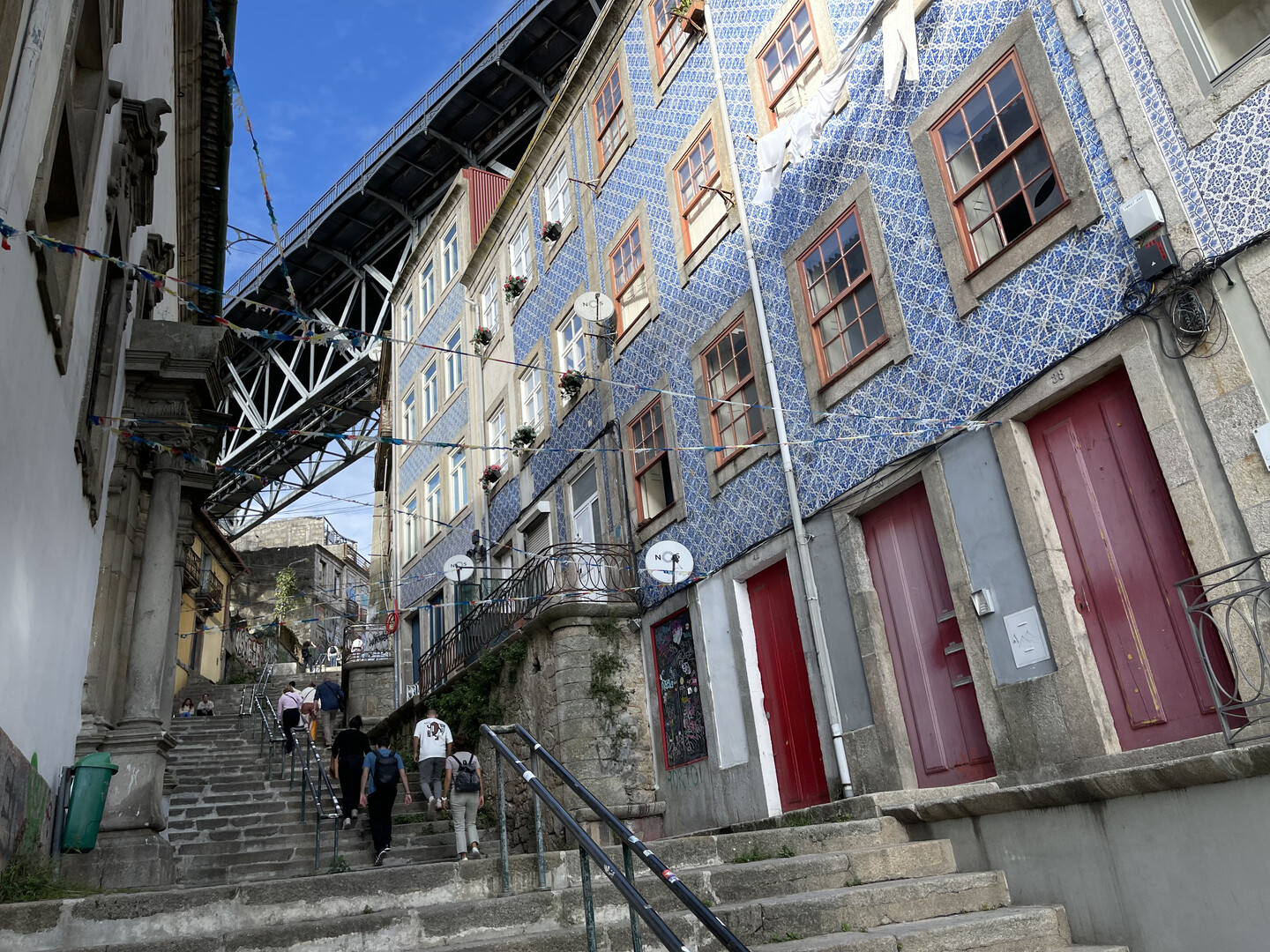
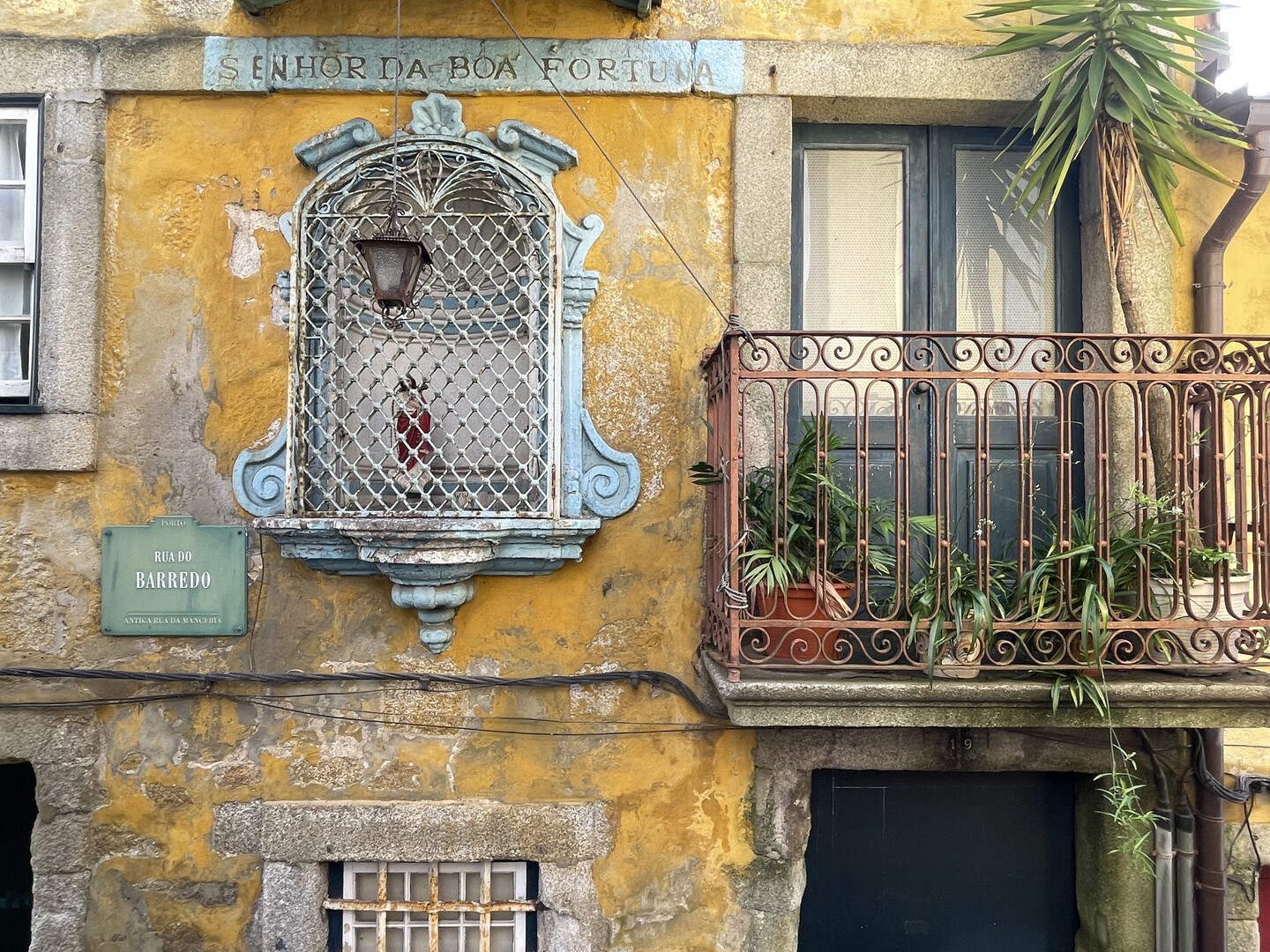
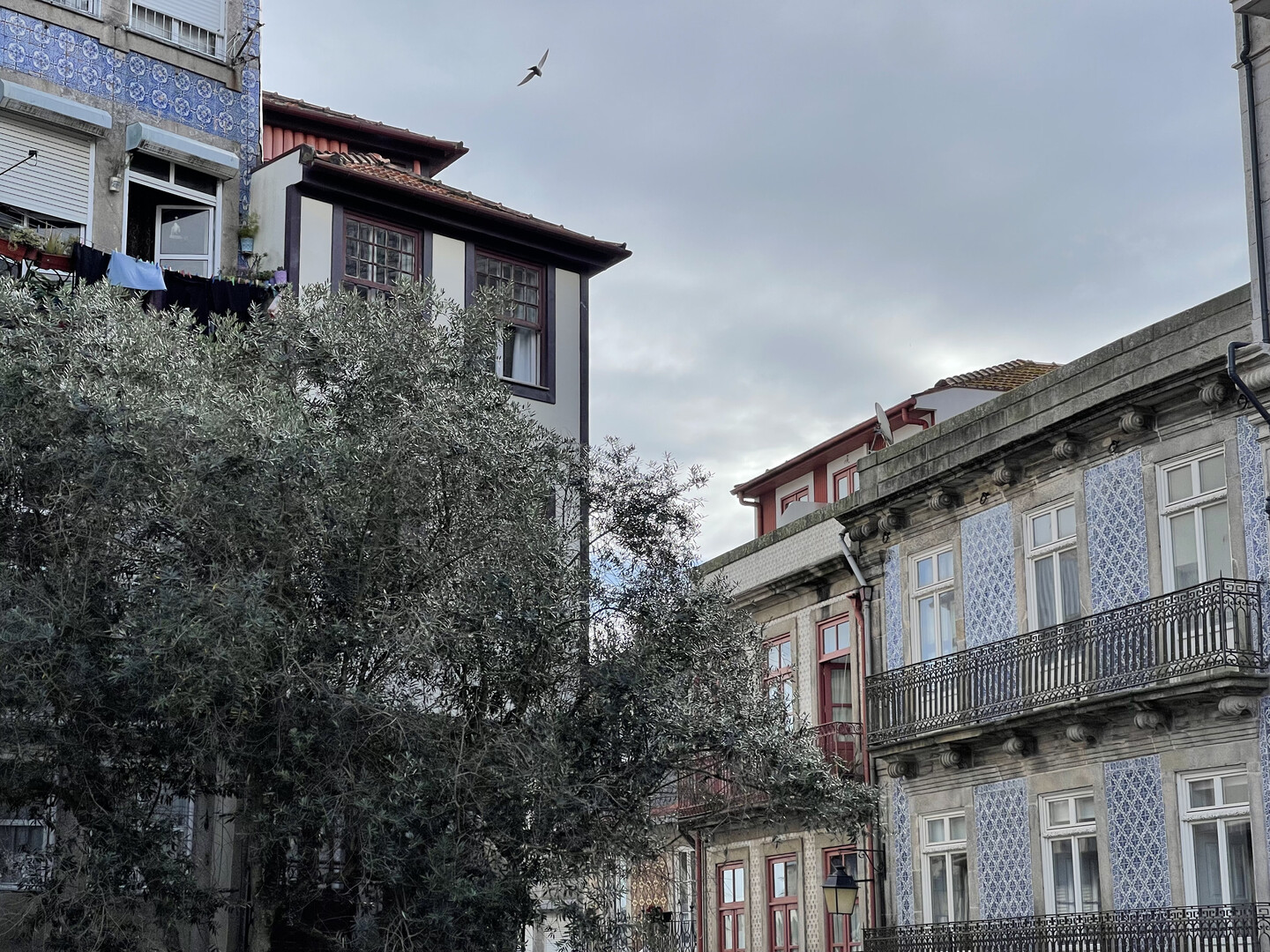
Whatever funds Braga lacked were surely diverted to Porto. Almost every building in the old city looks like it was restored in the last 10-20 years, and you can't go five minutes without seeing a construction site. The few graffitied eyesores remaining often contain large posters tendering for demolition and construction contracts.
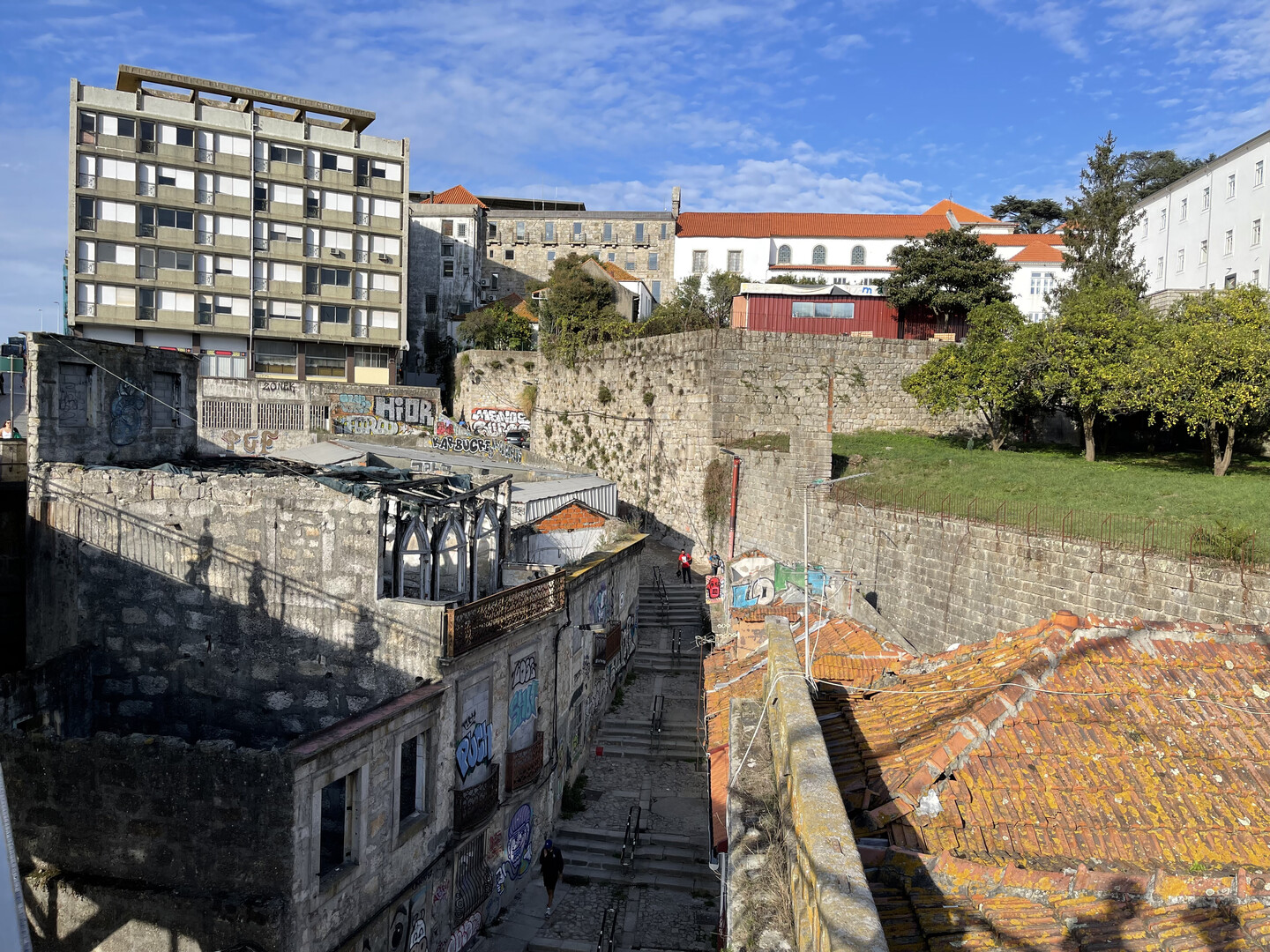
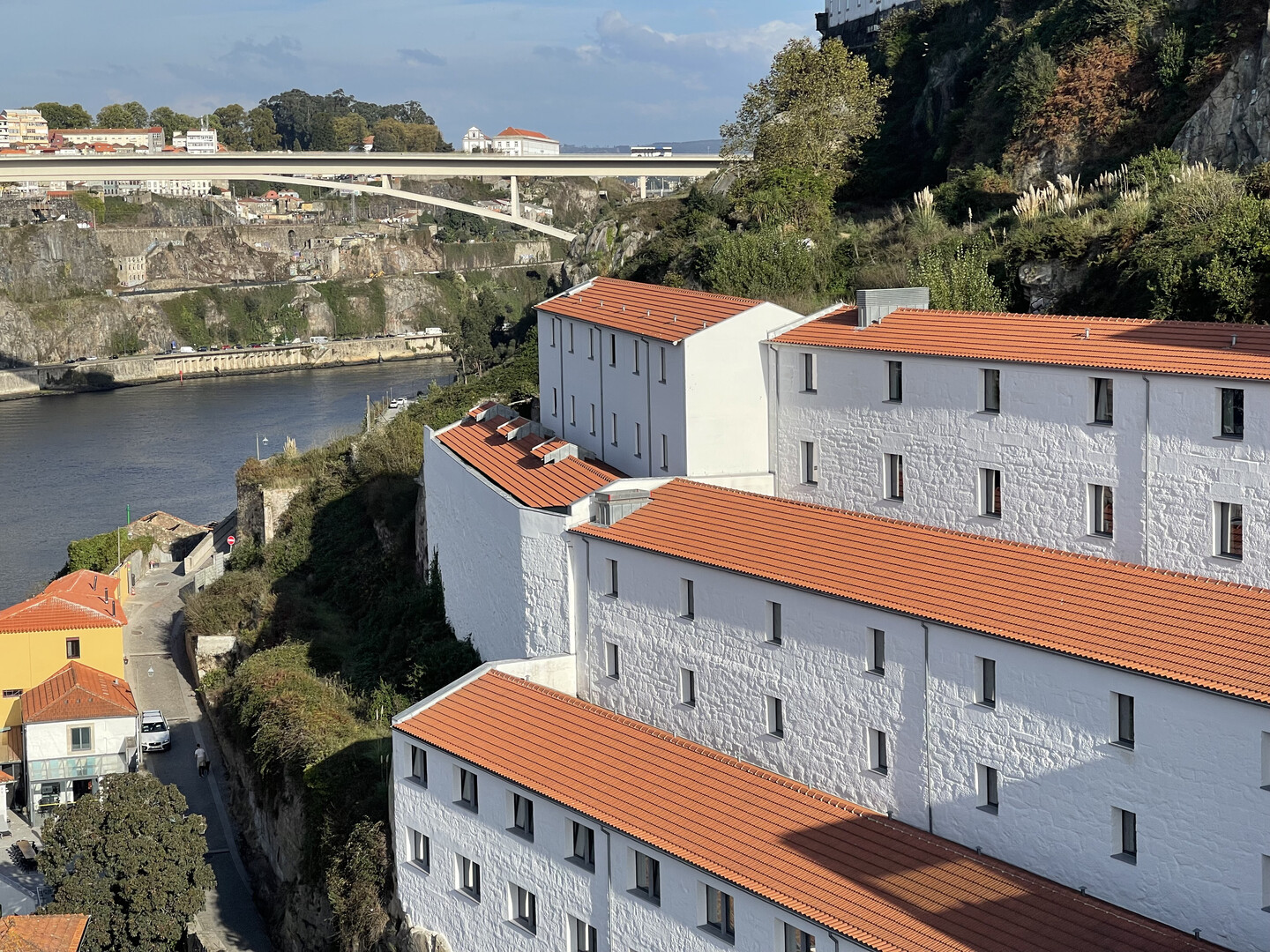
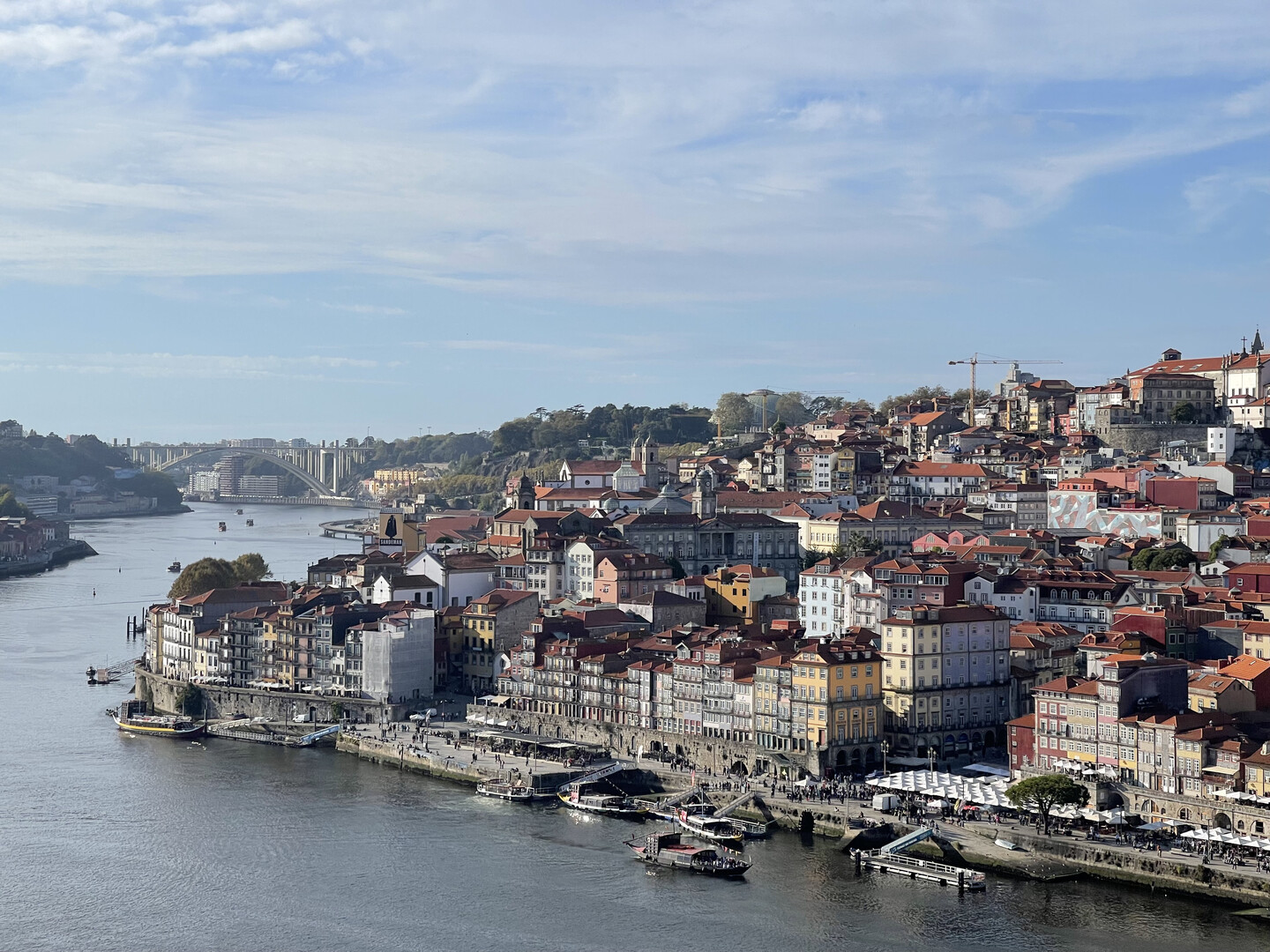
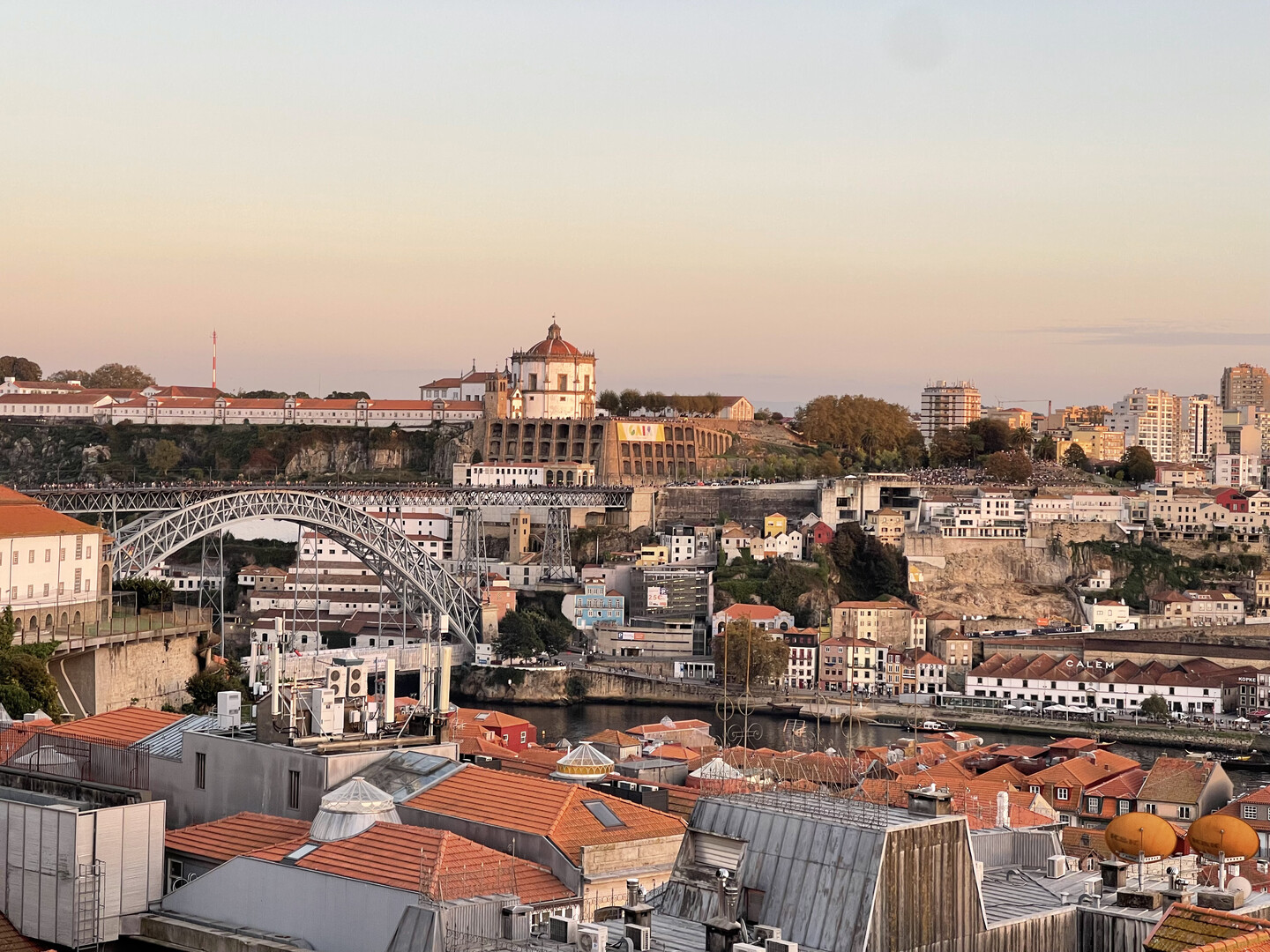
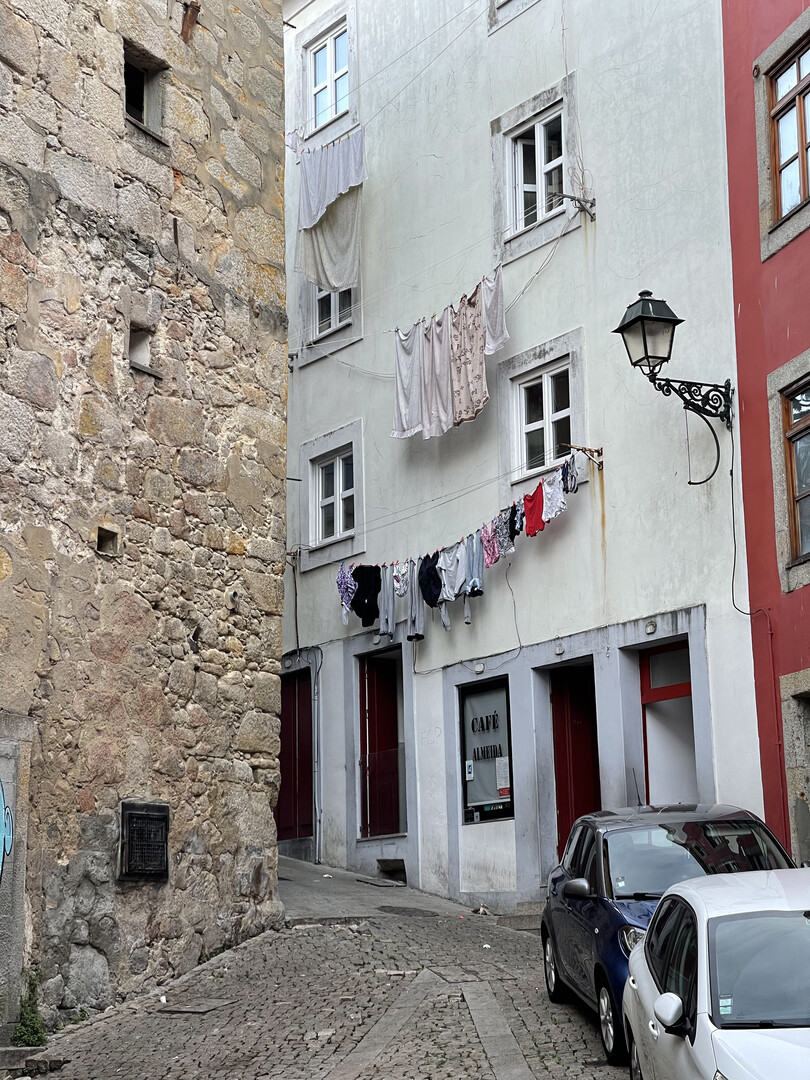
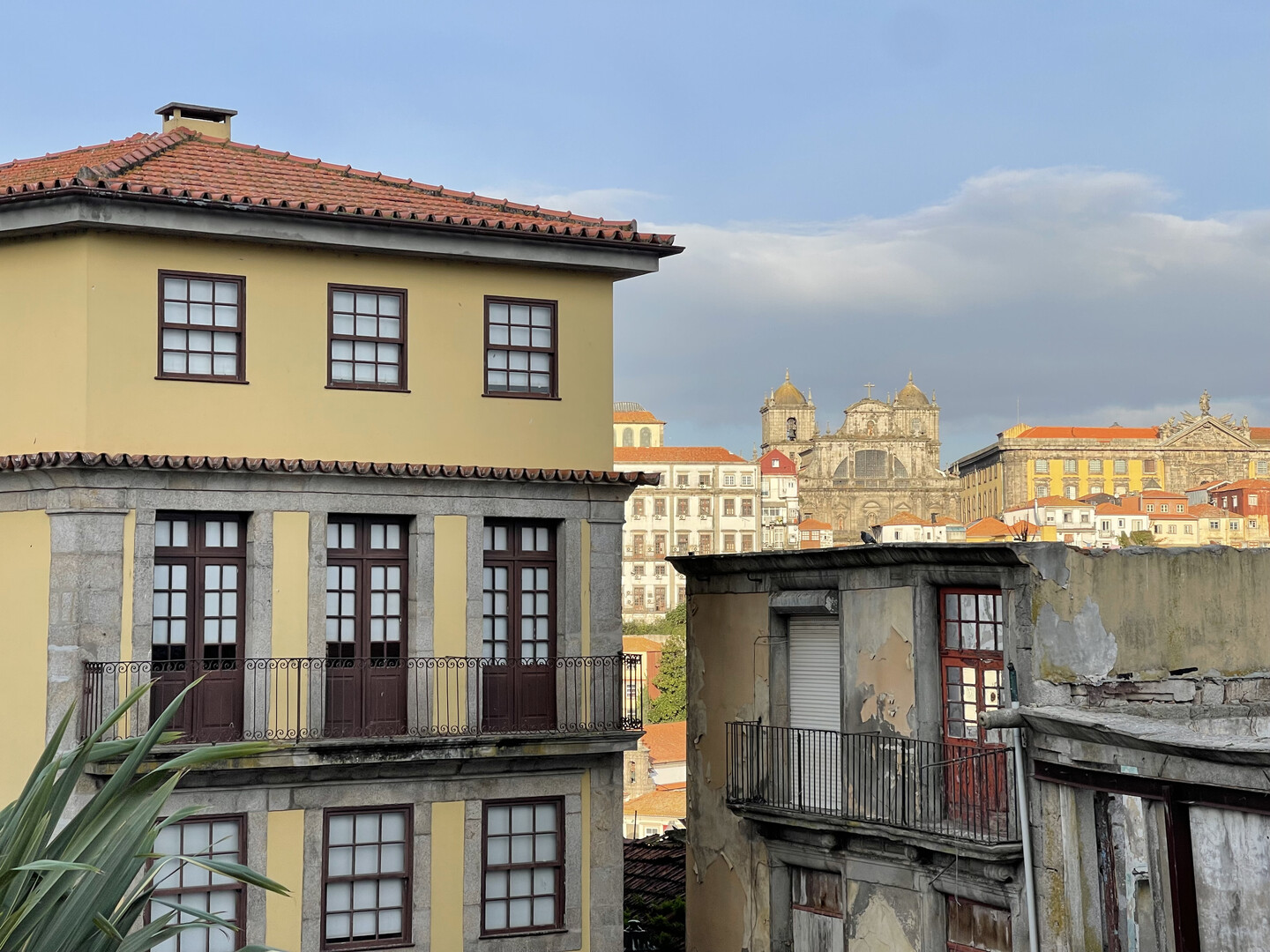
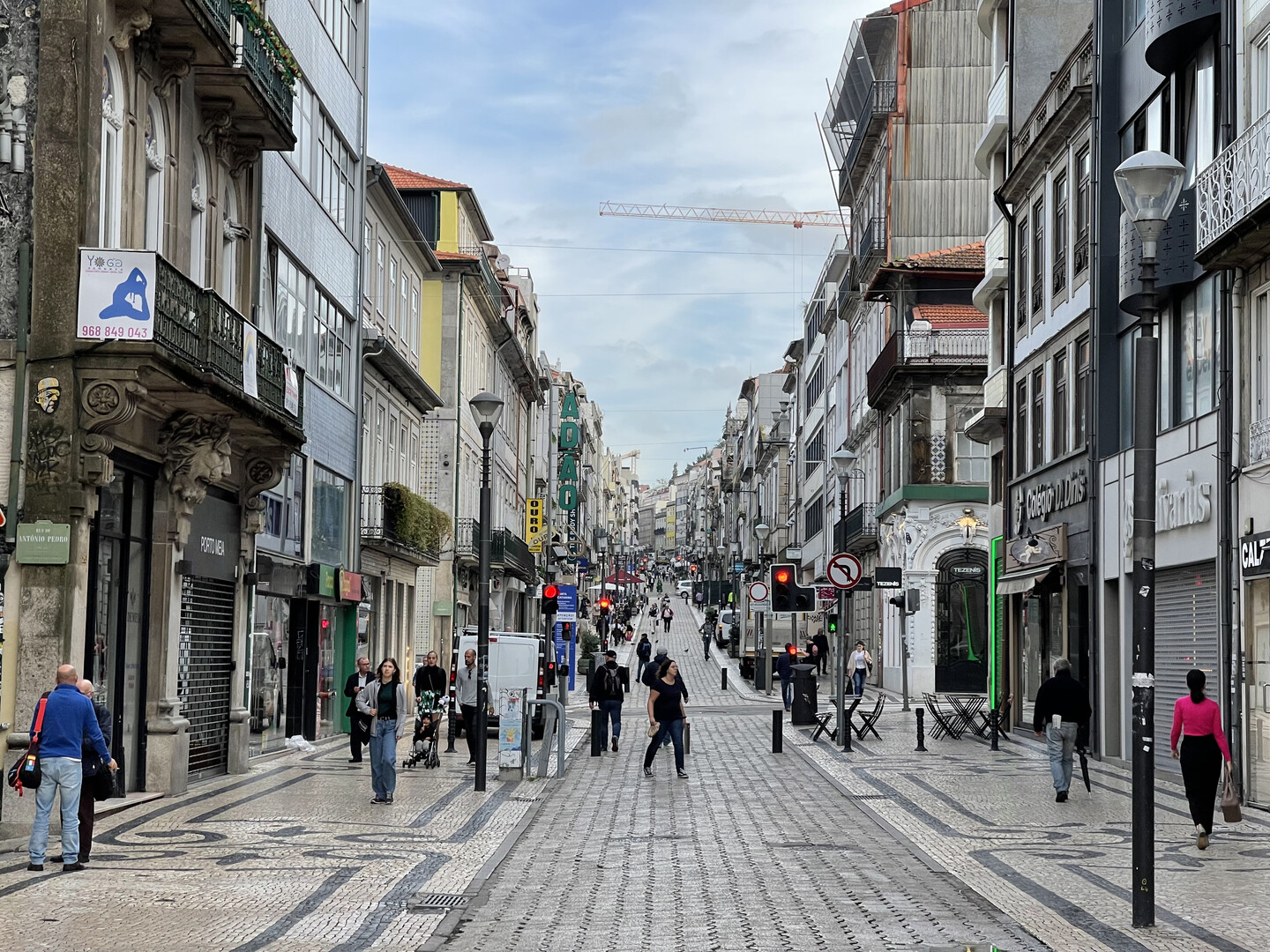
The mundane, everyday shops for locals are located a little bit inland, far from the river.
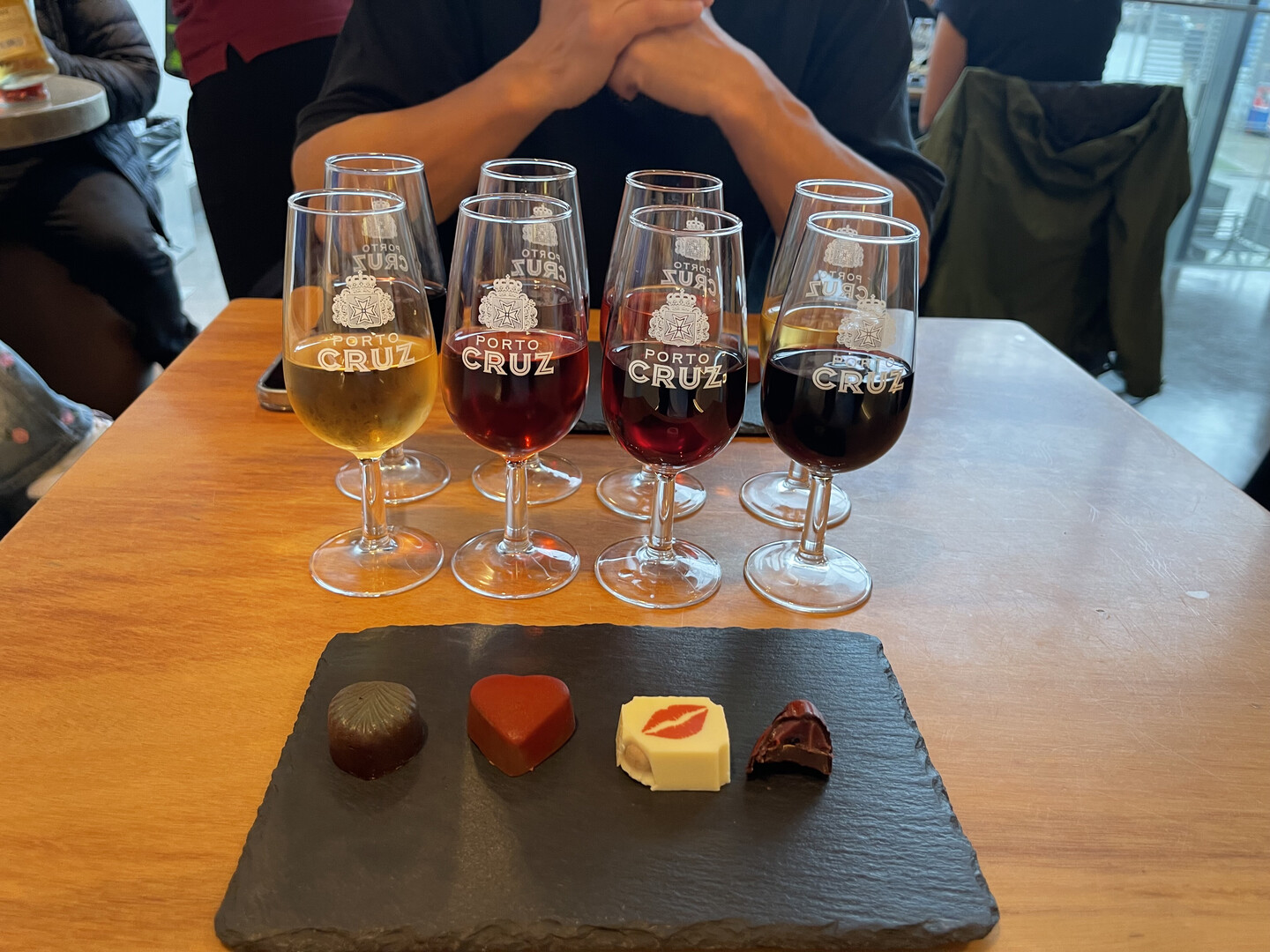
Porto is the home of port wine, a sweet, red dessert wine cultivated from grapes grown in the Douro Valley and fermented in Porto wineries. I went for a tasting knowing it would be very sweet, but it was so sweet that I could barely down the first glass. Because the wine is fortified to 20% ABV, however, each subsequent glass became much easier to drink.
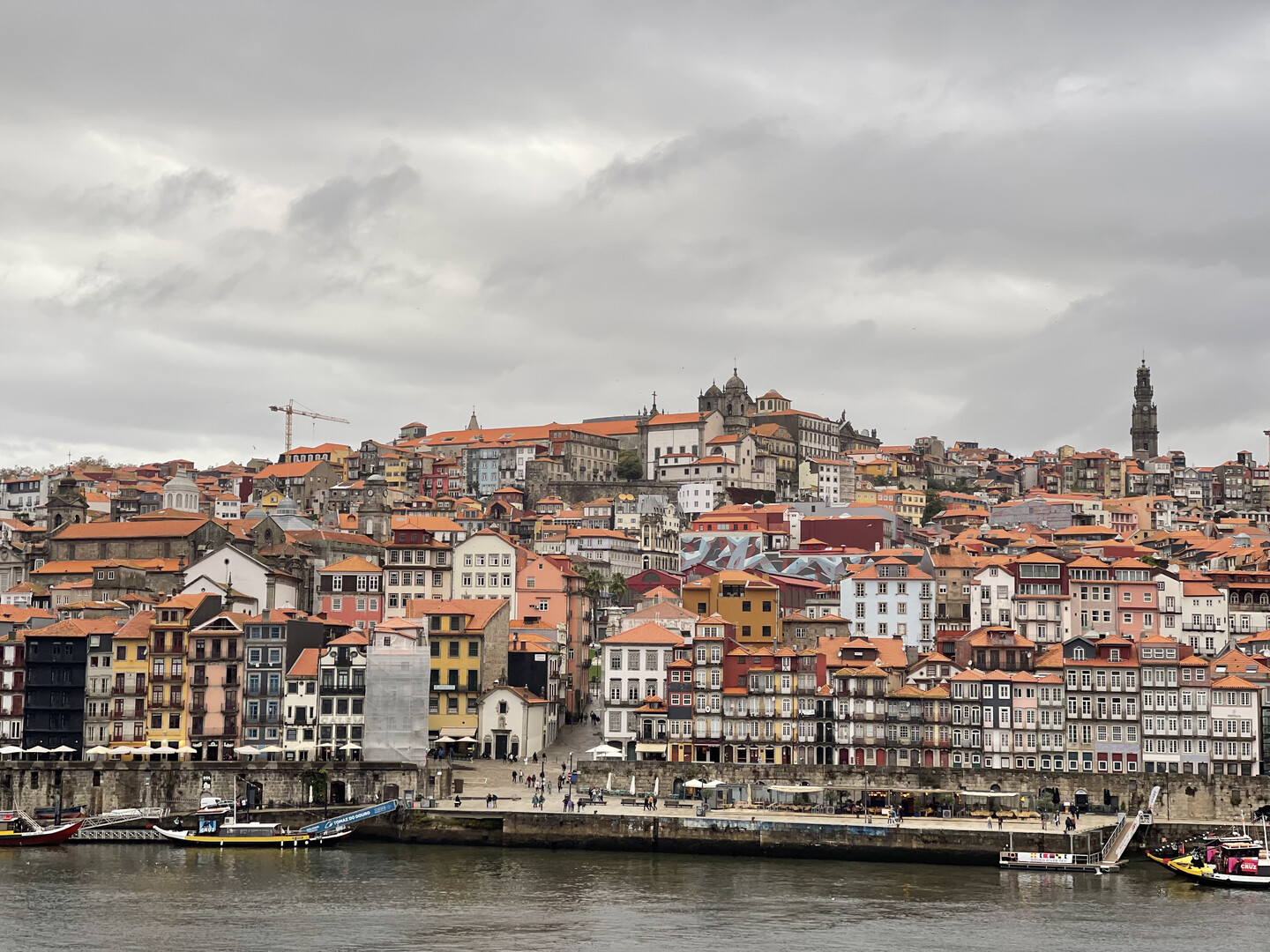
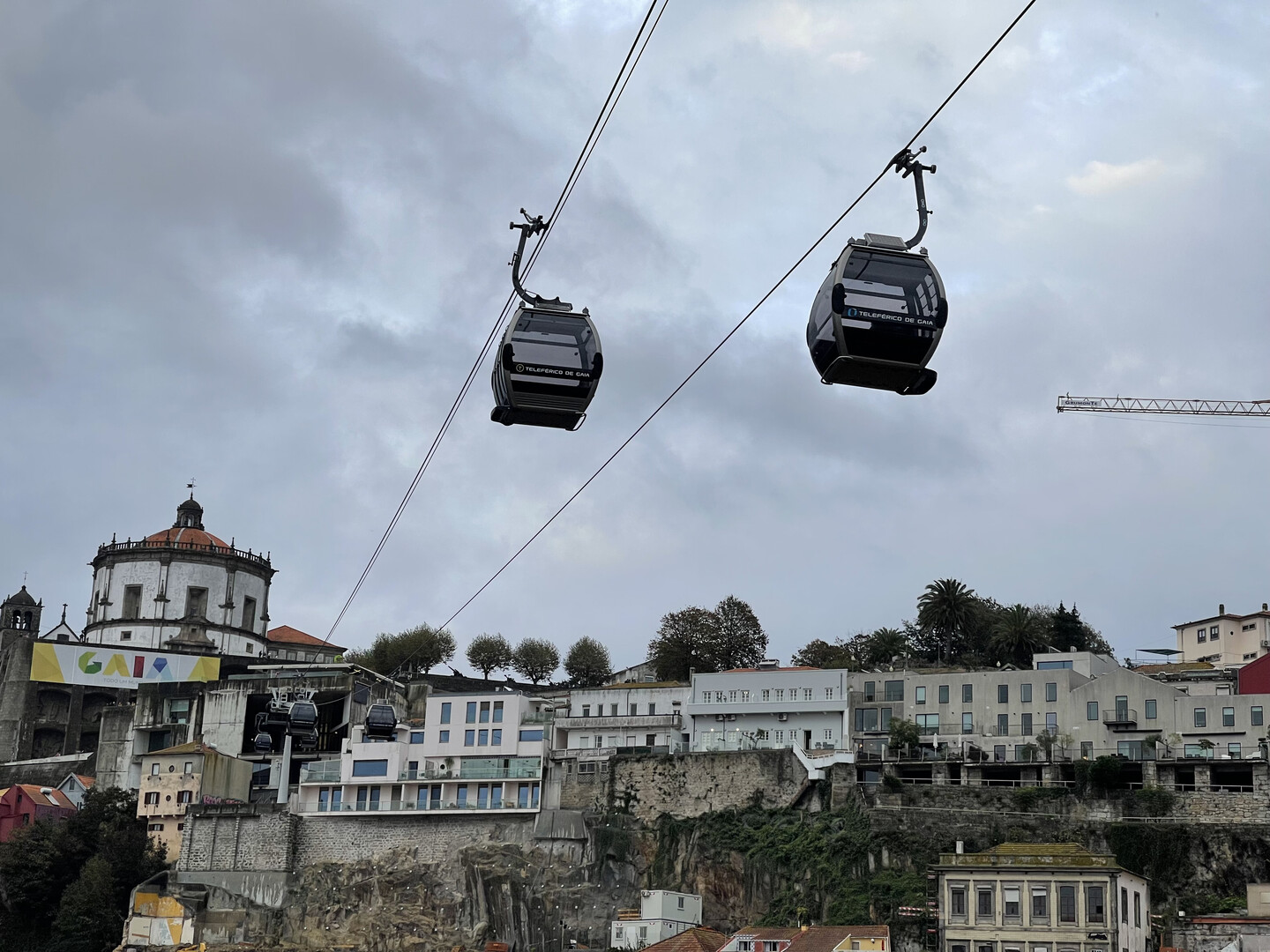
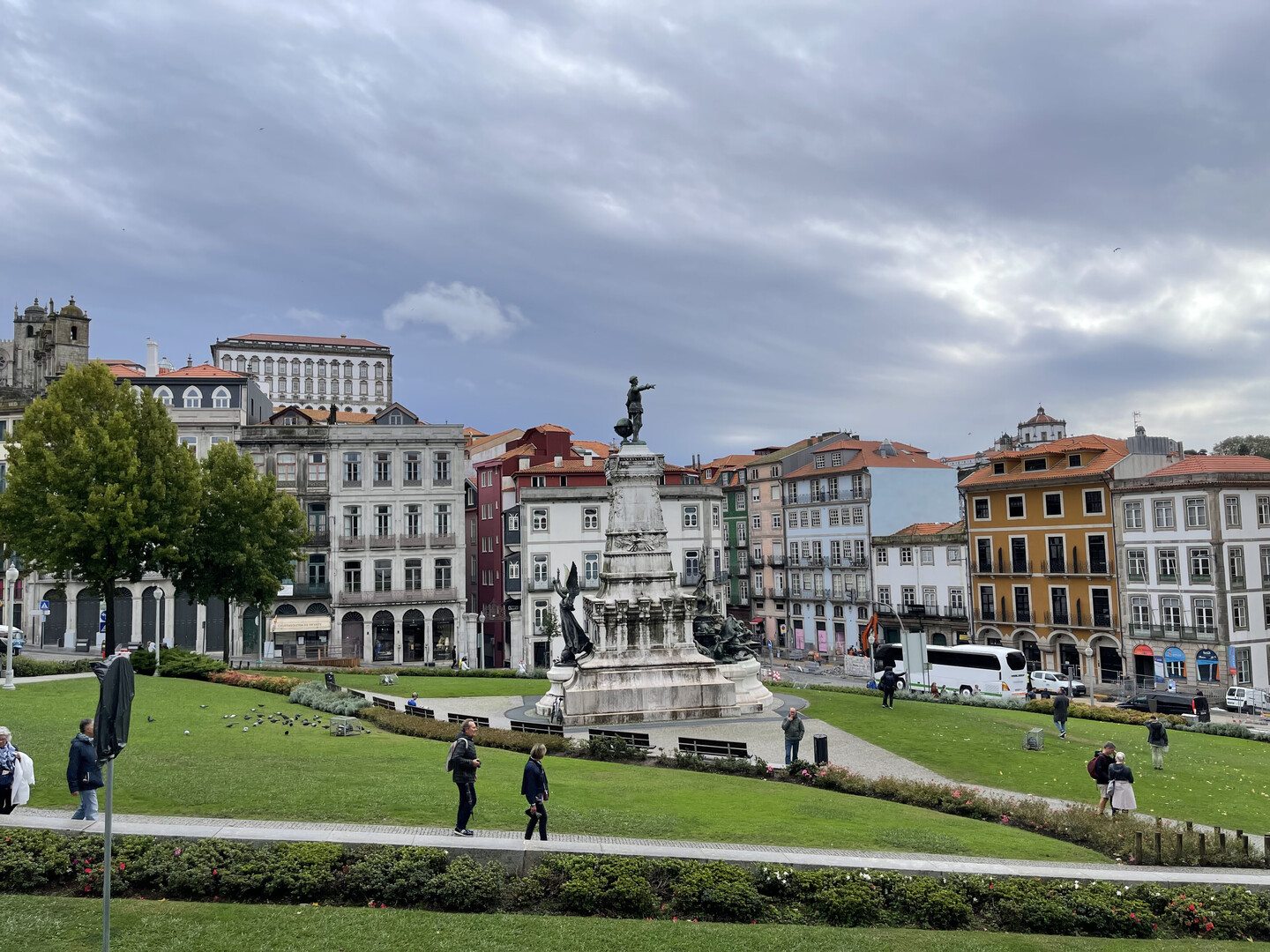
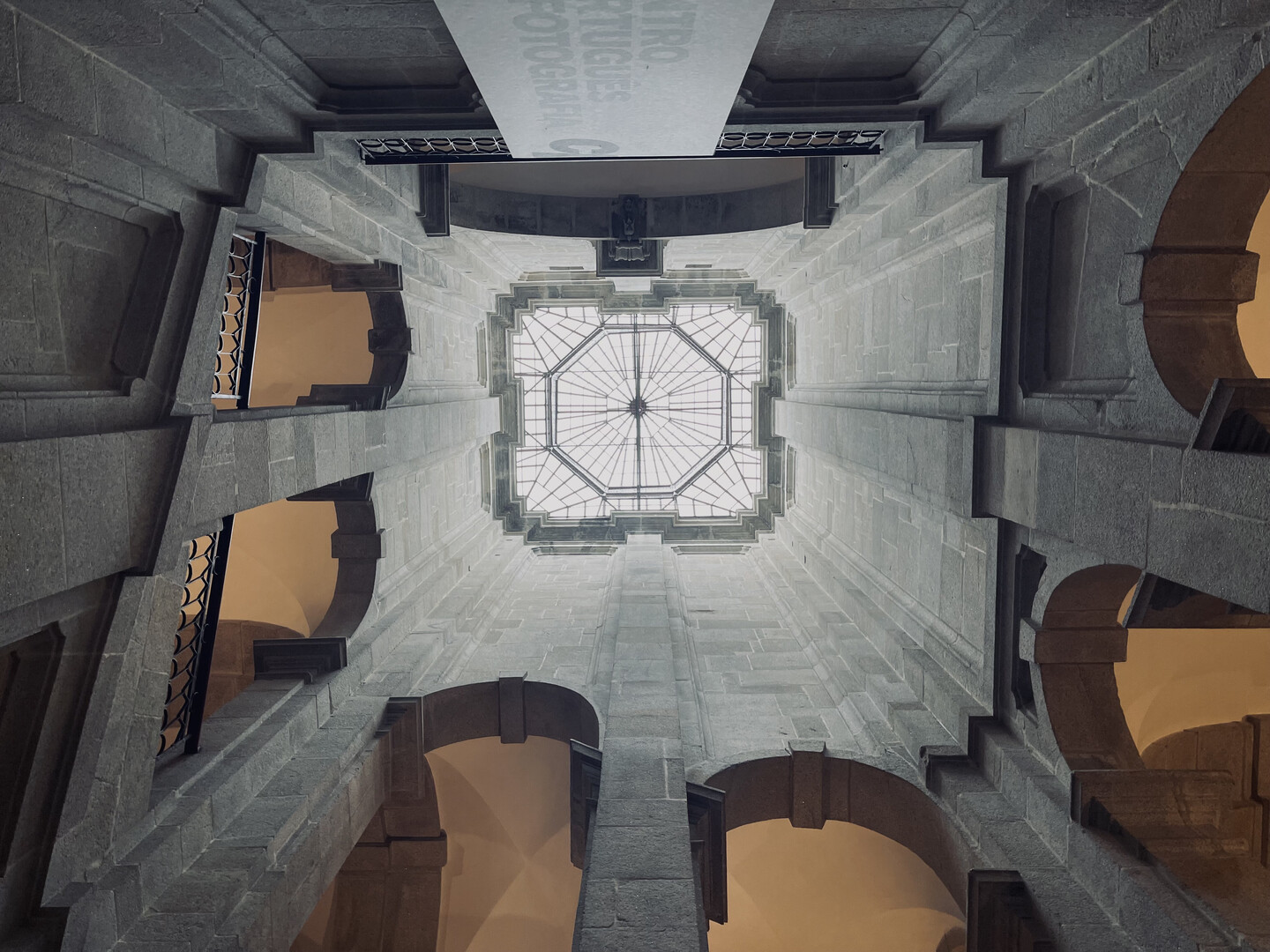
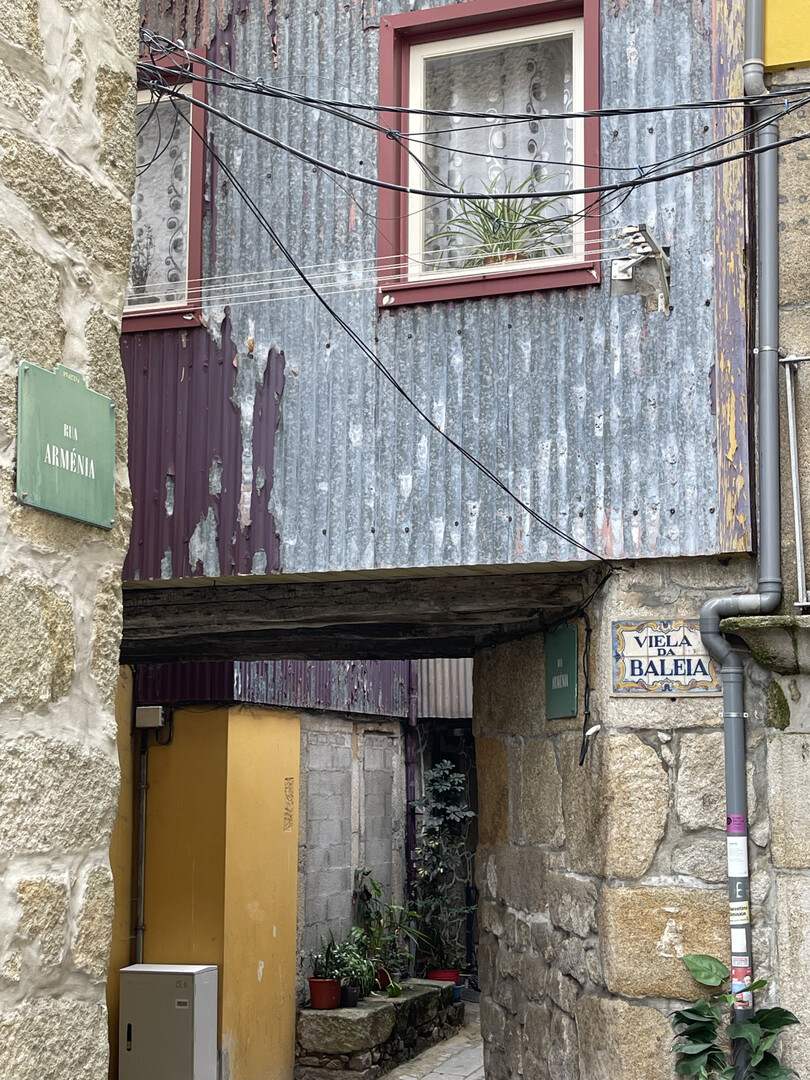

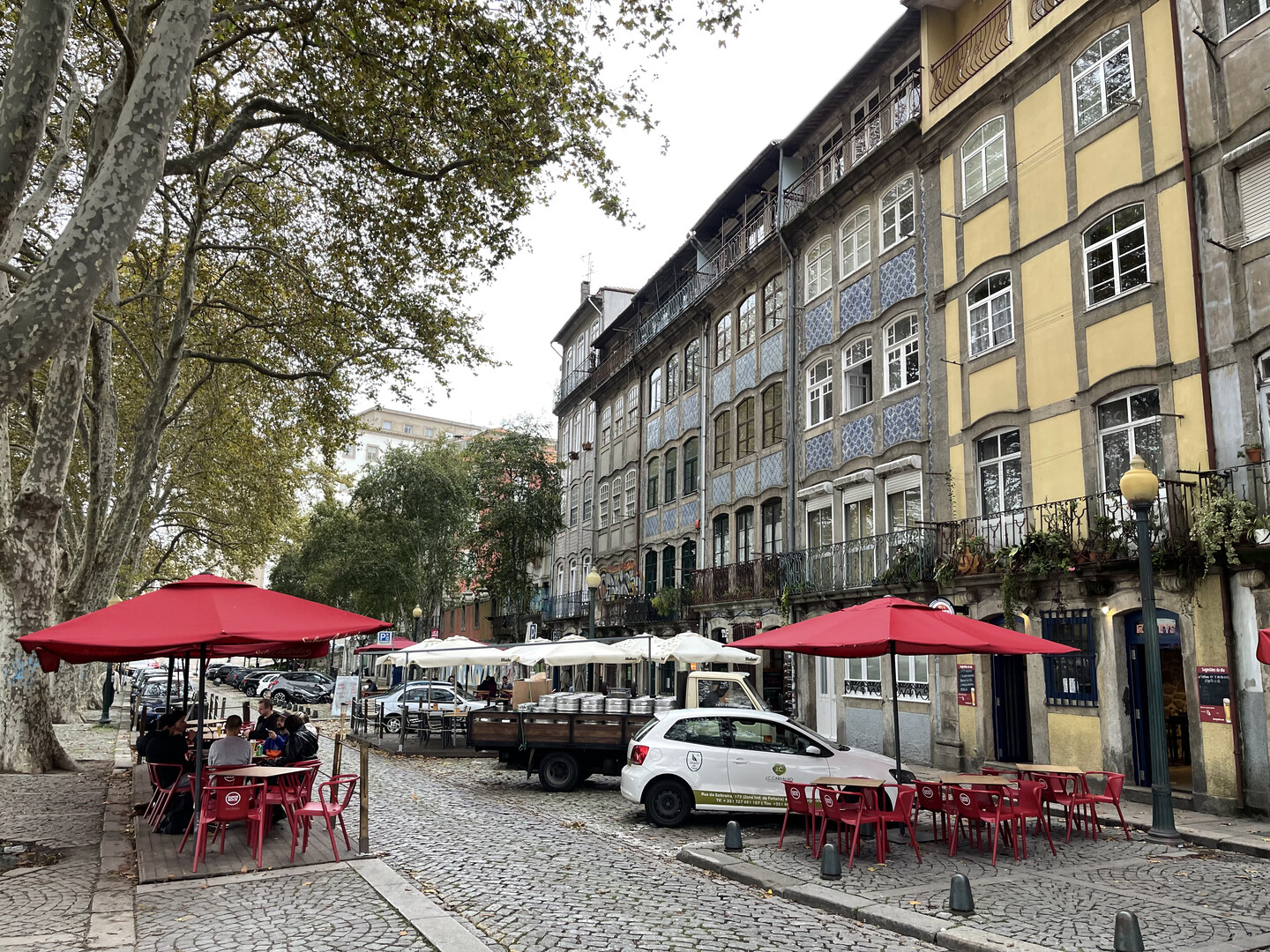
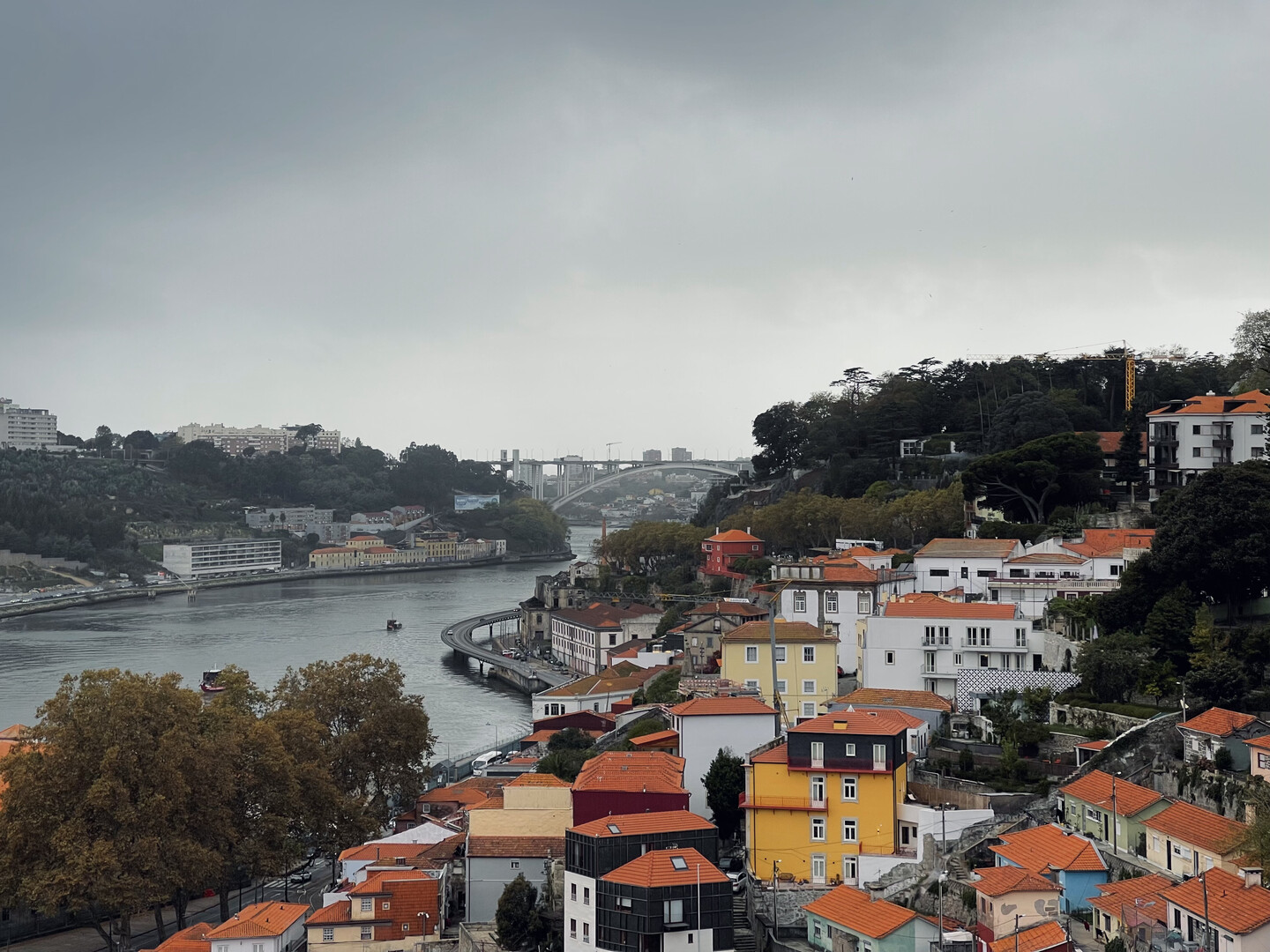
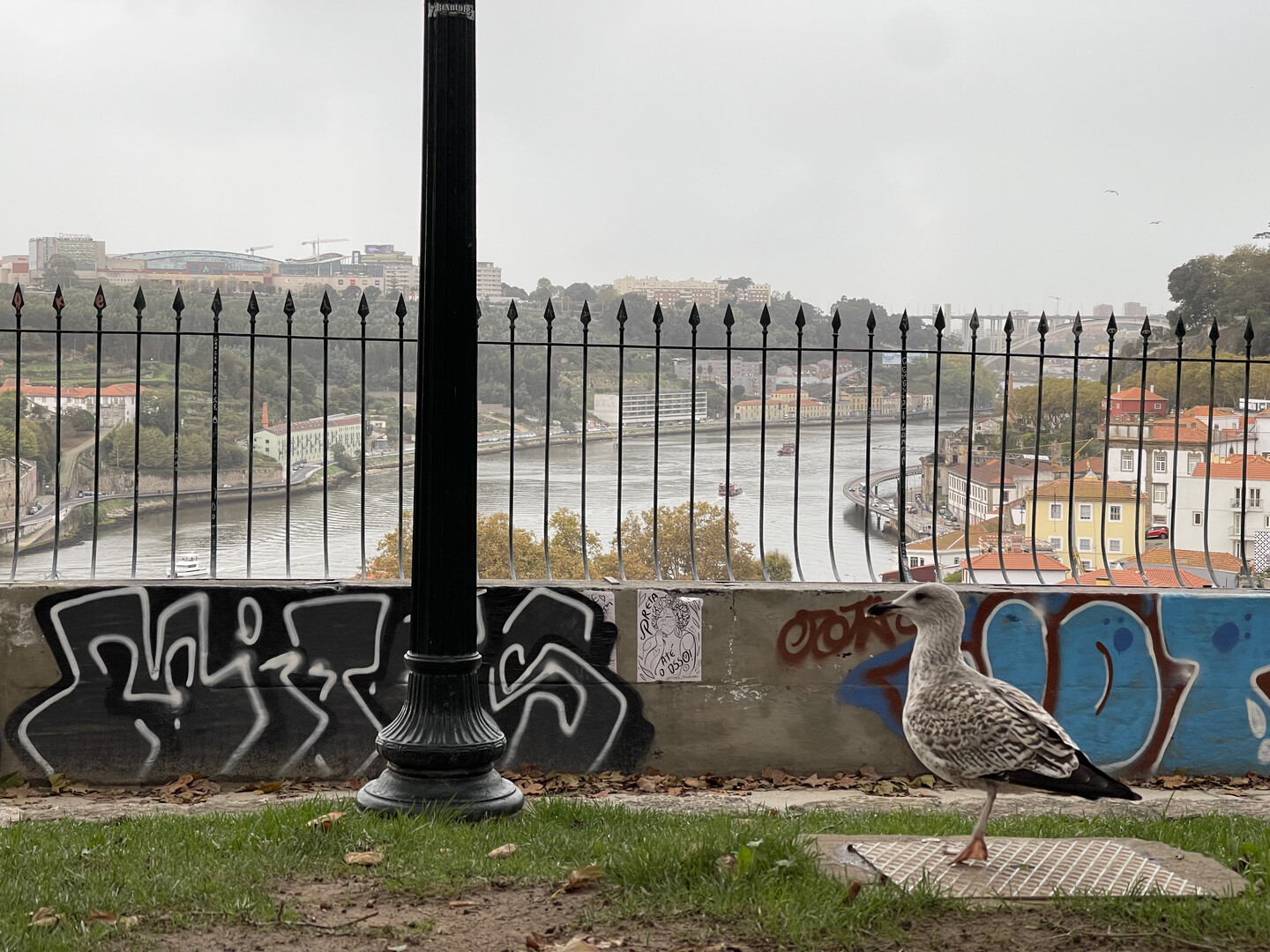
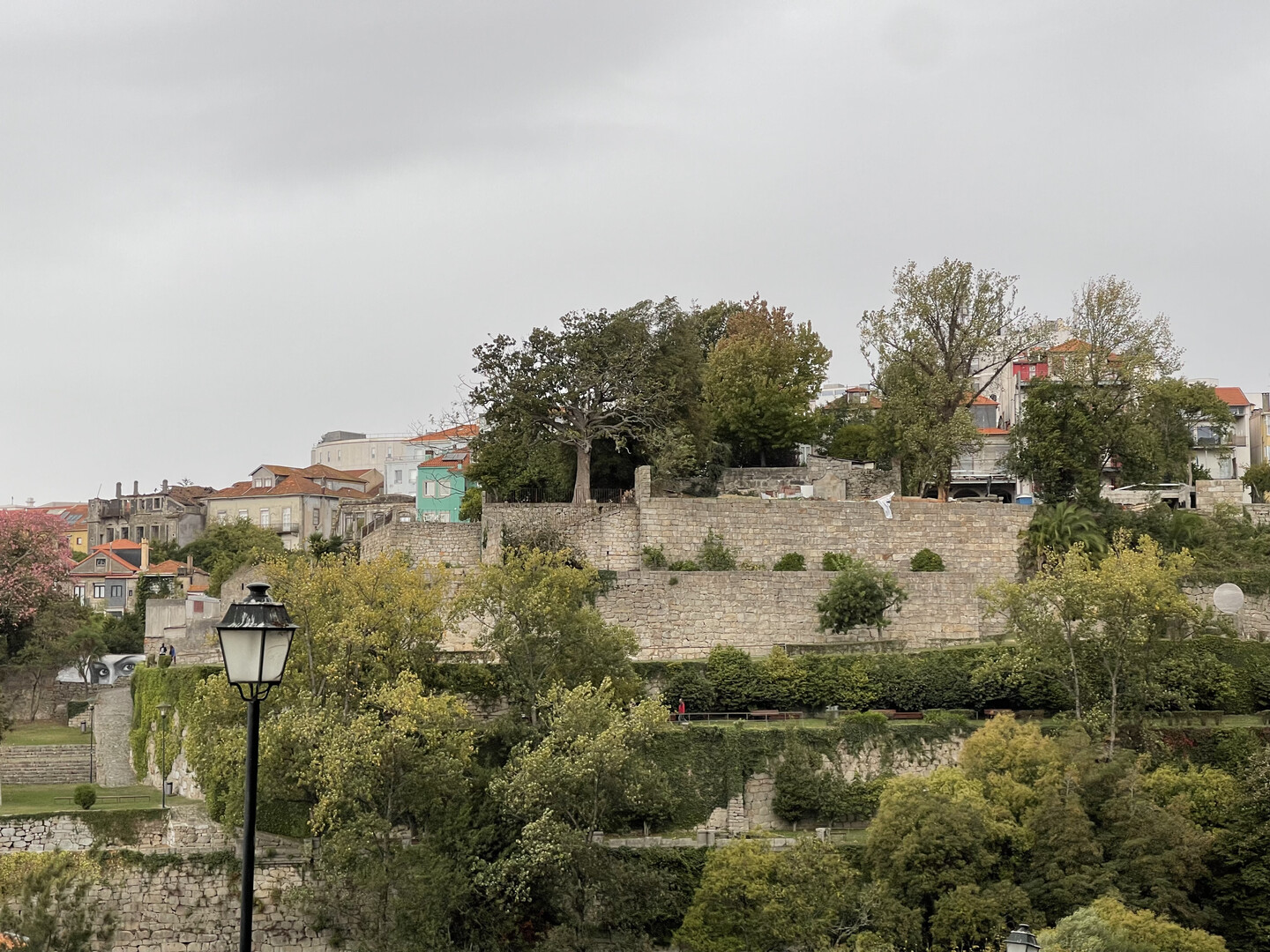
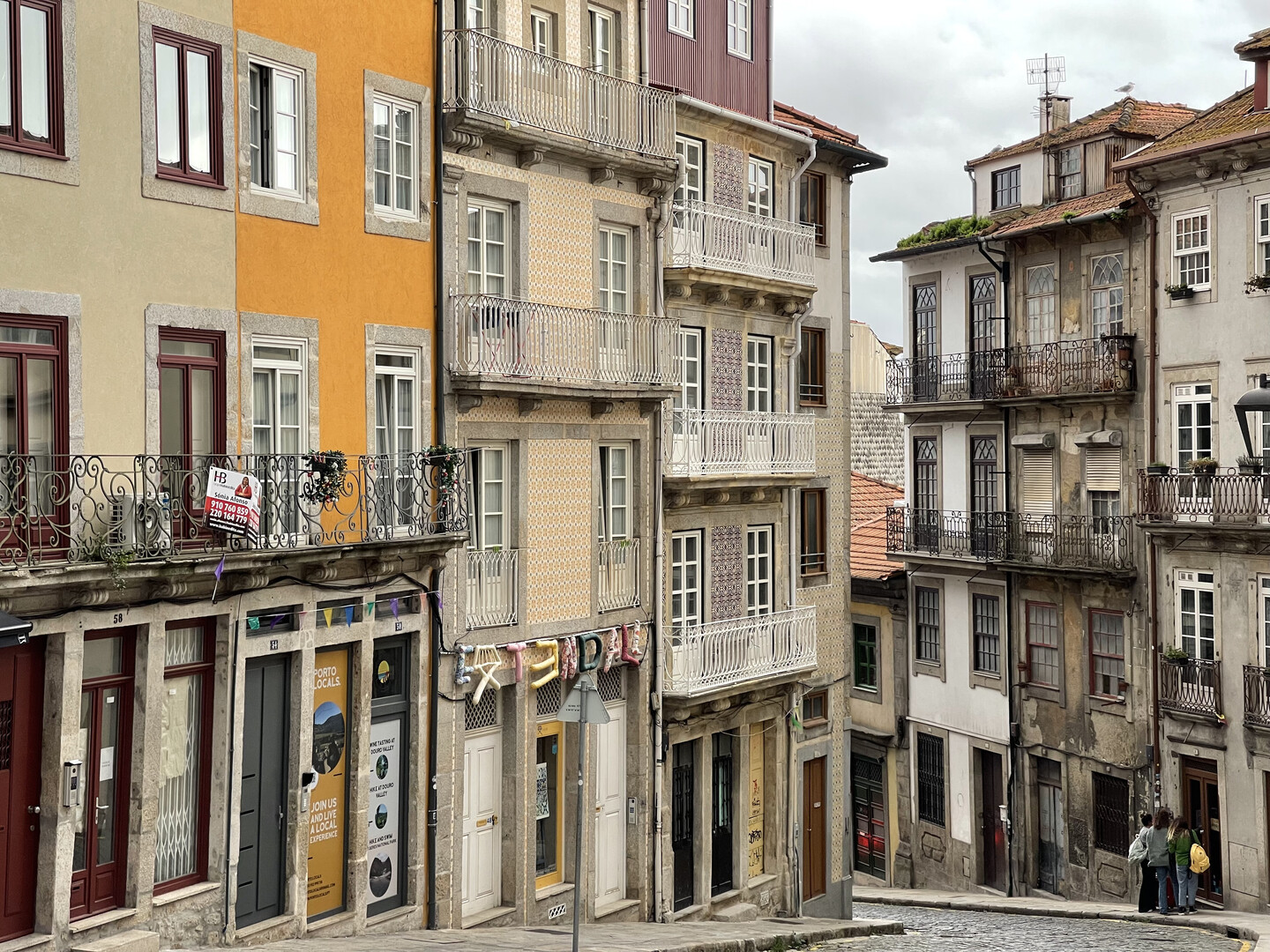
Porto is a very pretty city whose future is predicated on two things: 1. Remaining pretty. 2. Remaining cheap.
There are too many places like it. Cities that rely on tourism make me sad.