- Published on
Lisbon, Portugal
Tags
Time of Visit: October 22-25, 2022
Ask Jared Diamond what he thinks of the Portuguese economy, and he will undoubtedly say that Portugal is doomed to be poor because port wine and sardines cannot keep a country relevant in the 21st century. From a traditional perspective, the case for investing in Portugal is indeed weak. Its population is aging and a fifth the size of Spain's, its citizens have half the disposable income of Spain's, and being located on the bum end of Europe means it can't benefit from trade, neither by land nor sea (since EU maritime trade is monopolized by Rotterdam and German river ports on the Rhine).
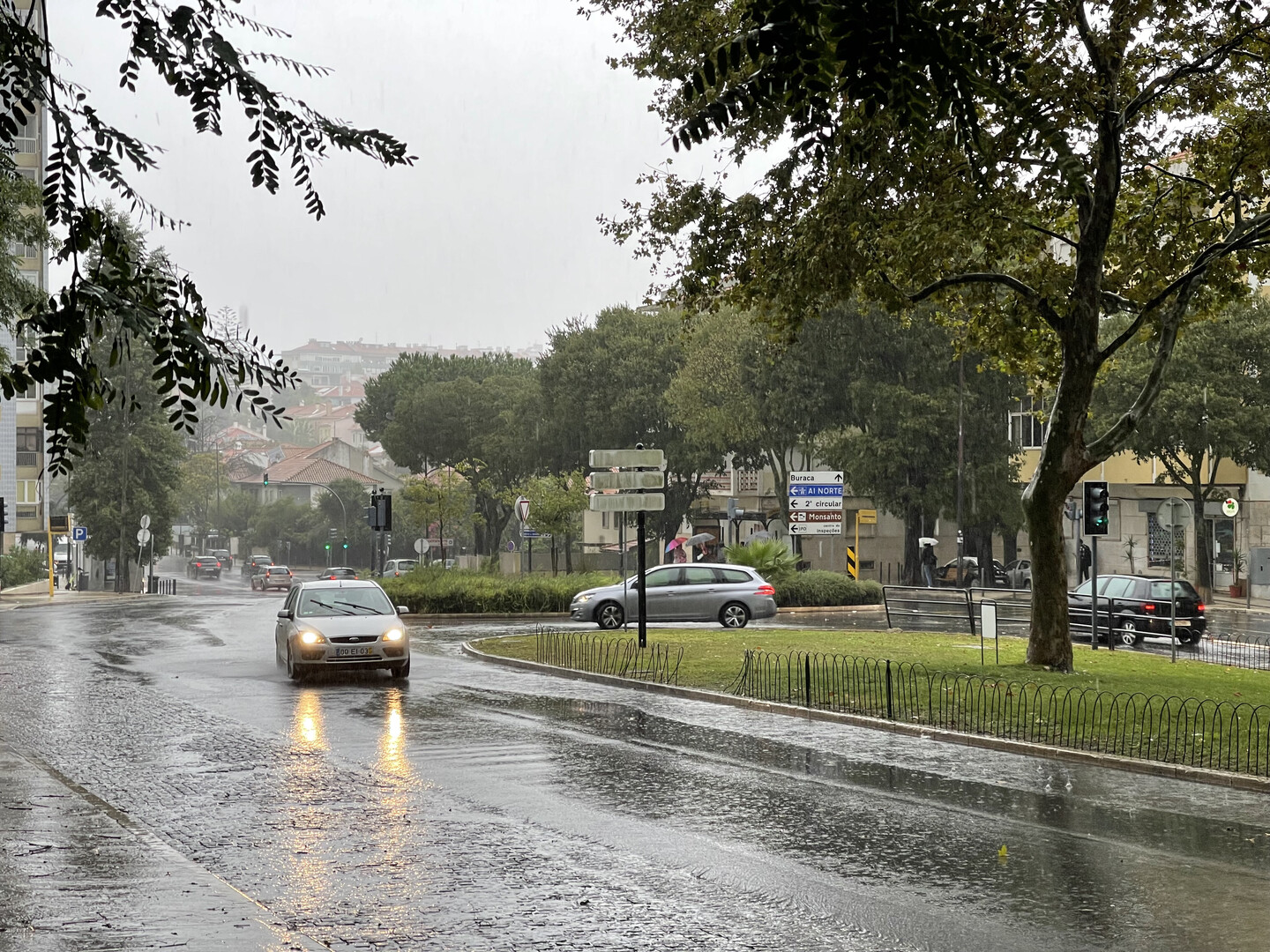
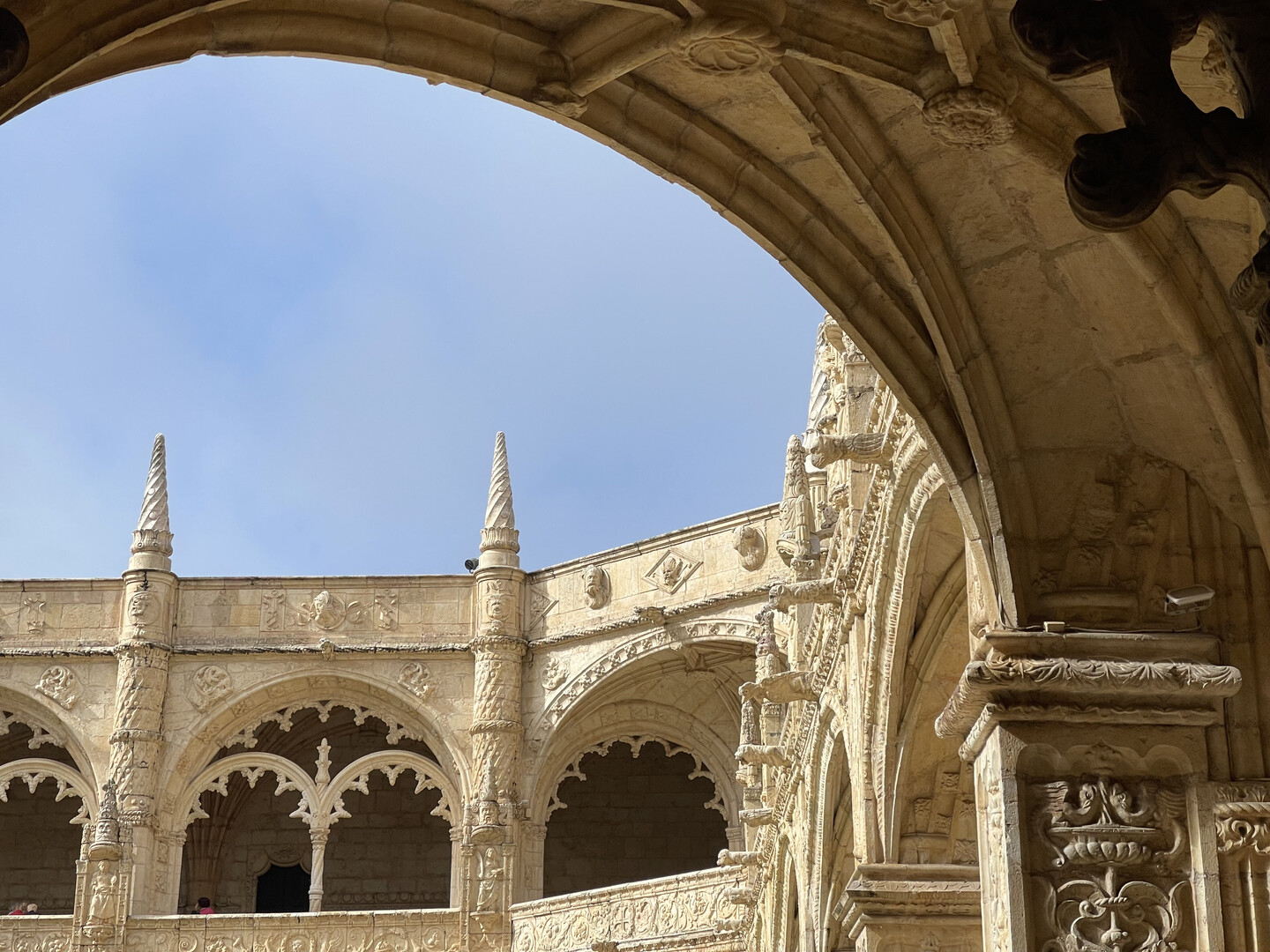
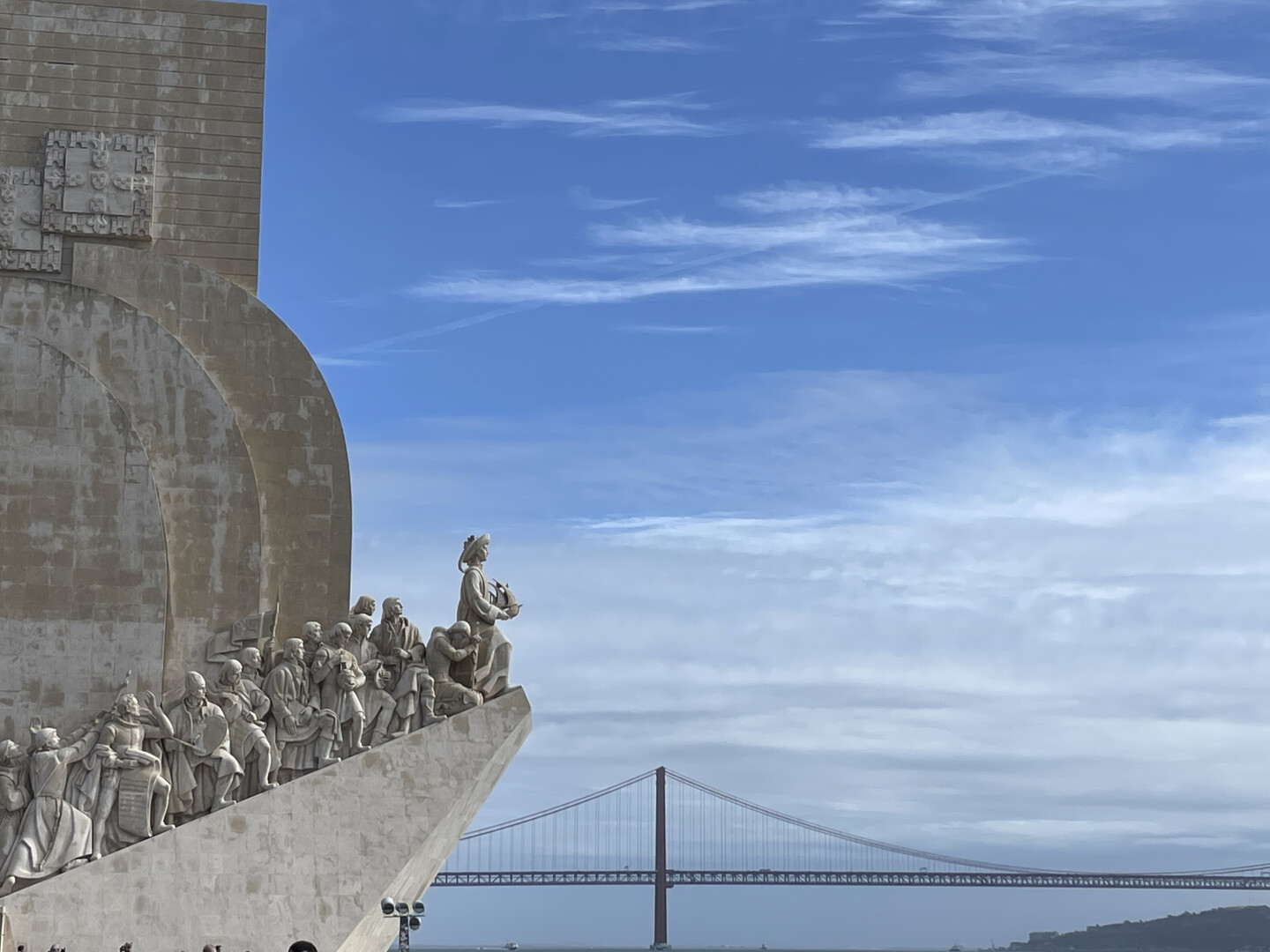
Encumbered as it may be by geography, Portugal recognizes the key ingredient for success in the 21st century: human capital. The most dynamic economies in the world today - USA, China, Japan, and Germany - all have excellent education systems that draw intelligent, ambitious people in and turn them into entrepreneurs.
Portugal, recognizing that its own education system was too difficult to fix, is simply luring these people in from elsewhere. In particular, it's gone all in on marketing itself as a destination for digital nomads: the country recently launched an official digital nomad visa that allows foreign citizens to live one year in Portugal tax-free and pay a flat 15% tax every year after. The policy is part of a broader campaign by the government to promote foreign investment through tax incentives and the elimination of red tape, and it seems to be working: half the people in my hostel were digital nomads scoping out a more permanent place to live.
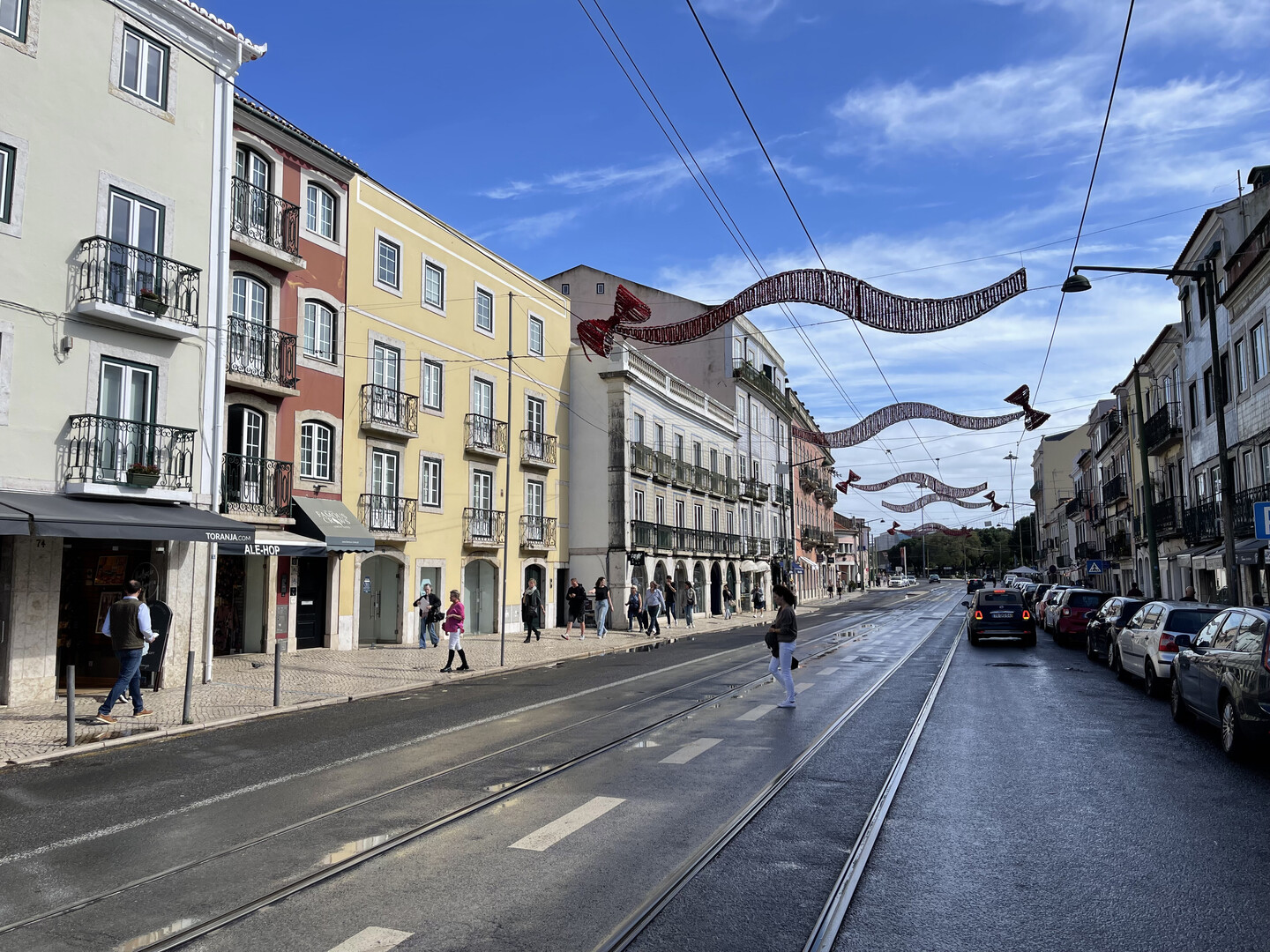
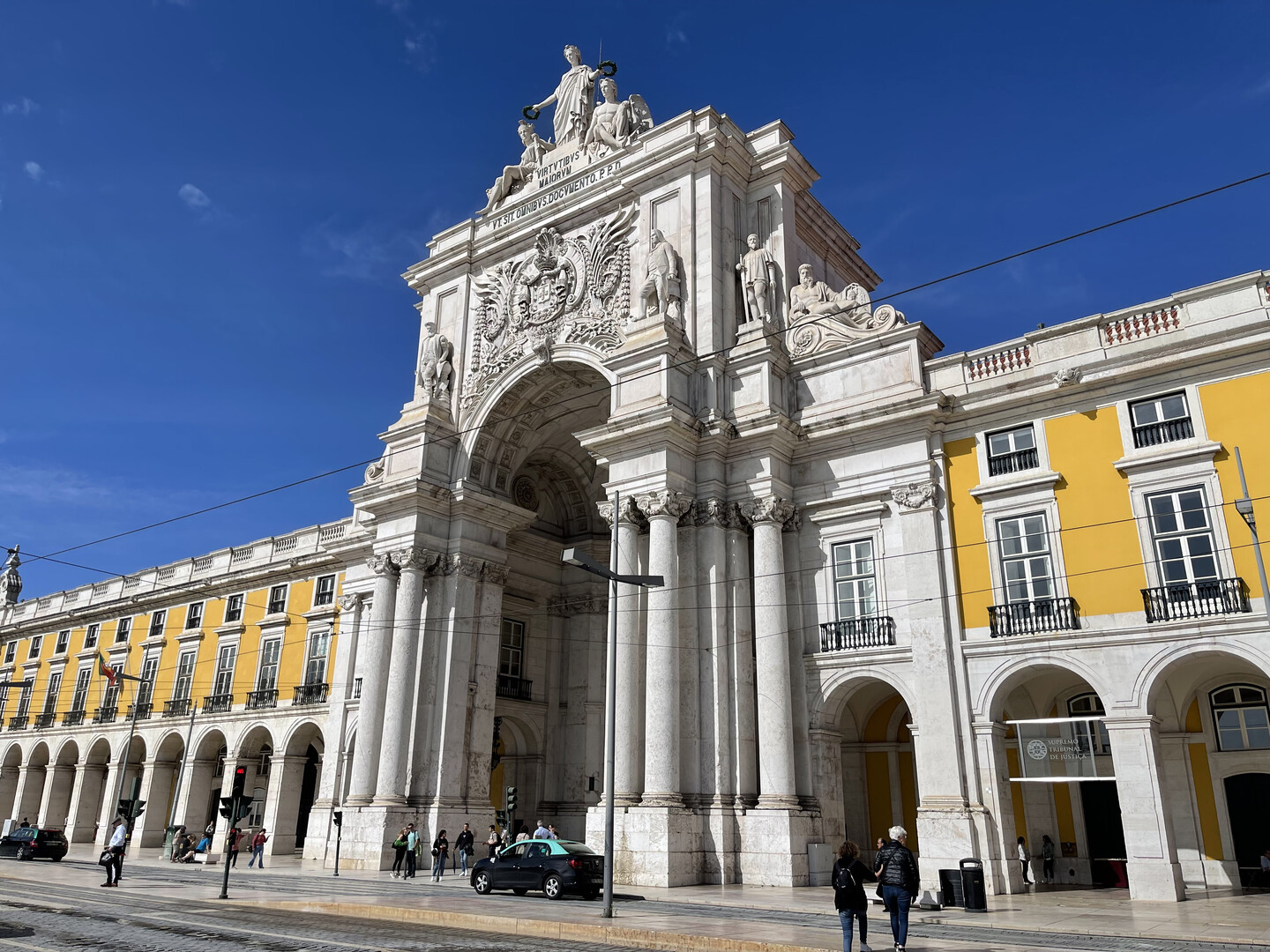
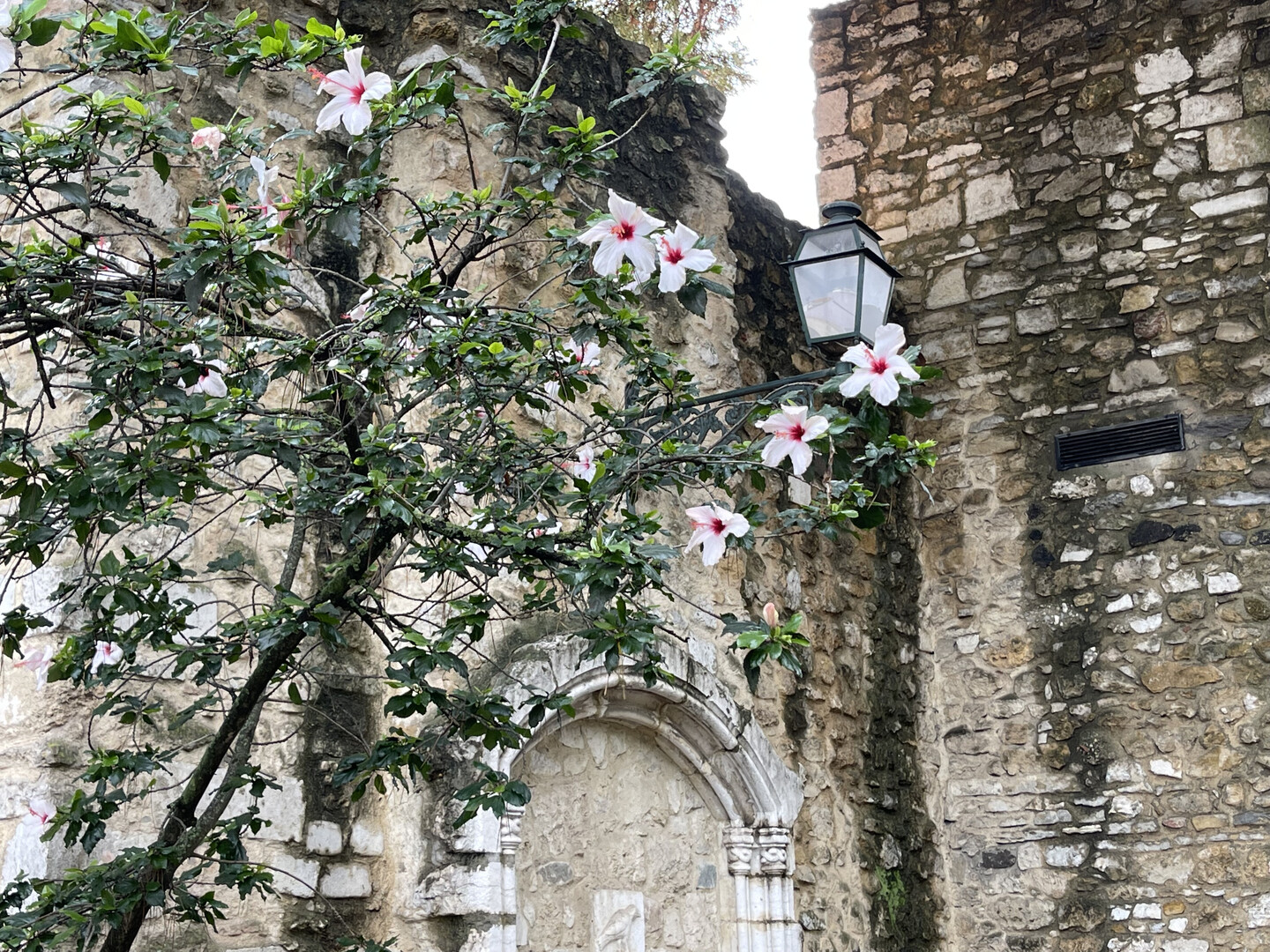
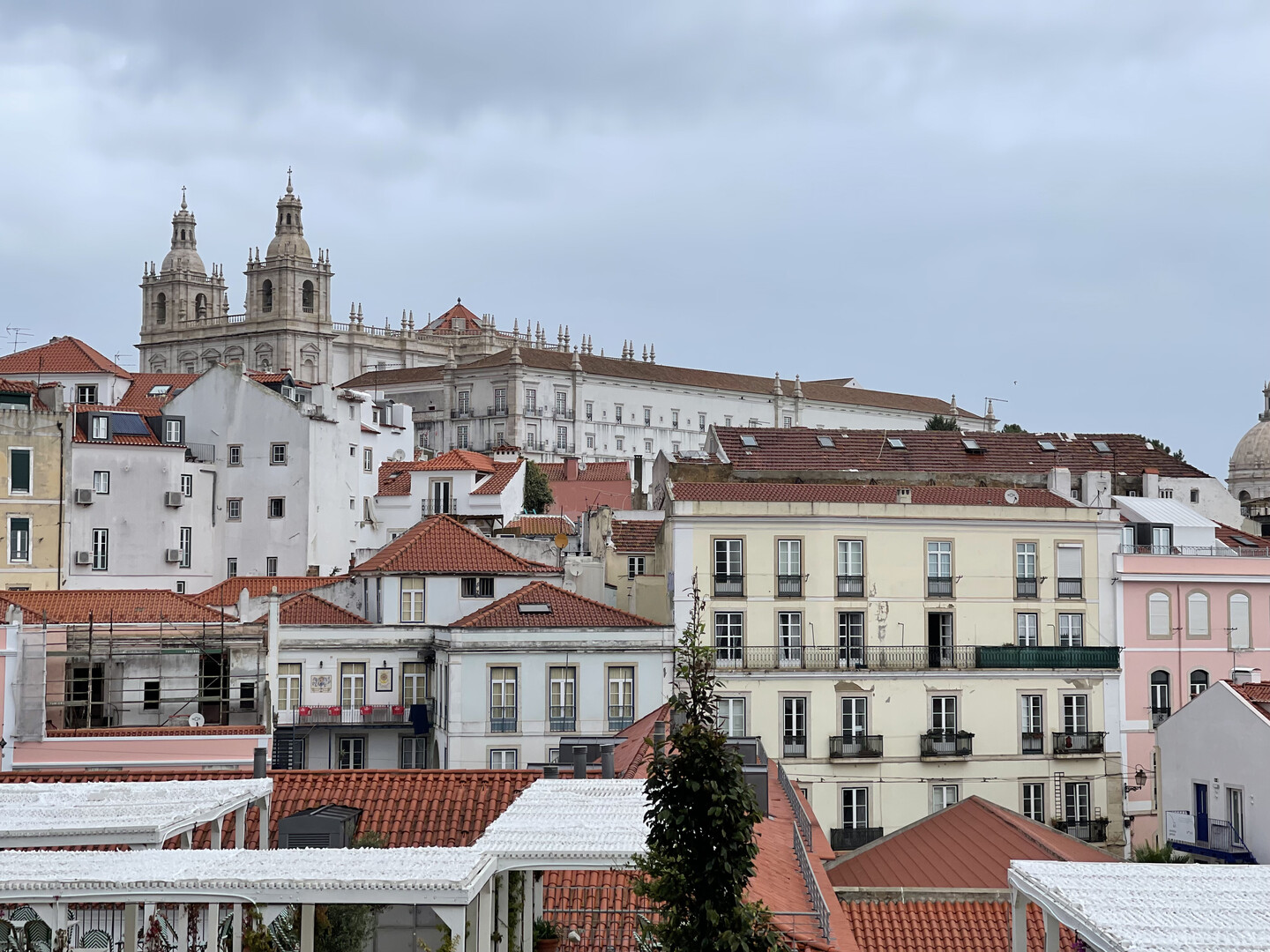
Portugal is attractive to digital nomads because it offers western European standards of living for not-western-European prices. In London, SF, and NYC, rent for a one-bedroom apartment averages $3000; in Lisbon it is $650. An artist living in the wealthiest neighborhood of the city complained to me that his rent increased from 750 euros the previous year to 900 euros this year. This might be a significant increase to a Portuguese person making 20,000 euros a year, but to a tech worker making over $200,000 a year?
But as more rich people come in and rent increases and residents have more disposable income, won't the cost of living will go up, driving the original people away and making the policy self-defeating?
My prediction: yes, but not as much as you might think. Portugal, and more specifically Lisbon, will undergo Silicon Valley-ization: foreign entrepreneurs and tech workers will displace natives in Lisbon's most central and desirable districts, but the overall cost of living will be kept artificially low by cheap labor consisting of immigrants from Portugal's former colonies, even as native Portuguese age and die out. Housing prices won't be too bad, either, because the Portuguese aren't afraid of building huge dense apartment buildings - an unthinkable act in Silicon Valley. The government will have to maintain a delicate balancing act between welfare spending and making sure that the cost of living is low enough to be attractive to foreign talent. But the country, overall, will probably get richer.
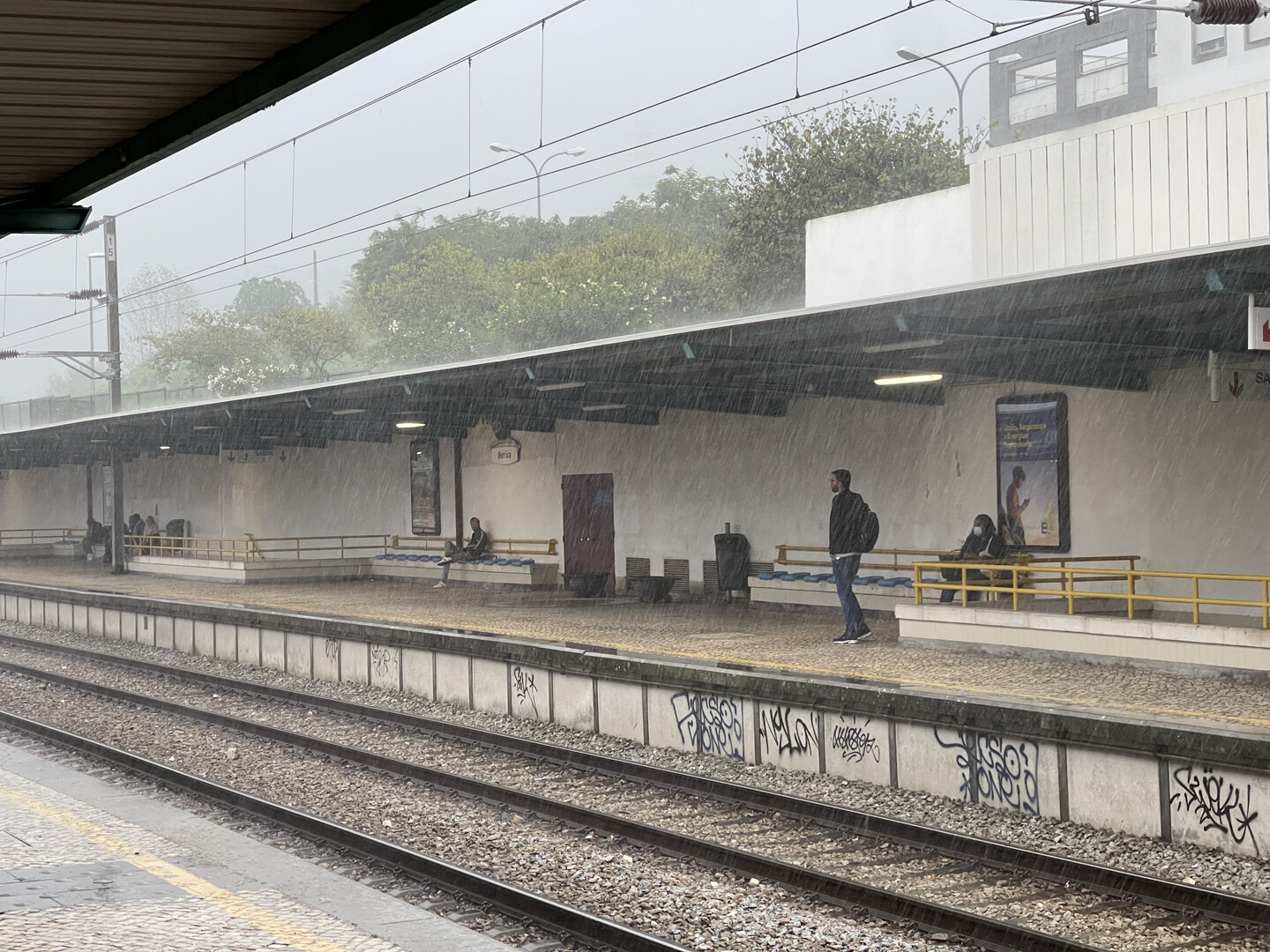
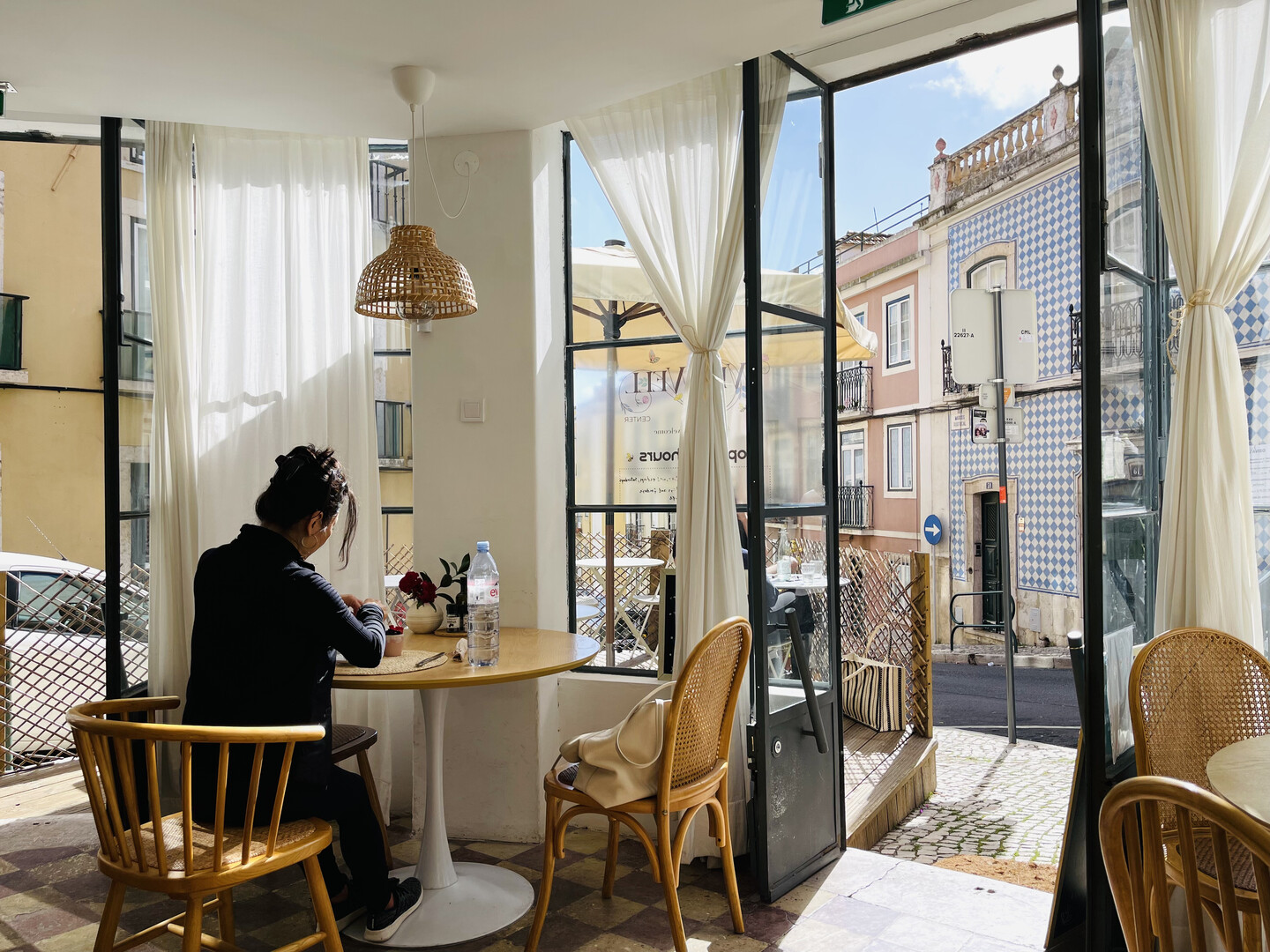
This is largely conjecture, of course, but walking around Lisbon and chats with locals suggests that this is the general trajectory of the country. Commuter trains linking the city center to the suburbs are 50% occupied by Brazilian, Angolan, Goan, and Cape Verdean immigrants. Meanwhile, every trendy coffee shop in the city center is filled with lanky tech workers clacking away at their Macbooks. (Some cafes have even removed their Wi-Fi to discourage this.)
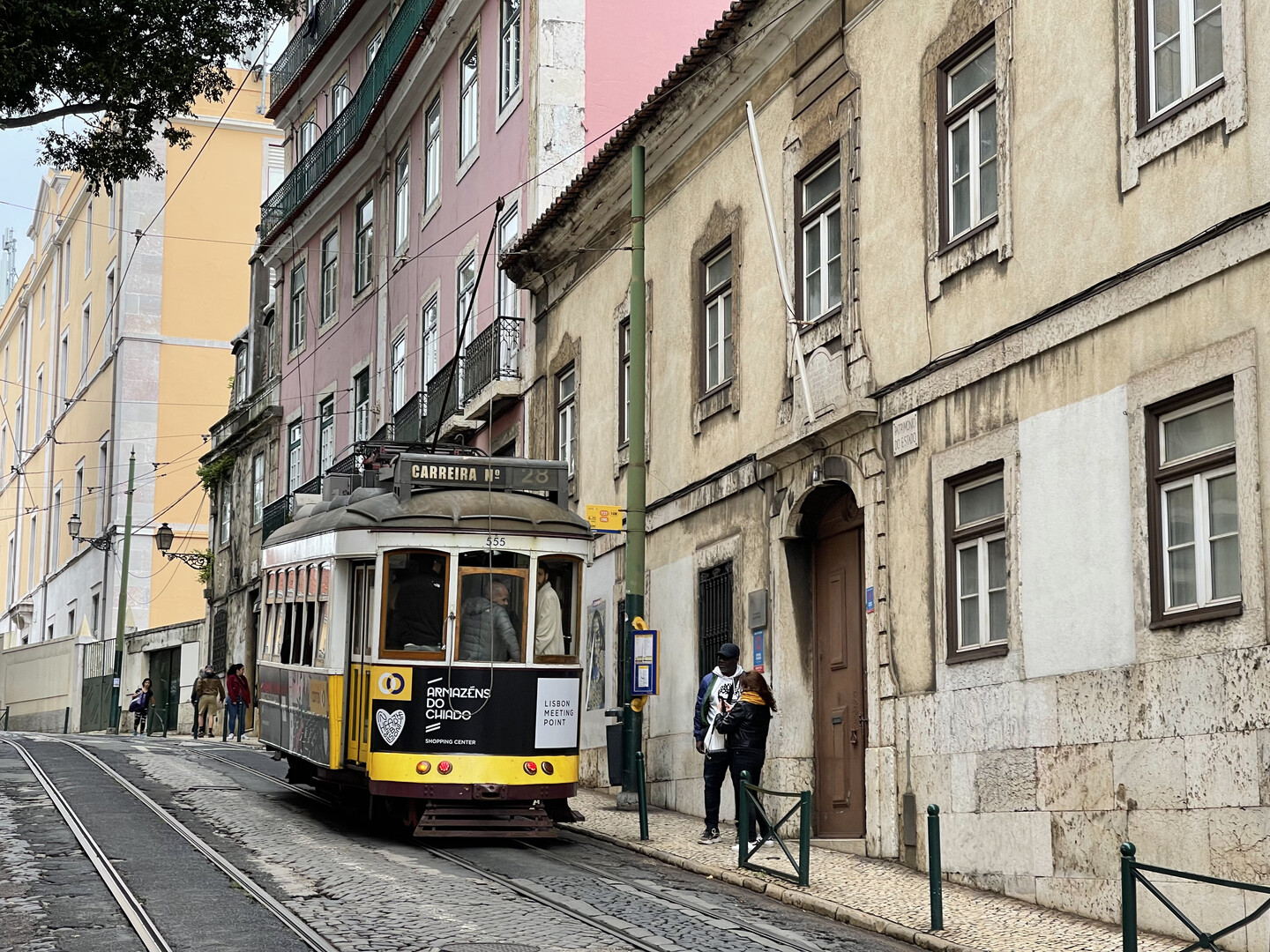
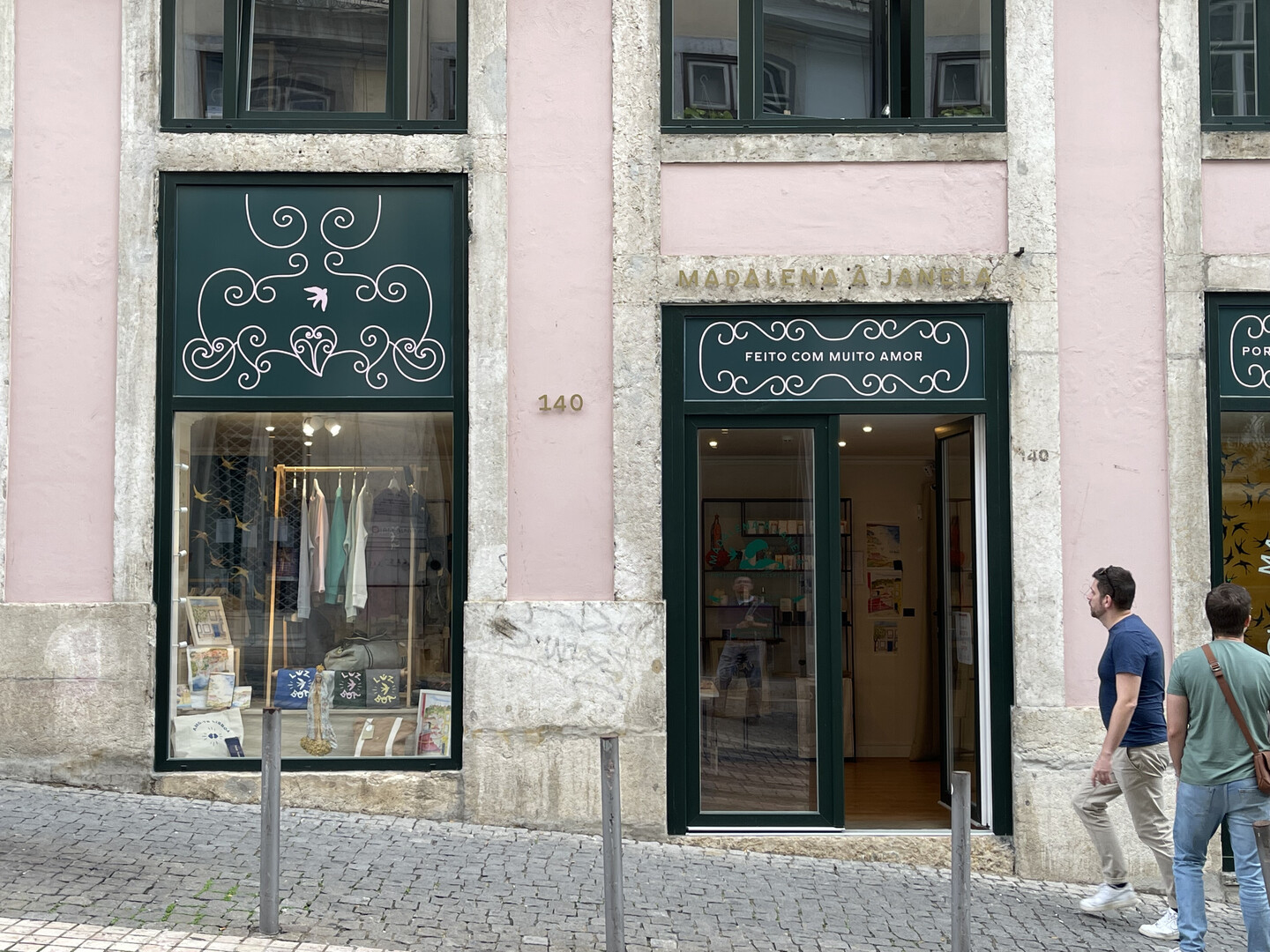
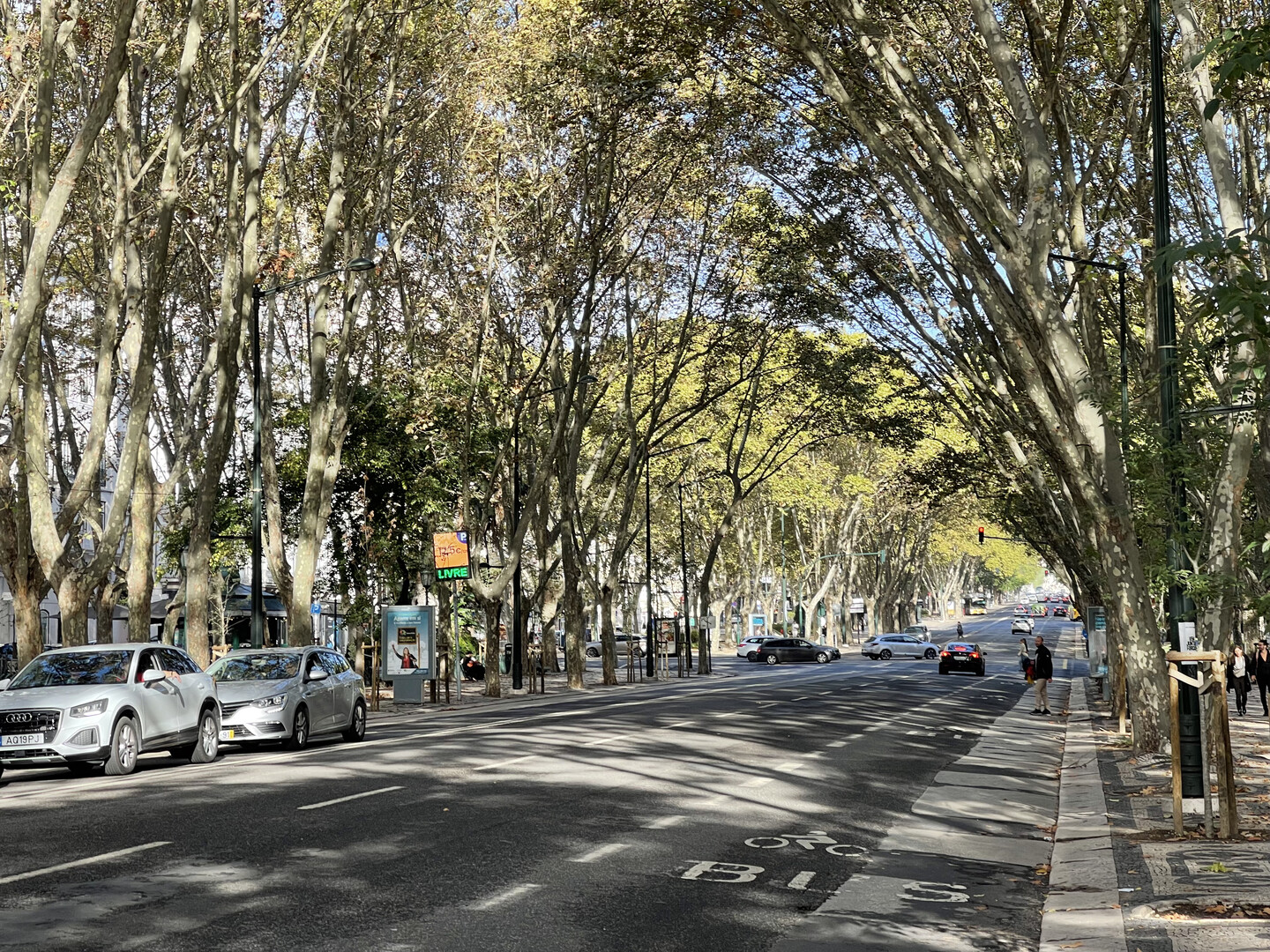
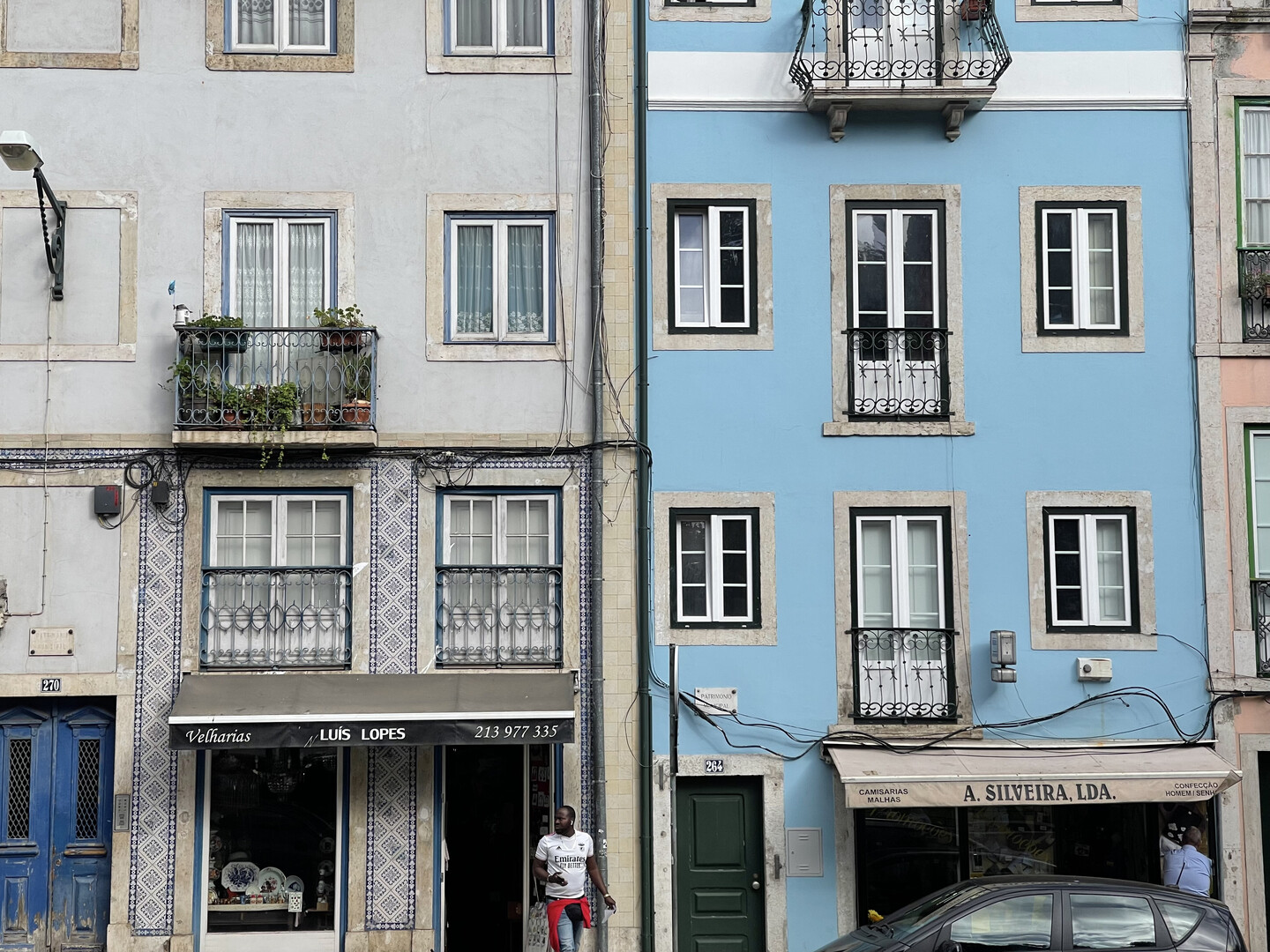
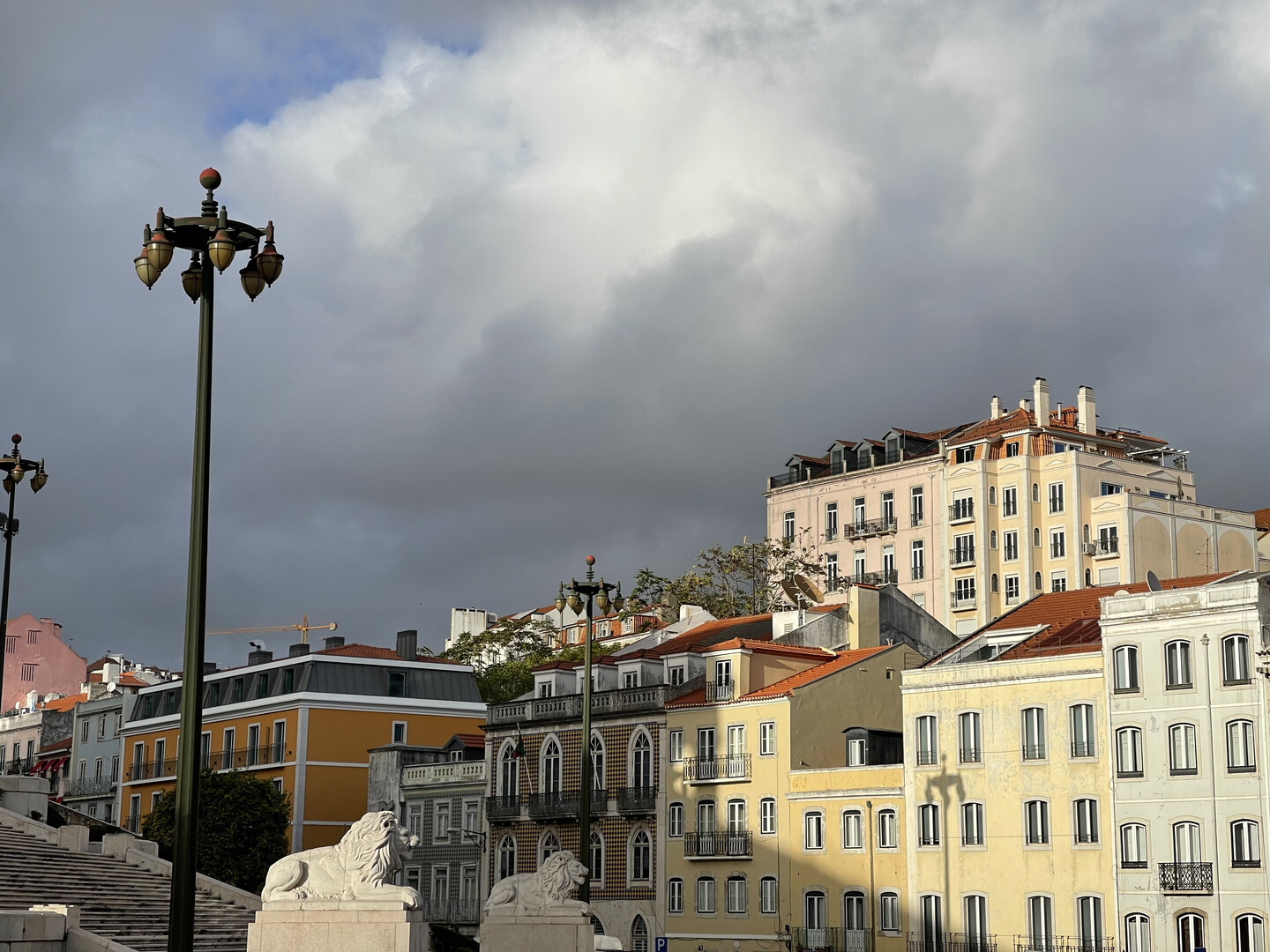
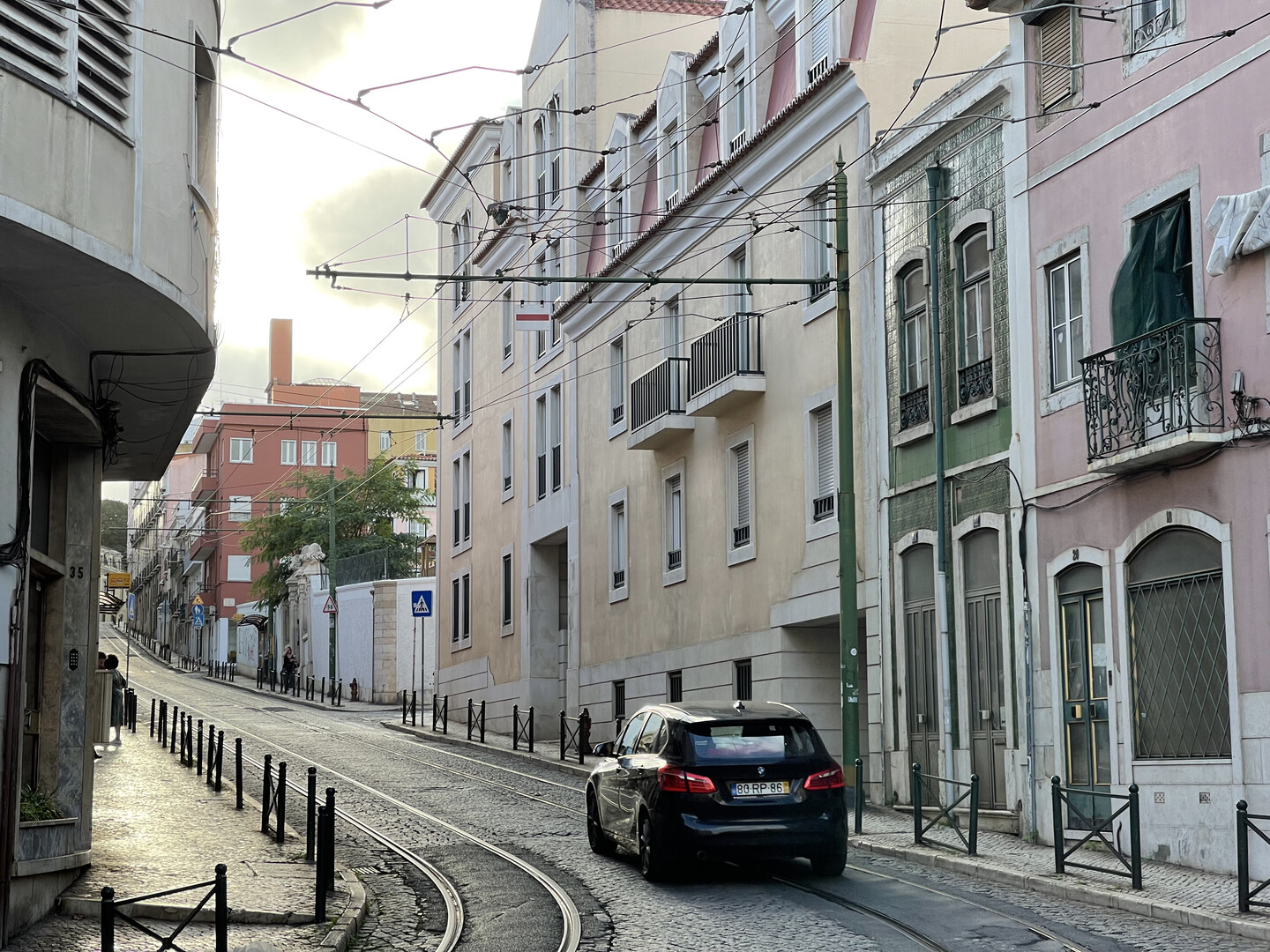
Even putting its cheapness aside, it's easy to fall in love with Lisbon, as long as you don't mind stairs. The influx of foreign capital has brought a surprisingly international vibe to the city without destroying its traditional charm. A robust public transportation system of trains, trams, and buses connects every nook and cranny of the city.
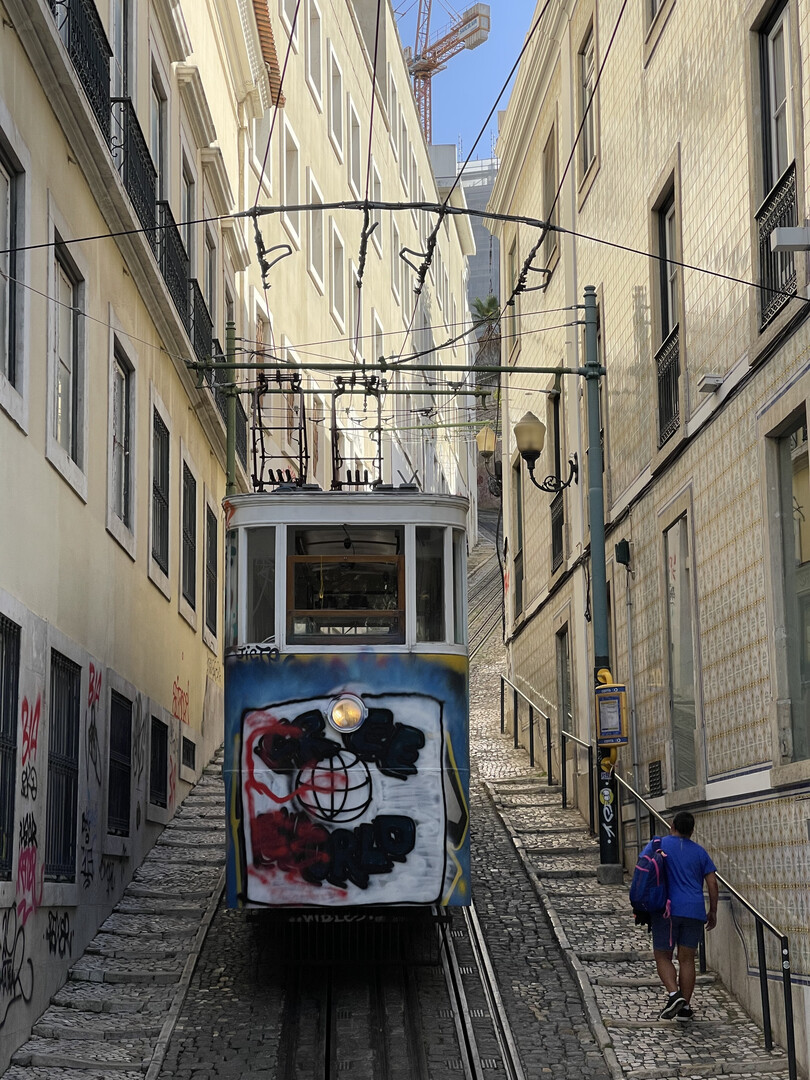
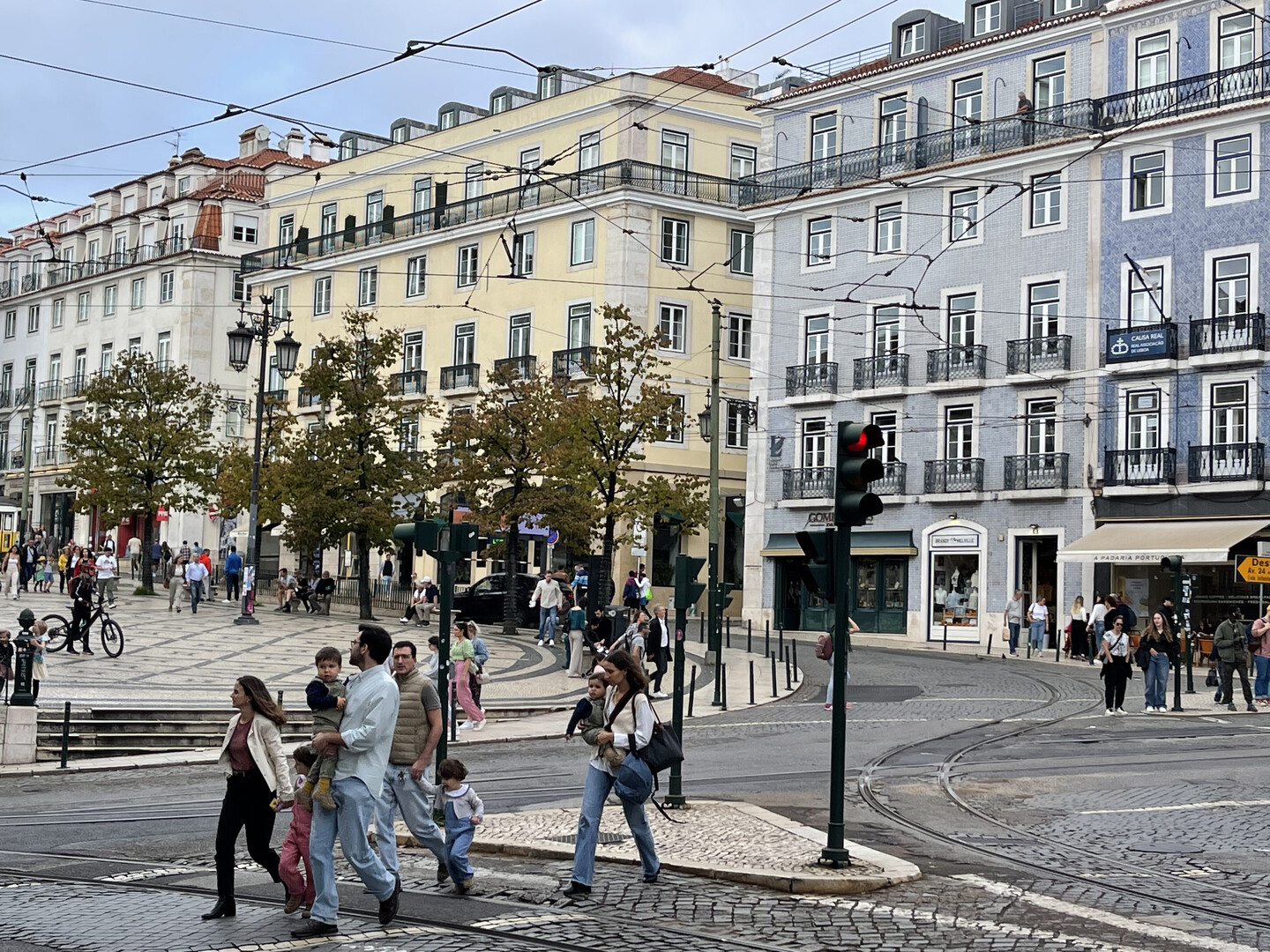
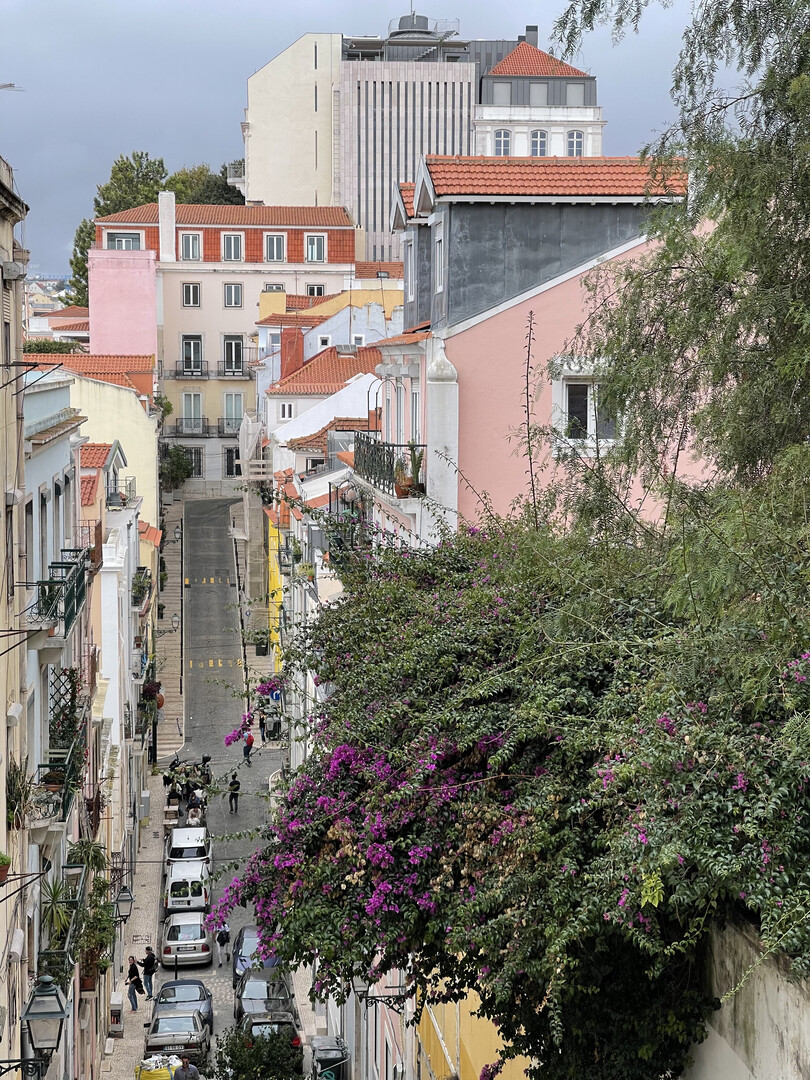
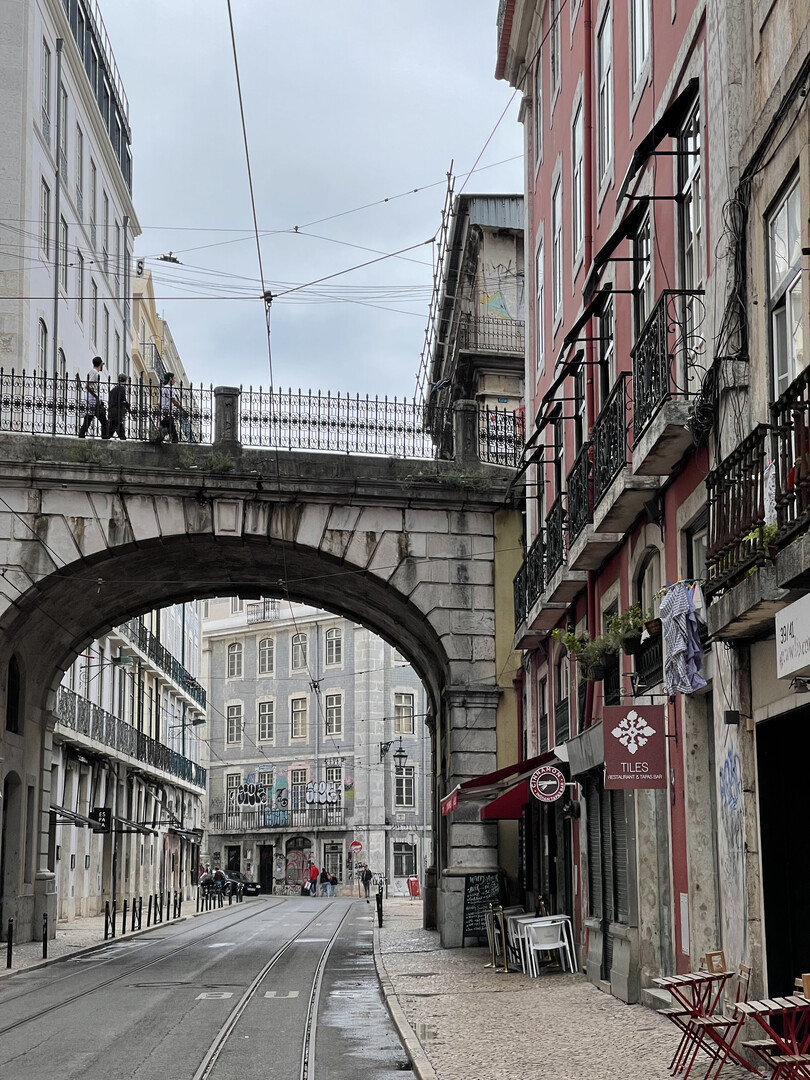
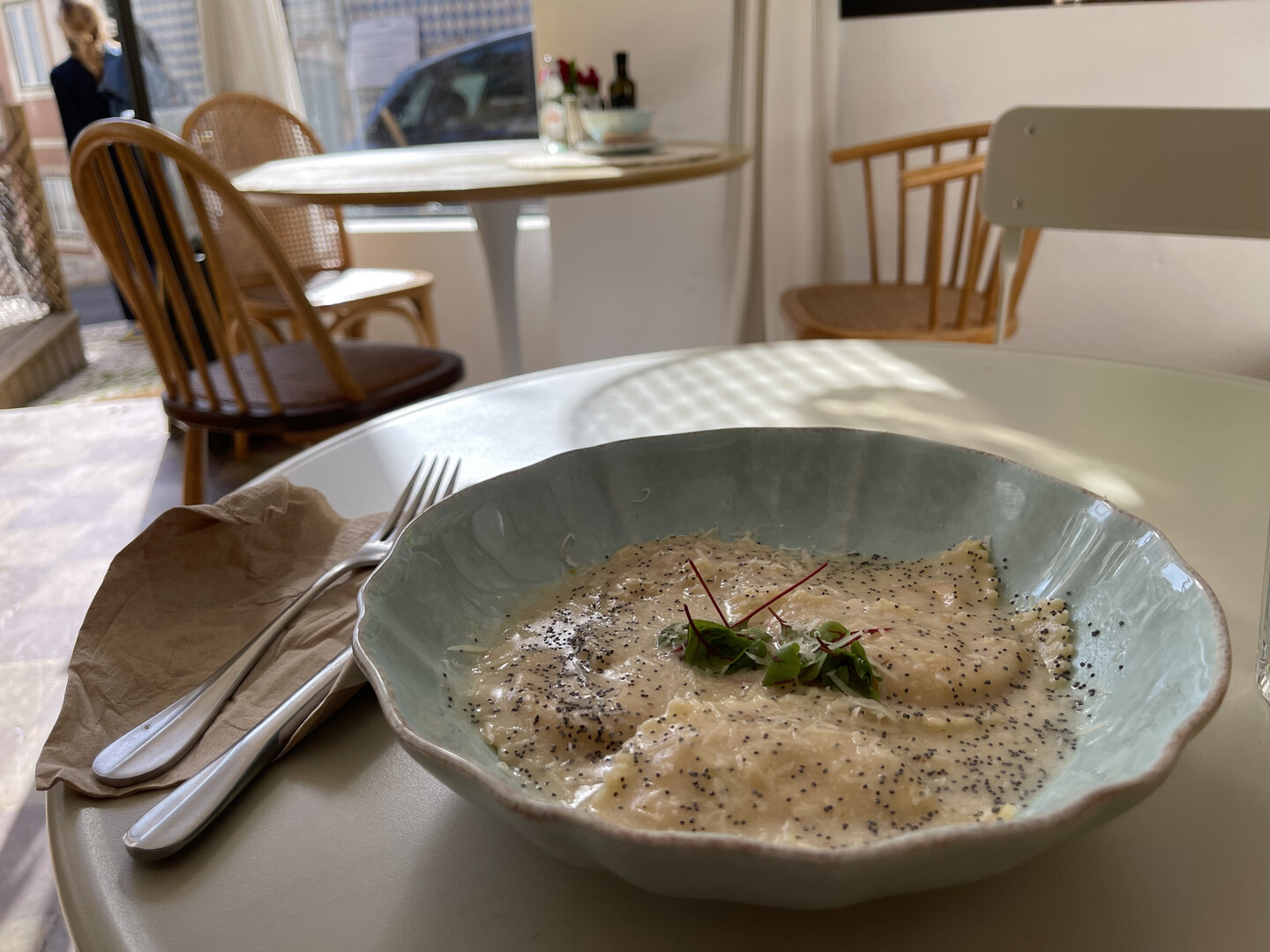
Portuguese food (other than the pastries) isn't really worth writing home about, but there's plenty of great Italian, Japanese, and of course, American food to be had. Americans will feel particularly at home with high-quality brunch spots all over the city that charge half of what they would back home.
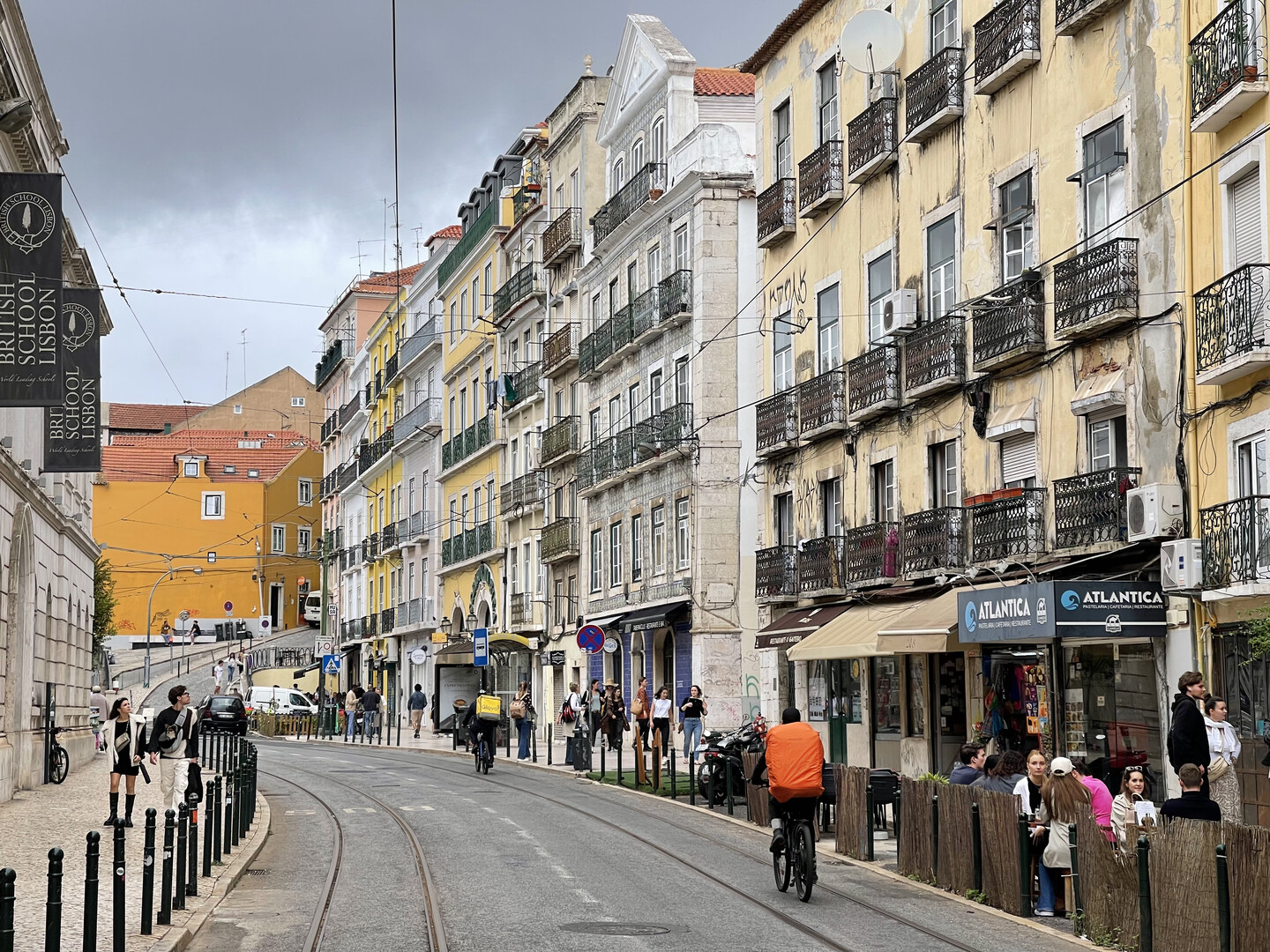
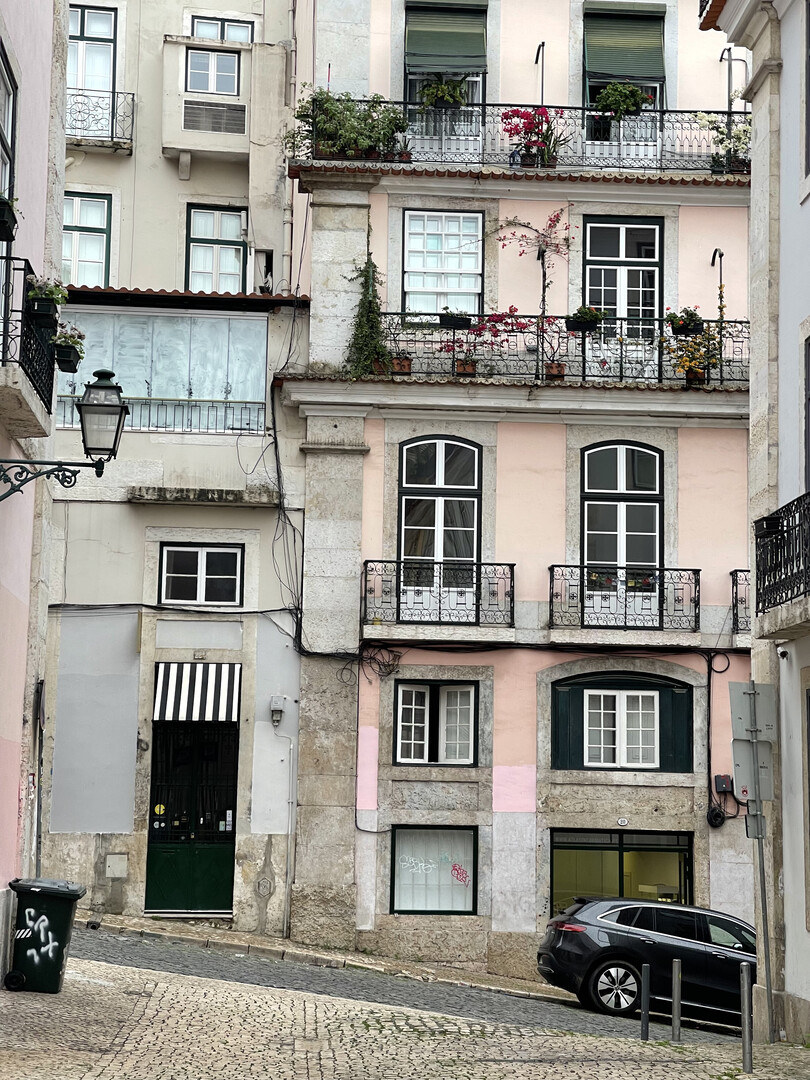
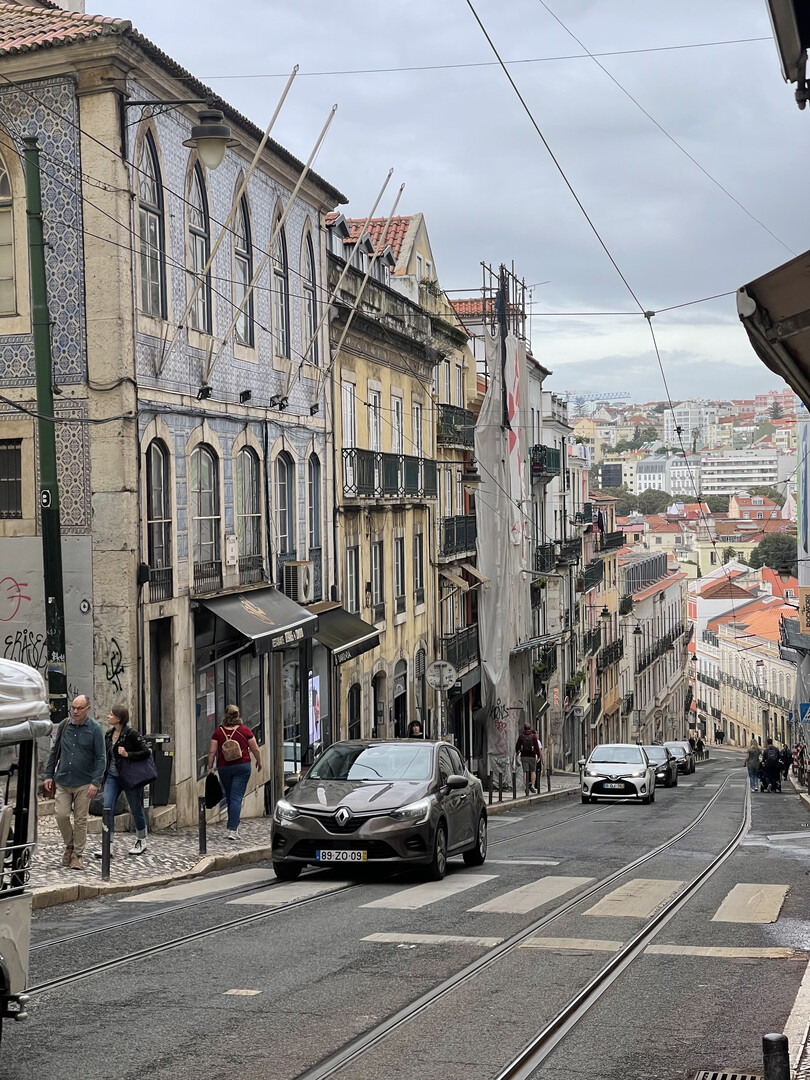
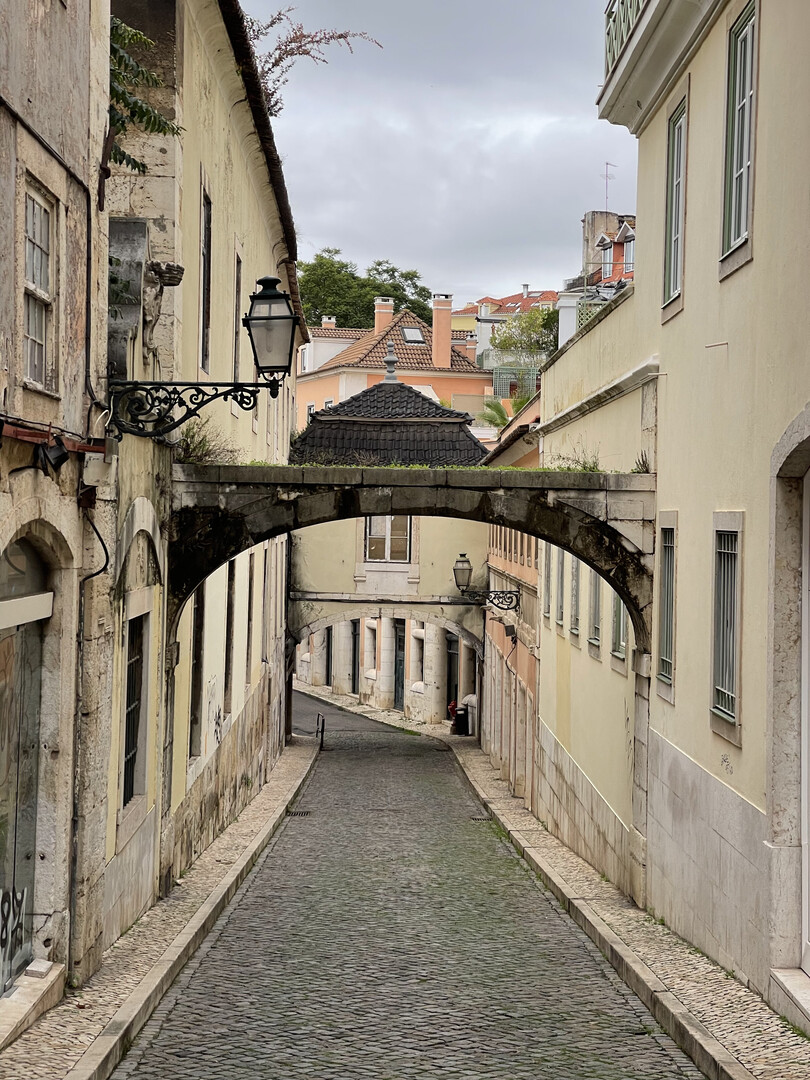
My favorite neighborhood in Lisbon is Principe Real, a bit off the tourist trail. Quiet, verdant, and wealthy, its cafes, art galleries, and boutique stores made me want to stay forever and explore every last corner.
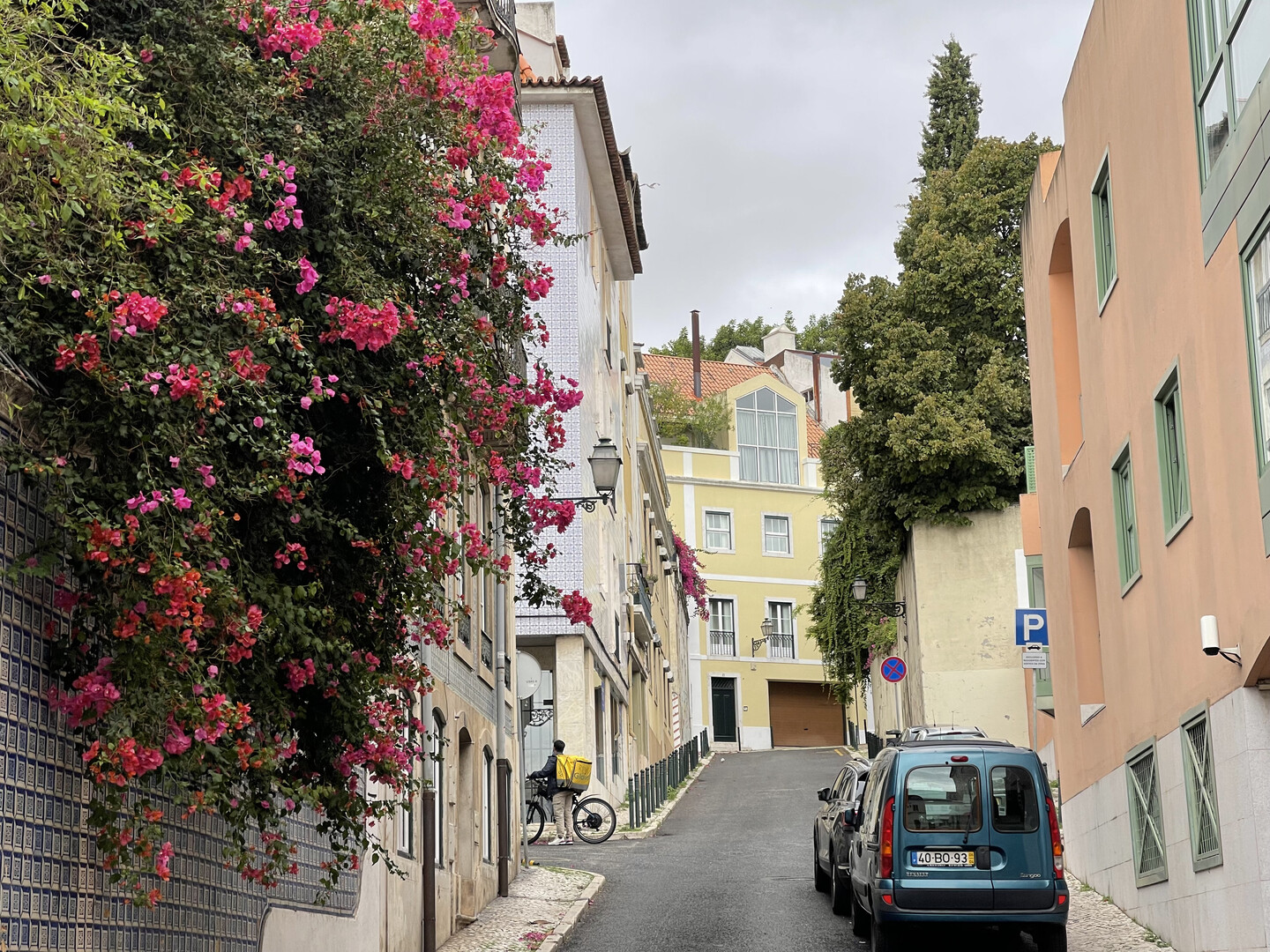
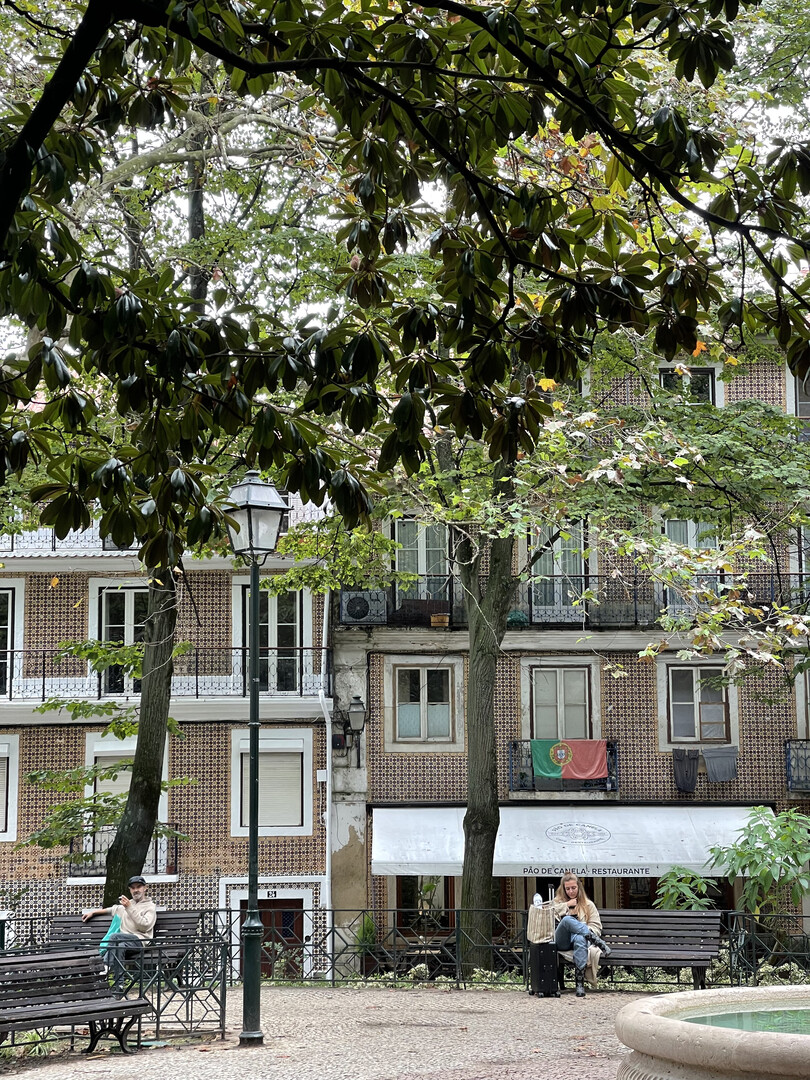
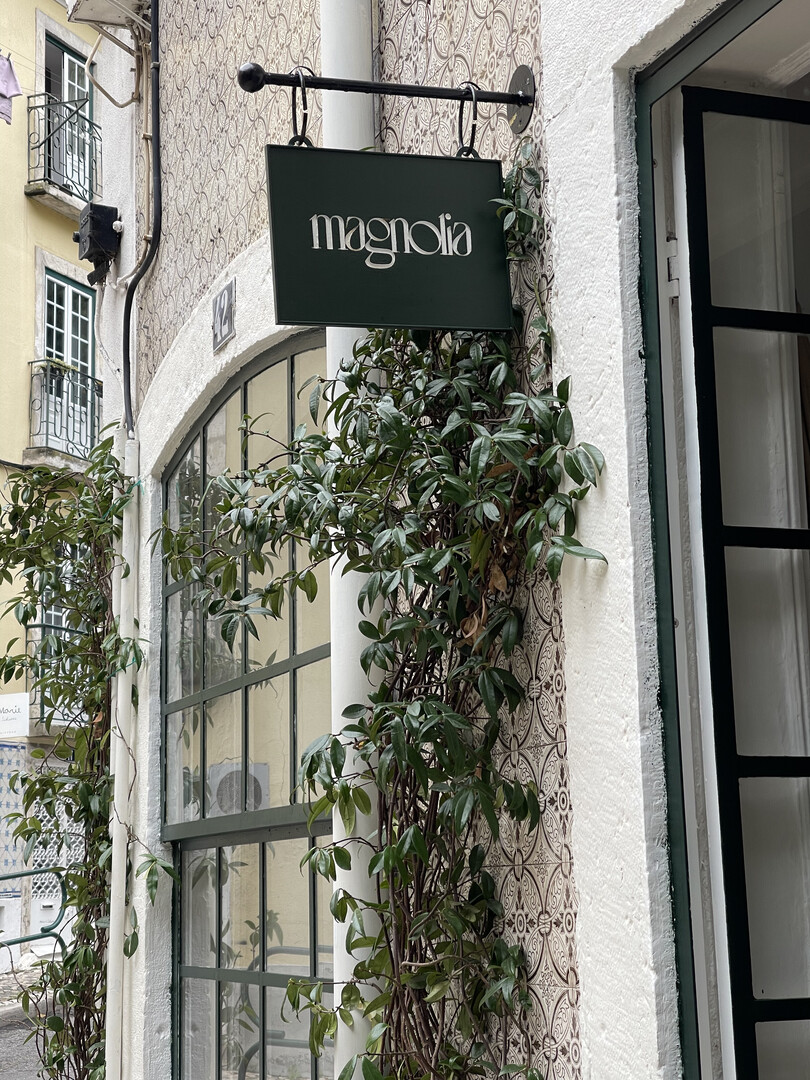
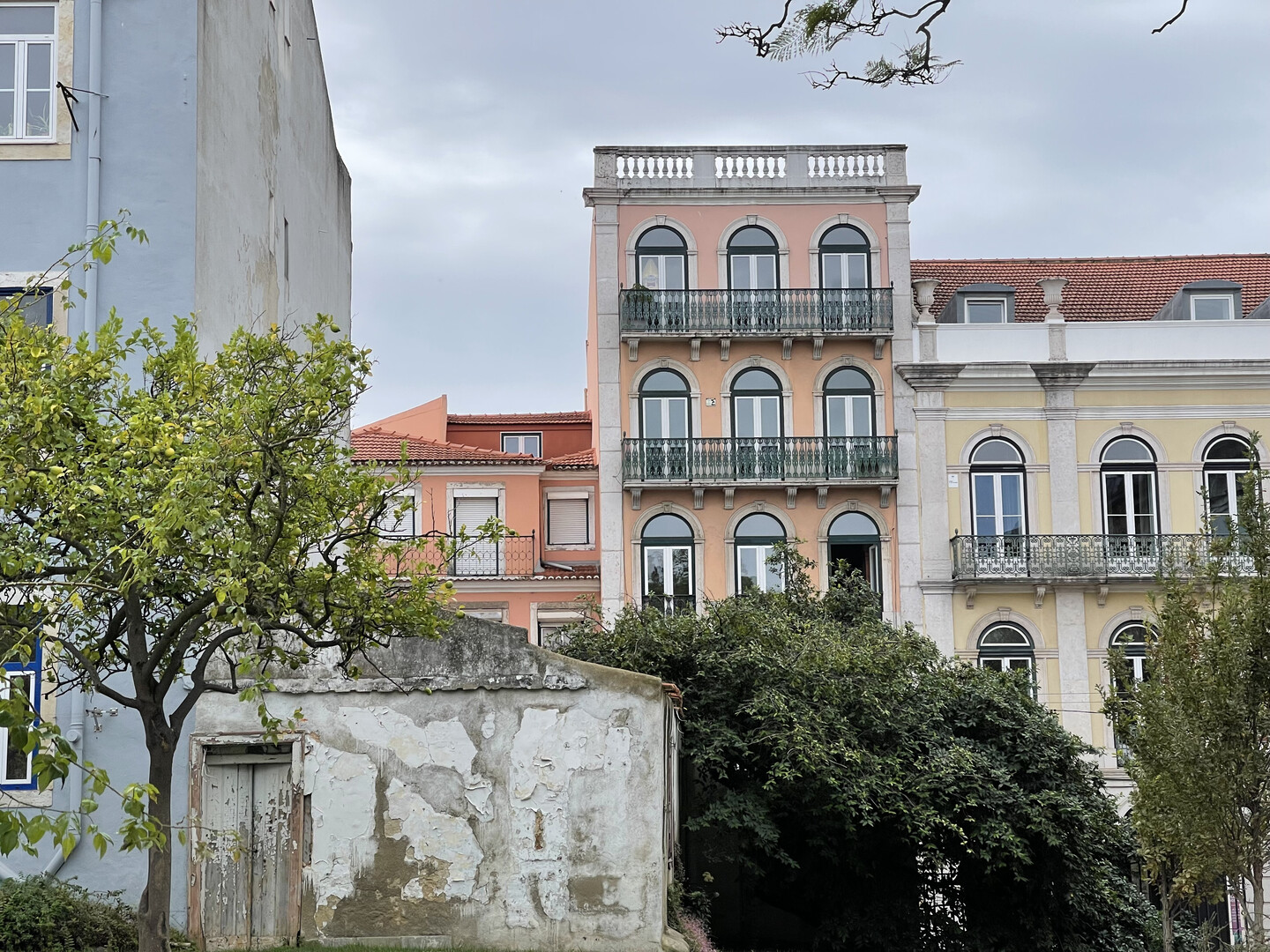
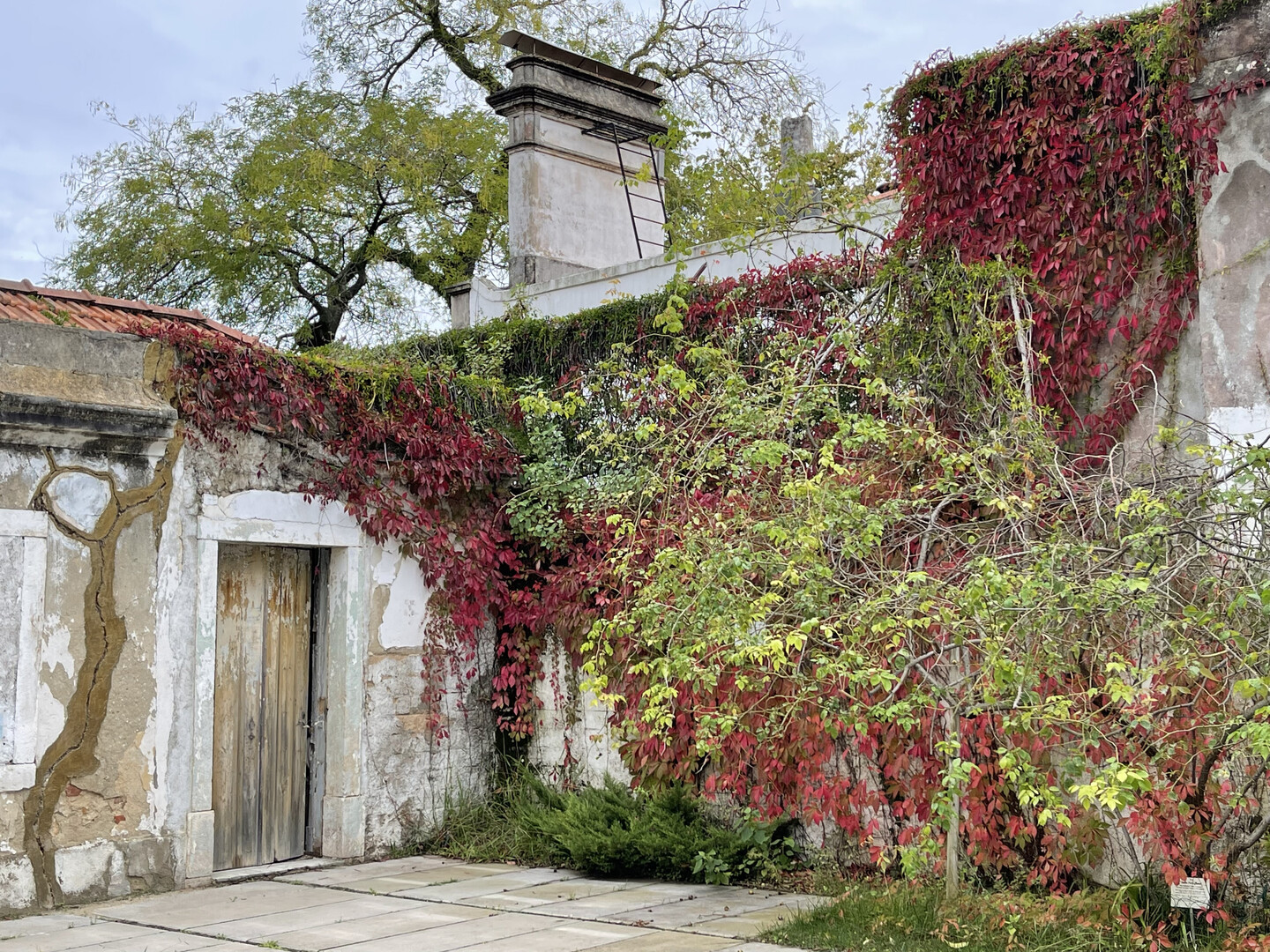
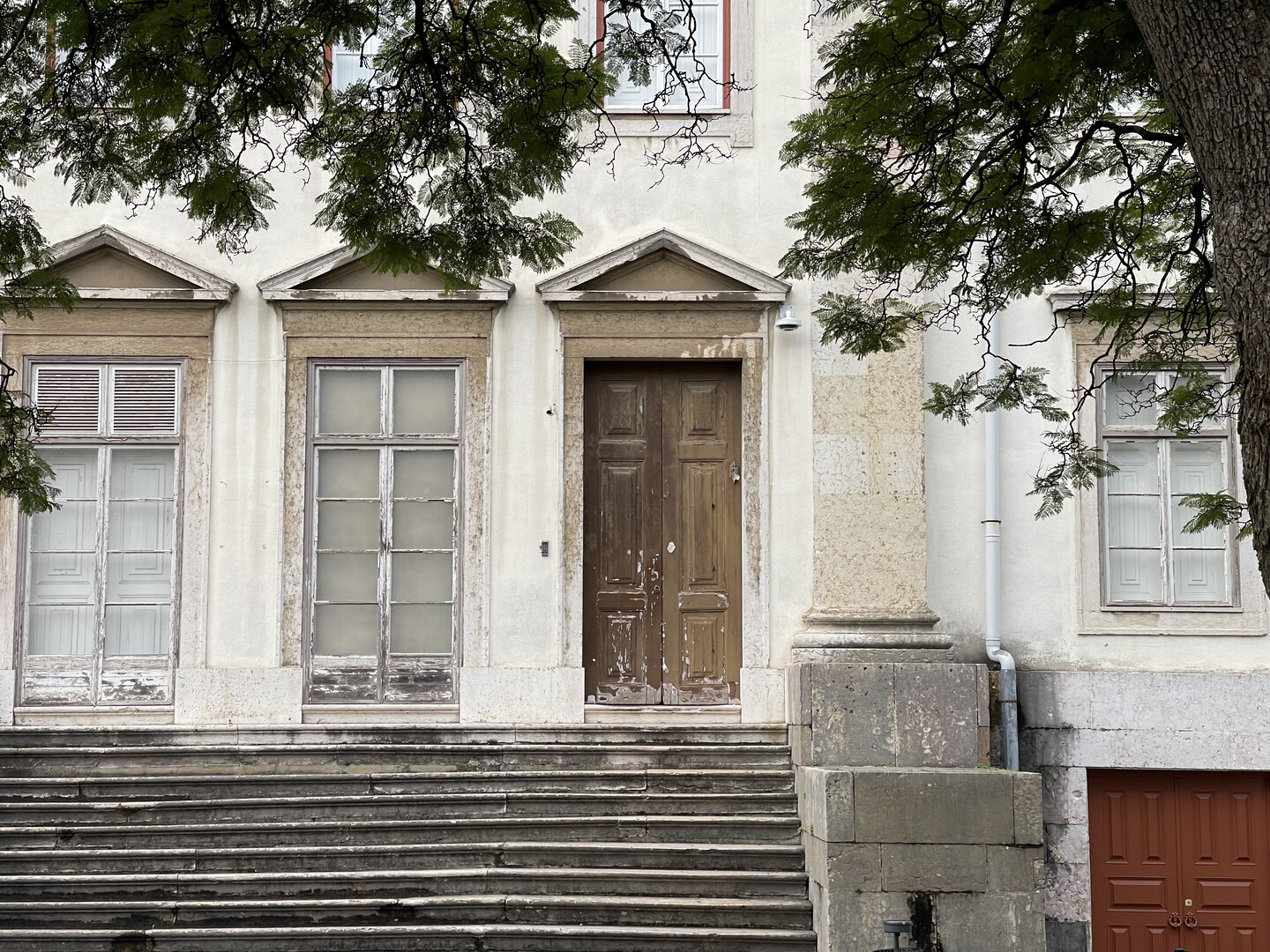
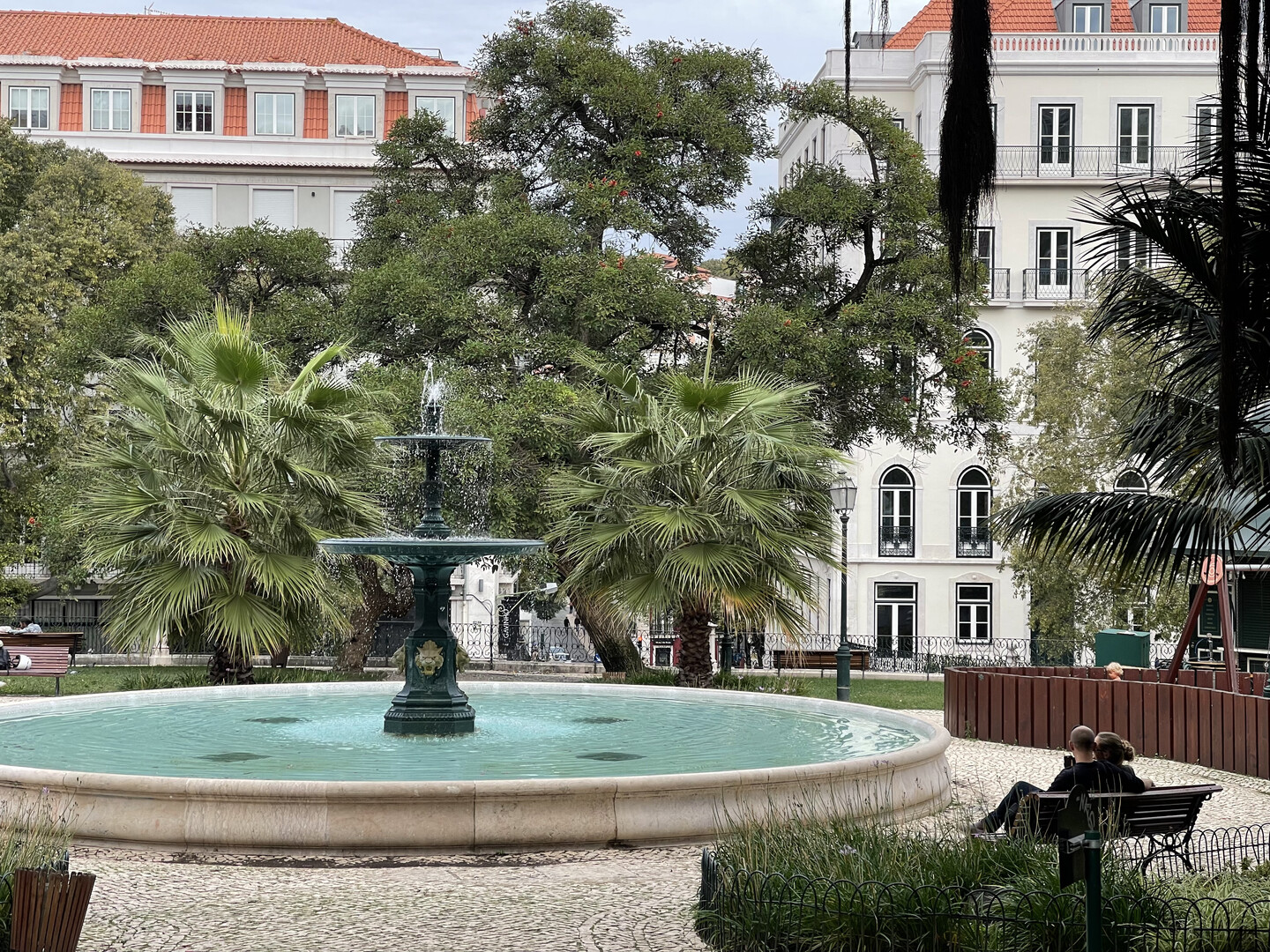
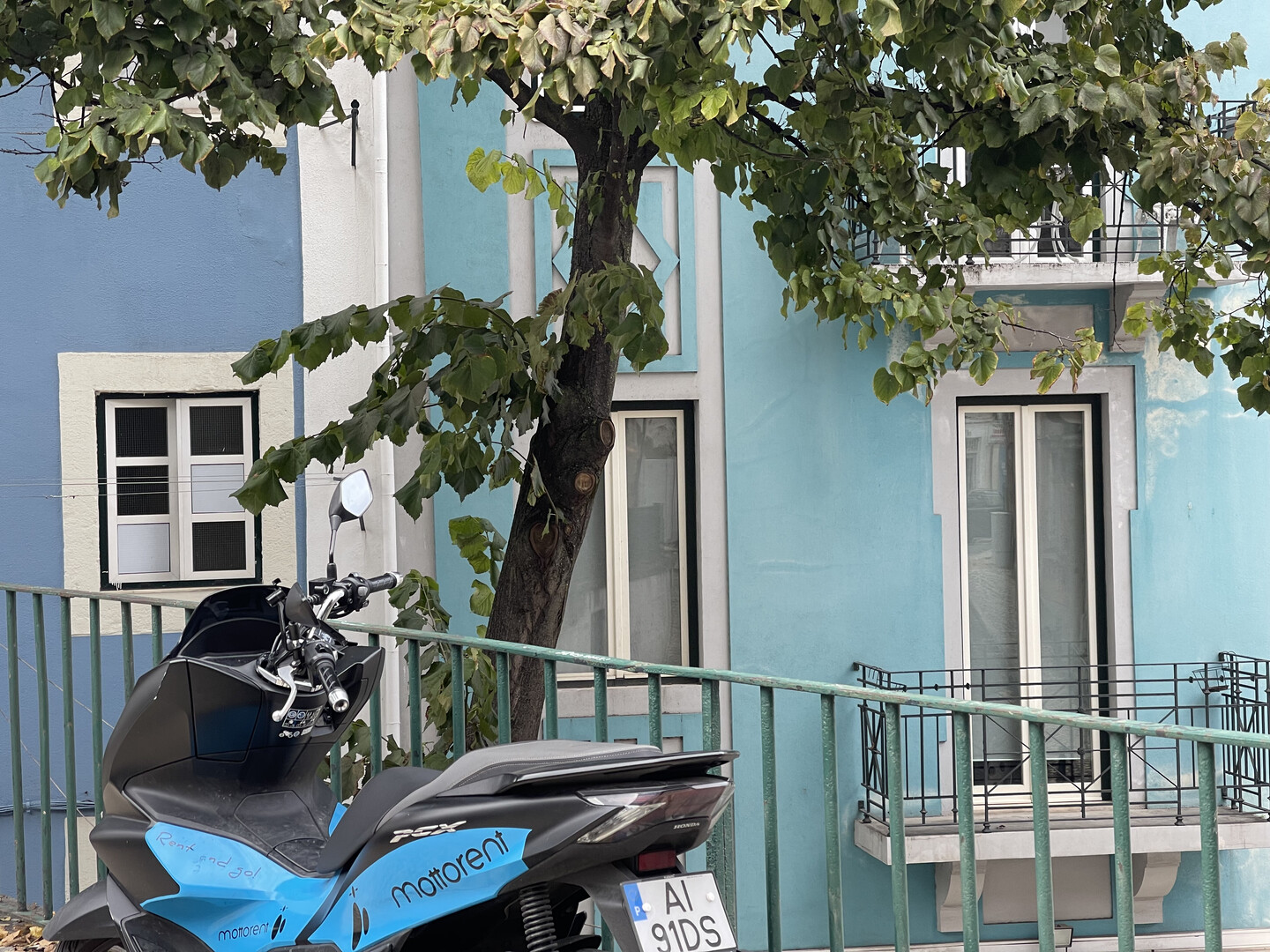
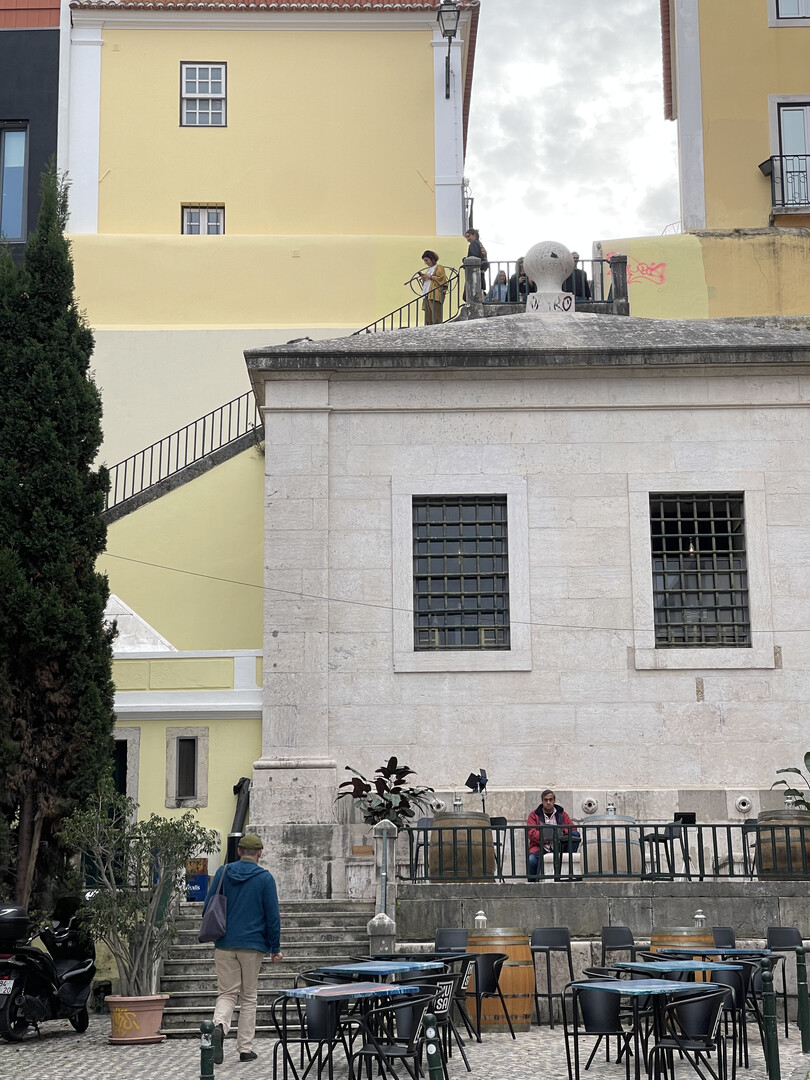
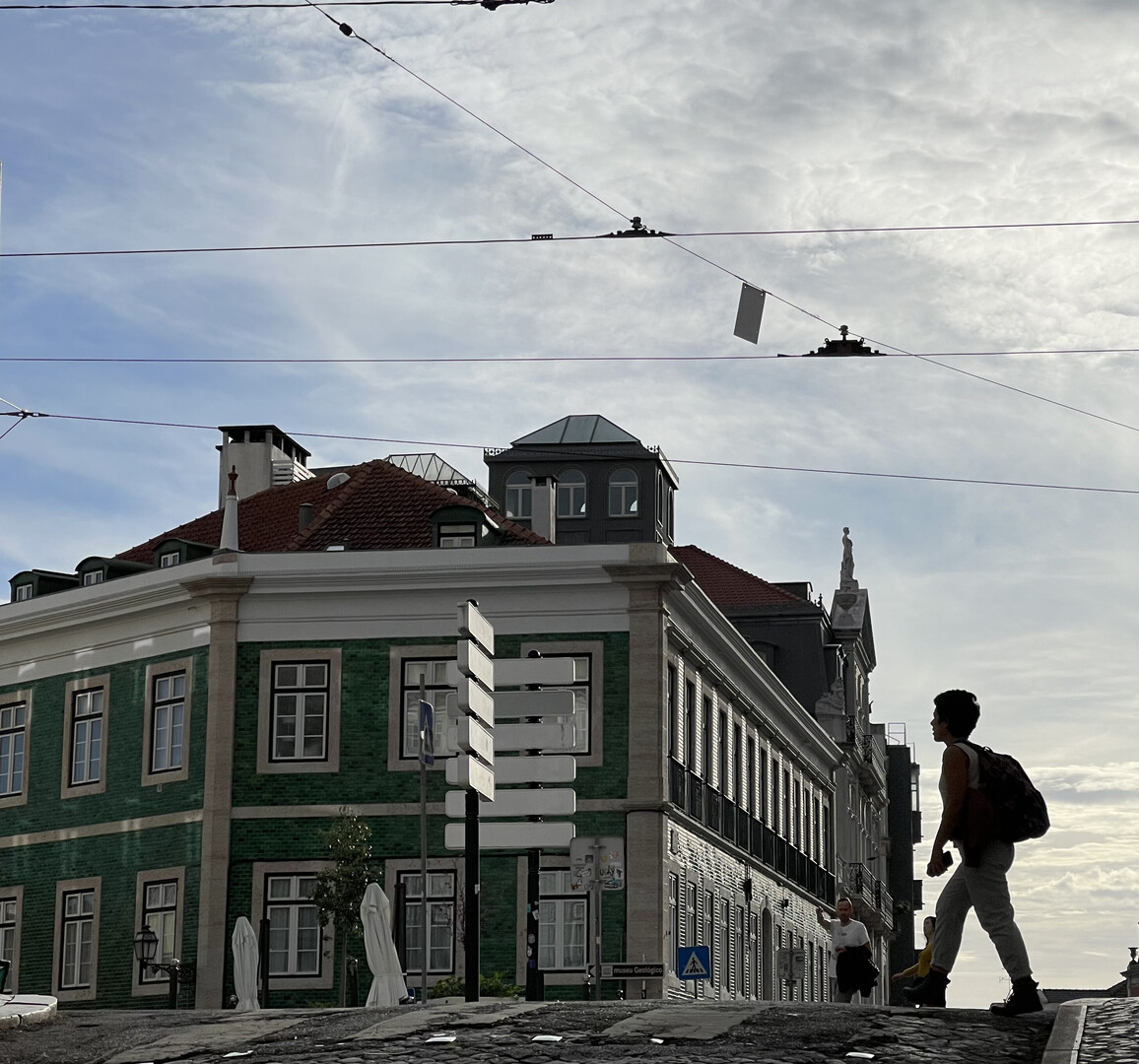

Occasionally you'll catch a glimpse of Lisbon from 30 years ago. But it's been mostly sanitized by the assiduous hands of global capital.
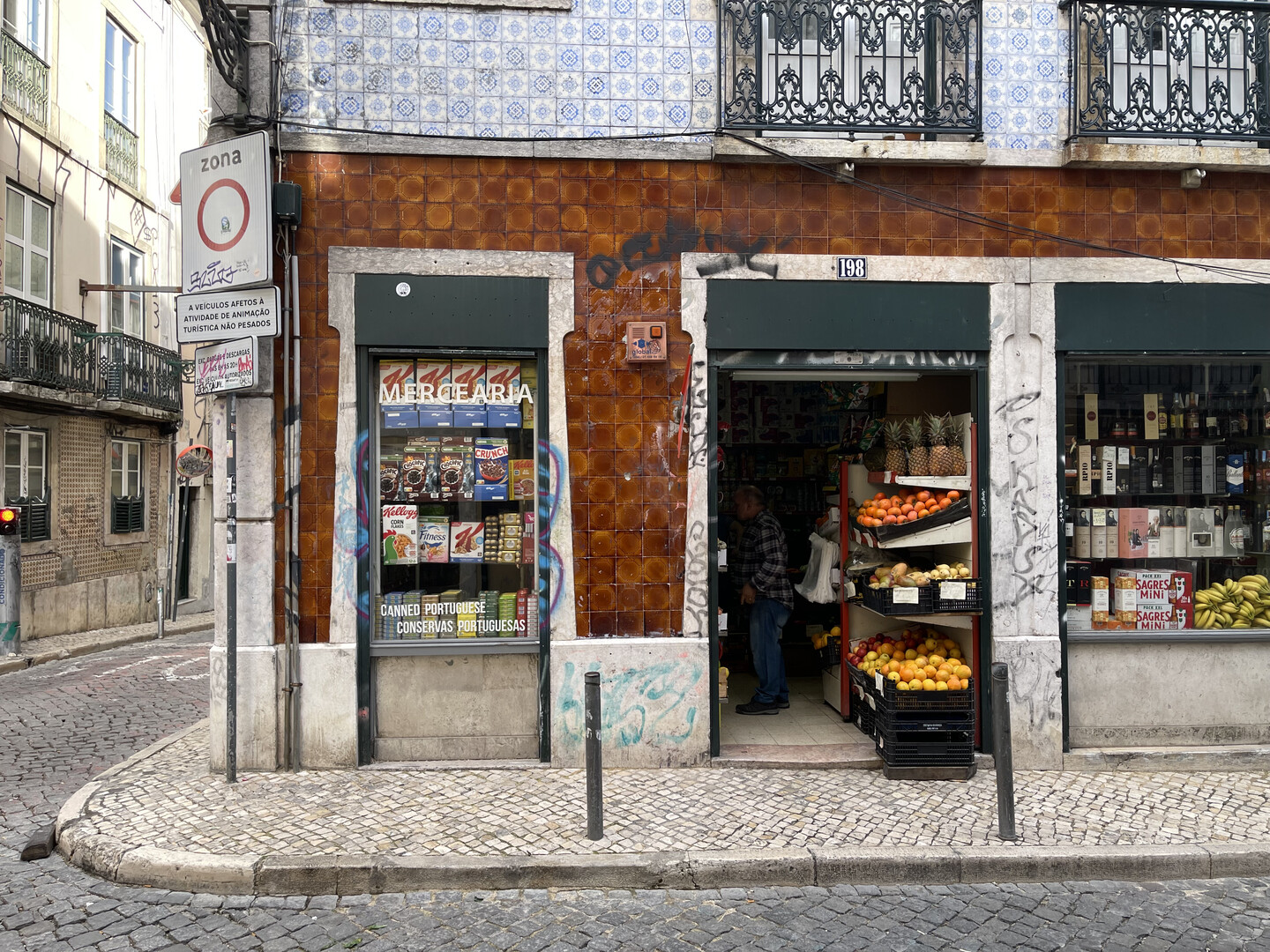
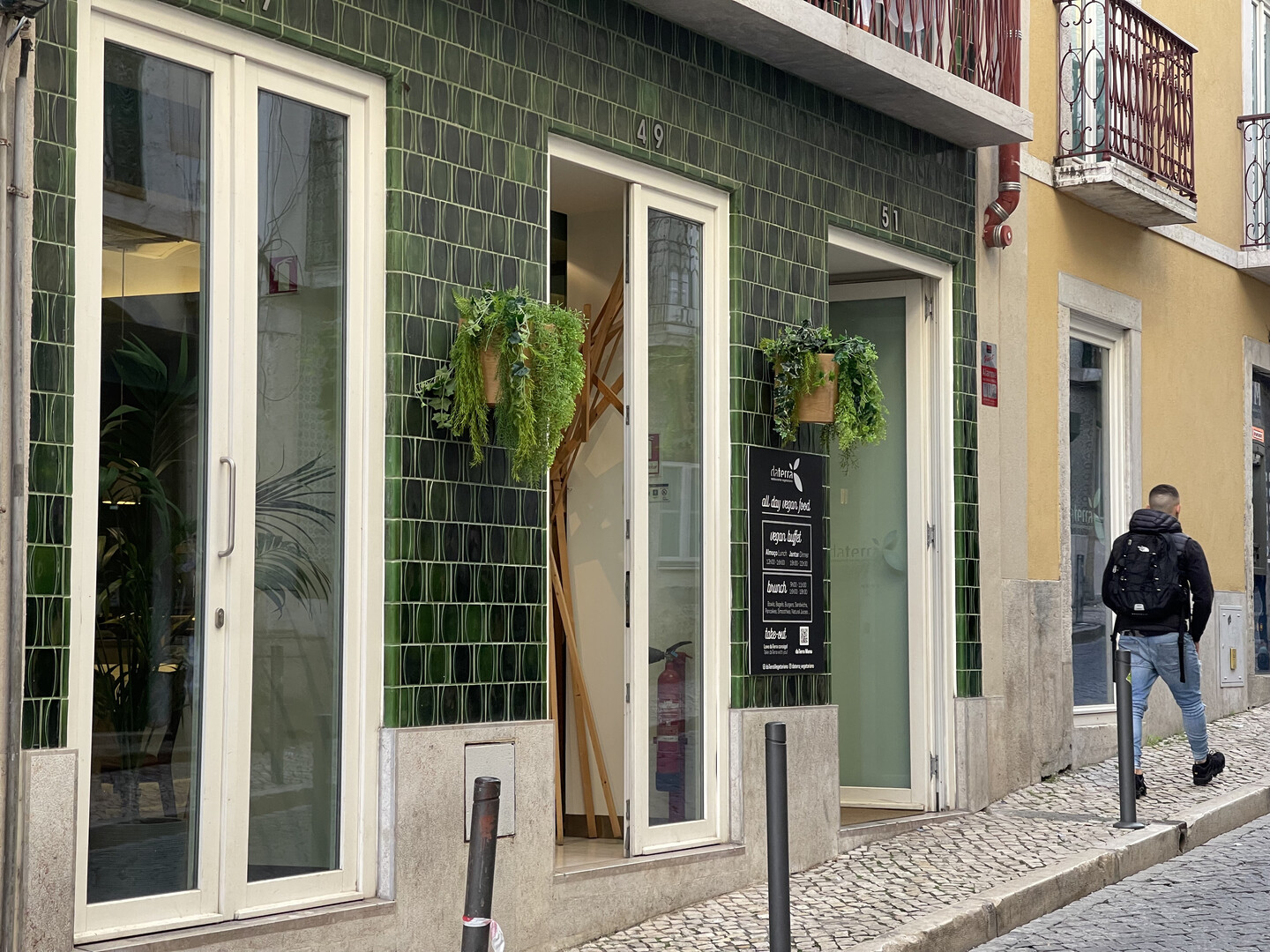
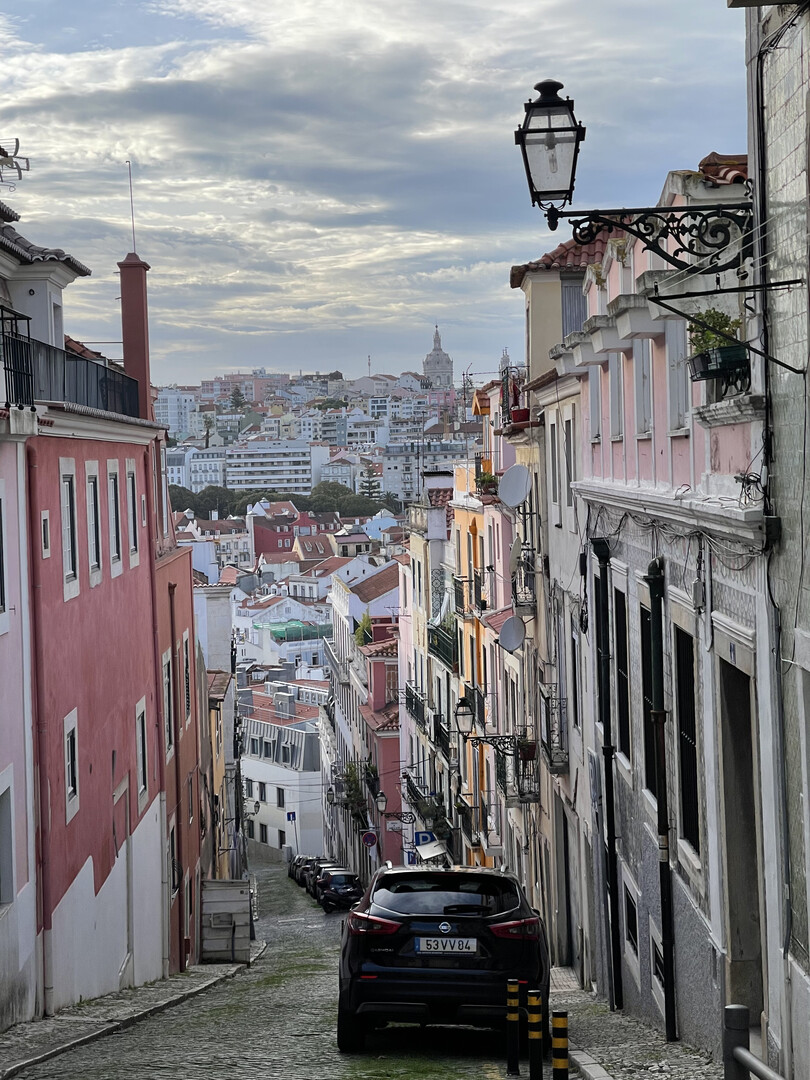
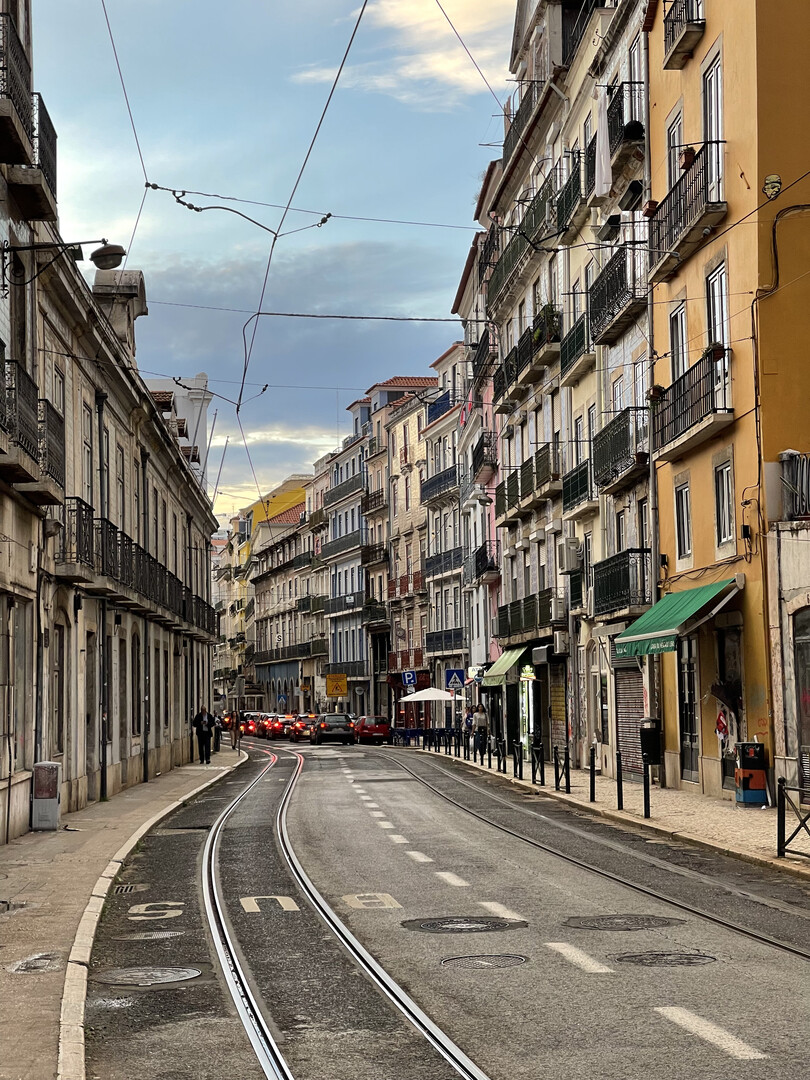
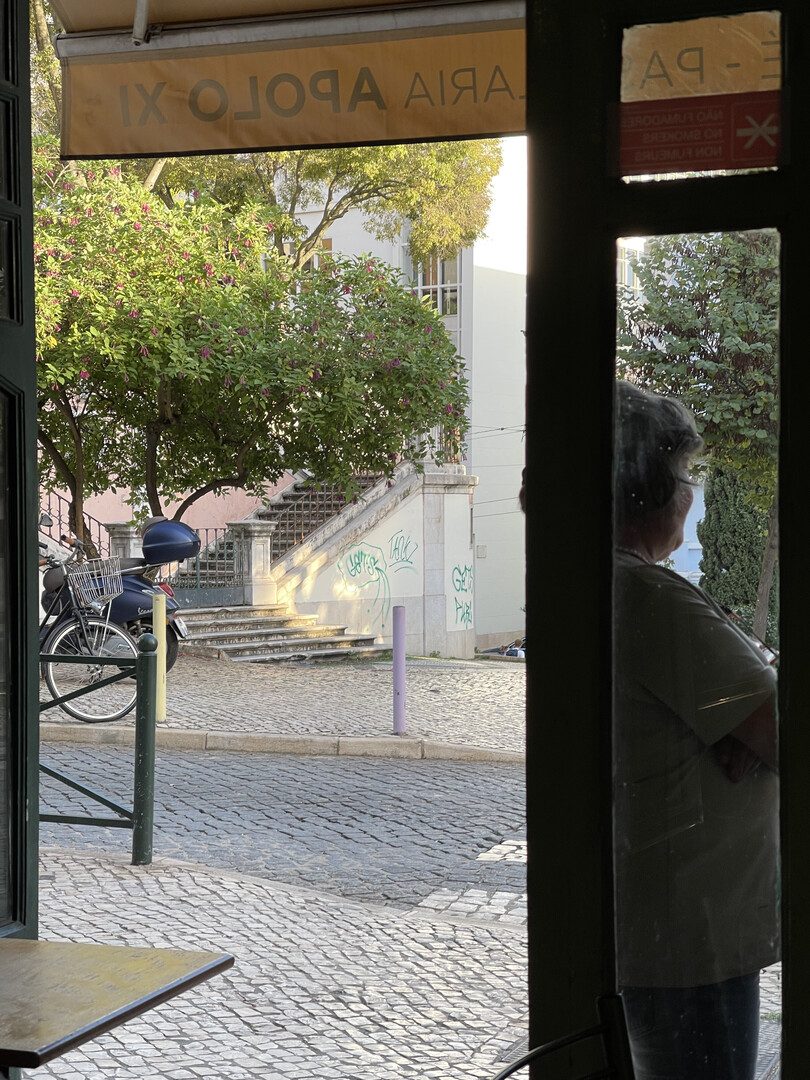
I stopped in an empty cafe late in the afternoon on my last day in the city. It was dim and musty and operated by an old couple. They were closing up shop, but were kind enough to make me an espresso beforehand, and I made small talk with the man in Spanish as he worked the ancient machine - how had Lisbon changed? He replied with the voice shared by all tired old men across the world who have made peace with themselves. "Ya no pertenezco a esta ciudad, pero me quedaré" - I don't belong to this city anymore, but I'll stay anyway. I looked at the stale sugar-glazed croissants through the dirty display glass and wondered if anyone had bought one today.