- Published on
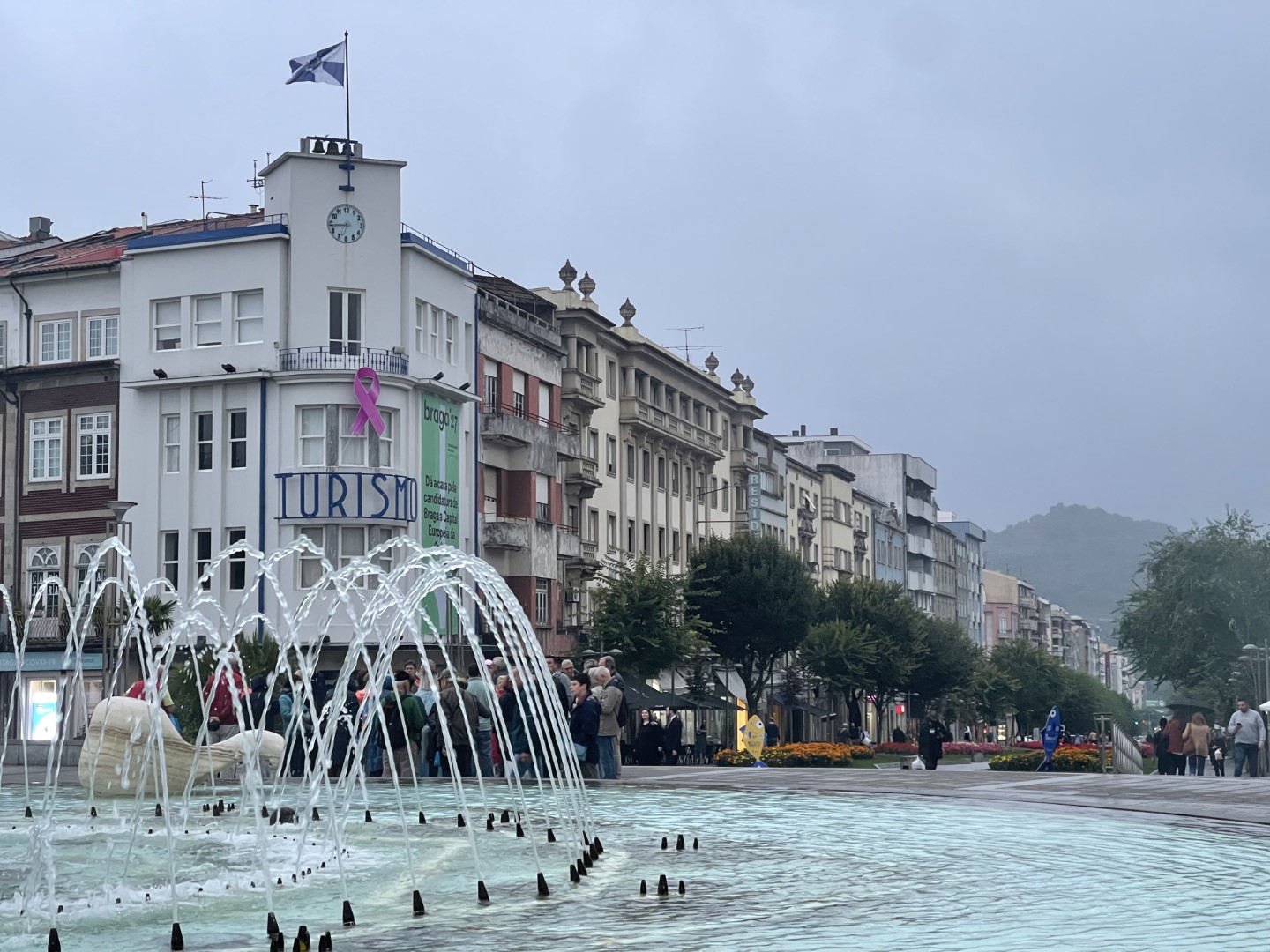
Braga, Portugal
Tags
Time of Visit: October 15-17, 2022
The northern Portuguese city of Braga rarely appears in any tourist itinerary. It's the third-largest city in the country, but with just 193,000 inhabitants, it's dwarfed by nearby Porto (pop. 1.6 million) and Lisbon (pop. 2.7 million). The Schengen Zone allowed me to take a hassle-free bus ride from Vigo in neighboring Spain.
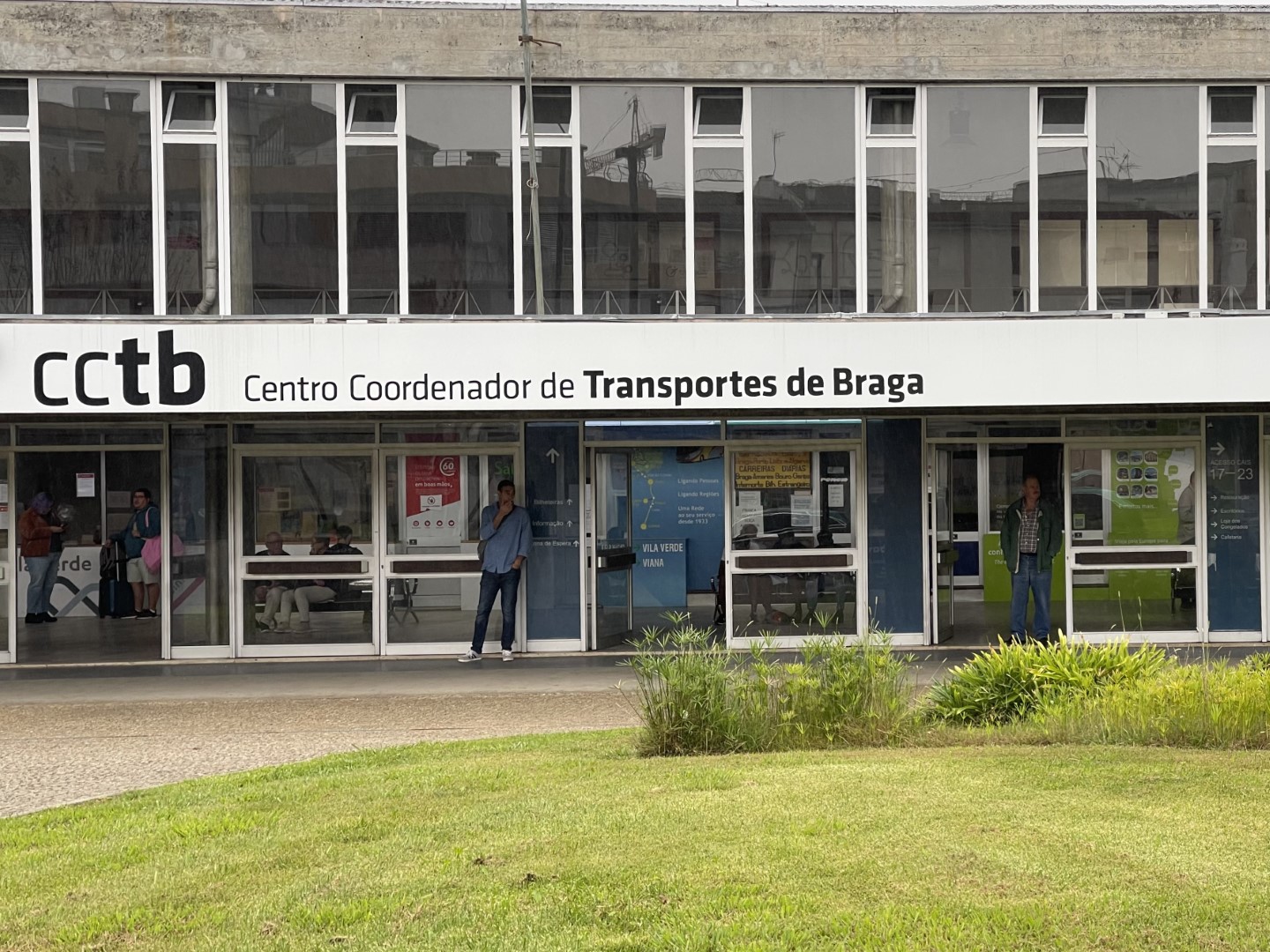
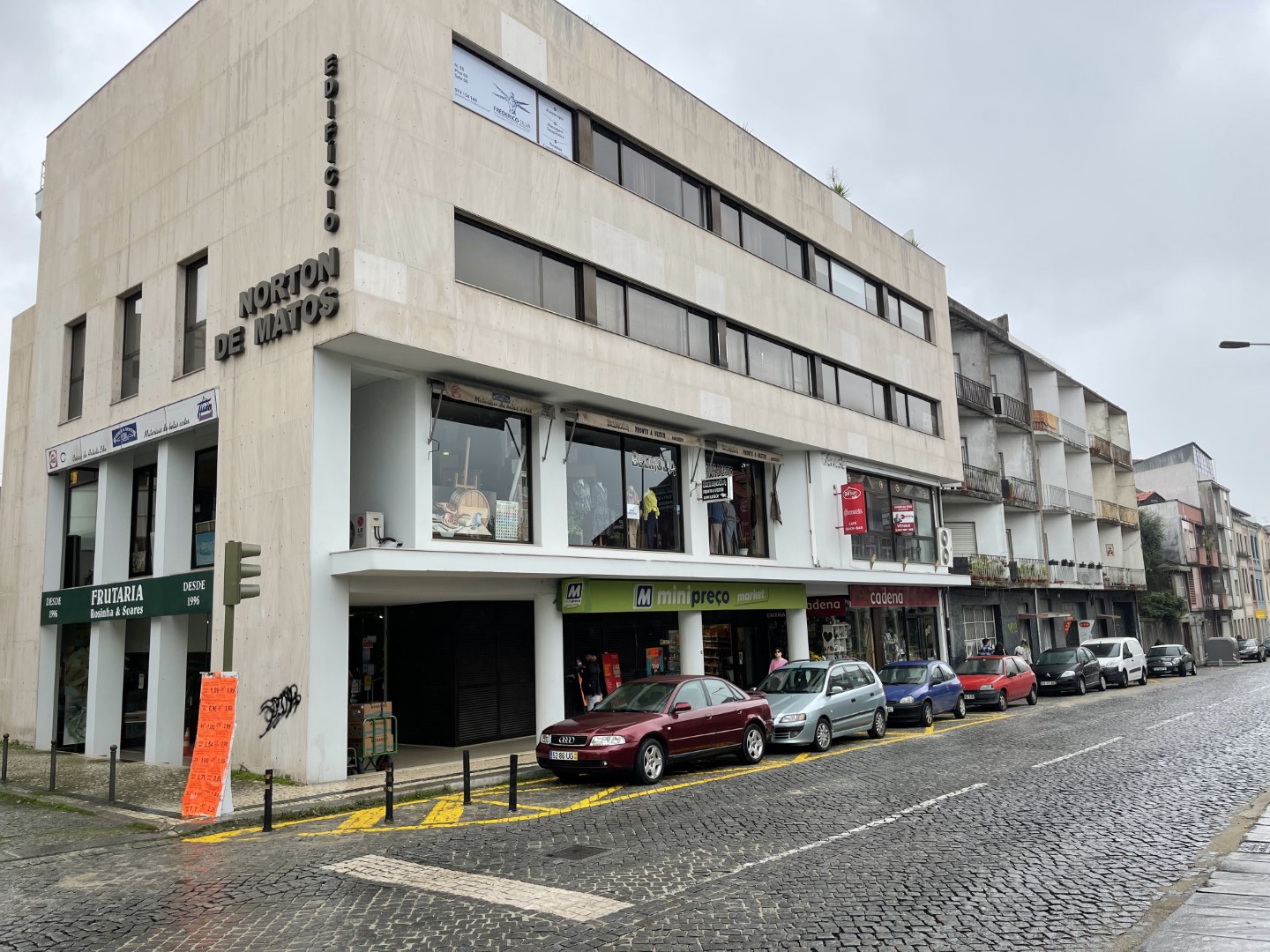
I arrived around 4 in the afternoon and walked from the bus station to my hotel in the old city. The residential and commercial buildings outside the city center are similar to those in Spain except older, uglier, and dirtier.
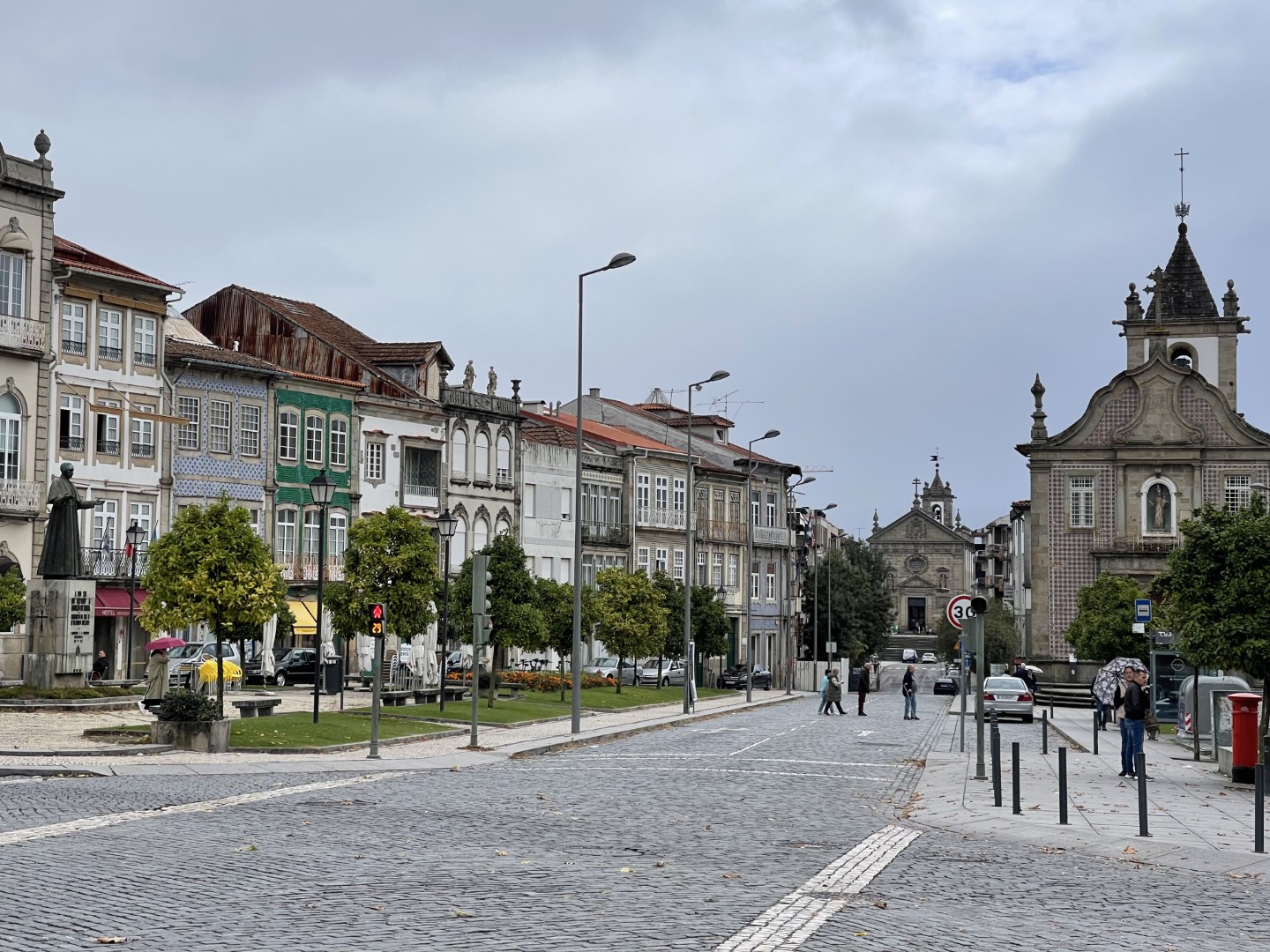
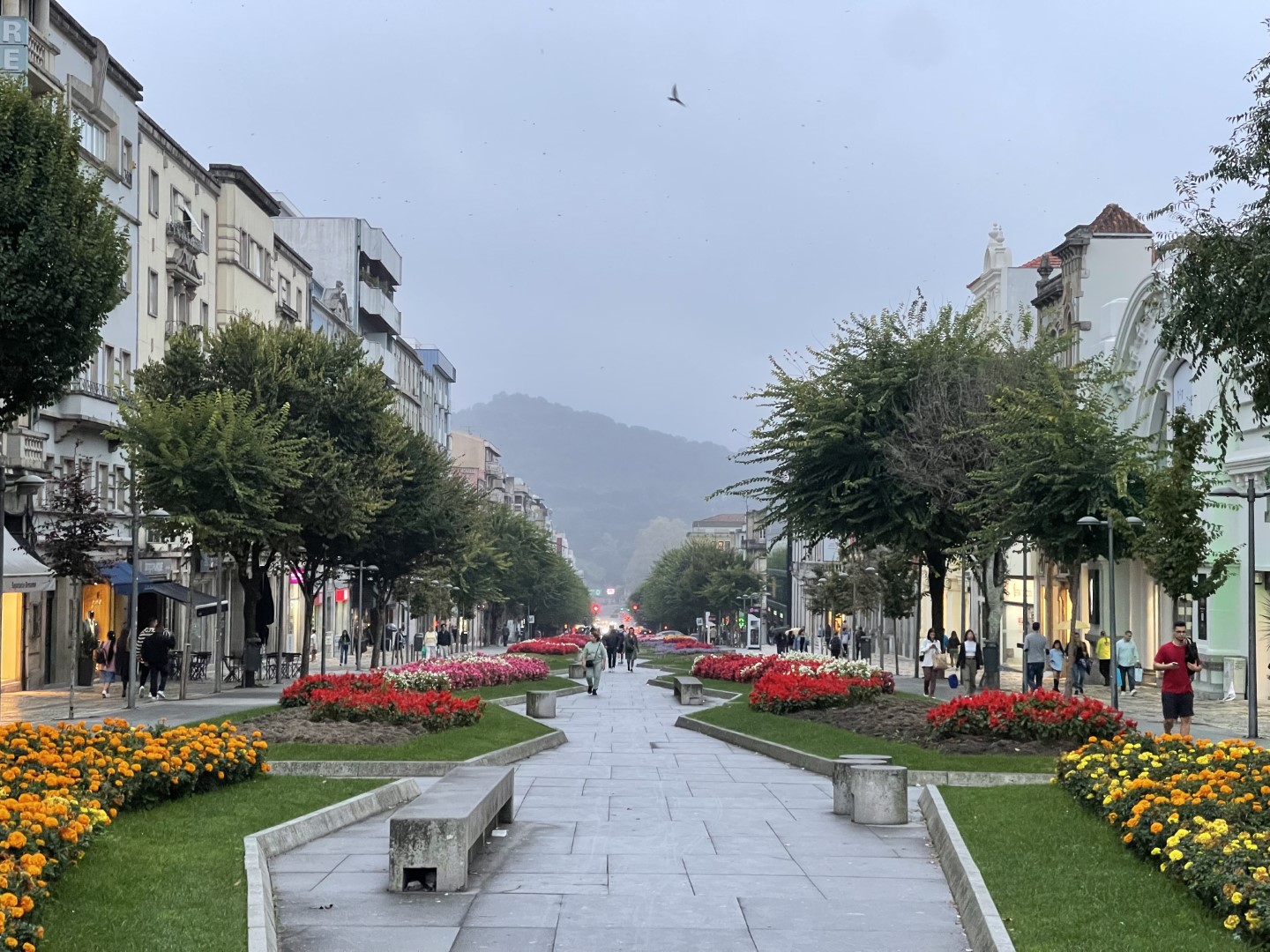
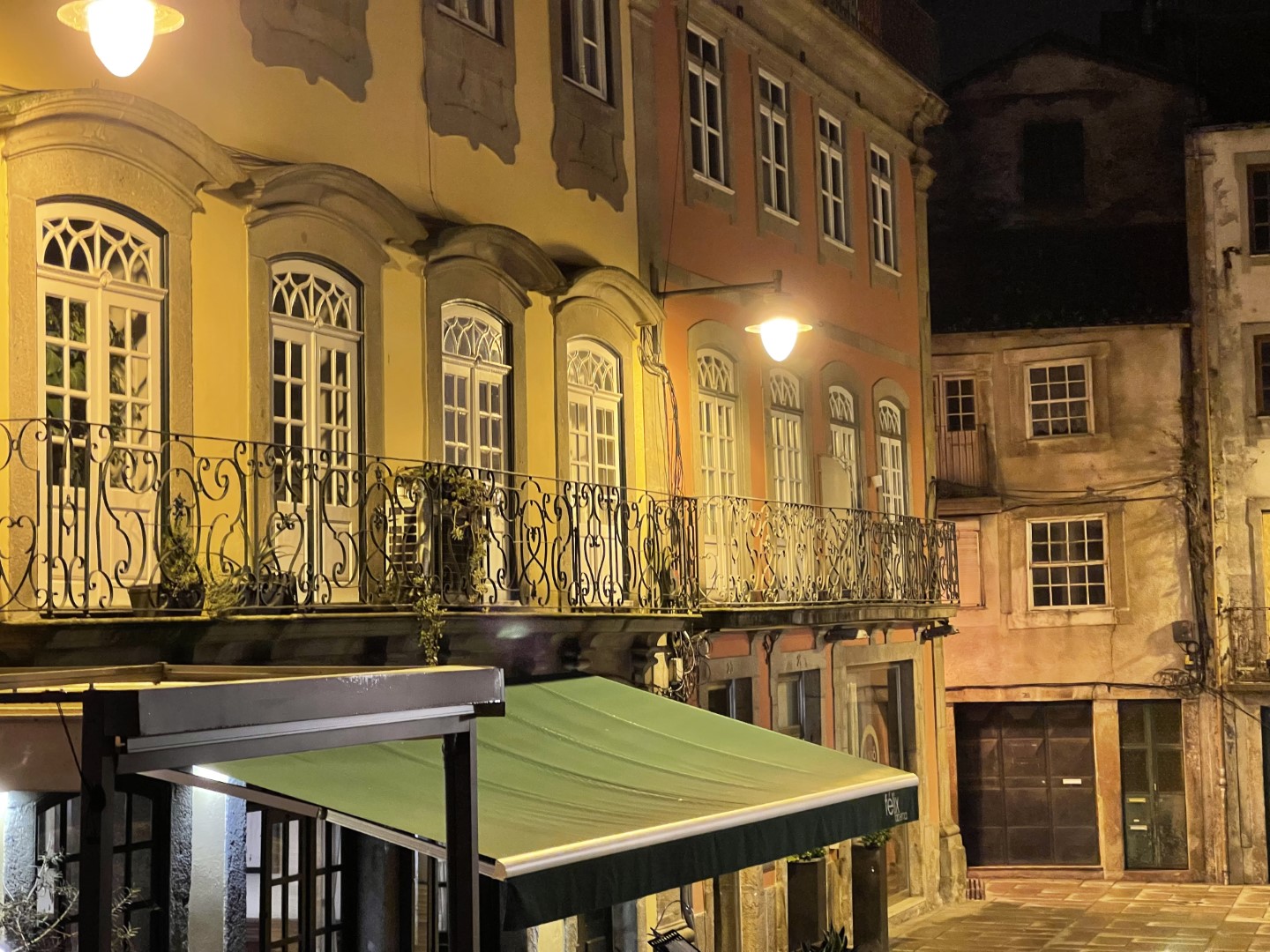
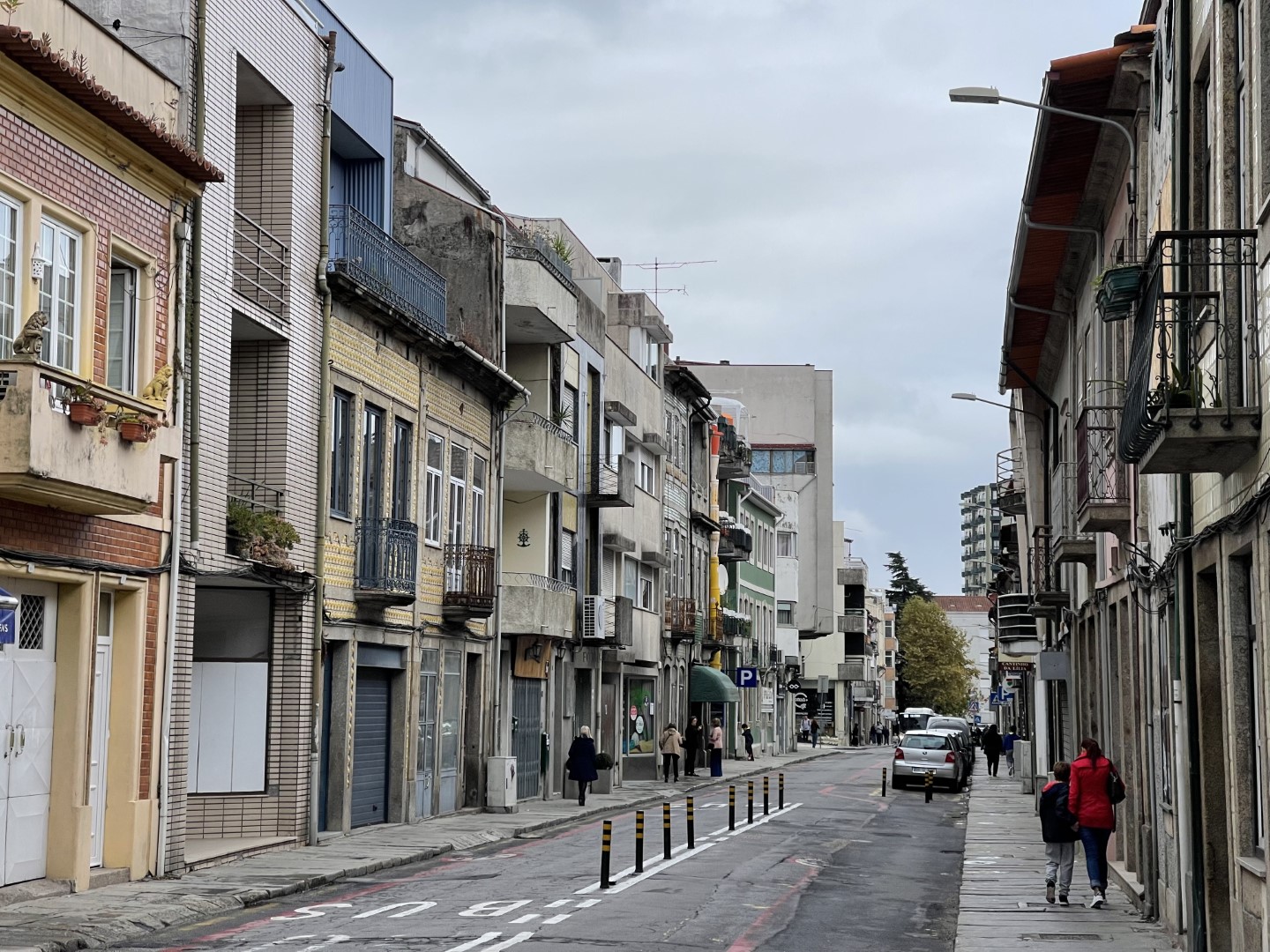
The old city, on the other hand, is refreshingly colorful, in stark contrast to the dull stone buildings that dominate the historic quarters of Galician cities. As a bonus, it is also partially pedestrianized, a rarity in car-crazy Portugal.
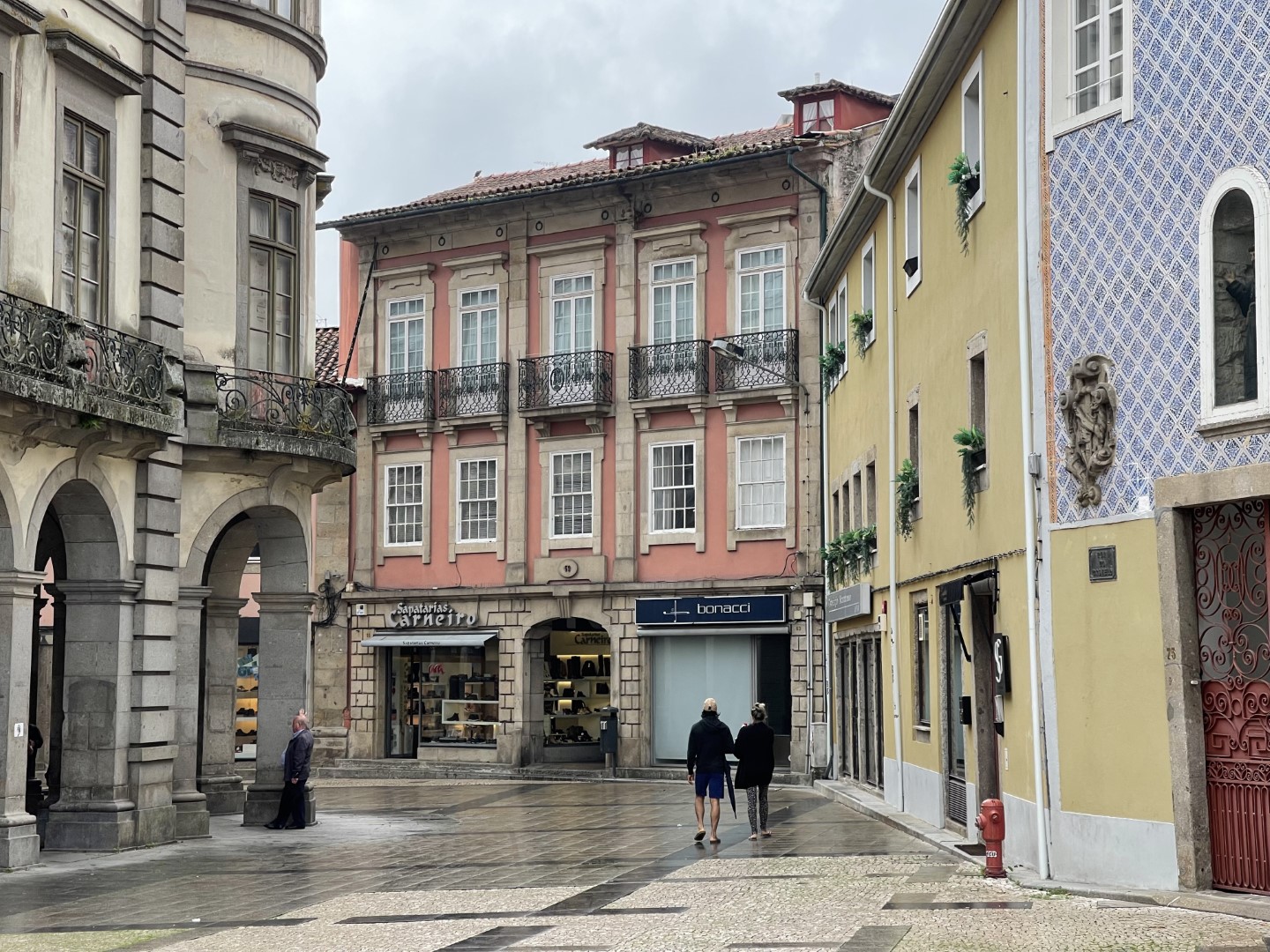
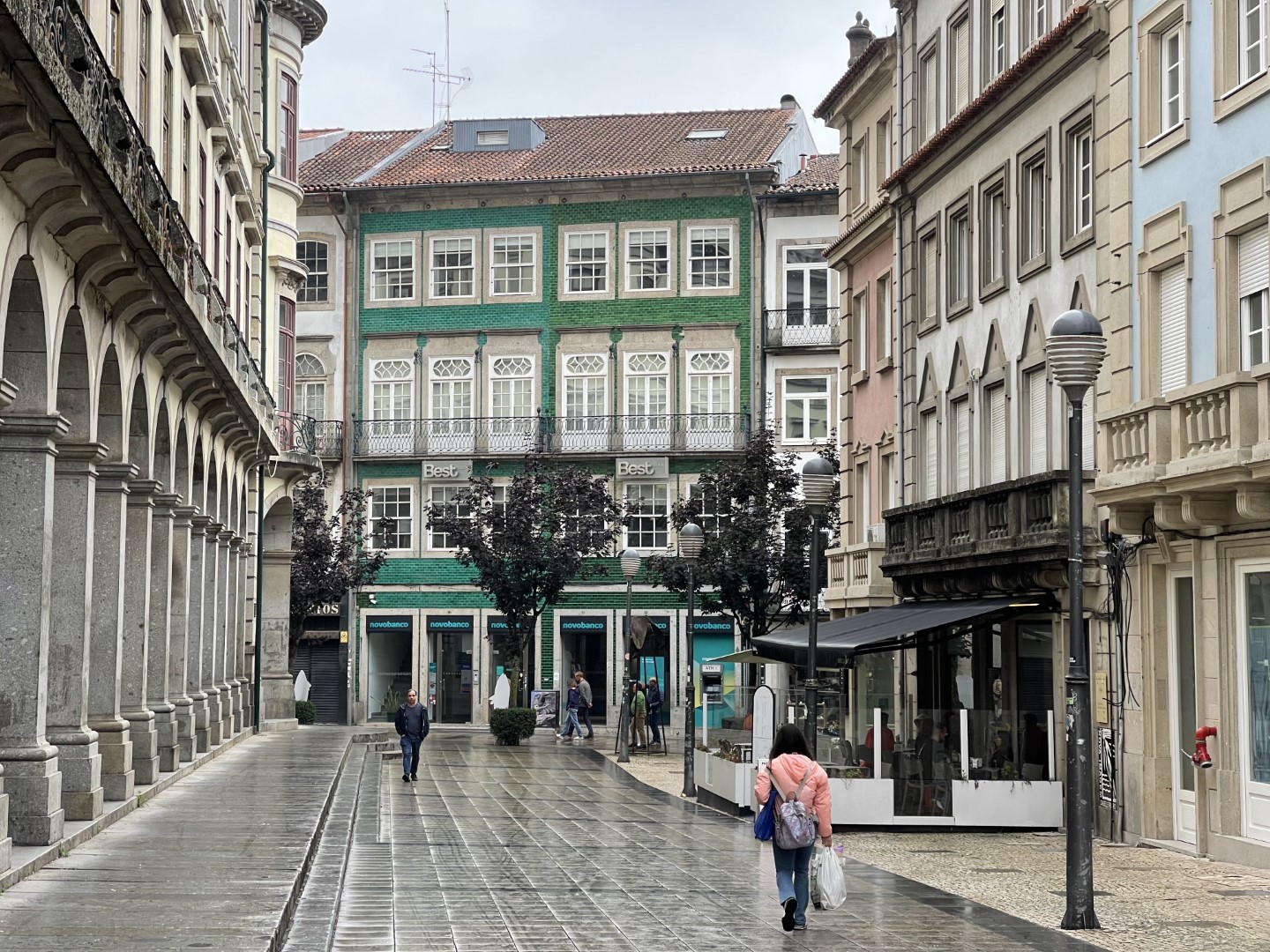
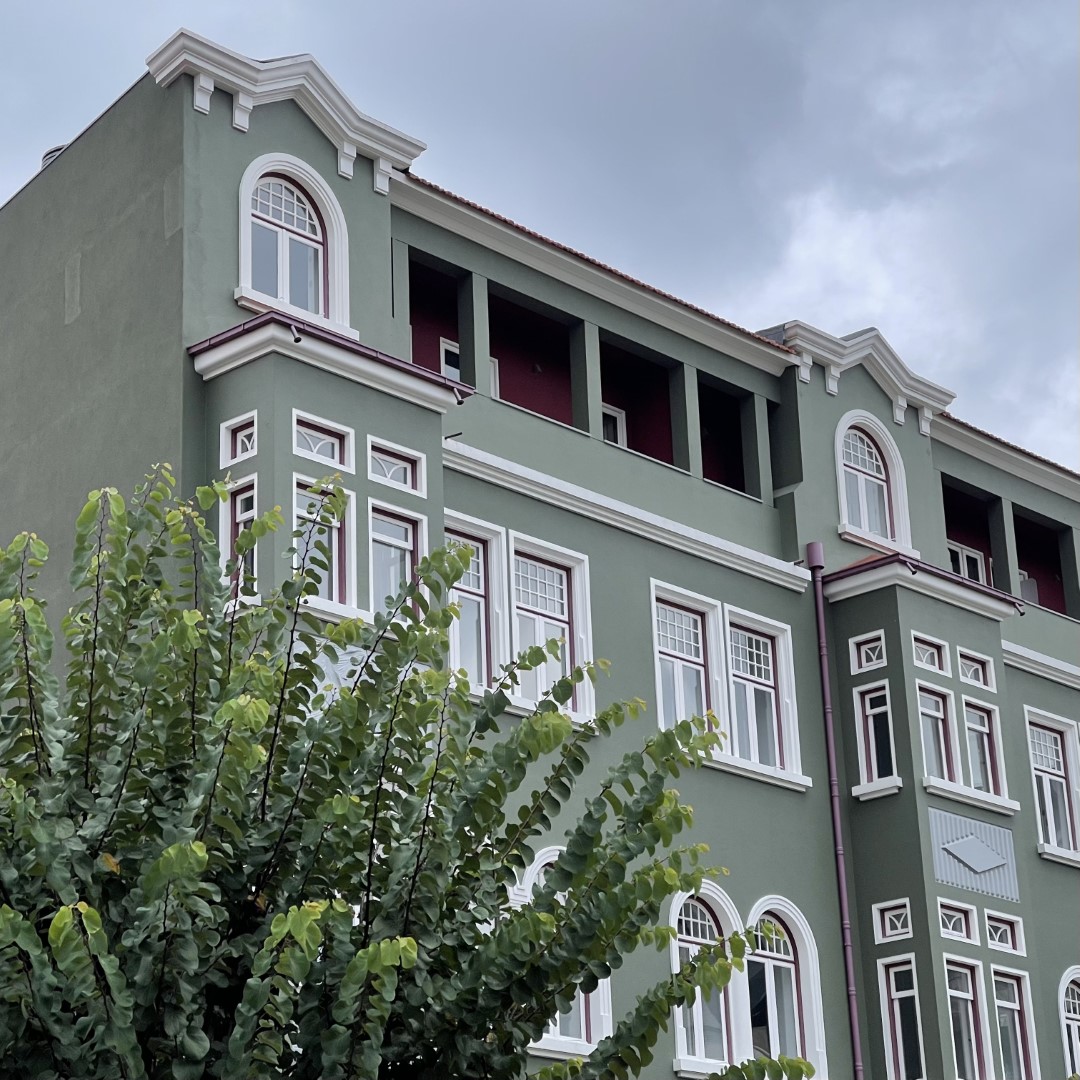
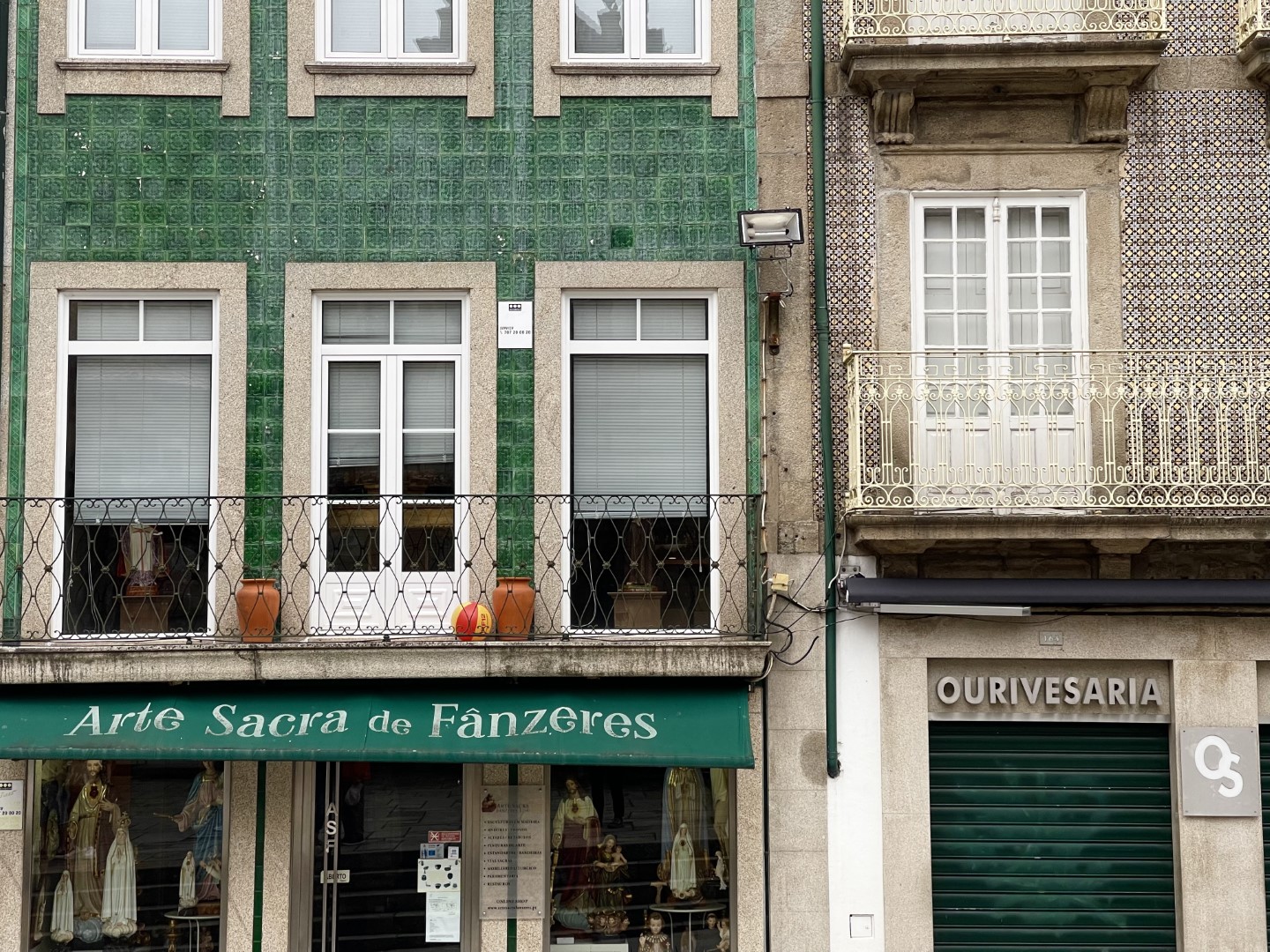
Vivid azulejo facades adorn building exteriors throughout the city. Production of these ceramic tiles was once widespread throughout the whole Iberian peninsula, centered in Seville, but they fell out of style in Spain, leaving Portugal to pick up the slack. Today, it is perhaps the most iconic element of Portuguese architecture.
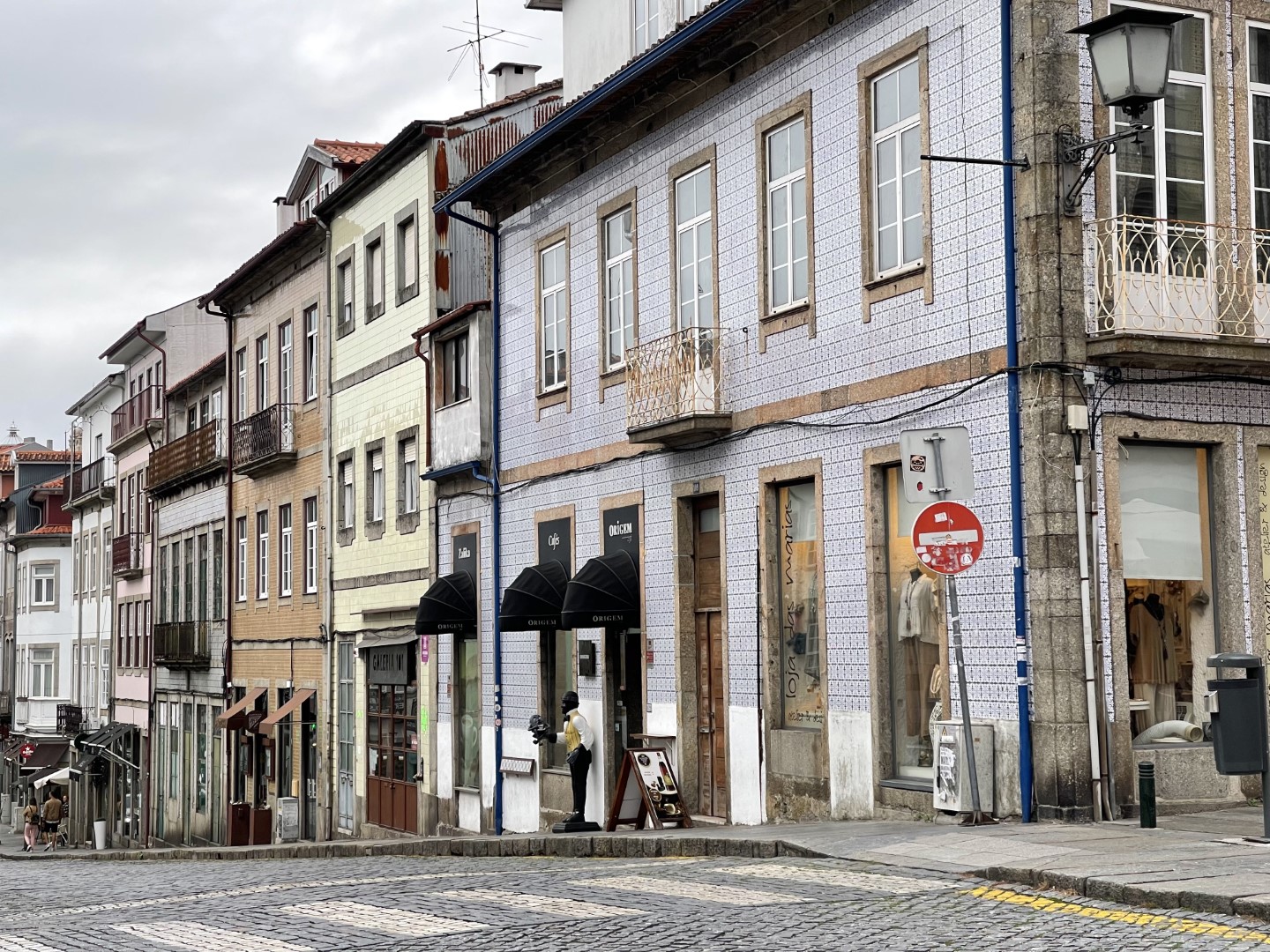
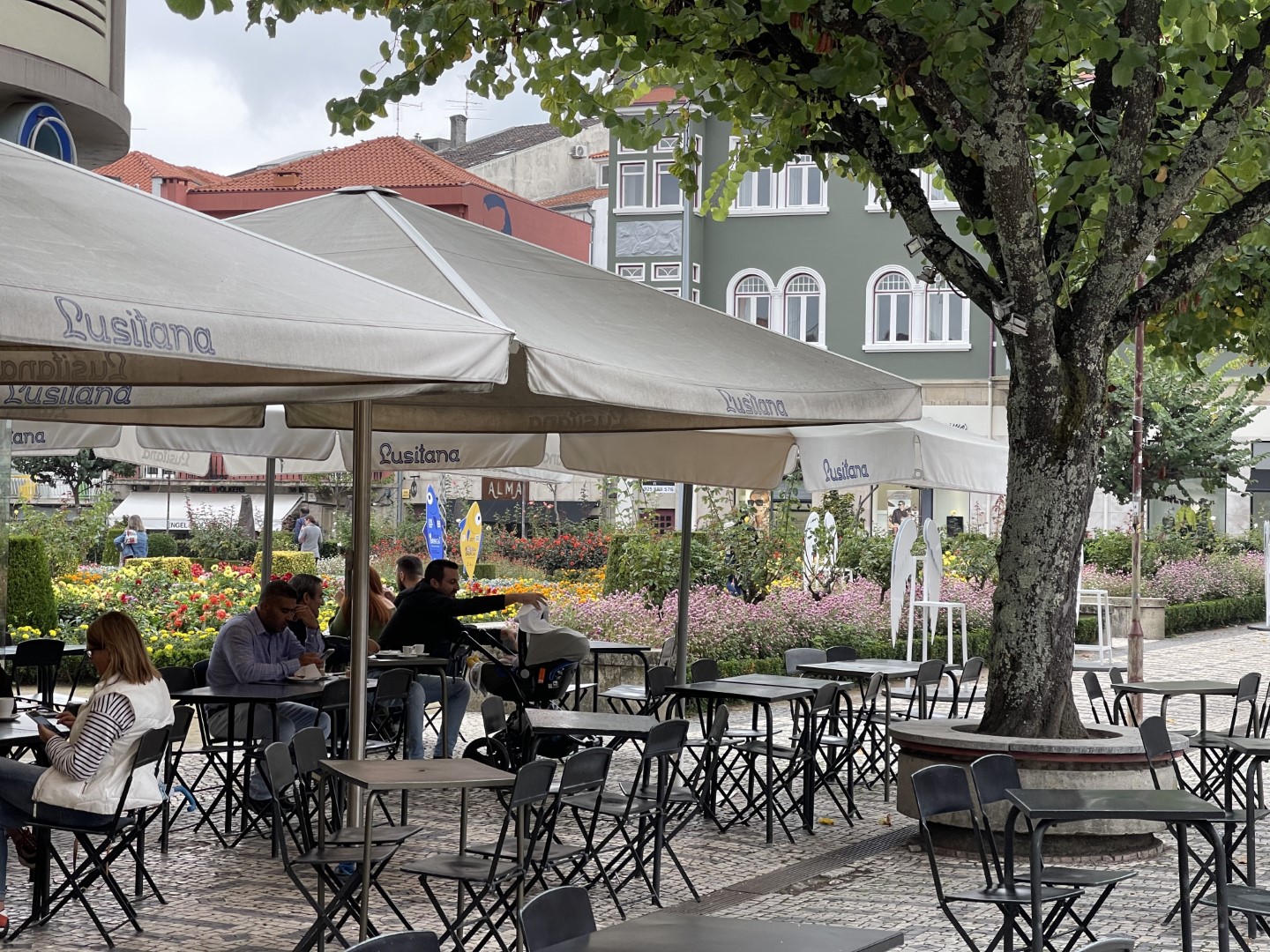
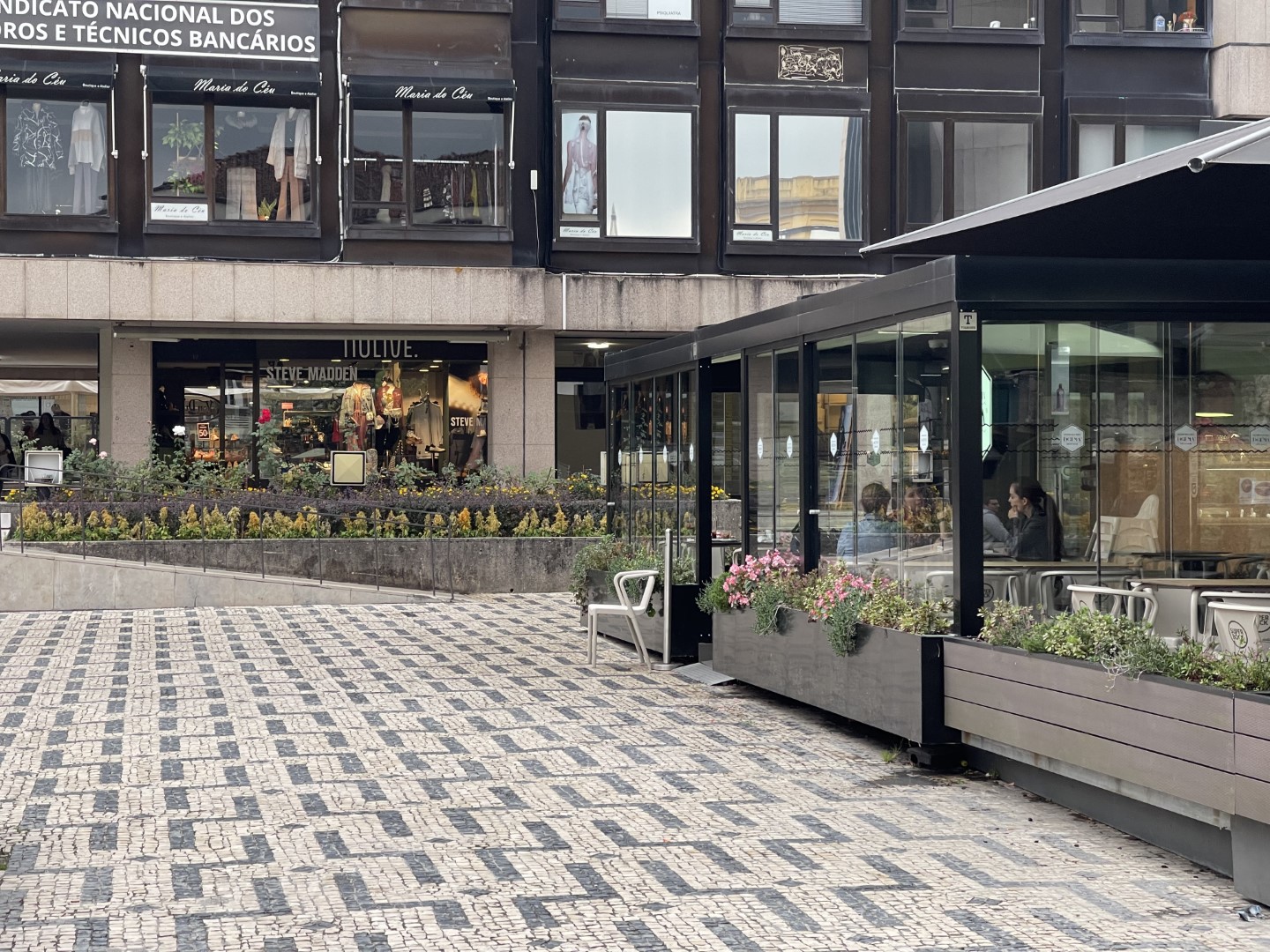
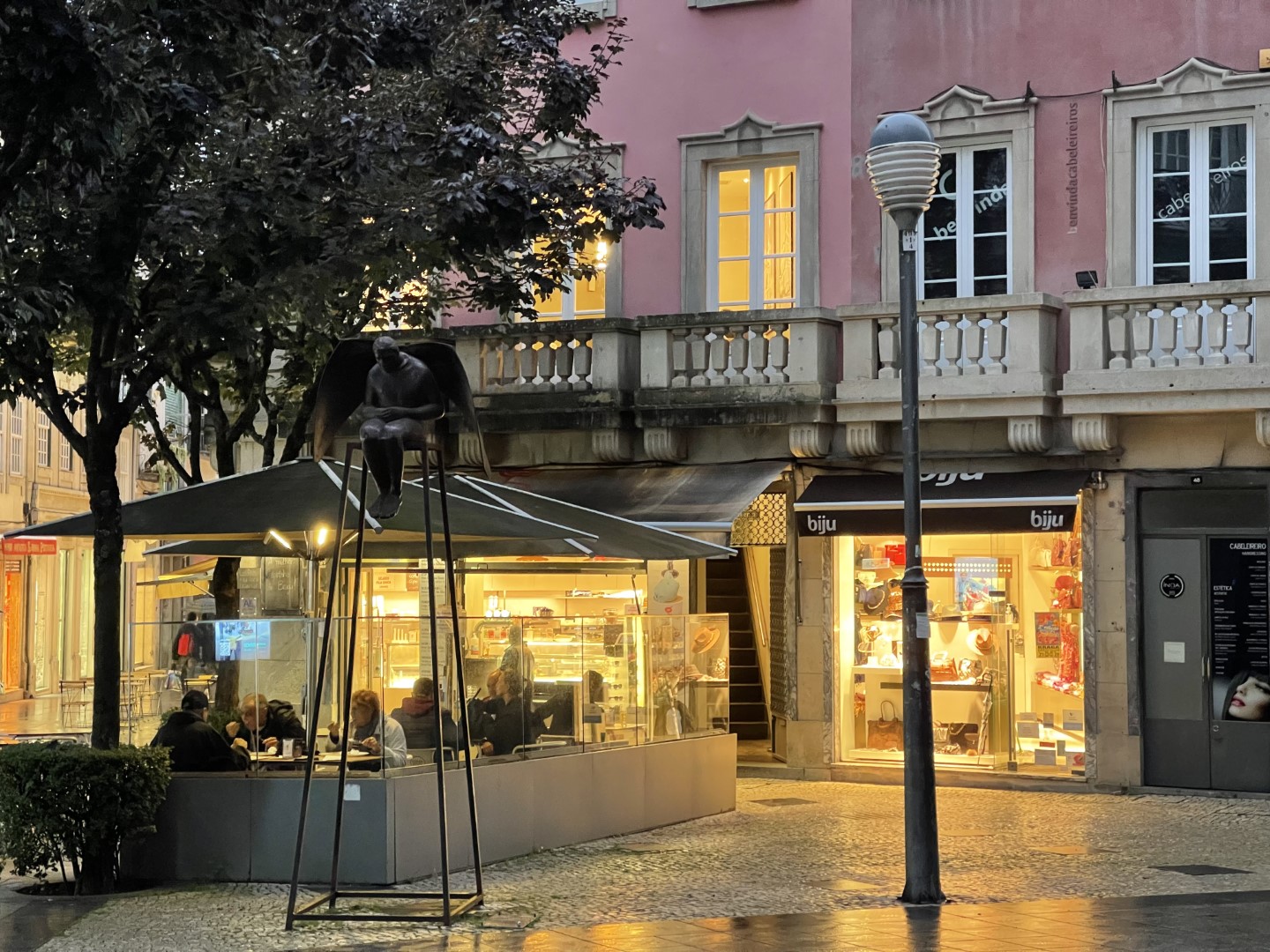
Mass tourism has yet to fully sanitize the city center: Boutique hotels and 50-euro restaurants with English-only menus sit next to dingy cafes with a single incandescent bulb.
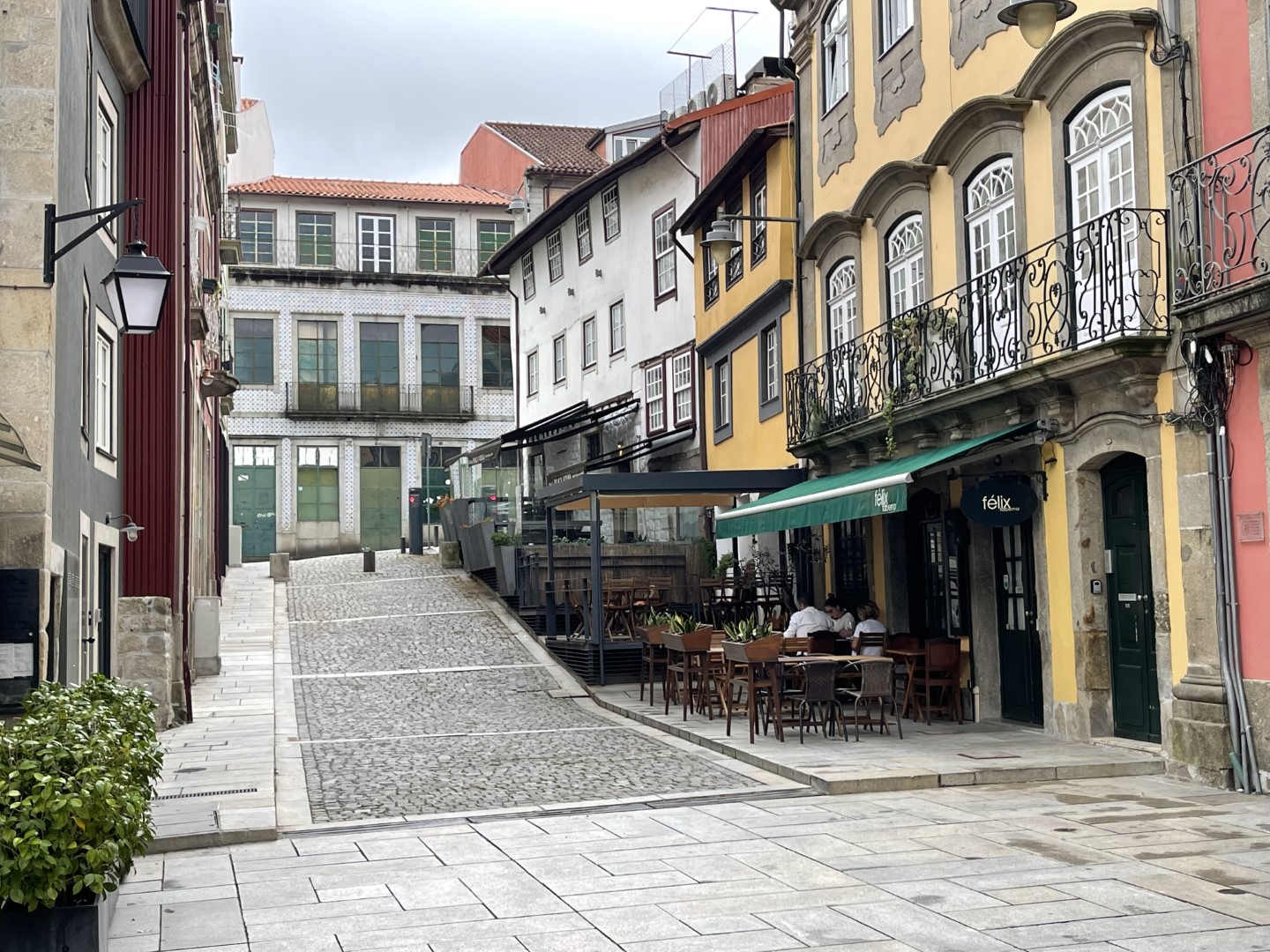
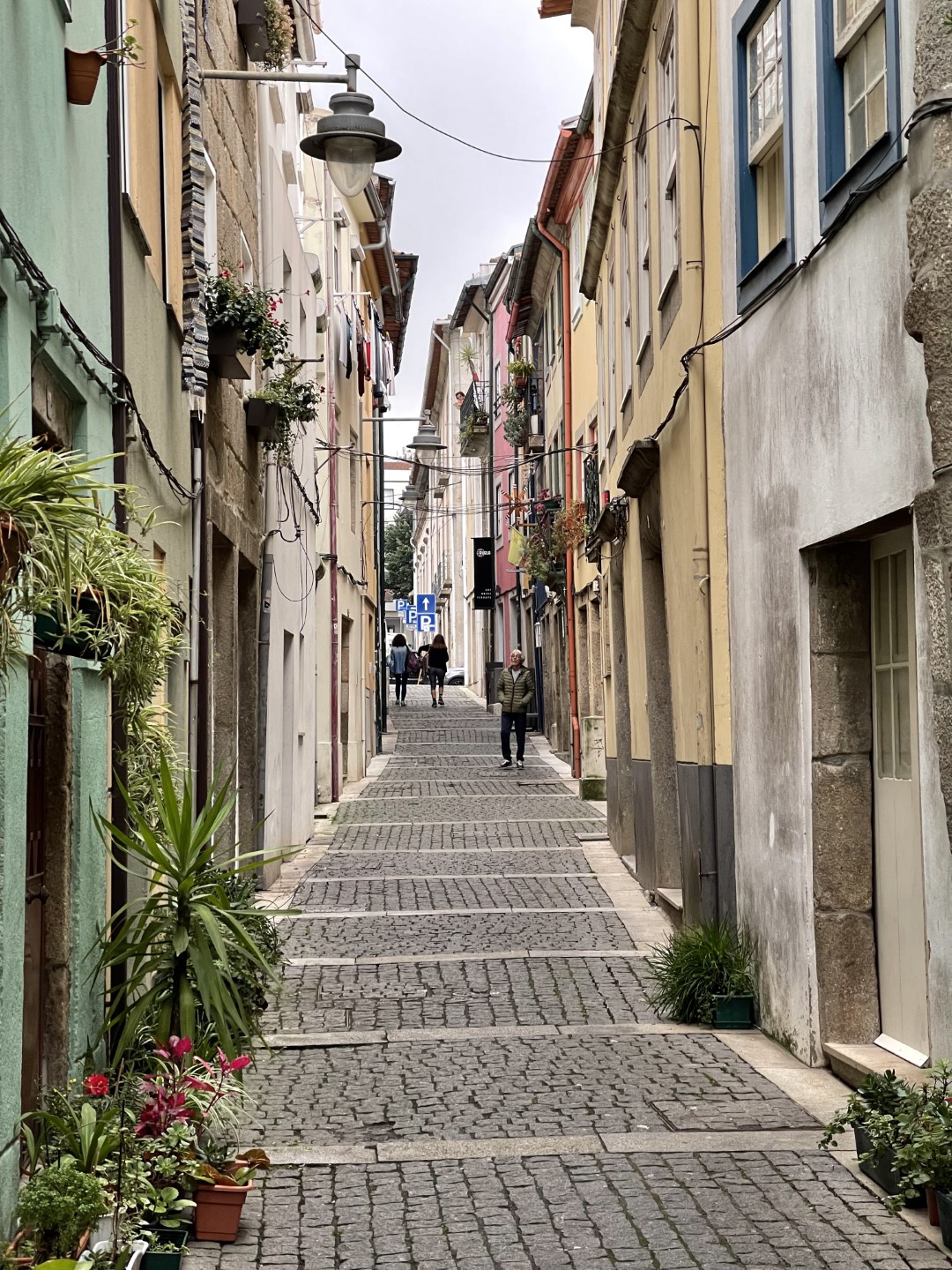
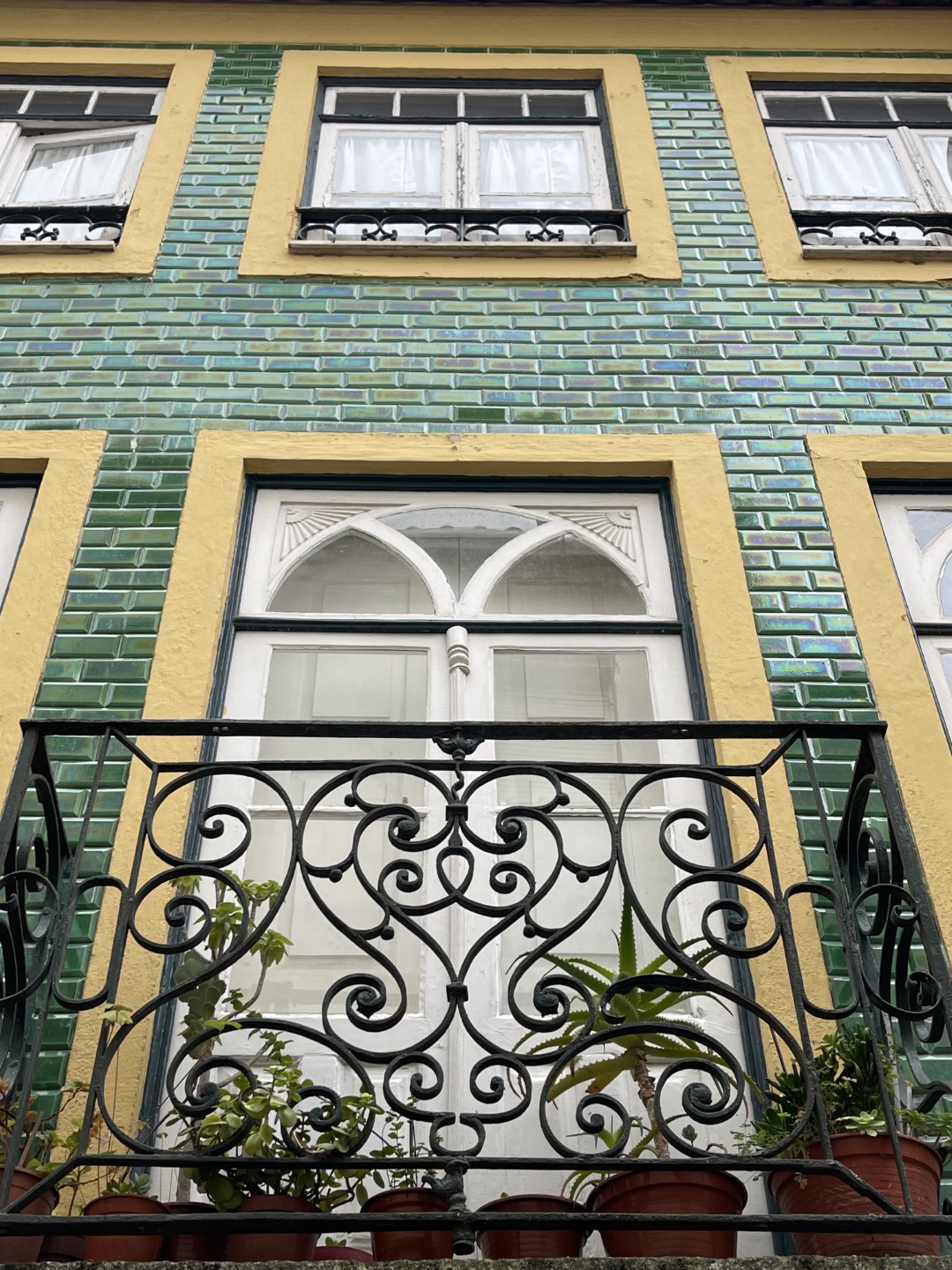
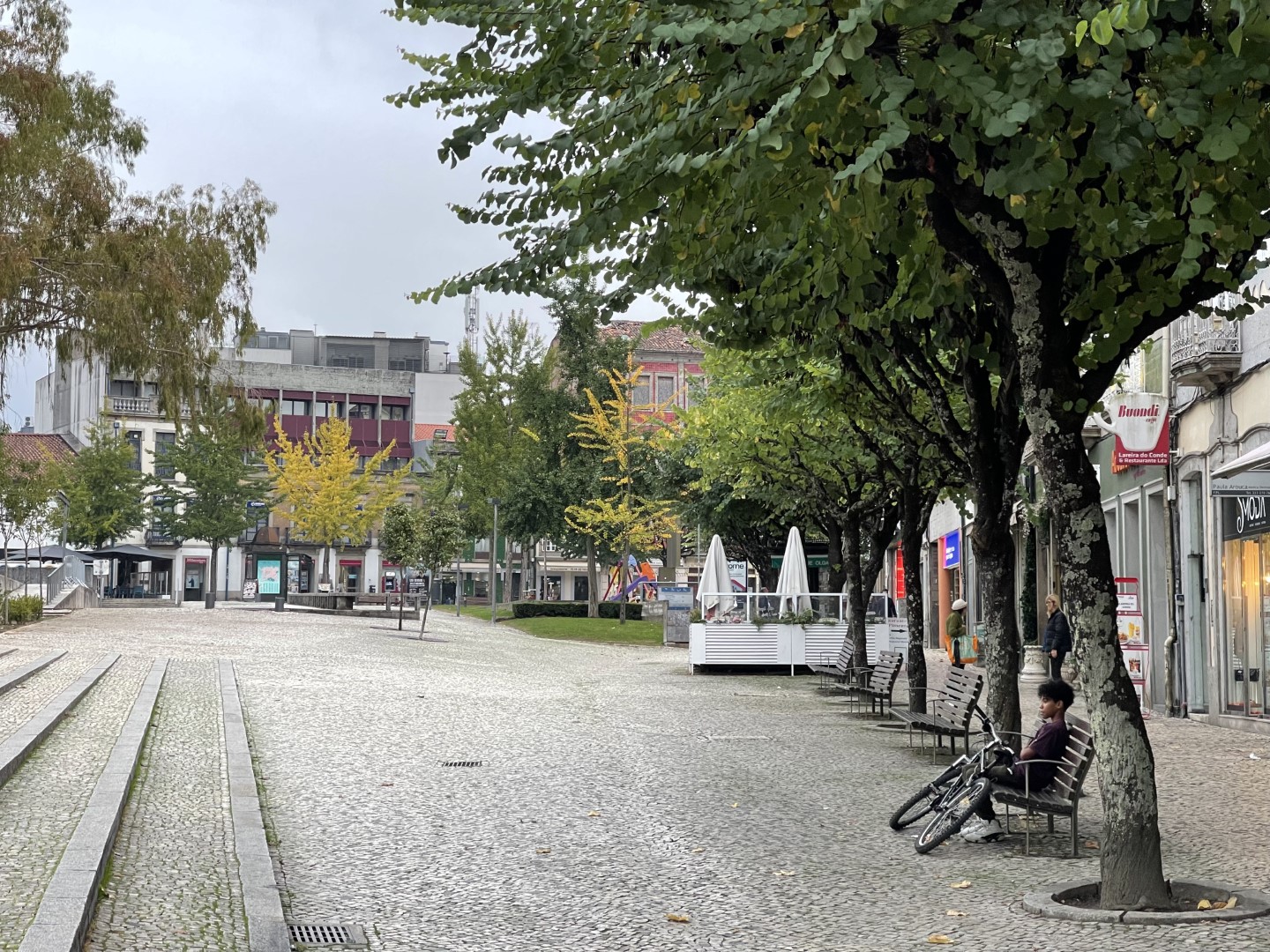
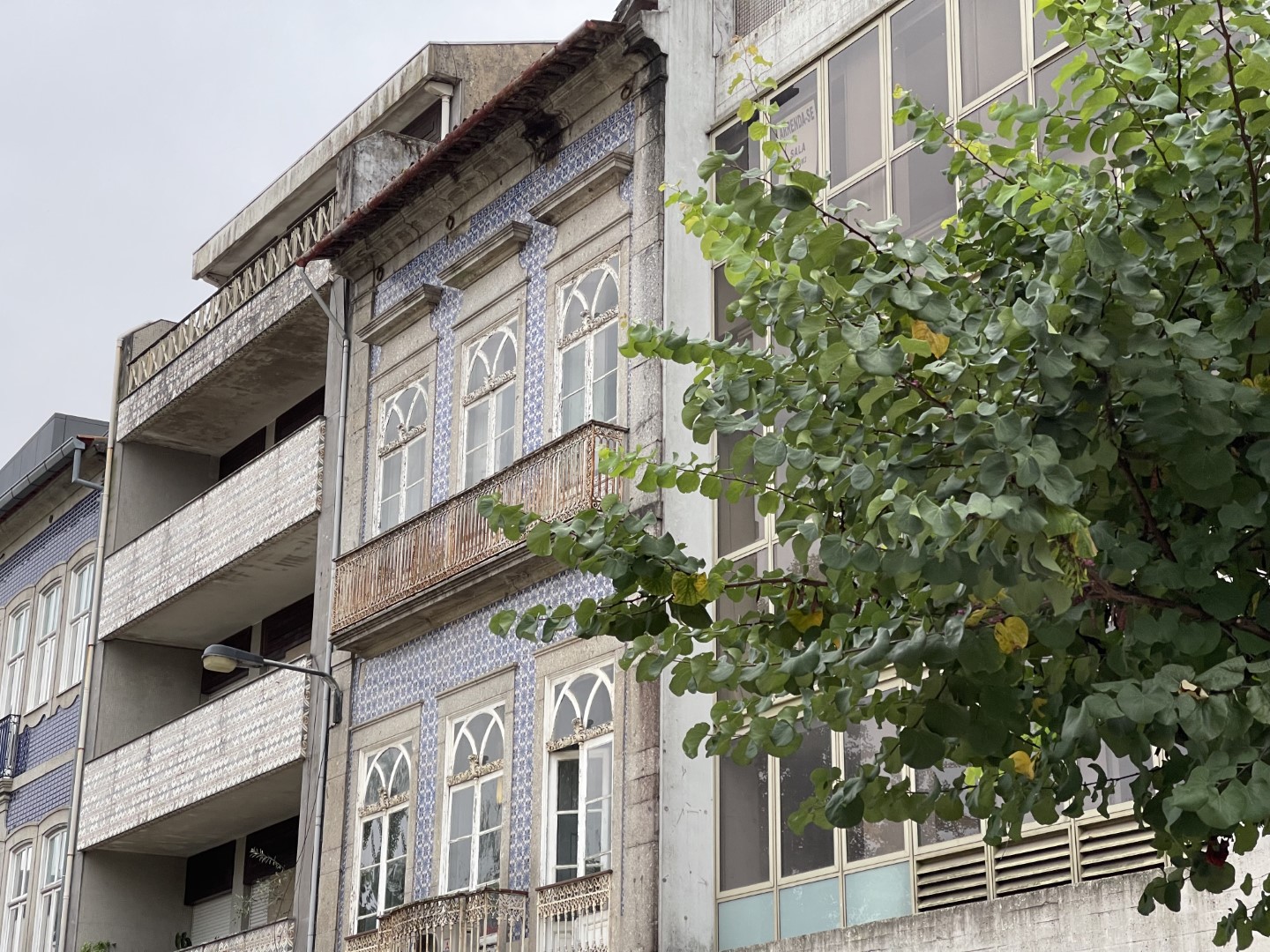
Signs of Portugal's poverty leak through the pretty facades of the old city. New construction is 100% functional concrete with almost no detail or ornamentation, while old buildings outside the main tourist drag are left to rot. Landmarks are gate-kept with steep entrance fees but contain cursory, poorly-translated explanations.
One effect of the colonization of Brazil was the democratization of sugar in Portugal. Once a luxury good, sugar was now abundant and cheap thanks to slave labor on the other side of the Atlantic, making pastry shops as commercially viable as normal bakeries, and it's not too hard to guess which one won; every Portuguese village has a pastry shop, while humble boulangeries are few and far between. Remarkably, the country maintains one of the lowest obesity rates in Europe, lower than the likes of France, Germany, and Norway.
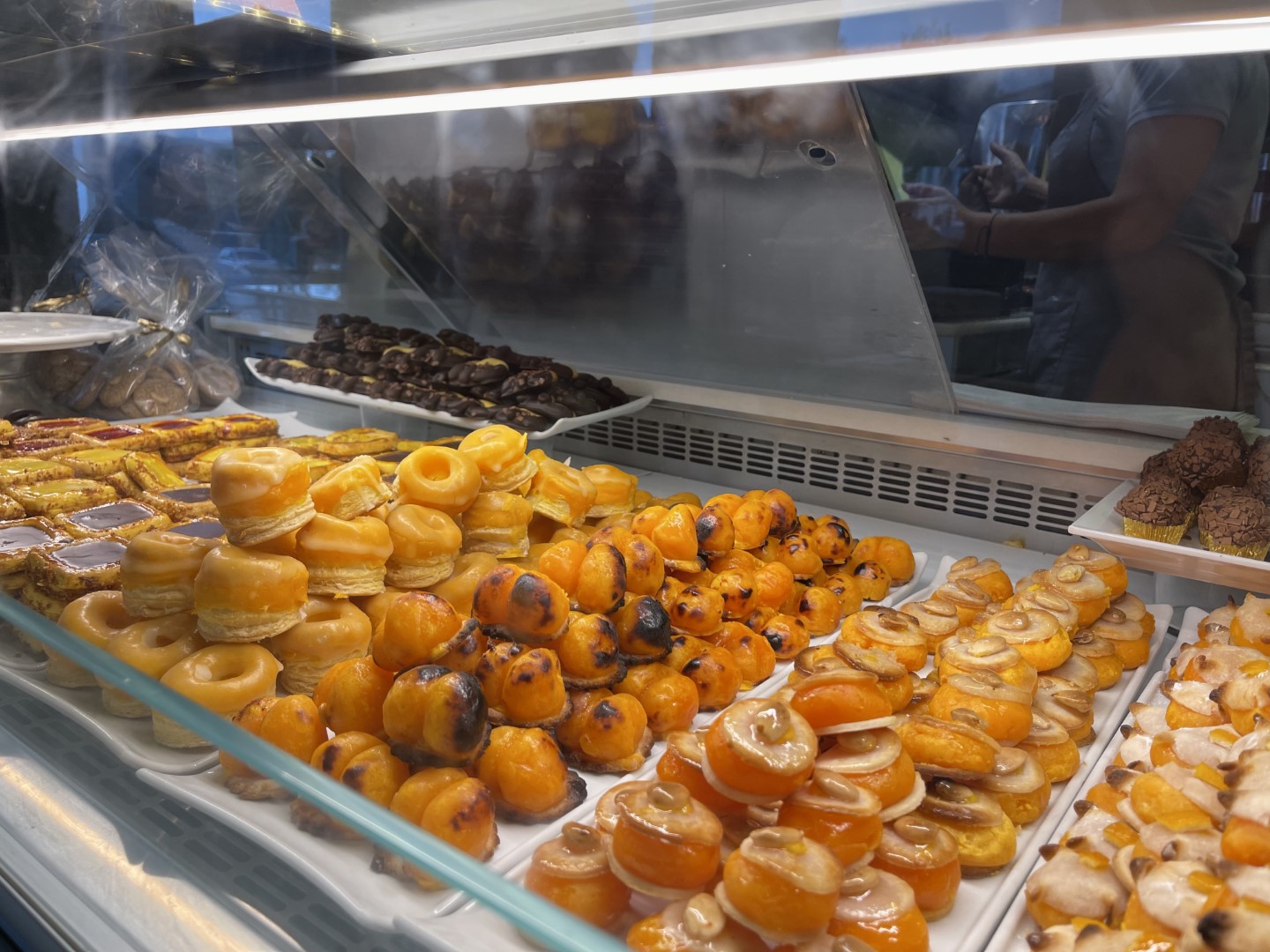
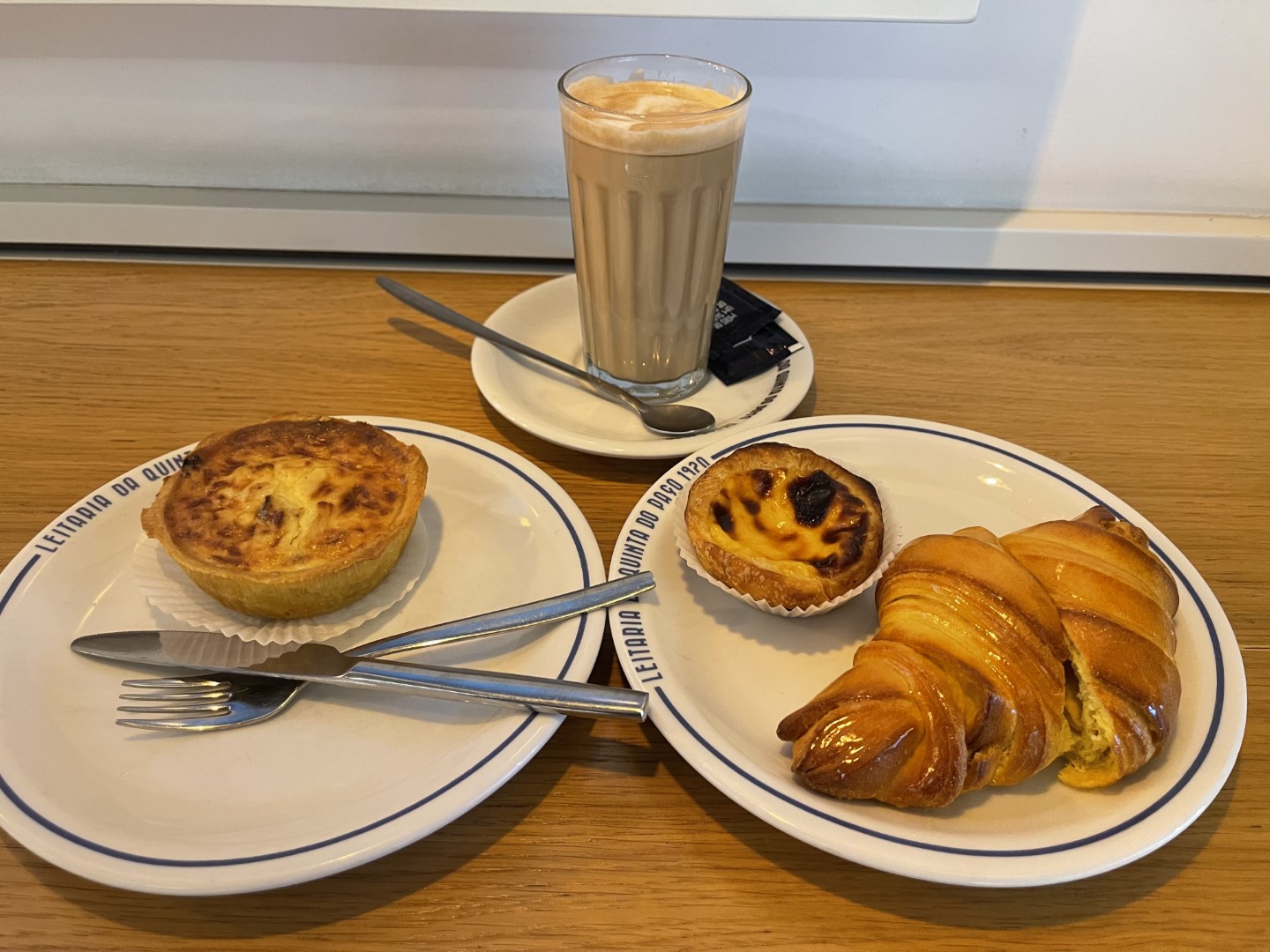
It is only a slight exaggeration to say that pastries more or less function as a substitute for bread in Portugal. They are often paired with a coffee for breakfast or simply eaten as a snack.
The next day, I walked through the eastern suburbs of Braga to the Catholic shrine of Bom Jesus do Monte. The suburbs looked more like Brazil or Bulgaria than they did a western European city.
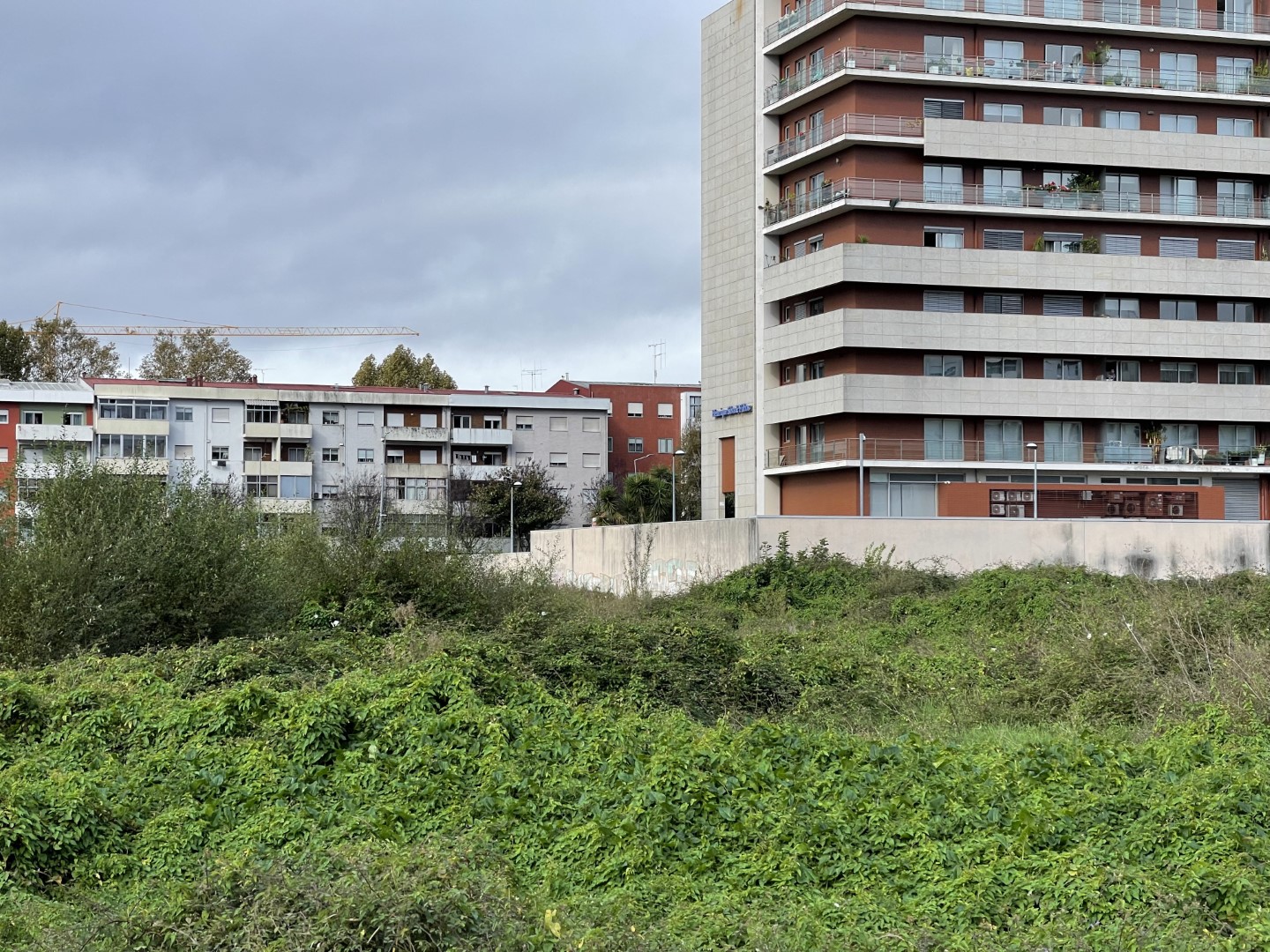
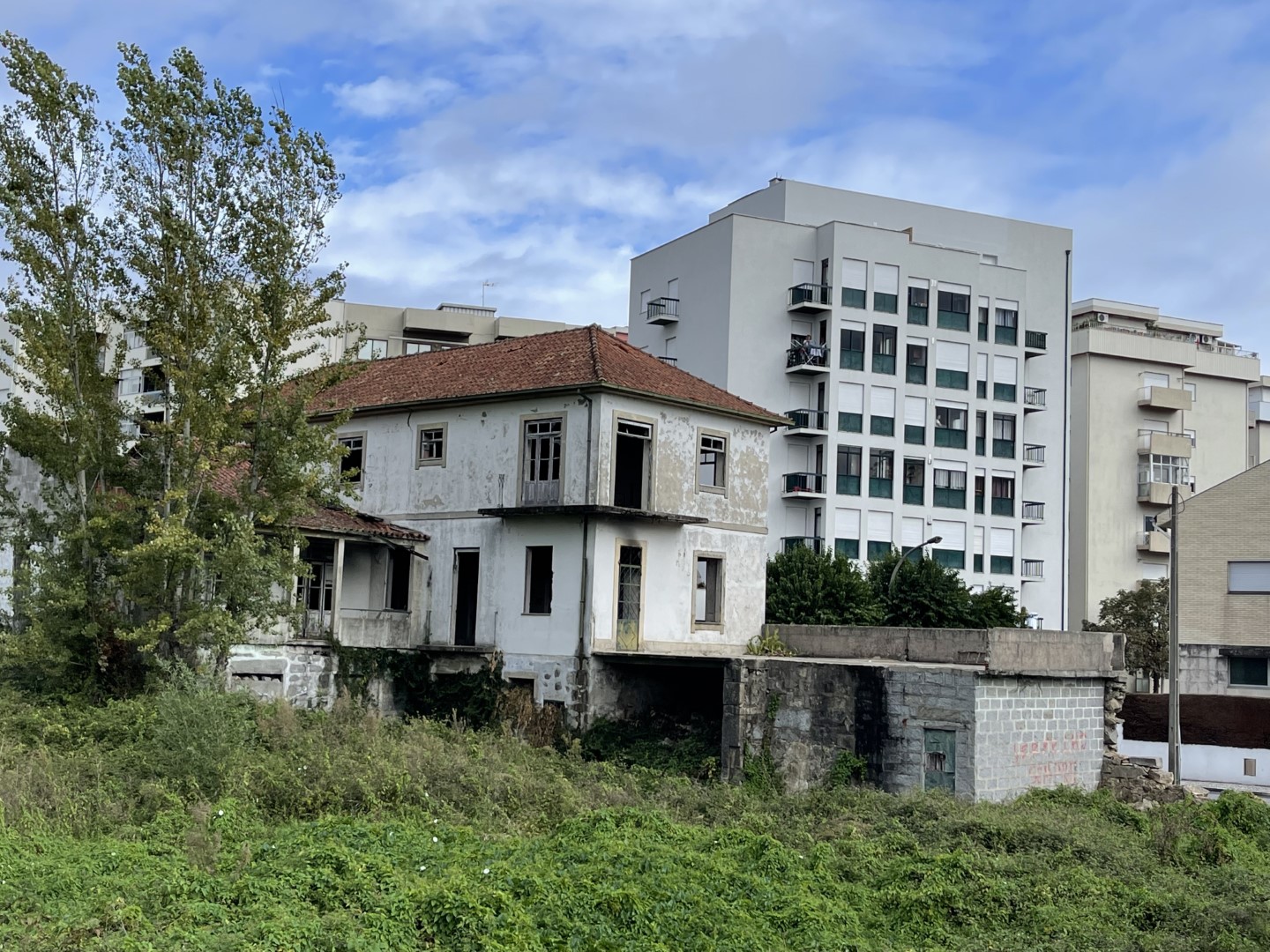
Portugal is a strange place where residents enjoy first-world amenities like quality education, healthcare, and transport, but the run-down, haphazard urban environment resembles that of a developing country. If America is a third-world country with a Gucci belt, Portugal is a first-world country with an Adidas tracksuit.
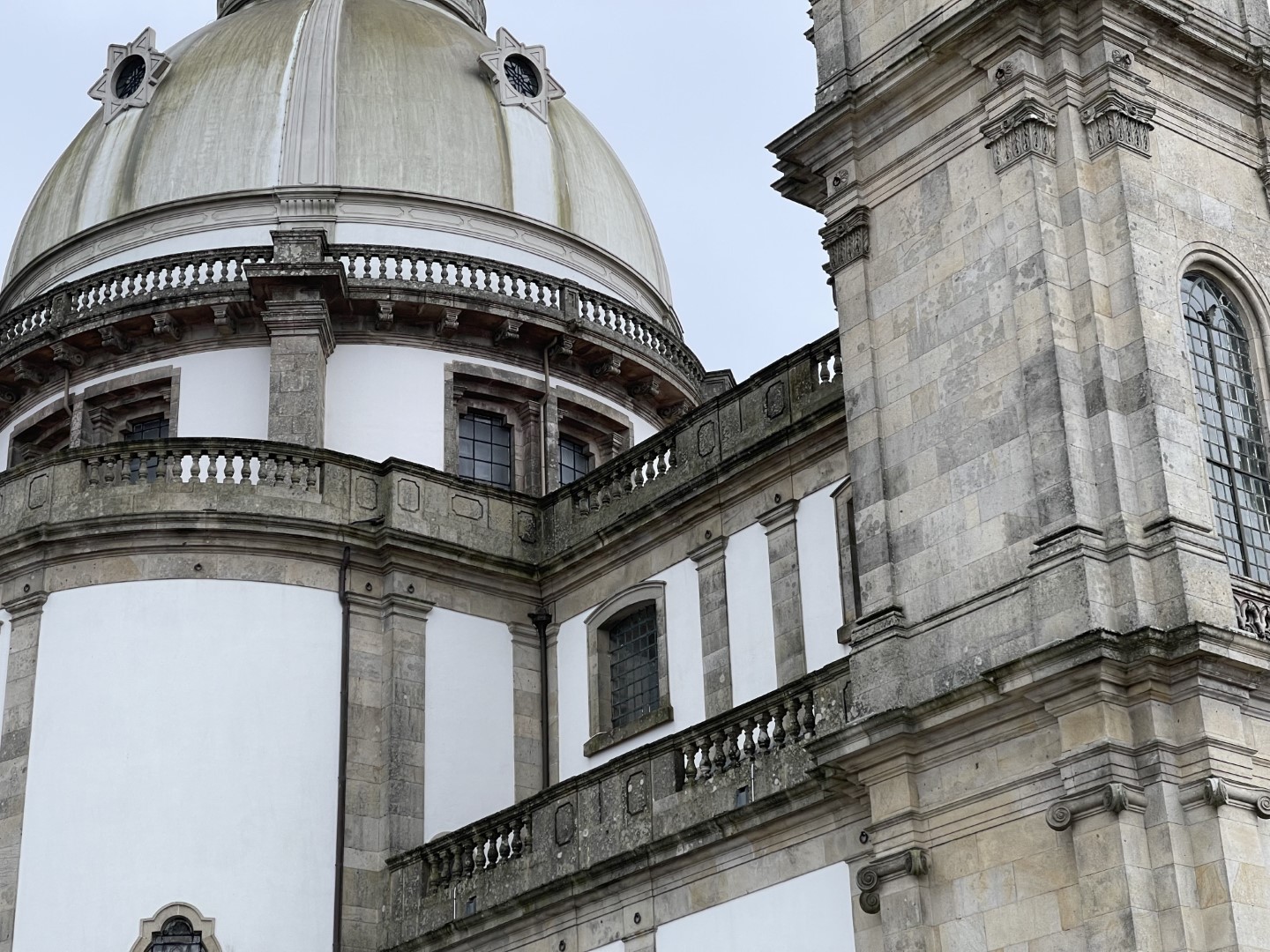
Bom Jesus do Monte is located on a hilltop. You can take a funicular railway to the top, but I ate too many sweets for breakfast so I decided to walk the 25 flights of stairs or so.
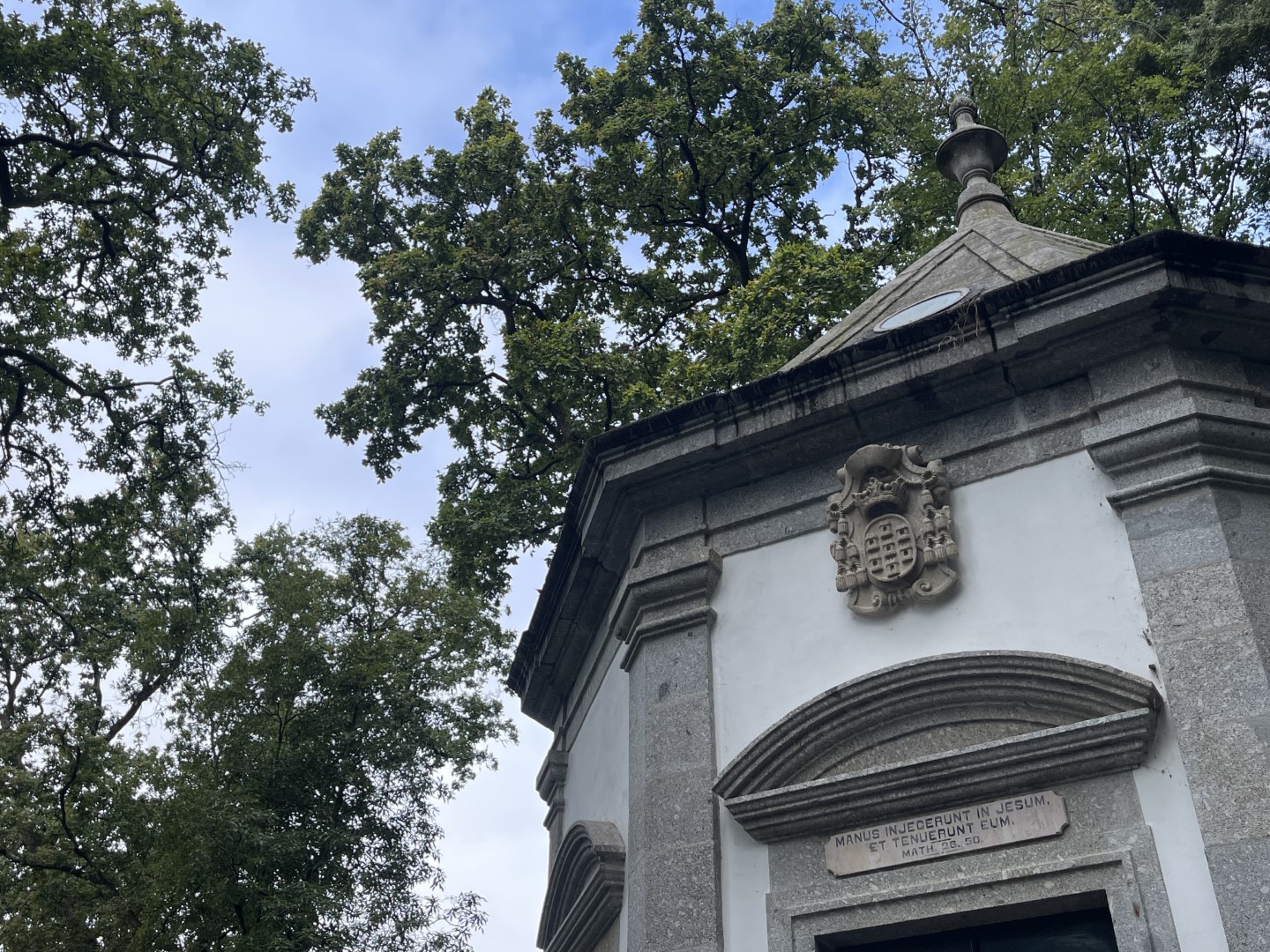
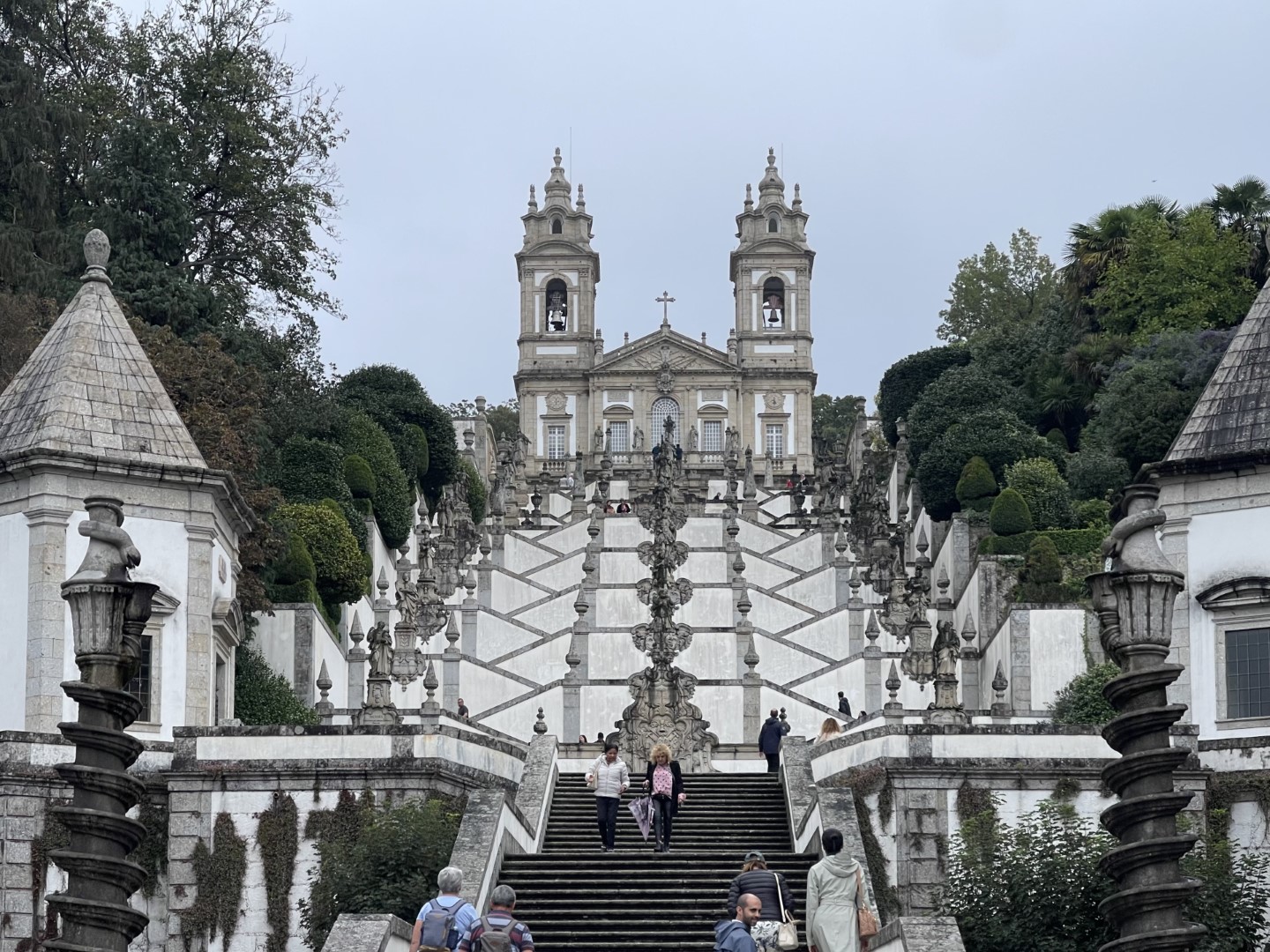
Humans are quite incredible. We can ignore the physical world around us, going against a million years of evolution, and, in a moment of pious delirium, see things like crying stone statues of the Virgin Mary. And then, when we sober up, we don't think to ourselves, "well, that was stupid of me" - instead, we remake the world in our vision.
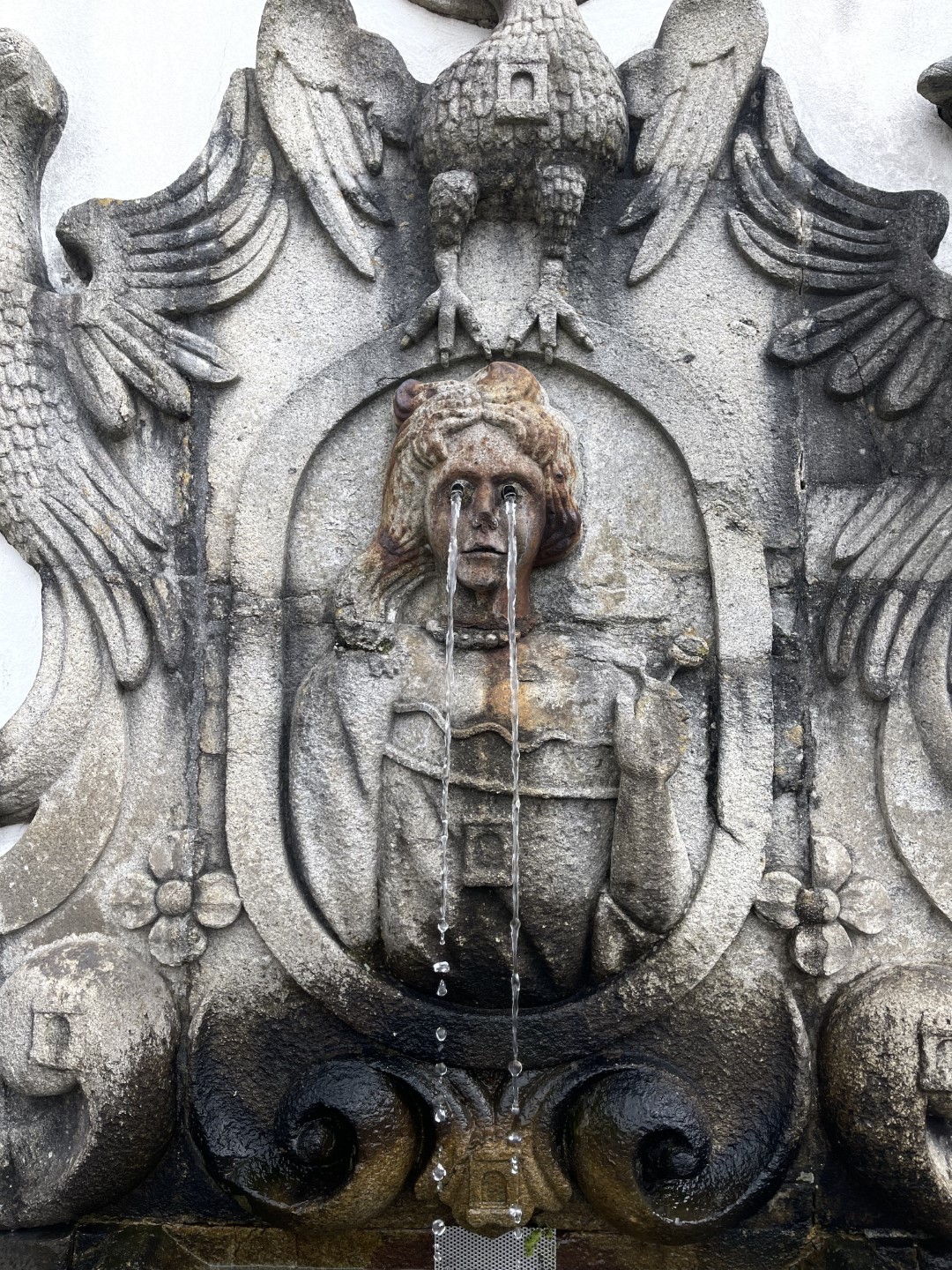
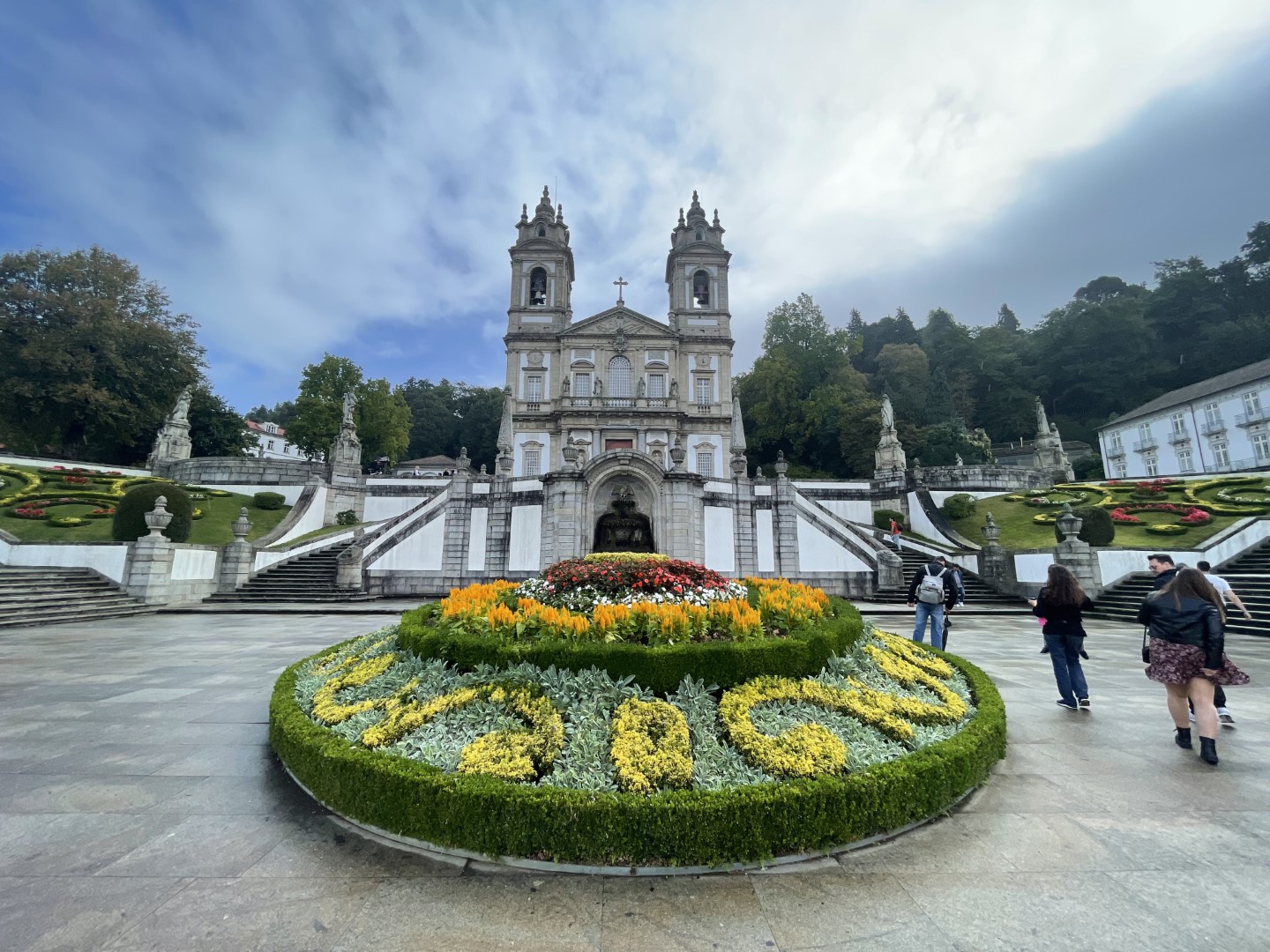
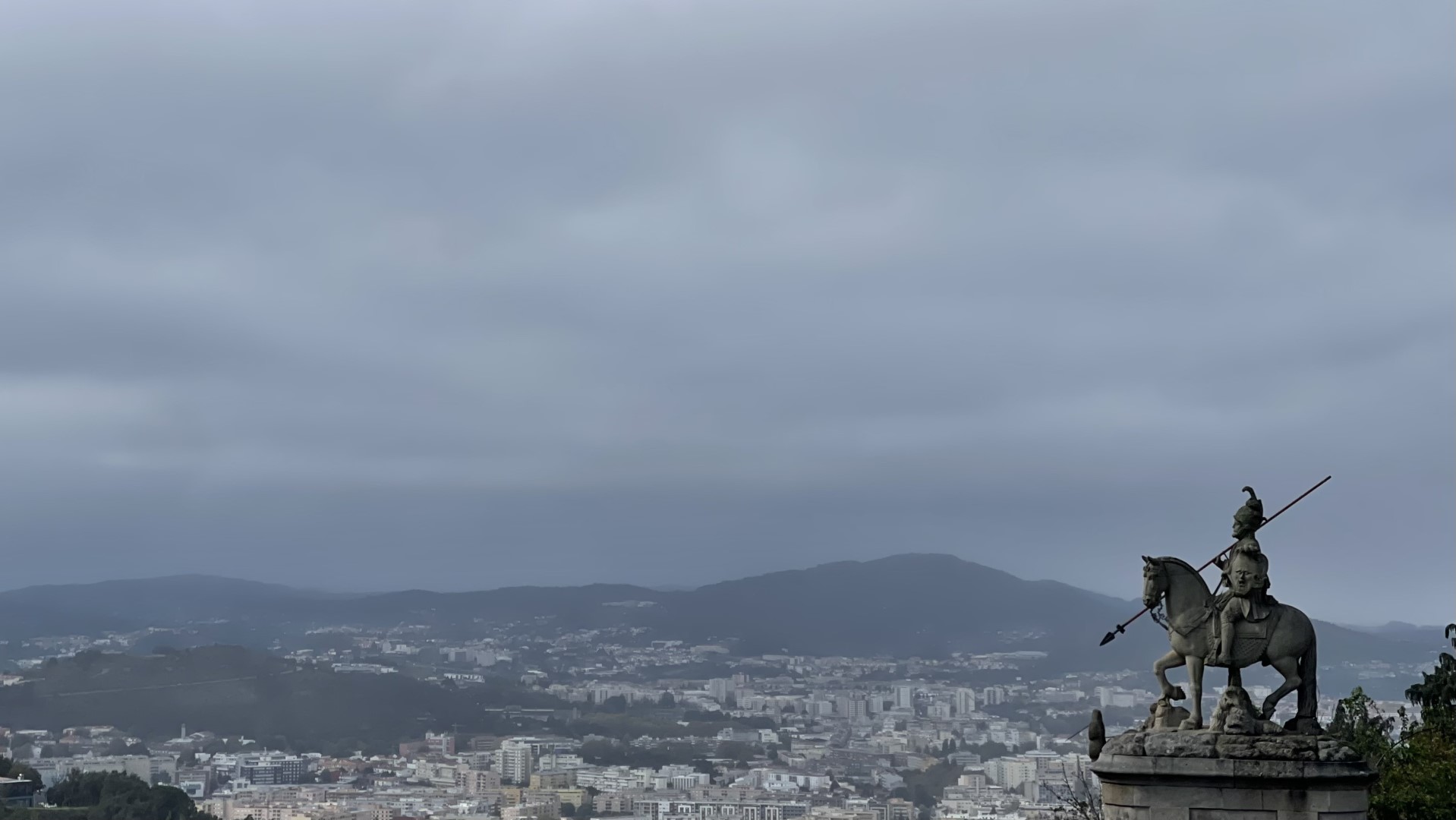
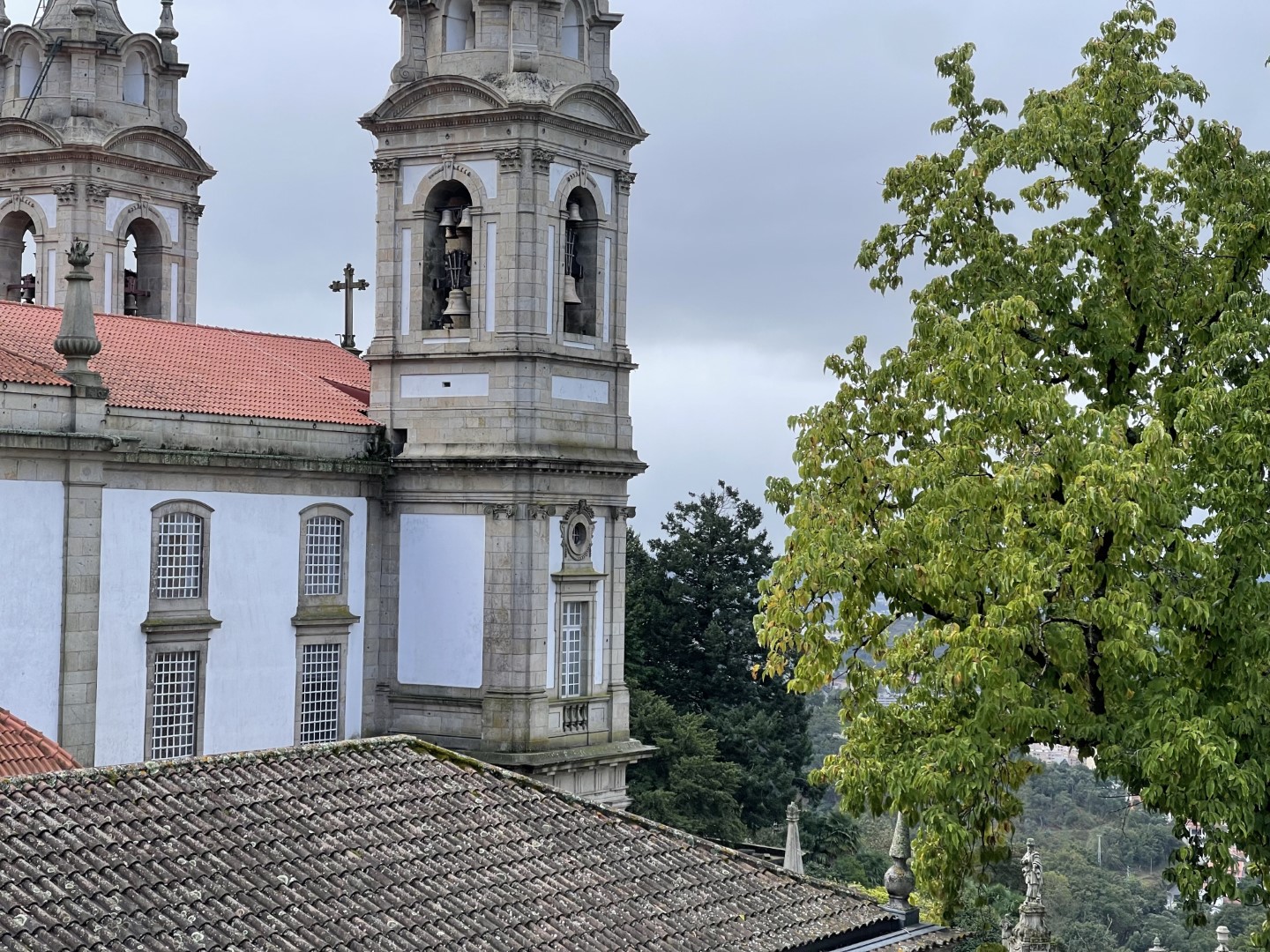
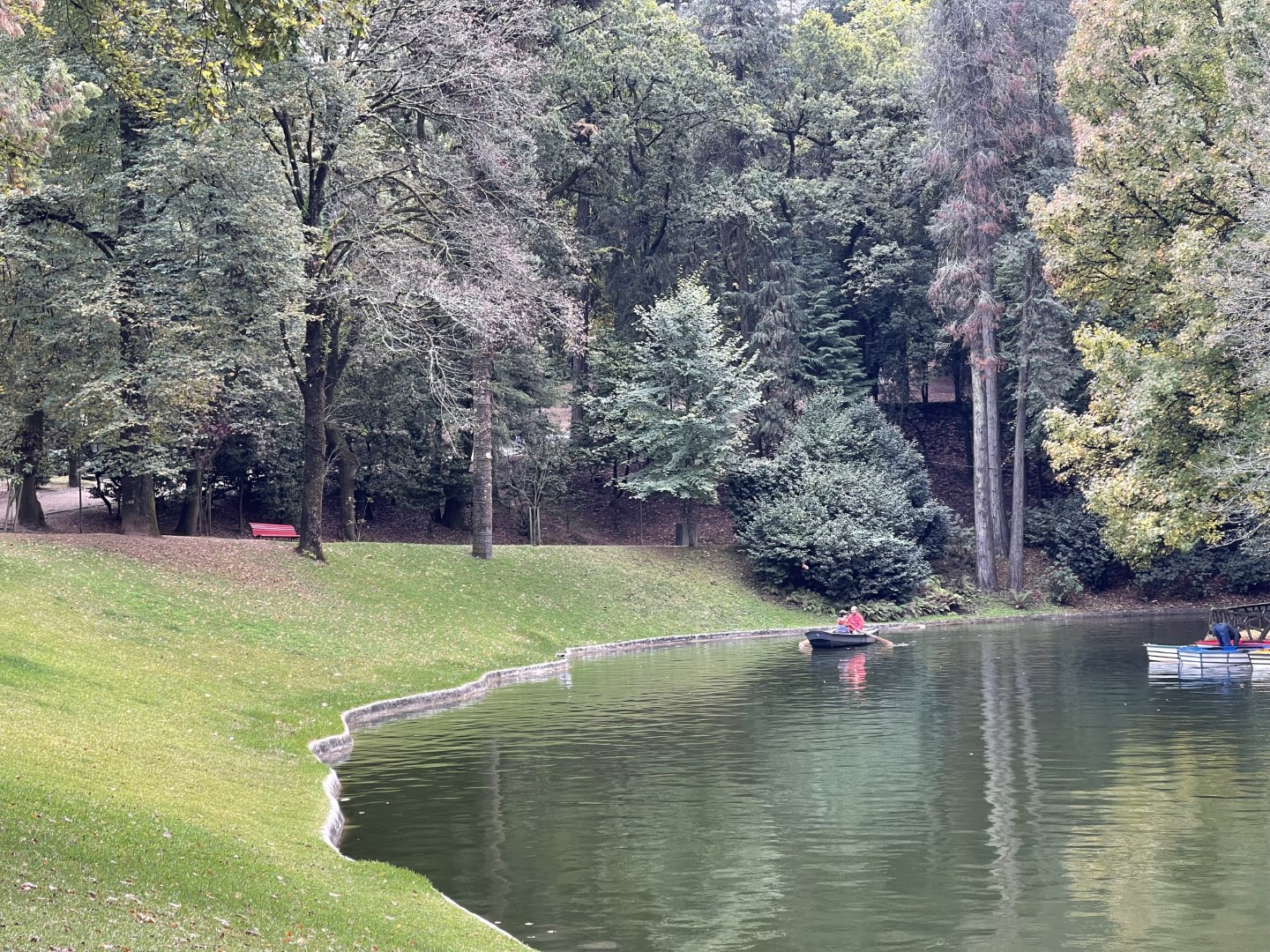
The hill around the monastery has been converted into a park, complete with an artificial lake, kayak rentals, and barbecue pits. Locals grilled meat and paddled around in spite of the relentless drizzle.