- Published on
Tetouan, Morocco
Tags
Time of Visit: November 1-5, 2022
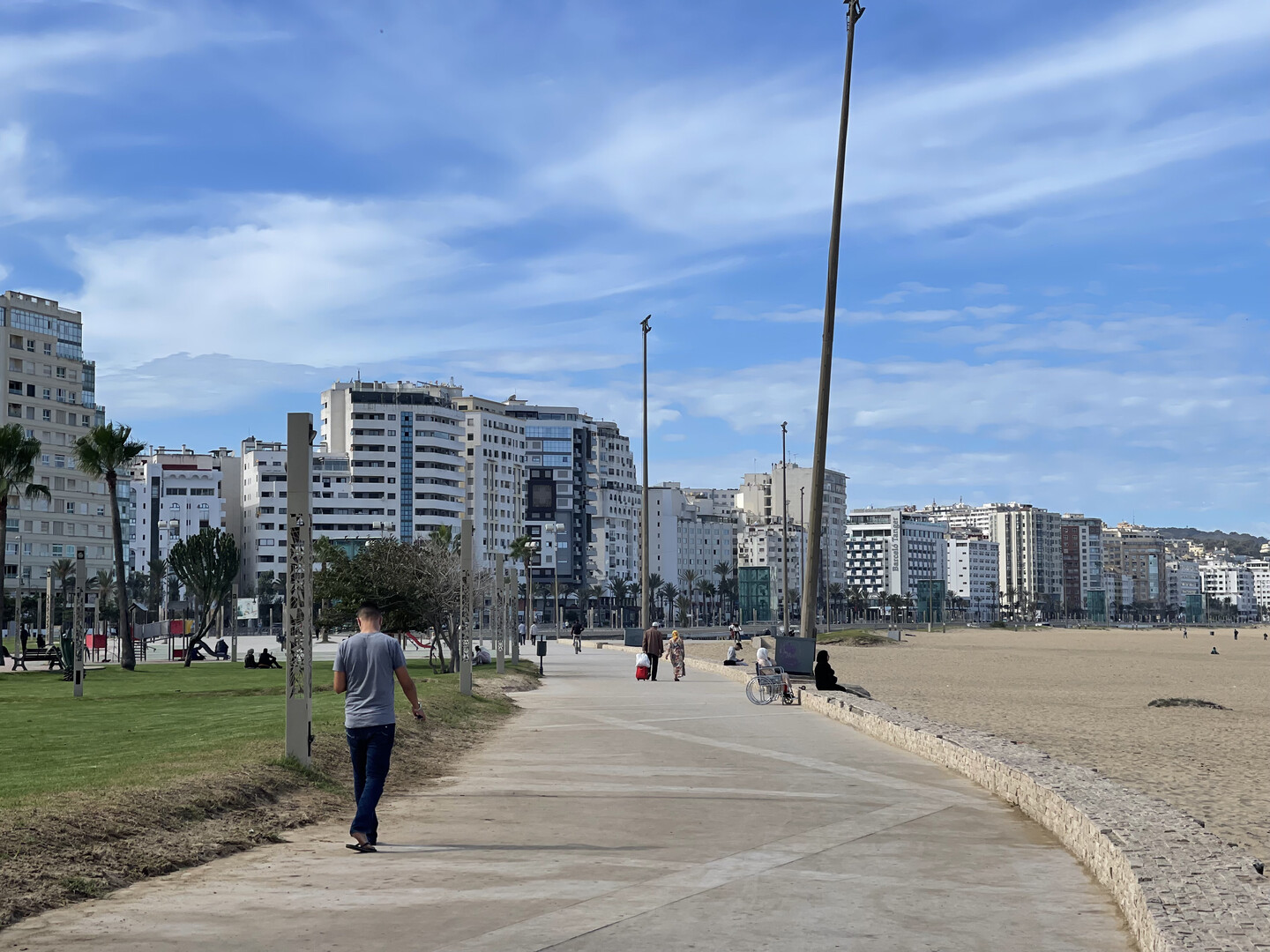
Despite its proximity to Europe, Tetouan is hardly known, let alone visited, by anyone but Spanish tourists - it is overshadowed by visitors making a day trip across the Strait of Gibraltar to nearby Tangier. I had a few hours to burn in Tangier before catching the bus to Tetouan, so I decided to walk along the promenade overlooking the Mediterranean. Over the next twenty minutes, I was offered hash four times and side-eyed by three groups of delinquent-looking young men, so I hailed a taxi to the bus station and decided to wait there instead.
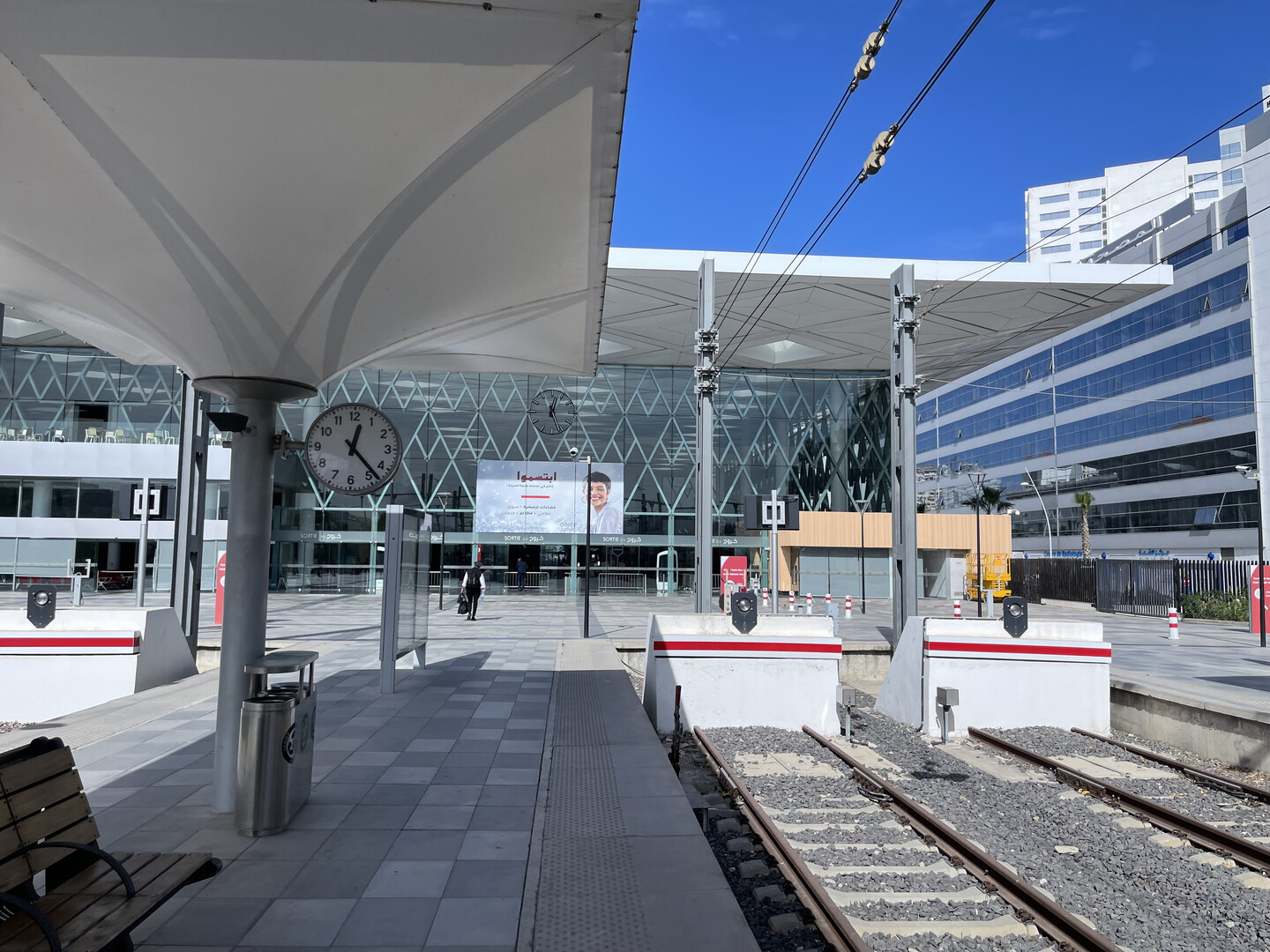
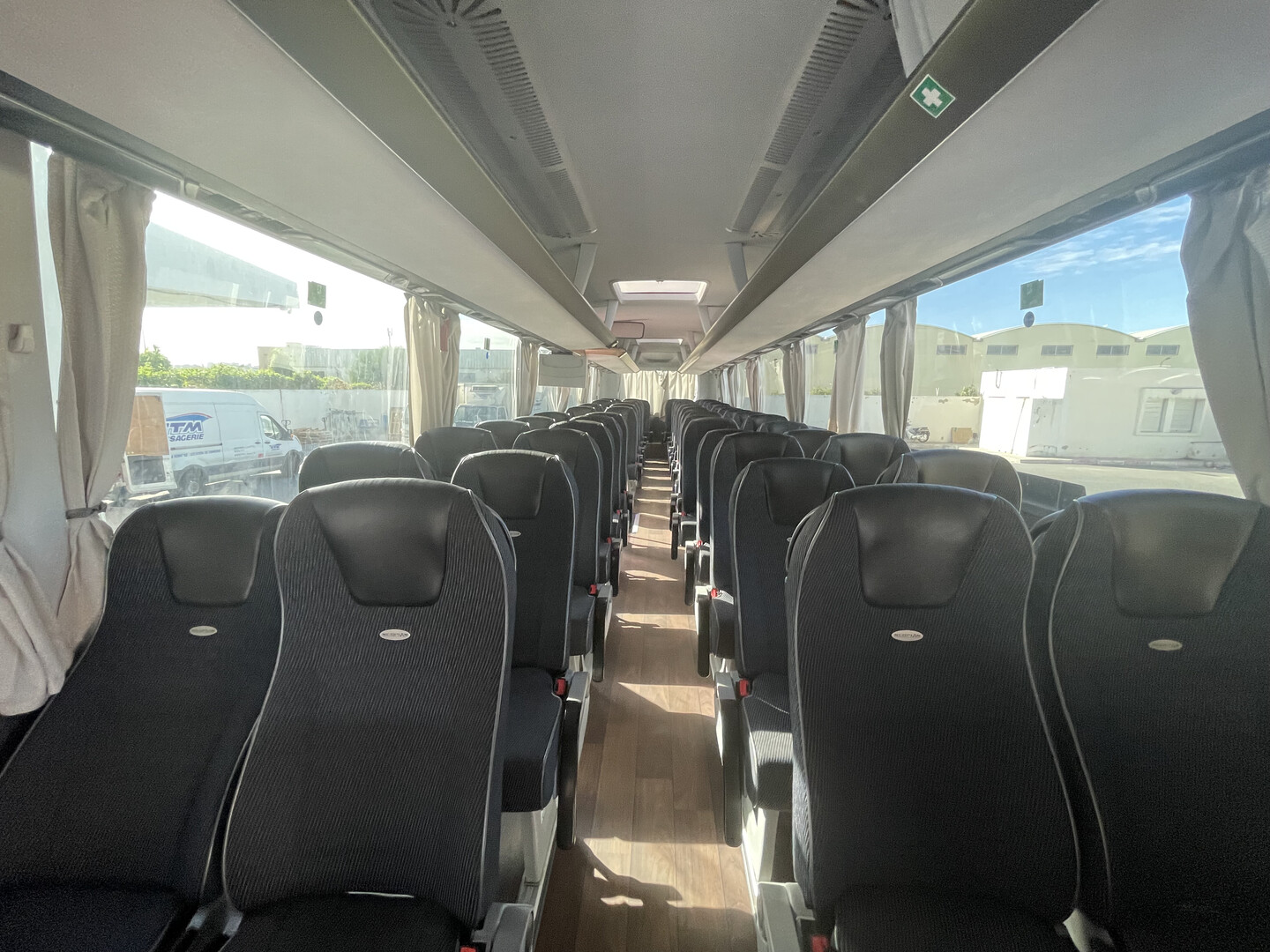
From Tangier, Tetouan was a quick one-hour bus ride over a characteristically Mediterranean landscape of hilly olive groves. I was pleasantly surprised by the timeliness, cleanliness, and comfort of the bus I took, operated by the Moroccan company CTM. It even offered online reservations with QR code confirmations.
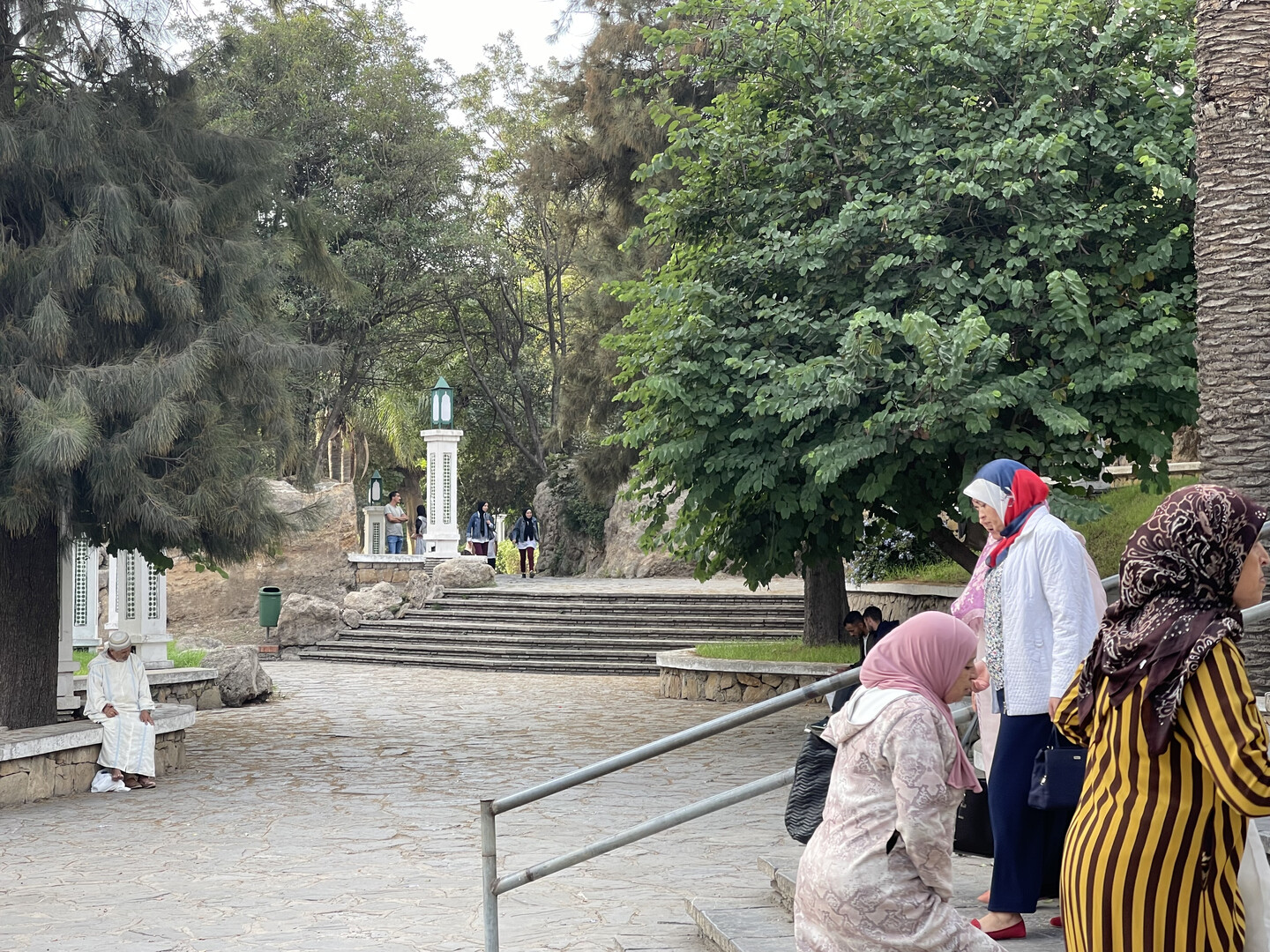
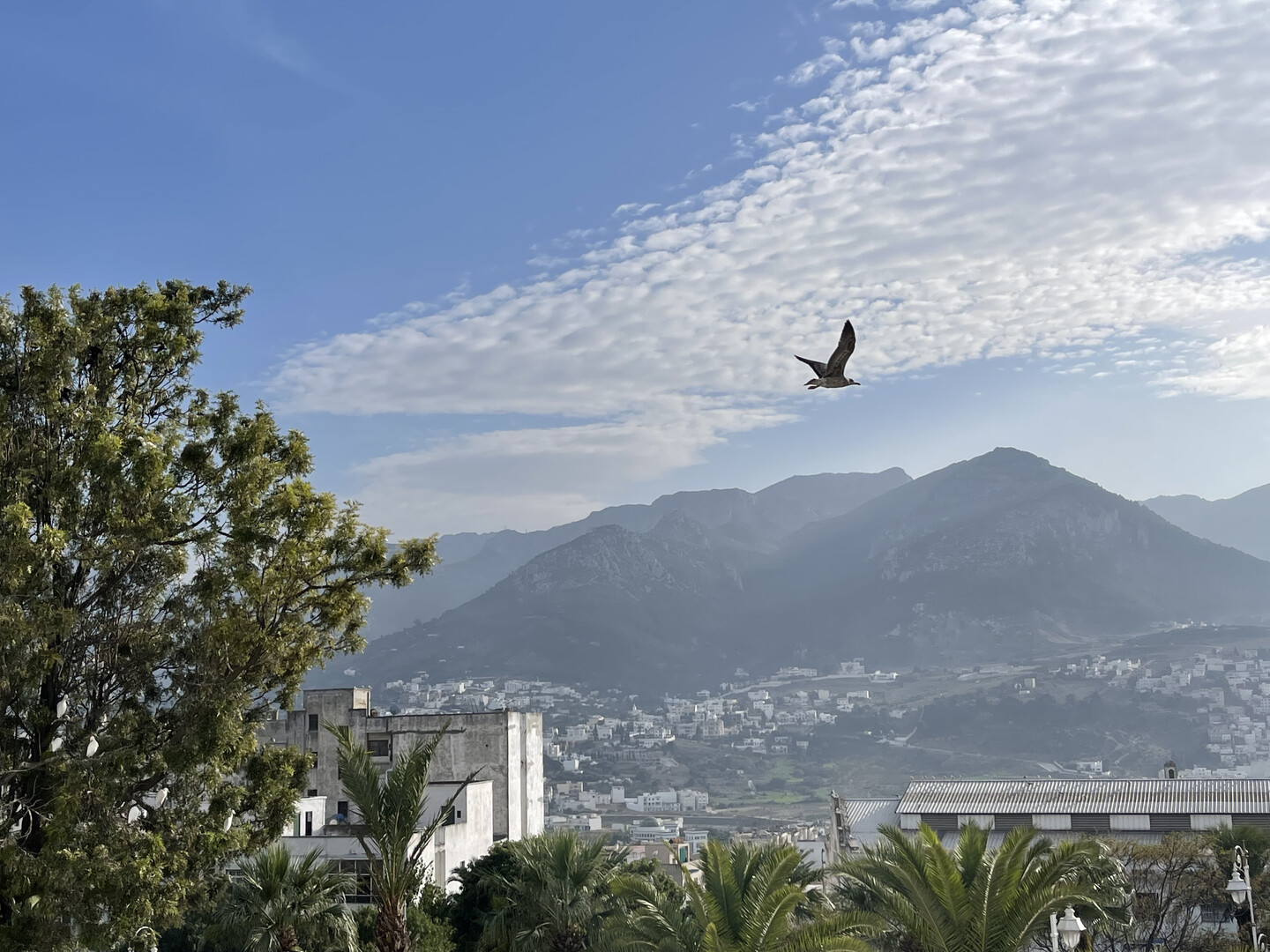
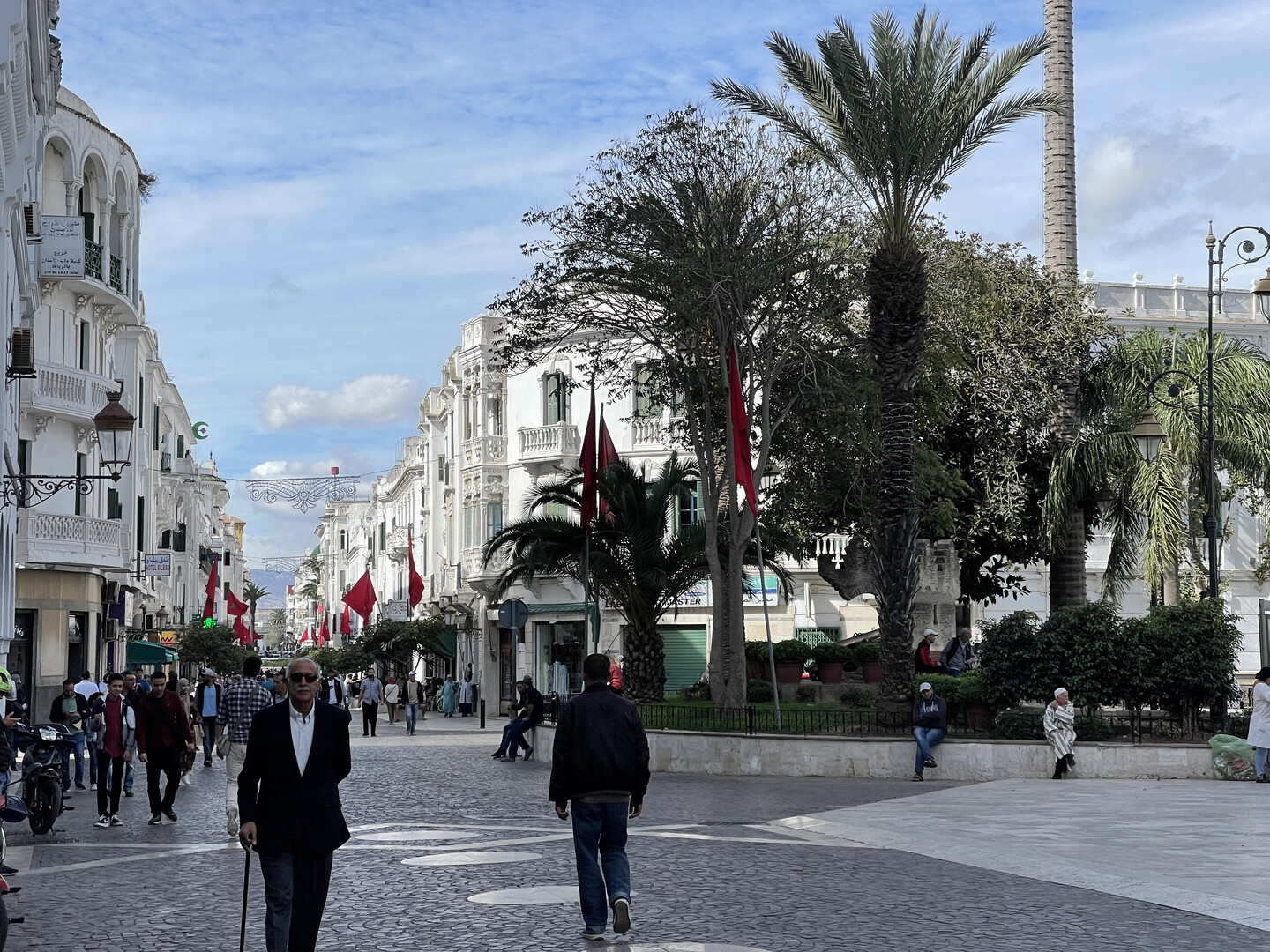
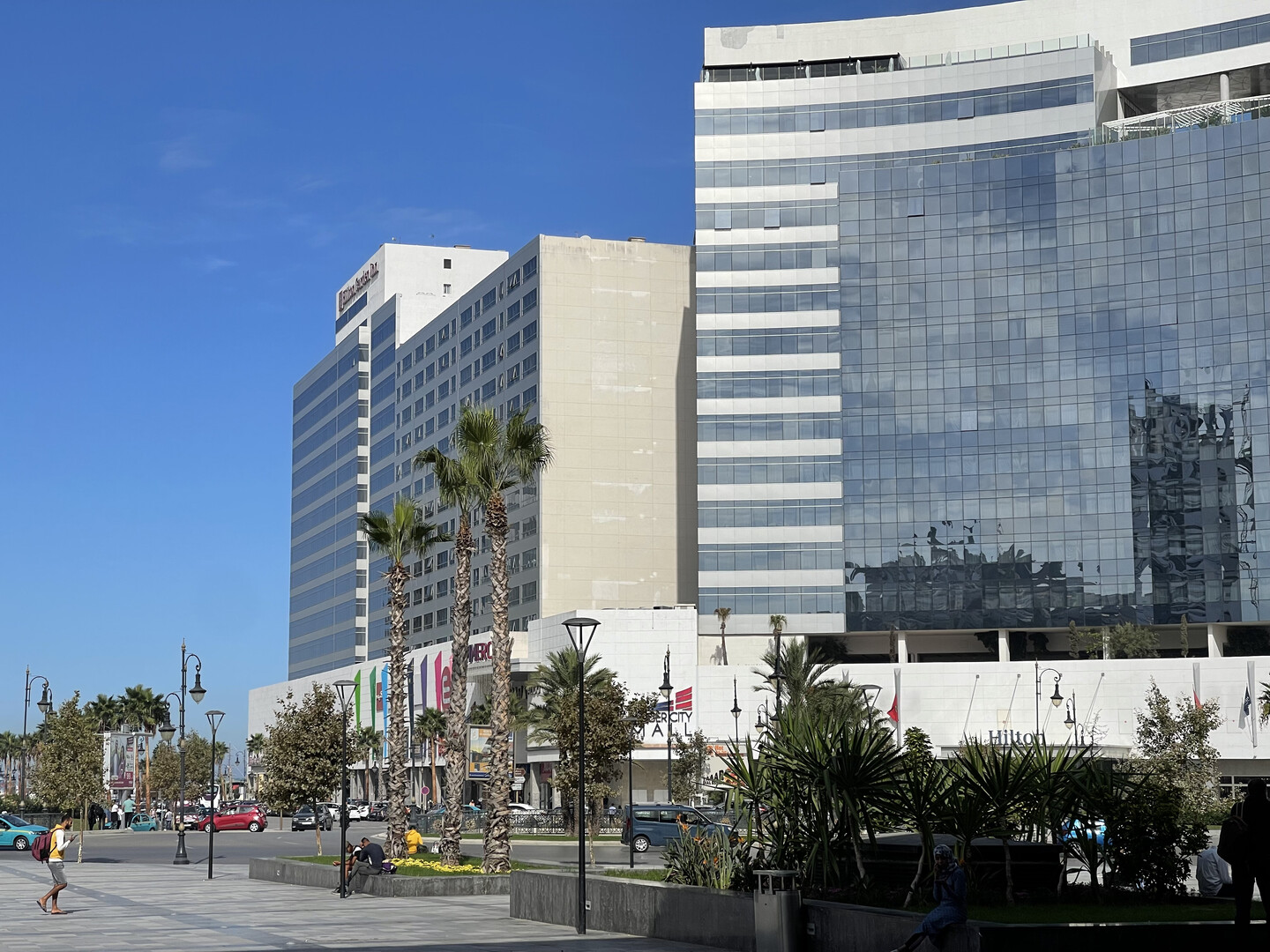
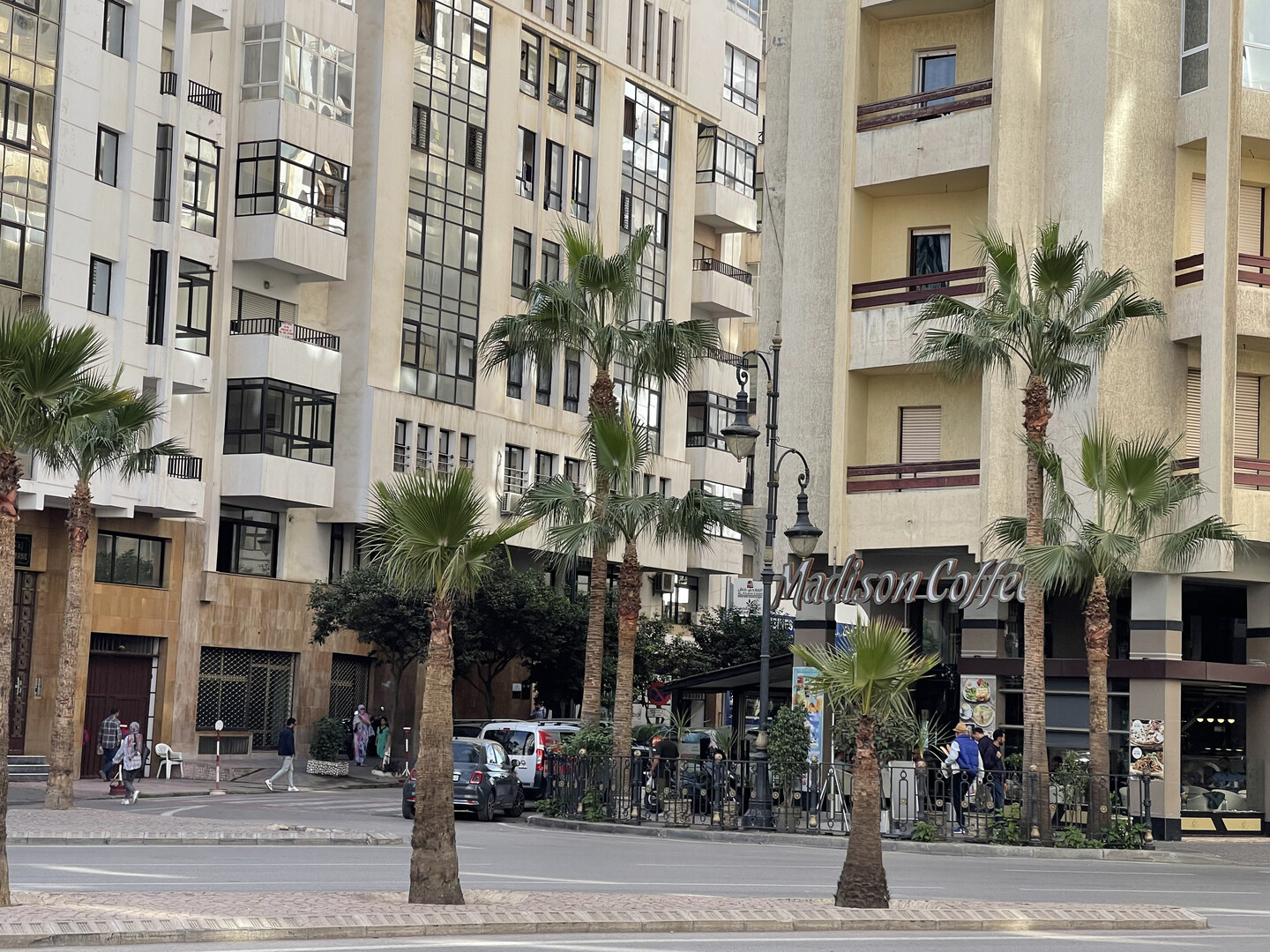
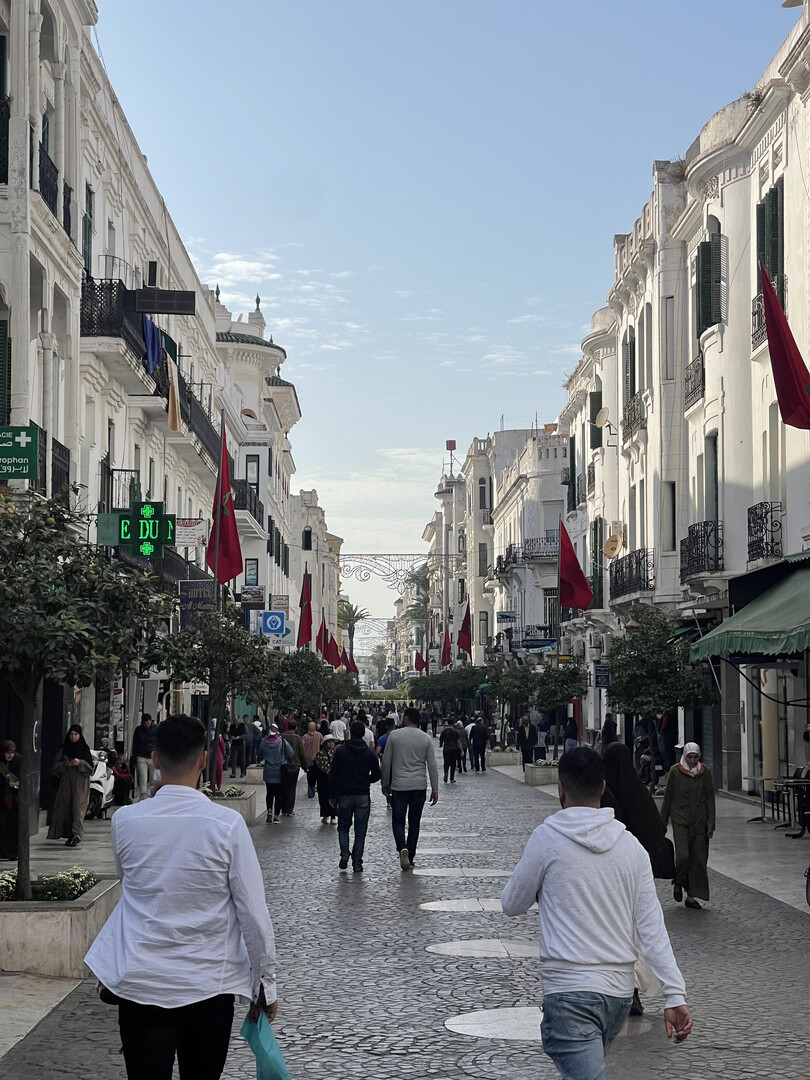
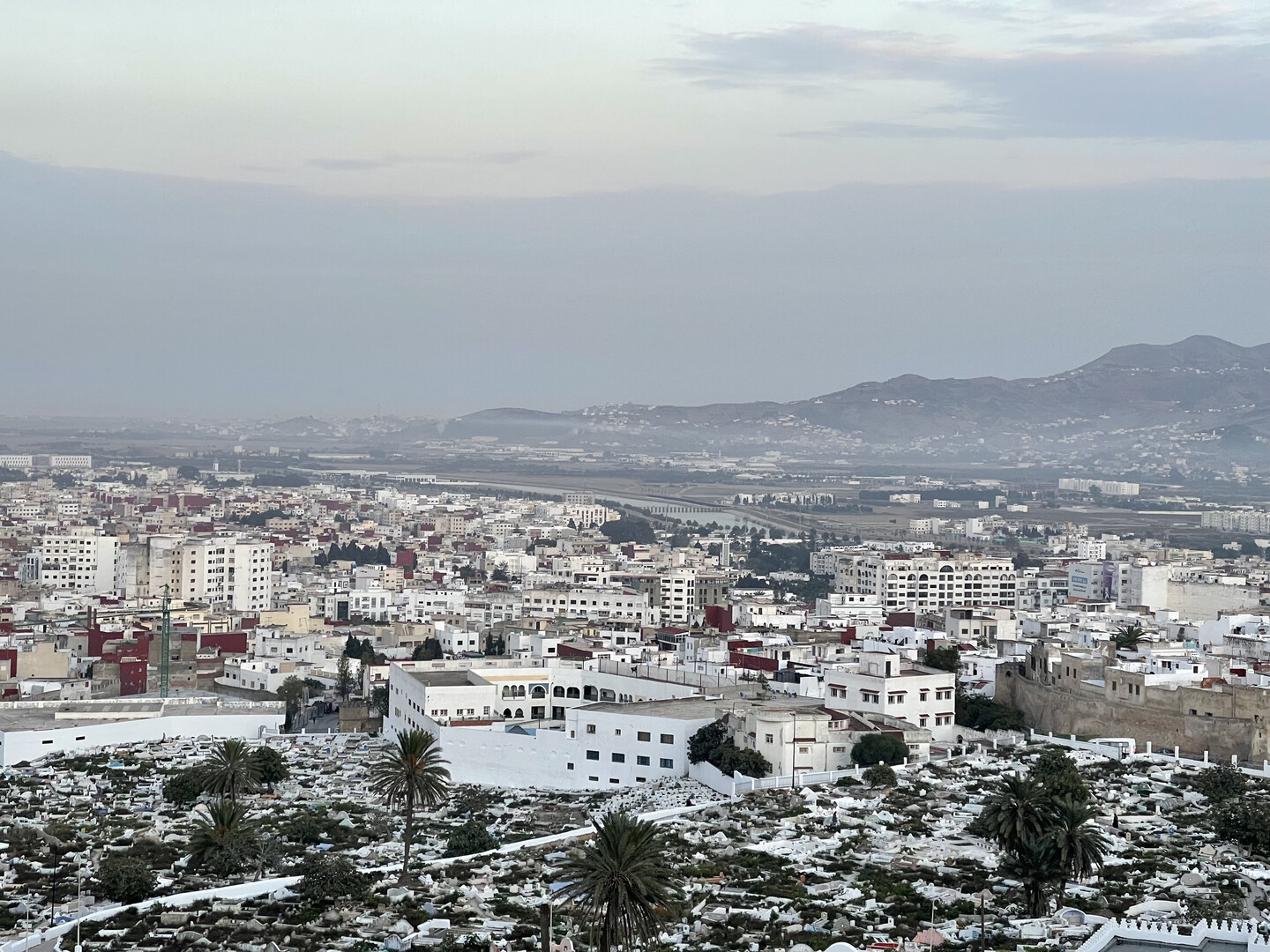
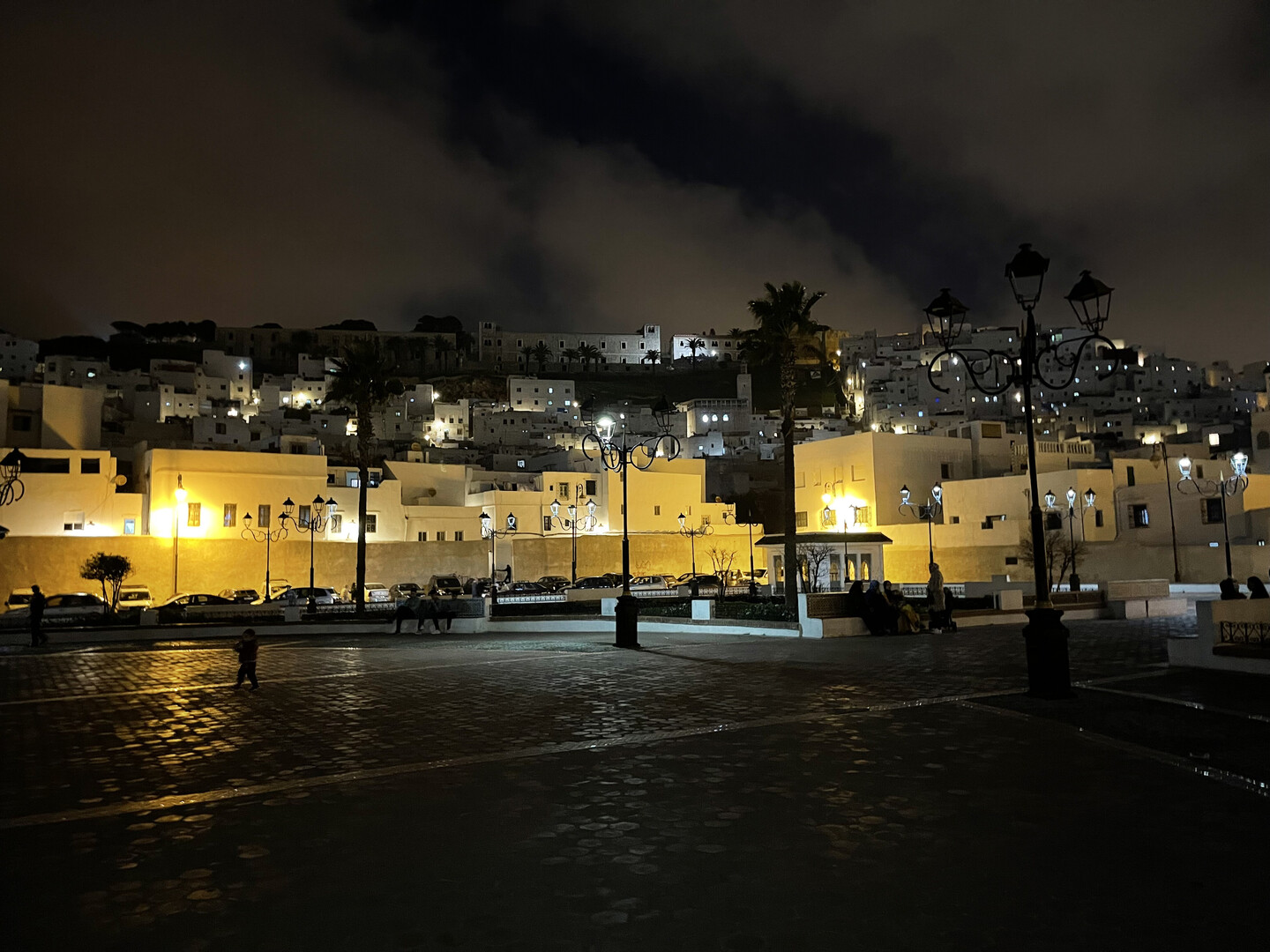
Although the city has gone through several cycles of development, most of modern Tetouan owes its appearance to Jews and Muslims who sought refuge in North Africa following the Reconquista. Later on, Spanish colonizers bulldozed a portion of the city and laid out roads in their tried-and-true grid pattern, creating an odd dichotomy between the neat, organized "Spanish city" and the chaotic, labyrinthine "Arab city" right next to it. Modern Moroccan urban developments, despite having little tourist appeal, add yet another layer of complexity to this beautiful clusterfuck of a city.
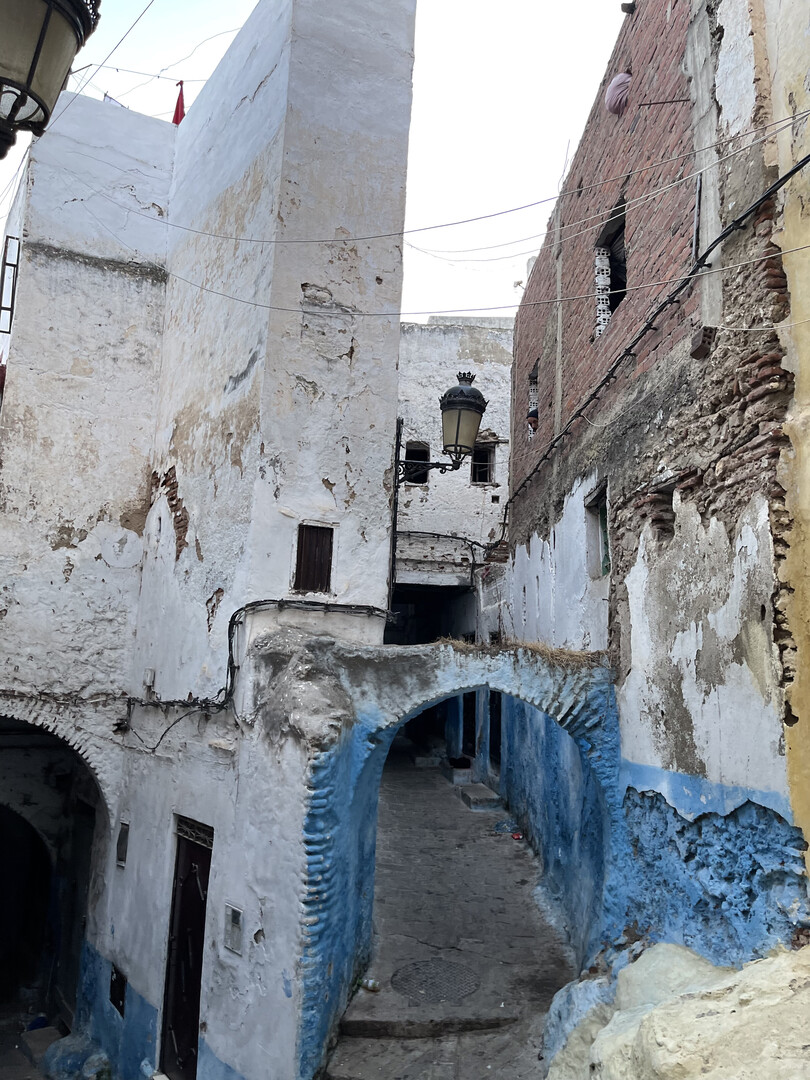
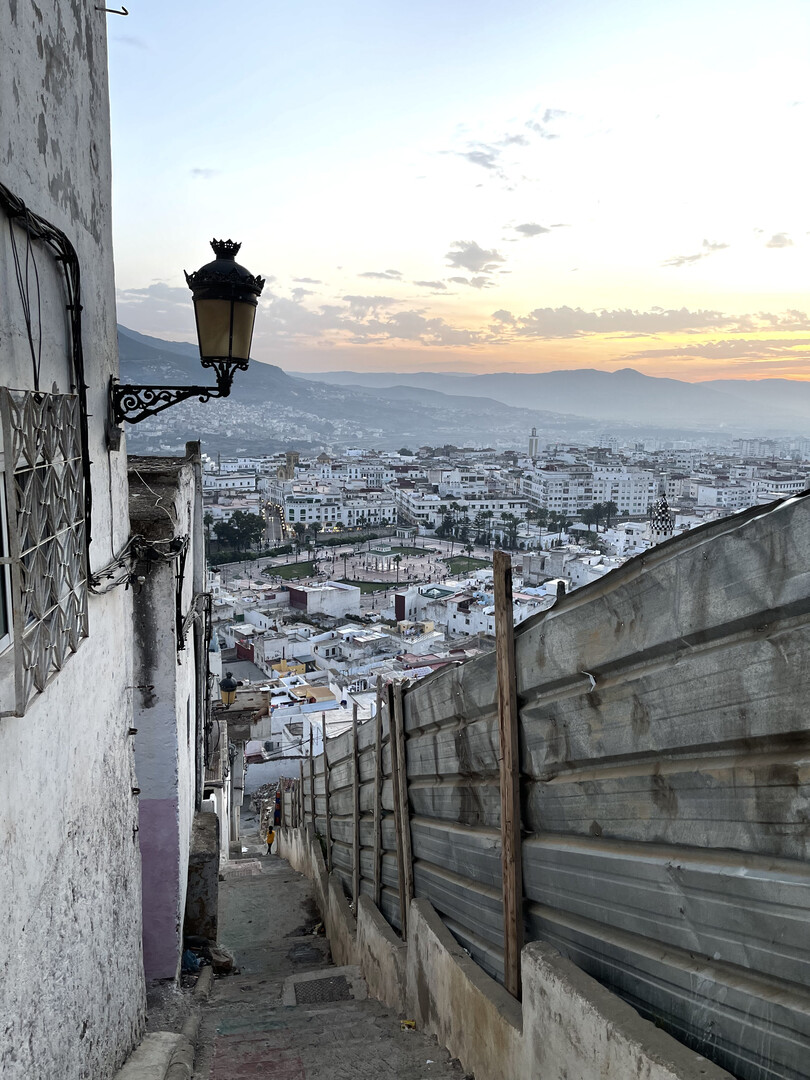
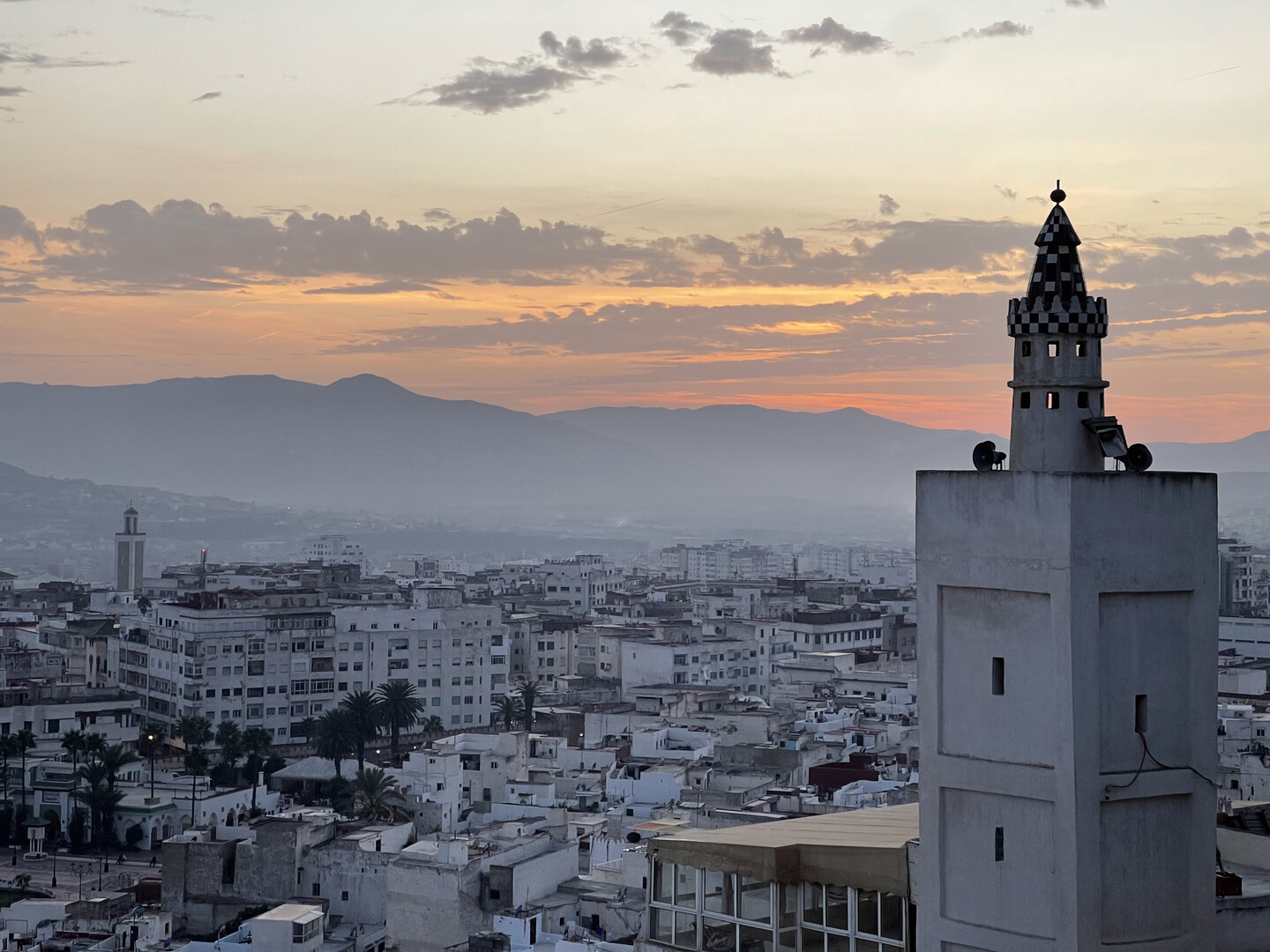
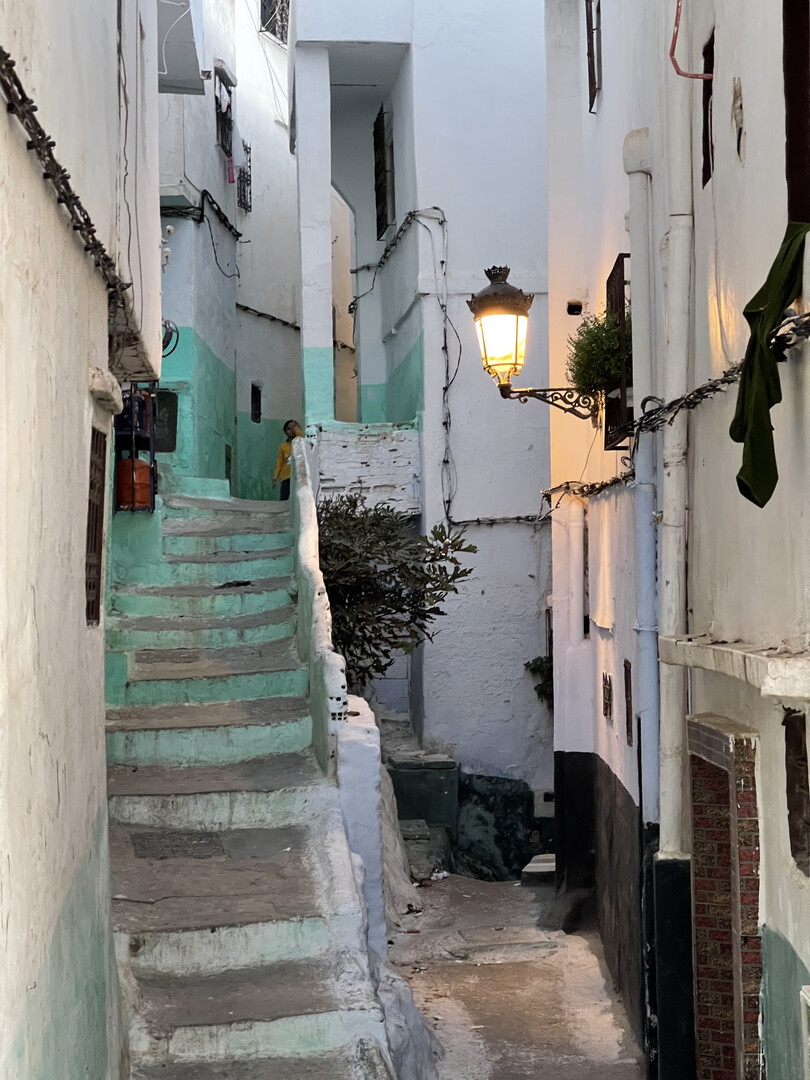
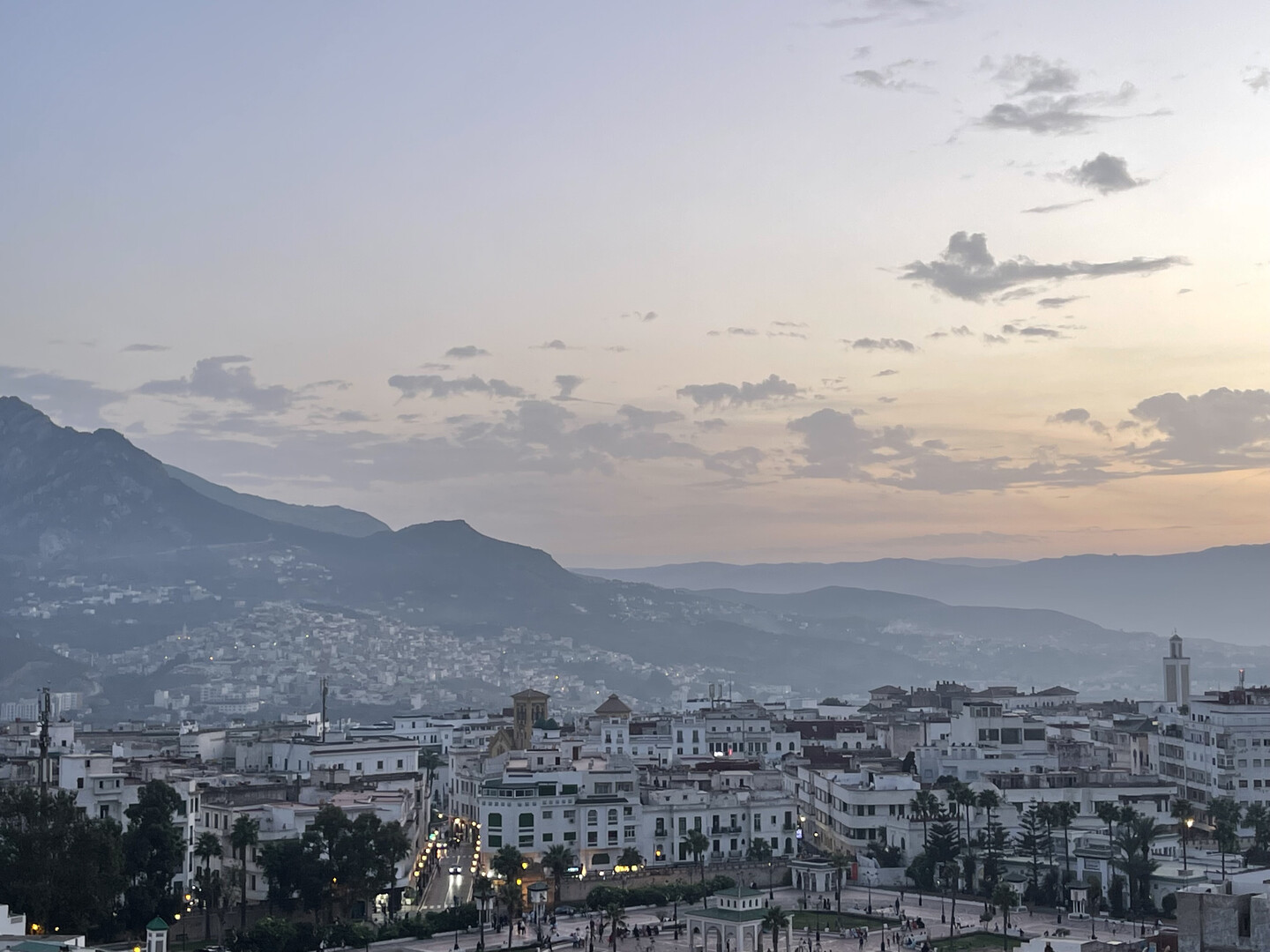
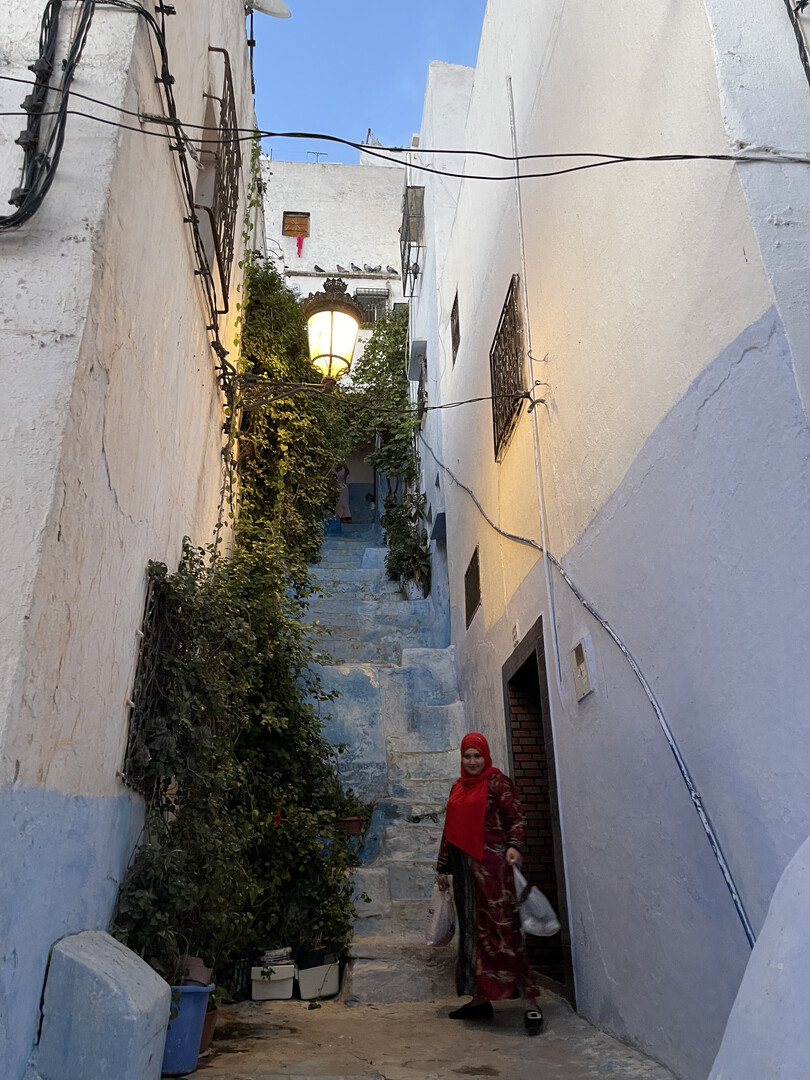
Tetouan's medina is my favorite of the ones I visited in Moroccco because it harbors a particularly insular atmosphere of local merchants and artisans enclosed in their own world. Google Maps doesn't work, forcing you to get lost among the hundreds of alleys and dead-ends, but because the whole thing is perched on a hill you can always find your way out simply by moving downhill. The lack of foreign tourists also means there are no fake guides or annoying touts trying to get you to buy their shitty carpets.
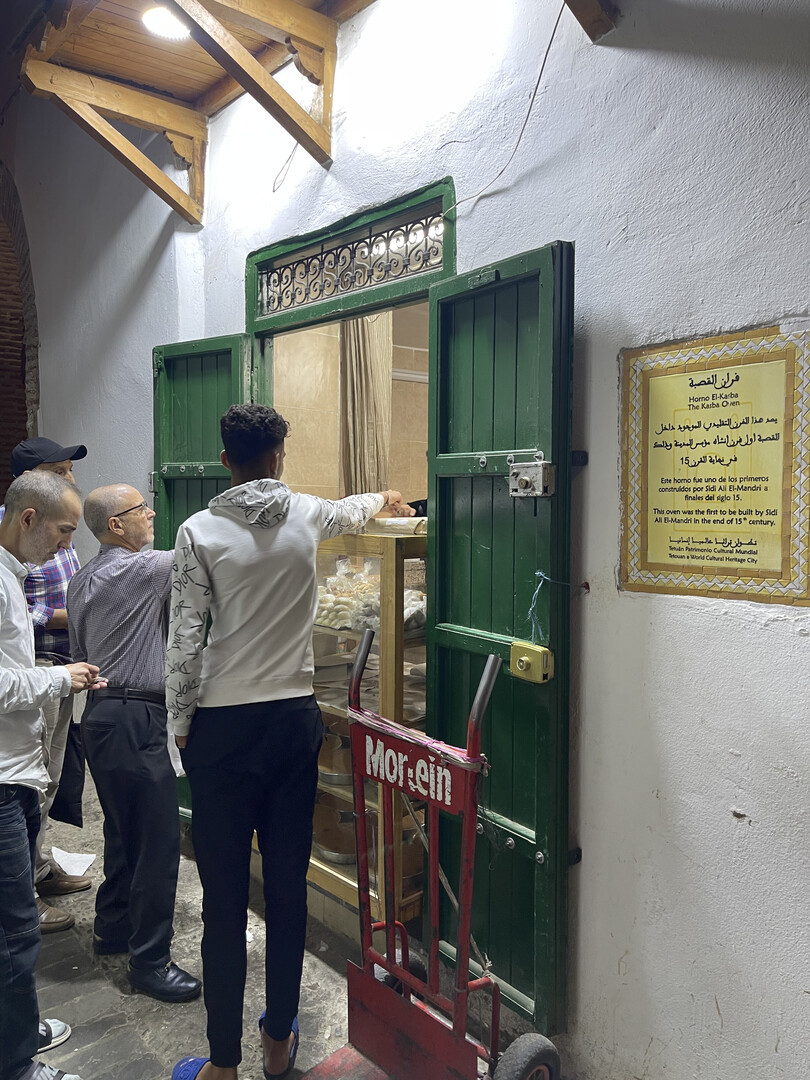
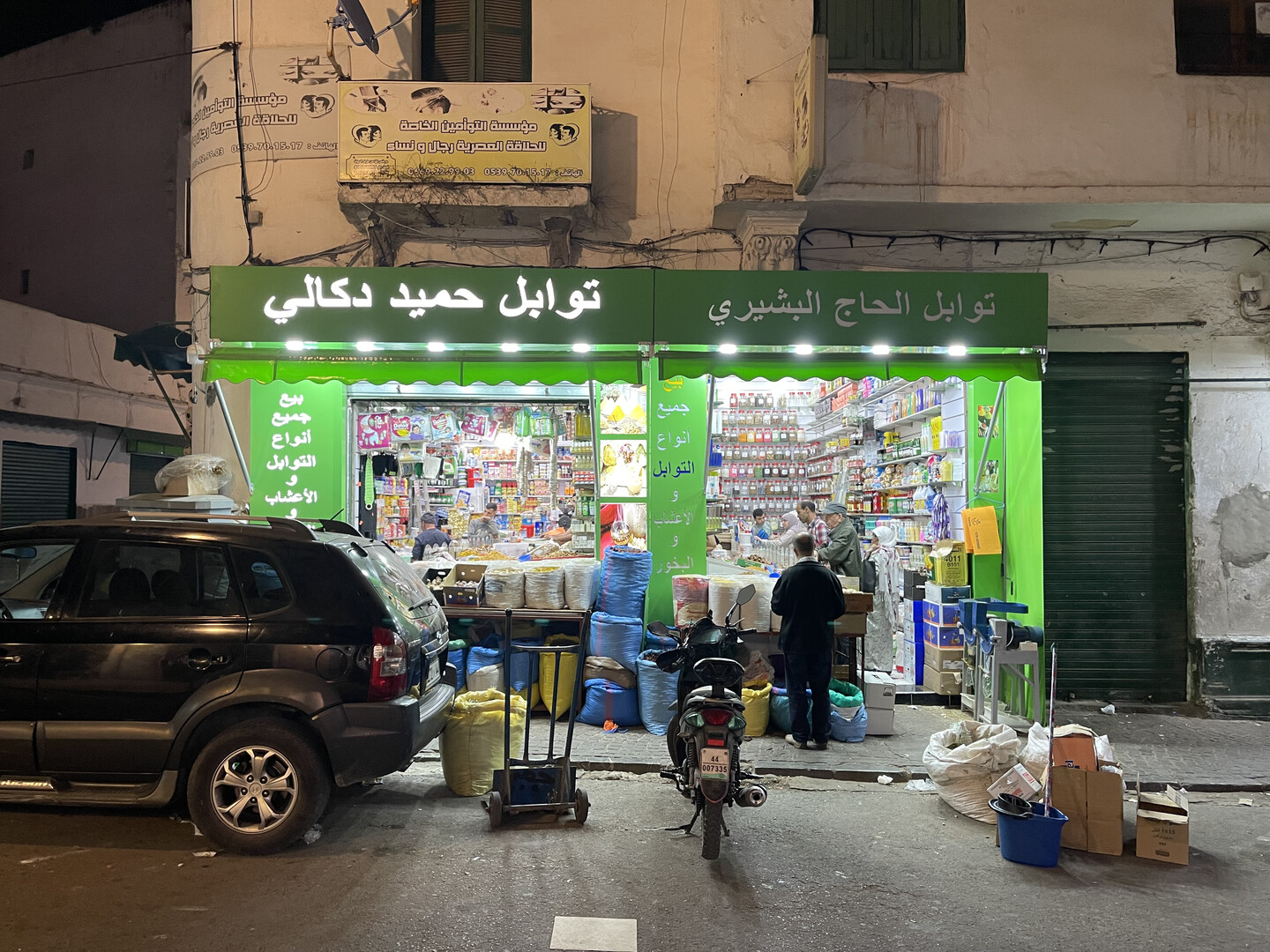
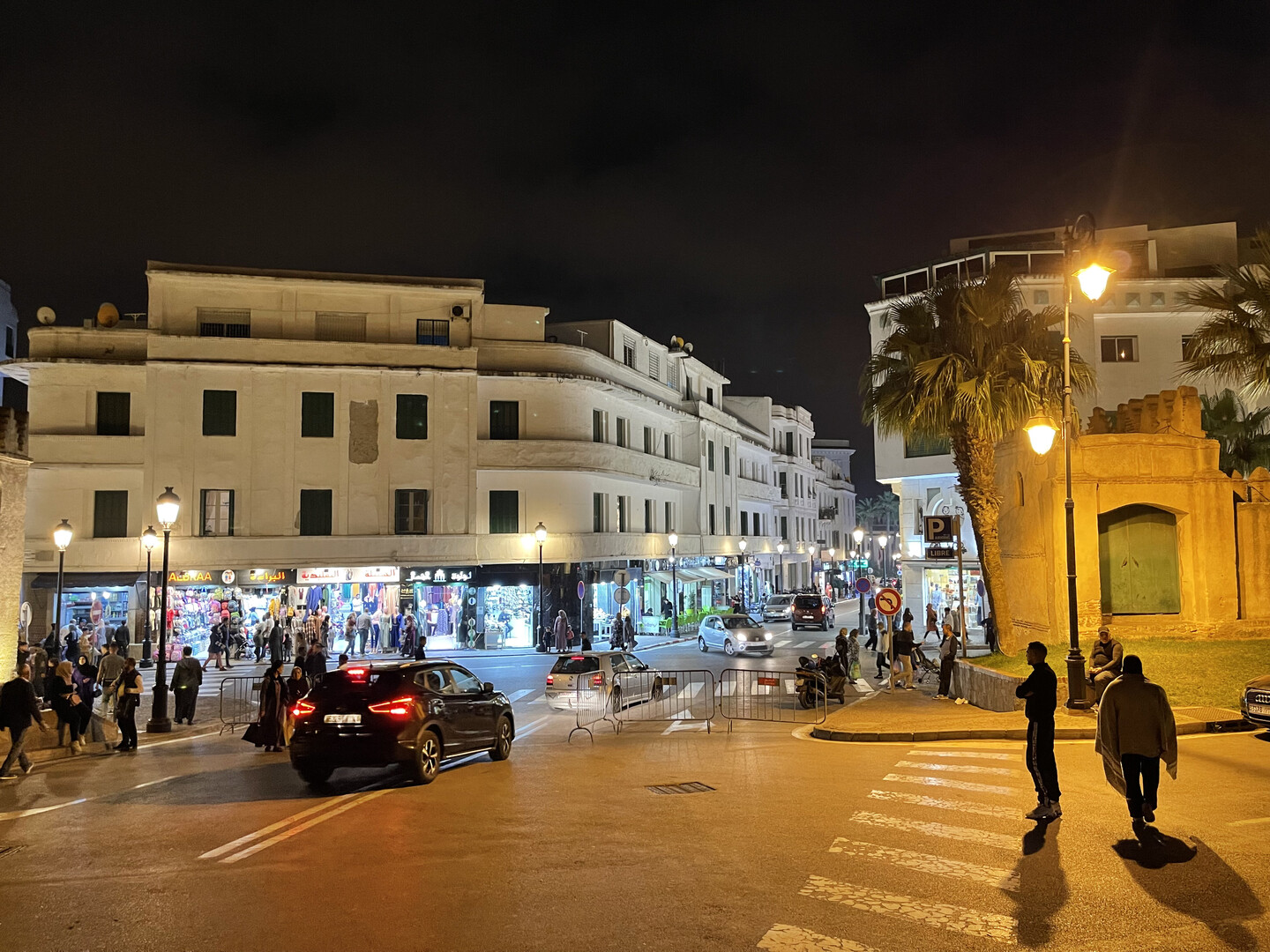
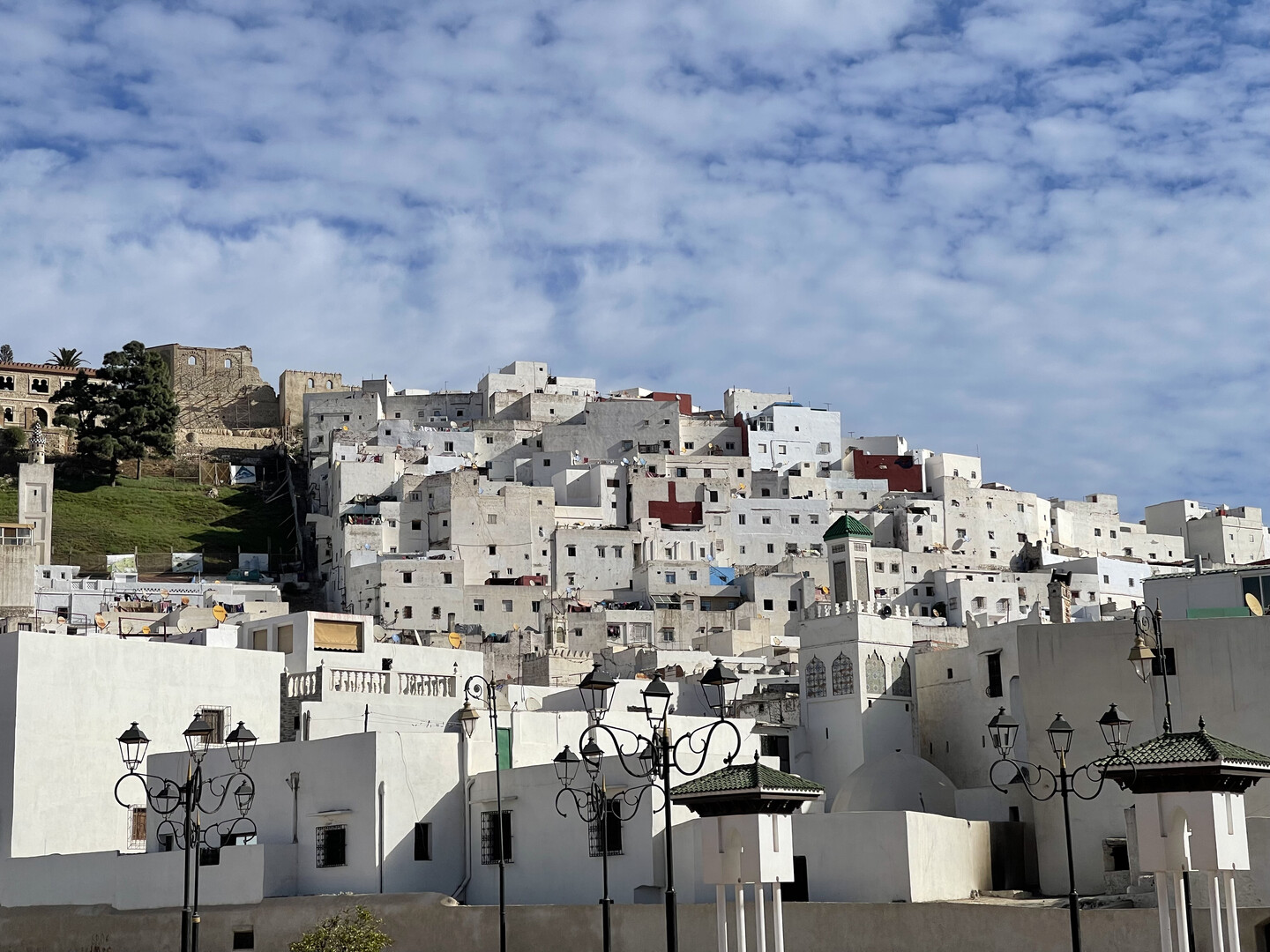
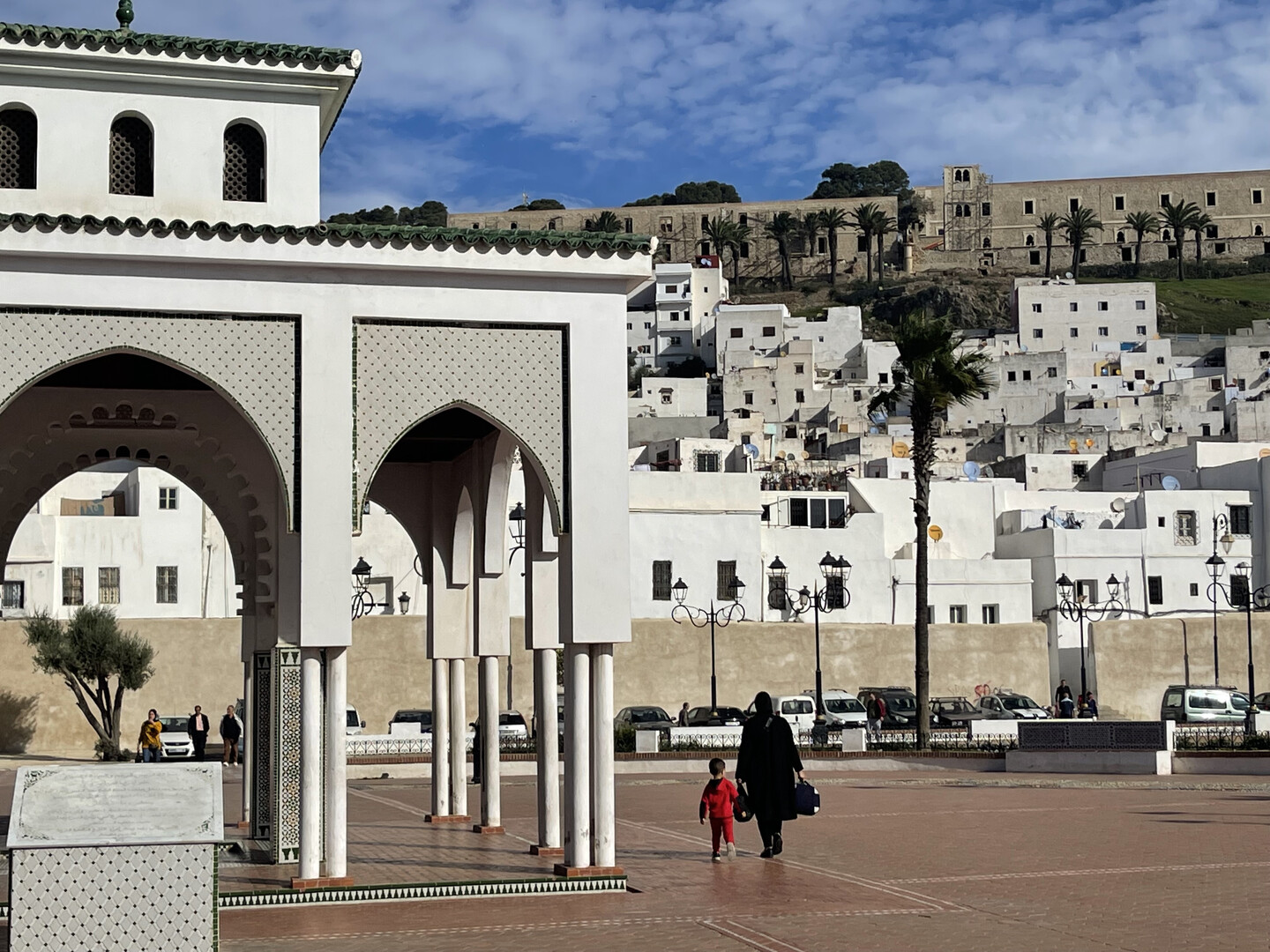
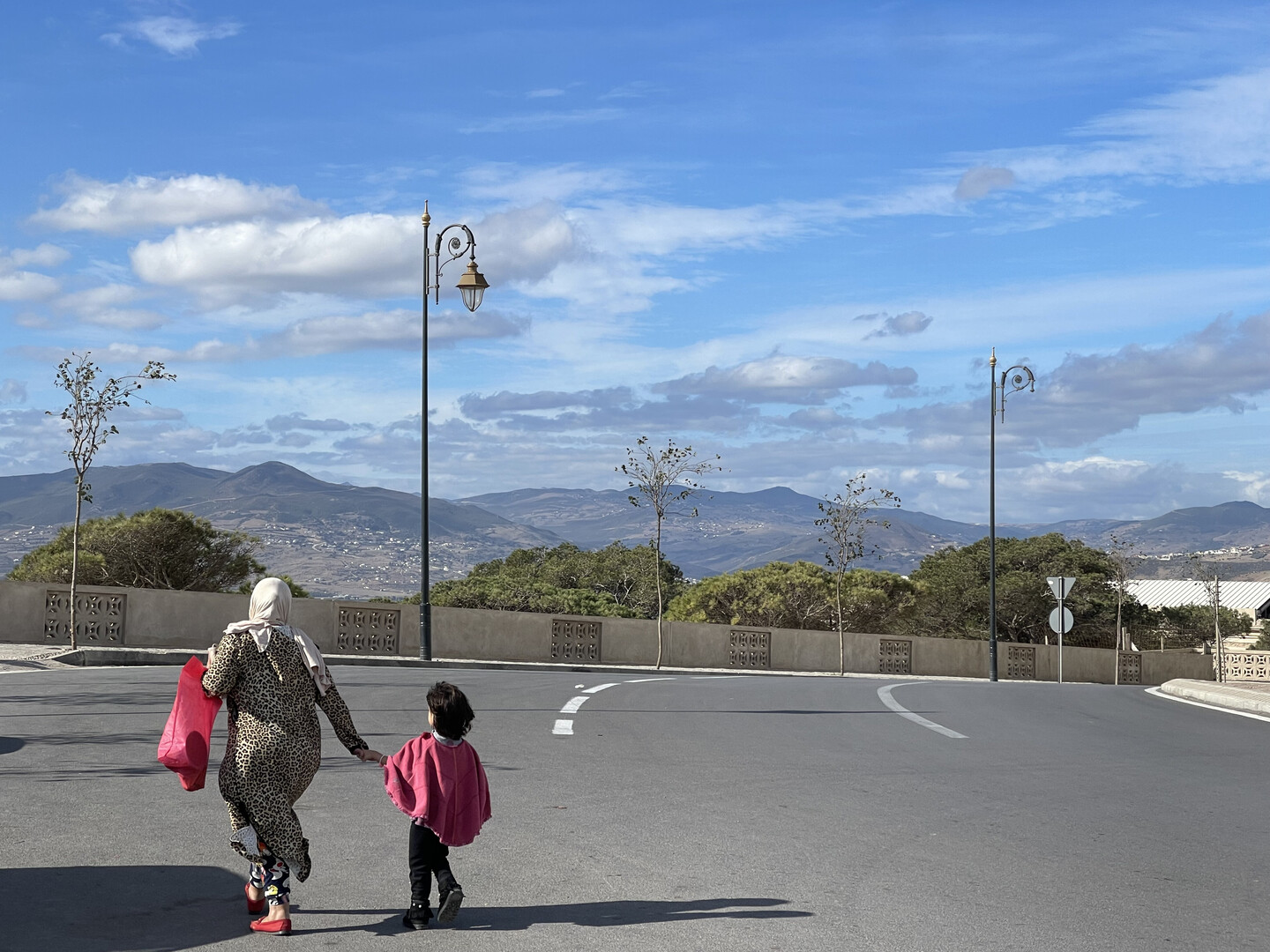
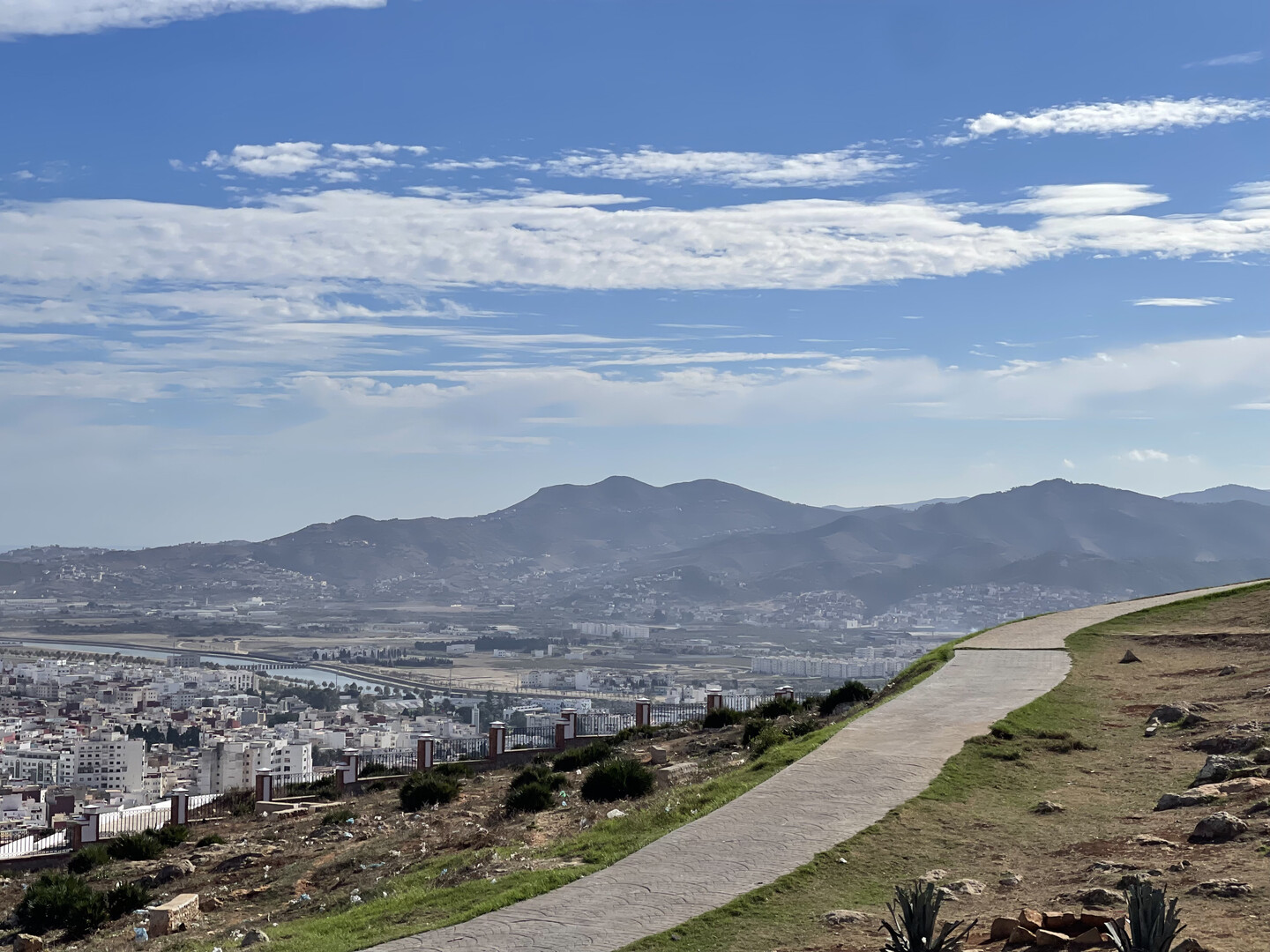
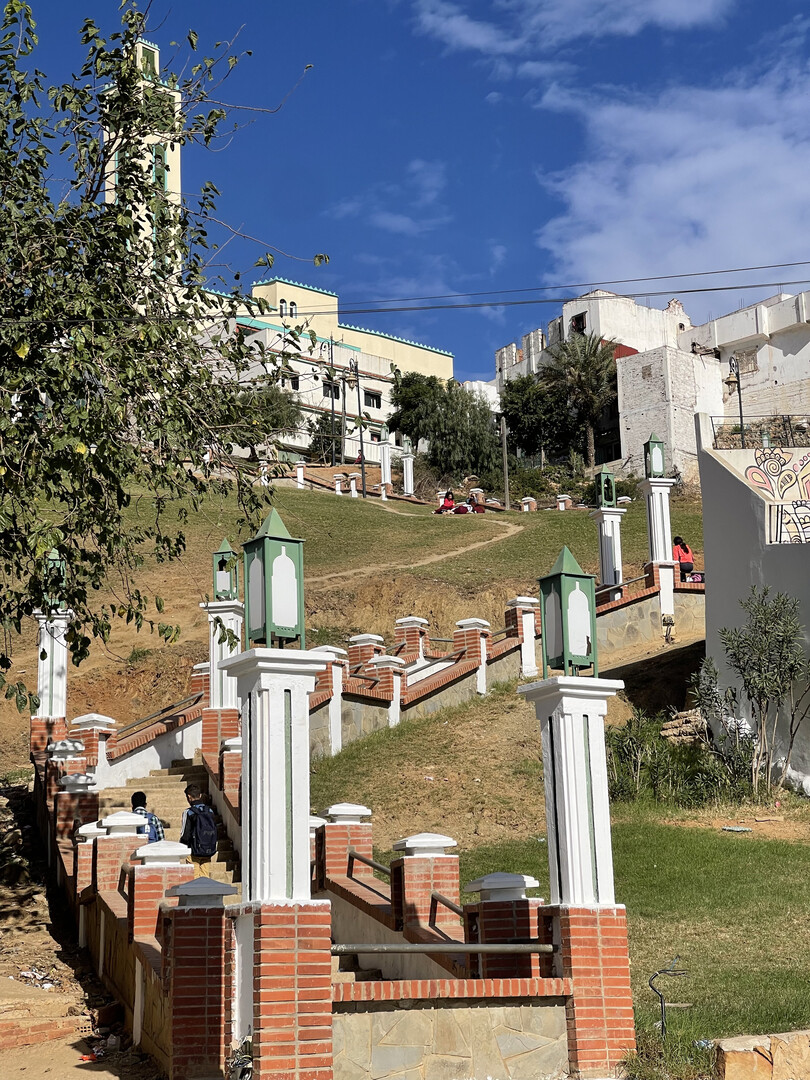
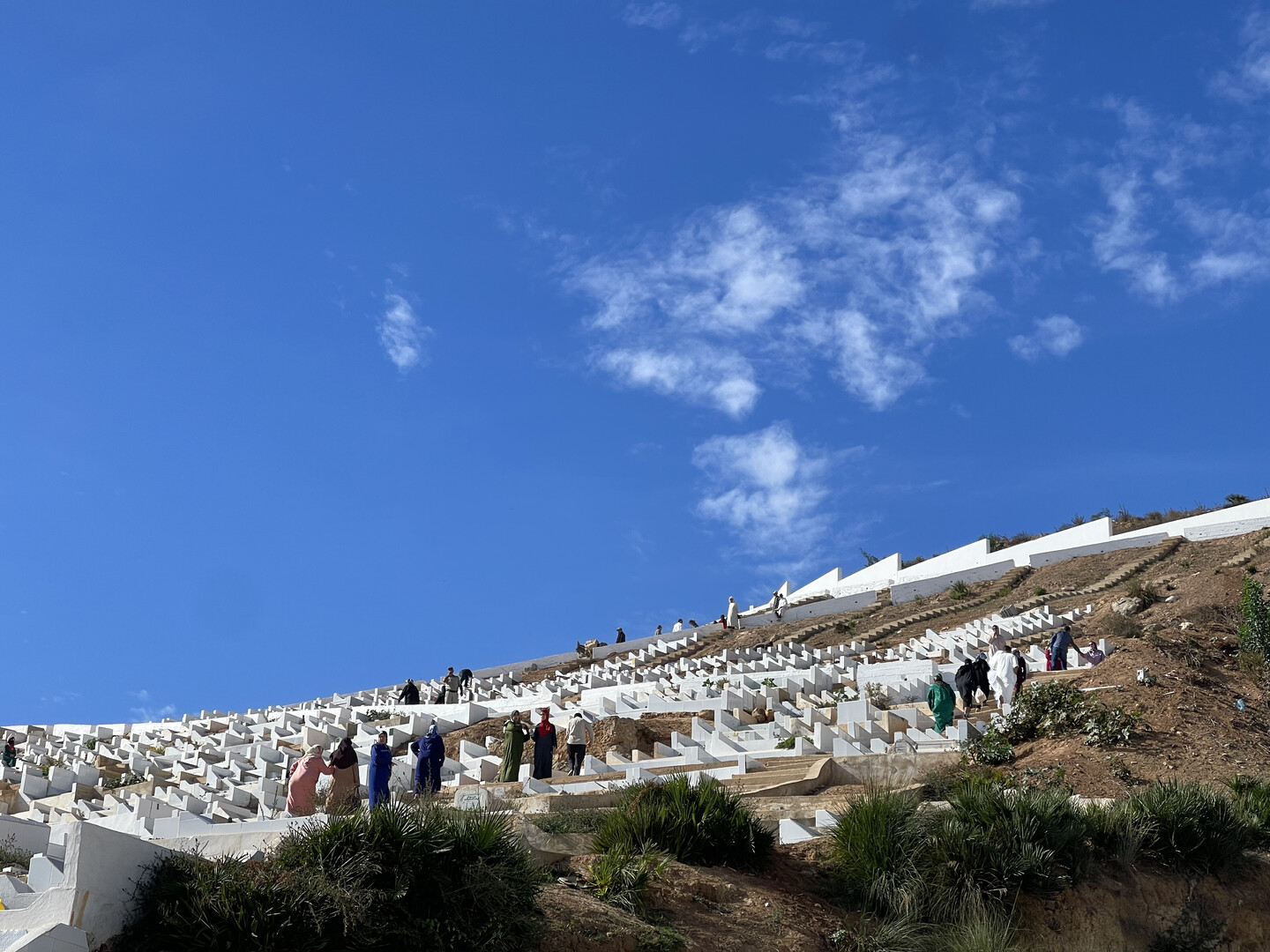
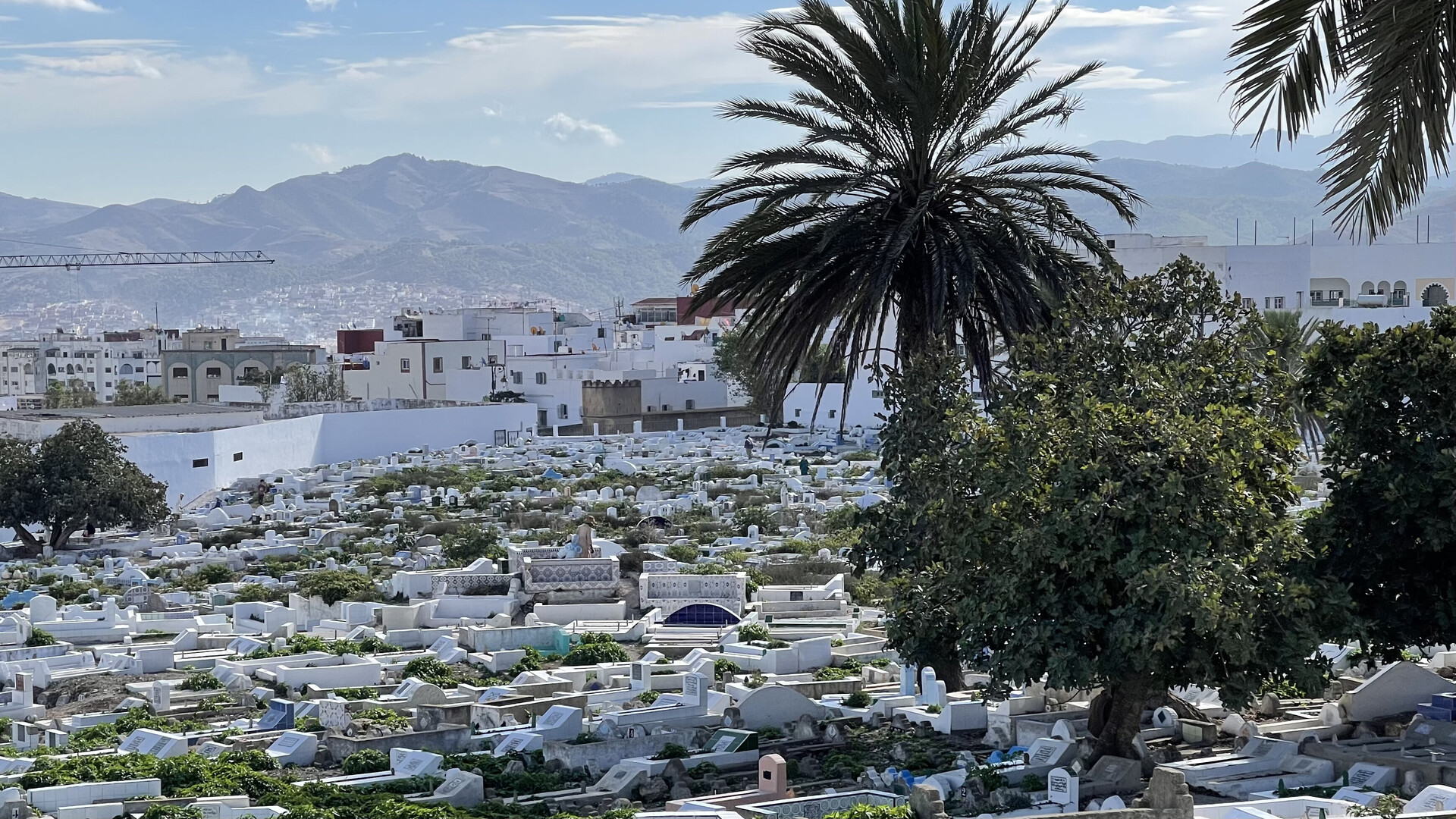
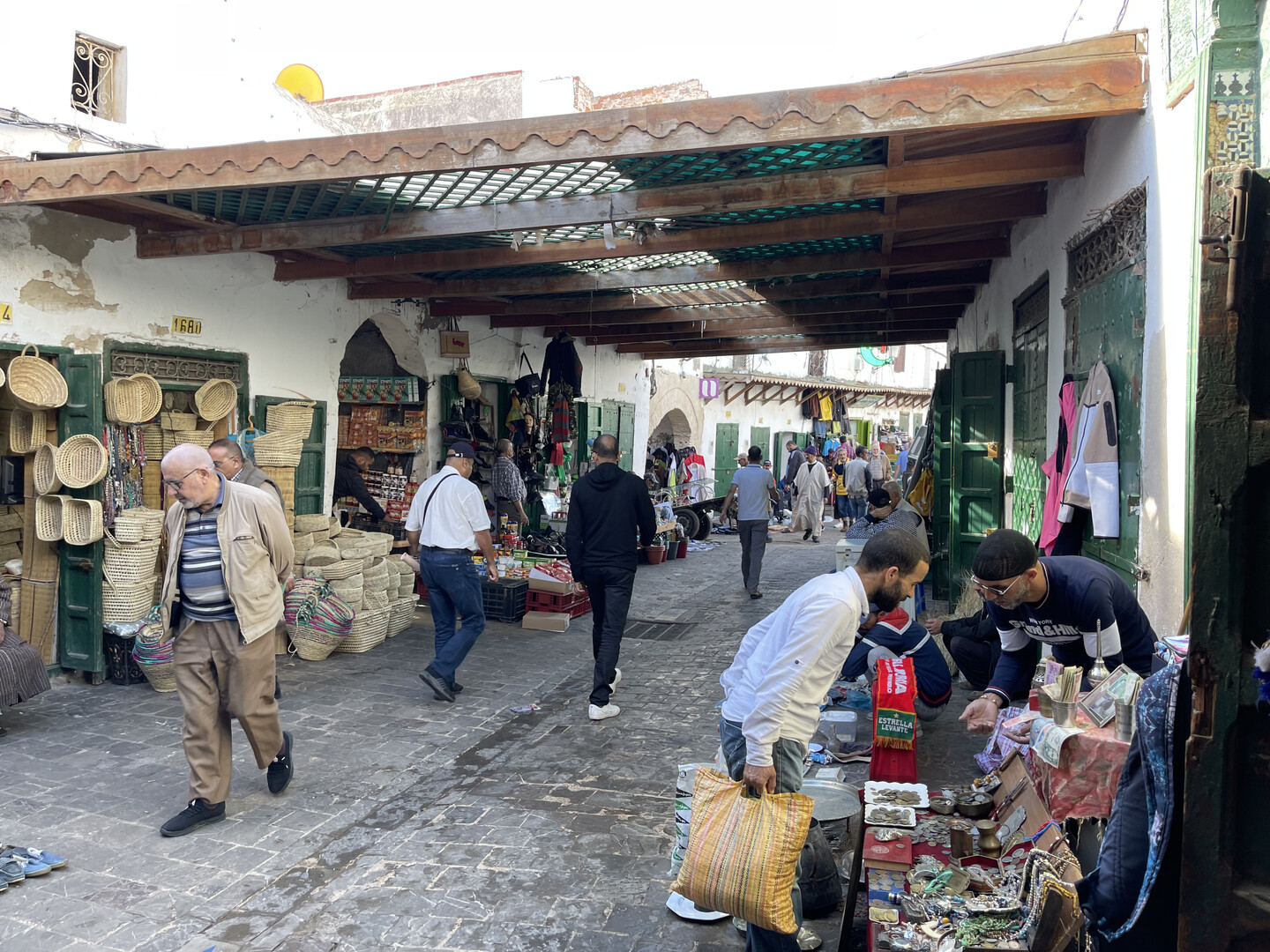
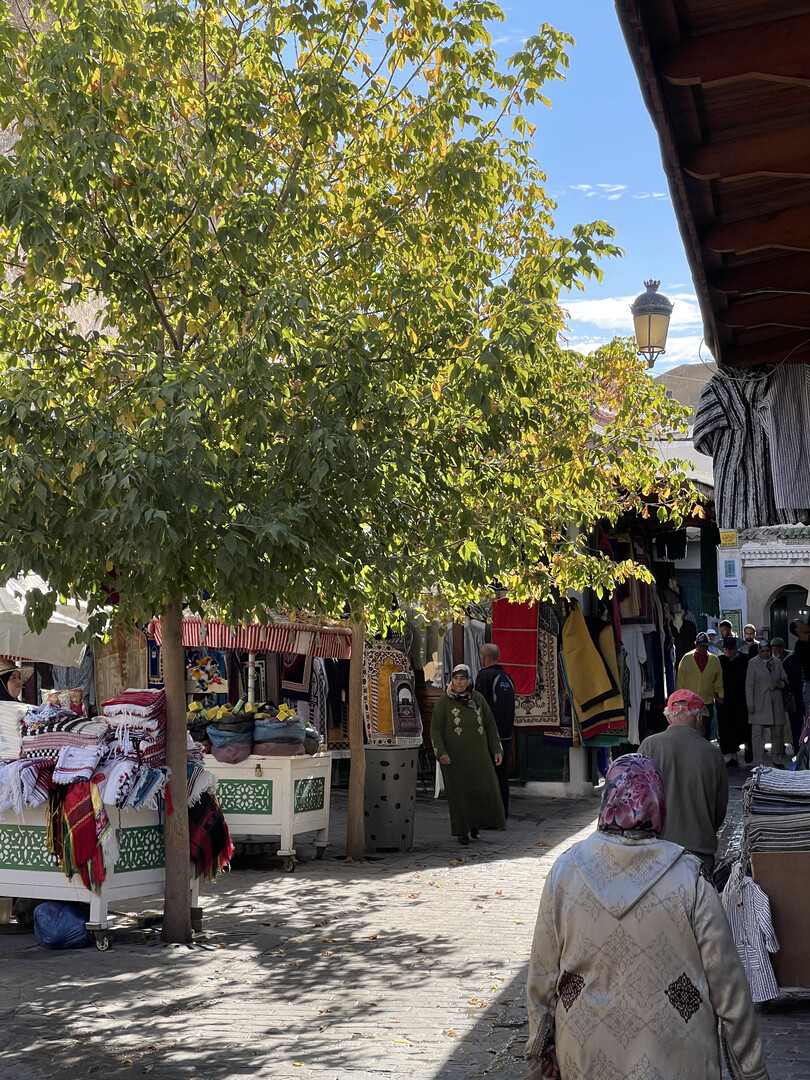
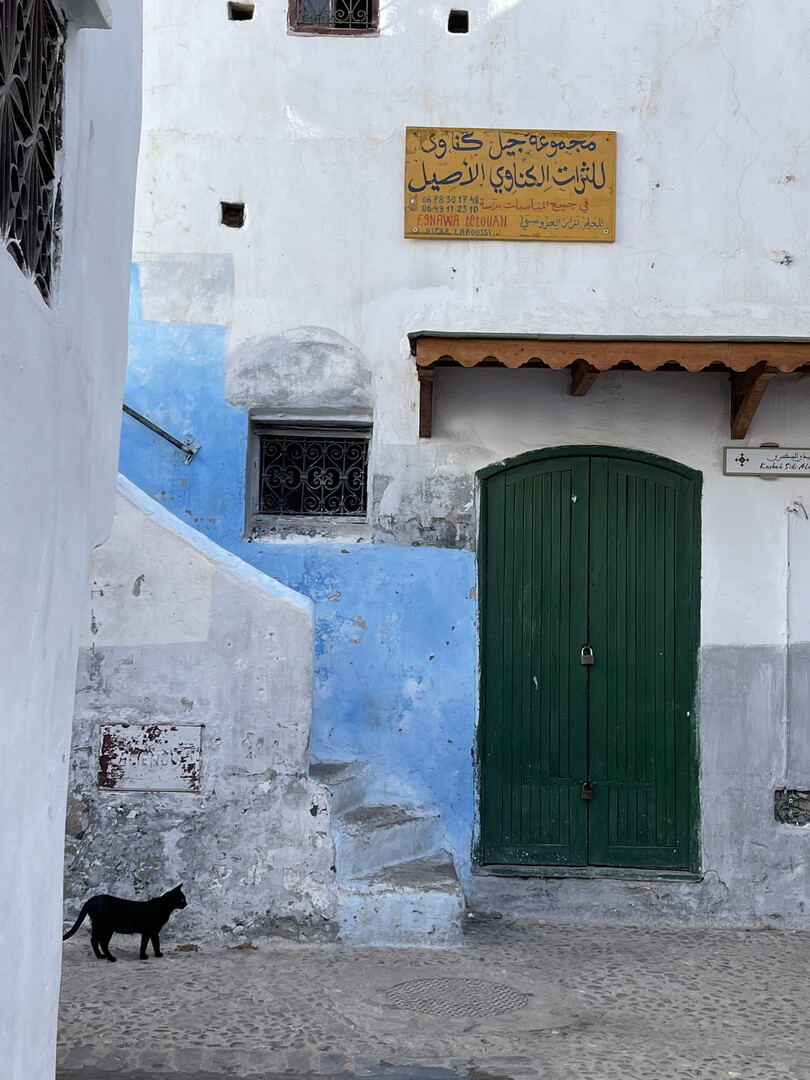
It's cliche, but this is the one place in the world where I truly felt the centuries melt away as I wandered through the alleys. It's a combination of a lack of other tourists jabbering away in familiar "first-world" languages, the complete absence of any modern amenities save a few tangled wires overhead, and a distinct lack of youth.
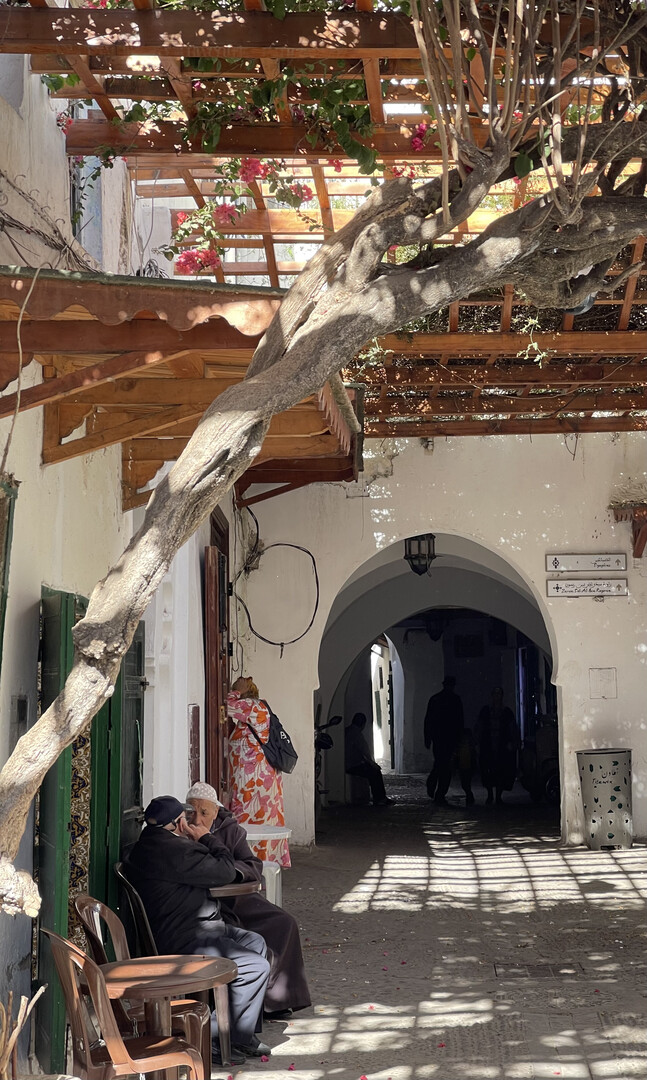
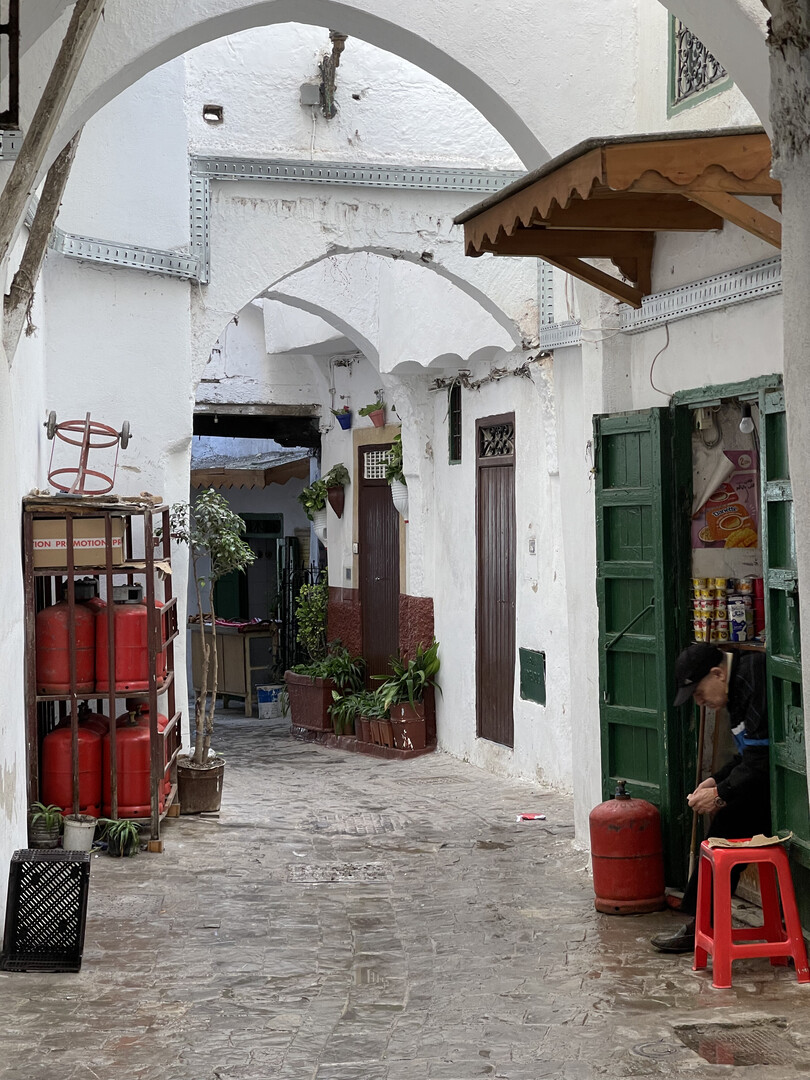
To a tourist, these places are the epitome of old-world charm, but to local Moroccans, medinas are just old, dirty, shabby, confusing mazes with crappy internet and infrastructure. No wonder young people are loathe to hang around there, especially when there are no tourists to make money from.