- Published on
Rabat, Morocco
Tags
Time of Visit: October 28-30, 2022
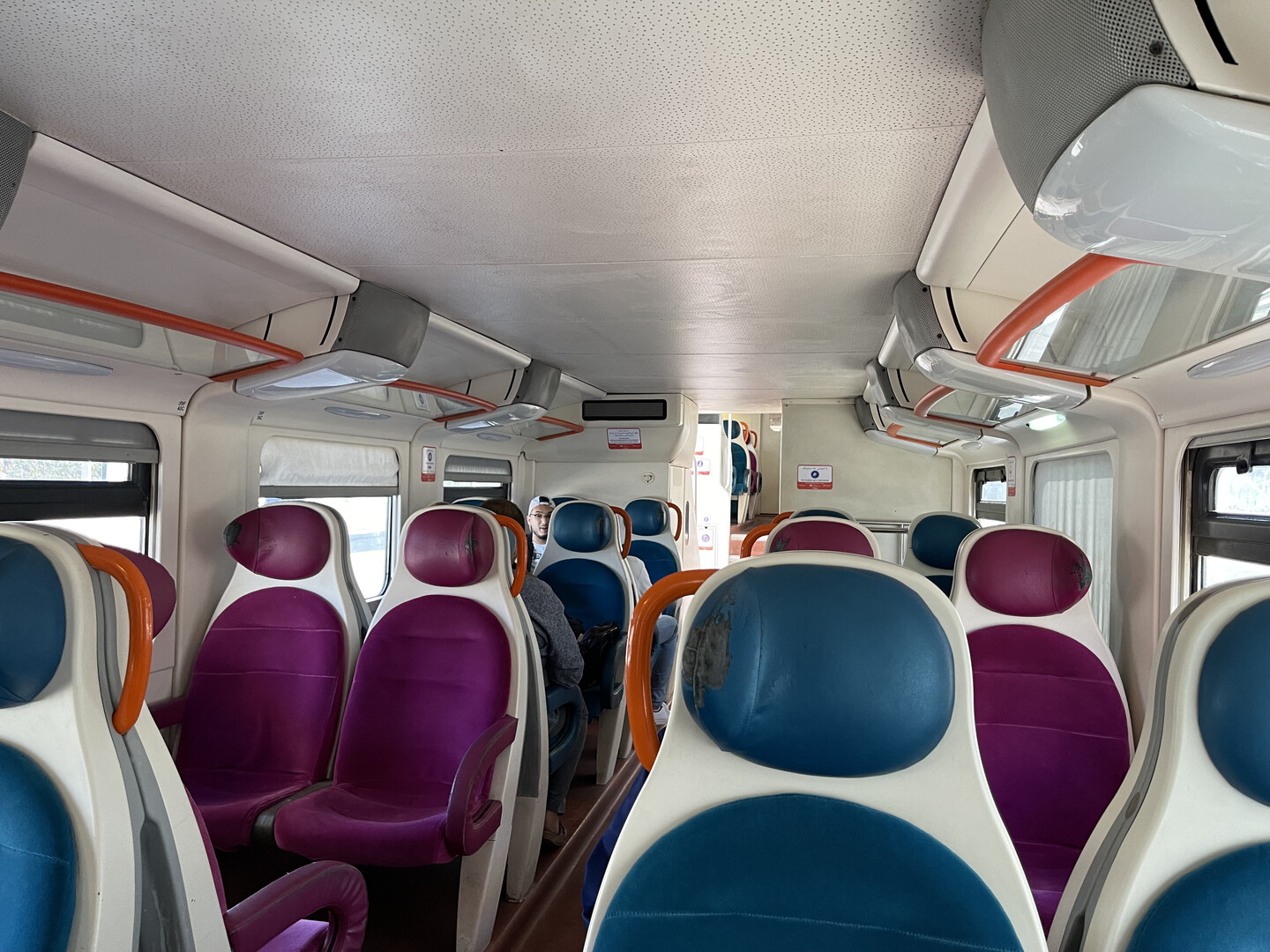
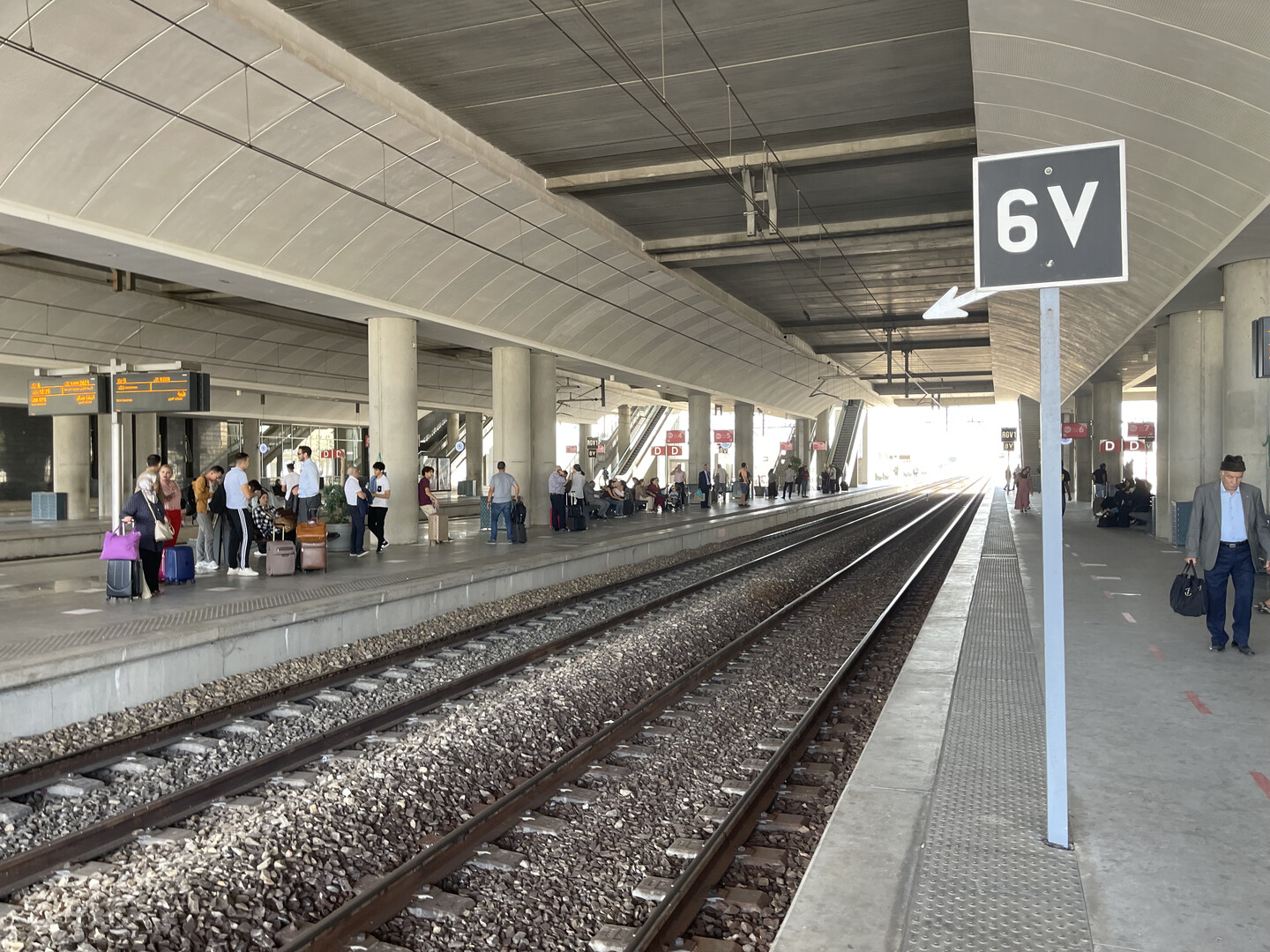
Morocco is really the perfect candidate for high-speed rail: a relatively small country with densely-populated cities located 200-300km from one another. The country inaugurated Africa's first high speed rail line in 2019, connecting its five largest cities. I was able to take it for a 30-minute ride up the coast from Casablanca to Rabat, the country's capital.
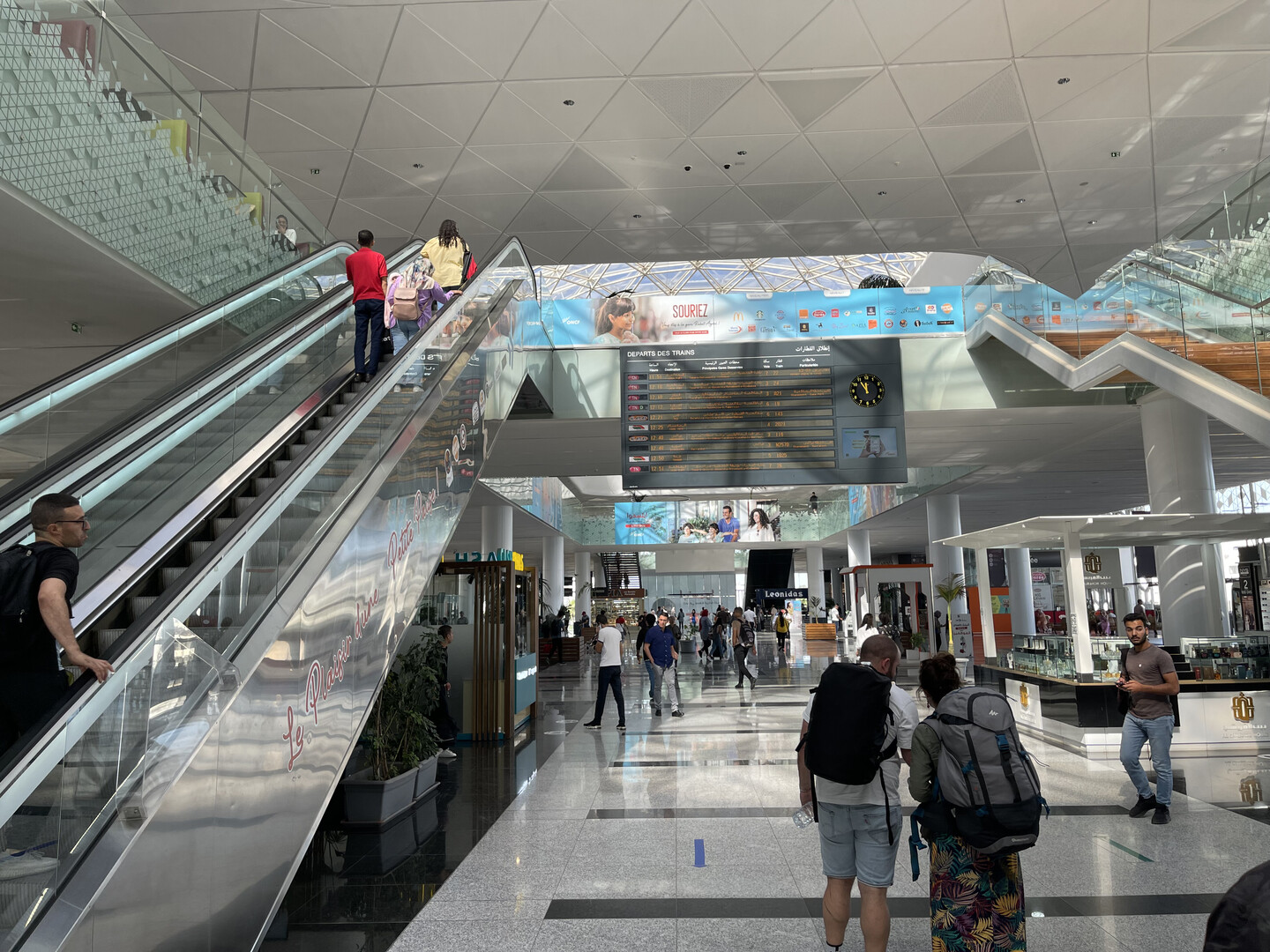
As it is home to all the country's politicians, Rabat is basically first world. The roads are immaculate and orderly, police officers are ubiquitous and professional, sidewalks are exceptionally clean, and taxi drivers even turn on the meter without my asking them to do so (in Fes, one driver not only refused to turn it on, but got angry at me for having the gall to ask.)
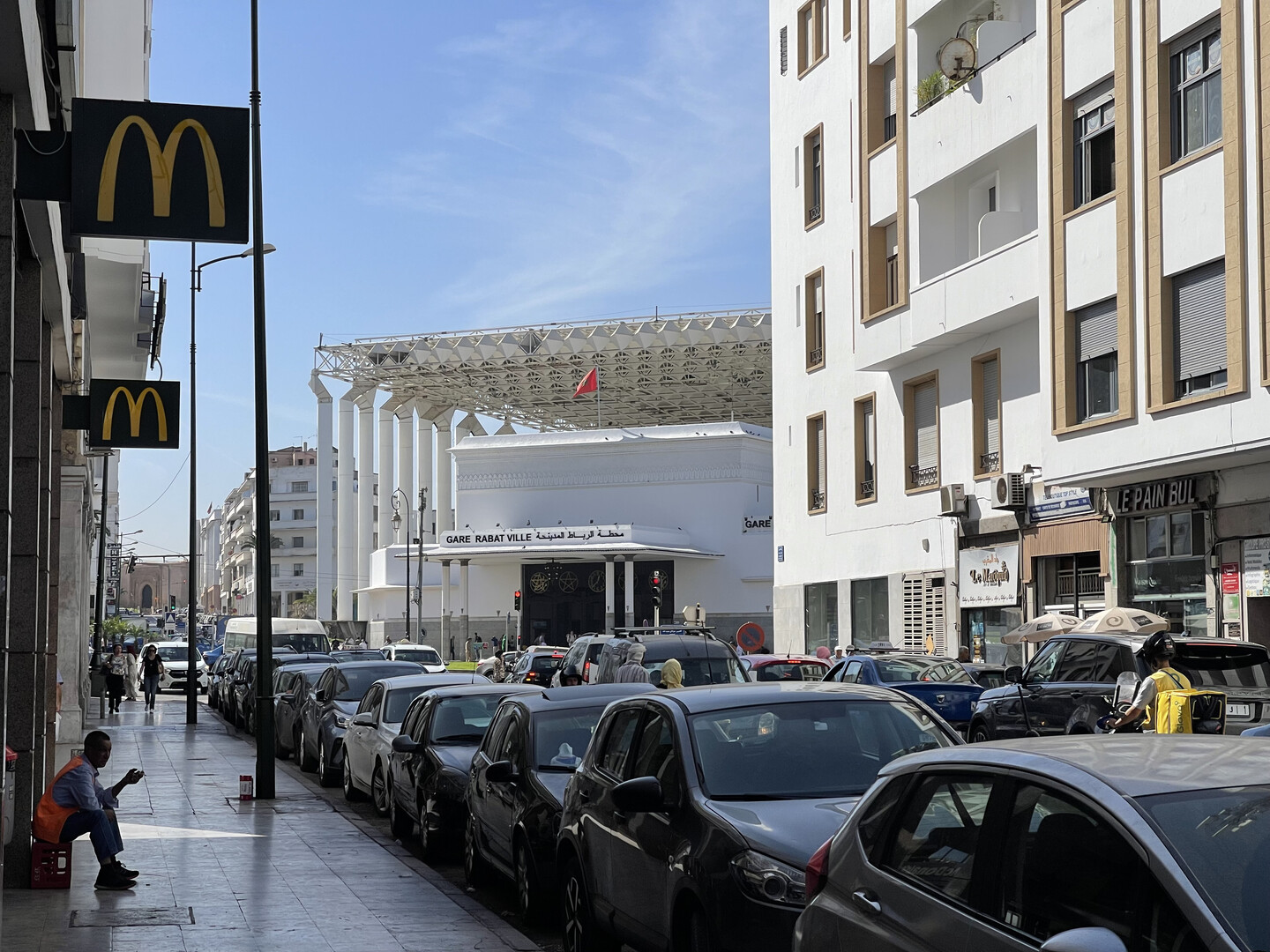
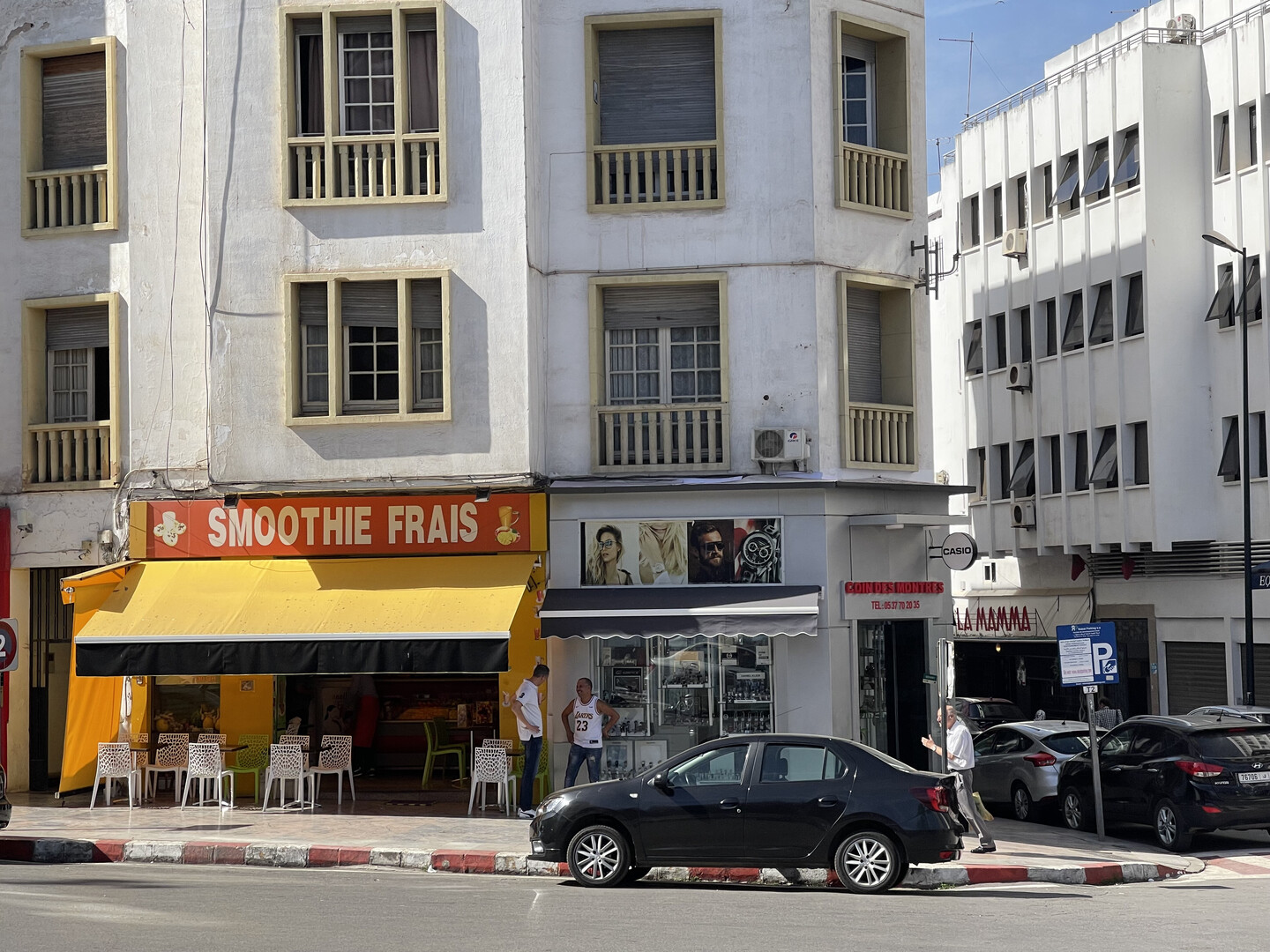
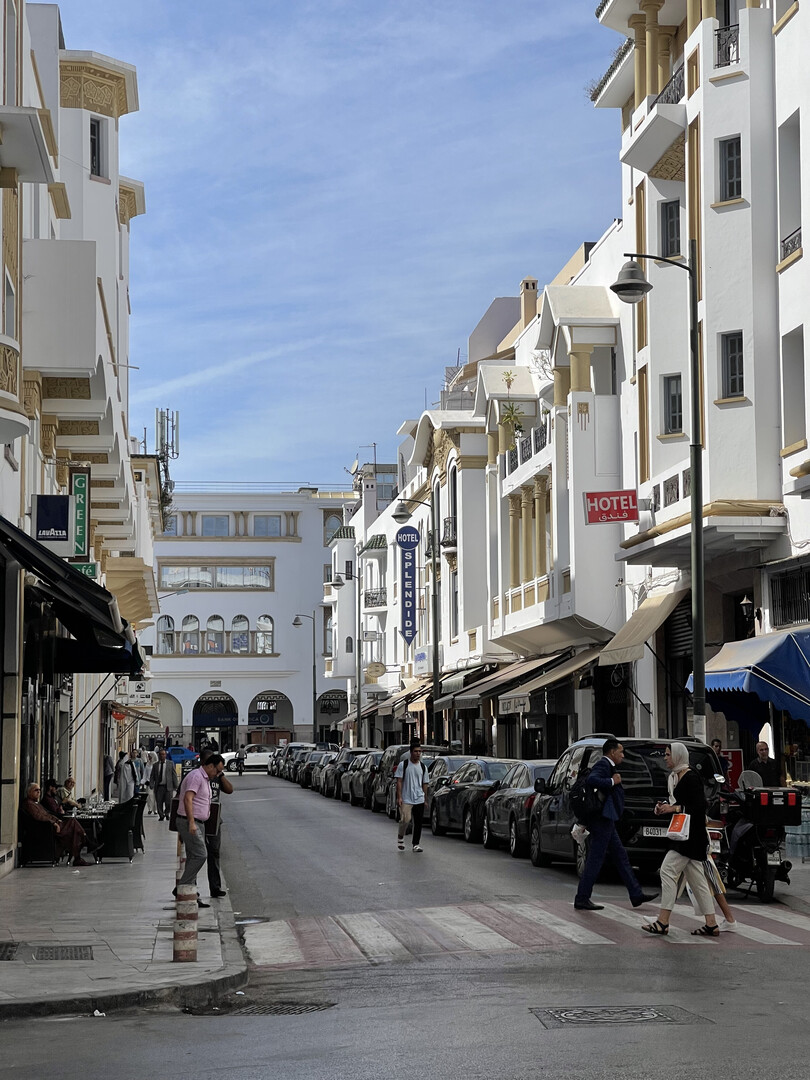
The downtown covers a relatively small footprint, and like Casablanca, consists of a small patch of whitewashed administrative and office buildings adjoining an older medina.
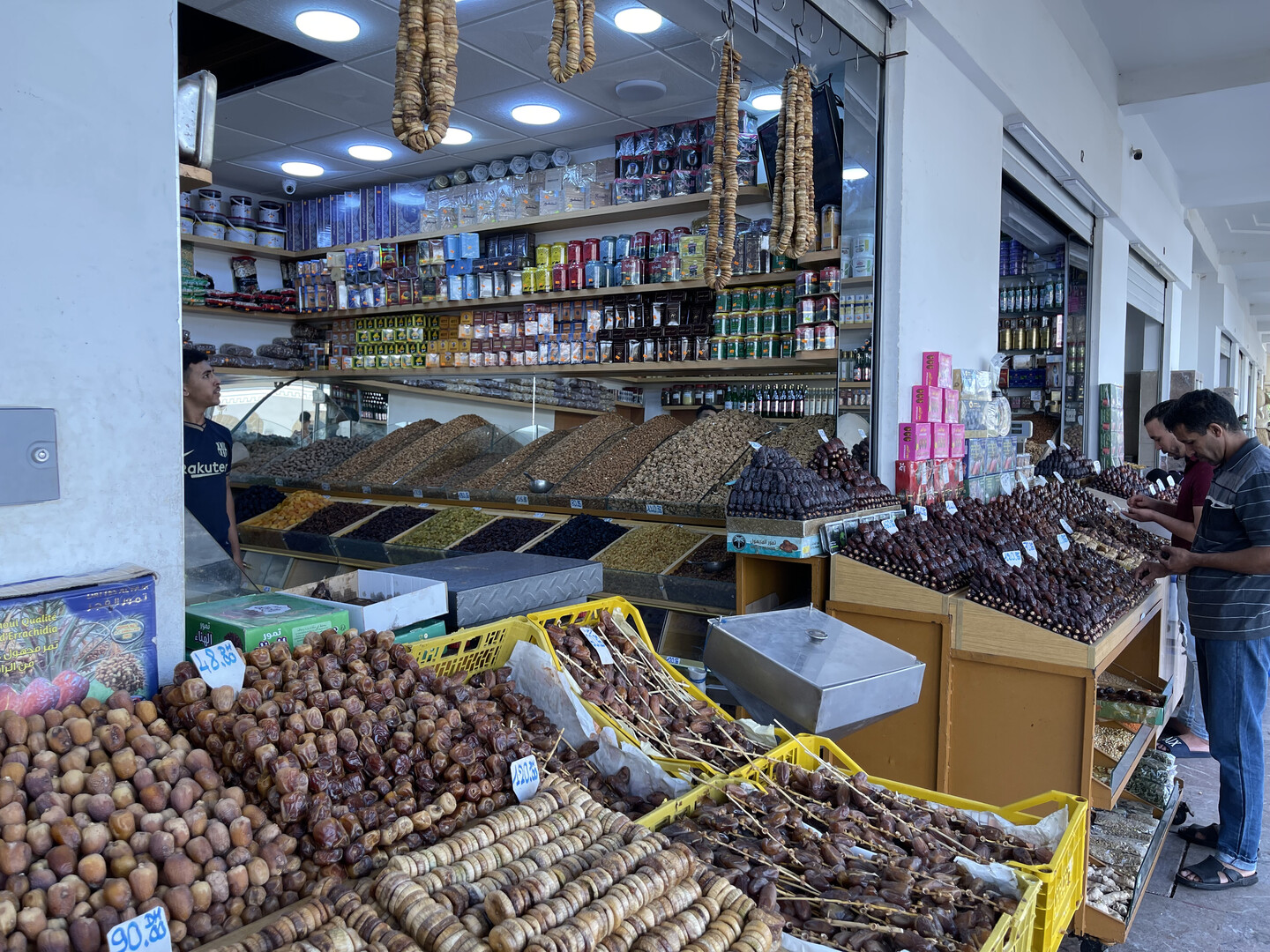
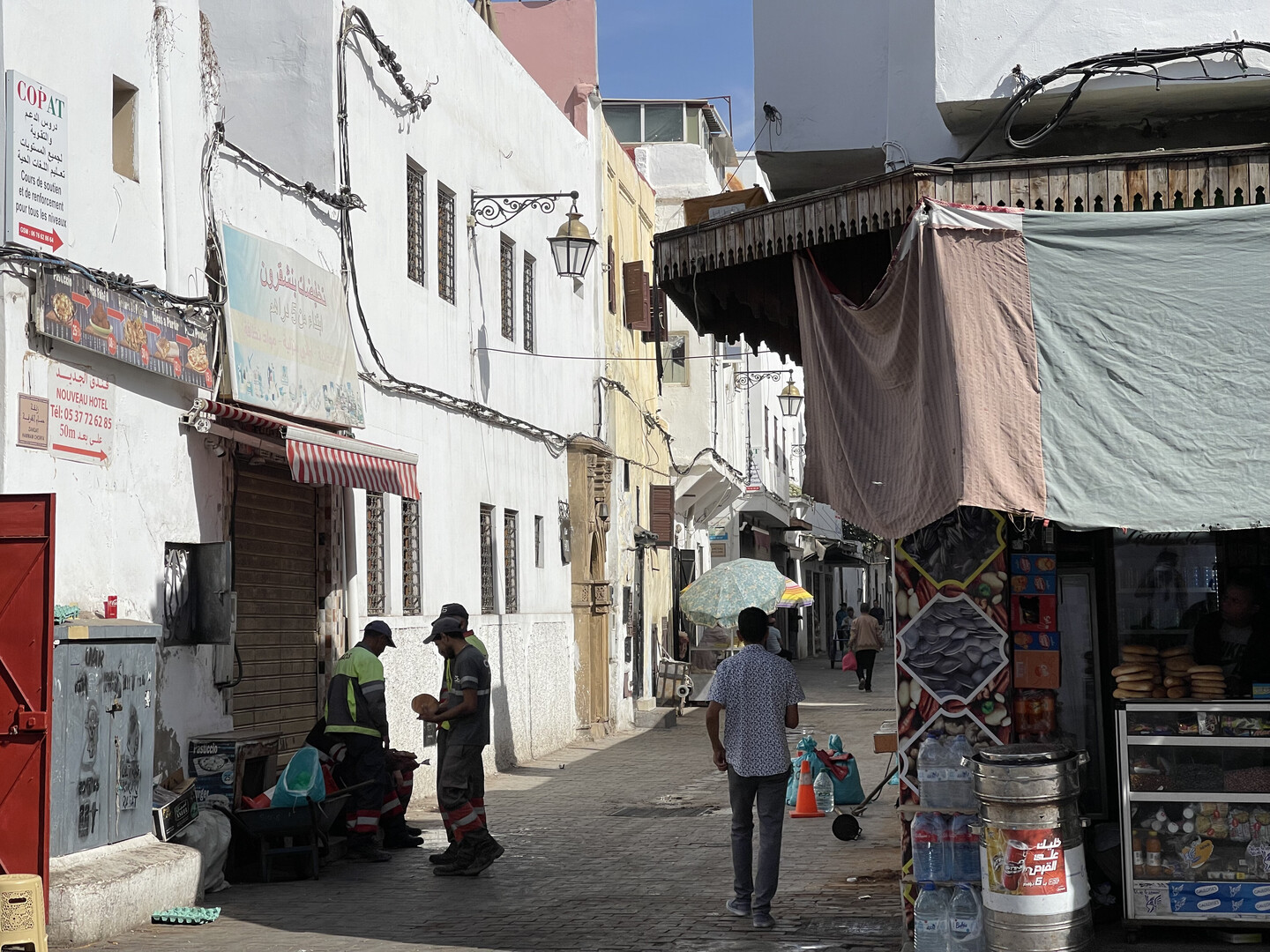
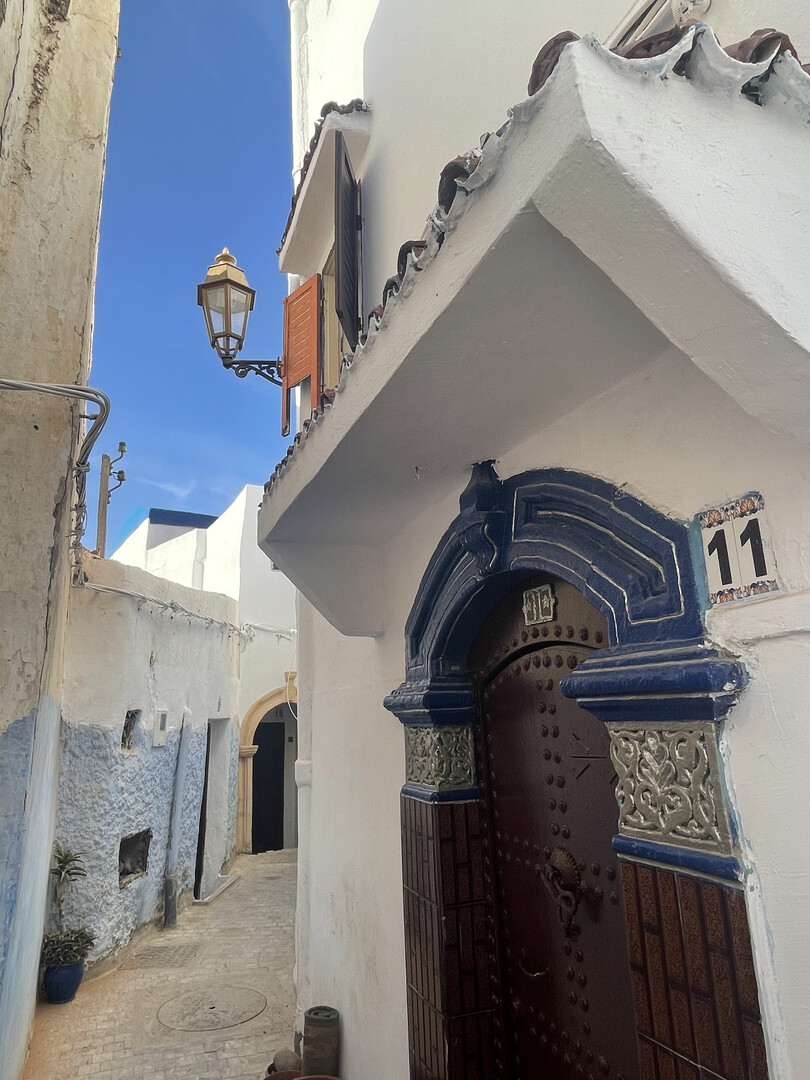
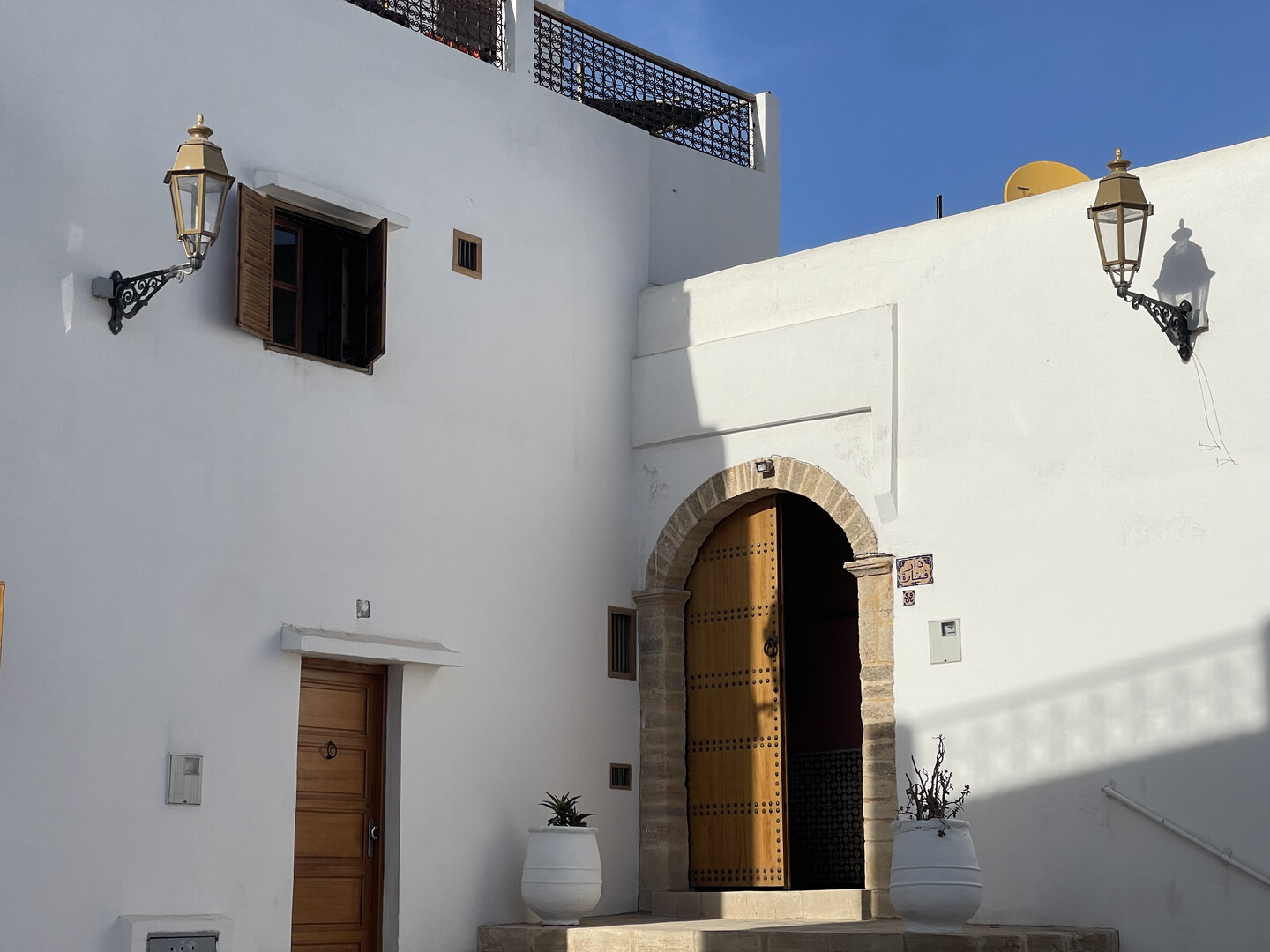
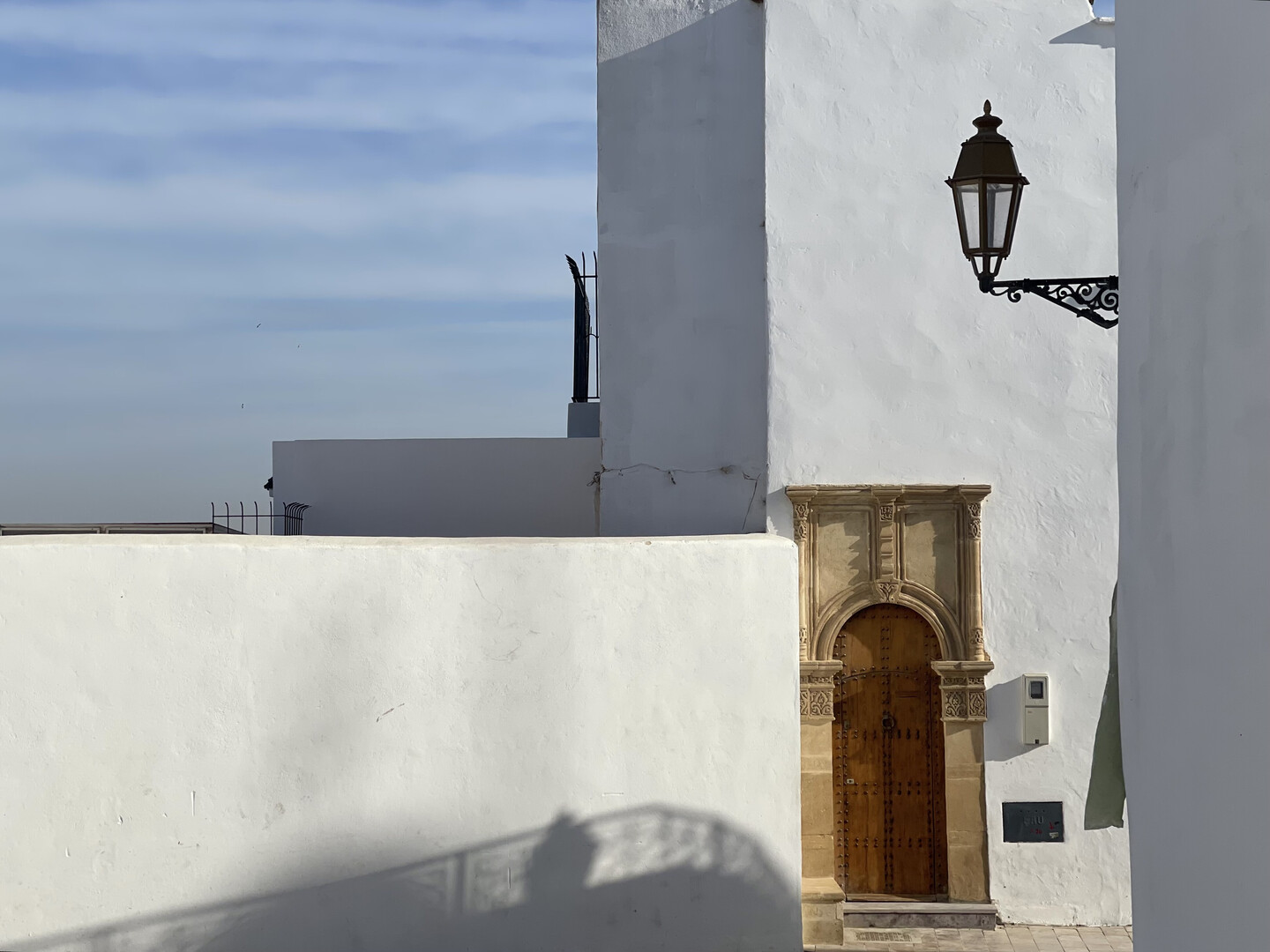
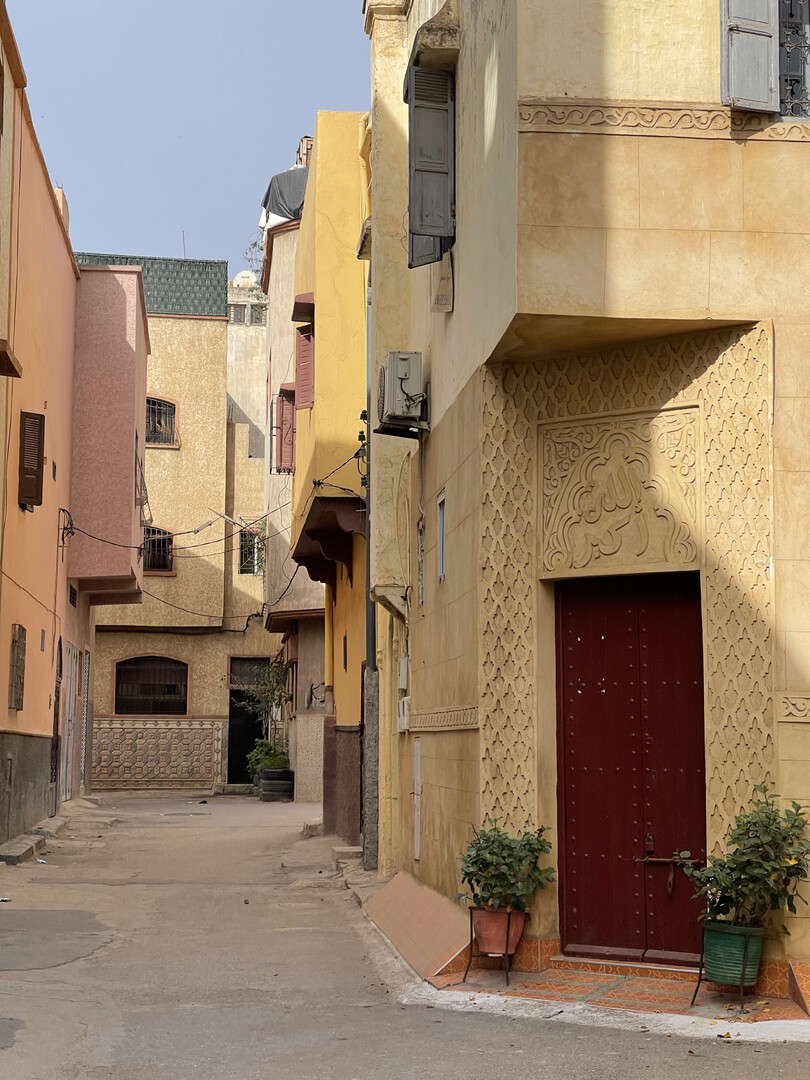
Unlike Casablanca, however, Rabat's medina is well-maintained, with a small army of cleaners picking up trash on the larger streets. Meanwhile, on side streets, every other building has been converted into a riad - a hotel in a traditional Moroccan house - and riad owners keep their portions of the alleyway clean and green. The produce and meat markets are banished to an indoor building at the medina entrance, minimizing filth and odor throughout the medina.
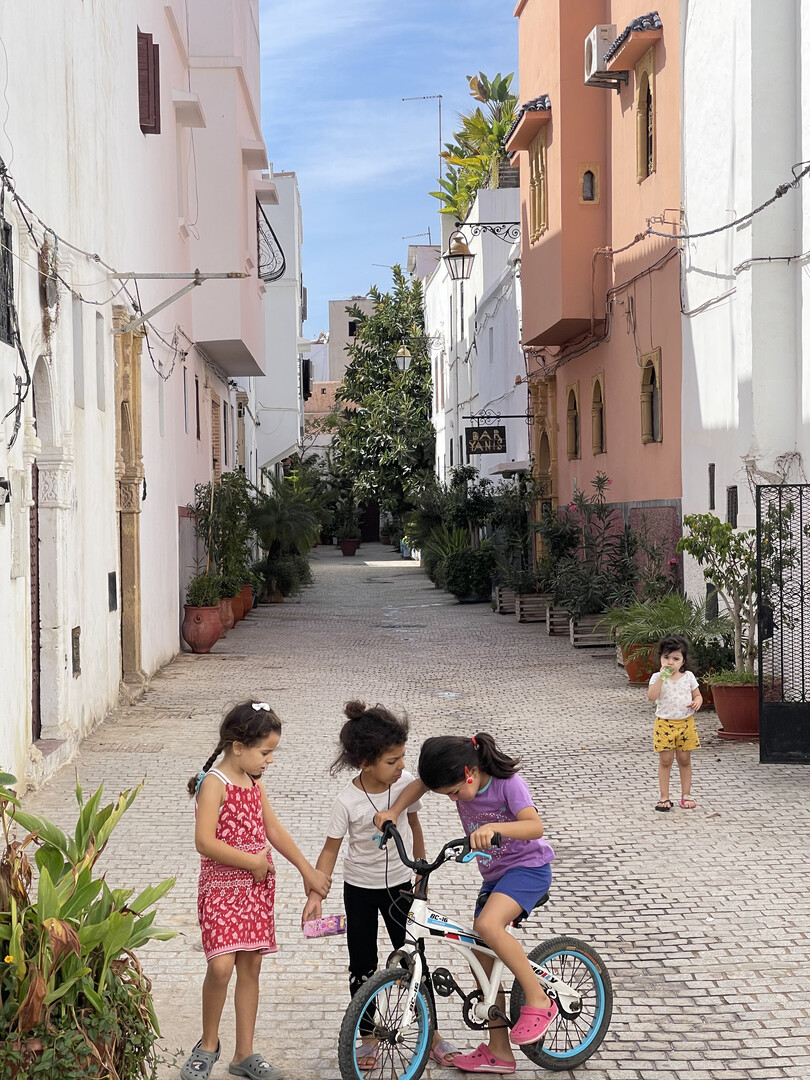
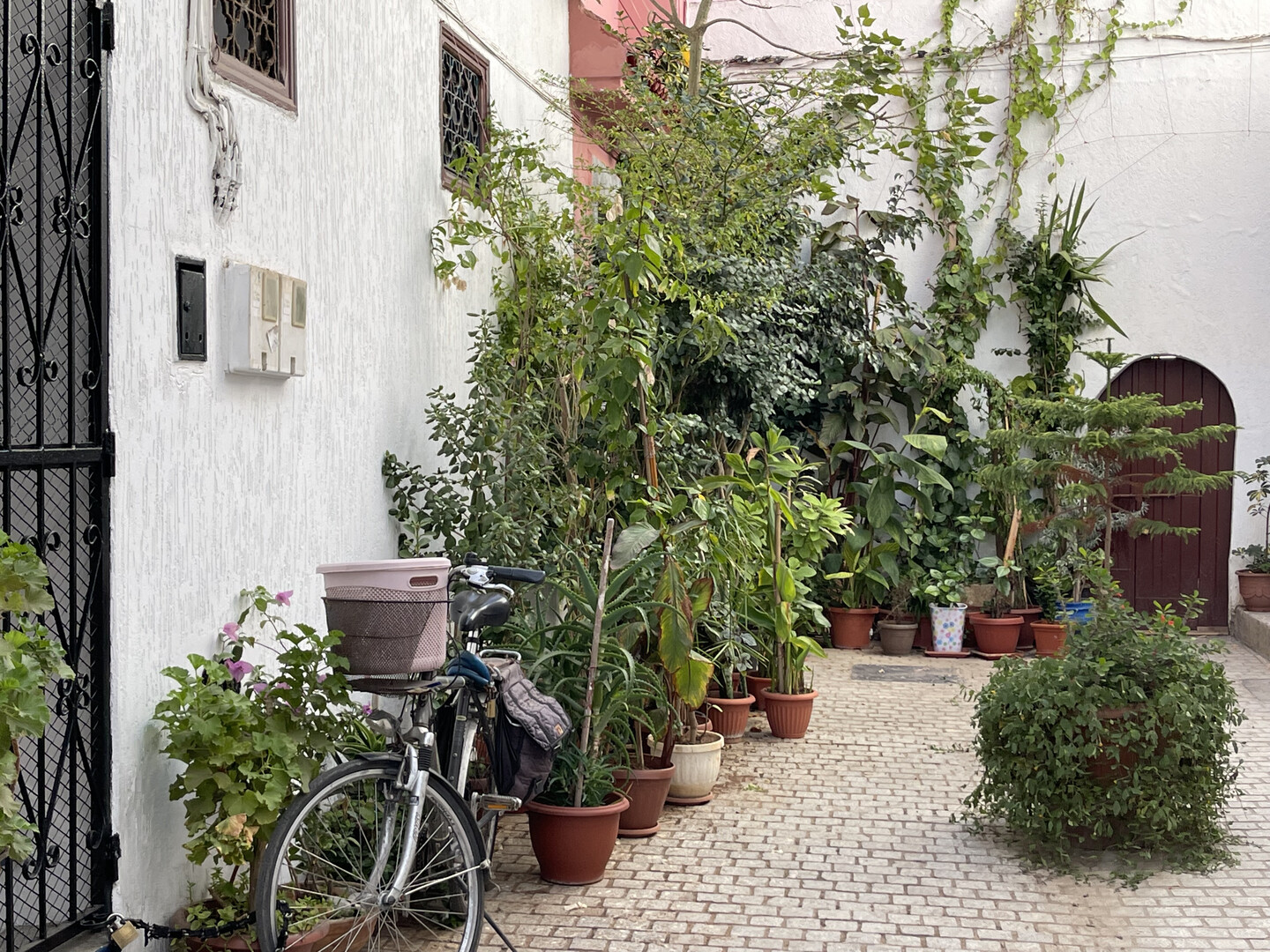
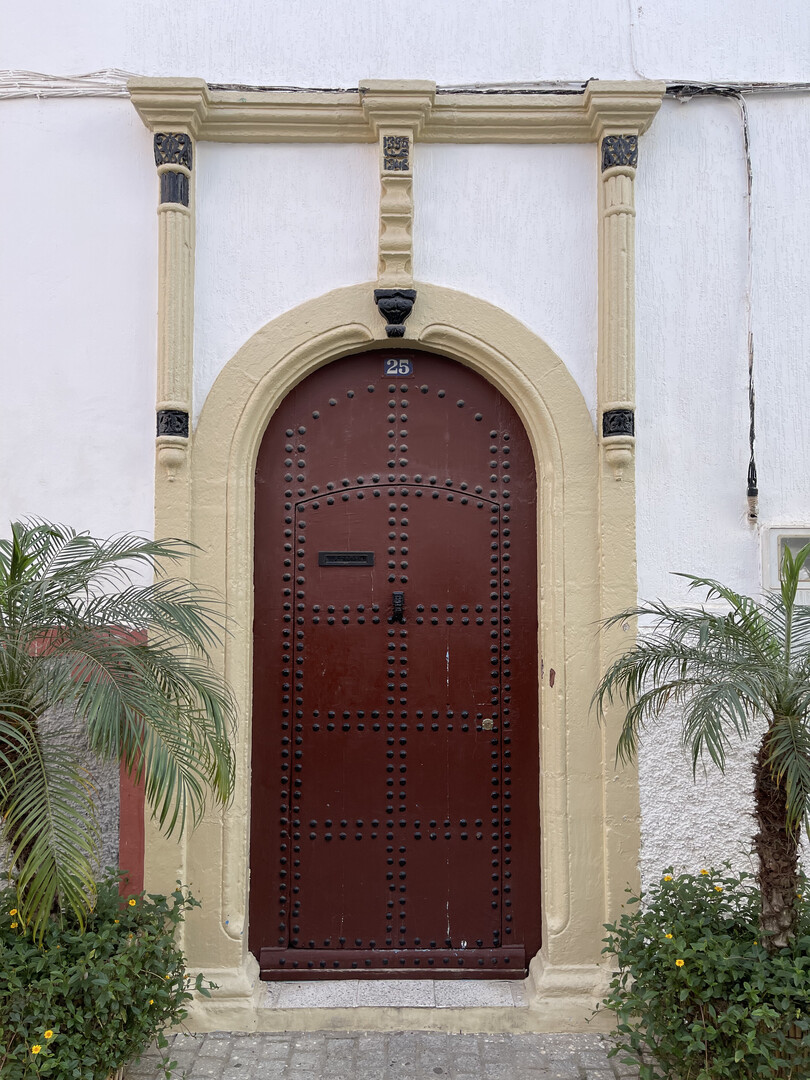
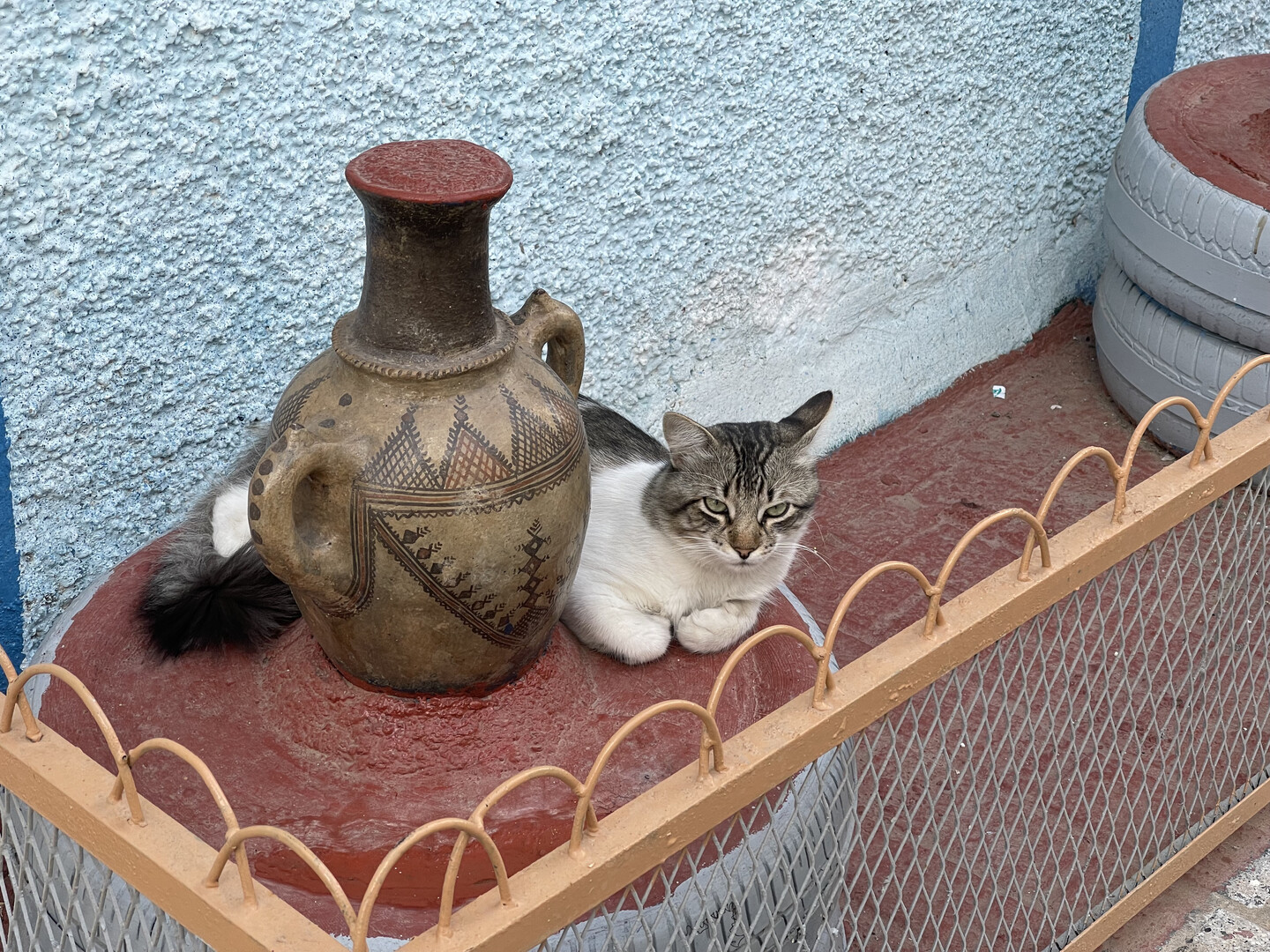
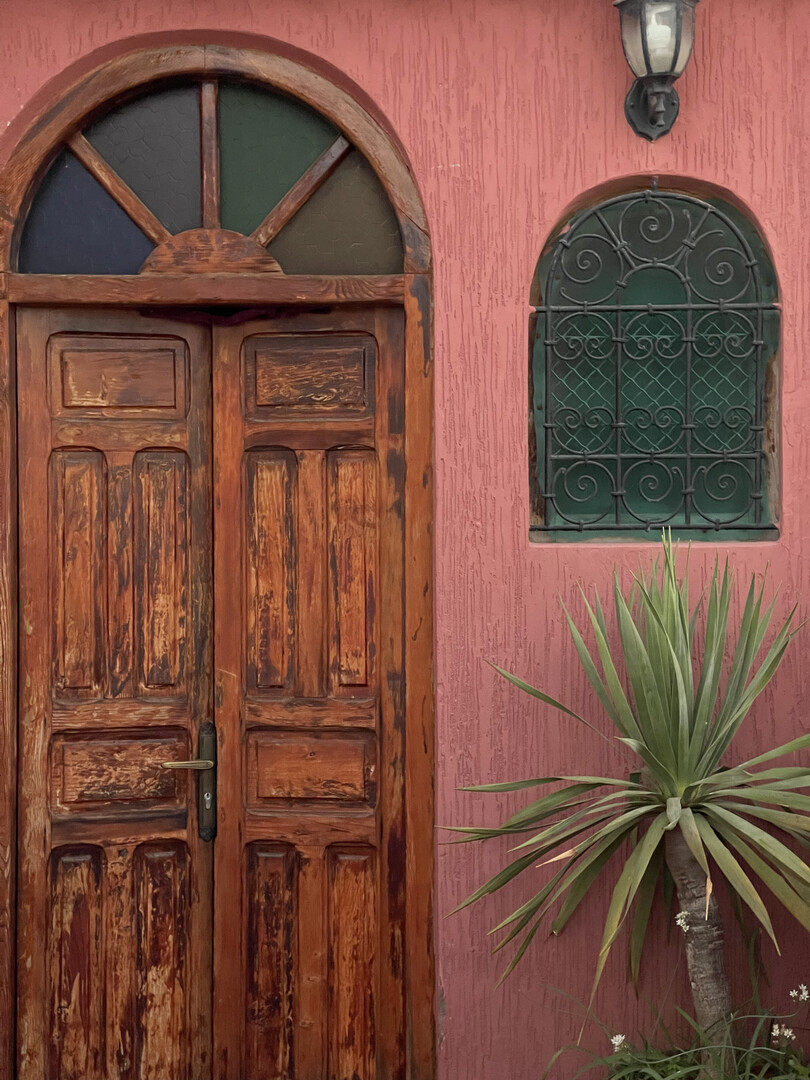
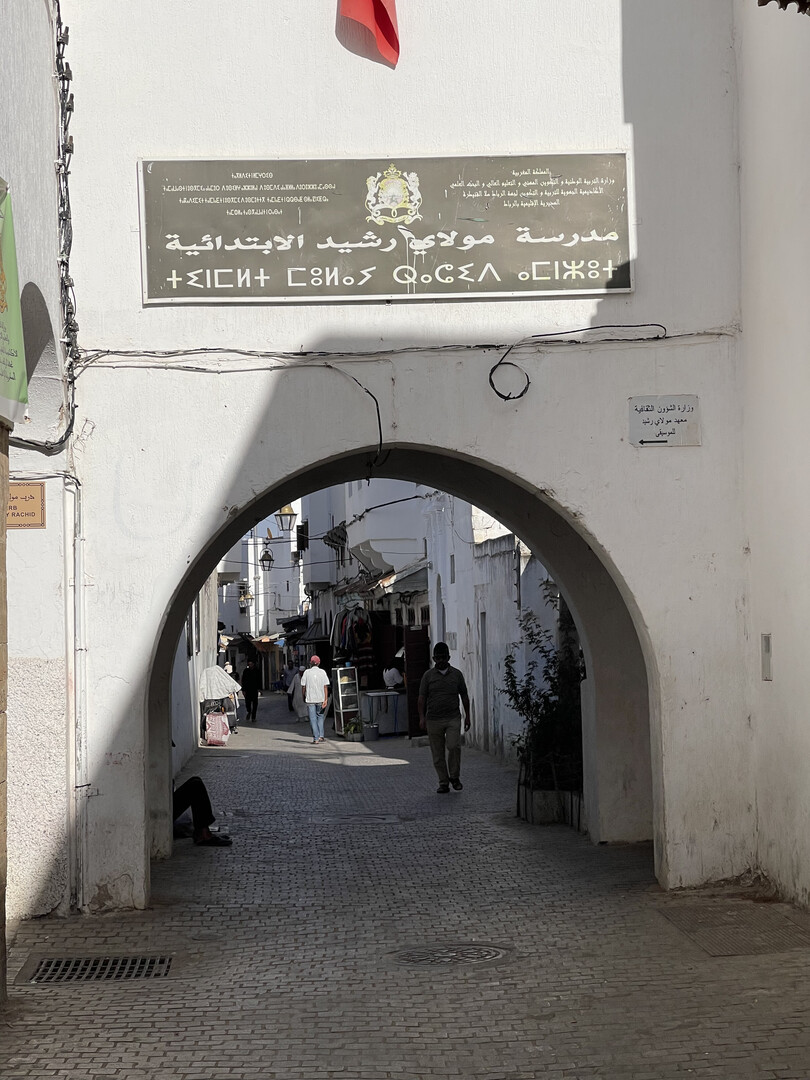
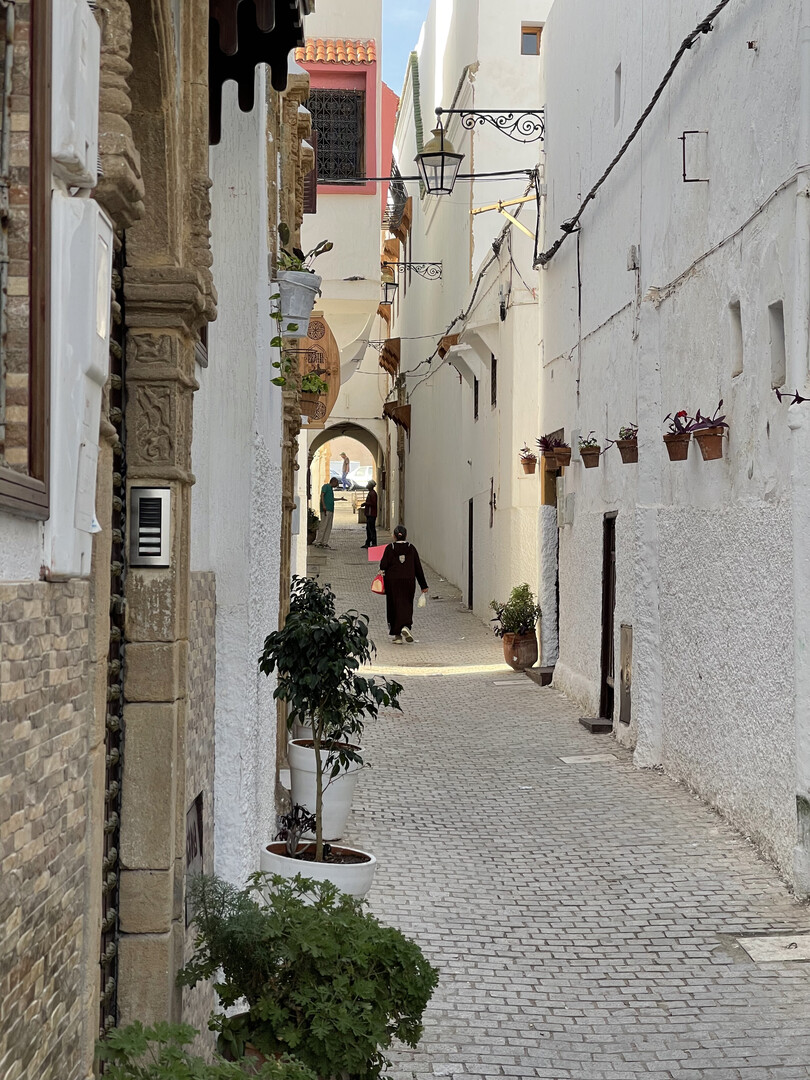
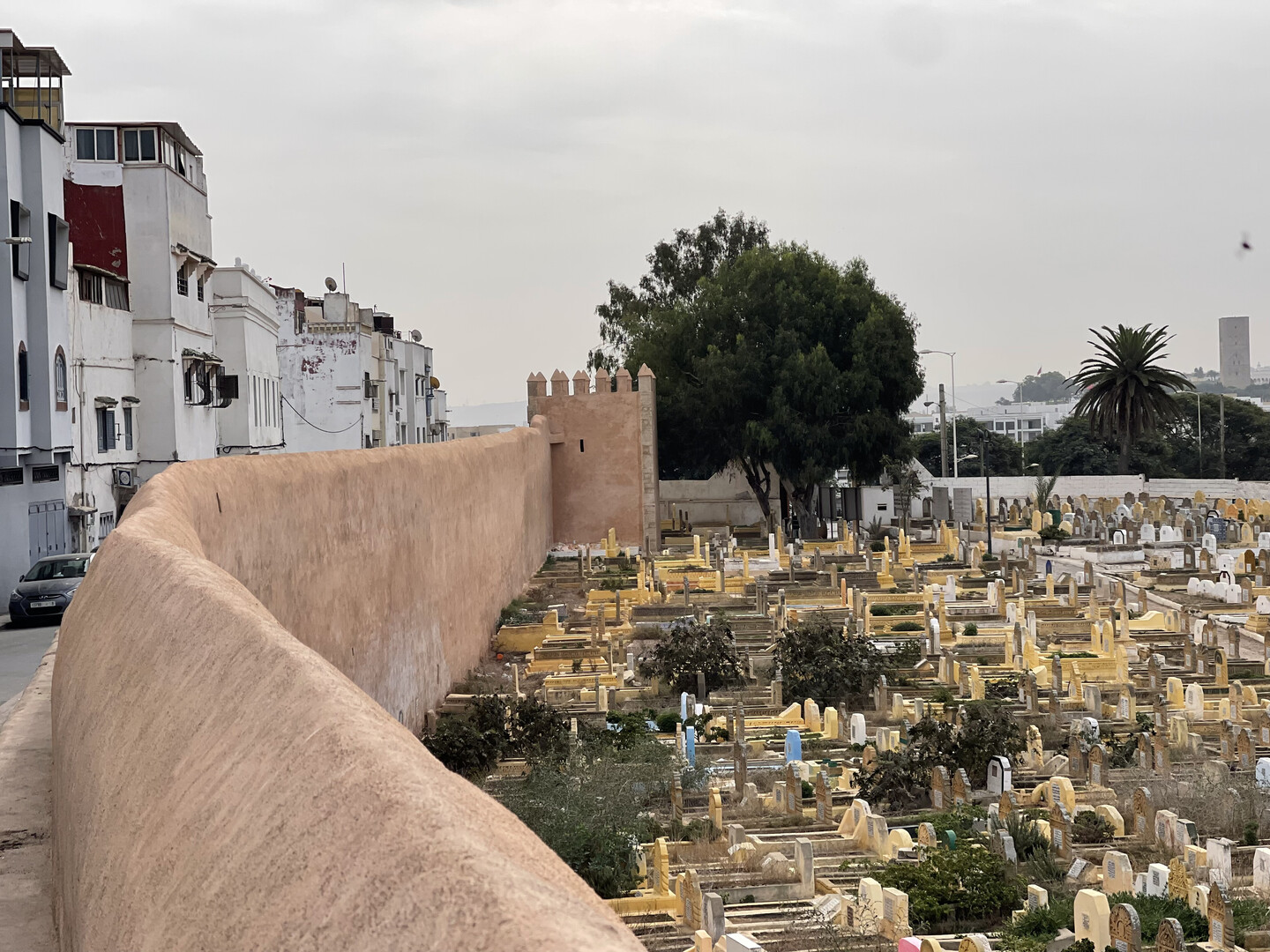
Rabat also has a fortified castle district overlooking the sea - the kasbah. The inside has been basically been converted to a museum without any signage or explanation. Luckily, fake guides will approach you and start giving you unprompted historical explanations, then demand that you pay them Morocco's median monthly wage in return for their services. I interrupted my scammer about two minutes in and ended up giving him the equivalent of seventy cents, which he wasn't too happy about, but when I made it clear that my wallet would remain closed for the remainder of our interaction, he skulked off to find another naive target.
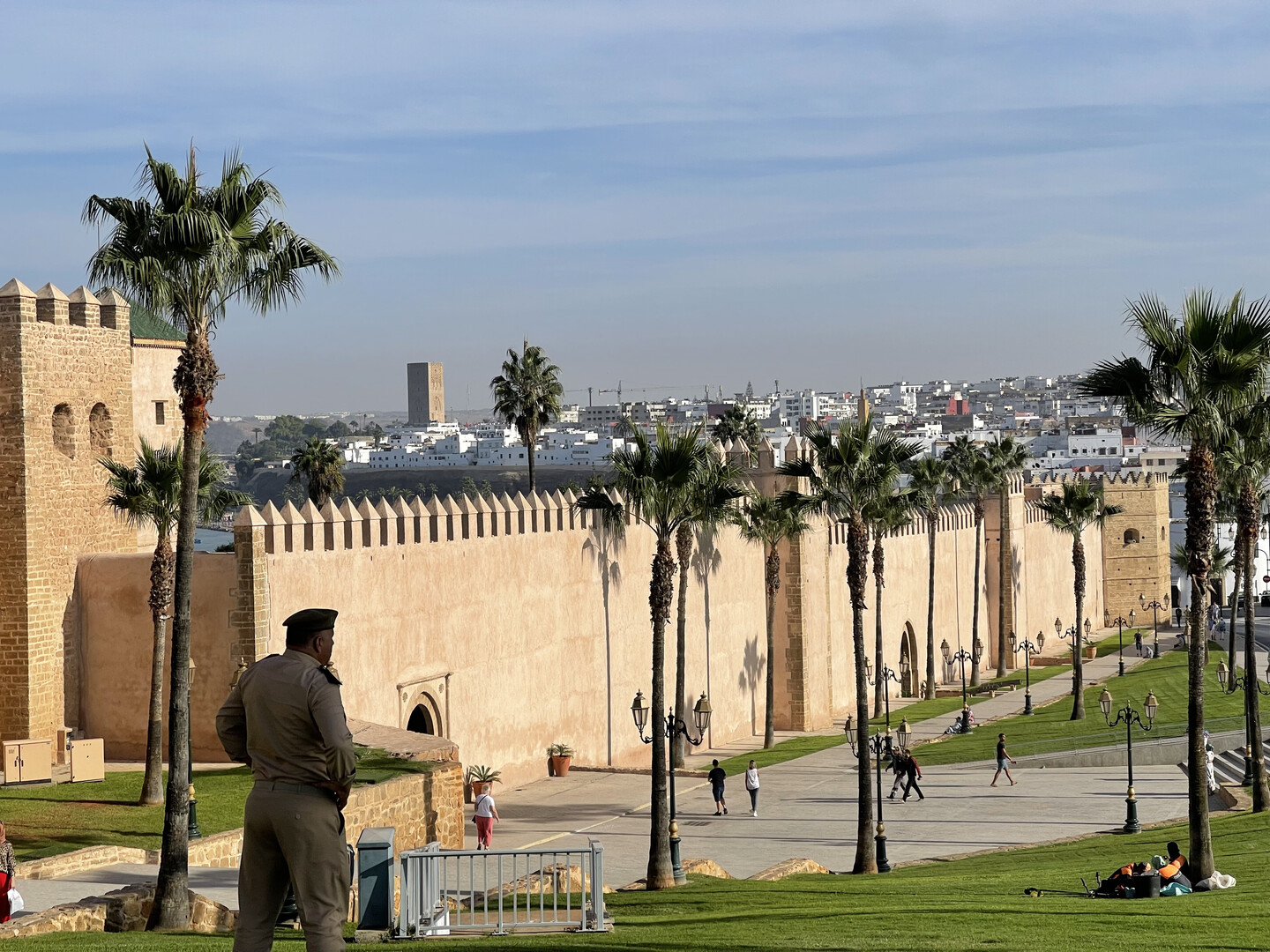
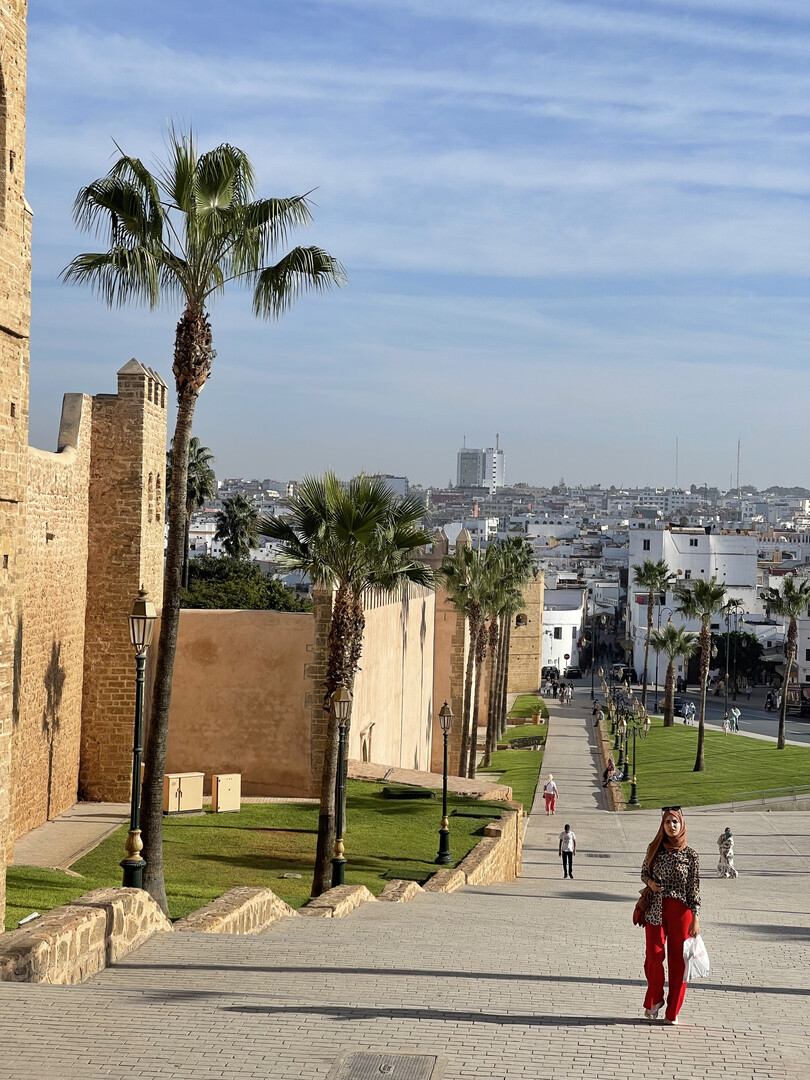
I would have been happy, however, to pay that seventy cents as an entrance fee of sorts to this wonderful view of the sea. It seemed to be a popular spot for locals to hang out and watch the sunset.
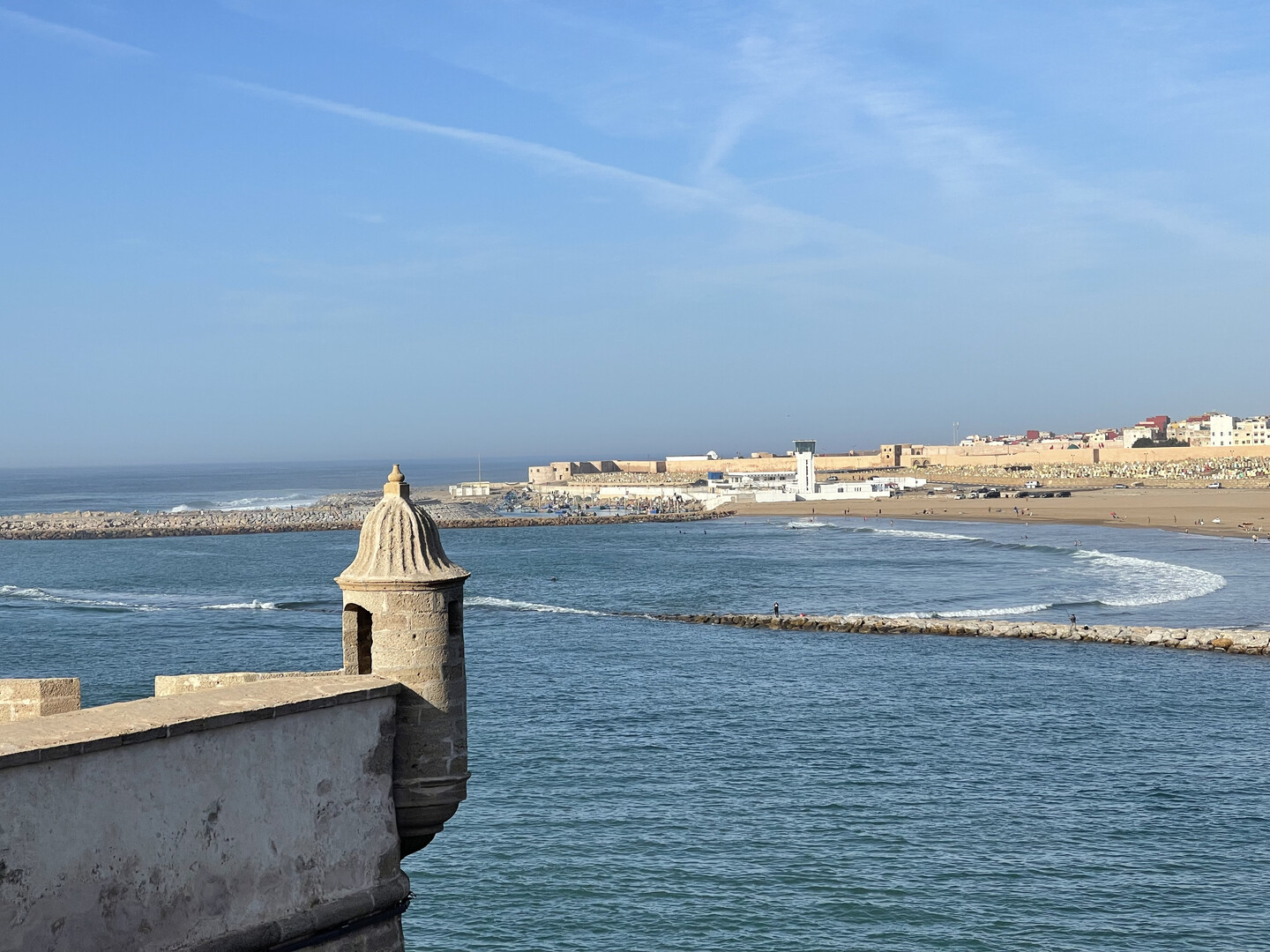
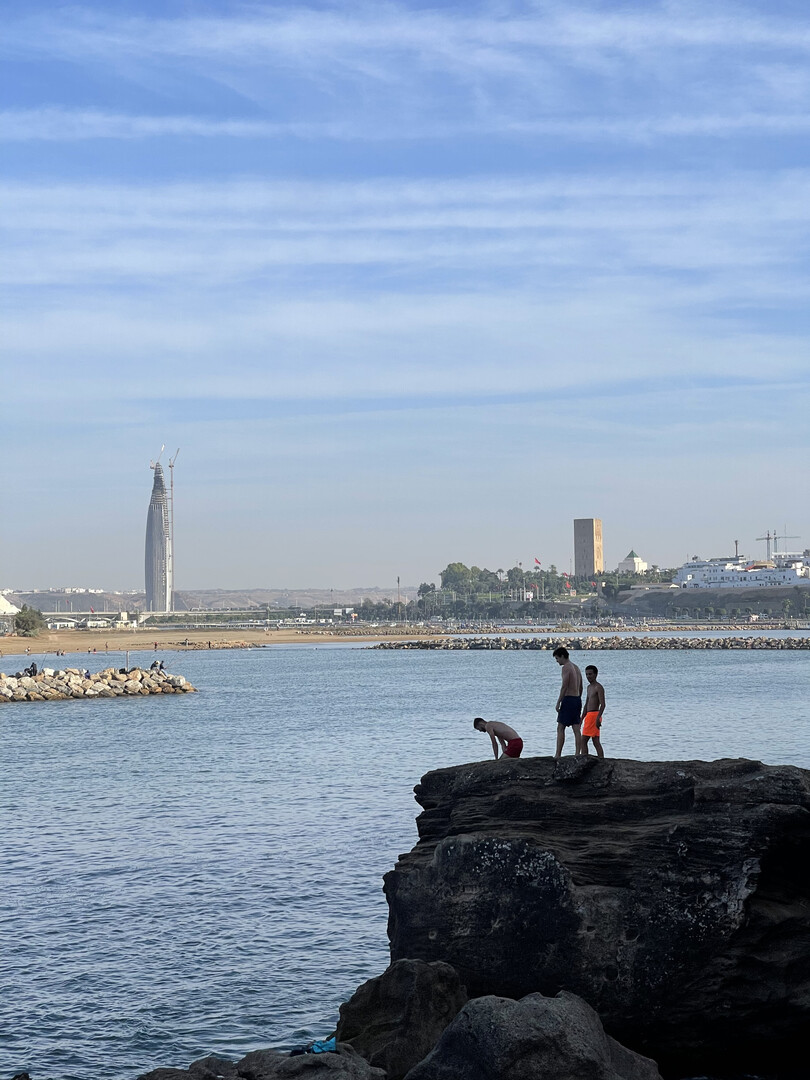
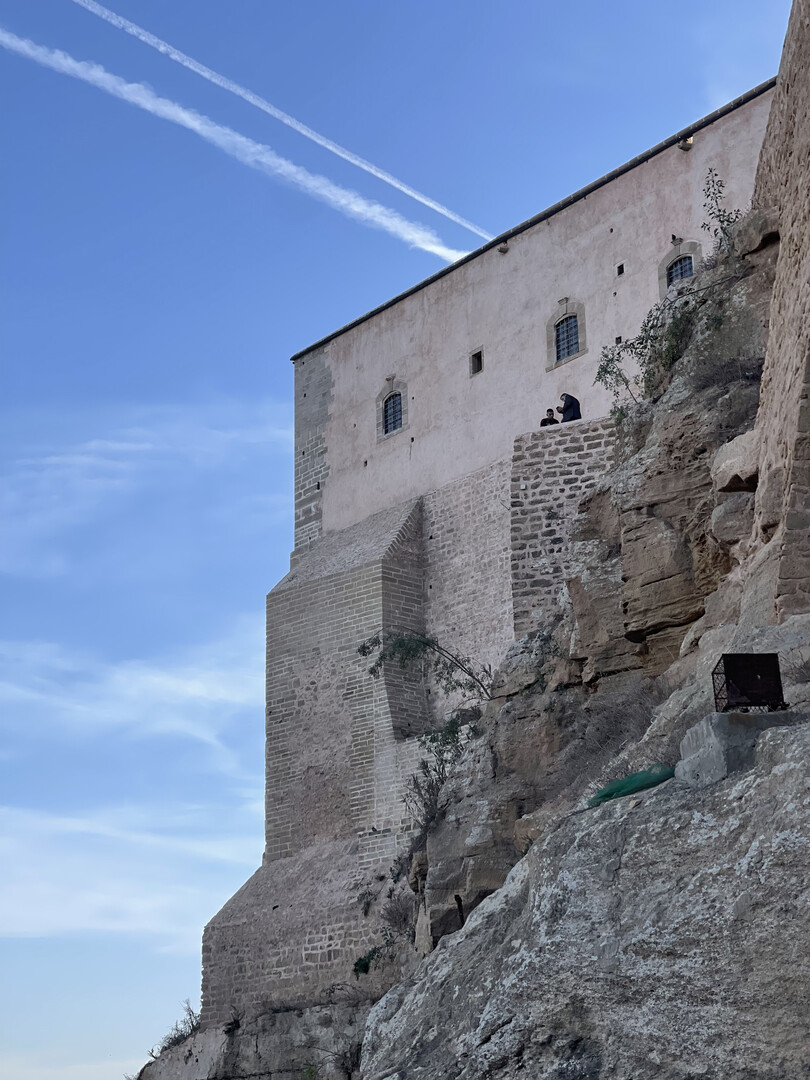
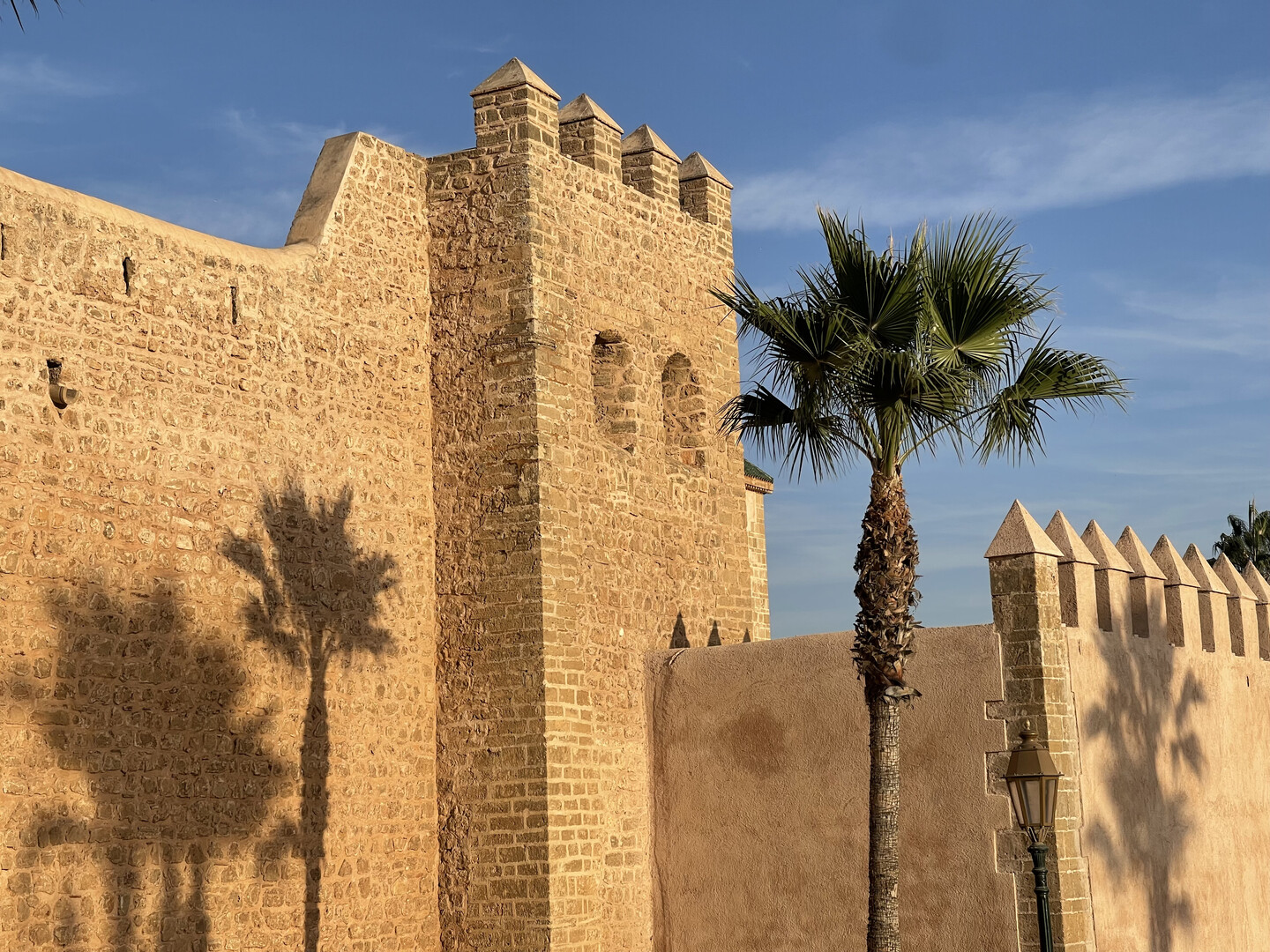
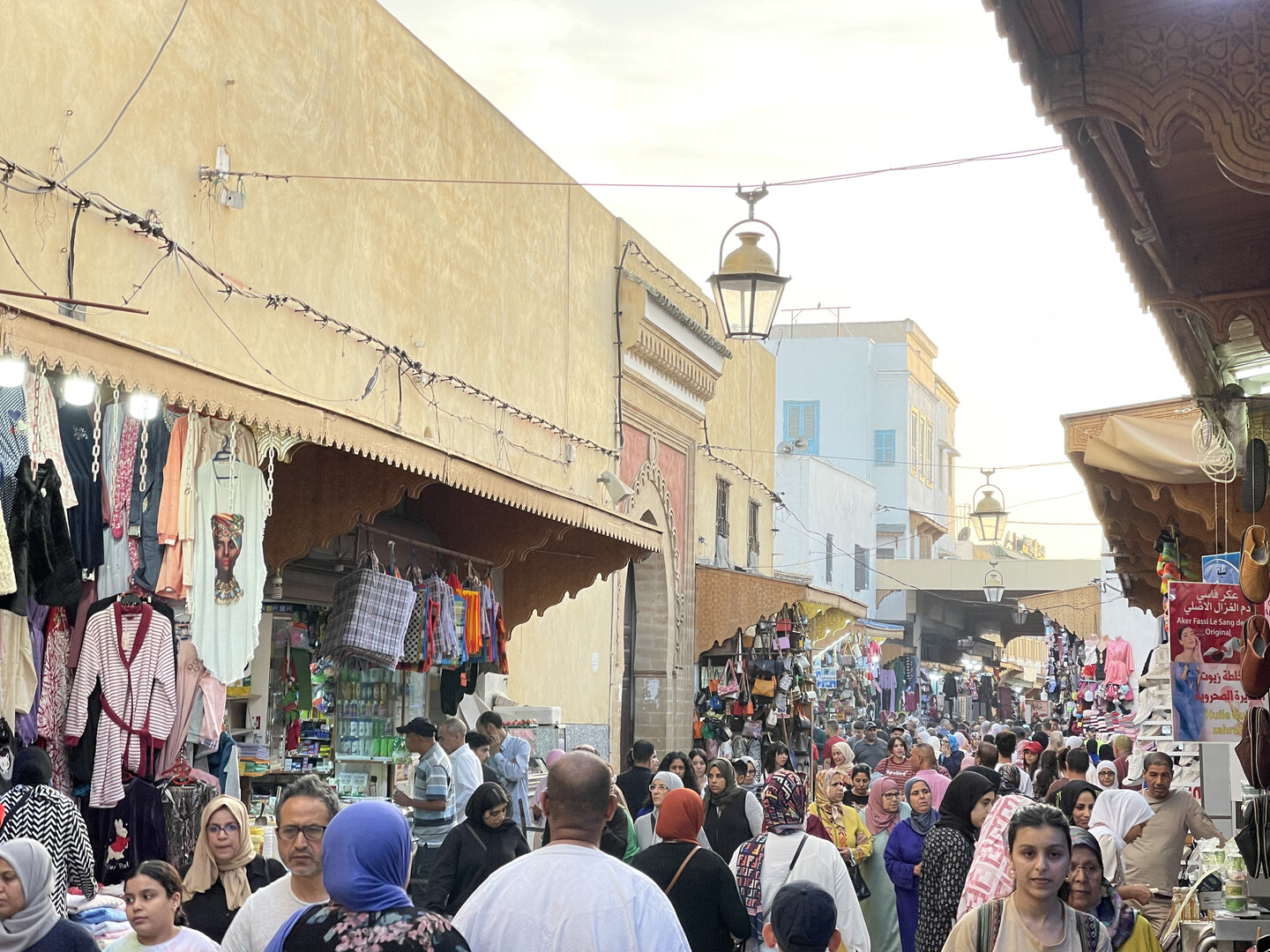
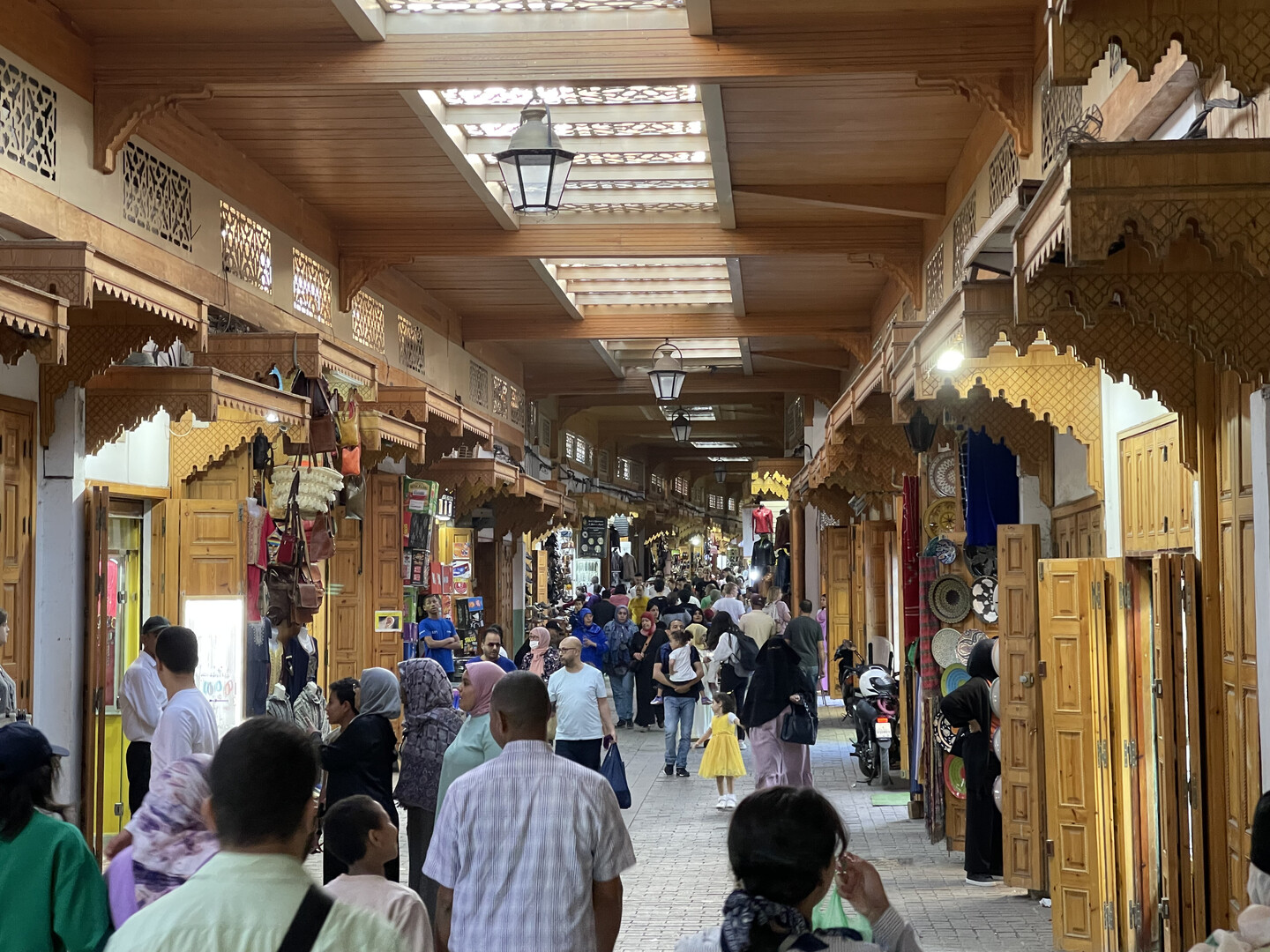
The medinas of Morocco come alive during the evening when kids get out of school and adults get out of work, and Rabat's is no exception. I might as well have been trying to walk in a Tokyo subway car during rush hour.
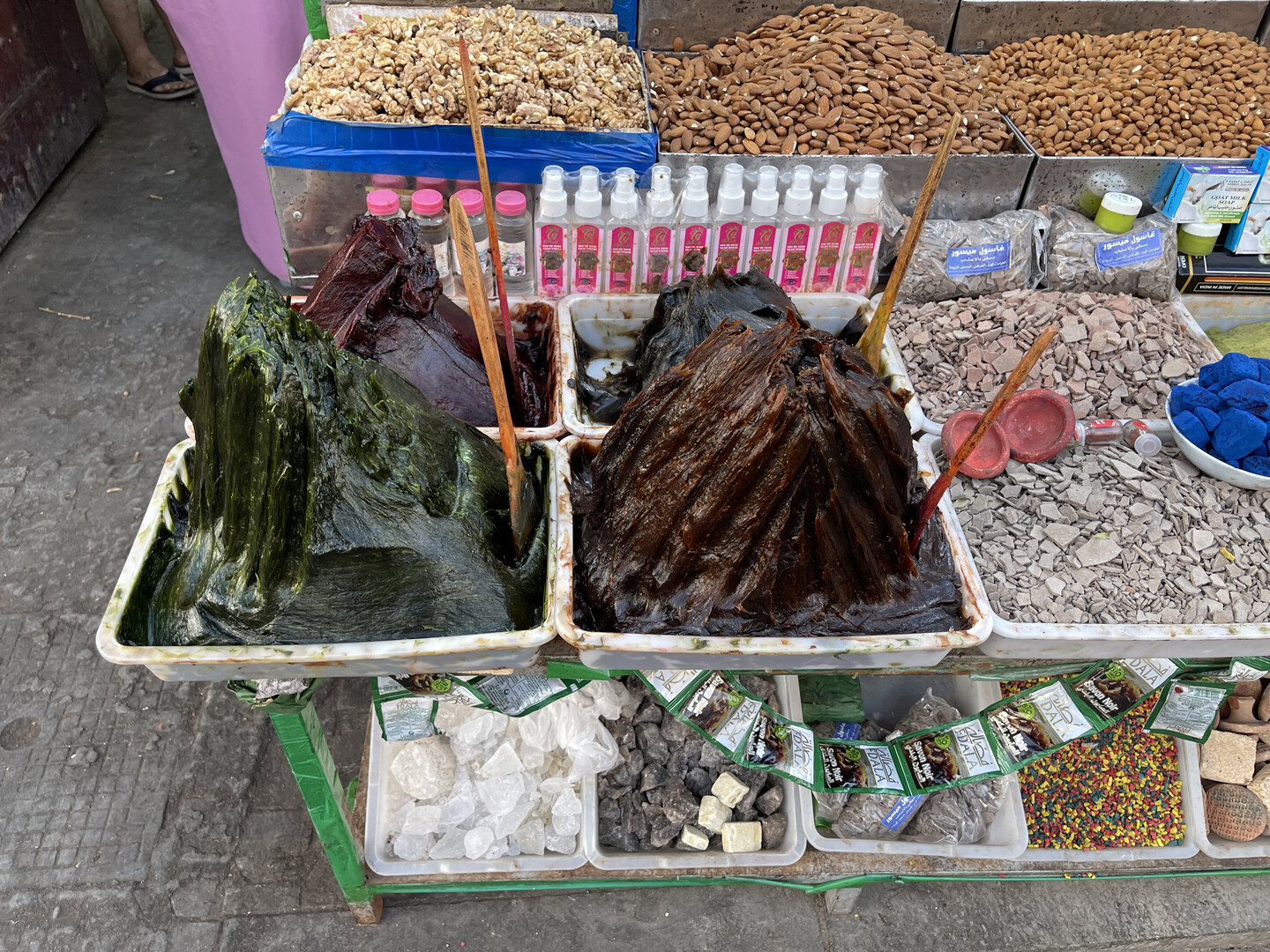
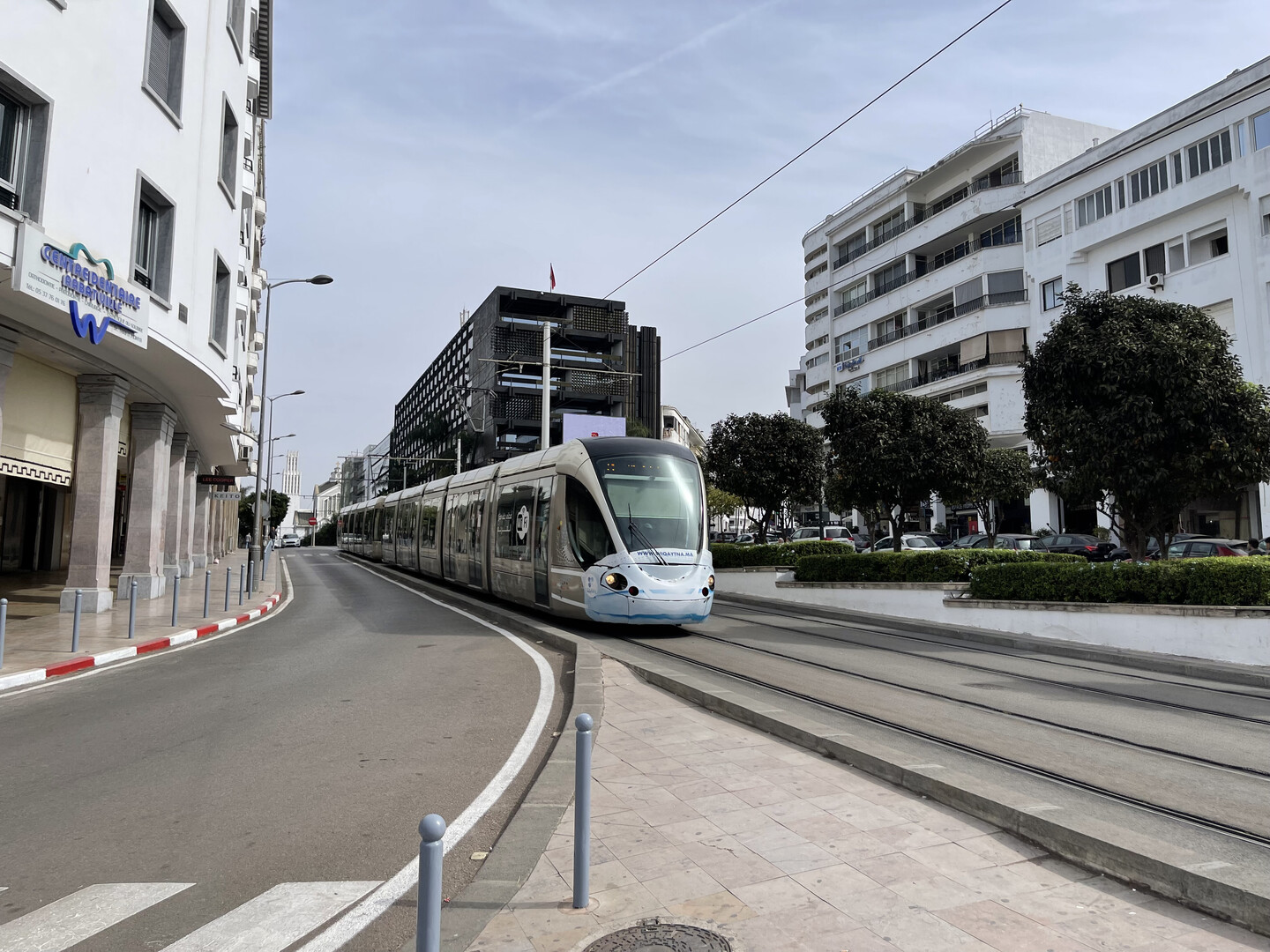
A seasonal river separates Rabat's old city from the working-class suburb of Sale, but the two neighborhoods are connected by tram.
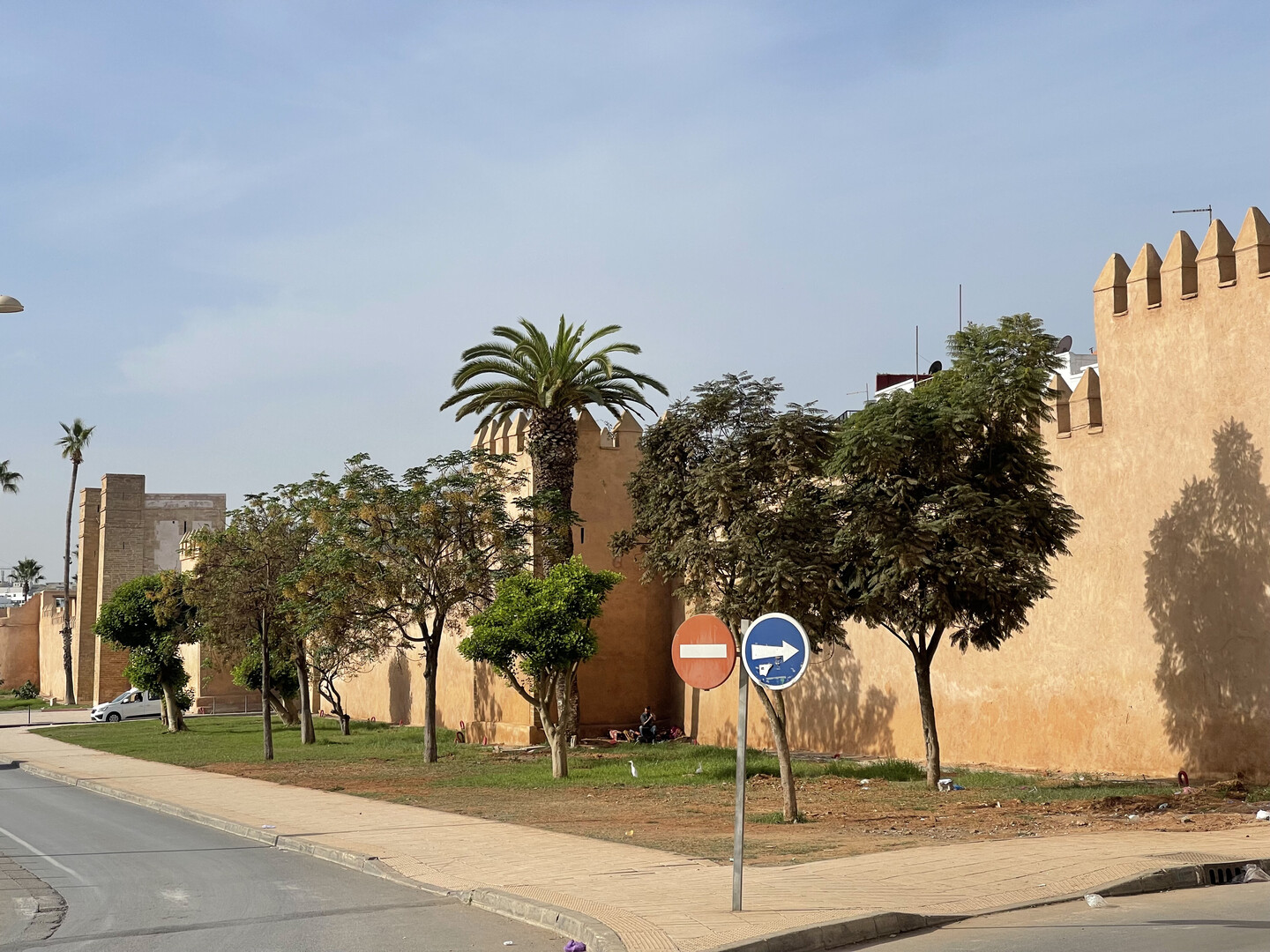
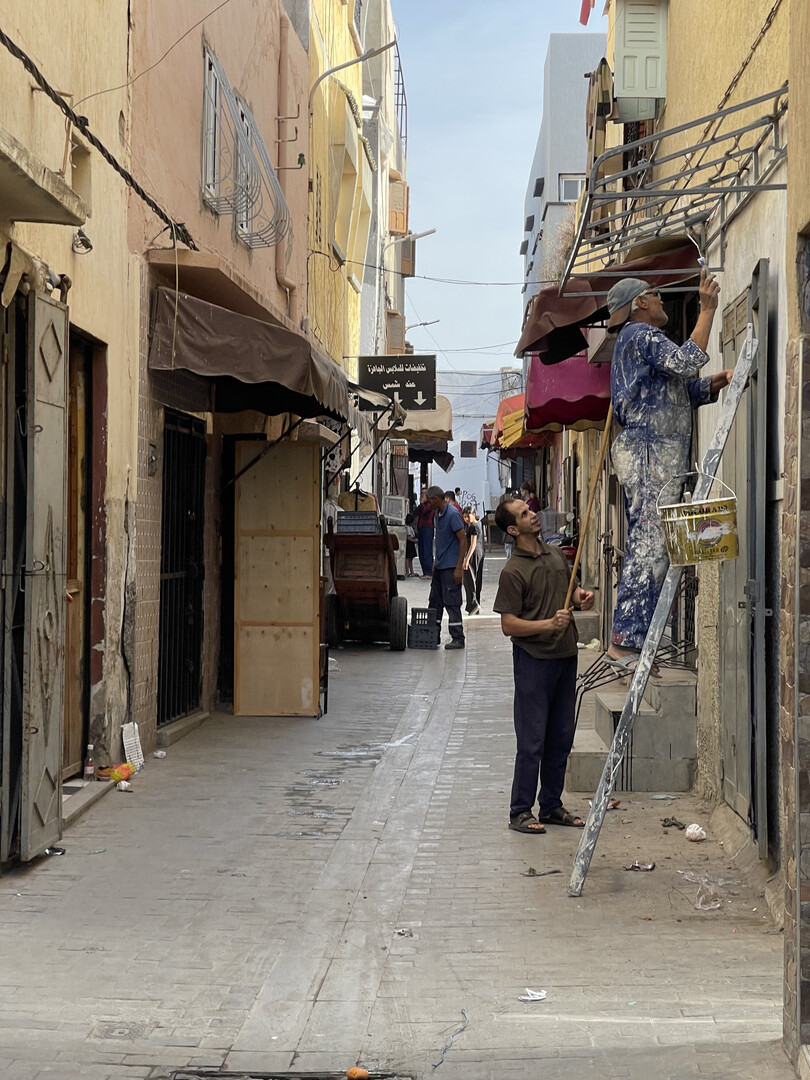
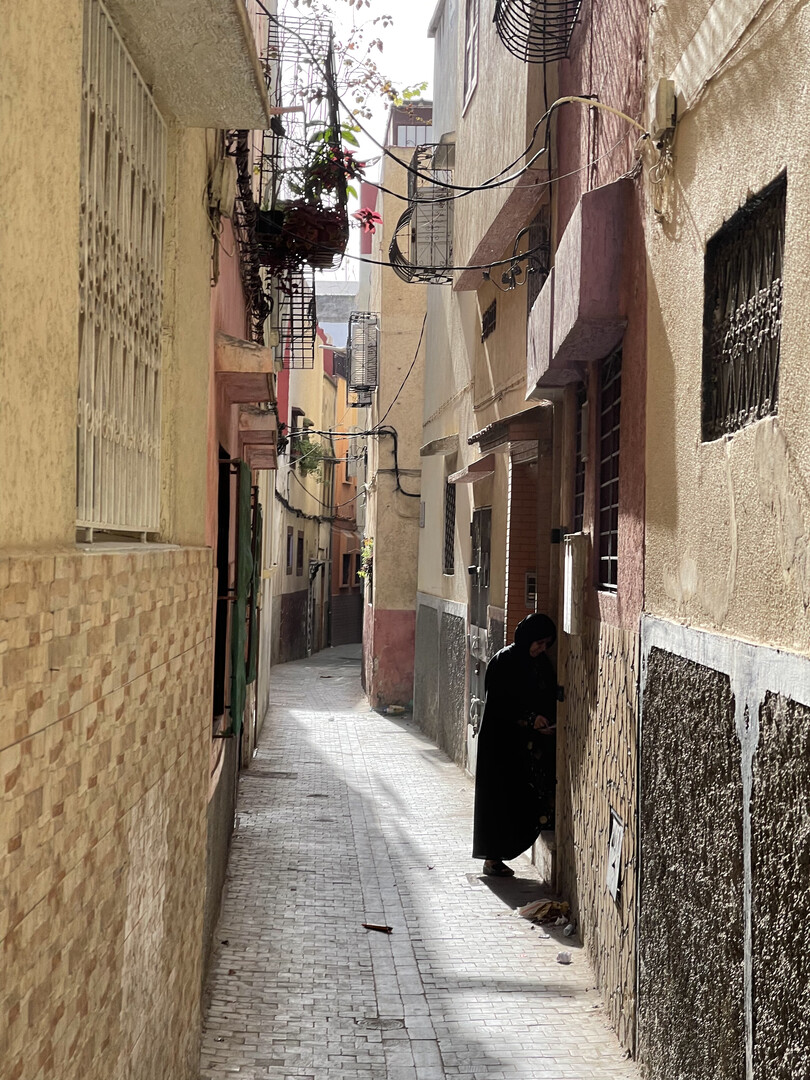
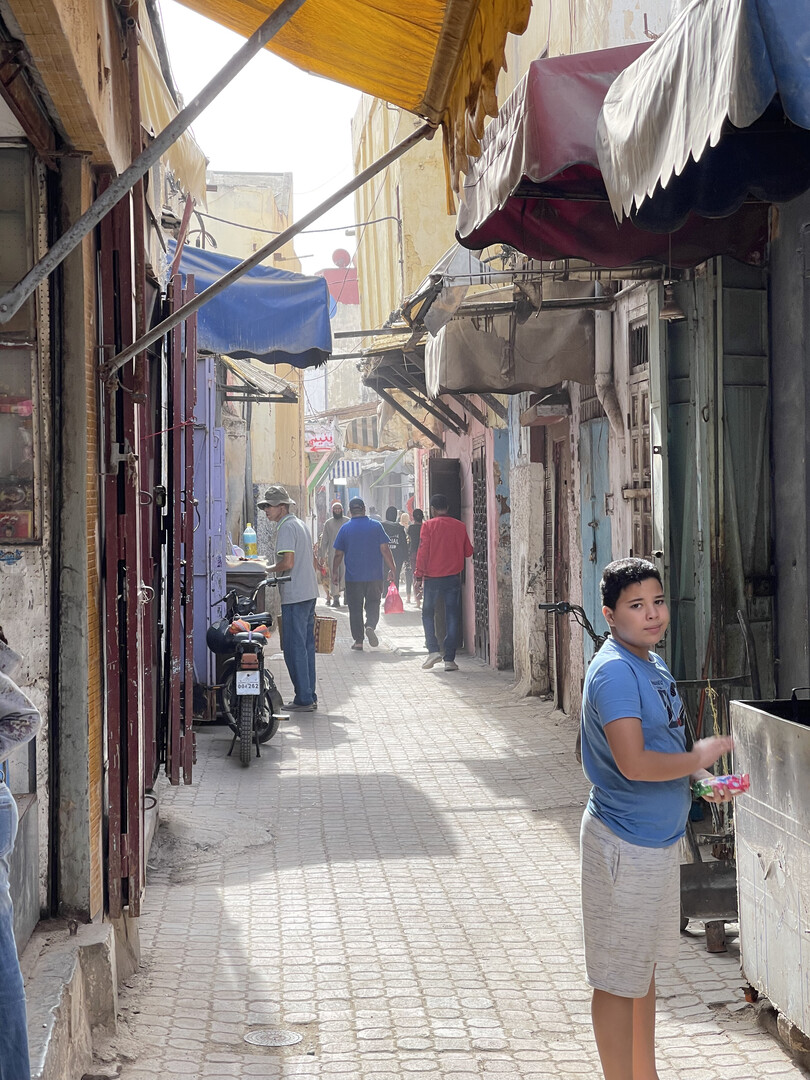
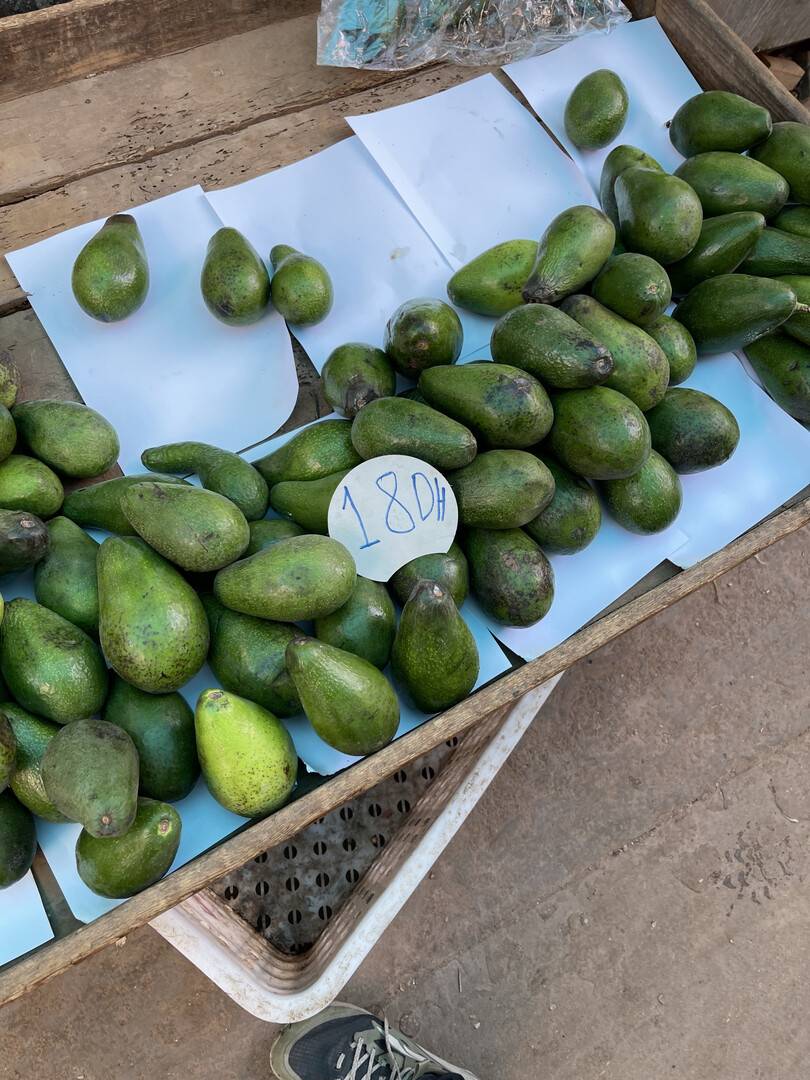
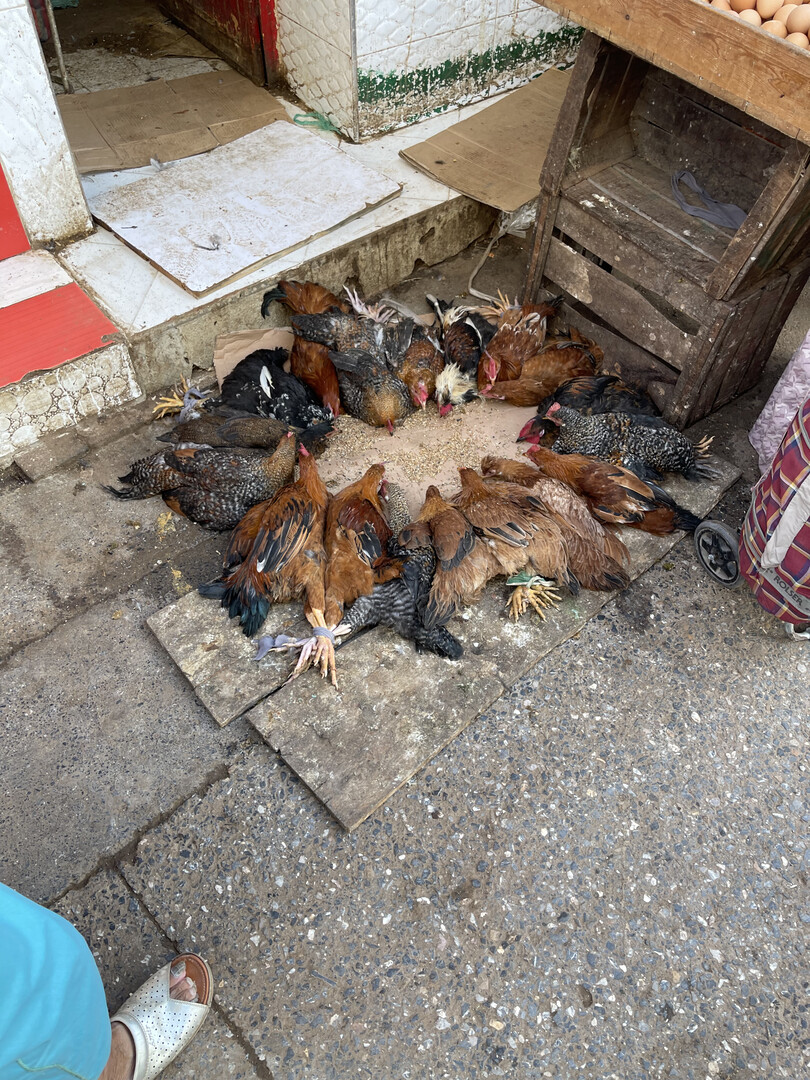
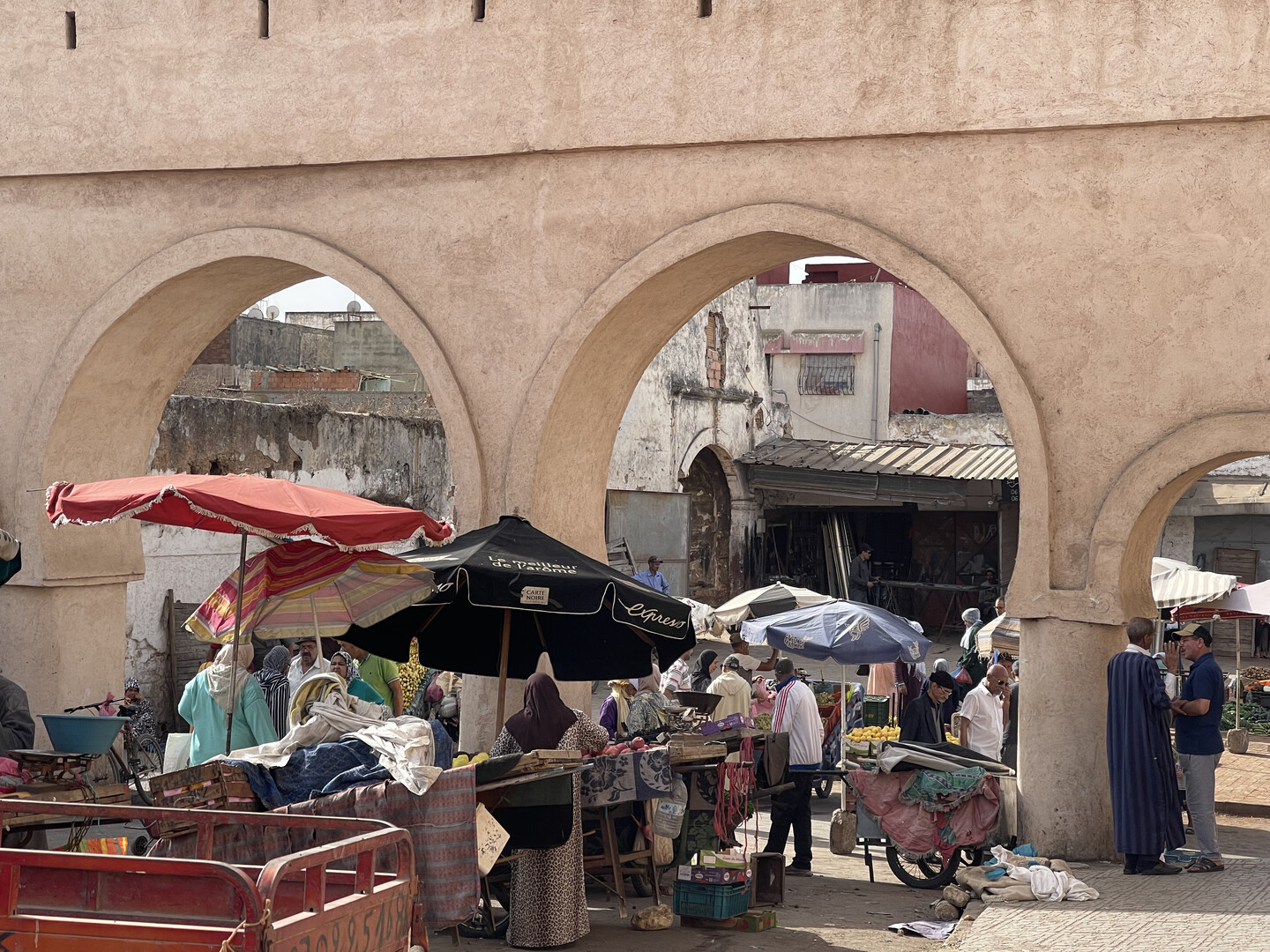
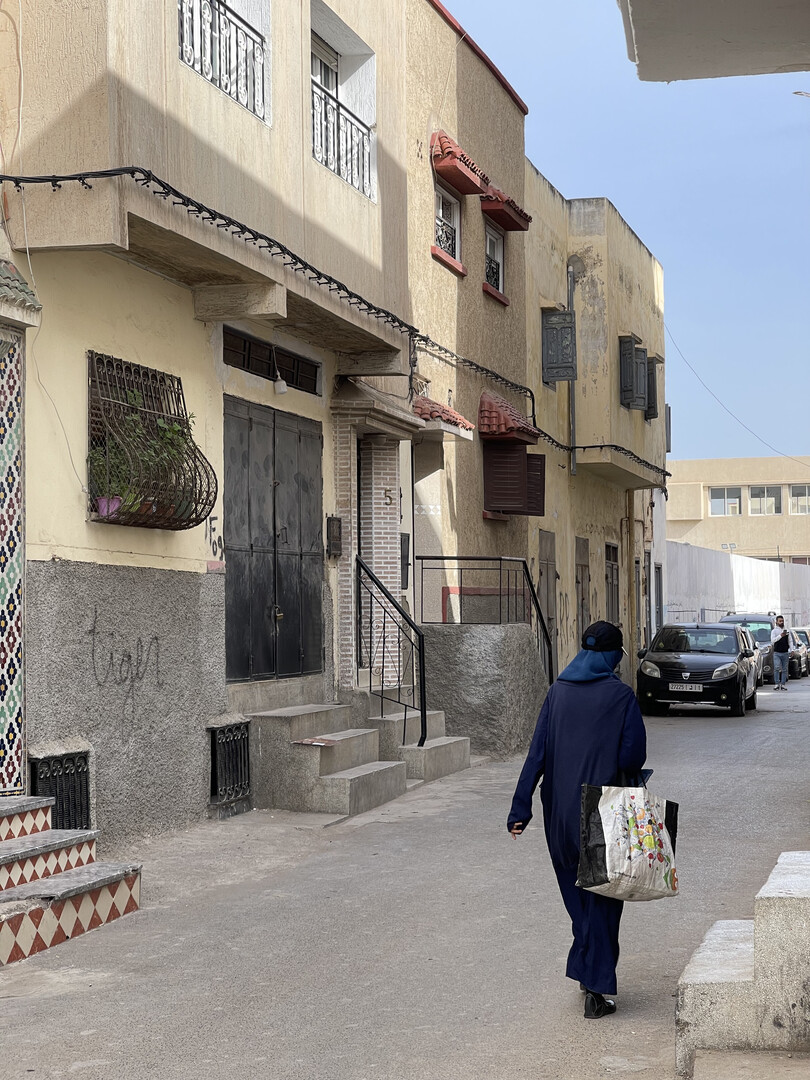
Sale's medina is not nearly as picturesque as Rabat's. On the bright side, this keeps the tourists away, and what few tourists do come can get a more authentic glimpse into local life.
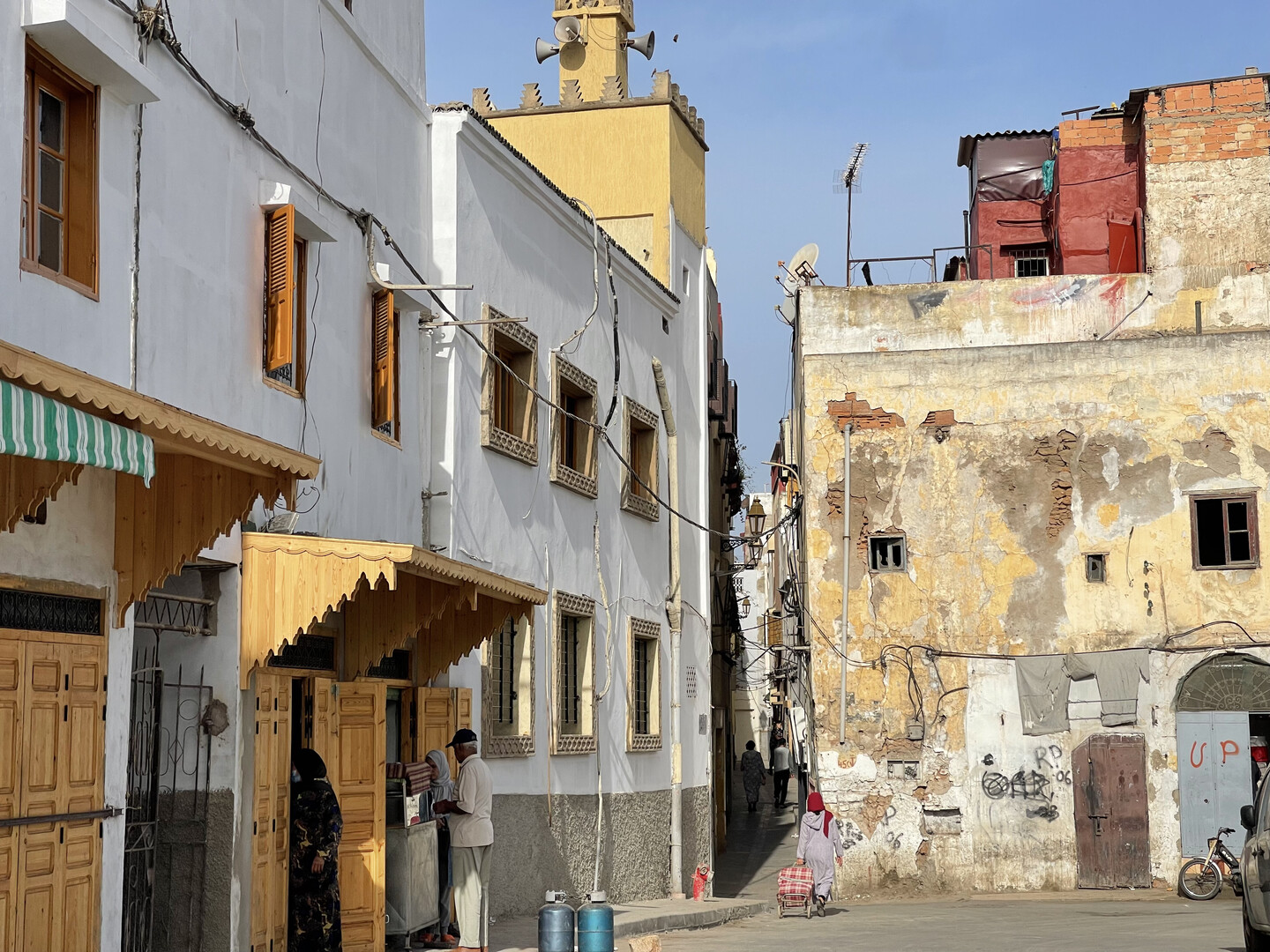
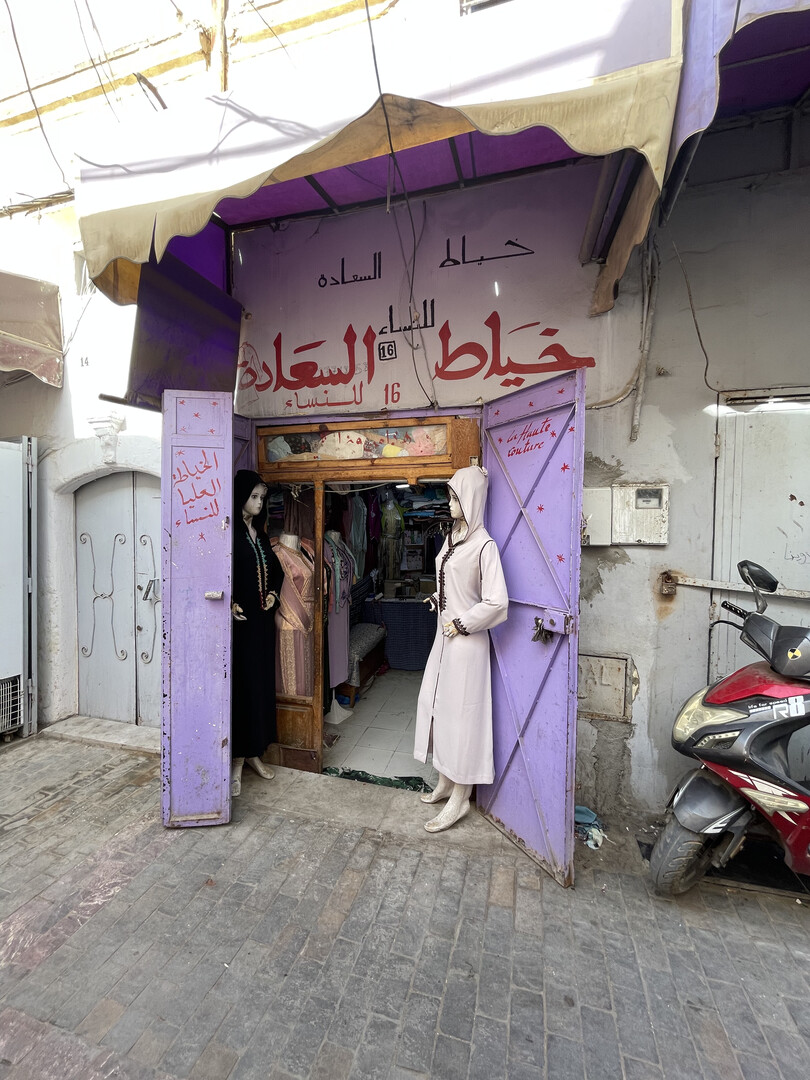
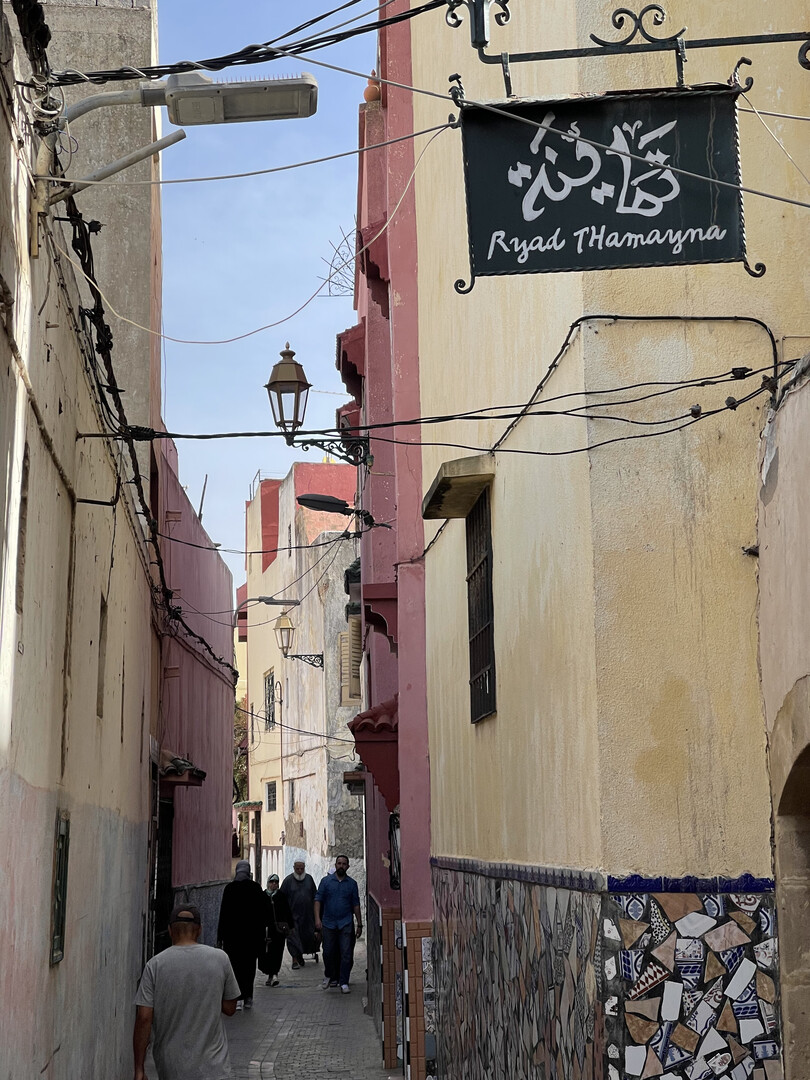
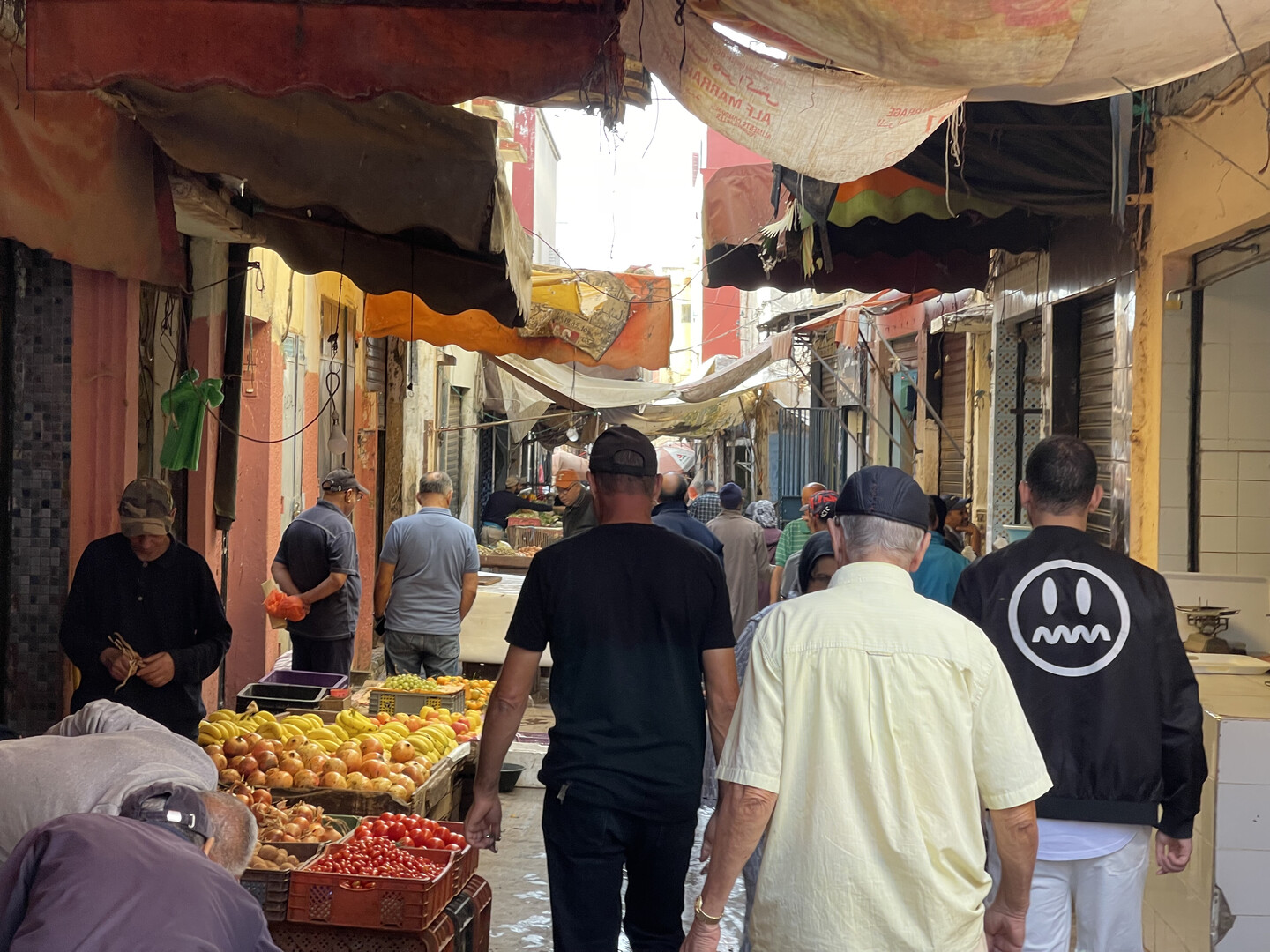
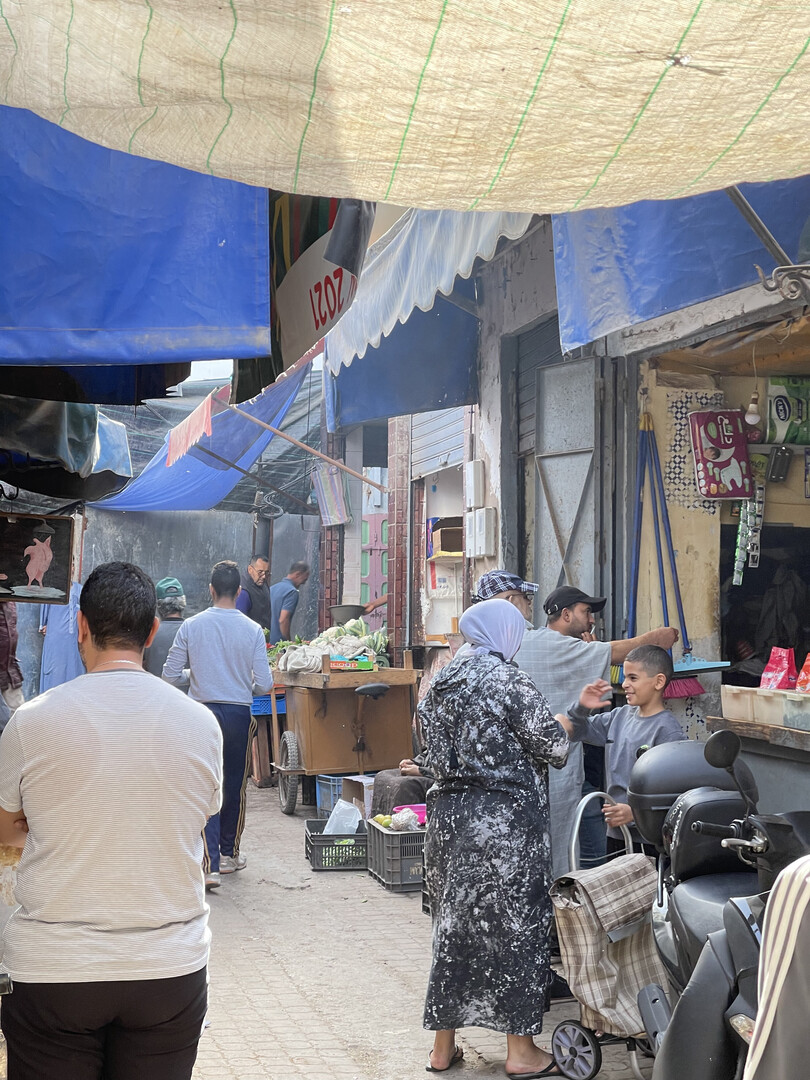
In the poorer neighborhoods of Morocco, school seems to be optional. On a weekday morning in Sale, I spotted countless kids helping out the family business, playing with other kids, or simply wandering around doing nothing.
Rabat was both a literal and figurative breath of fresh air after Casablanca.