- Published on
Camino De Santiago - Day 7
Time of Visit: October 6, 2022
I was very sad this morning to leave my wonderful private room that had gifted me 10 hours of uninterrupted sleep. On the bright side, today's course was short and flat, and I set out with way more vigor than I should have after walking 140 kilometers.
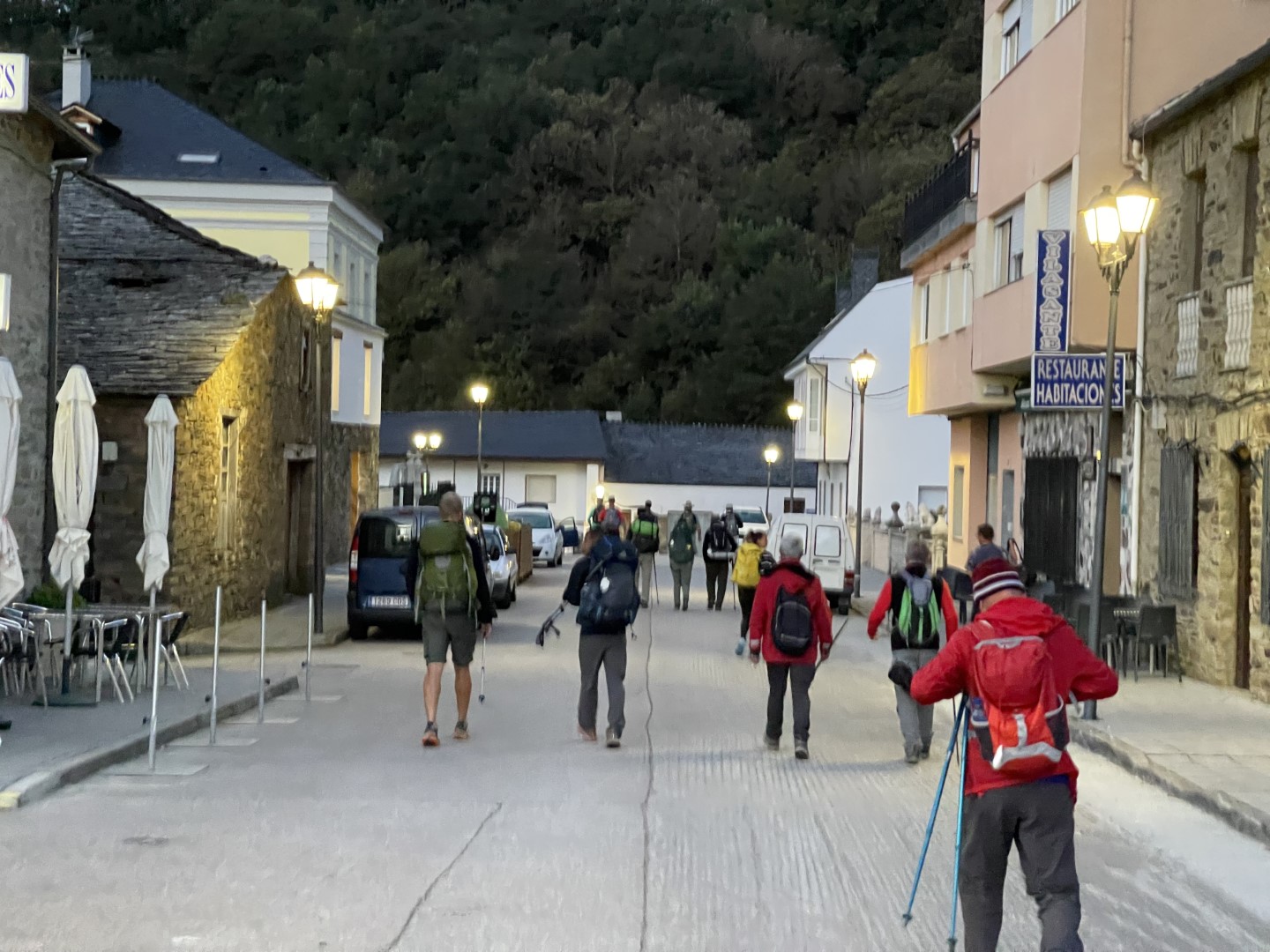
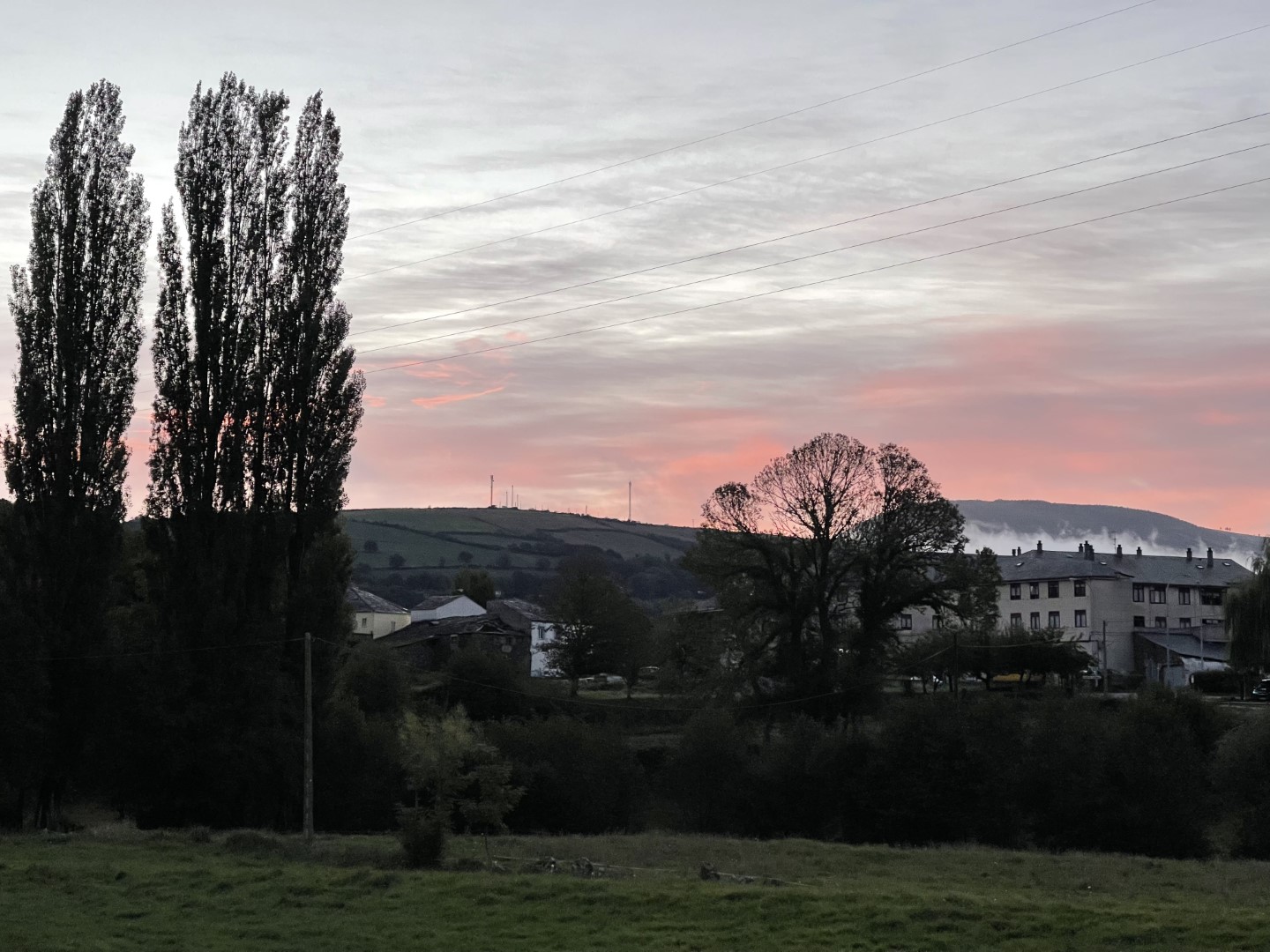
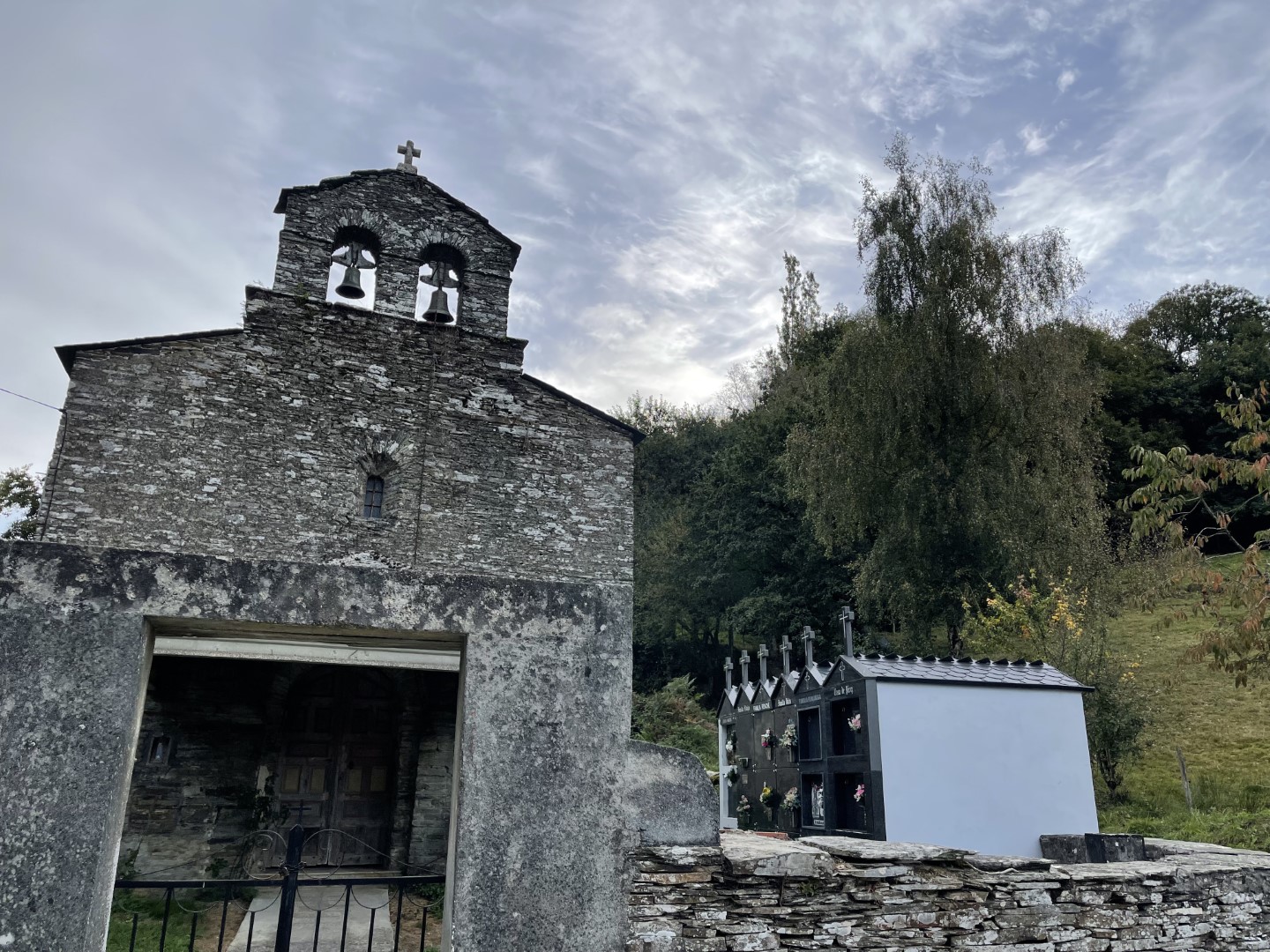
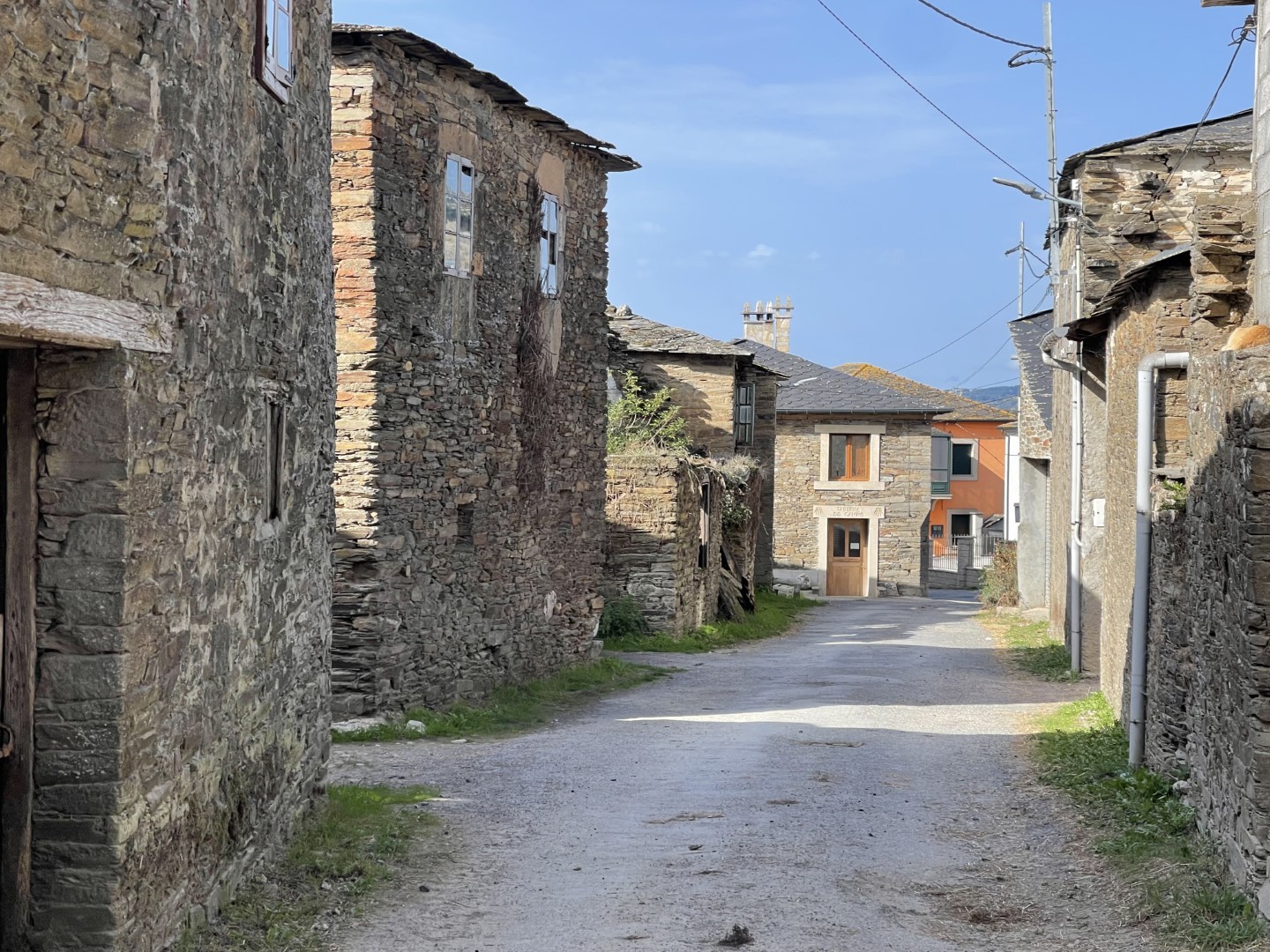
For much of history, Galicia was nothing but an insular backwater. It traded hands countless times between the Romans, Visigoths, Umayyads, Asturians, but its remoteness relative to the rest of continental Europe kept things relatively quiet. Walking through the villages of Galicia - if you can even call them that - makes the world feel far away.
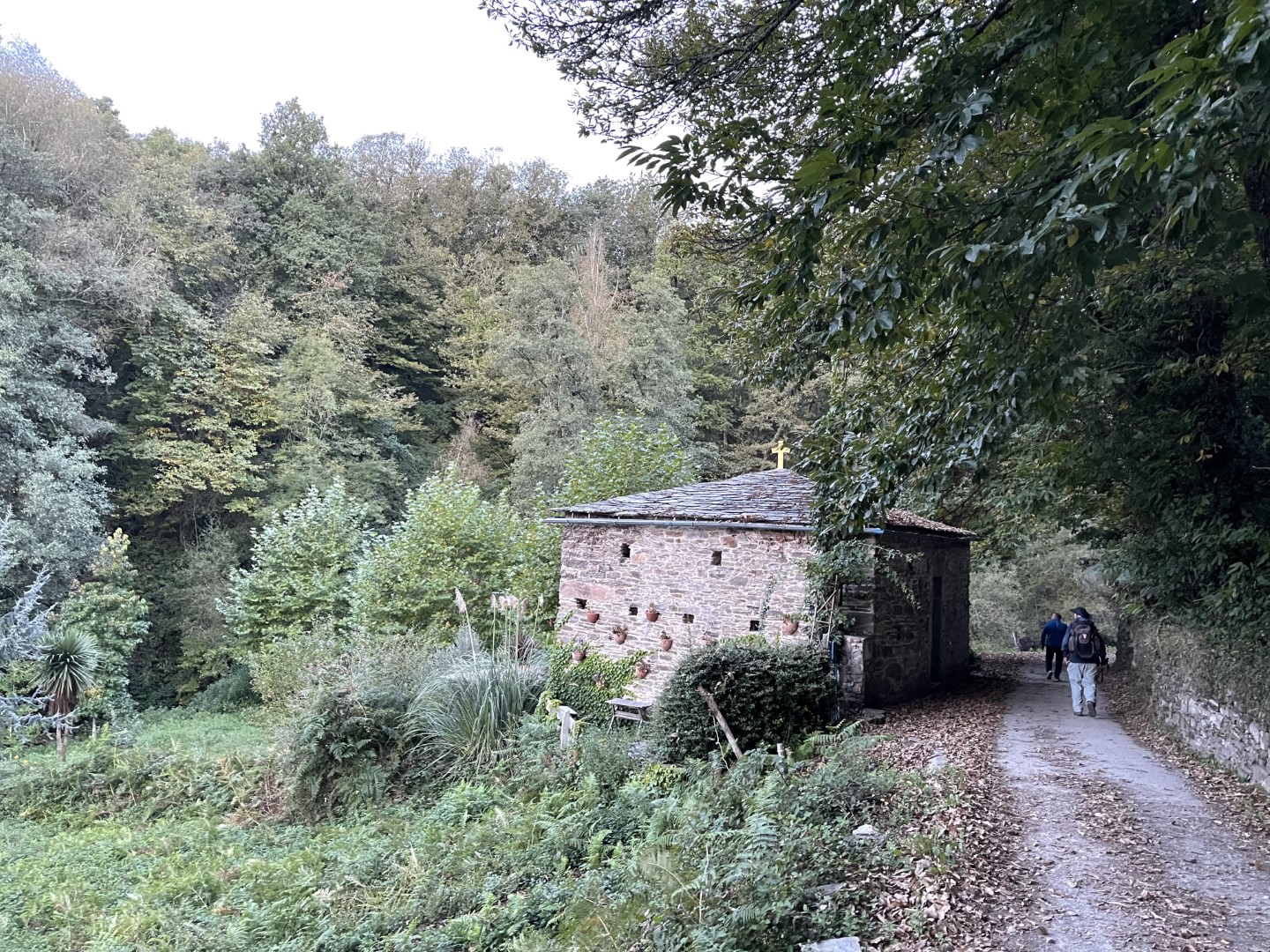
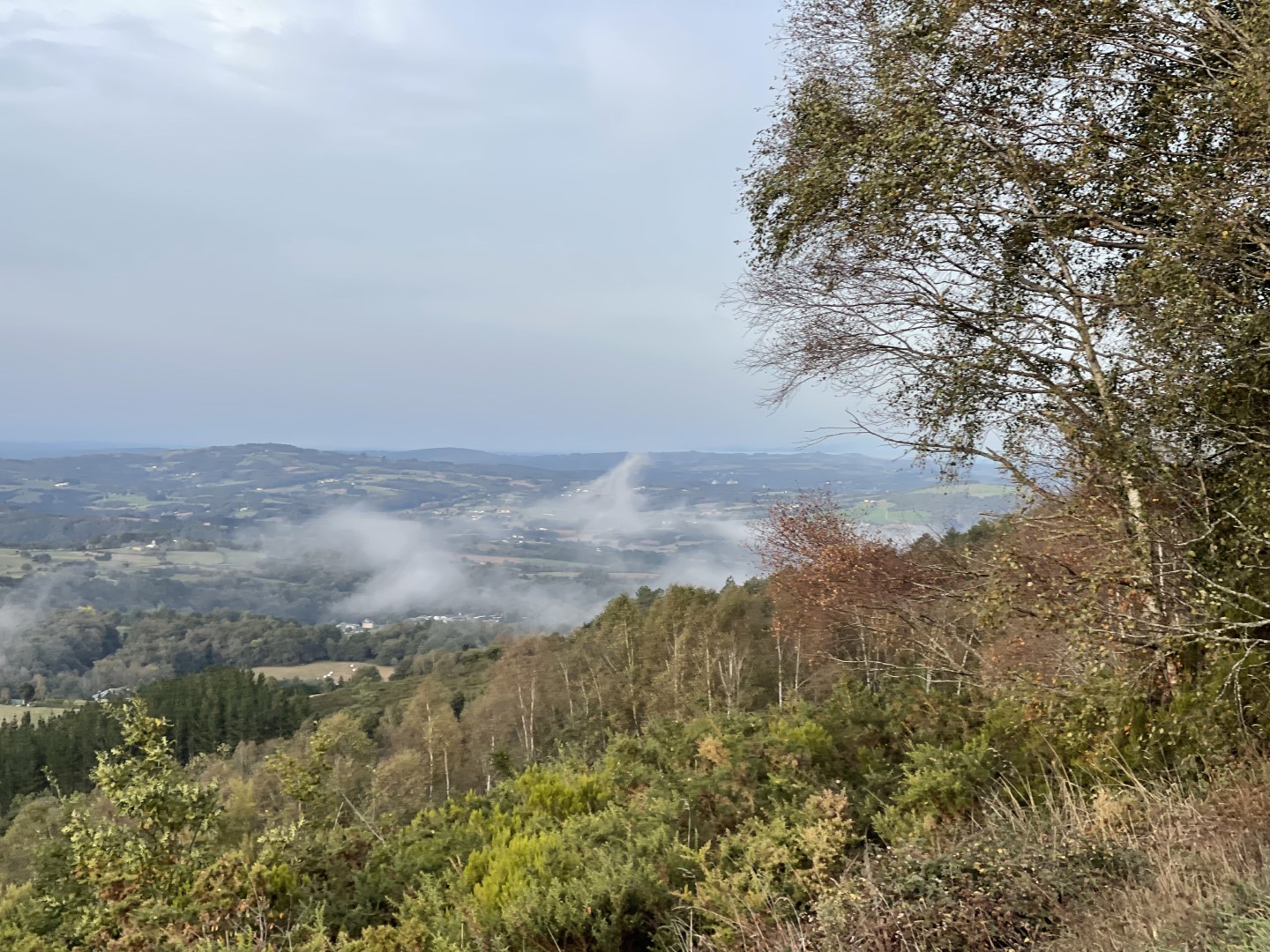
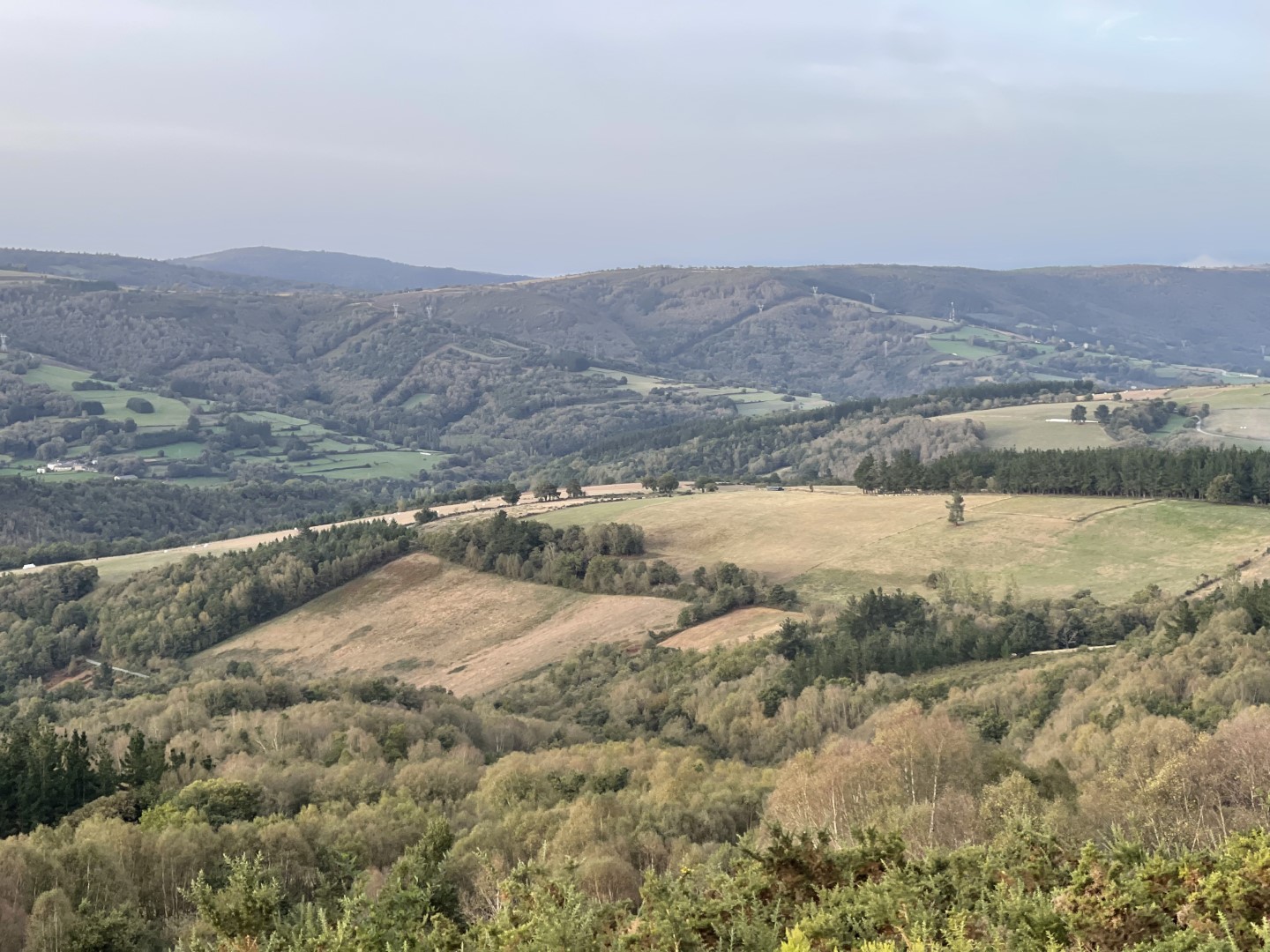
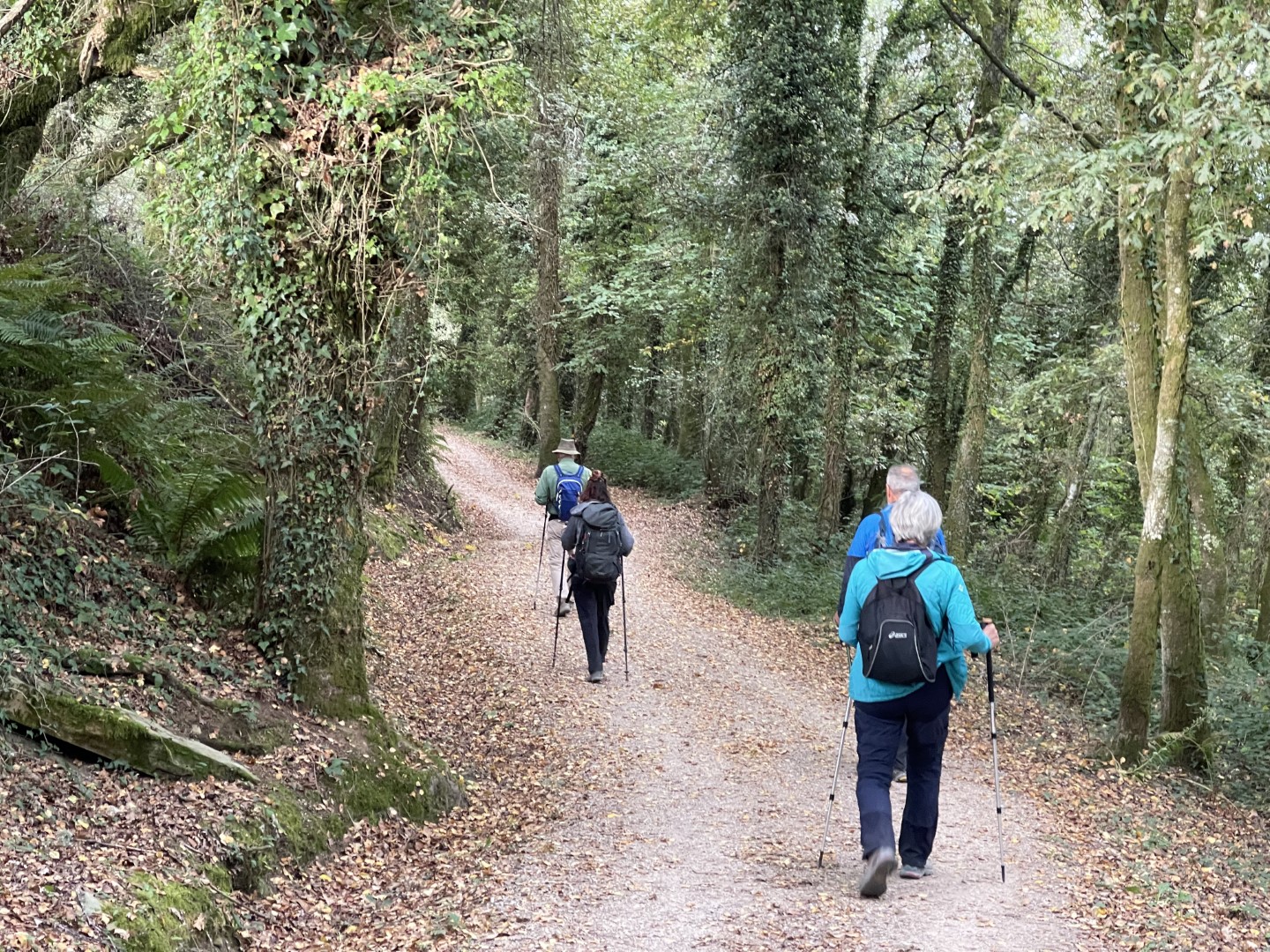
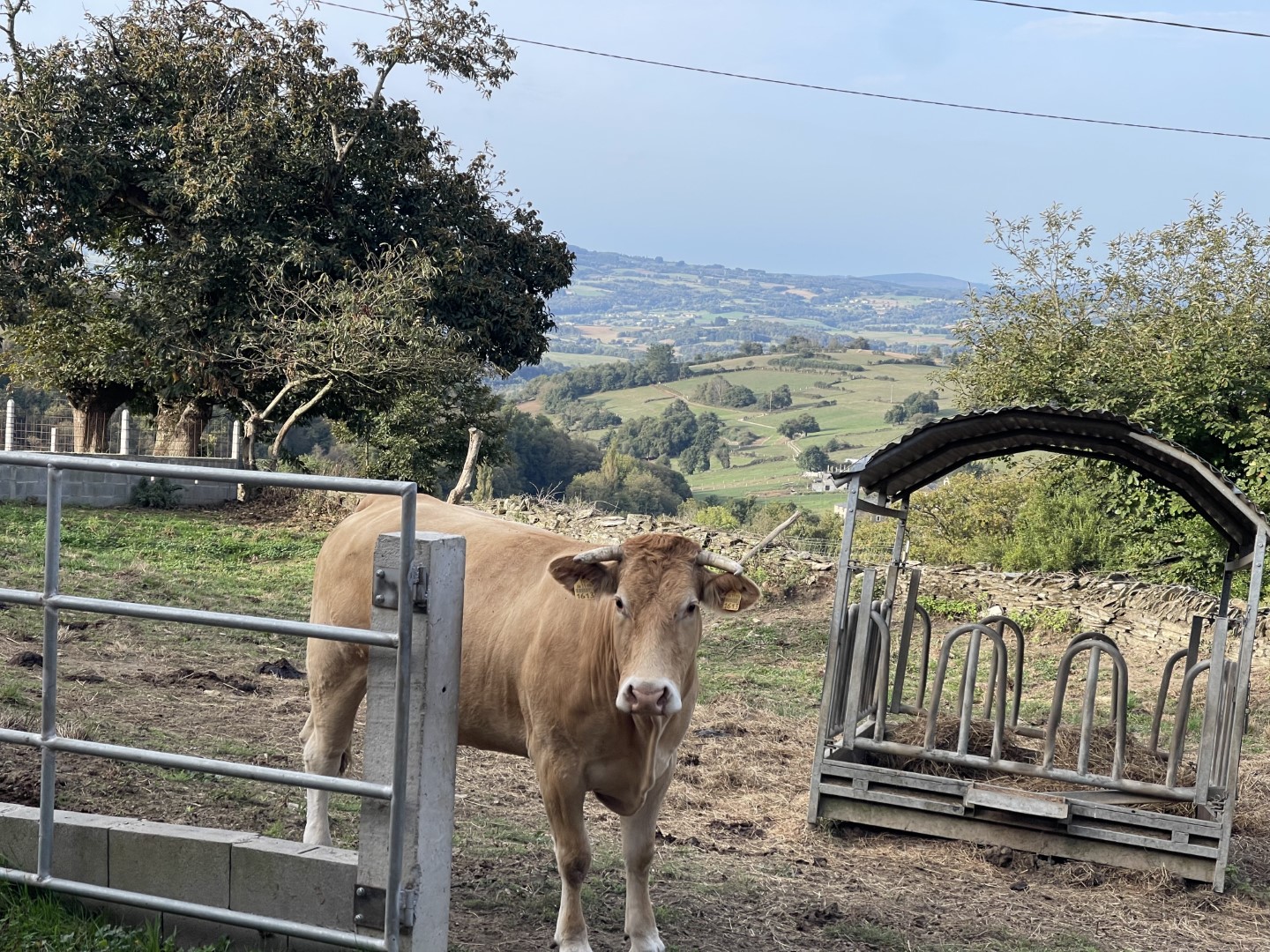
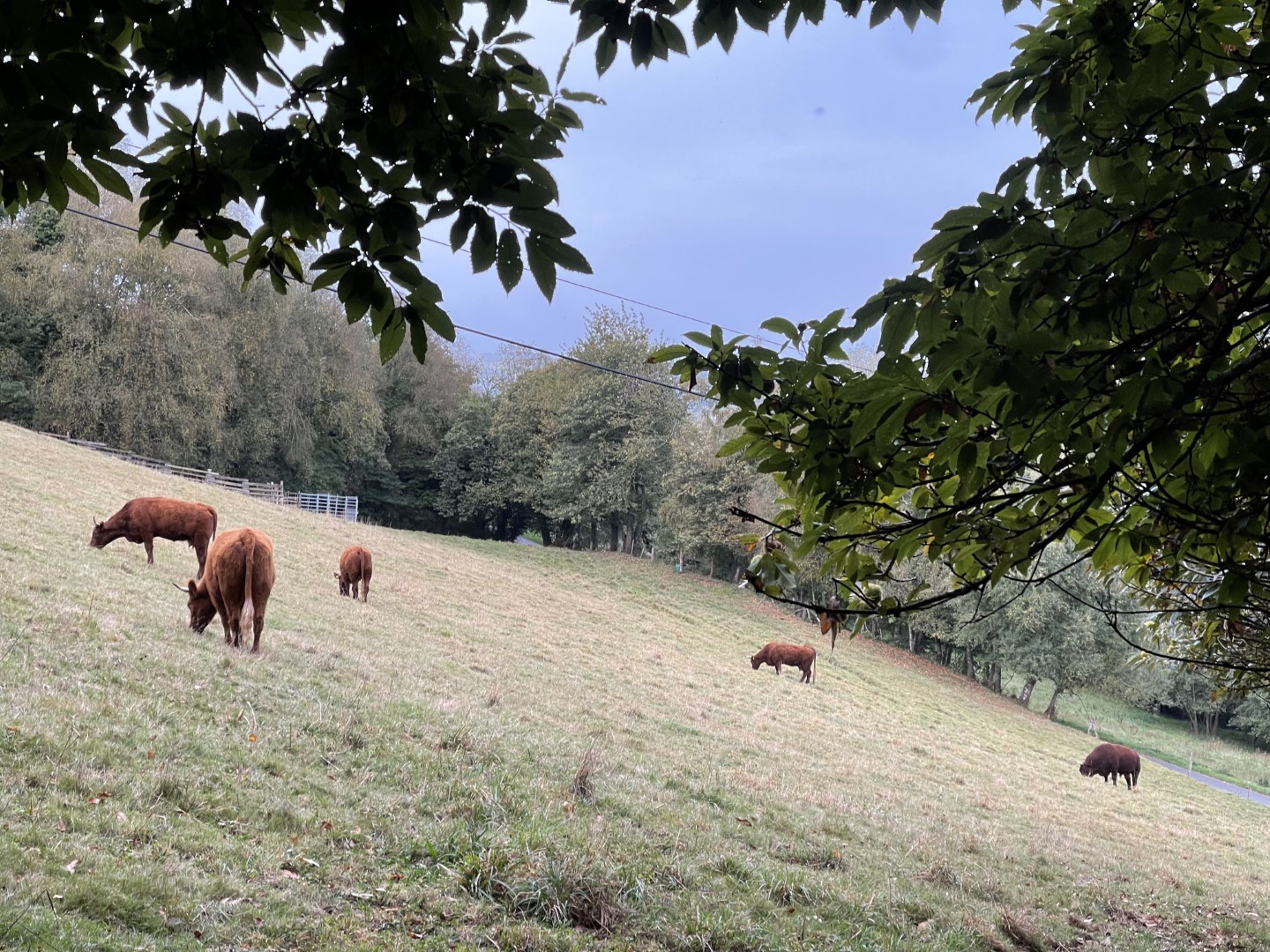
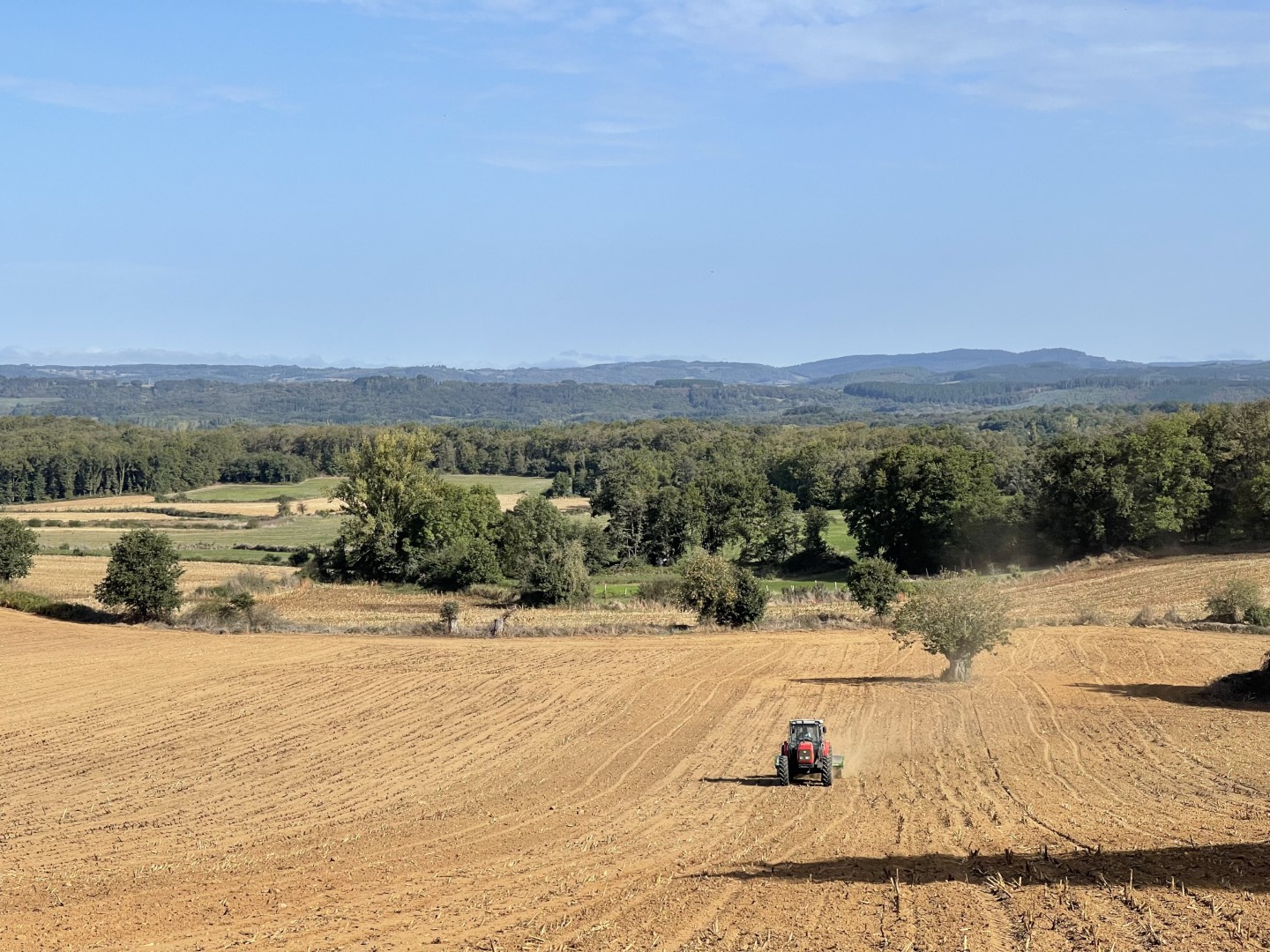
Although coastal Galicia industrialized in the mid-20th century, animal husbandry still dominates the inland economy. The dominant breed of cow is the hefty rubia gallega, reared mostly for its meat, but its milk is used for the wonderfully smooth and mild queixo tetilla, which is often served at restaurants with a drizzle of honey.
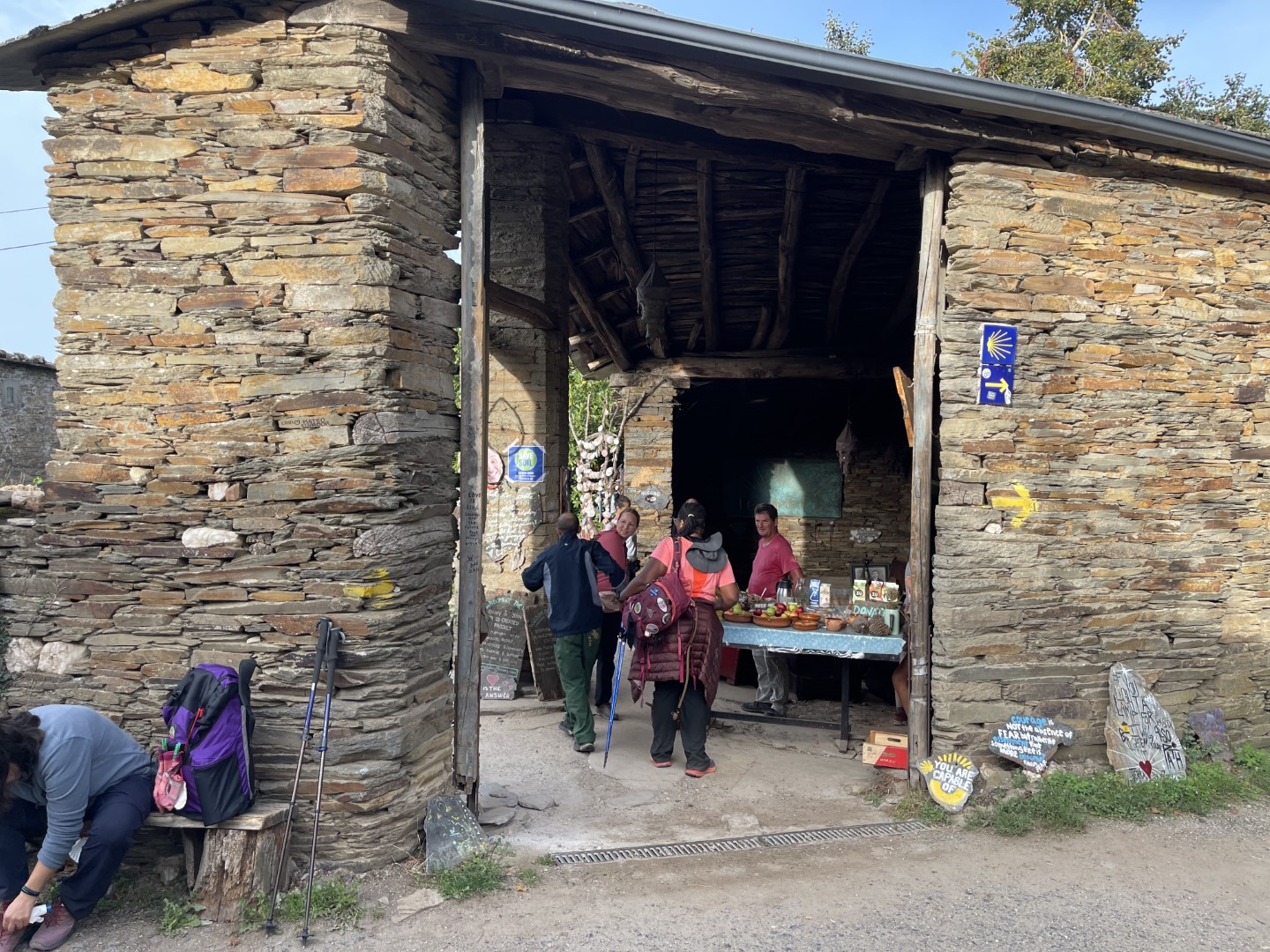
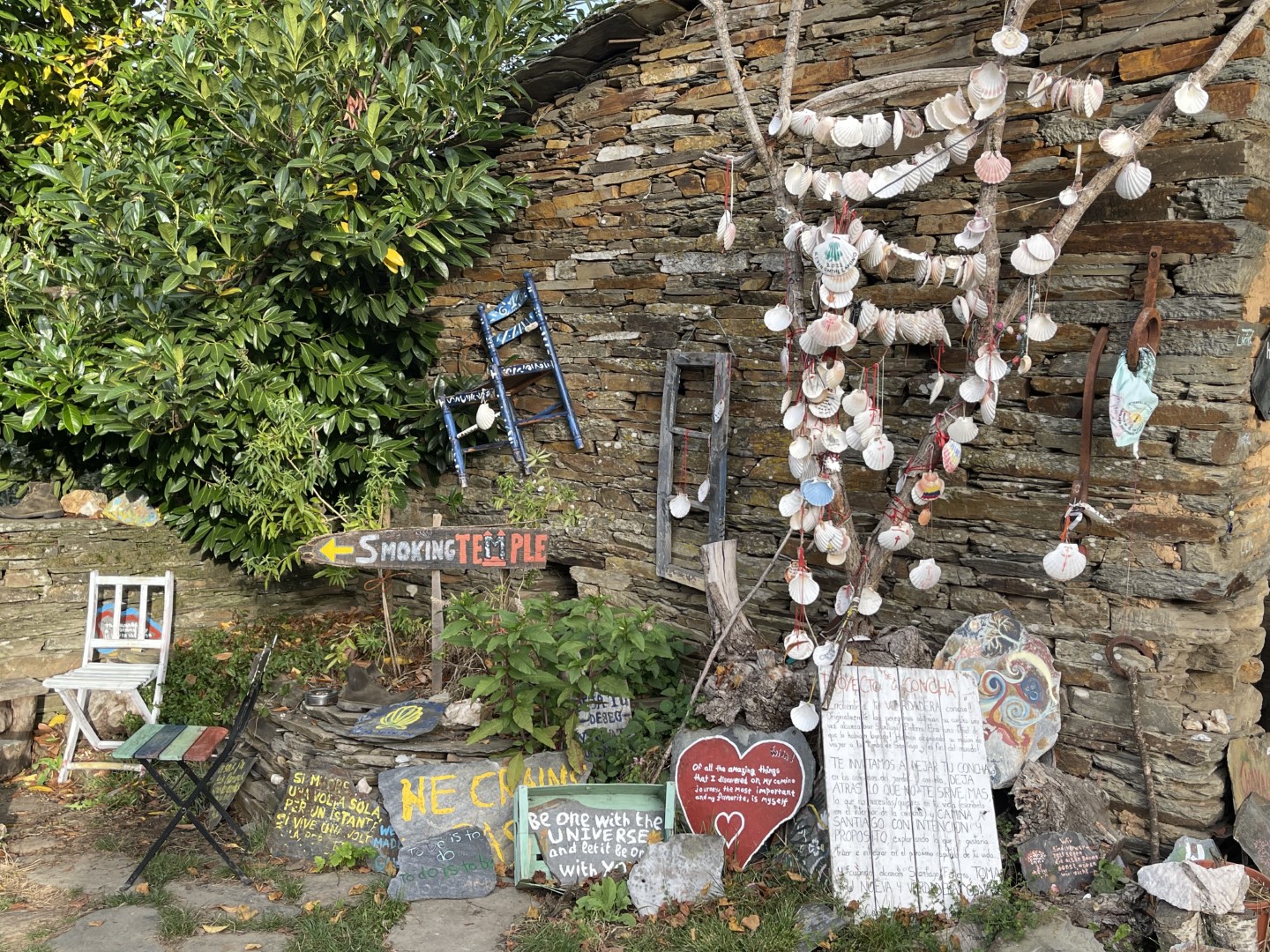
In the midst of quiet pastures and abandoned farmhouses was another donativo rest stop, run by a trio of Italian and Spanish hippies. One German girl was really drinking the spiritual kool aid and gave everyone an impromptu yoga lesson. I wonder how St. James himself would feel about all the Eat, Love, Pray white girls tramping along the Camino. He'd probably dig their vibes.
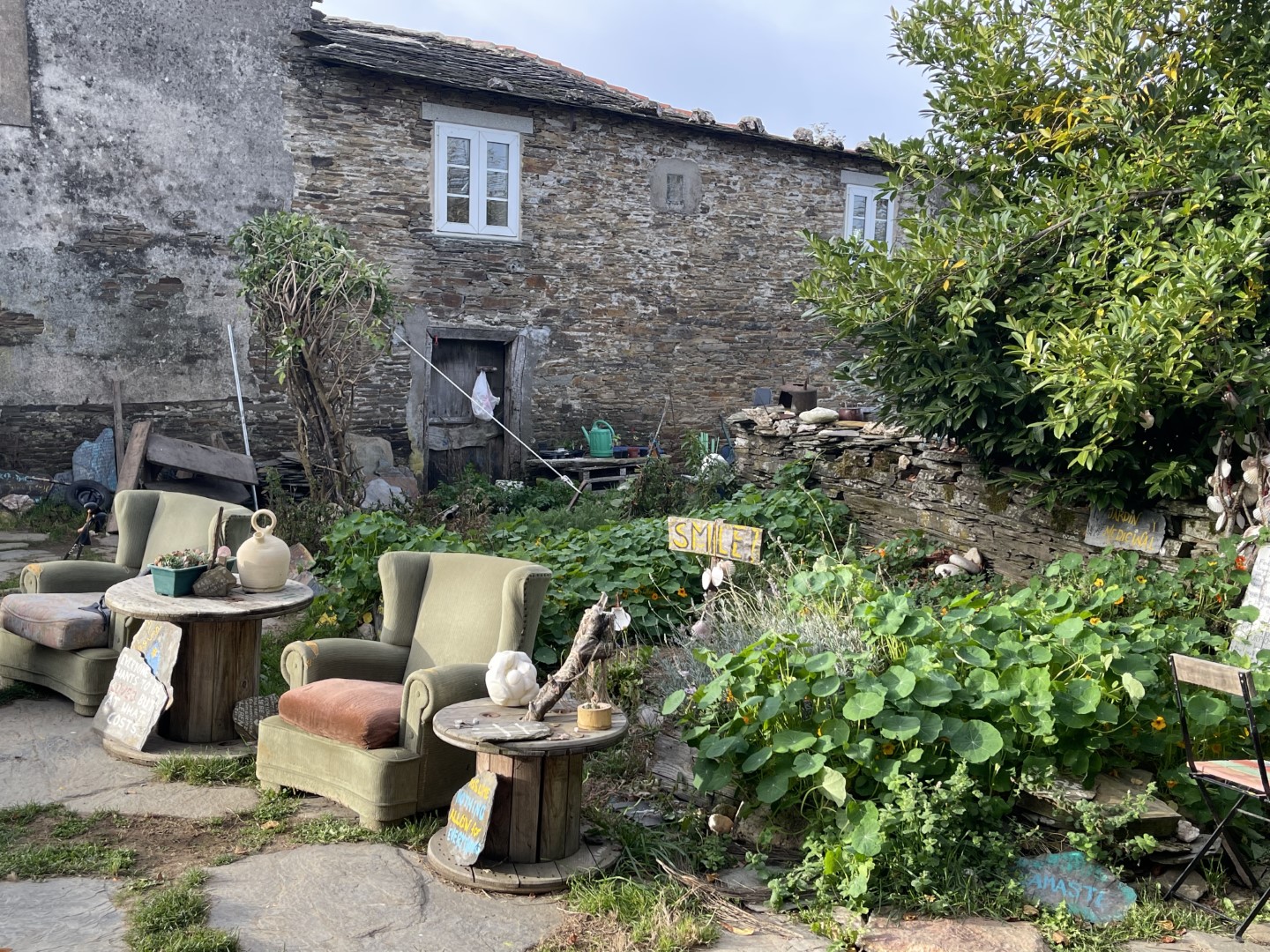
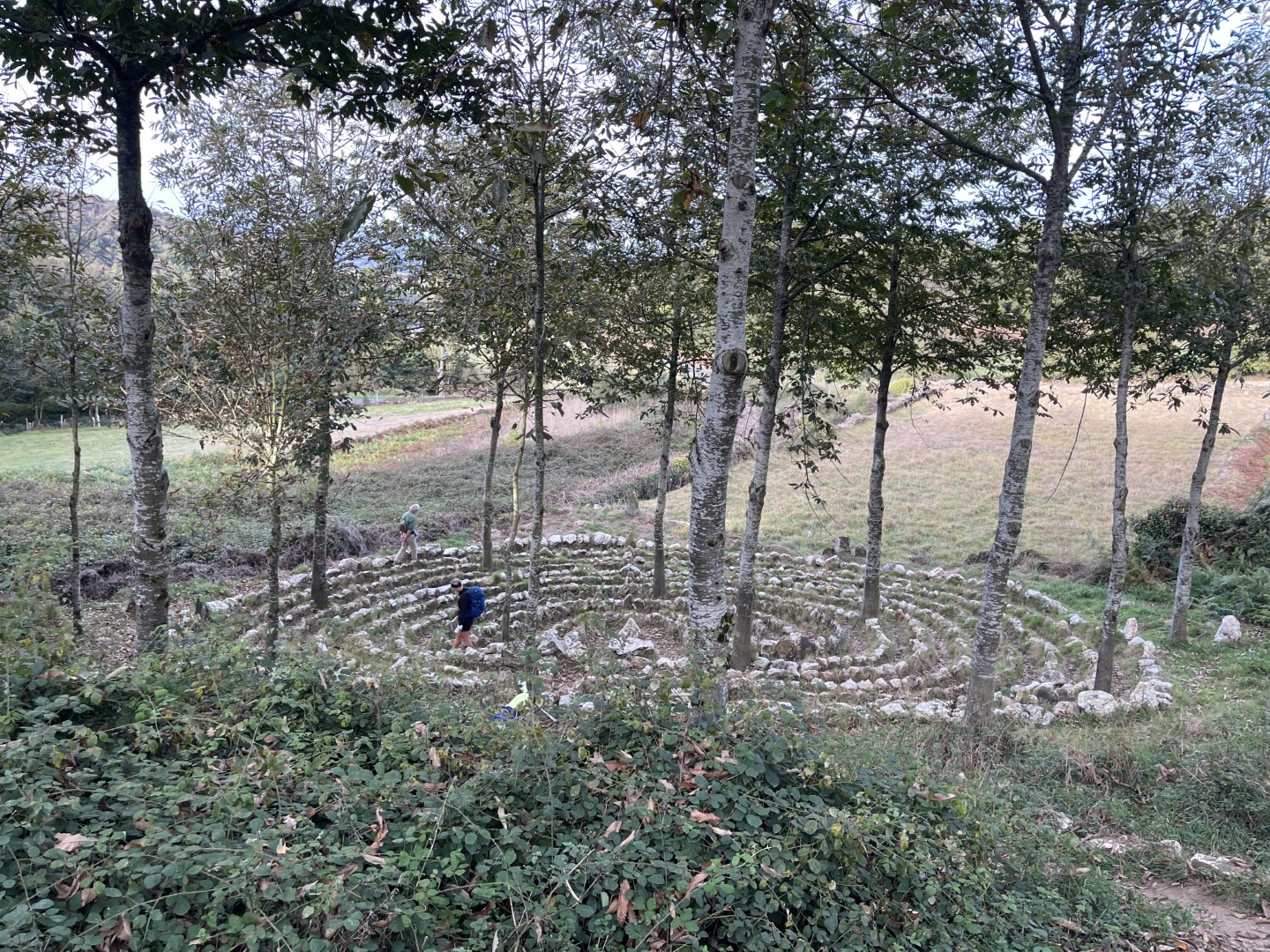
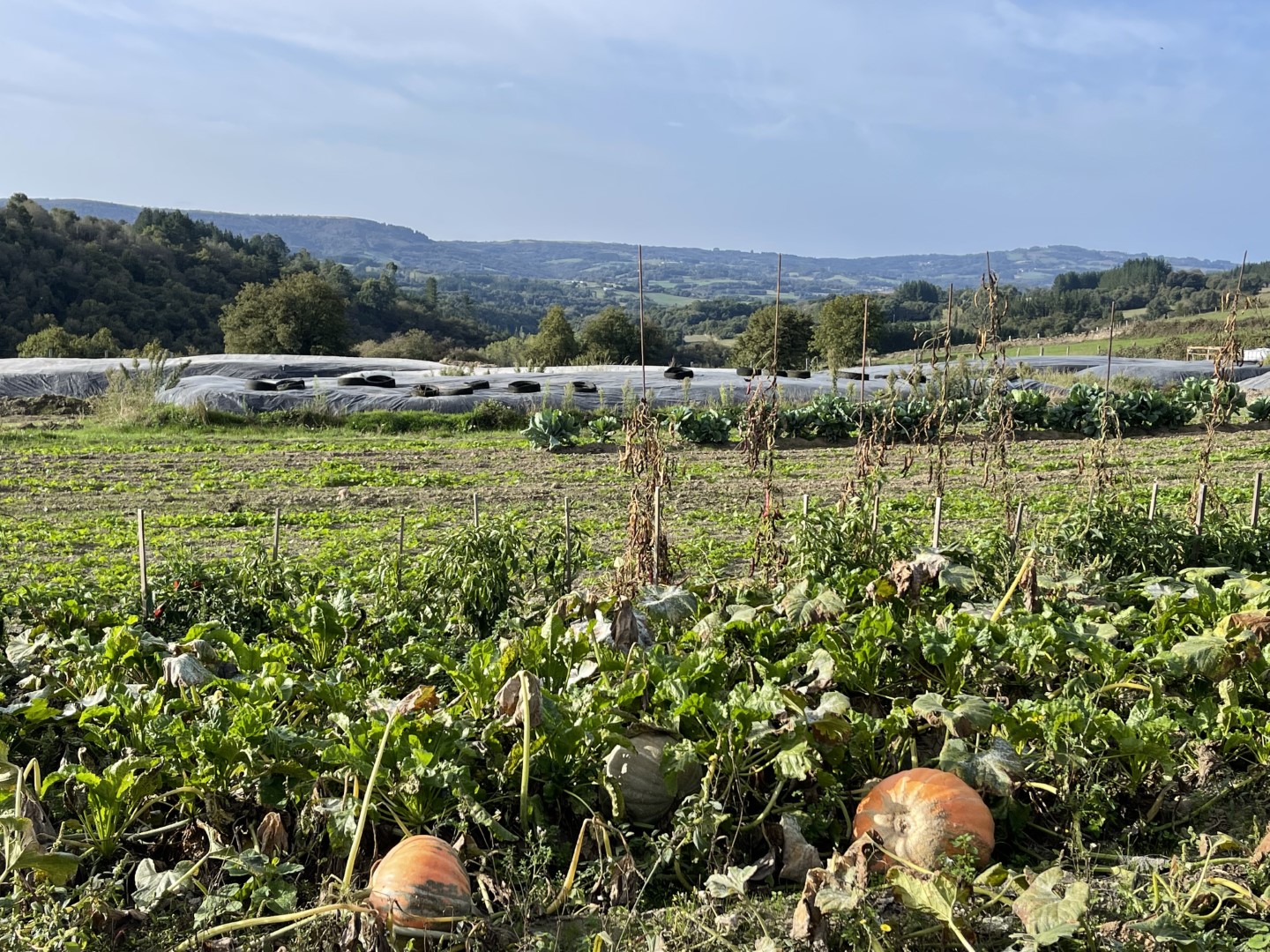
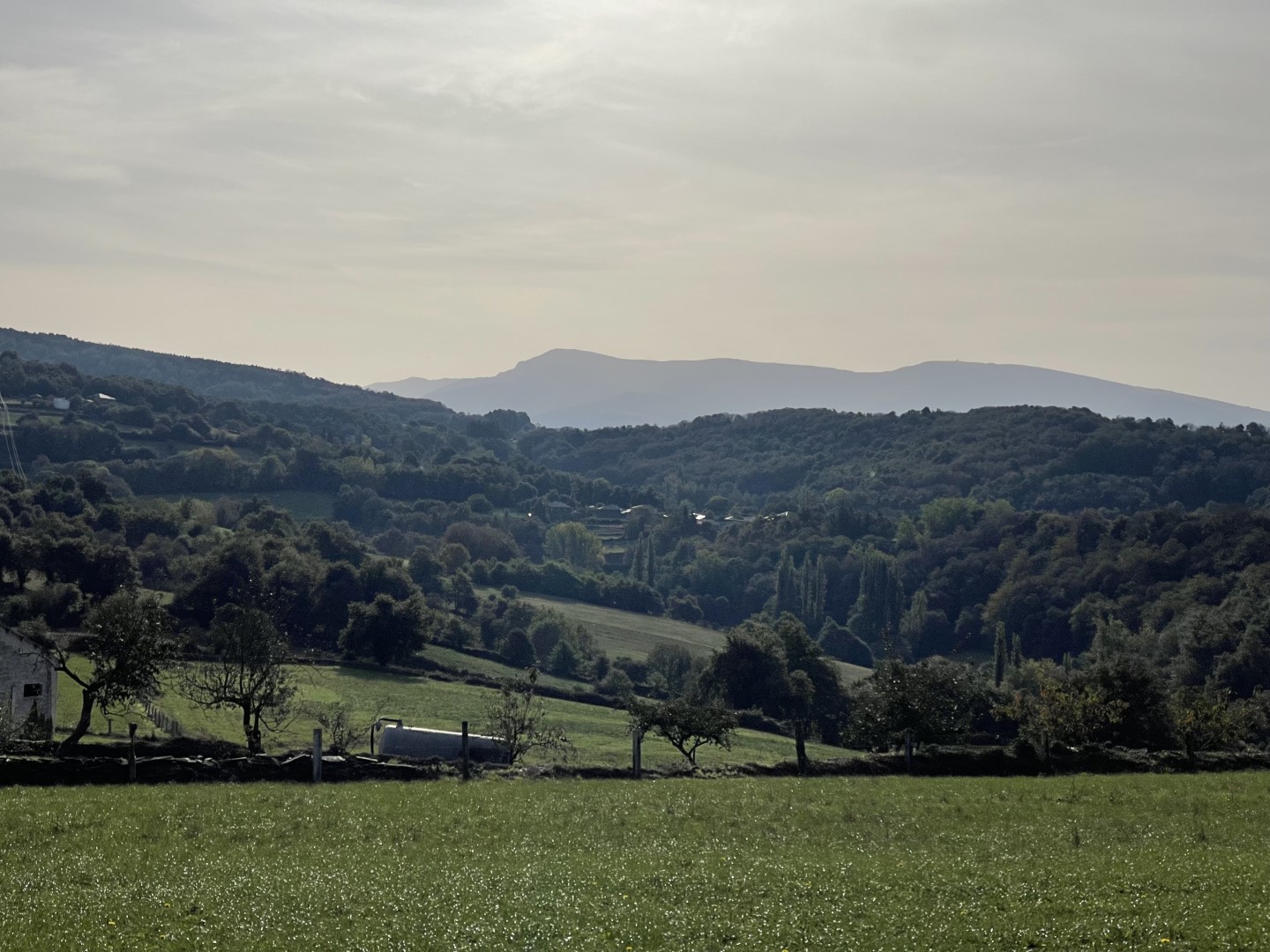
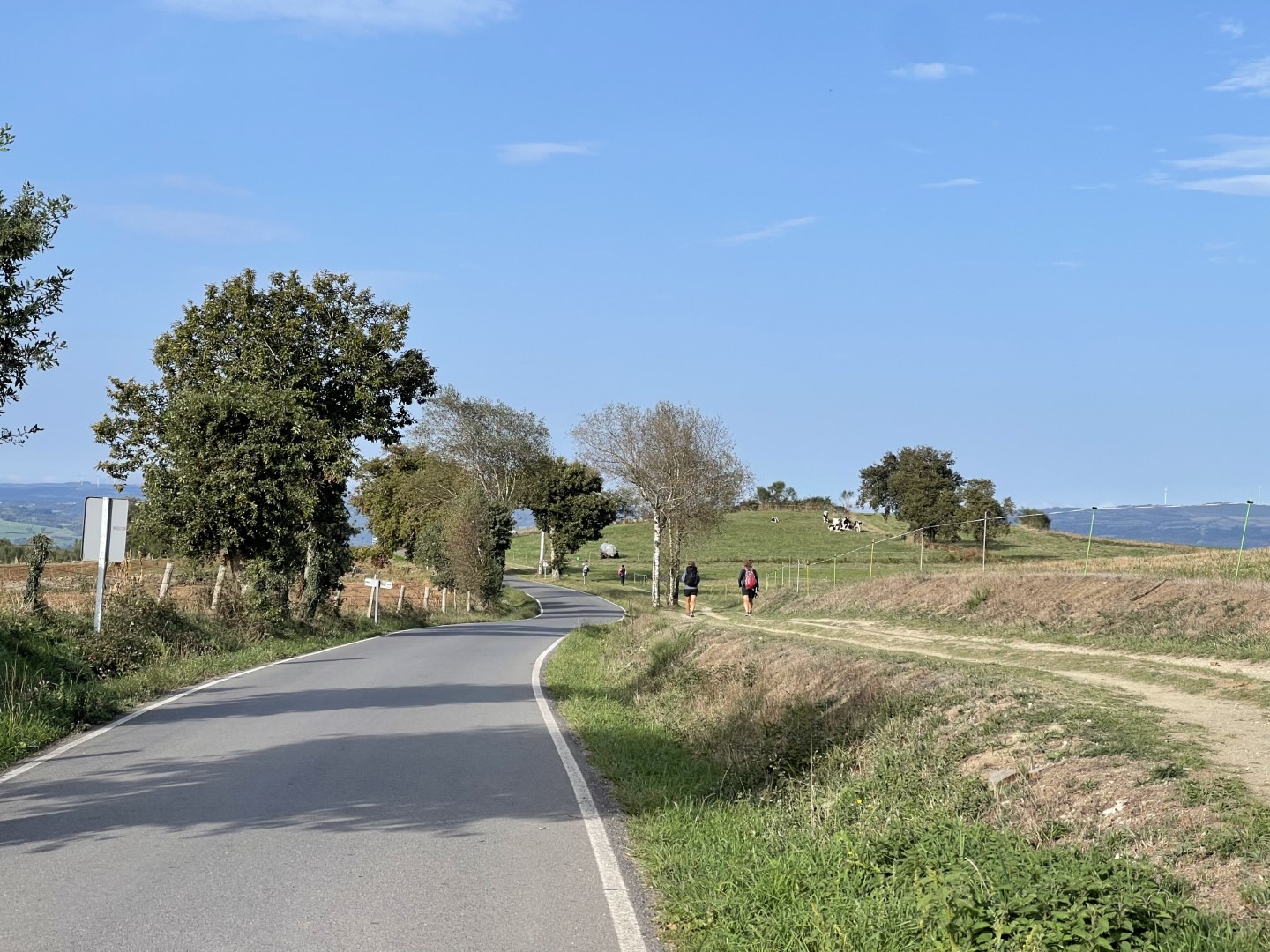
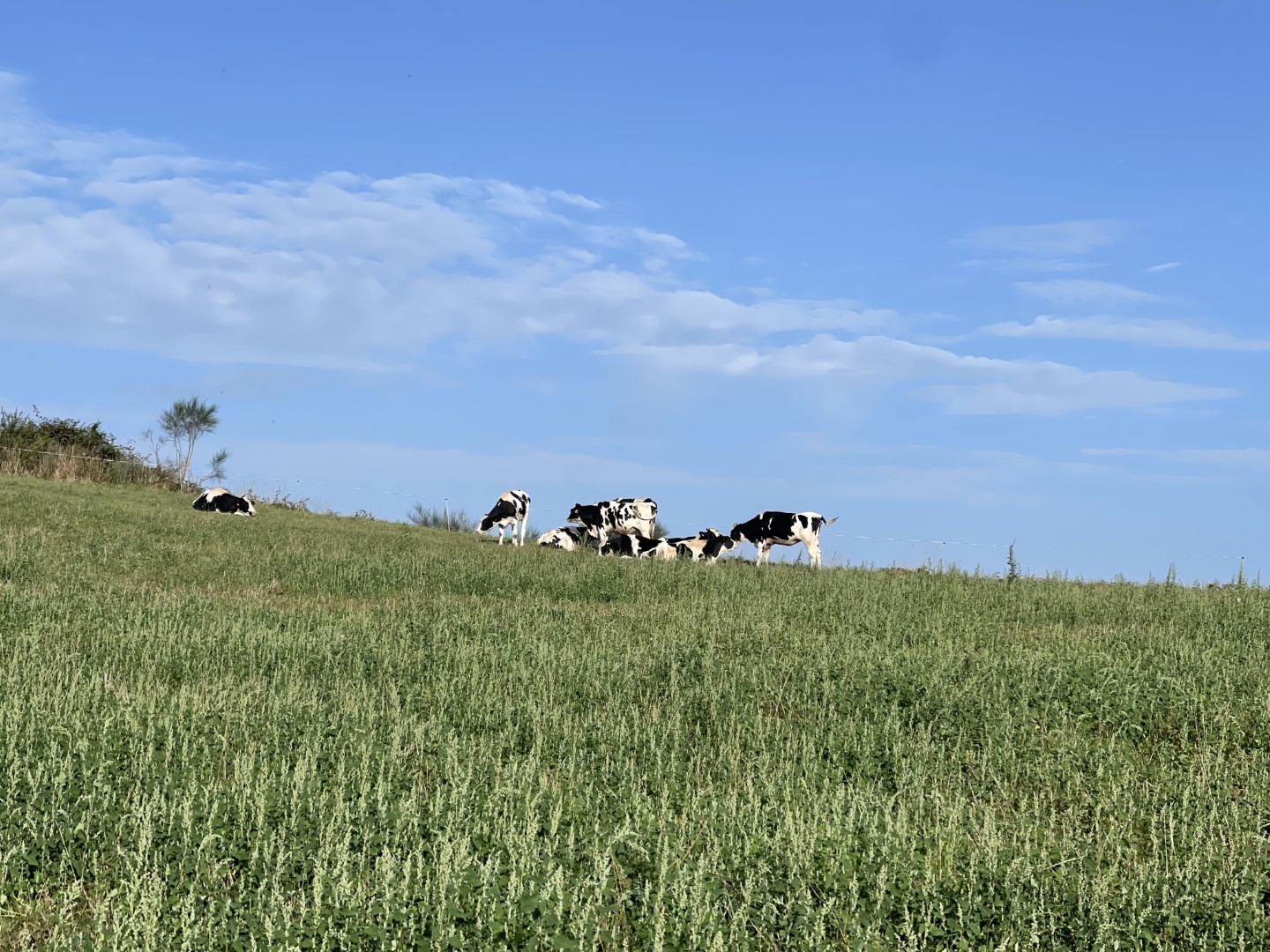
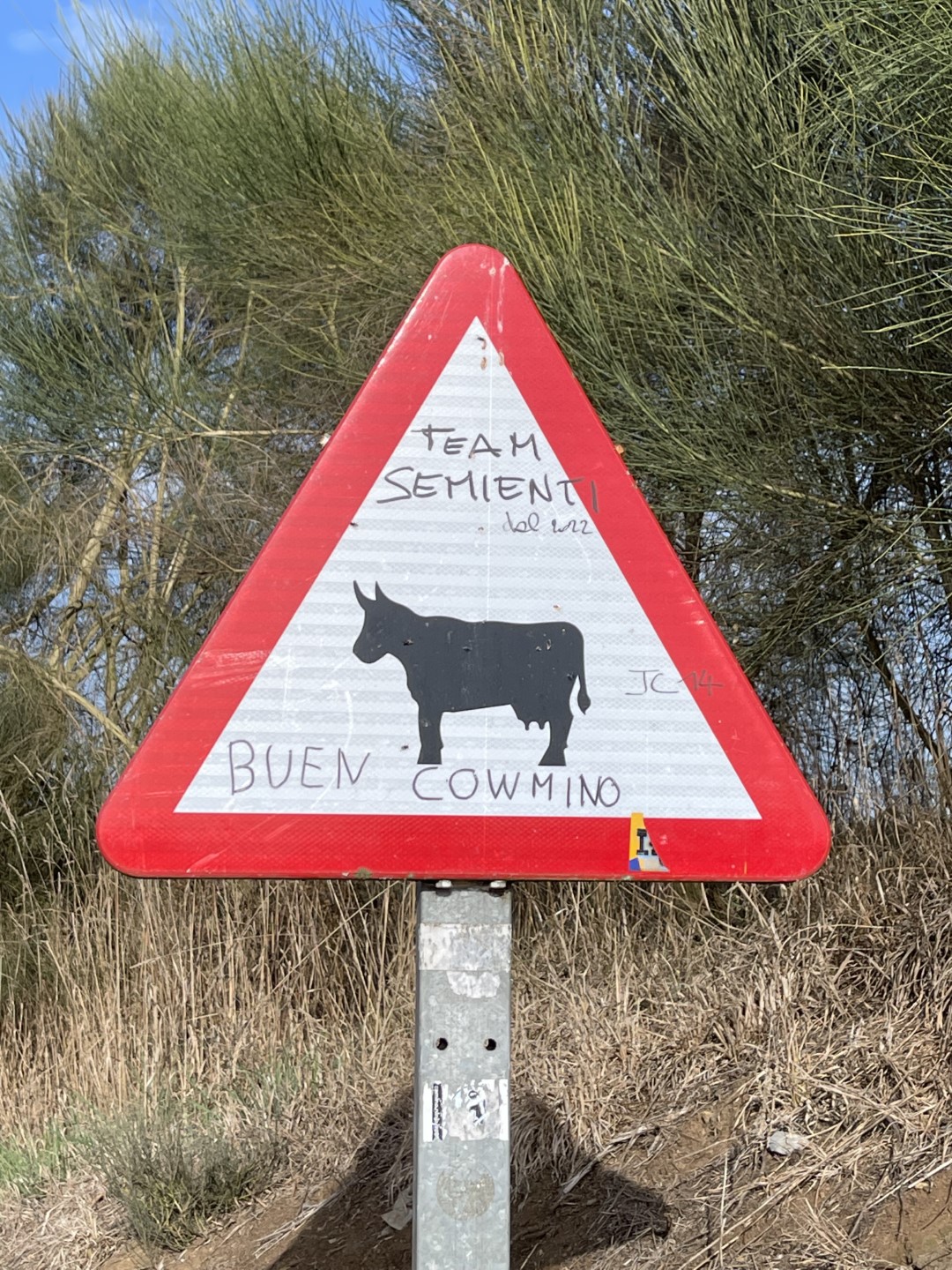
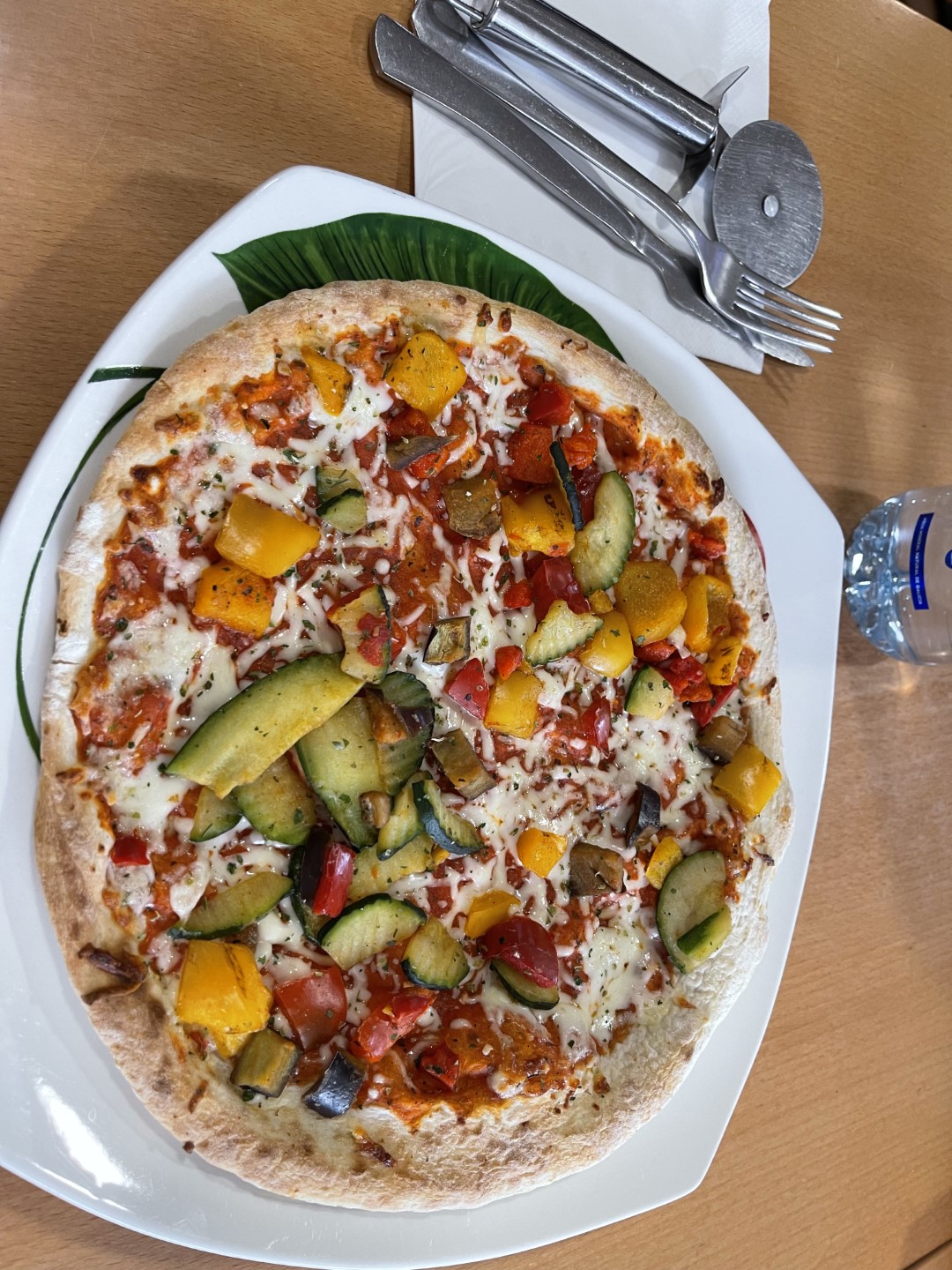
Although today's road wasn't particularly strenuous, walking with a heavy backpack for 3 hours straight drained me all the same. Luckily, there's no shame as a pilgrim in devouring a whole pizza alone.
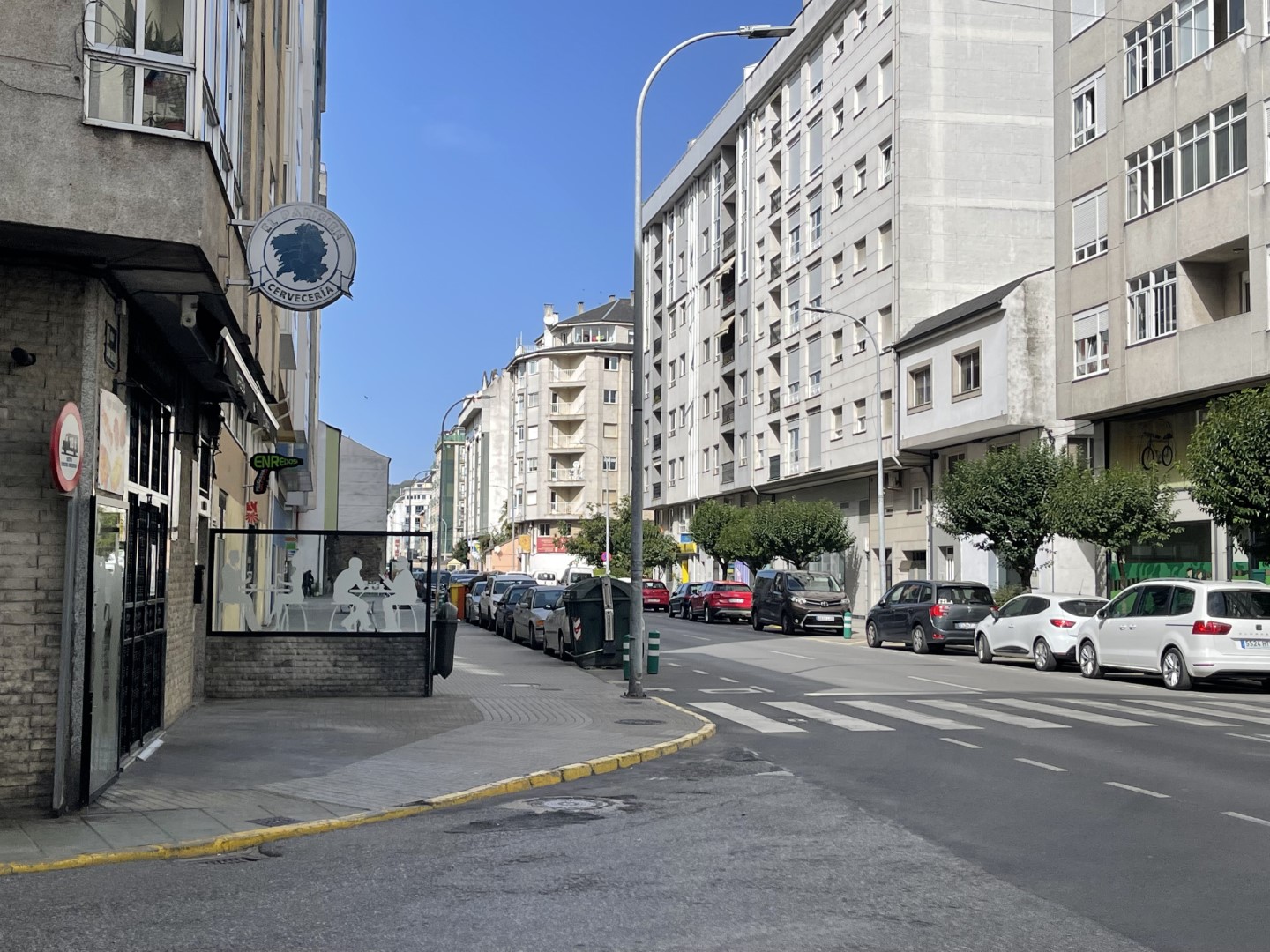
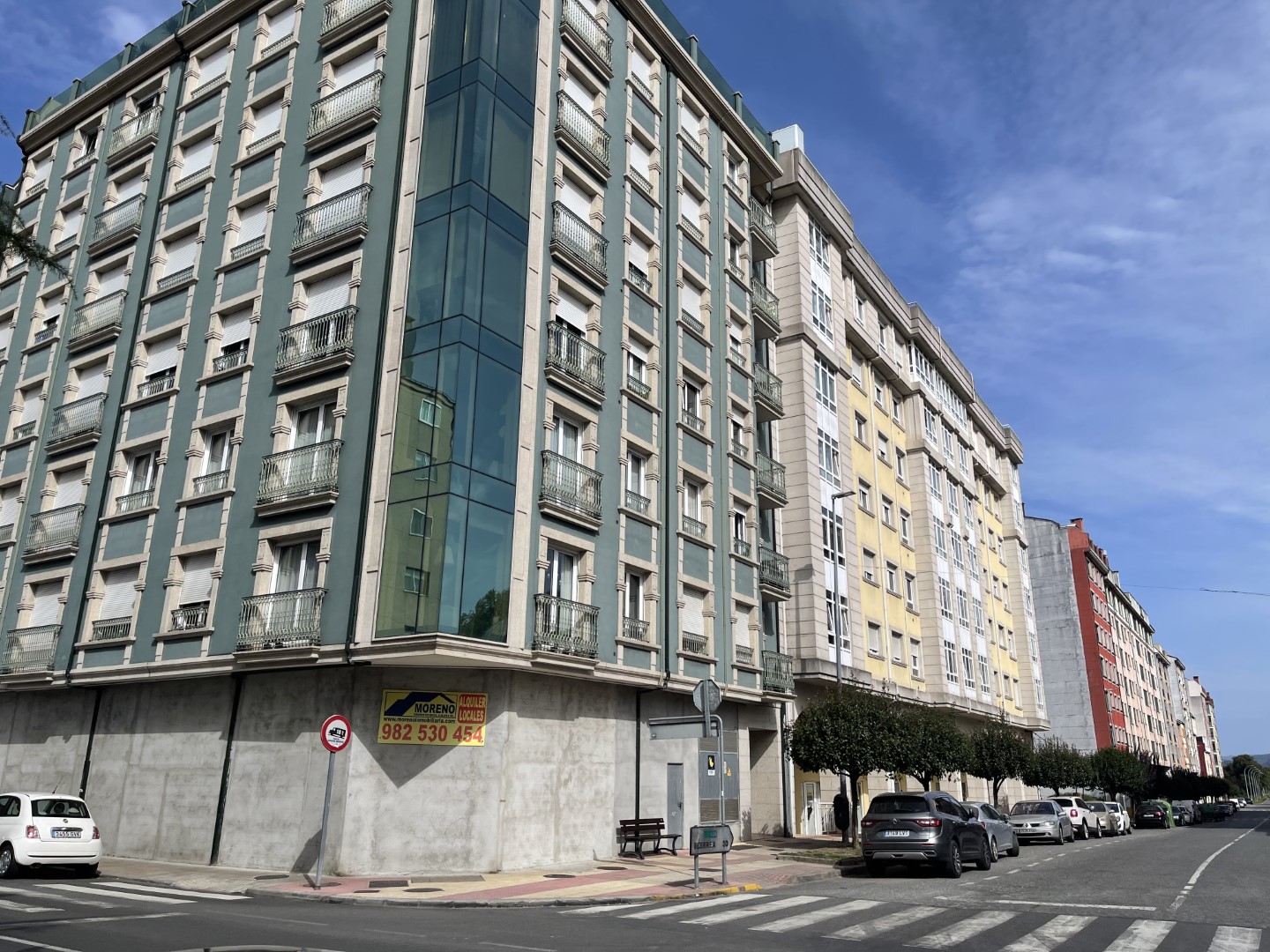
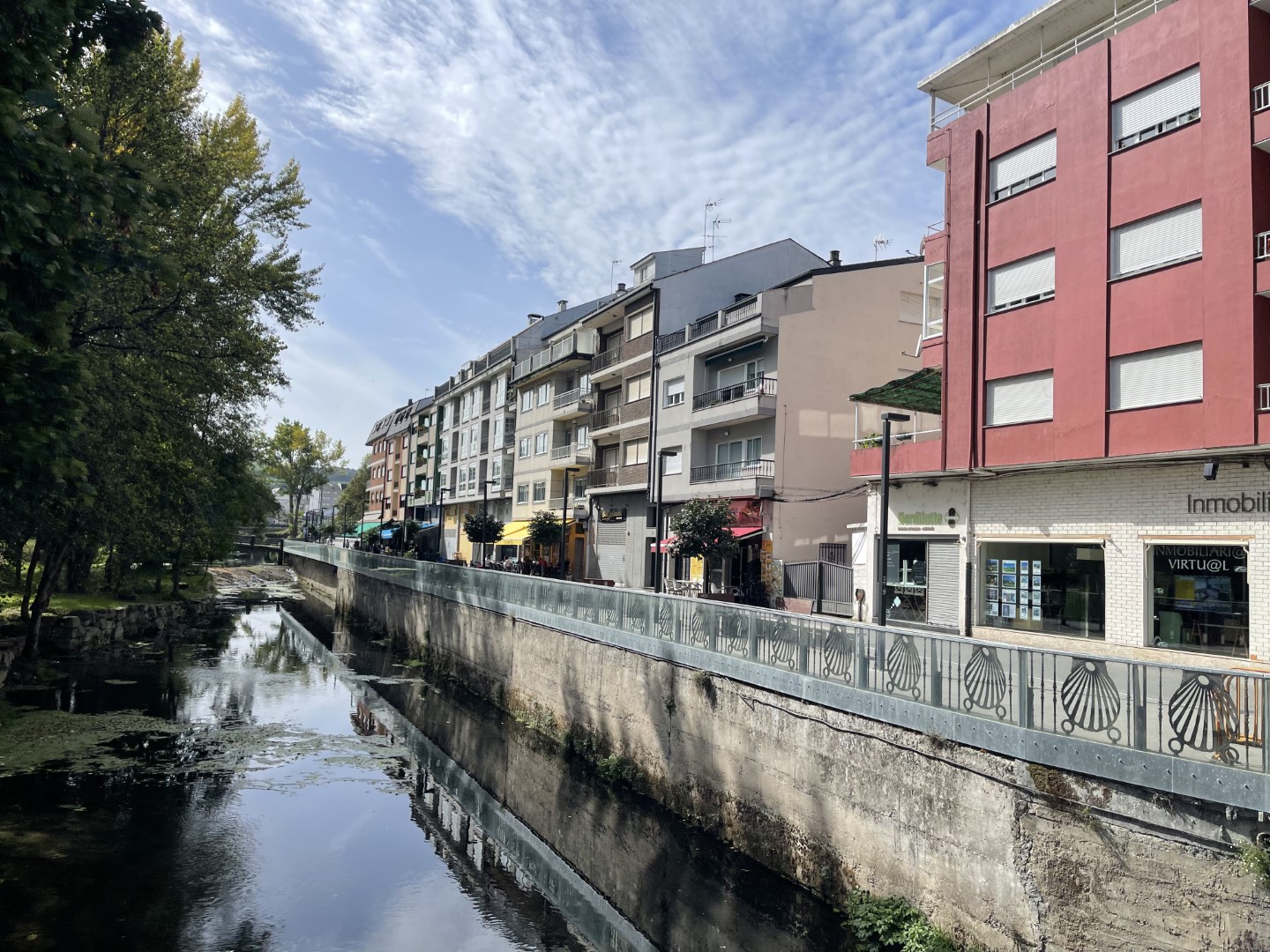
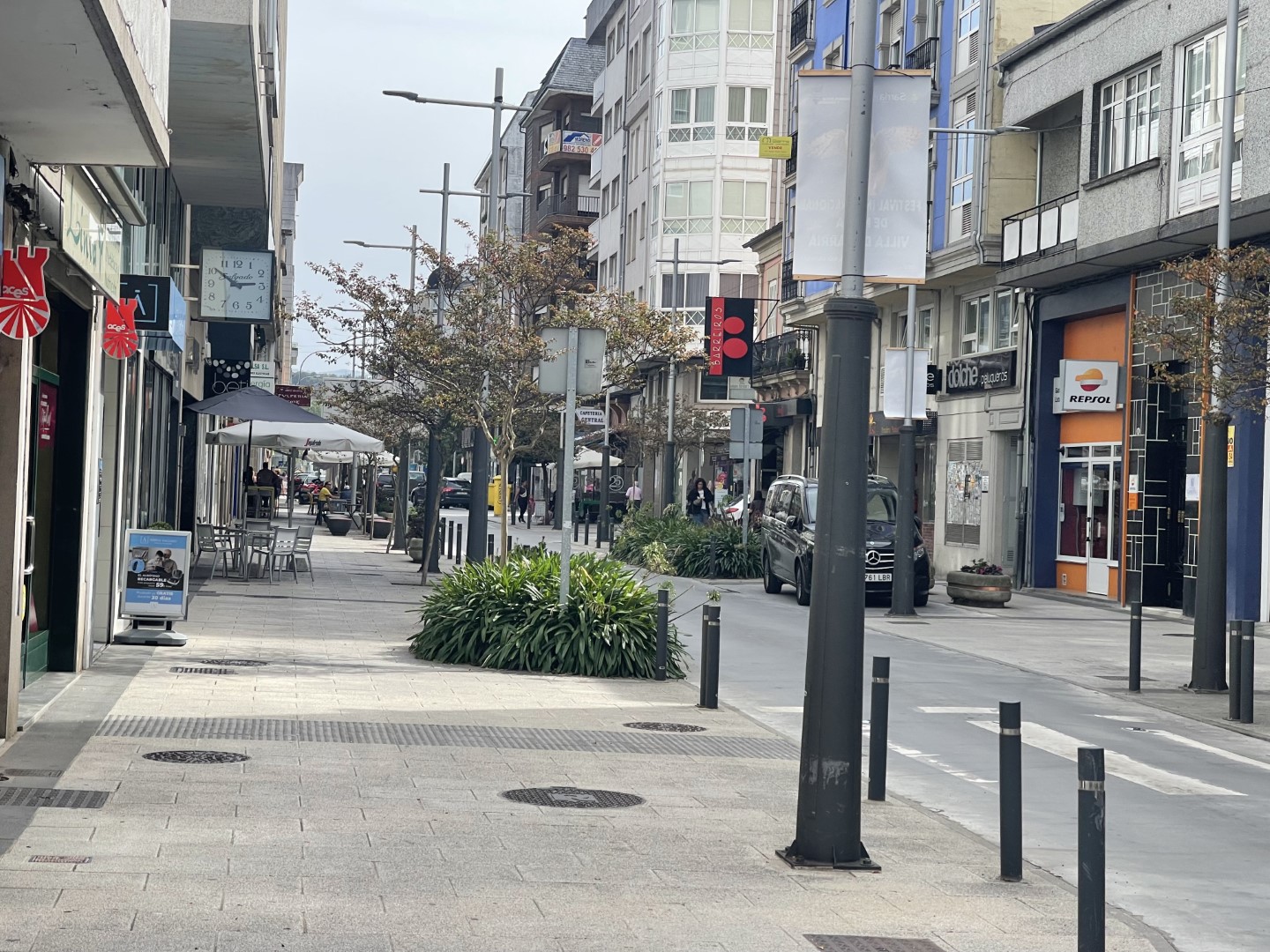
I arrived at the large town of Sarria shortly after noon. Like all Spanish cities, it is well-planned and convenient to navigate, but the town is charmless and has little of note besides a jogging trail along a smelly, algae-covered river. The townscape consists mostly of ugly utilitarian flats and apartment buildings1. At the same time, the buildings aren't quite ugly enough to hold any novelty factor the way Siberian commieblocks might, rendering the town utterly void of any touristic appeal.
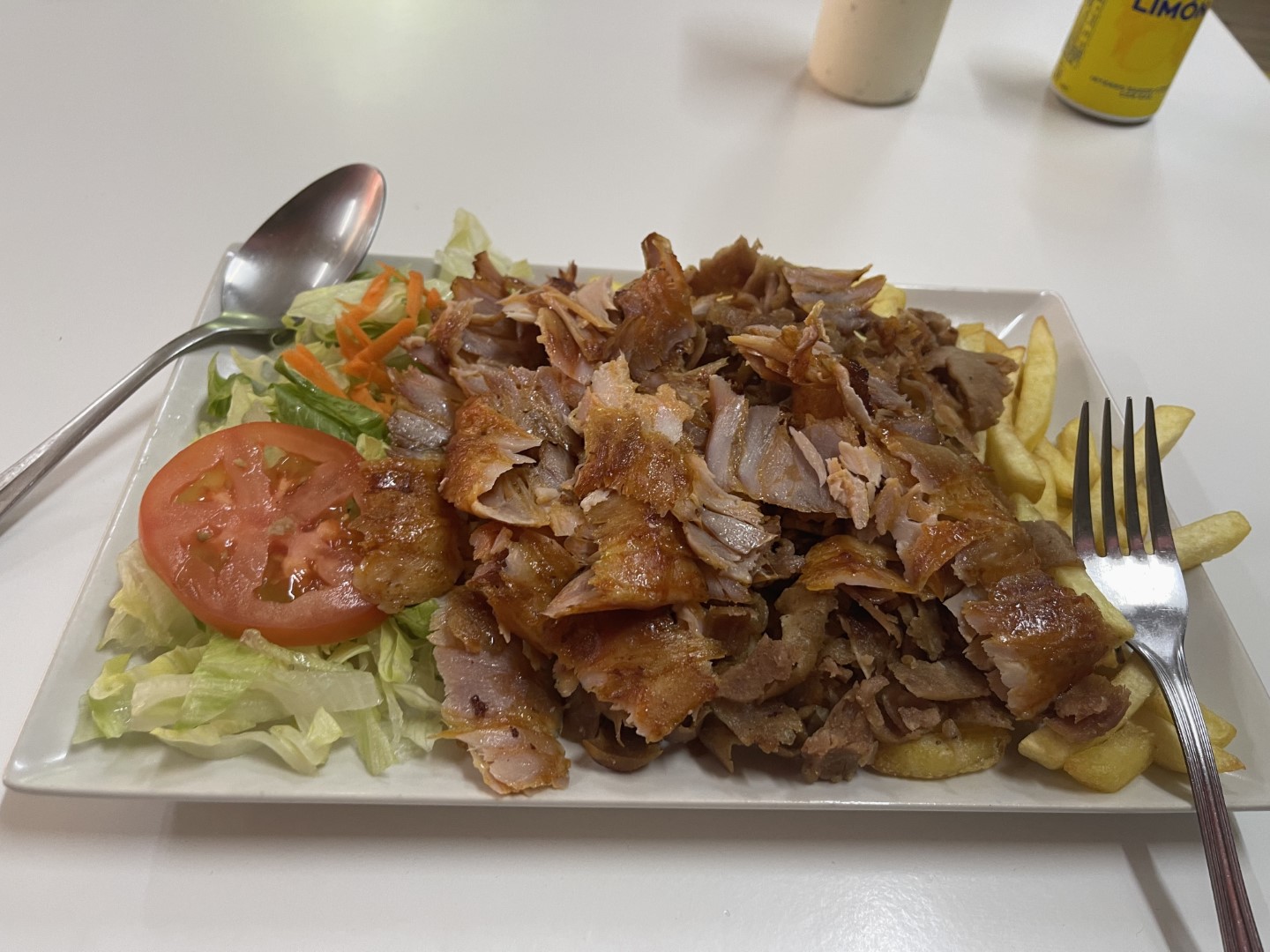
I sought refuge from Galician food by taking advantage of Spain's immigration policy.
song of the day: La Casa Azul - Vamos a Volar - a catchy, jangly, saccharine pop tune made by a group of relentlessly positive Catalan weeaboos. My favorite song in sophomore year of high school.
Footnotes
Rural Galicia is so ugly that scholars have analyzed the causes of its ugliness. There's a whole Wikipedia article discussing it (article only in Spanish but Google Translate works well.) TL;DR: an extremely diffuse population and lax administration of building codes makes architectural cohesion difficult. ↩