- Published on
Camino De Santiago - Day 4
Time of Visit: October 3, 2022
My feet were beginning to feel the natural consequence of walking 25 kilometers for three days straight, but I would have to do so for nine more days so I figured I might as well tough it out.
Despite waking up only slightly earlier than usual, I neither heard nor saw any other pilgrims leaving town. In fact, the only person I saw for the first hour of the day was an old man in his pajamas hastily throwing a tarp over his vegetable garden while his crusty old Pomeranian looked on. I hope his carrots were alright.
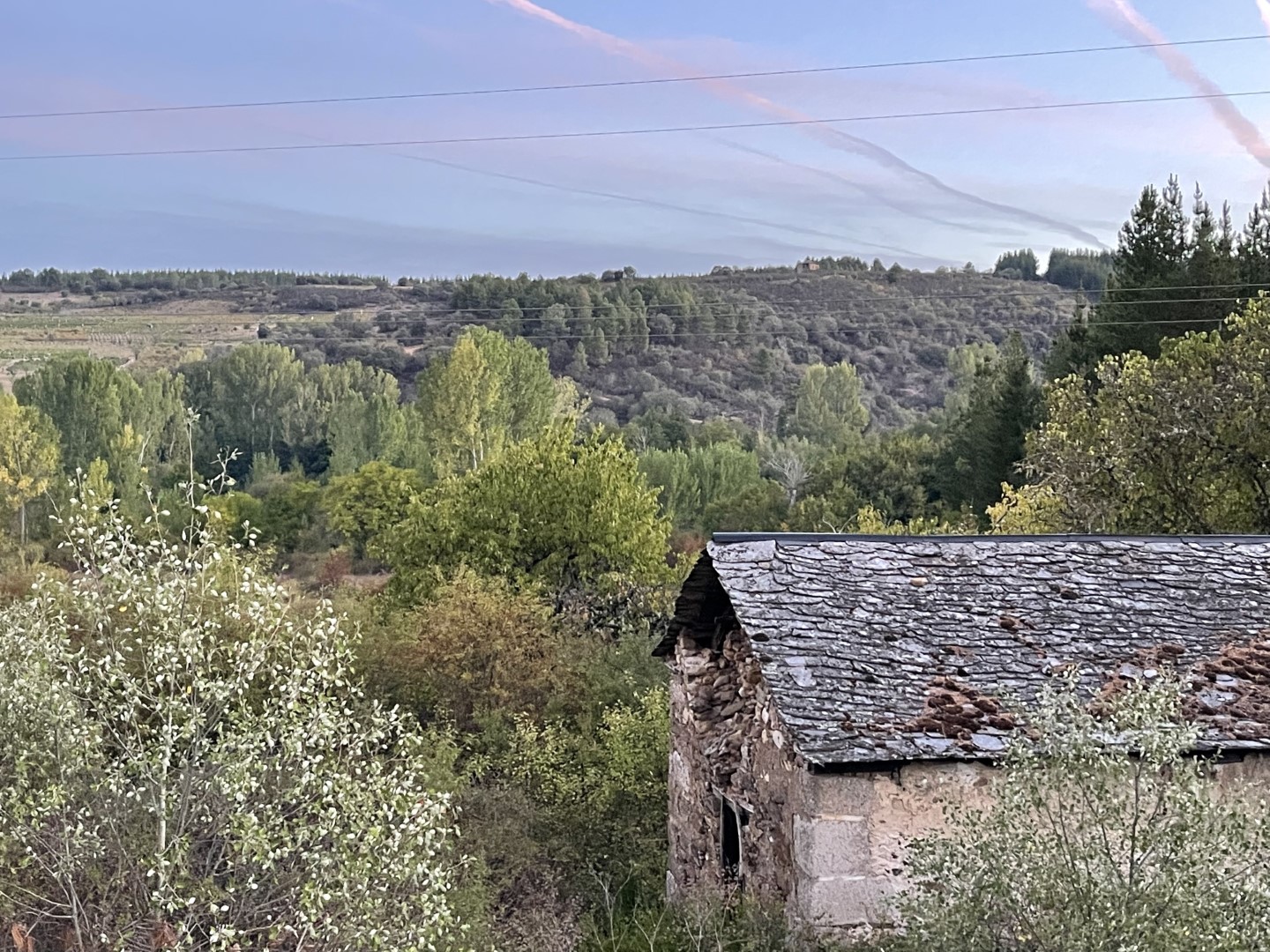
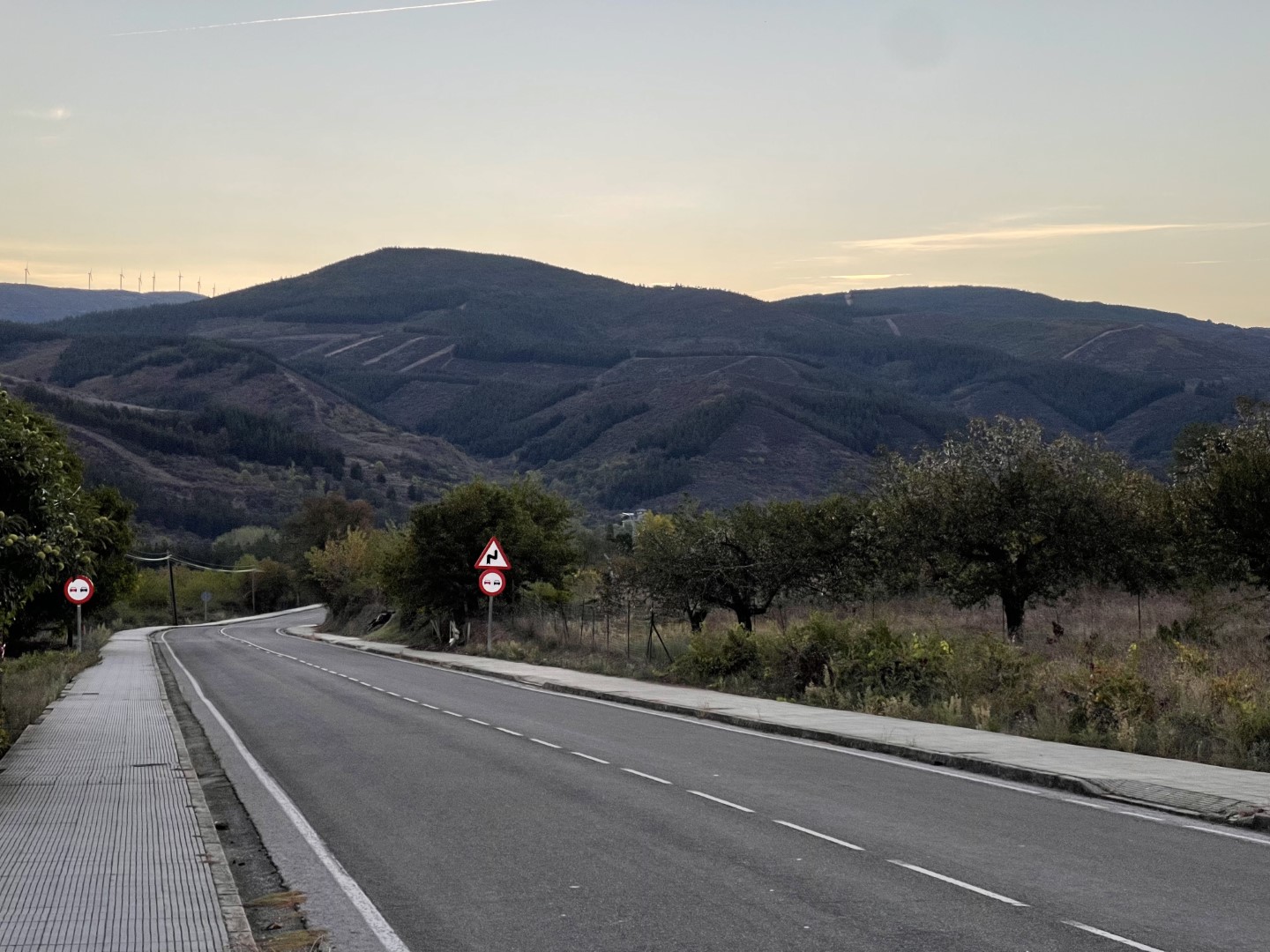
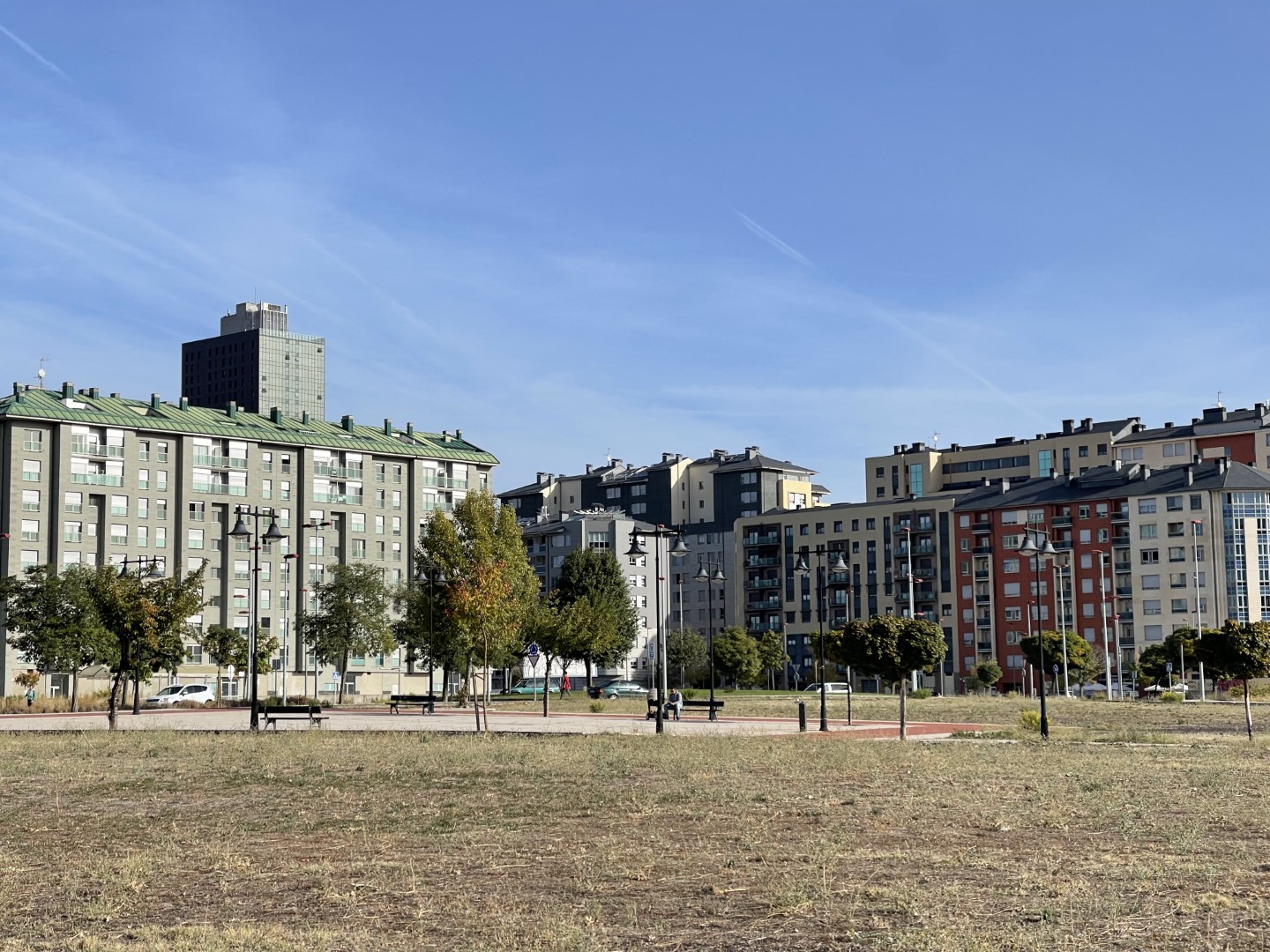
From Molinaseca, it was only a short downhill trek to the city of Ponferrada, the de facto capital of the El Bierzo region, which is famous for its wine and bell peppers. The city has only 65,000 inhabitants, but it might as well have been New York after the past few days.
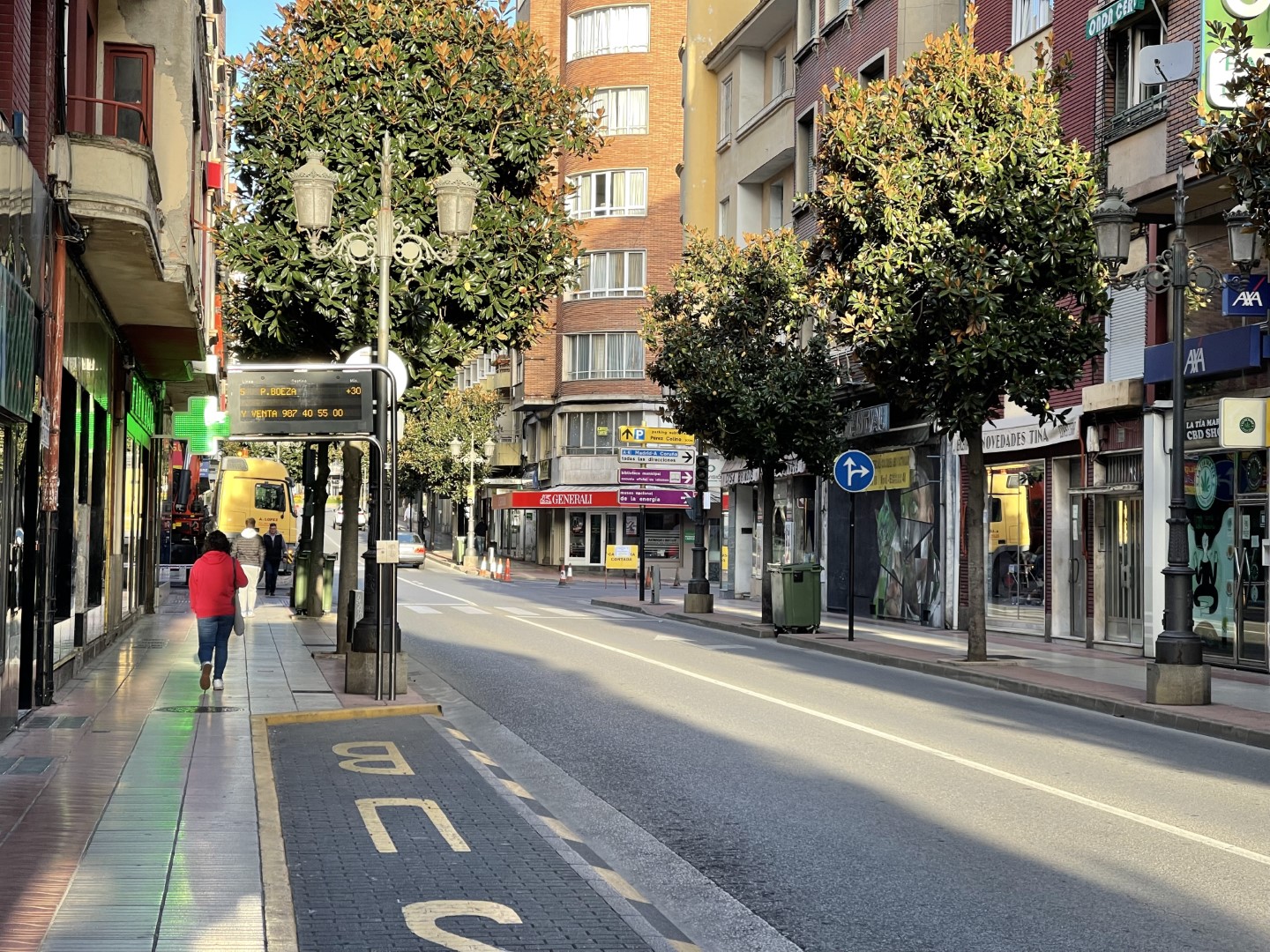
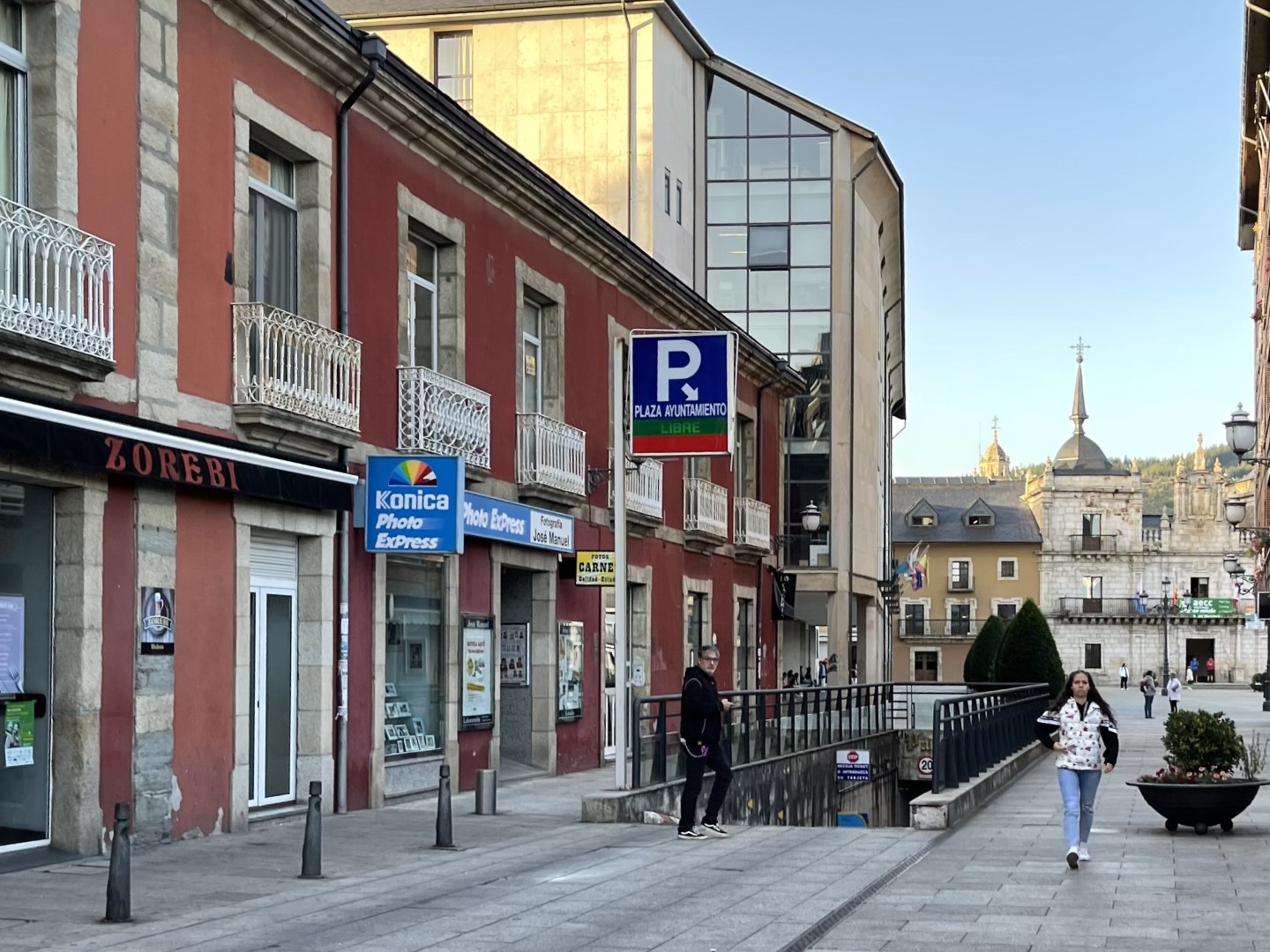
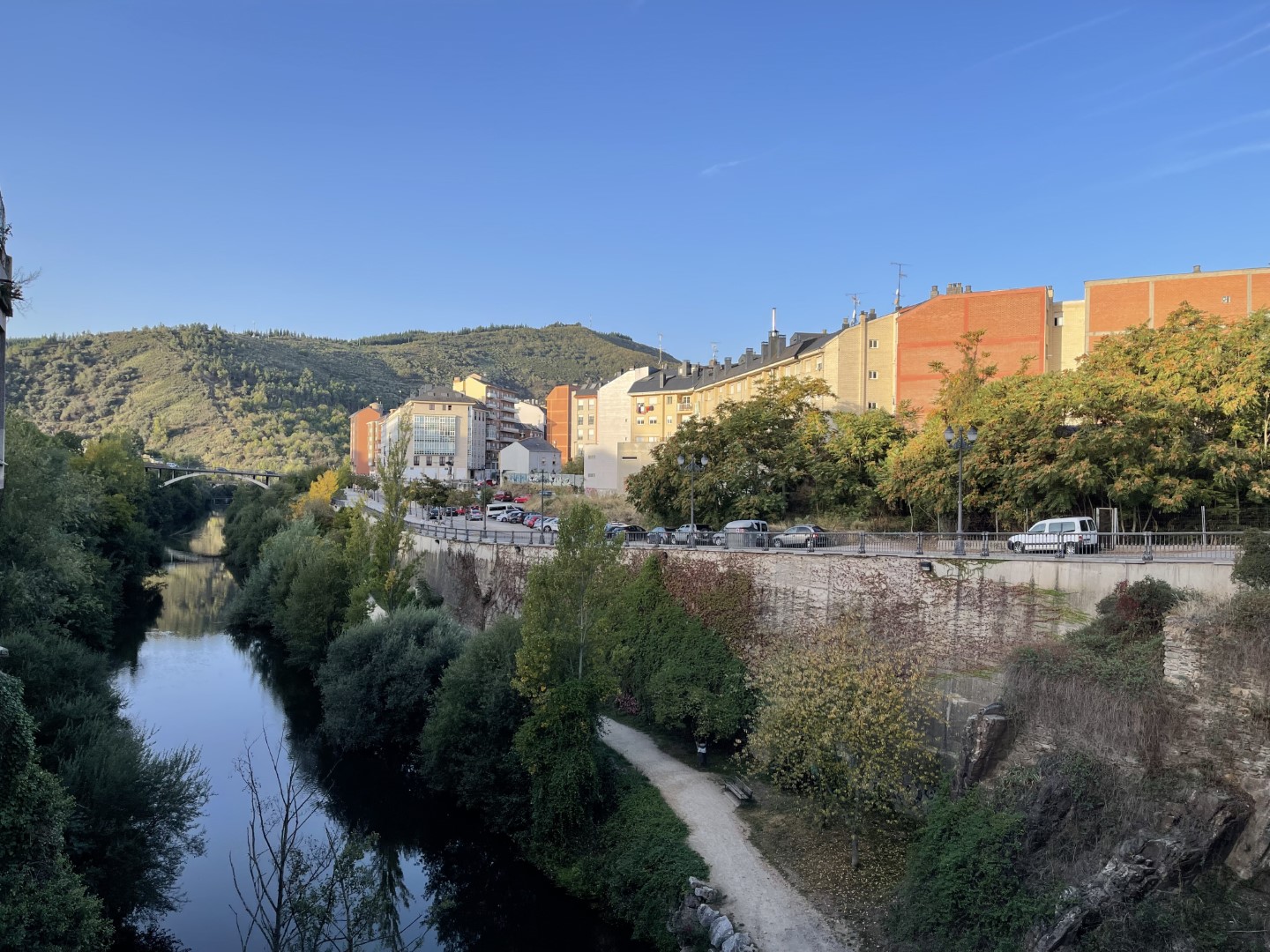
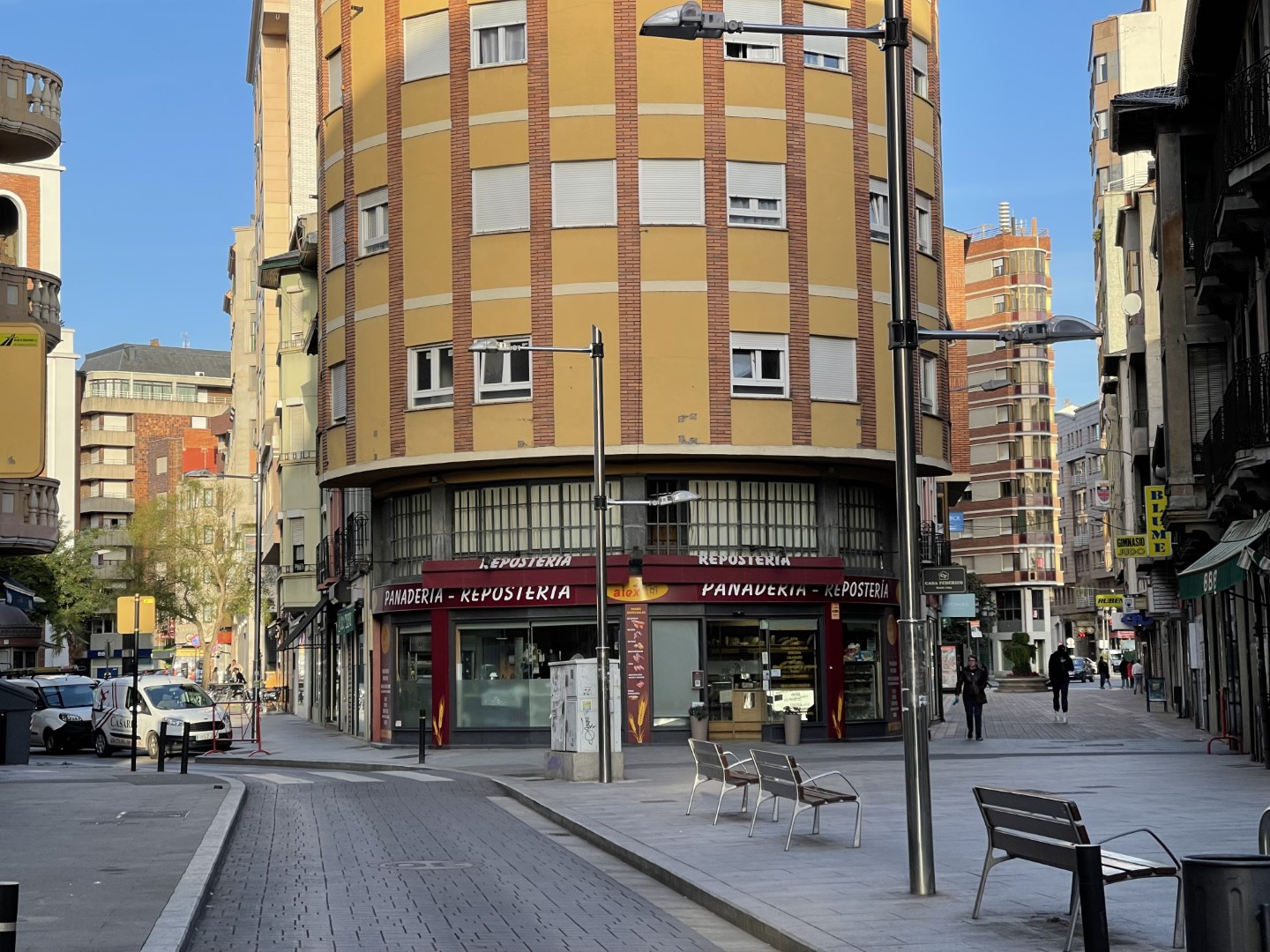

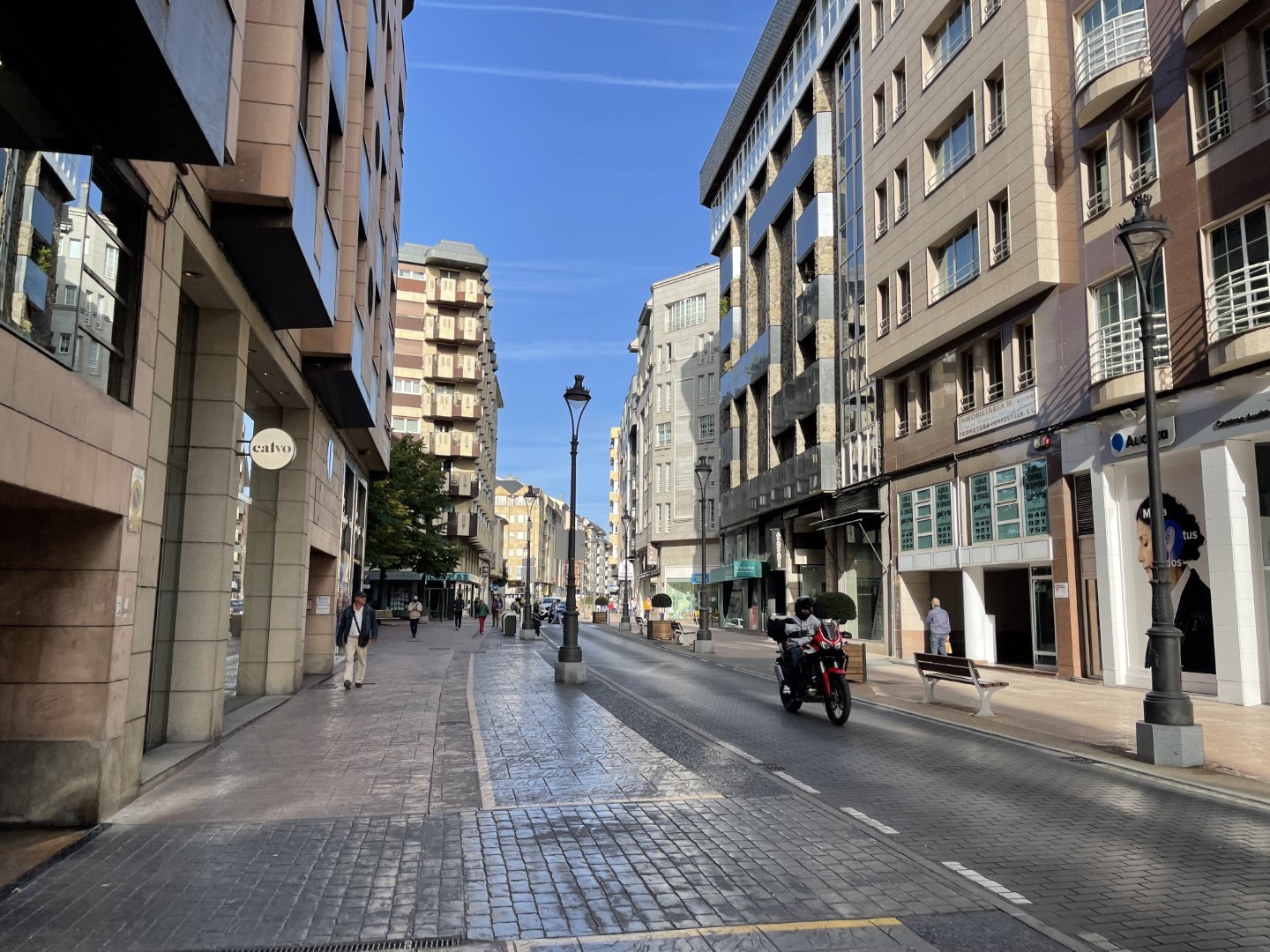
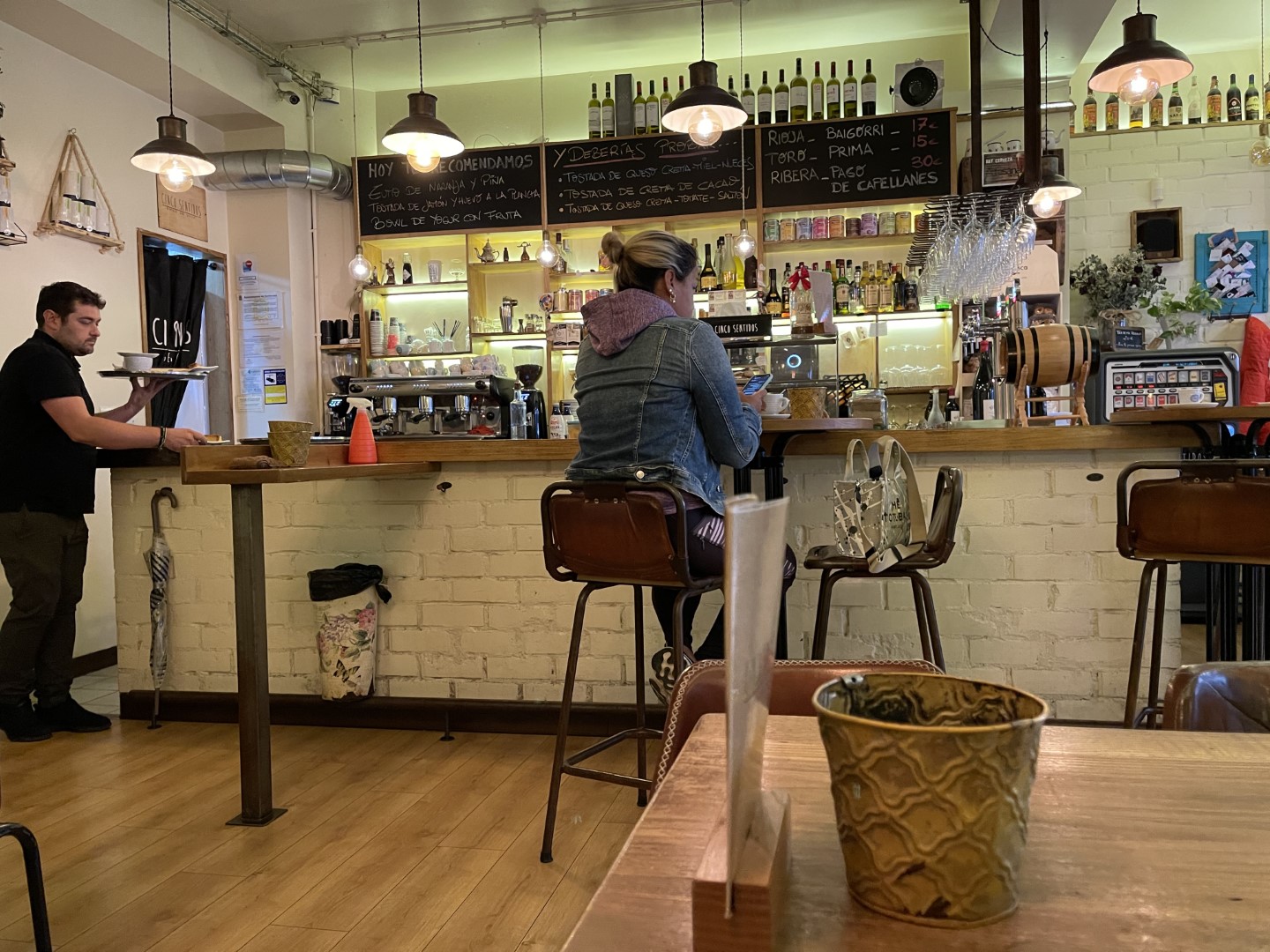
The city was beginning to show signs of life when I entered at 9am on a Monday. I entered a modern-looking cafe and enjoyed a tomato tostada, which is a large slab of toast drizzled with olive oil and topped with fresh tomatoes and salt. It’s genius in its simplicity and absolutely delicious. Unfortunately, it’s hard to recreate at home in America - the bread needs to be fresh from the bakery for the springy interior texture, the tomatoes need to be perfectly ripe for the coveted sweetness and umami, and the olive oil has to be high quality for that slight note of astringency. In Mediterranean countries, all these things are a given, but not in America. Spain, you get every other food wrong, but you get tostada right, and for that alone I will be coming back.
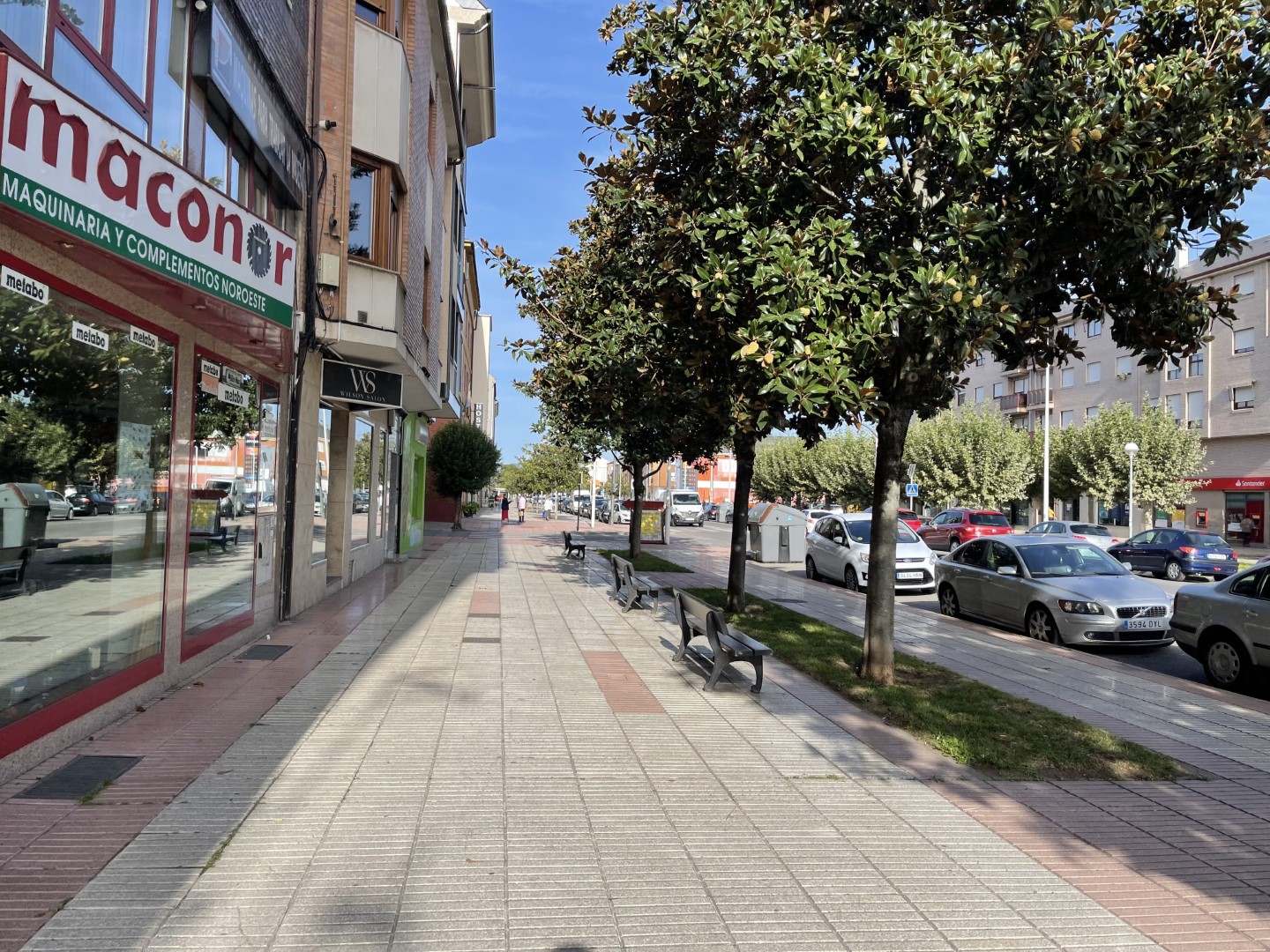
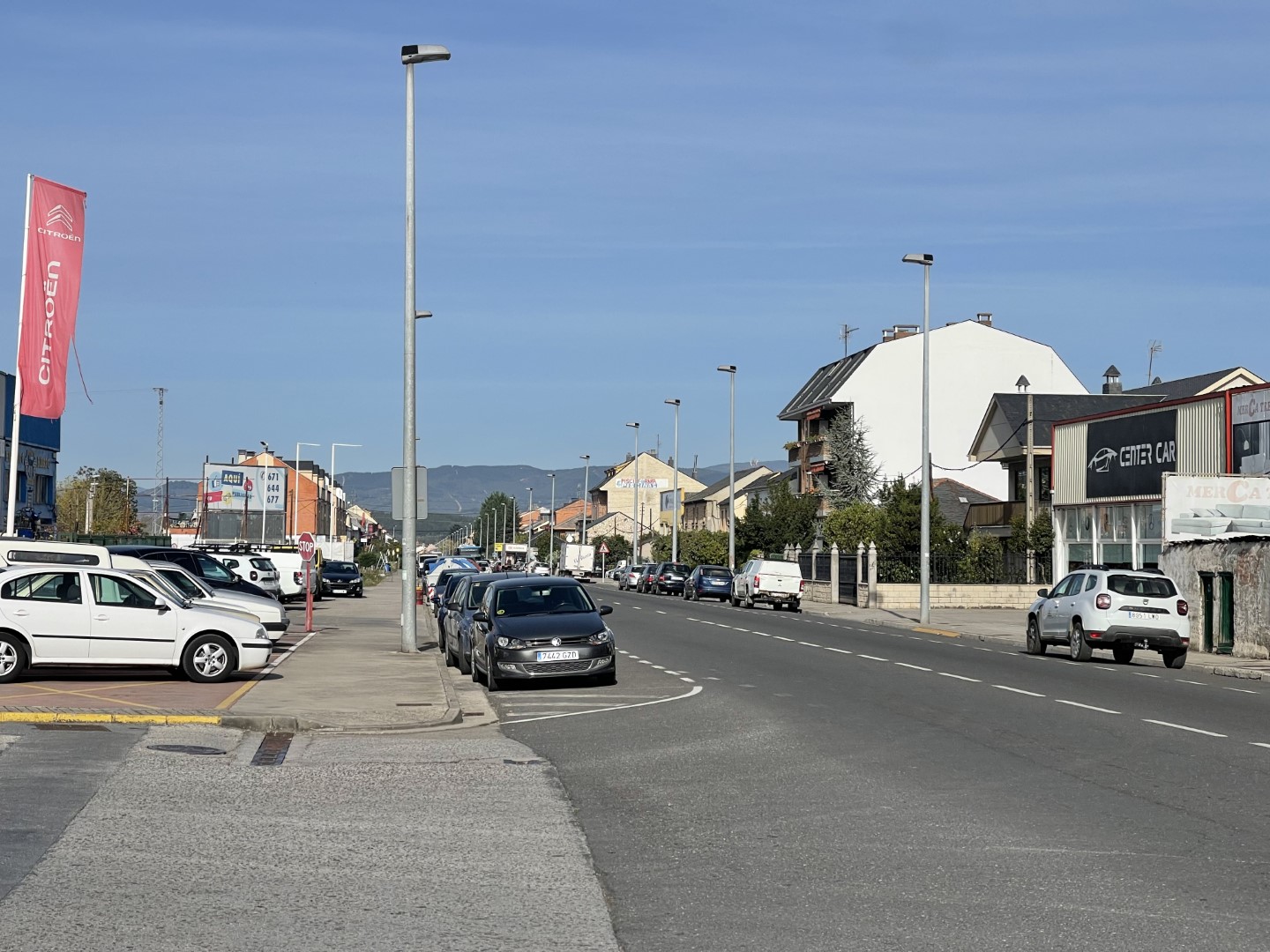
Ponferrada sits at the eastern end of an ellipse-shaped valley - narrow at the ends and wide in the middle - so its industrial outskirts sprawl westward to a much greater extent than in other Spanish cities. As a result, I ended up walking along a wide arterial road past car dealerships, furniture stores, grocery wholesalers, meat processing plants, and other land-hungry businesses for a solid three hours. Even in this comparatively car-centric area, however, I was able to enjoy a wide sidewalk on both sides of the road and consistent pedestrian signals saved me from having to run across 10 lanes of traffic Frogger-style. Moreover, Spanish drivers are perhaps the most respectful in the world, yielding to pedestrians even at highway on/off ramps.
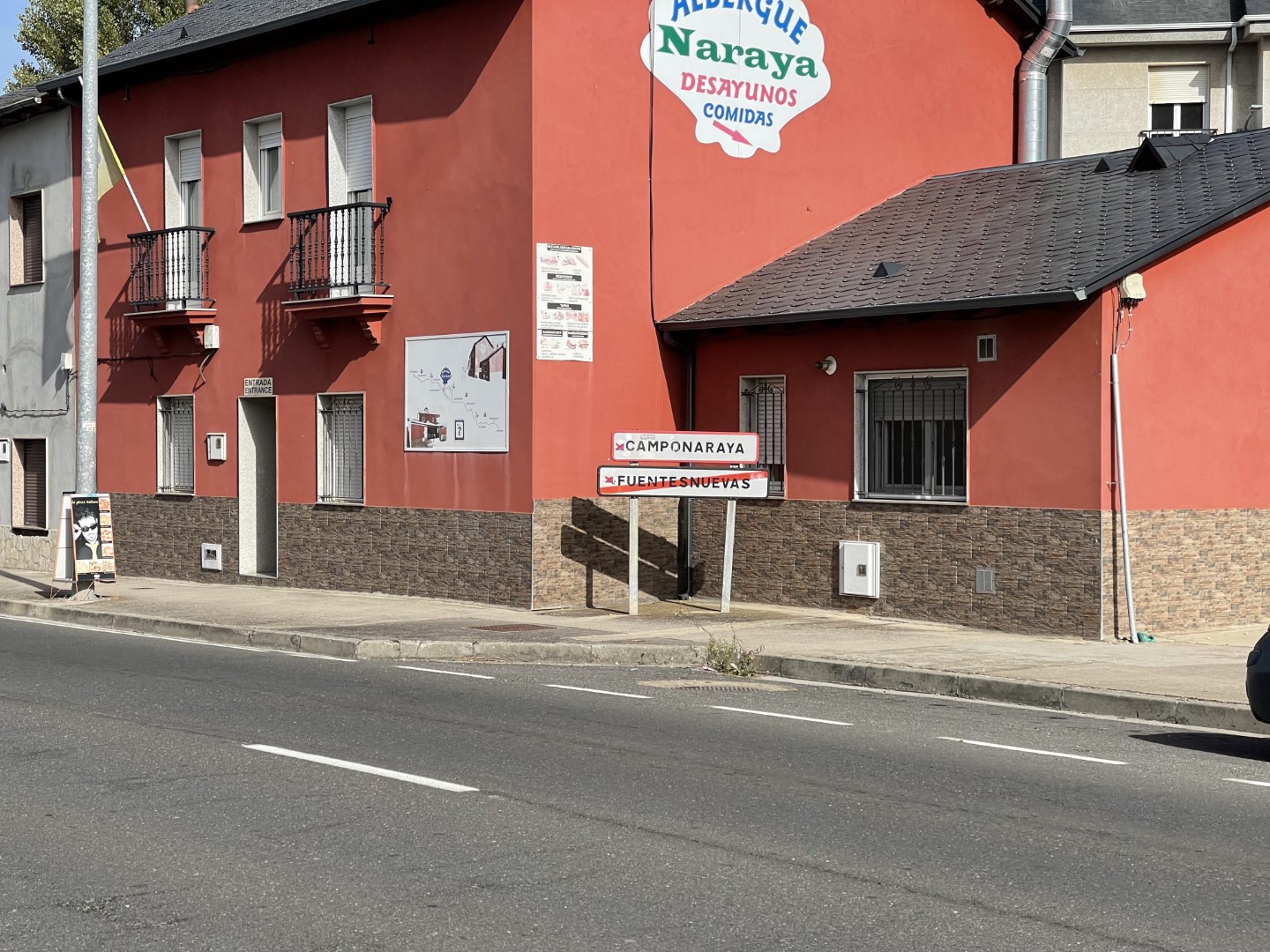
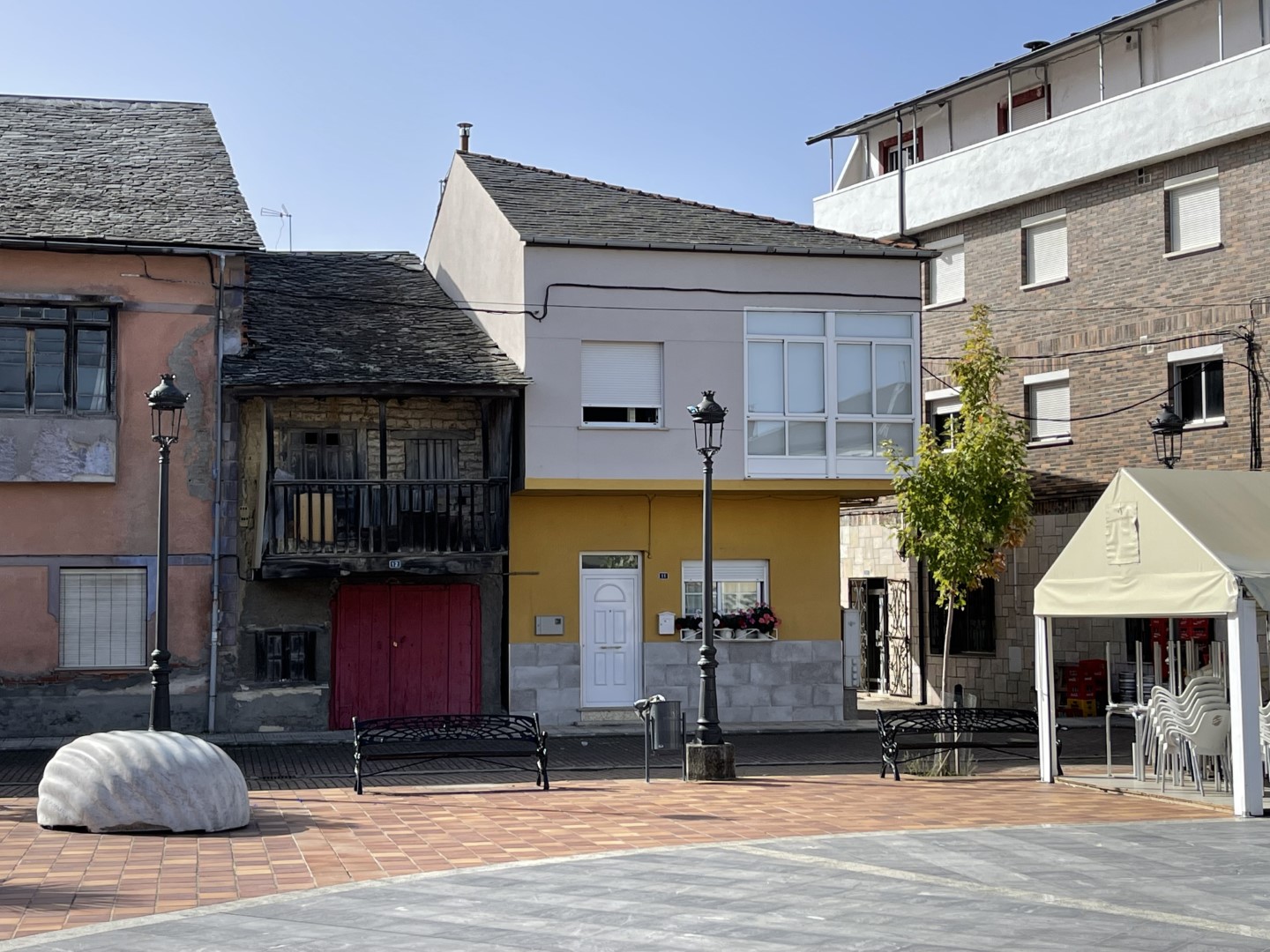
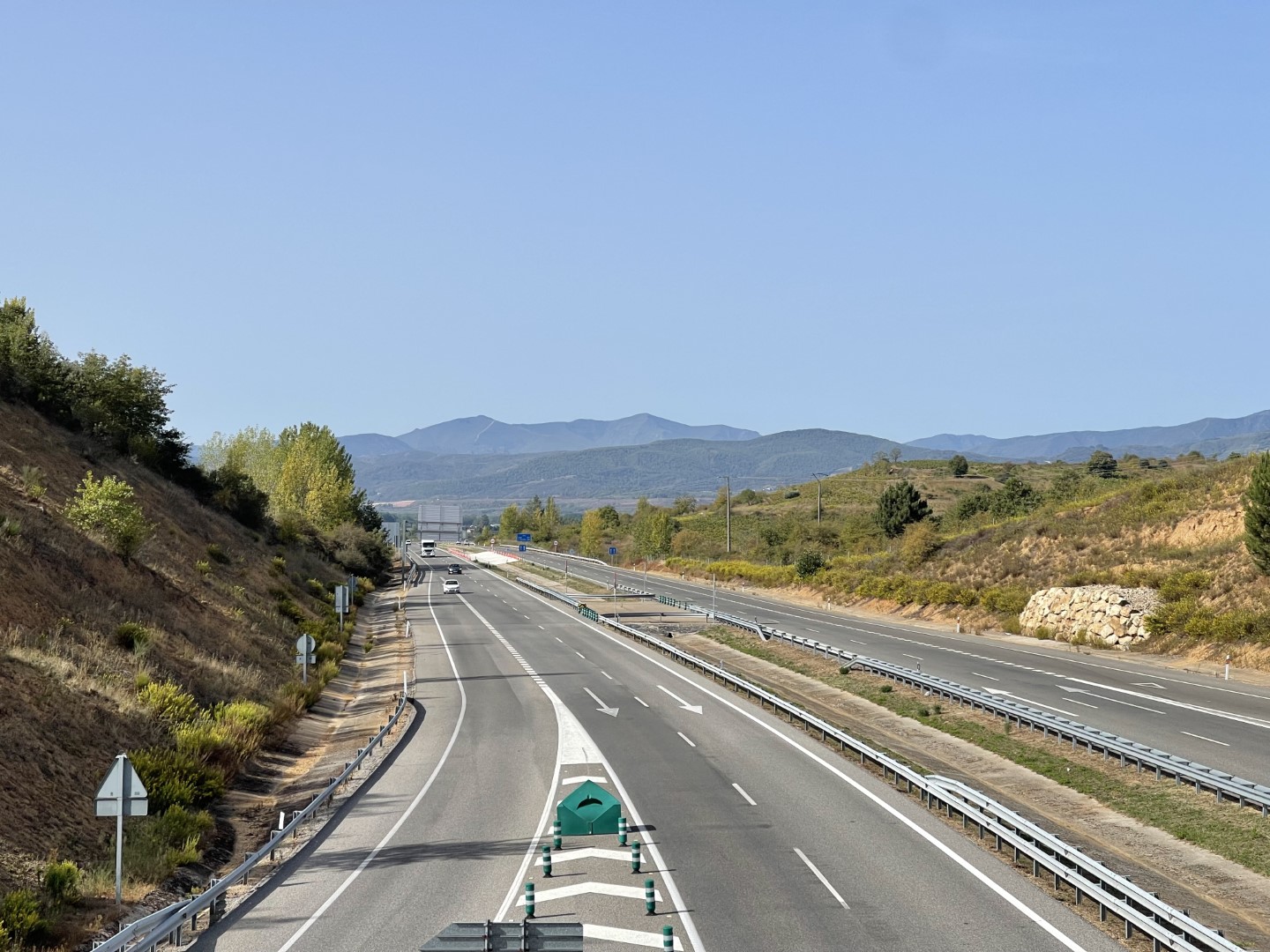
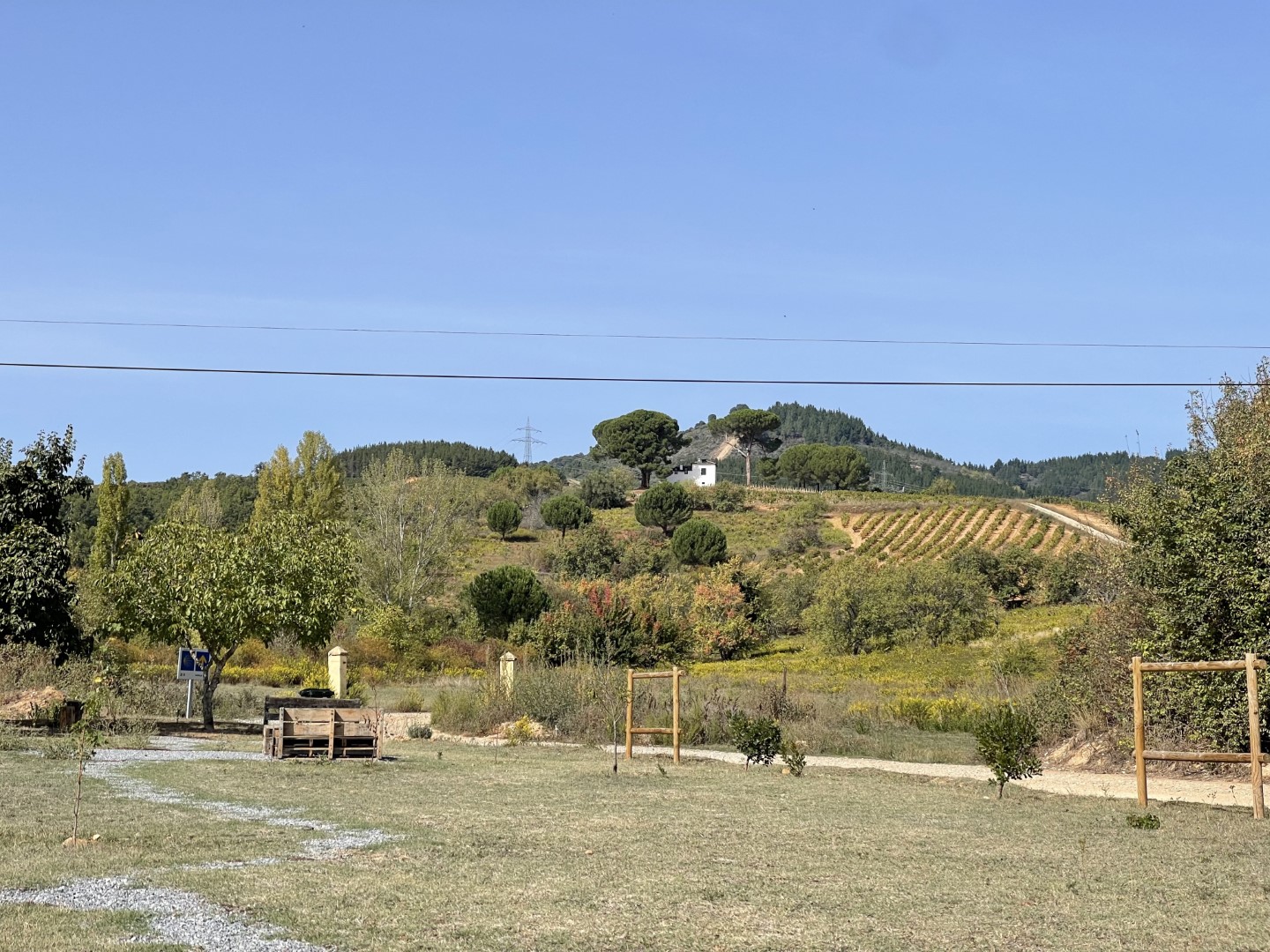
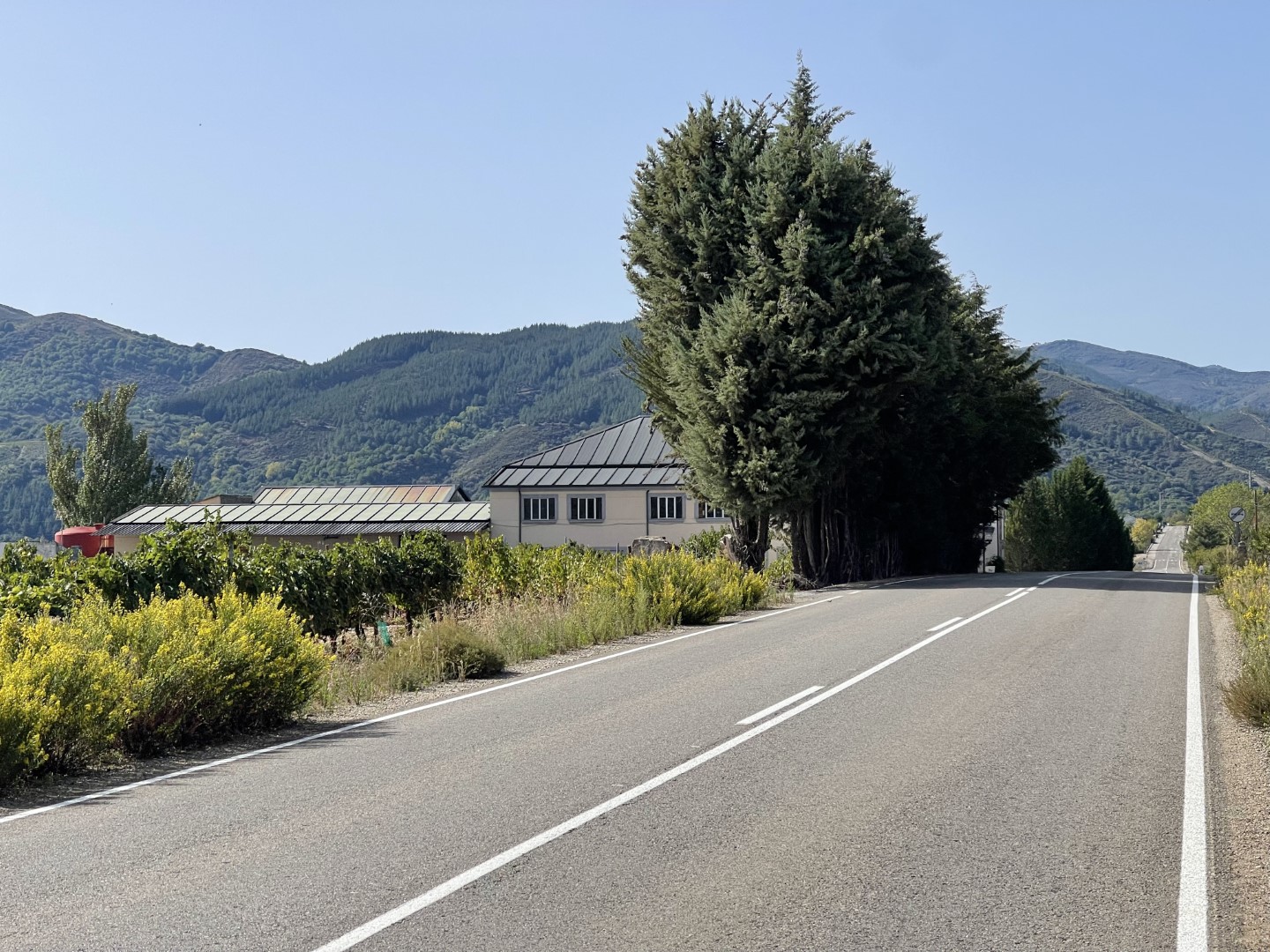
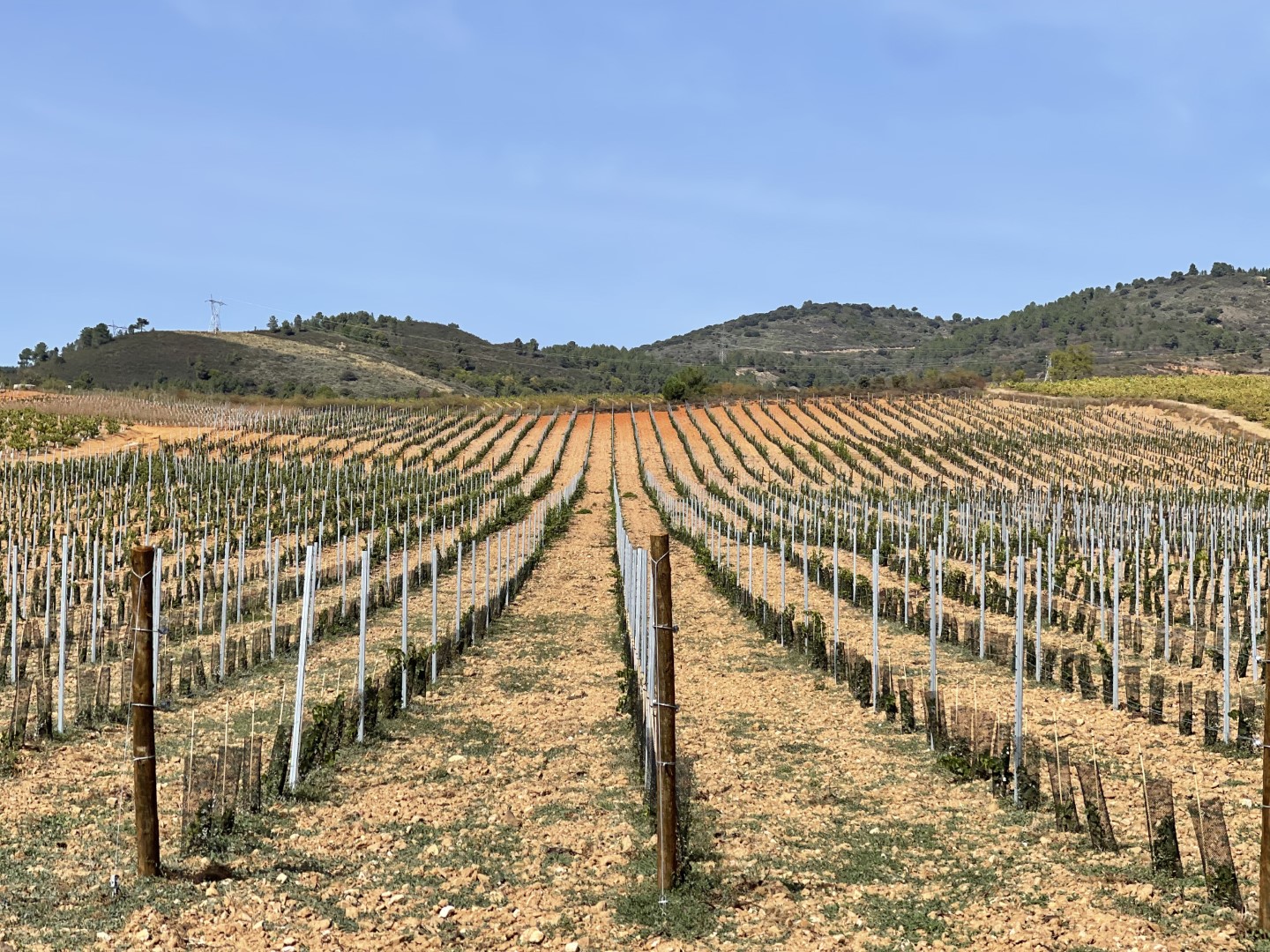
About halfway through the valley, the Camino veers away from the flat industrial expanse and moves into gentle, bucolic hills housing rows of grapes and barns. The acrid scent of fermentation fills the air with a heady sweetness.
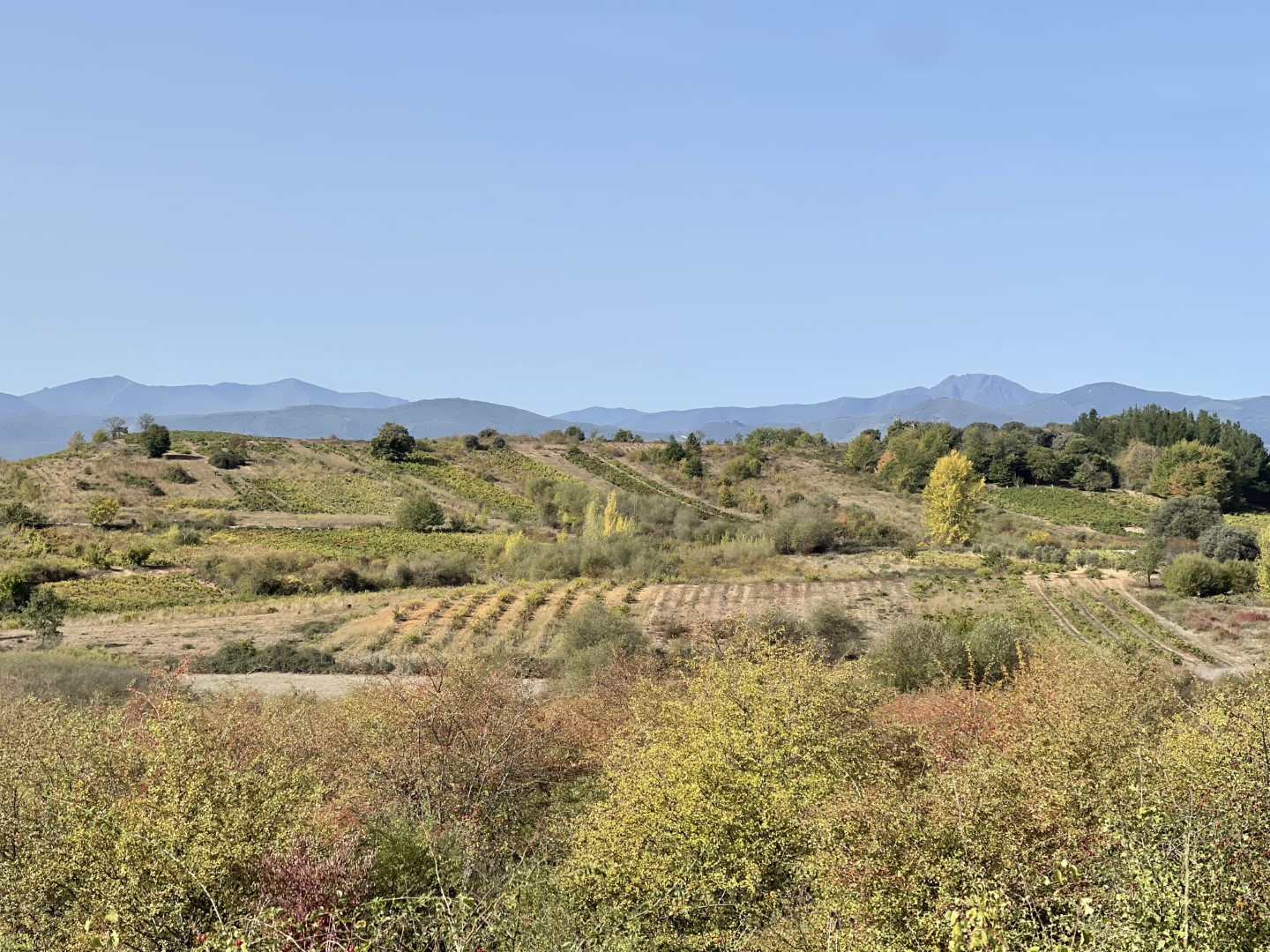
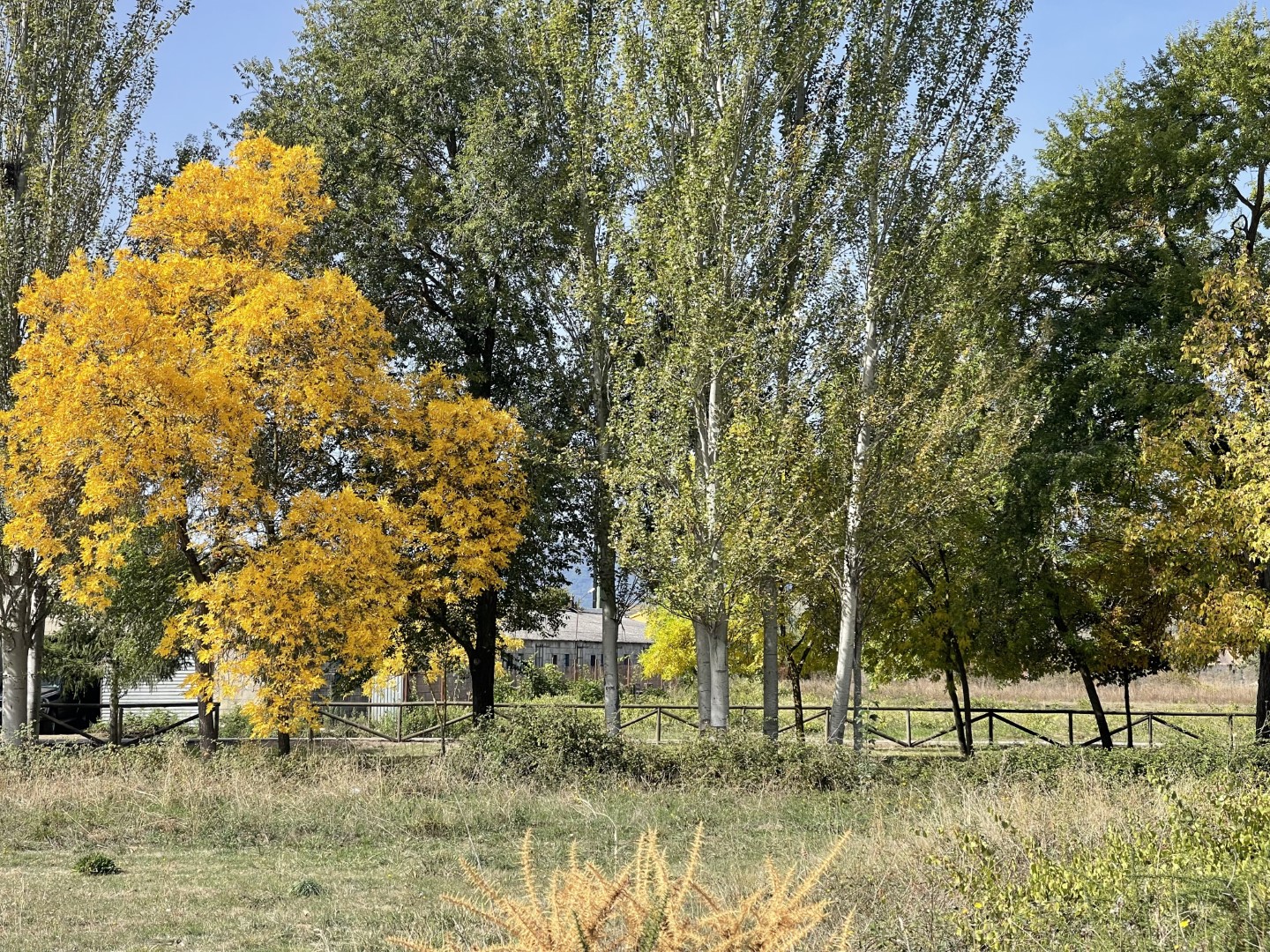
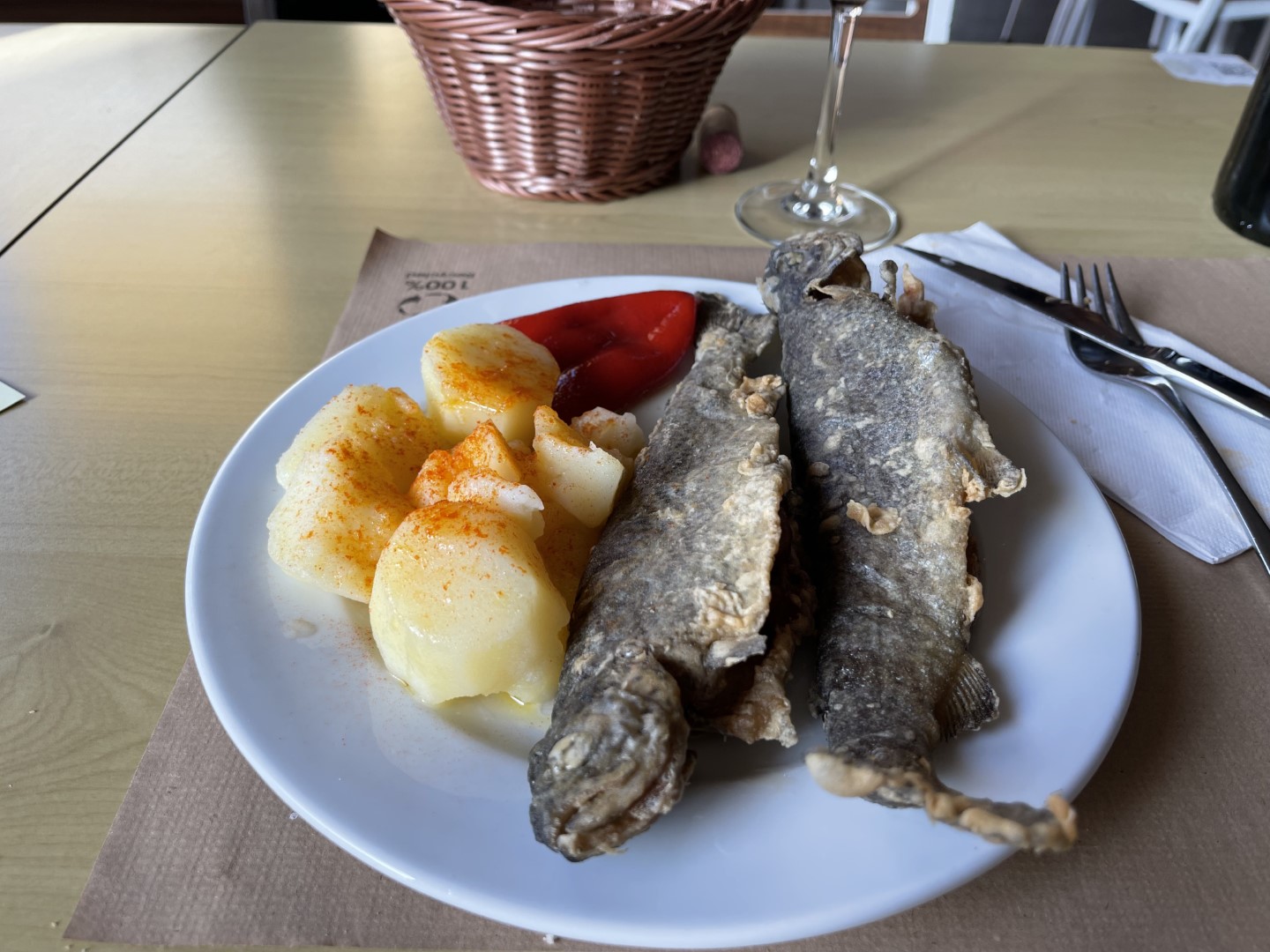
I stopped for lunch at a winery to try the local roasted peppers and ordered an empanada to go with it. It turns out that Spanish empanadas have no relation to their Mexican counterpart. To make a Spanish empanada, apparently you hollow out a loaf of bread, stuff it with potatoes, add no seasoning, and bake it till the crust is impenetrably hard and offers a tooth-shattering crisp. It was legitimately one of the worst things I’ve ever eaten, though truthfully many Spanish dishes are competitive candidates for that title. At least the peppers and red wine were good.
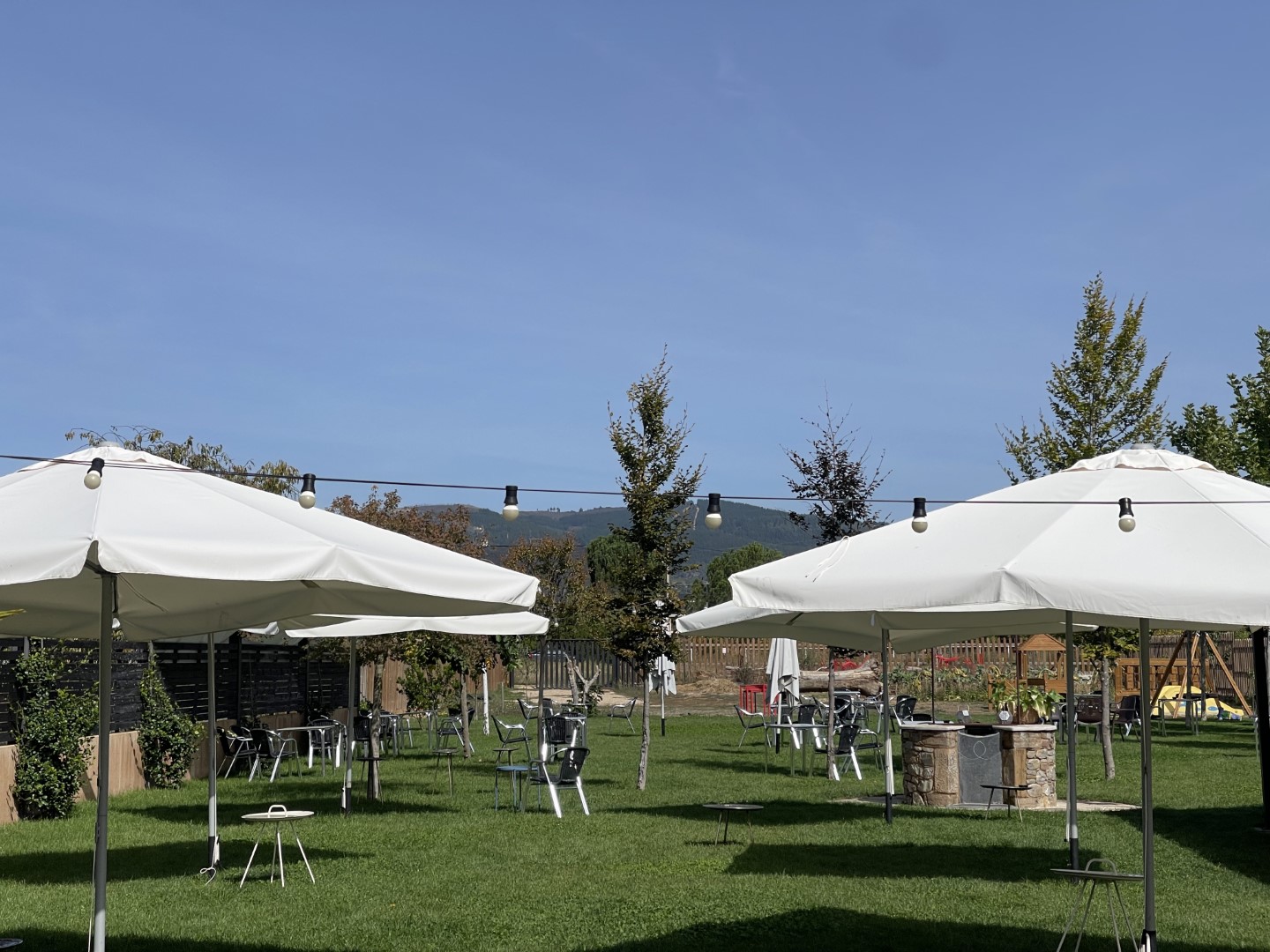
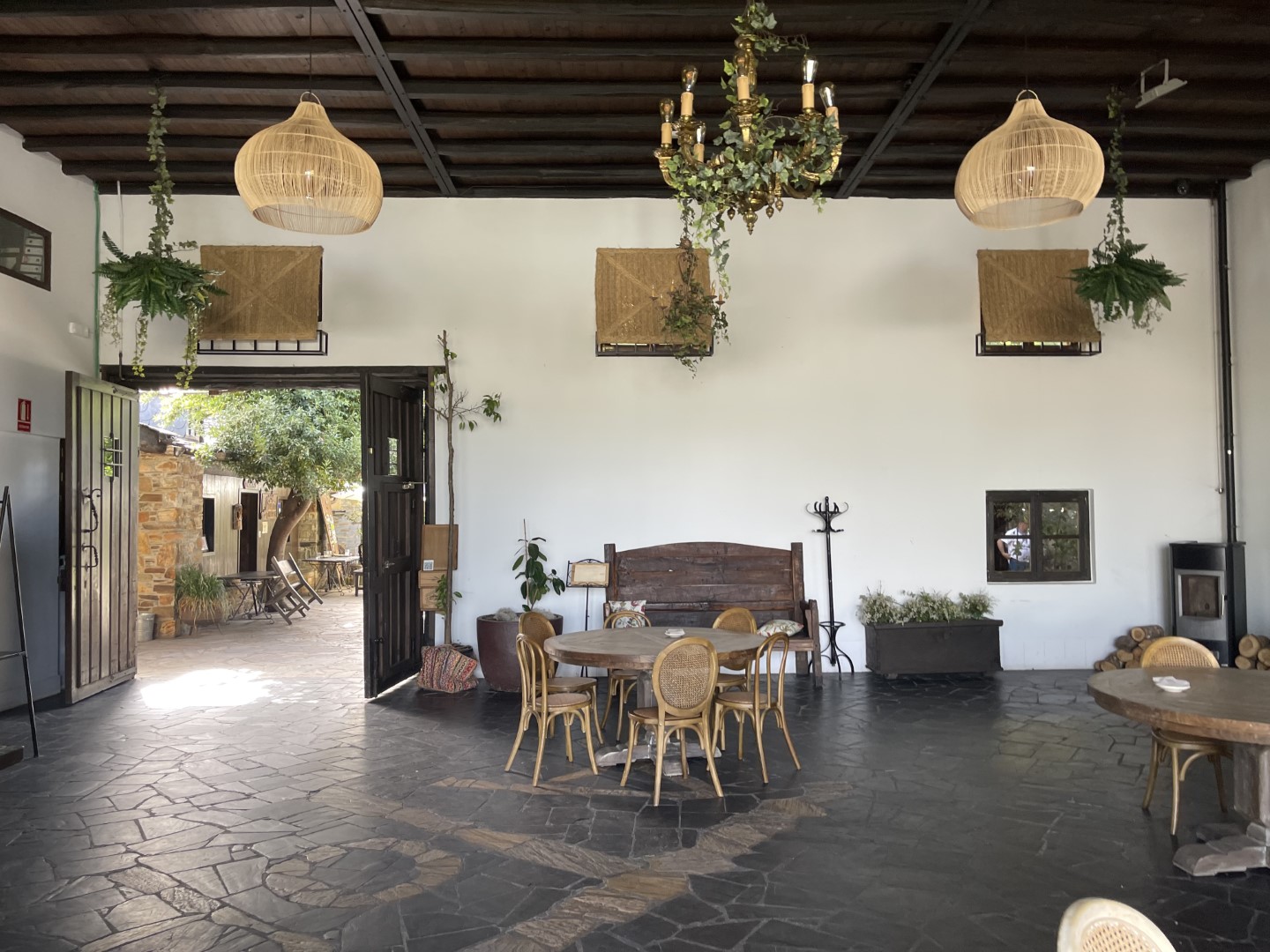
From the vineyard, it was a two hour drunken walk under the blazing sun to my destination for the day, Villafranca del Bierzo, a pretty but boring town at the west end of the El Bierzo Valley. It’s a base camp for the second steepest climb of the Camino that immediately follows.
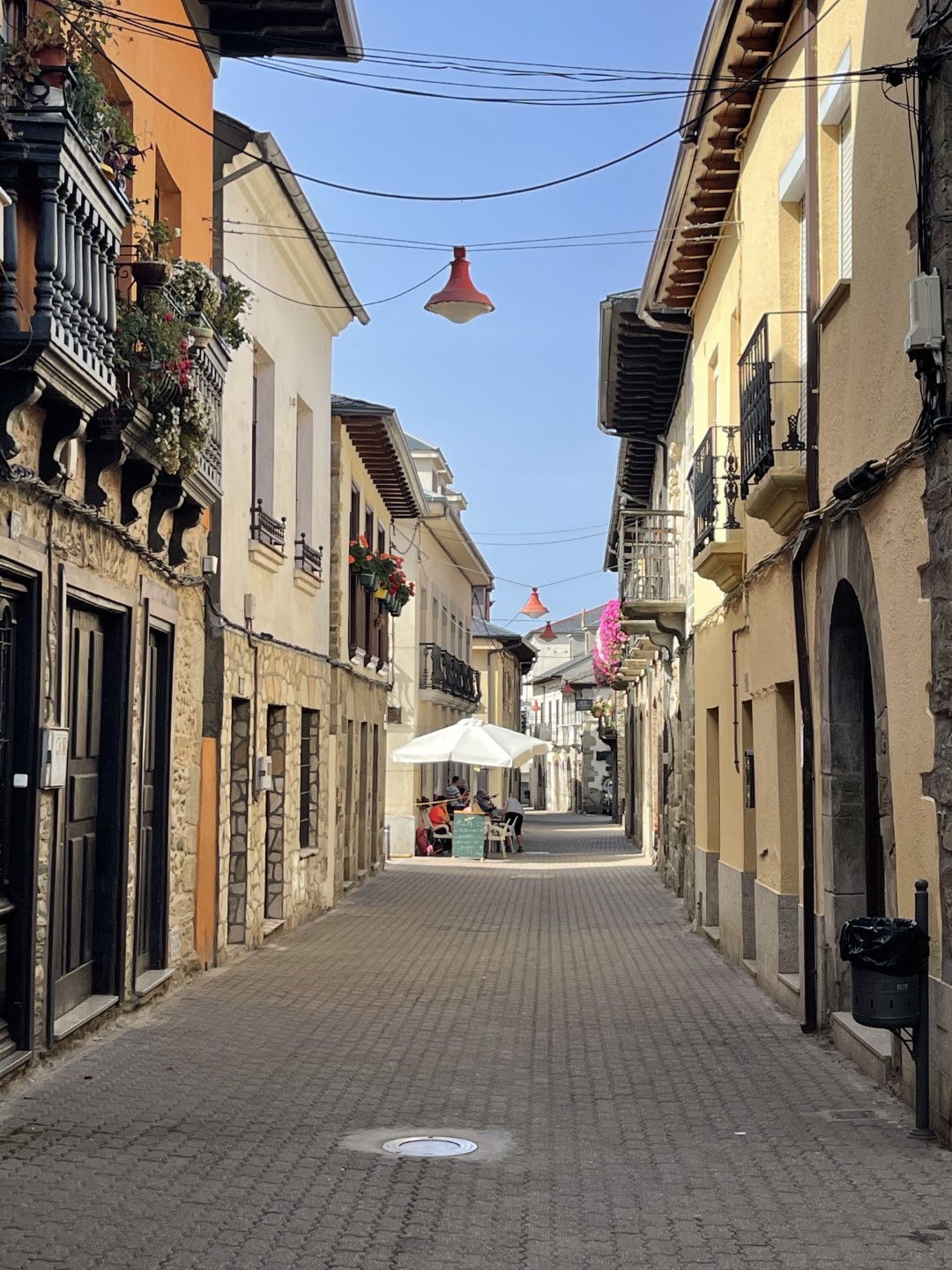
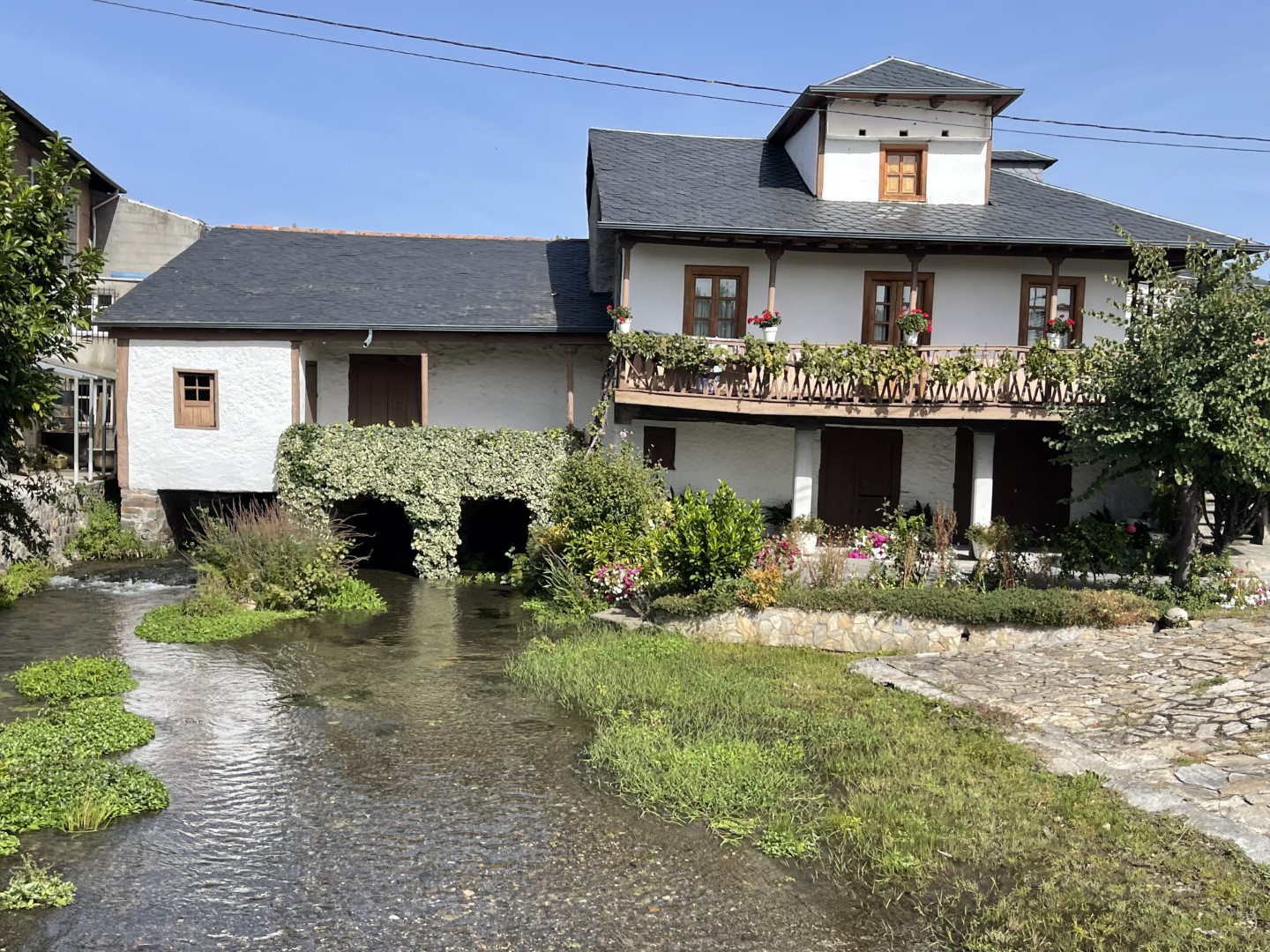
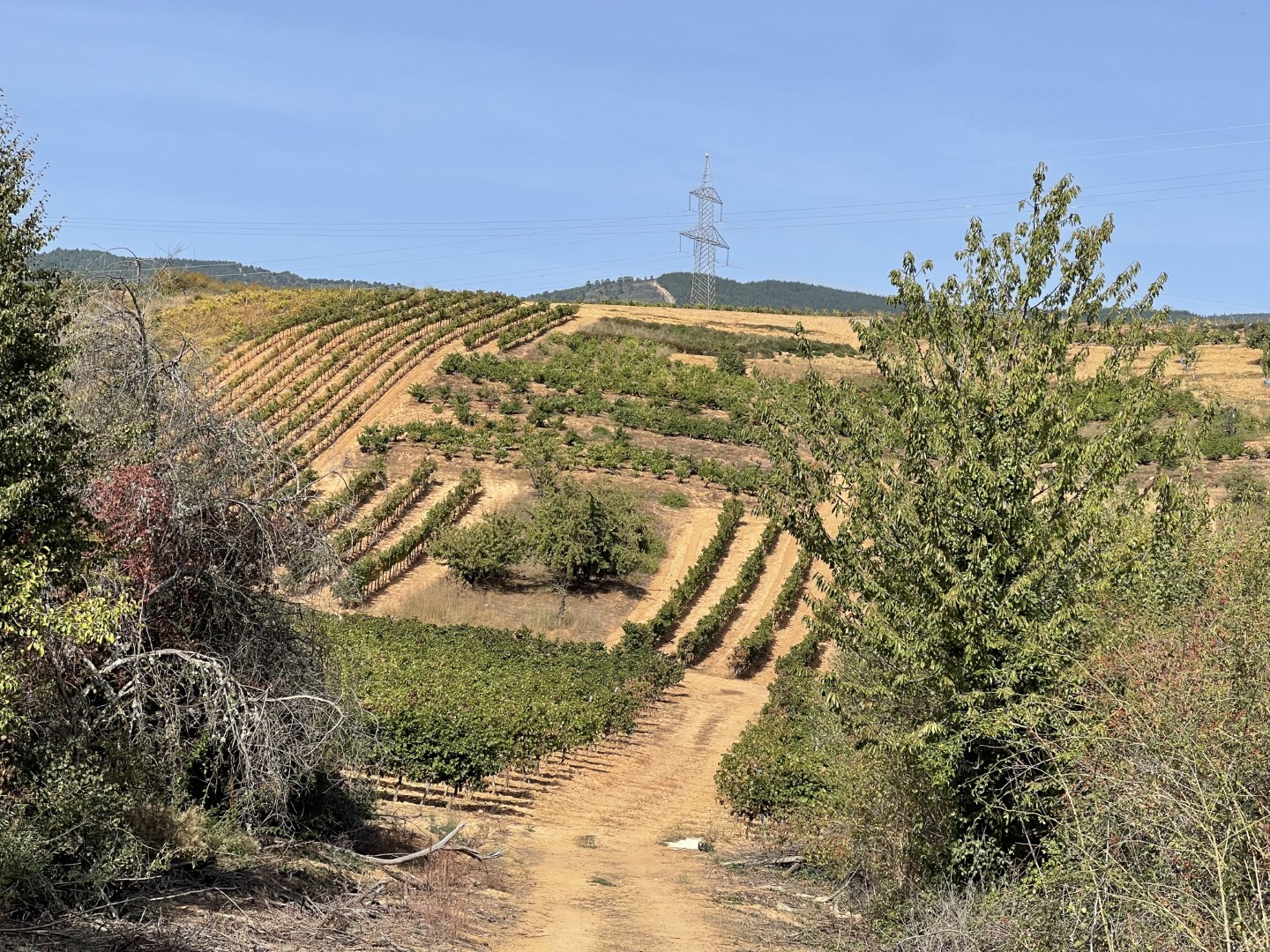
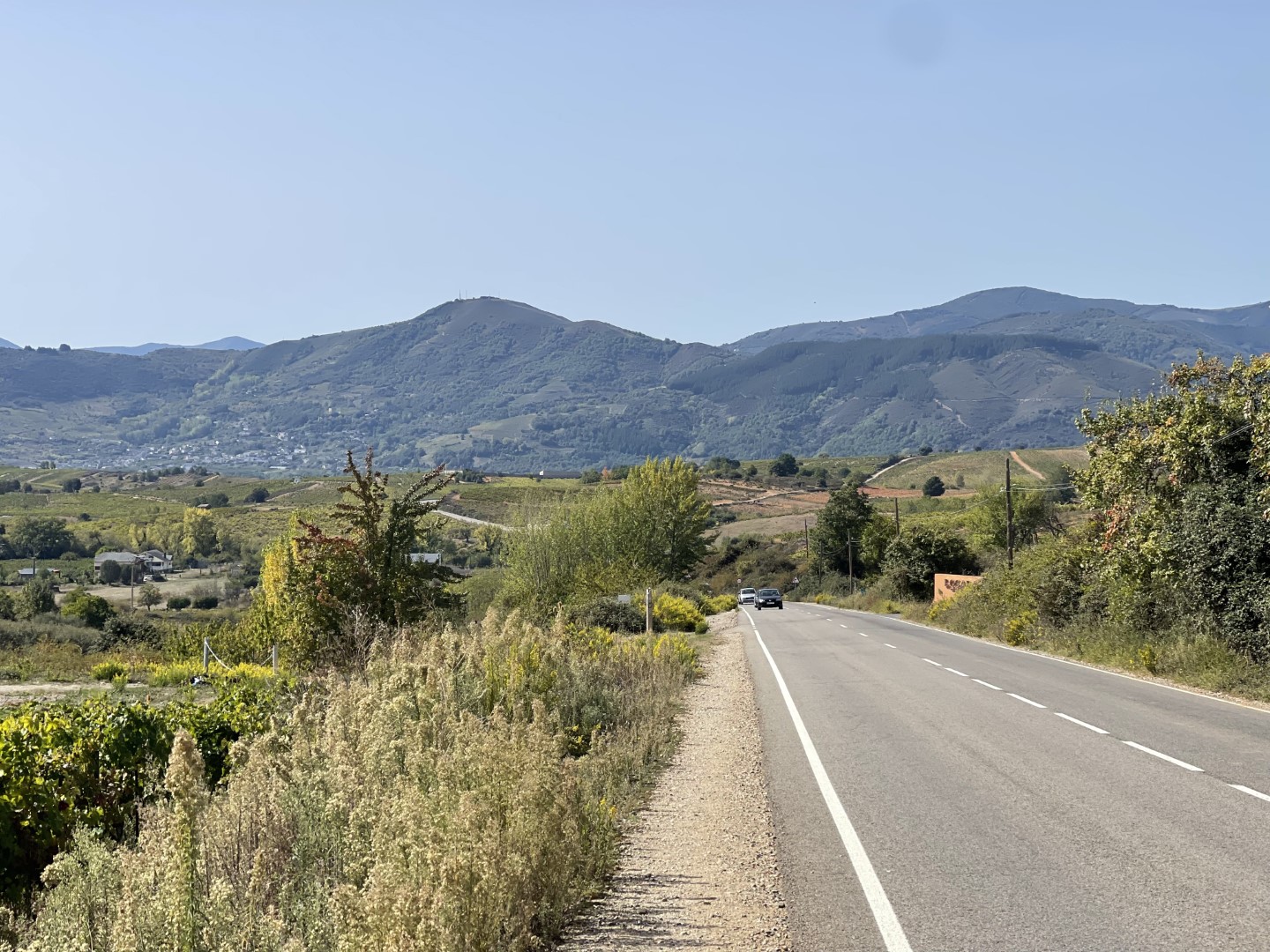
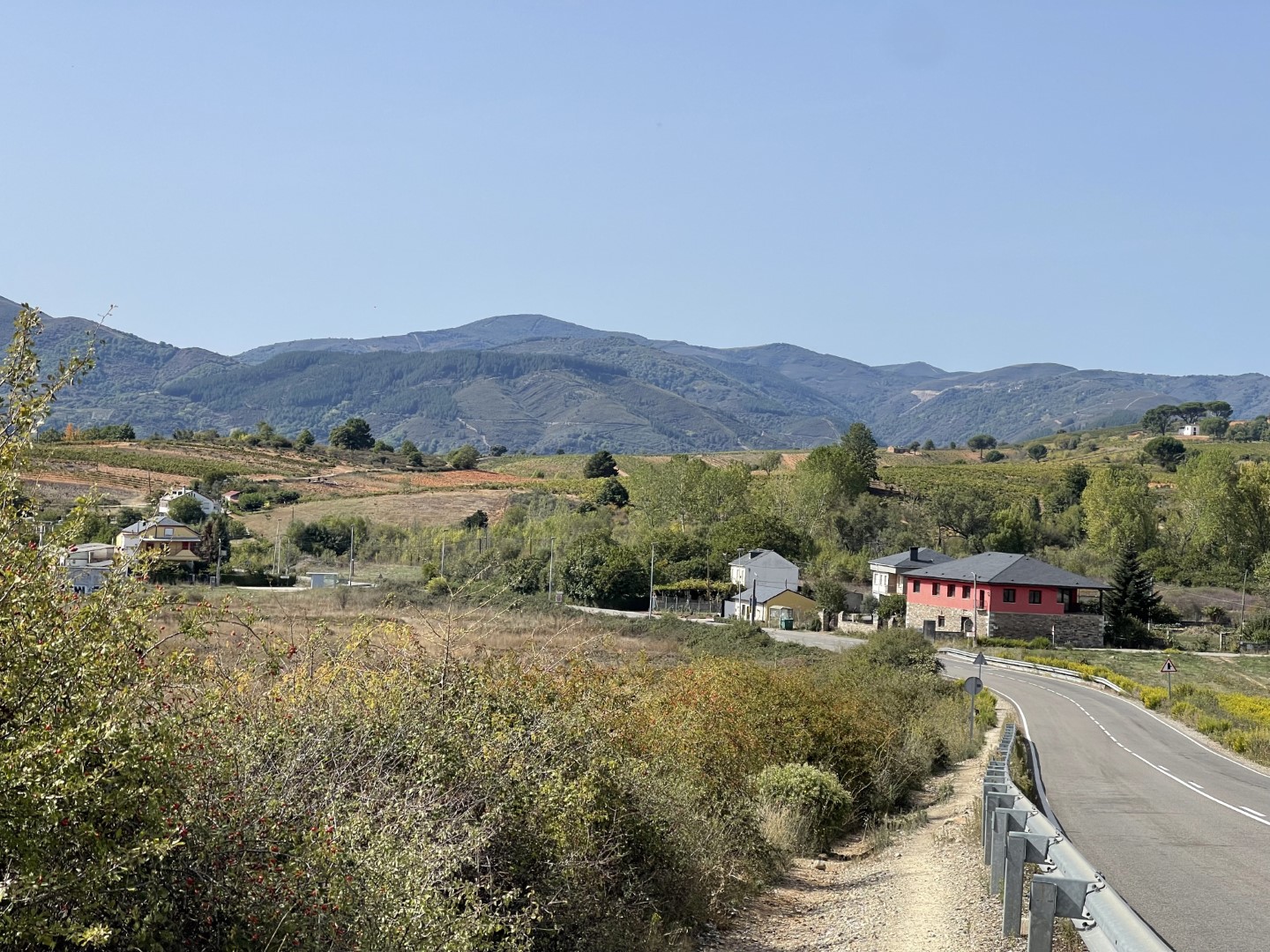
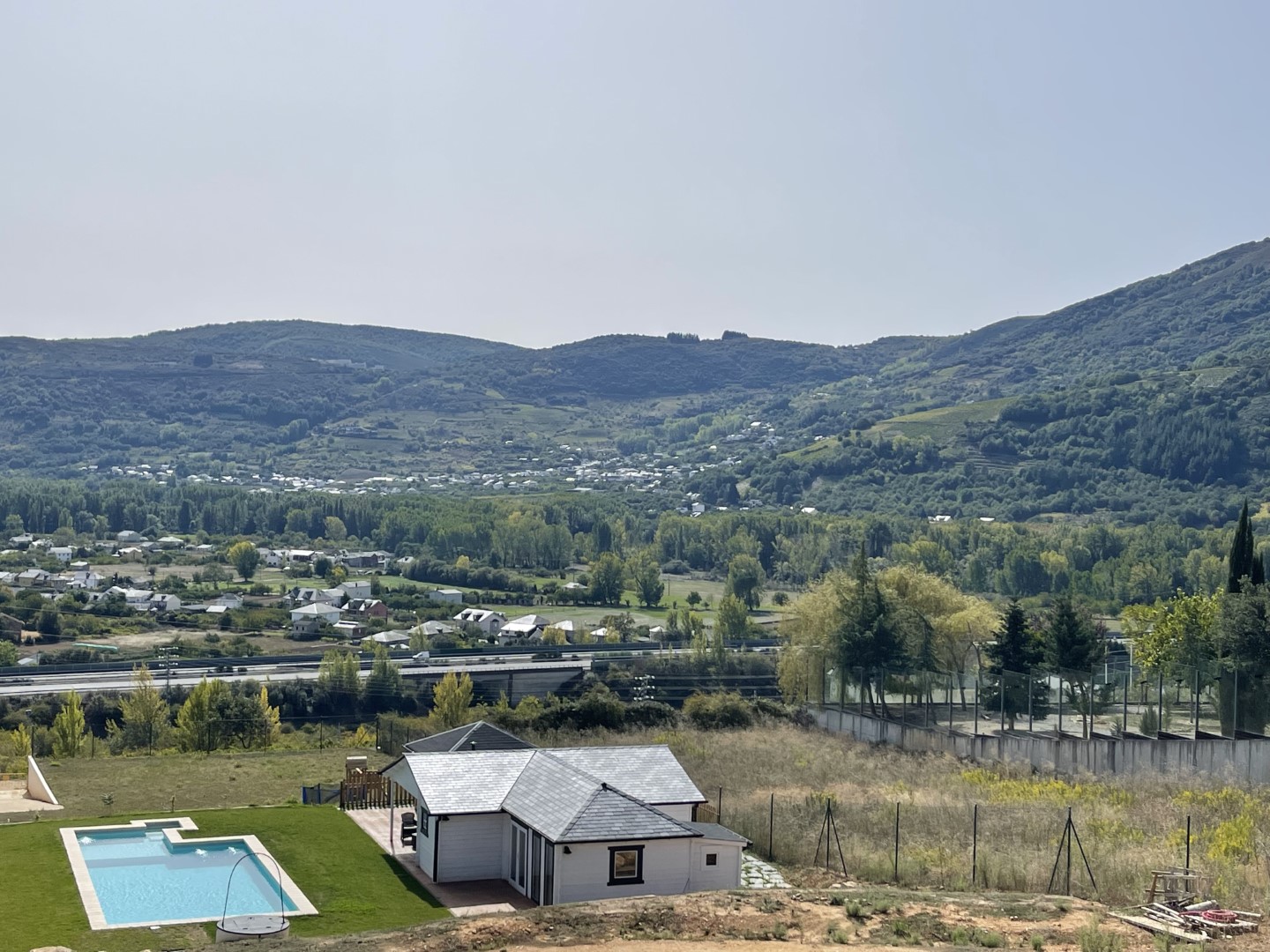
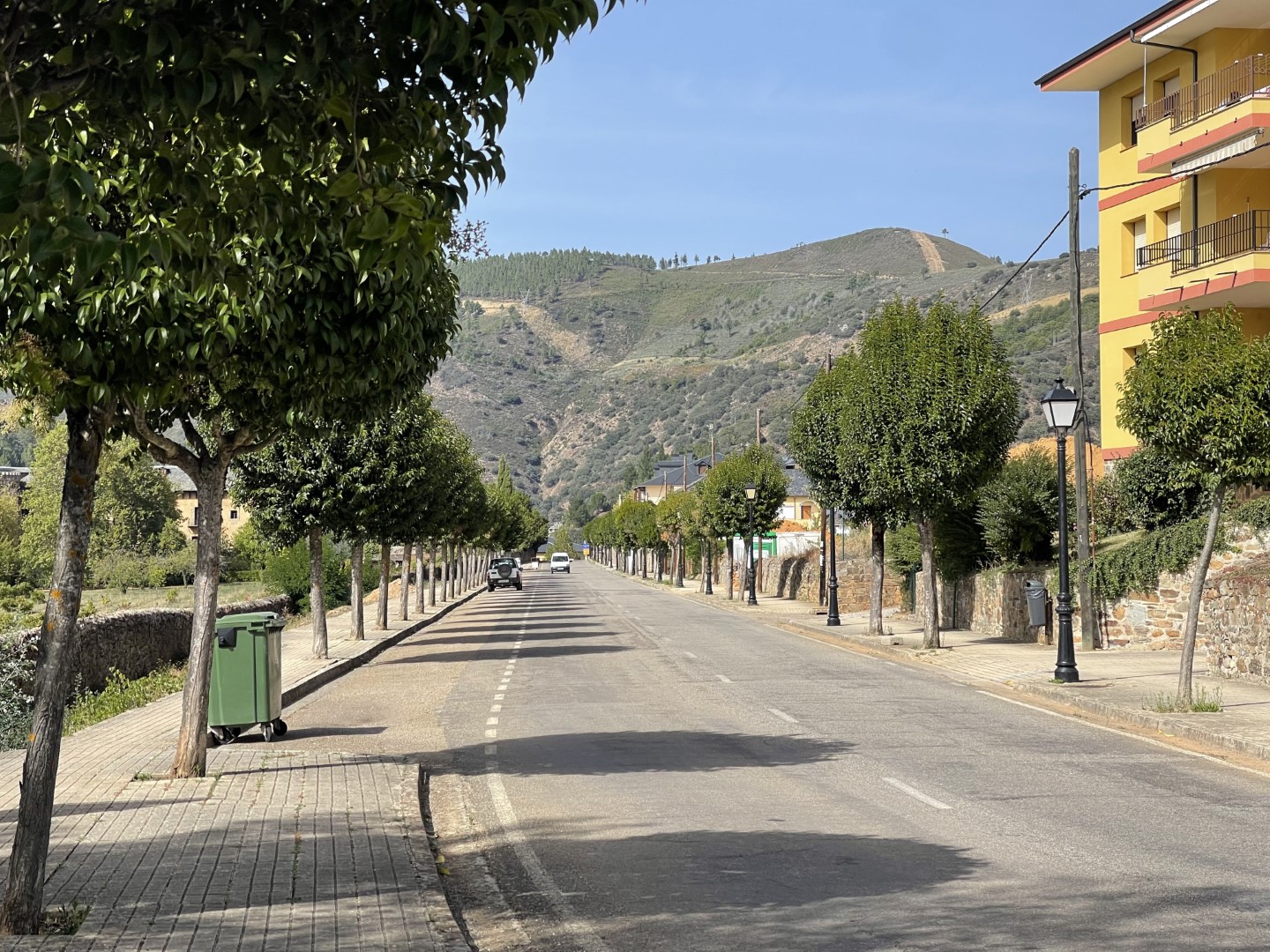
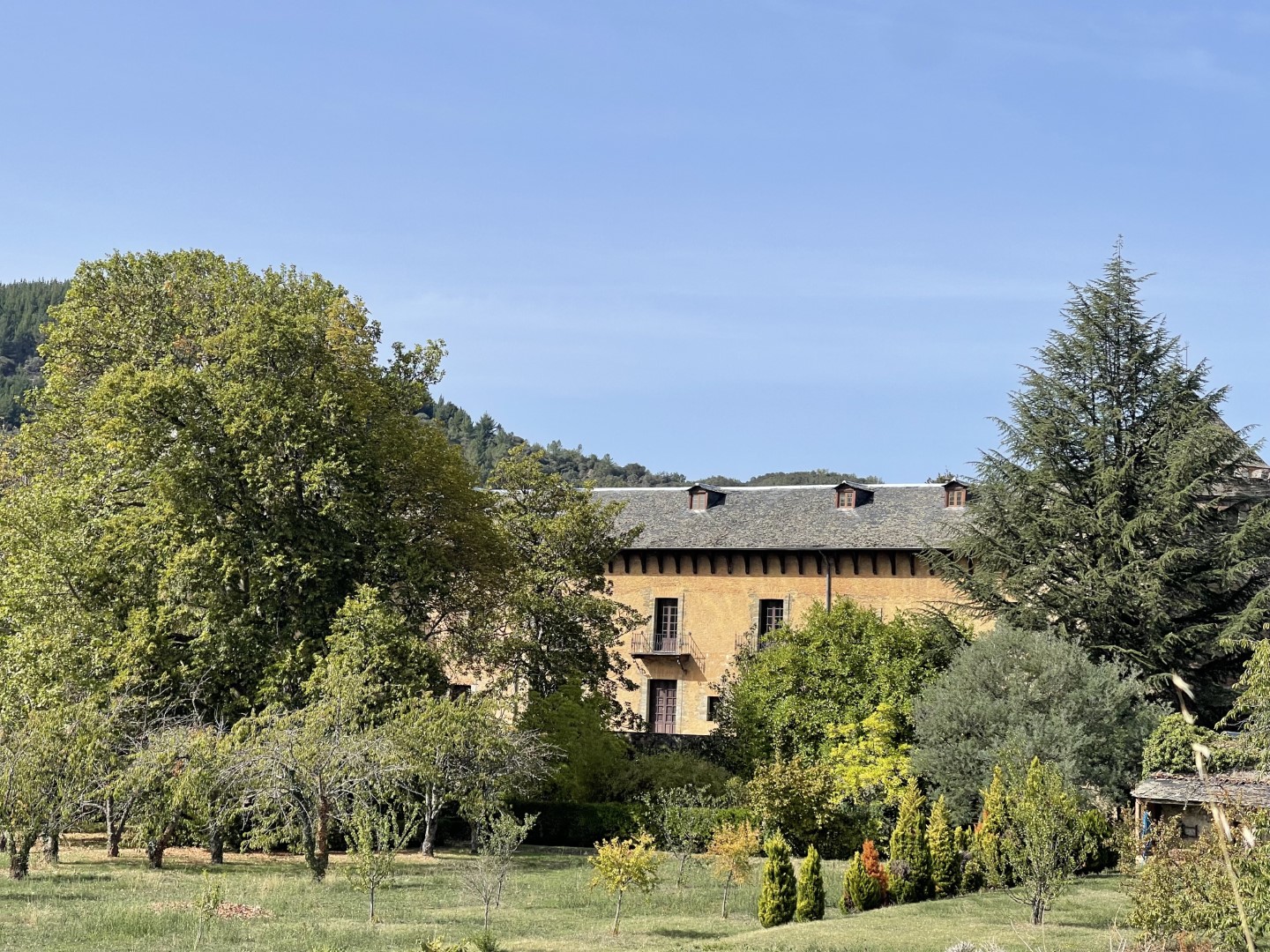
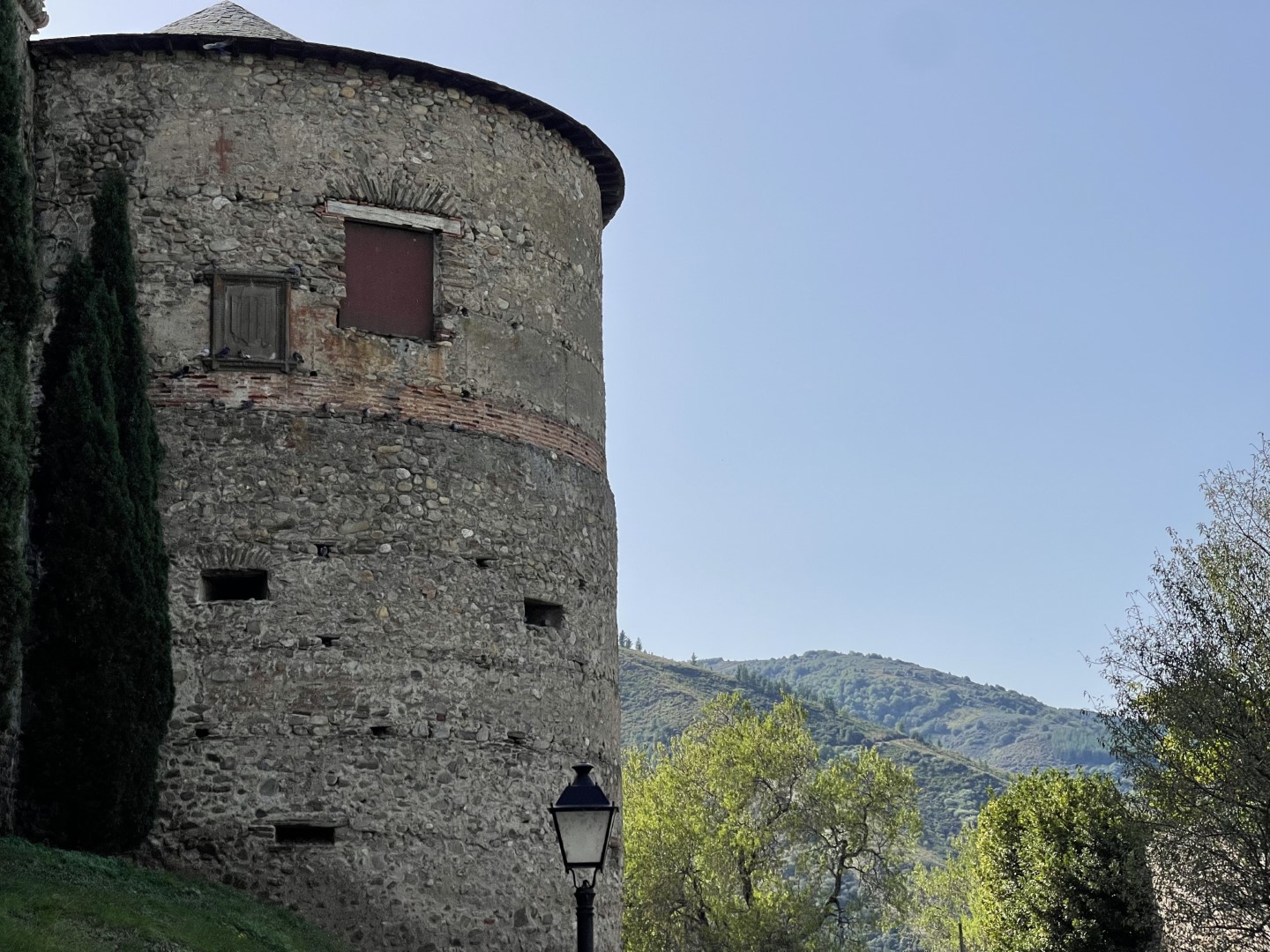
The town has an inaccessible, overgrown castle, pretty buildings, and some crappy restaurants.
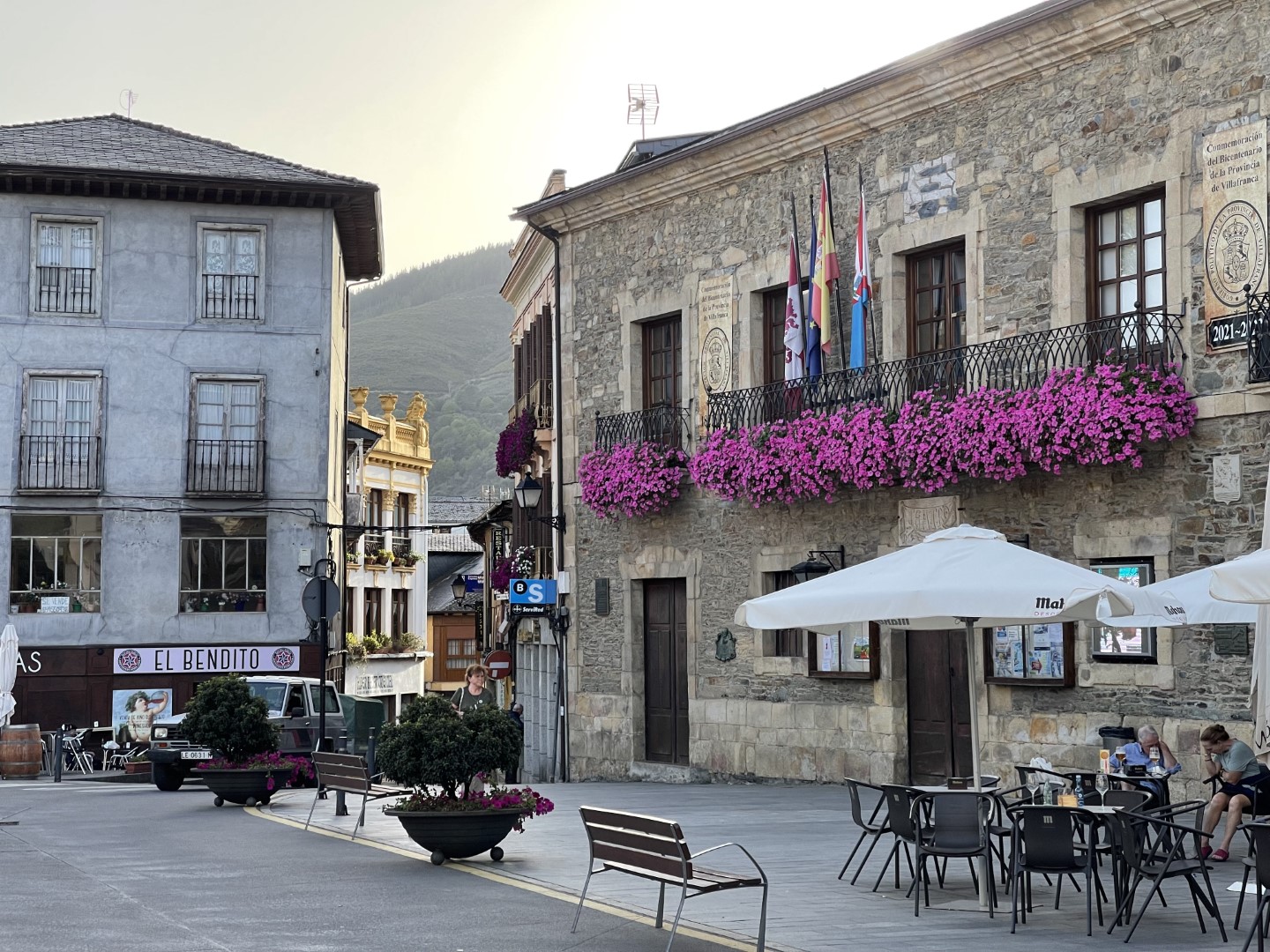
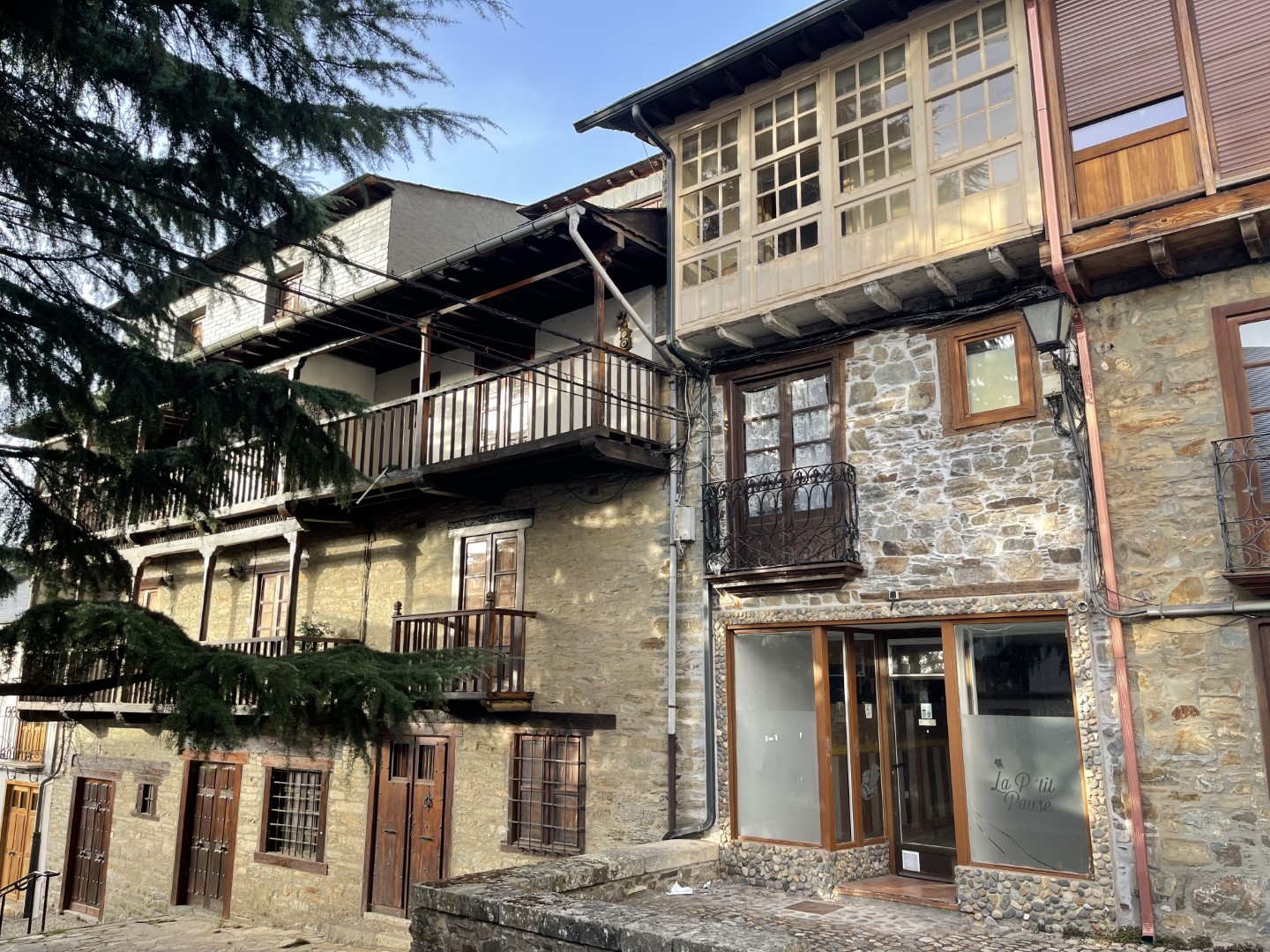
Exhausted from the 32km of the day and wary of the elevation of the next, I slept at 8pm amidst the snores of fellow pilgrims who evidently felt the same.
song of the day: Jessie Ware - Free Yourself - although this nu-disco track was definitely made for the girls and gays, it gave this straight dude the motivation to clear the last few hills of the day under the hot sun. irresistible tune.