- Published on
Camino De Santiago - Day 12 - Finale
Time of Visit: October 11, 2022
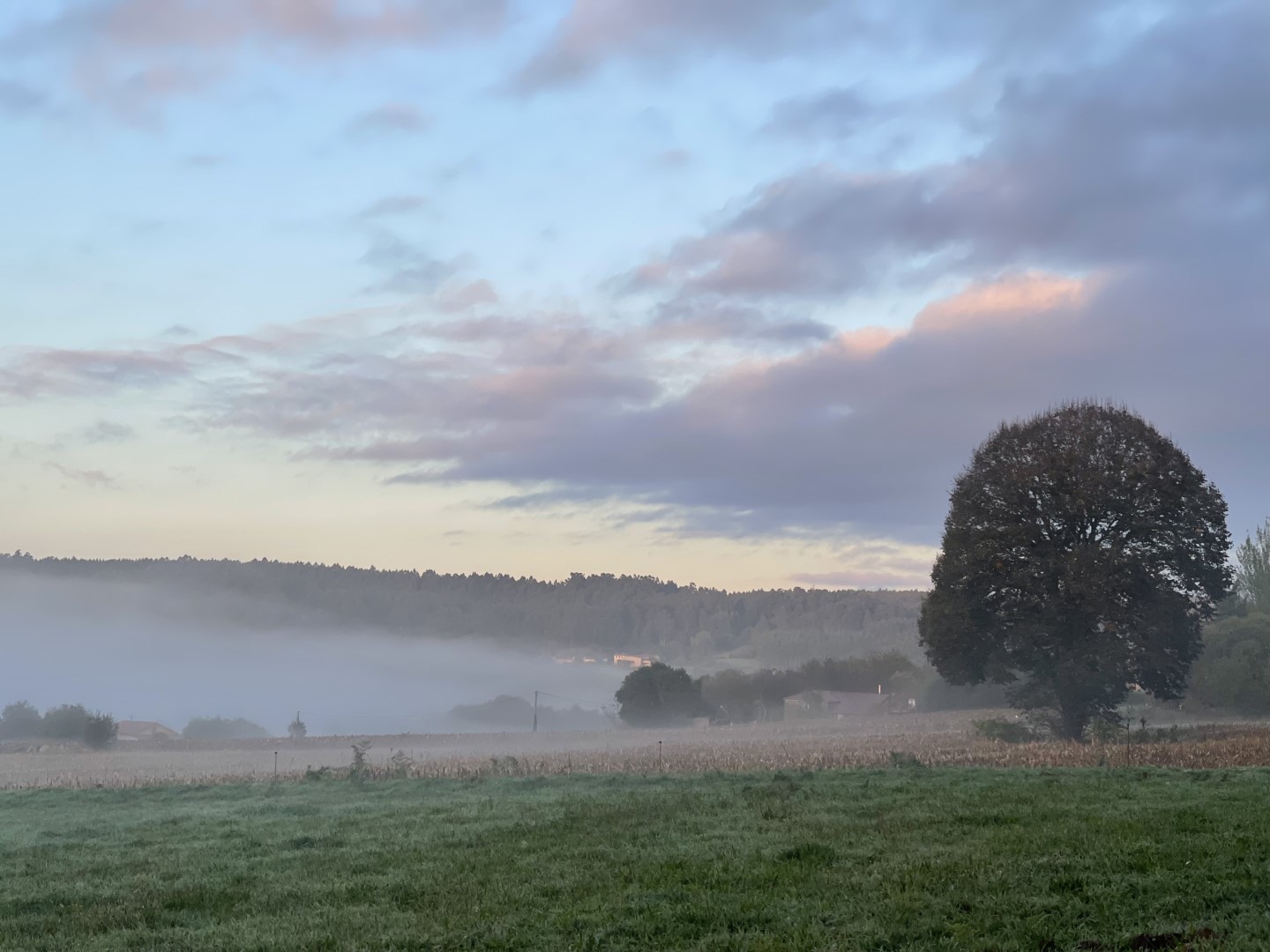
The last day of the Camino would be an easy one, with only 18 kilometers to Santiago de Compostela. Most people in the albergue decided to take advantage of the short final leg by sleeping in, but leaving before dawn had become a habit for me so I decided to leave while the trail was quiet.
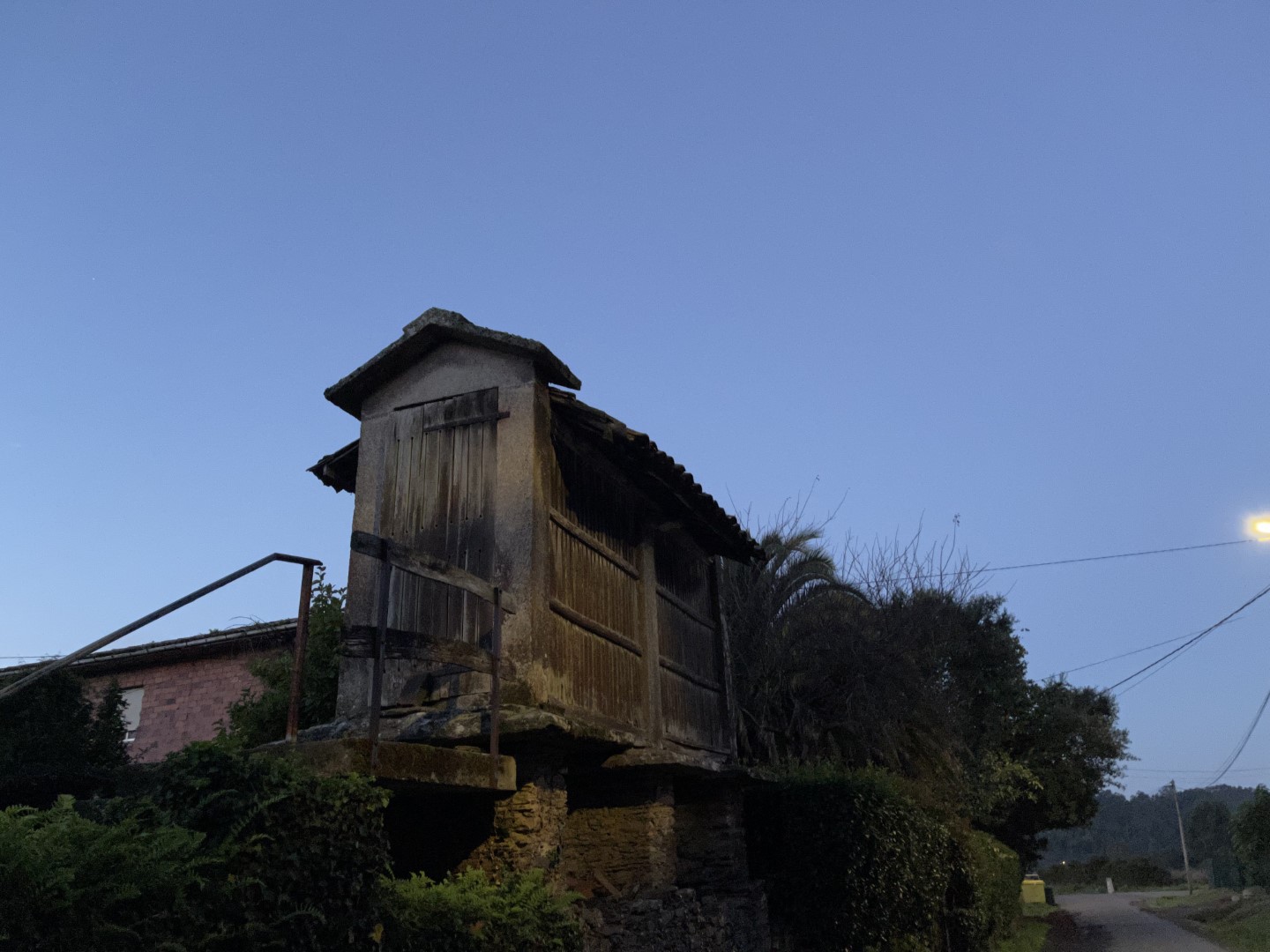
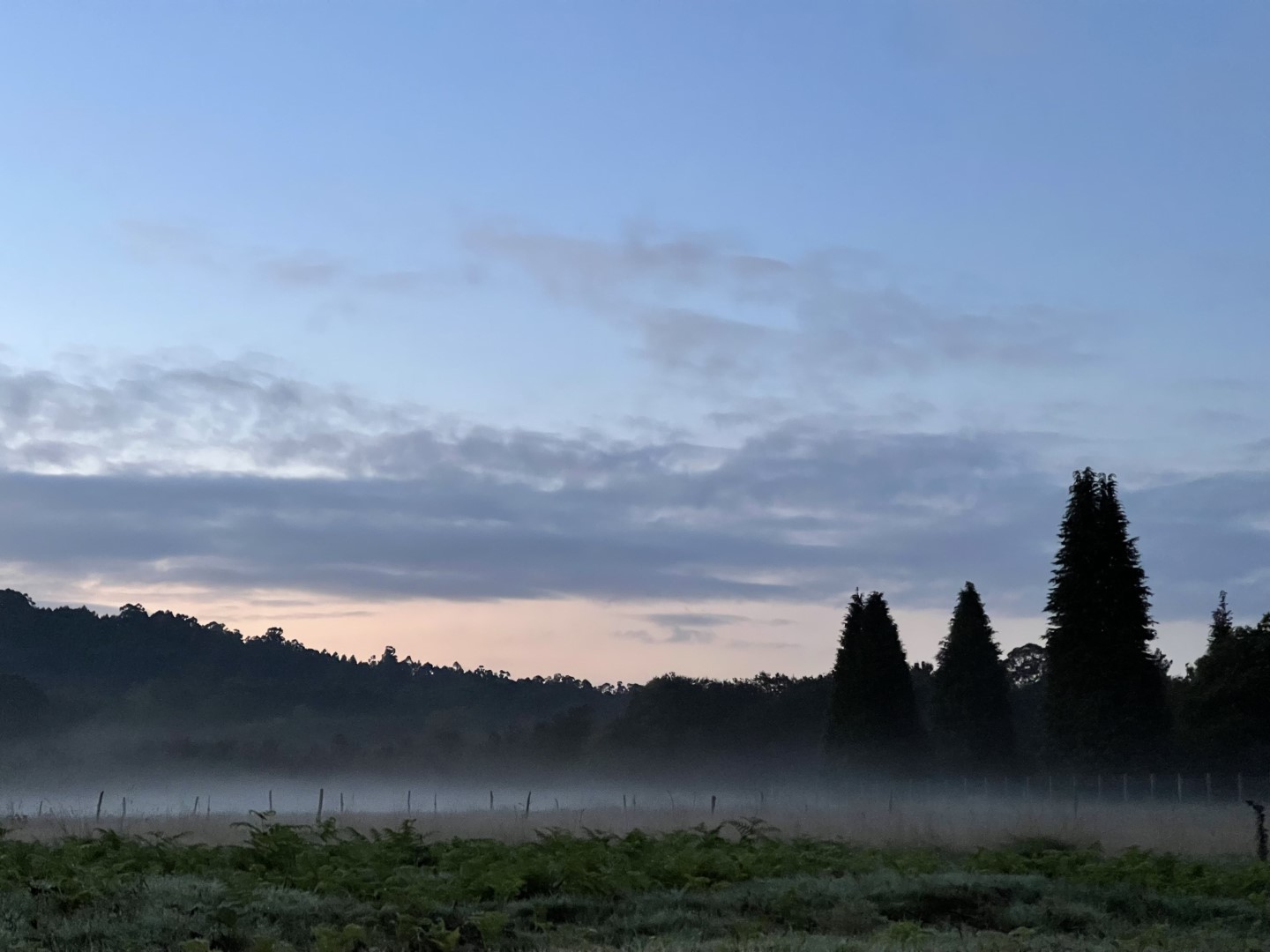
One might imagine that long, solitary hours on the road must be conducive to deep introspection and reflection, but rarely did I find this to be the case. When I wasn't distracted by sights or conversation, I was usually preoccupied by the aches that jolted up my legs with every step - aches that were just uncomfortable enough to not be able to ignore. That being said, I'm sure that an experienced runner or backpacker would have a different experience.
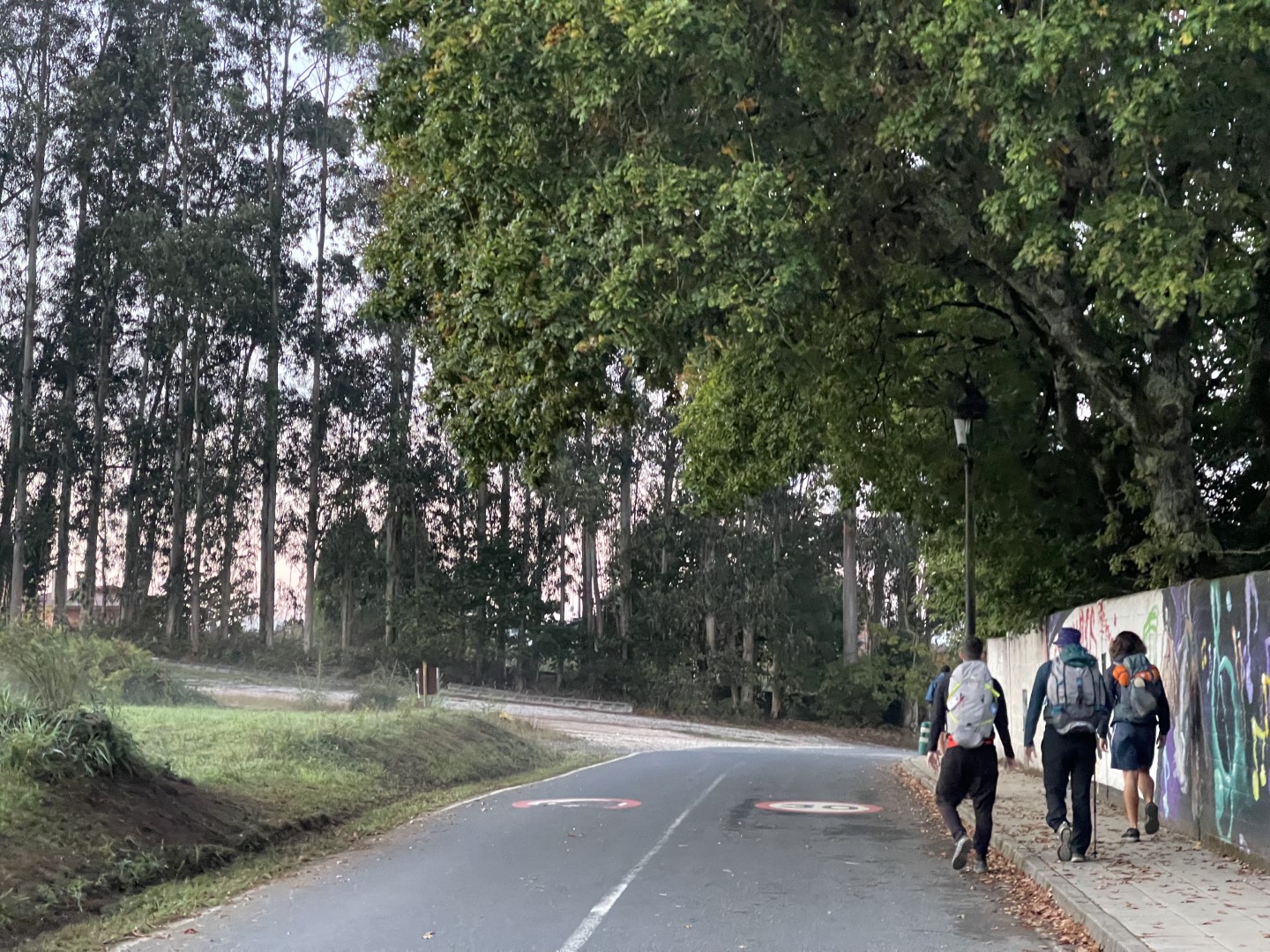
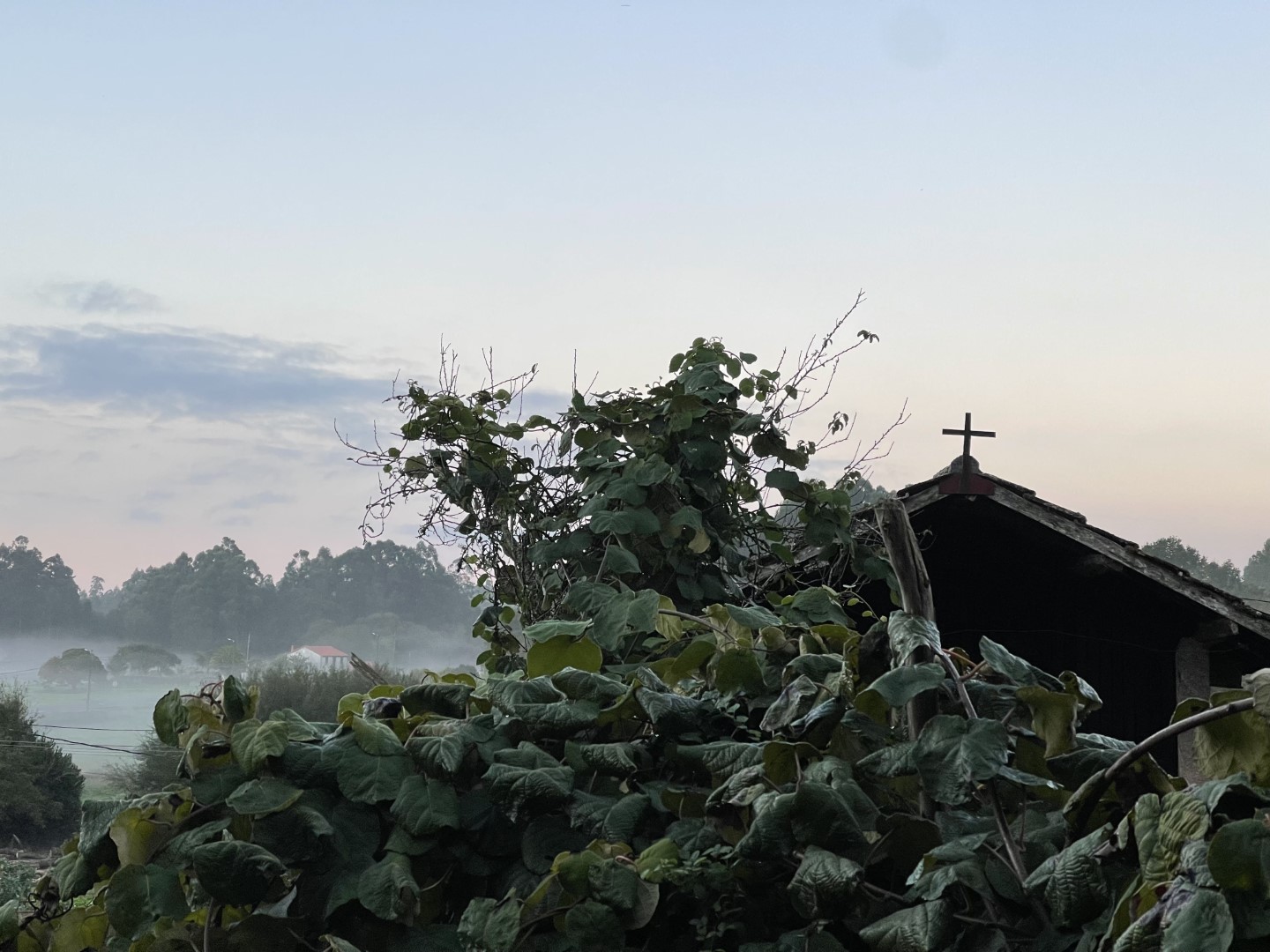
Humans are strange creatures. We take solace in the fact that other humans tread the same dirt, see the same sunrises, hear the same birds, smell the same manure, and taste the same shitty food, all in a shared pursuit of some kind of self-transformation. Without the precedent of milions of Catholic pilgrims throughout the centuries, does the walk lose its significance, all other factors constant? If I had hypothetically spent the past 12 days walking a parallel trail one mile to the north seeing nearly-identical sights, starting in the suburbs of Leon and ending in some boring neighborhood in Santiago, is it still a Camino - if not in definition, then at least in spirit?
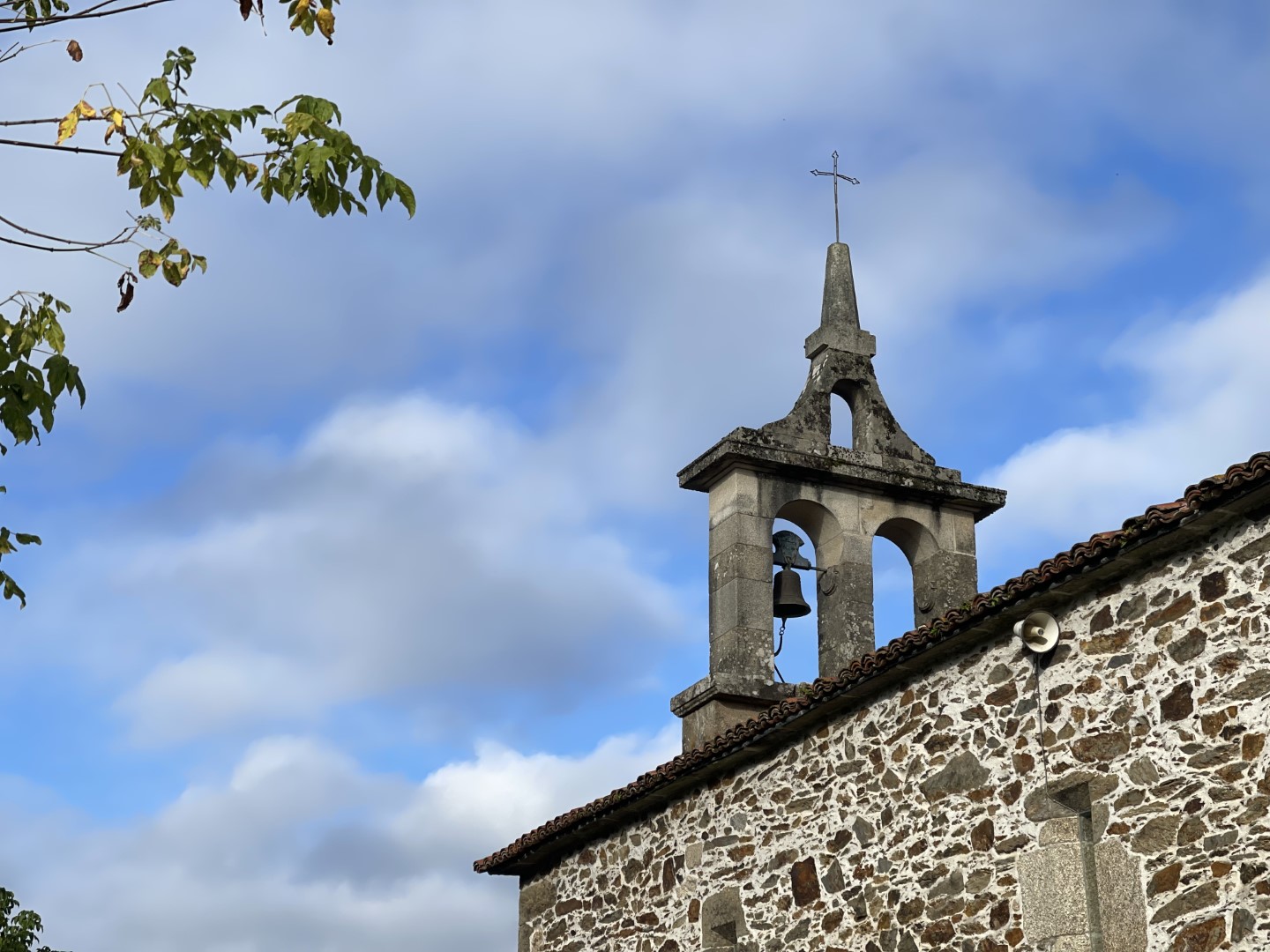
My most frequent question to fellow pilgrims over the past 12 days was simply: "Why are you walking?" The specifics of their answers varied, but a huge number sought some sort of epiphany that they believed would be magically imparted on them by walking this 800 kilometer road that had supposedly changed other peoples' lives. For many, it seemed to be a self-fulfilling prophecy: a mere belief in the spirituality of the journey was conducive to their own spiritual self-actualization.
One could spend two weeks trekking the Wakhan Corridor in Afghanistan and see vistas more beautiful than those on the Camino, or wander aimlessly through the storied villages of Occitania and see just as many historically significant churches as one would on the Camino. Does the fact that nobody else does those things for spiritual enlightenment make said activities inherently less spiritual or meaningful than the Camino? Do people just need to buy into some collective delusion to soothe their souls? If not, could walking 1000 times around Times Square be a Camino for someone?
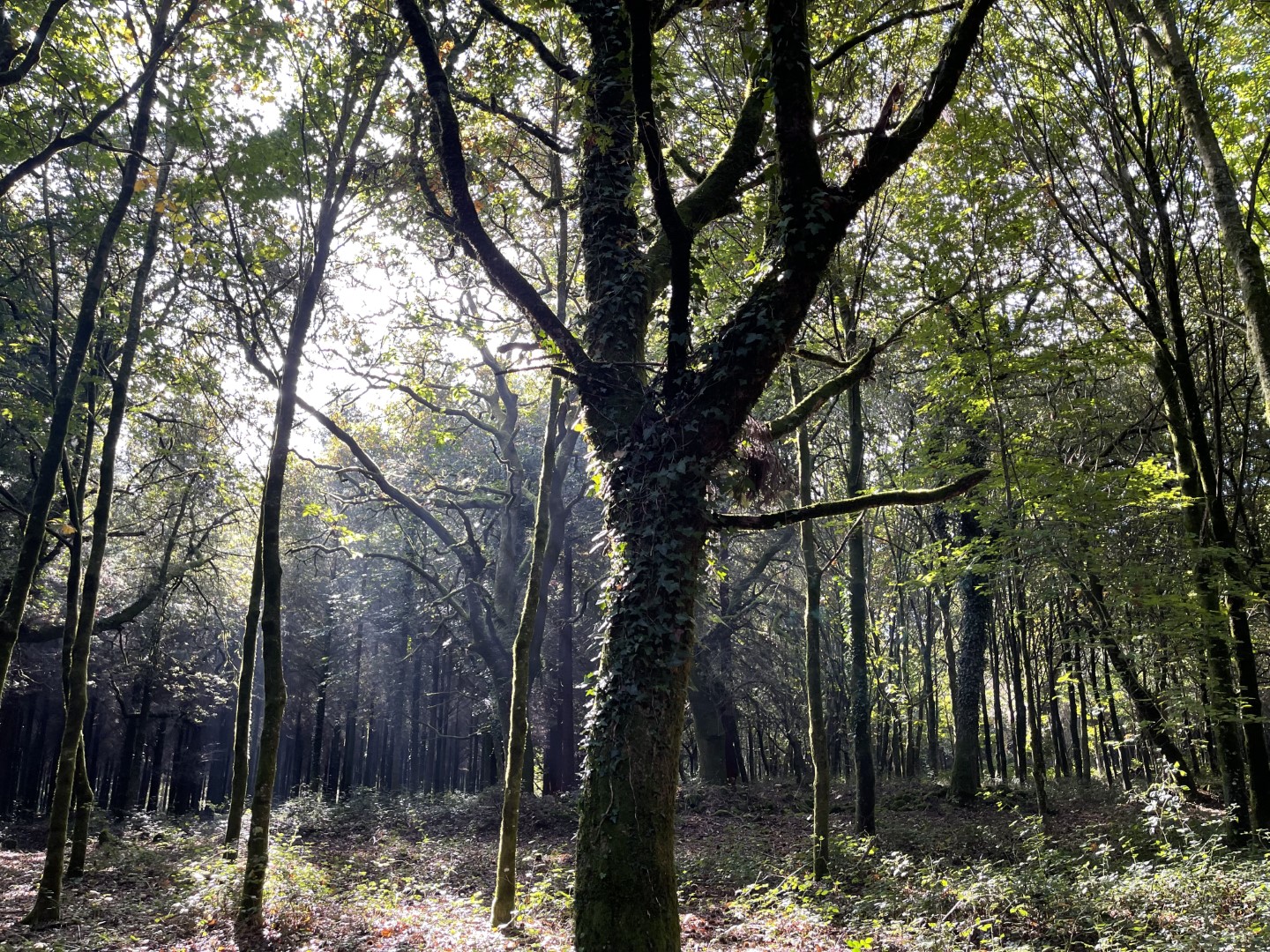
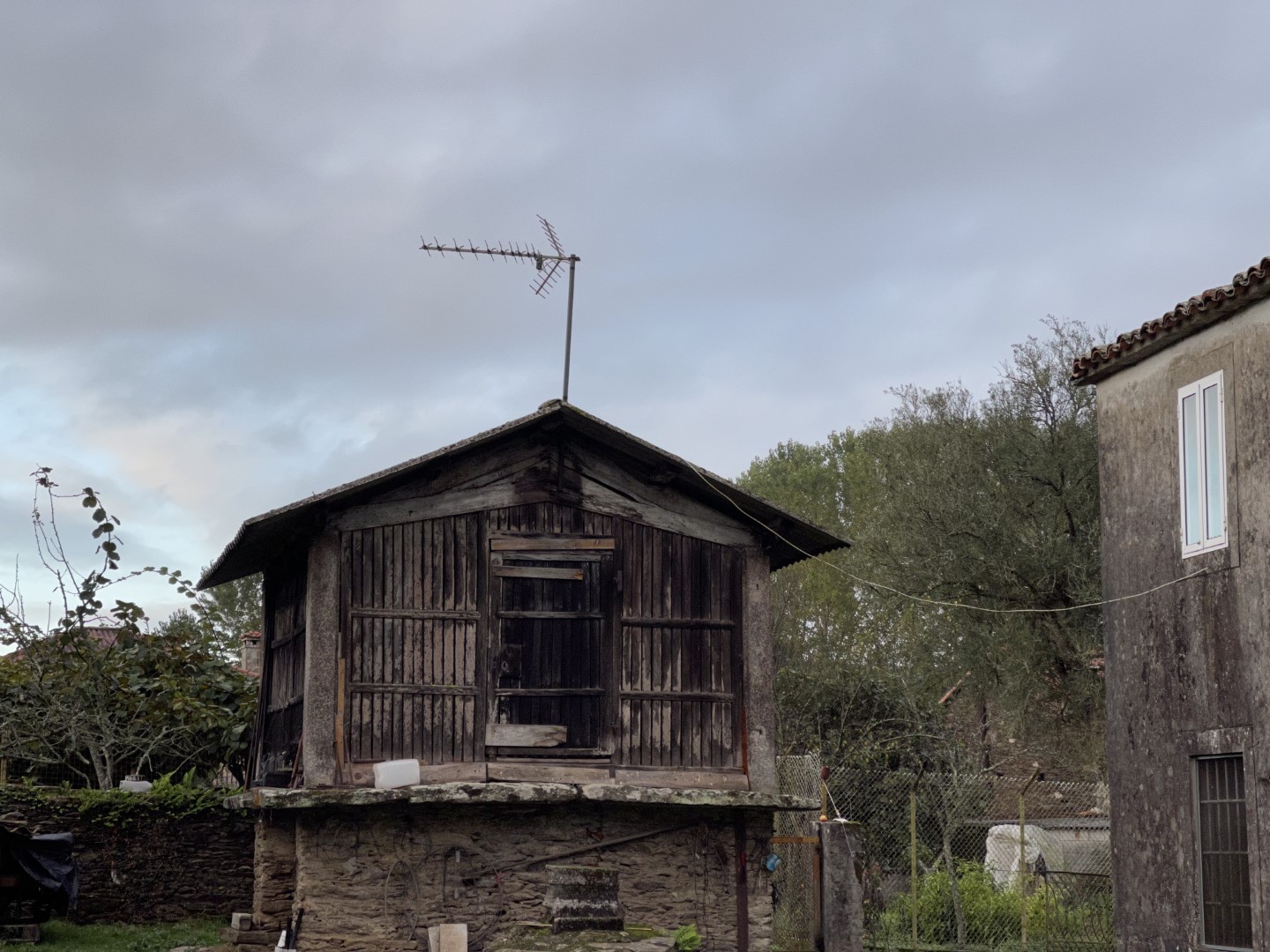
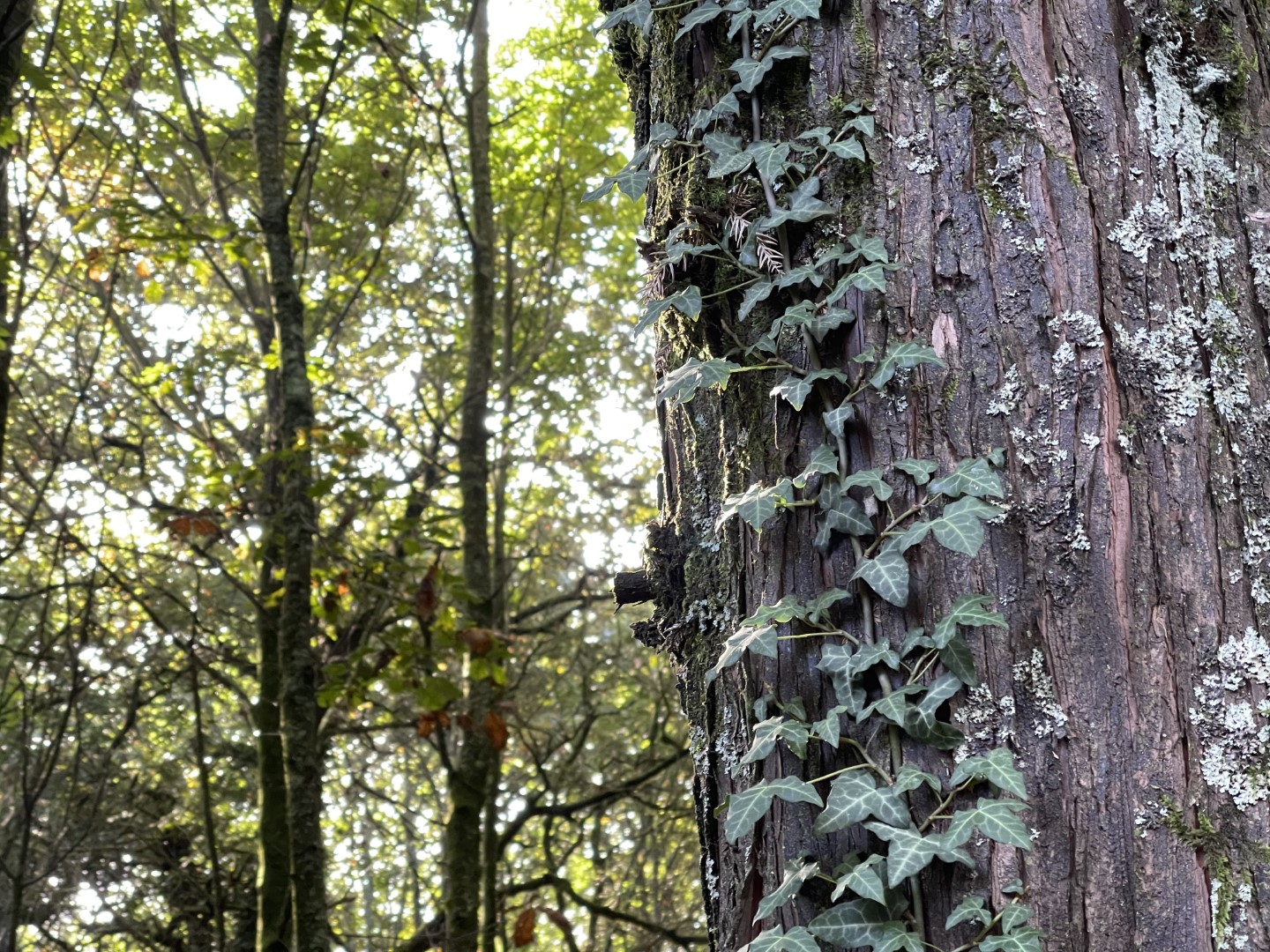
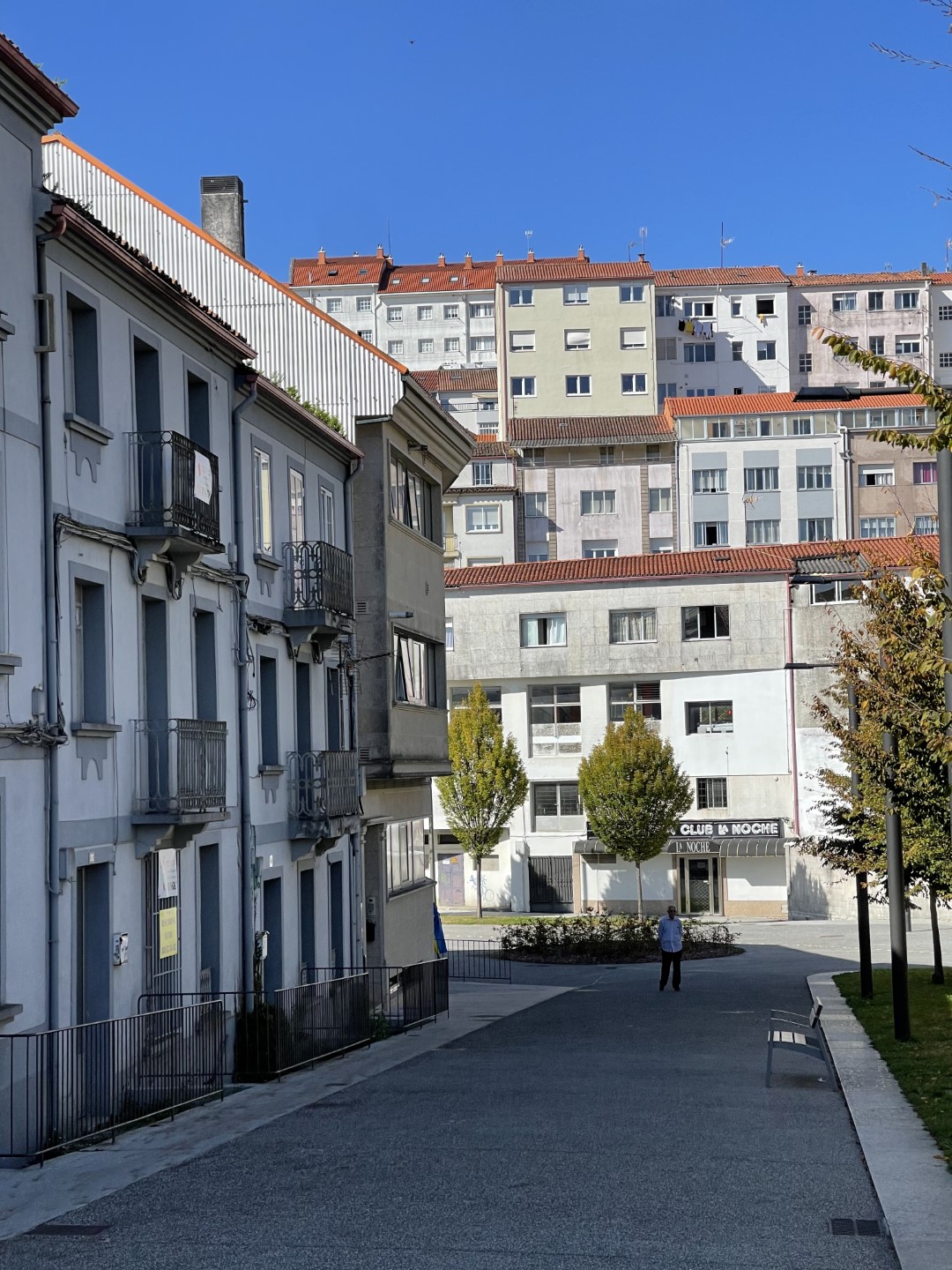
The road was basically a human traffic jam by midday, so I was kind of excited to reach Santiago and get it over with. The last few kilometers brought me through forests alive with the sound of J Balvin and ugly industrial developments on the outskirts of Santiago.
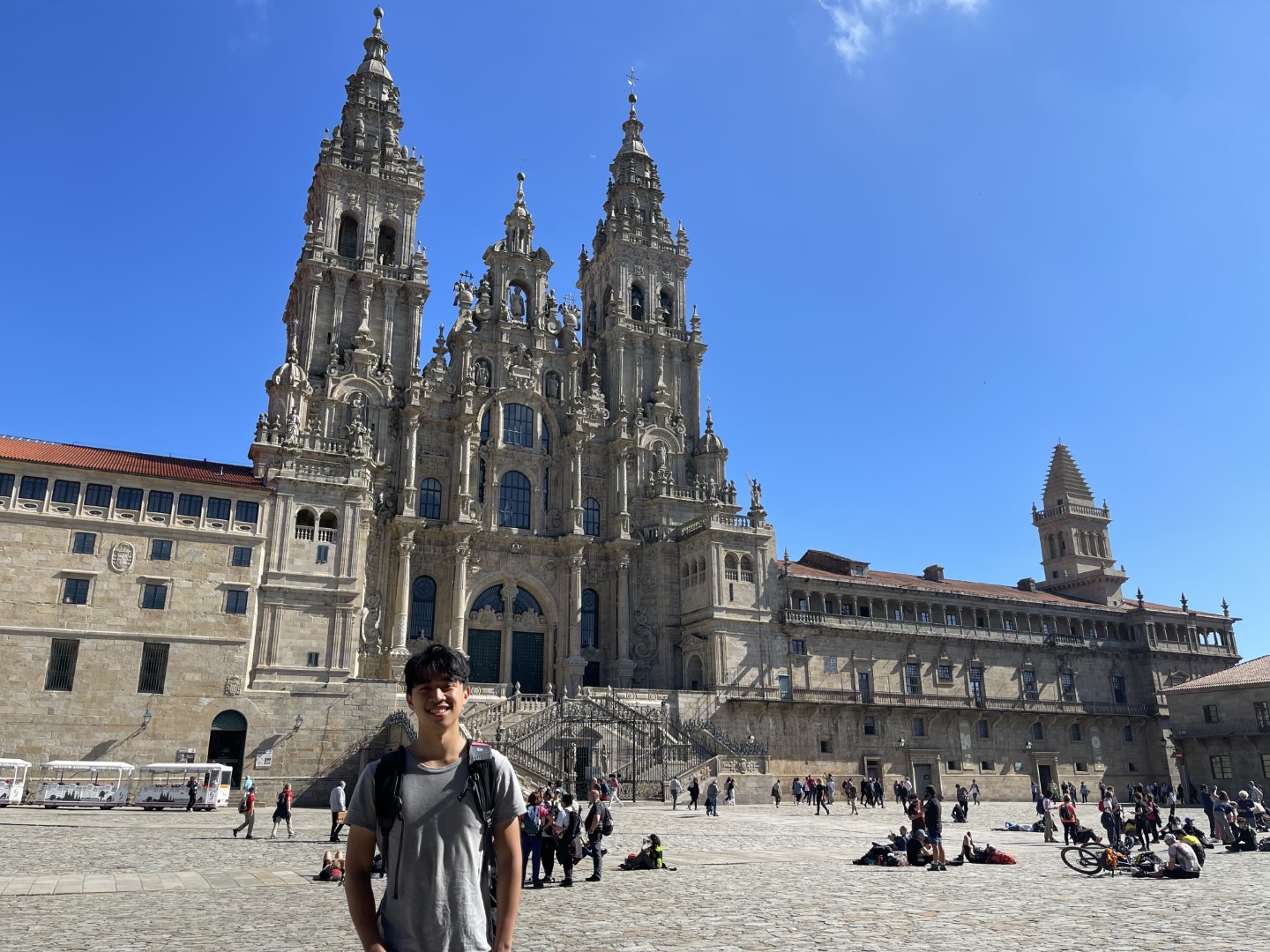
Pilgrims end their journey at the cathedral of Santiago de Compostela located right in the center of the city. The plaza next to the cathedral is filled with jubilant, tired-looking pilgrims.
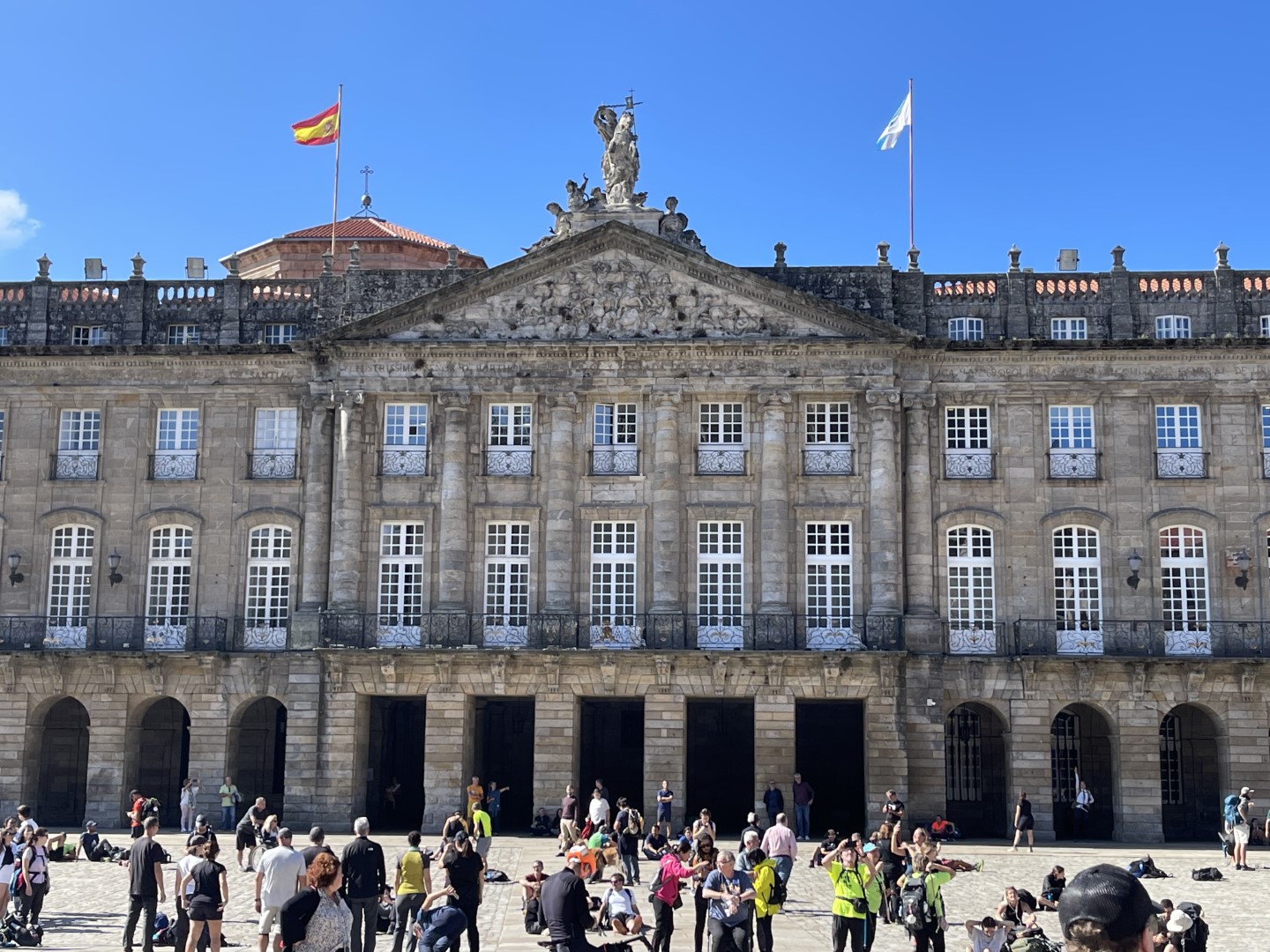
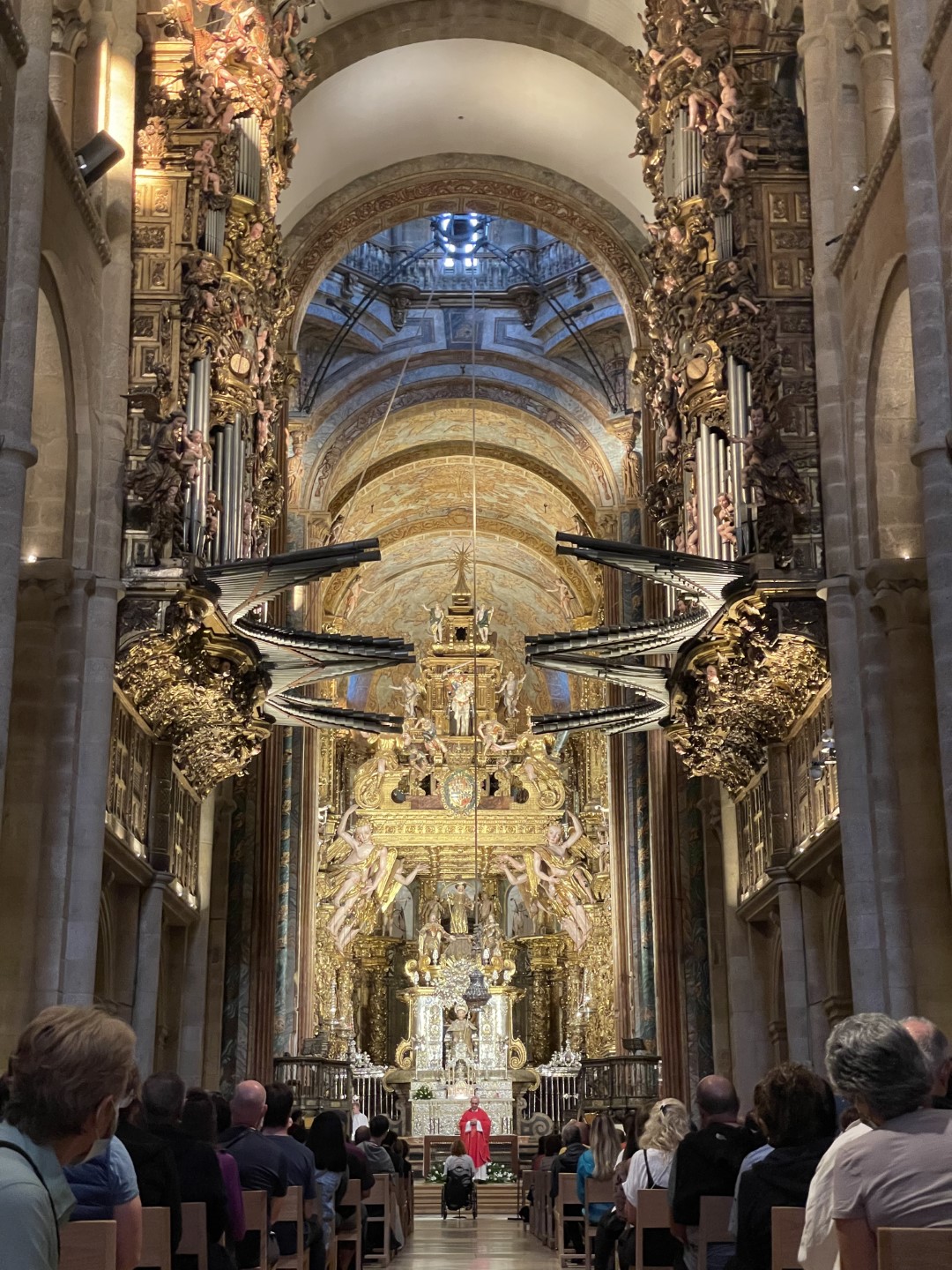
Mass is a very strange experience as a non-Catholic. The ritualistic nature of the processions, sermons, Eucharist, and people repeatedly crossing themselves felt cultlike in comparison with the freewheeling Protestant services that I had grown up with.
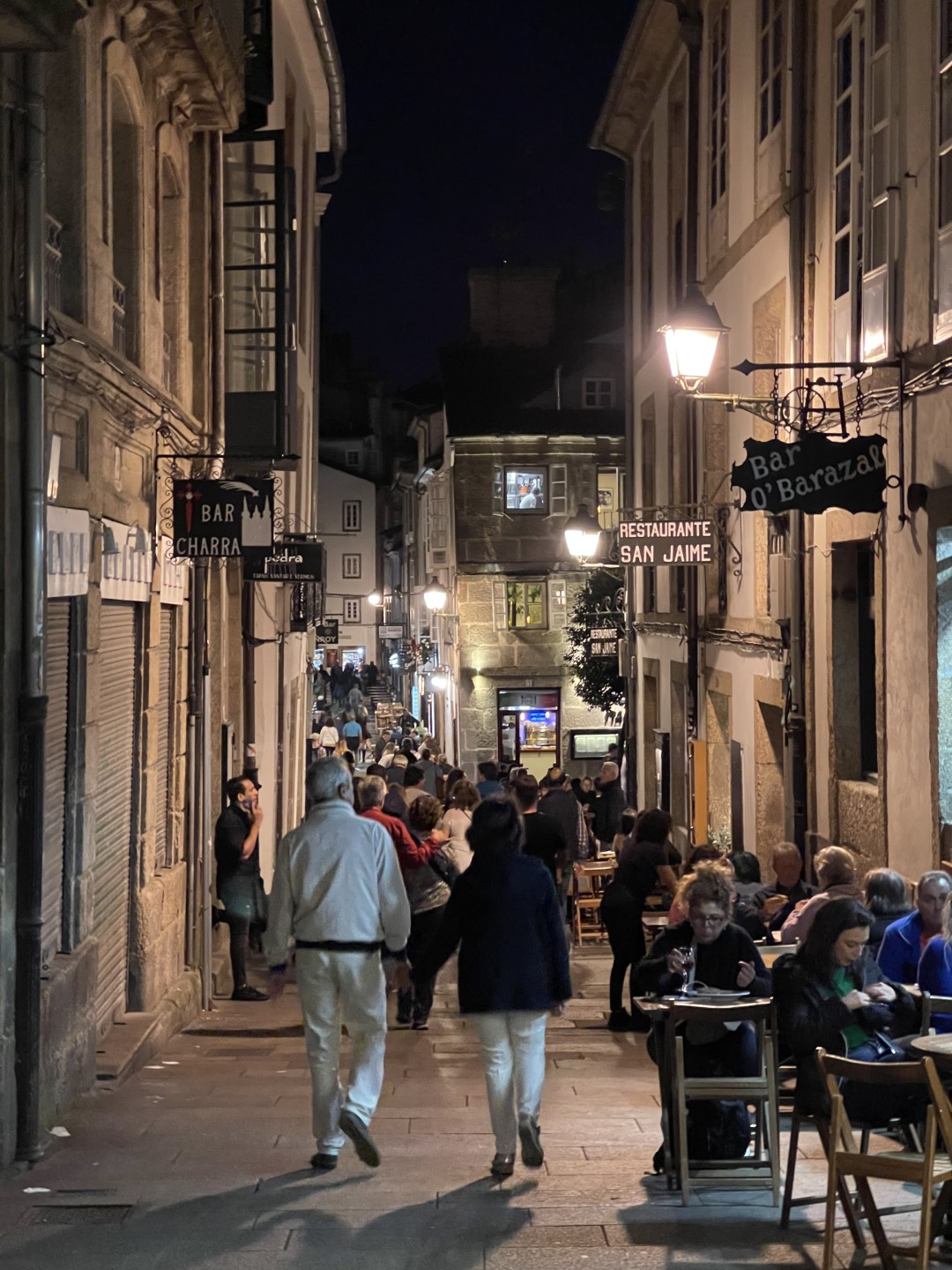
Being surrounded by so many emotional pilgrims, though, made me think about what I had gained from the Camino.
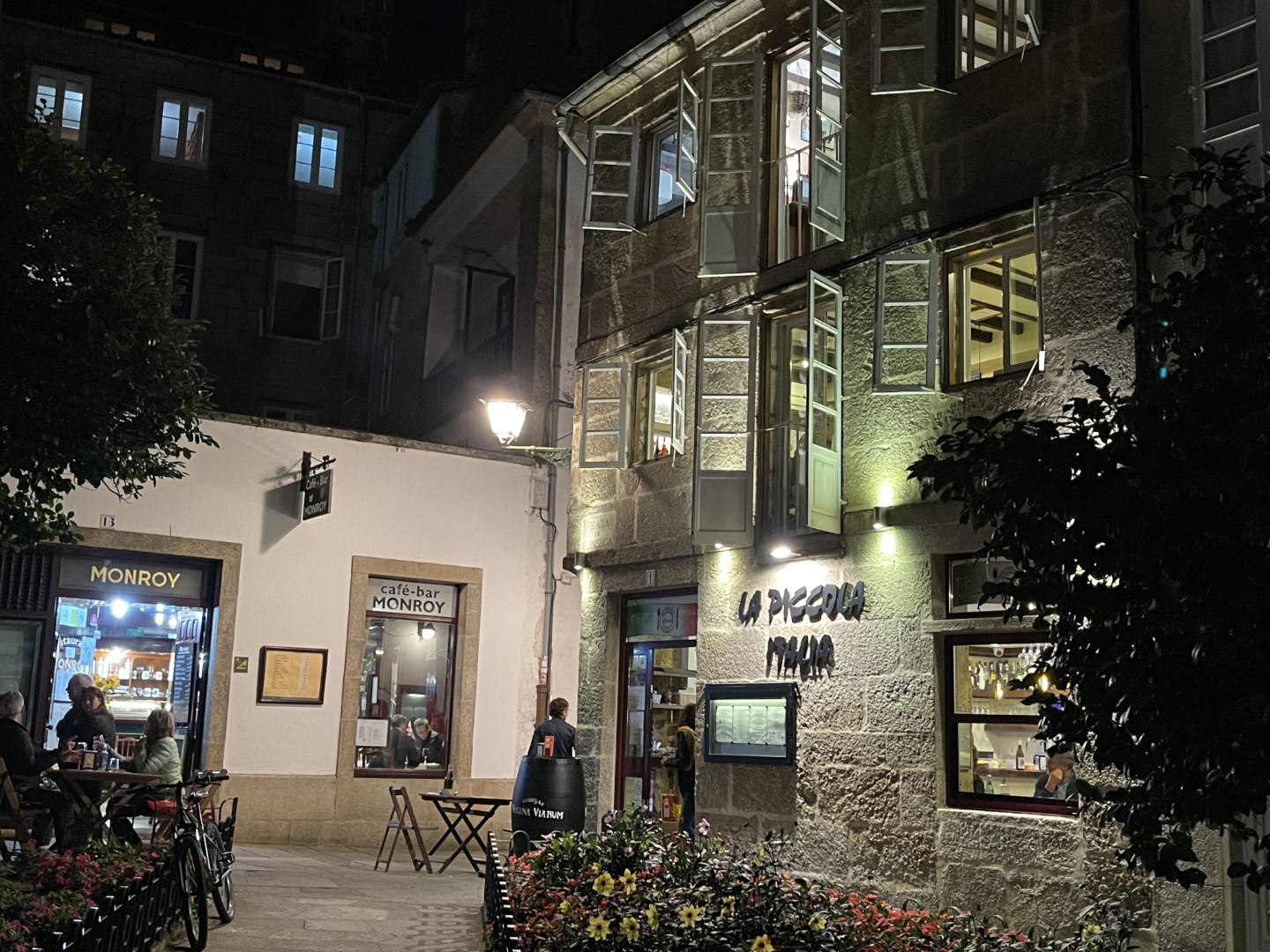
An appreciation for earplugs.
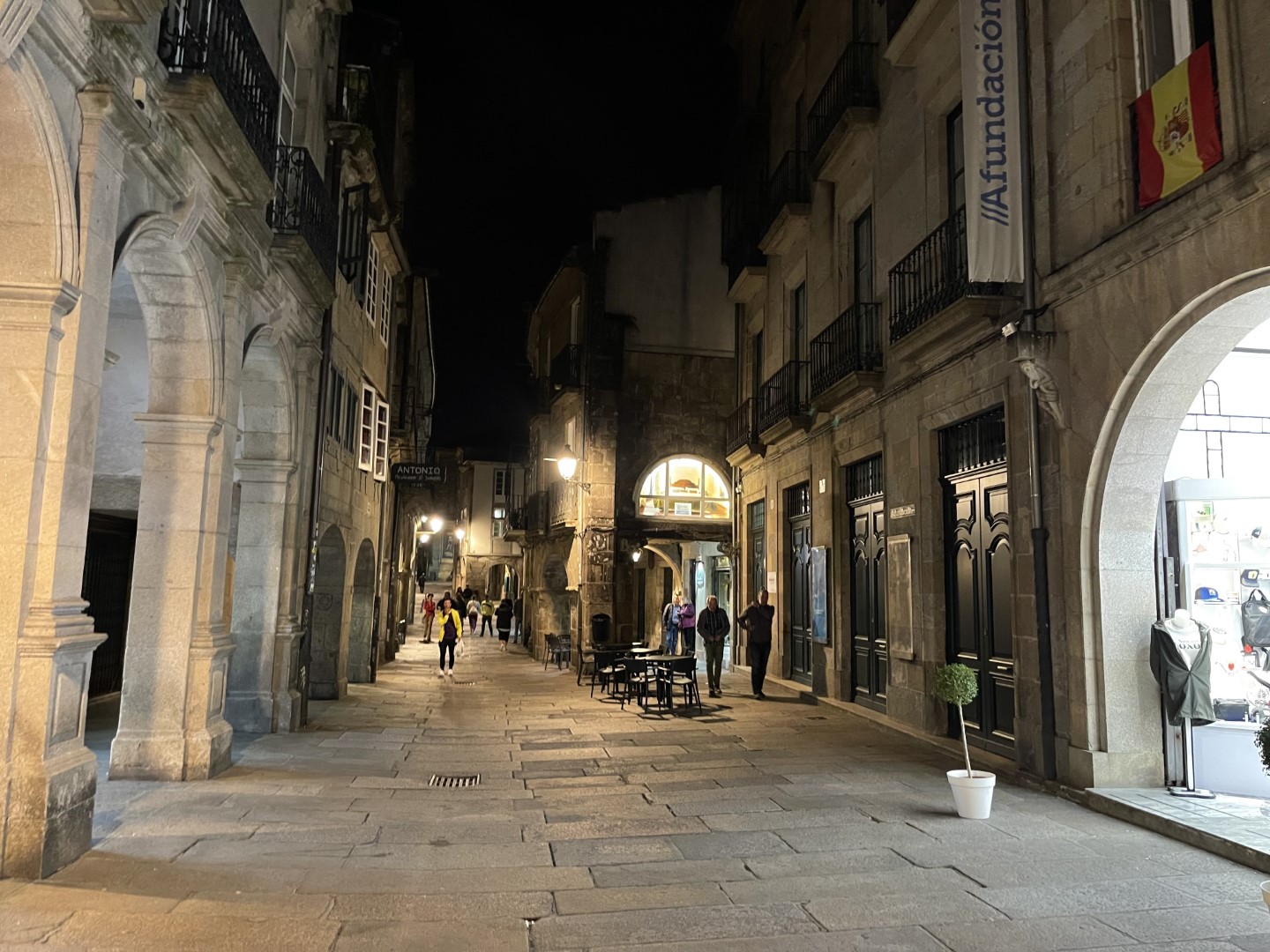
An appreciation for people.
An appreciation for life.
song of the day: Lamp - 冷ややかな情景
(end)